超市

Search documents
是山姆背叛了阶级,还是中产背叛了国籍?
虎嗅APP· 2025-07-19 13:48
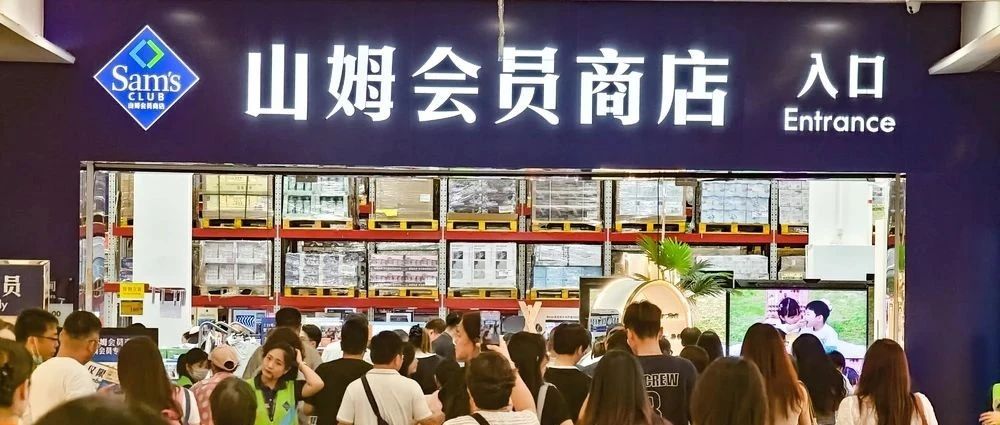
Core Viewpoint - The article discusses the backlash against Sam's Club in China due to its recent product changes, highlighting a clash between consumer expectations and the brand's strategy, reflecting broader trends in the Chinese consumer market and the evolving perception of domestic brands [3][8][10]. Group 1: Sam's Club's Product Strategy - In July, Sam's Club removed several popular domestic products, replacing them with more common brands like Holley and Liuliumei, leading to dissatisfaction among its members [5][6]. - The membership fees for Sam's Club are significant, with over 5 million members contributing at least 1.3 billion RMB annually, raising expectations for product quality and exclusivity [6][11]. - The backlash is not just about product quality but also about the perceived betrayal of consumer trust and the value proposition of being a member [10][18]. Group 2: Consumer Sentiment and Brand Perception - The article emphasizes a growing sentiment among Chinese consumers that domestic brands like Liuliumei and Weilong are proving their worth on the international stage, challenging the notion that imported goods are inherently superior [6][7]. - There is a notable shift in consumer psychology, where the identity and quality of domestic products are increasingly recognized, despite historical biases against them [27][28]. - The crisis at Sam's Club reflects a broader trend of disillusionment with foreign brands and a push for recognition of domestic quality, as seen in the rise of brands like Luckin Coffee and others [29][32]. Group 3: Industry Trends and Future Implications - The article suggests that the retail landscape in China is undergoing a transformation, with traditional distinctions between high-end and mass-market brands blurring as quality standards rise across the board [19][23]. - The success of companies like Pang Donglai, which emphasize transparency and customer service, is reshaping consumer expectations and challenging the traditional membership model of stores like Sam's Club [19][23]. - The future of membership-based retail may depend on adapting to these changes and focusing on quality and consumer trust rather than exclusivity [32][33].


8.3亿亏损背后,永辉豪赌激进转型能否破局?丨大象财富
Sou Hu Cai Jing· 2025-07-19 00:09
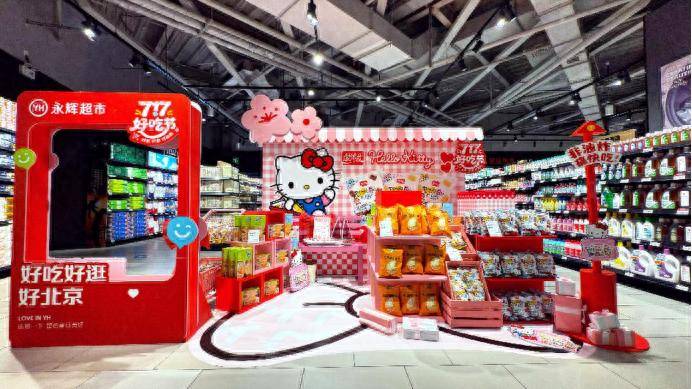
Core Viewpoint - Yonghui Supermarket is undergoing aggressive reforms, leading to significant losses in the first half of 2025, with a net profit loss of 240 million yuan and a non-recurring net profit loss of 830 million yuan, exceeding market expectations [1][4]. Group 1: Financial Performance - In the first half of 2025, Yonghui's revenue was approximately 17.48 billion yuan, a decrease of 19.32% compared to the same period in 2024 [6]. - The net profit attributable to shareholders was 147.56 million yuan, down 79.96% year-on-year, while the non-recurring net profit was 137.33 million yuan, a decline of 77.07% [6]. - Operating cash flow decreased by 71.15%, amounting to 572.44 million yuan [6]. Group 2: Store Closures and Reforms - Yonghui closed 232 stores in 2024 and an additional 227 stores in the first half of 2025, potentially reducing the total number of stores to below 450 [4][5]. - The company is implementing a "fast-track" reform strategy, with significant investments of 5 to 8 million yuan per store for renovations and upgrades [5][19]. Group 3: Supply Chain Transformation - Yonghui is focusing on a supply chain overhaul, emphasizing a "naked price" strategy to eliminate middlemen and directly control procurement prices [7][19]. - The company aims to enhance its product offerings by developing its own brand products and optimizing cost structures through direct sourcing [8][19]. Group 4: Competitive Landscape - Yonghui faces intense competition from discount retailers and new entrants, which are eroding its market share [10][12]. - The rise of hard discount models and new brands targeting younger consumers poses additional challenges to Yonghui's traditional retail model [12][13]. Group 5: Future Outlook and Risks - The success of Yonghui's transformation hinges on achieving profitability by the end of 2025, with a focus on establishing at least 100 high-efficiency stores [19][20]. - The company has limited time to demonstrate its turnaround strategy, with a potential cash flow crisis looming if improvements are not realized soon [18][20].

10116家!连云港“胖东来”时代来了?
Sou Hu Cai Jing· 2025-07-18 14:32
Core Insights - The retail industry in Lianyungang is experiencing a transformation from merely selling products to offering experiences, with local supermarkets like Jiadefu and Baozhen leading the charge [4][5][9] - The number of active supermarkets in Lianyungang has increased significantly from 7,235 to 10,116 over five years, indicating a robust growth trend in the sector [4][5] Group 1: Industry Transformation - Lianyungang supermarkets are adopting new design models inspired by leading companies like Pang Donglai and Hema Fresh, focusing on enhancing consumer engagement [5][9] - The shift in consumer demographics is evident, with the average shopper now aged between 25 and 45, prompting supermarkets to adjust their product offerings to cater to younger tastes [7][9] - The introduction of "convenience corners" and enhanced customer service features is transforming supermarkets into lifestyle hubs rather than just shopping venues [9][11] Group 2: Competitive Landscape - The competition among supermarkets has intensified, evolving from price wars to value-based strategies, where customer experience and service quality are paramount [11][12] - The density of supermarkets in Lianyungang is high, with over 10 supermarkets per square kilometer in key areas, making customer retention critical [11][12] - The rise of online retail is challenging traditional supermarkets, but they are leveraging their strengths in fresh produce and immediate service to maintain relevance [11][12] Group 3: Future Outlook - The transformation initiated by Jiadefu and Baozhen is expected to gradually influence the entire region, although the pace may vary across different areas [12][14] - The penetration of popular products and modern shopping concepts into county markets is changing consumer habits, indicating a shift towards a more integrated shopping experience [14] - Future supermarkets in Lianyungang may evolve to offer a wide range of services, from food purchases to family activities, embedding themselves into daily life [14]


转攻“穷人超市”,盒马放下“中产梦”?
3 6 Ke· 2025-07-17 23:32
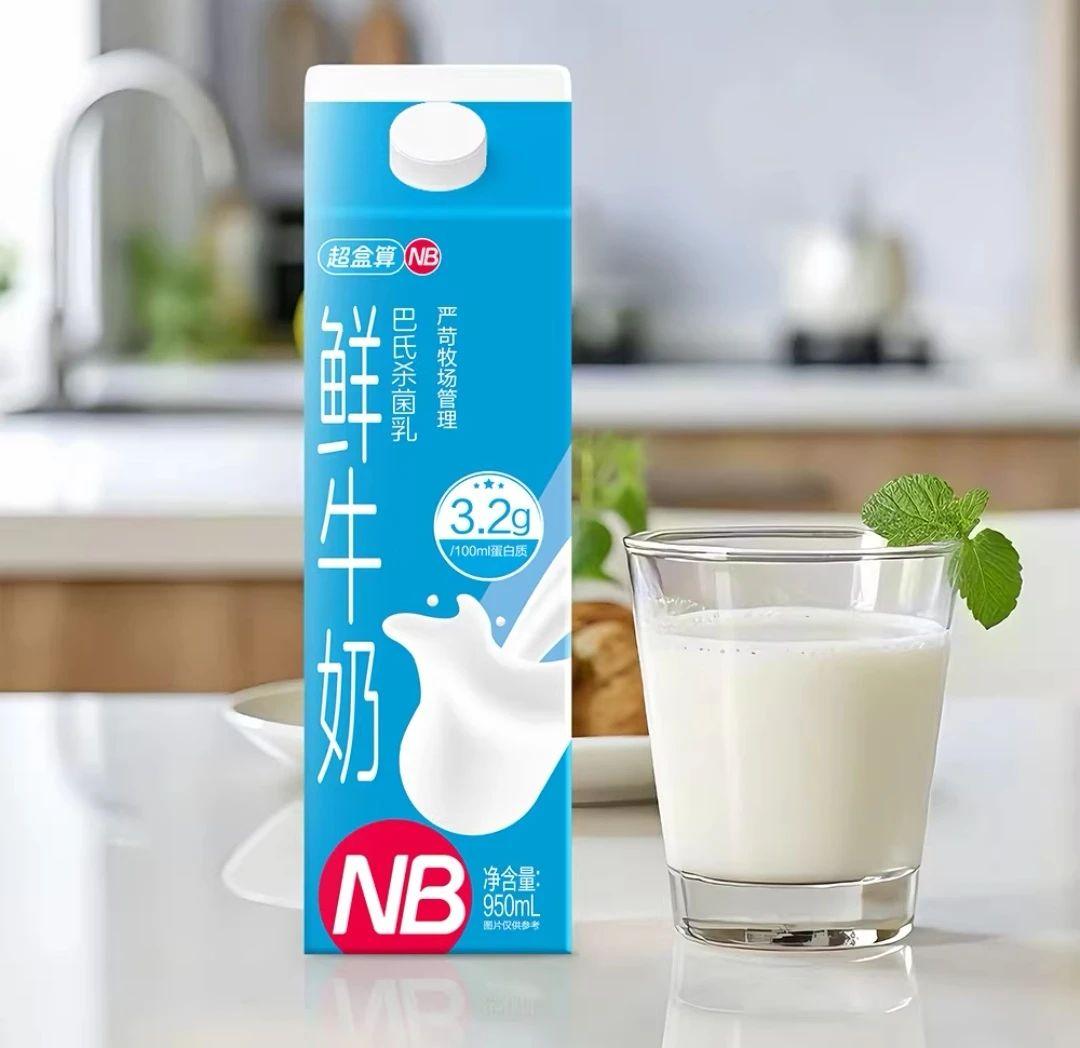
Group 1 - The core issue revolves around Sam's Club's recent decision to remove popular products, leading to backlash from middle-class consumers who feel undervalued [1] - Sam's Club quickly reversed its decision after receiving negative feedback, highlighting the challenges of catering to middle-class consumers [1] - Hema has shifted its focus from targeting urban middle-class consumers to expanding into discount retail, closing its membership stores [1][5] Group 2 - Hema NB has opened new stores in Jiangsu and Zhejiang provinces, marking its entry into county-level markets [2] - By the end of 2024, Hema plans to position Hema NB as one of its core business models, focusing on expanding into affluent county-level cities [3] - Hema NB has signed contracts for 355 stores, with expectations to reach 1,000 stores by the end of the year [4] Group 3 - Hema NB is set to undergo a rebranding to "Super Box NB," which will include changes to store signage and product branding [6] - The new branding aims to emphasize price competitiveness, with products like low-temperature fresh milk priced at 7.5 yuan for 950ml [6] - Hema NB's expansion strategy focuses on affluent areas within the Yangtze River Delta, with a current total of 263 stores across 12 cities [9] Group 4 - Hema NB's store locations are strategically chosen in high-GDP areas to ensure stable customer traffic, with a focus on urban centers [11][12] - The store's operational model includes cash payments and self-checkout options, catering to a broader demographic, including older consumers [16] - Hema NB's product selection emphasizes essential goods while maintaining a streamlined inventory of 1,000 to 1,500 SKUs to enhance efficiency [18] Group 5 - Hema NB's evolution from Hema Outlet to a discount store model reflects a shift in supply chain strategy, reducing unnecessary costs [17] - The store's product offerings include a mix of self-branded and popular brands, with a significant portion of self-branded items [19][20] - Hema NB's pricing strategy is competitive, with products like fresh orange juice priced at 9.5 yuan, significantly lower than competitors [20][23] Group 6 - The discount retail sector is becoming increasingly competitive, with new entrants like Walmart and Meituan exploring similar business models [24][27] - Hema NB faces direct competition from Aldi, which has a more established supply chain and pricing strategy [27][31] - Hema aims to leverage its digital capabilities and delivery services to enhance its market position against competitors [32][36]
【零售】大促前置影响6月表现,黄金零售短期承压——2025年6月社消零售数据点评(姜浩/梁丹辉)
光大证券研究· 2025-07-17 14:31
Core Viewpoint - The article discusses the performance of China's retail sector in June 2025, highlighting a slowdown in growth rates across various categories of consumer goods, influenced by high base effects from the previous year and changes in promotional cycles [2][8]. Retail Performance Summary - In June 2025, the total retail sales of consumer goods reached 4.23 trillion yuan, with a year-on-year growth of 4.8%, which is a decrease of 1.6 percentage points from May [2]. - For the first half of 2025, the total retail sales amounted to 24.55 trillion yuan, reflecting a year-on-year growth of 5.0%, an increase of 1.3 percentage points compared to the same period last year [2]. Category-Specific Insights - Supermarket sector saw a year-on-year increase of 8.7% in grain and oil products, but this was a decline of 5.9 percentage points from May [3]. - Beverage sales dropped by 4.4% year-on-year, with a decrease of 4.5 percentage points from the previous month [3]. - Daily necessities experienced a year-on-year growth of 7.8%, slightly down by 0.2 percentage points from May [3]. Apparel and Cosmetics - Textile and apparel retail sales grew by 1.9% year-on-year, down 2.1 percentage points from May [4]. - Cosmetic sales fell by 2.3% year-on-year, a significant drop of 6.7 percentage points compared to the previous month [4]. Jewelry and Electronics - The gold and jewelry sector reported a year-on-year growth of 6.1%, but this was a decline of 15.7 percentage points from May [5]. - Home appliances saw a substantial year-on-year increase of 32.4%, although this represented a decrease of 20.6 percentage points from the previous month [6]. Other Categories - Tobacco and alcohol retail sales decreased by 0.7% year-on-year, down 11.9 percentage points from May [7]. - Communication equipment sales grew by 13.9% year-on-year, but this was a decline of 19.1 percentage points from the previous month [7]. - Cultural and office supplies saw a year-on-year increase of 24.4%, down 6.1 percentage points from May [7]. Market Dynamics - The slowdown in retail sales growth in June is attributed to a high base effect from the previous year and the elongation of promotional cycles, leading to an earlier release of consumer demand [8]. - Essential goods experienced a decline in growth rates, with beverages and tobacco categories showing negative year-on-year growth [8]. - Optional goods, particularly in the gold and jewelry sector, faced demand suppression due to fluctuating gold prices, resulting in a decrease in growth rates [8].

商超不止“胖东来”,北京开了一家中国版EREWHON
Sou Hu Cai Jing· 2025-07-17 08:36
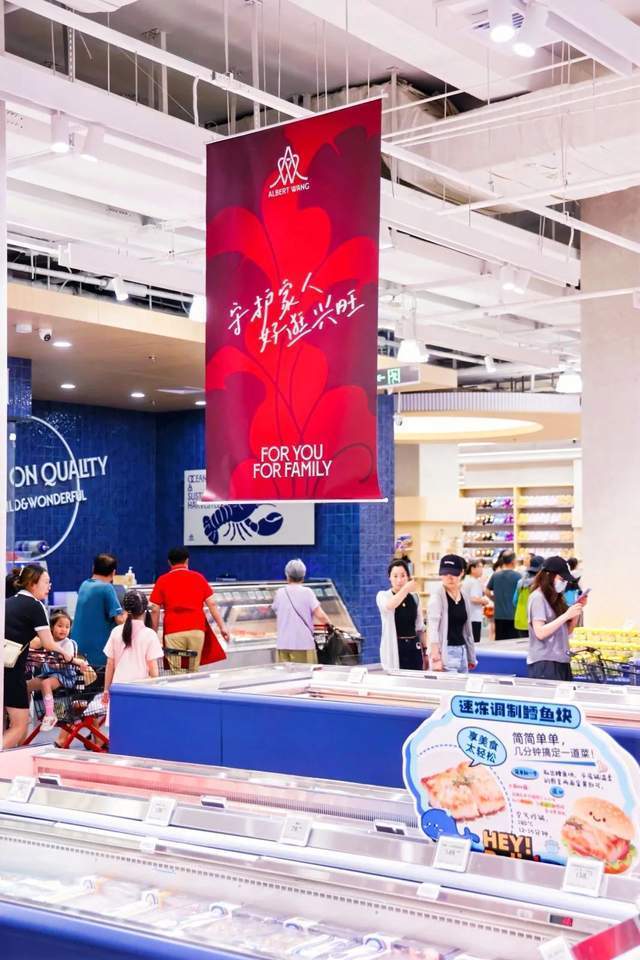
Core Insights - AW Supermarket, a new high-end organic supermarket brand, opened its first store in Beijing, targeting health-conscious middle-class and young families [1][2] - The store replaces a closed Hualian supermarket and aims to differentiate itself in the competitive retail landscape by focusing on health and quality [1][2] Group 1: AW Supermarket's Unique Features - The first AW store spans approximately 5,000 square meters with 6,000 SKUs, emphasizing low-sugar, low-fat, and organic products, with organic items accounting for about 25% of the offerings [4][6] - AW Supermarket aims to establish a full-service system centered on "category selection, strict certification, rapid cold chain, and transparent traceability" to ensure product freshness and health [6] - The store's design incorporates a visual production area, allowing customers to see the processing of baked goods, meat, and fresh fish, breaking traditional supermarket layouts [7][11] Group 2: Market Positioning and Membership Innovation - AW Supermarket's membership system allows customers to become VIP members by preloading 1,000 yuan, granting access to member prices on 40% of products, with the option for refunds on the stored value [12] - This approach is seen as more cost-effective for consumers and helps businesses retain customer loyalty compared to traditional membership models [12] Group 3: Retail Industry Trends - The opening of AW Supermarket reflects the ongoing differentiation in the Chinese retail sector, with traditional supermarkets focusing on survival while new, innovative formats emerge [13] - International players are also entering the Chinese market, exemplified by Iceland's first Asia-Pacific store, which combines retail with live-streaming elements [13] - The retail landscape is evolving, with a focus on understanding consumer habits and leveraging unique brand identities to create differentiated experiences and services [18]
山姆风评下降,不怪好丽友
2 1 Shi Ji Jing Ji Bao Dao· 2025-07-16 12:28
Core Viewpoint - The controversy surrounding Sam's Club's product selection strategy has raised concerns among consumers regarding the quality and uniqueness of its offerings, leading to questions about the value of the membership fee paid by consumers [2][4]. Group 1: Product Selection and Quality Concerns - Sam's Club has faced criticism for replacing popular products with more mainstream brands like Haoliyou, leading to perceptions of homogenization in its product offerings [2][3]. - Consumers have reported quality issues with certain products, indicating a potential shift in supplier relationships that may affect product standards [3][6]. - The core of the controversy lies in the expectation that consumers pay a premium membership fee for unique and high-quality products, which may not be met if product differentiation diminishes [4][5]. Group 2: Membership Value Proposition - The membership fee is perceived as a "selection premium" that consumers expect to be matched with high-quality products and services [3][4]. - Sam's Club has emphasized its commitment to quality and member satisfaction, stating that it will consider member feedback in future product selection strategies [5][6]. - The trust established between Sam's Club and its members is crucial for its competitive advantage, as consumers believe they are getting quality products at competitive prices [3][5]. Group 3: Expansion and Financial Considerations - Sam's Club has been rapidly expanding in mainland China, opening 32 new stores from 2016 to 2023, with plans for continued growth in 2024 [6]. - Despite strong sales growth, the high cost of store openings and operational expenses poses challenges for maintaining cash flow and profitability [6][7]. - The overall performance of the supermarket sector in mainland China is underwhelming, raising questions about Sam's Club's ability to sustain its growth trajectory without facing increased competition and market saturation [7].
“价格战”打到最后,才发现真正的对手不是同行
3 6 Ke· 2025-07-16 10:24
Group 1 - The core issue in the current retail market is not "consumption downgrade," but rather a collective weariness of mediocre offerings from consumers [2][6] - The market has shifted from a "supply shortage" to a "supply surplus" era, leading to a situation where many companies are still using outdated strategies to address modern challenges [3][6] - Price wars are a sign of companies' inability to innovate and meet higher-level consumer expectations, resulting in a cycle of despair and competition without real value creation [3][5] Group 2 - Consumers are not unwilling to spend money; they are simply not finding products that excite them, leading to a silent outcry for better offerings [6][8] - The concept of "pseudo-innovation" is prevalent, where companies focus on superficial improvements rather than addressing the core needs and desires of consumers [5][6] - Successful brands are those that can create genuine desire and excitement among consumers, rather than just competing on price [7][8] Group 3 - The solution lies in shifting from merely meeting basic needs to creating "expectation" and "excitement" demands, as outlined in the KANO model [9][10] - Companies must focus on delivering value resonance rather than just functional satisfaction to engage consumers effectively [10][18] - Examples like Sam's Club and NIO illustrate how understanding and fulfilling consumer expectations and excitement can lead to significant business success [12][14] Group 4 - Companies need to undergo a three-step evolution to escape the cycle of internal competition: mindset revolution, capability upgrade, and cognitive restructuring [20][22] - The first step involves adopting a long-term perspective, akin to farming, rather than seeking quick profits [22][23] - The second step emphasizes the use of scientific methods to understand consumer needs deeply, moving beyond intuition [23][25] Group 5 - The final step is to redefine the company's role from merely selling products to being a partner that helps consumers achieve their goals [27][30] - This shift in perception can lead to a restructured business model that prioritizes experience, community, and emotional value [30][32] - The ultimate goal is to create desire rather than just meet existing needs, which is essential for long-term success in the market [38]
永辉“胖改”1年,迎来半年度历史第二大亏损
阿尔法工场研究院· 2025-07-15 11:57
Core Viewpoint - Yonghui Supermarket is still experiencing significant losses after a year of transformation under the "Fat Reform" initiative, with projected losses of approximately 240 million yuan for the first half of 2025, marking a deep transitional period for the company [1][4]. Financial Performance - Yonghui Supermarket has reported continuous losses for four consecutive years from 2021 to 2024, accumulating losses of about 9.5 billion yuan, while the net profit from 2016 to 2020 was only 7.897 billion yuan [4]. - The company's revenue has declined from 91.06 billion yuan in 2021 to 67.57 billion yuan in 2024, indicating a significant downturn in financial performance [4]. Store Adjustments - In the first half of 2025, Yonghui Supermarket adjusted and opened 93 stores, bringing the total number of adjusted stores to 124 [1]. - The company closed 227 long-term loss-making stores during the same period, incurring costs related to lease compensation, personnel compensation, and asset write-offs [2][14]. Strategic Partnerships - Yonghui Supermarket sought assistance from the retail giant "Fat Donglai" to reform its operations, with the first store transformation completed in June 2024, resulting in a significant increase in sales [5][13]. - In September 2024, Miniso acquired a 29.4% stake in Yonghui Supermarket for 6.27 billion yuan, becoming the largest indirect shareholder, indicating confidence in the company's transformation efforts [6]. Management Changes - The company appointed former Alibaba executive She Xianping as Vice President and Chief Product Officer to enhance operational efficiency and supply chain management [7][9]. - The restructuring of procurement centers into five regional hubs aims to improve supplier management and product quality [9]. Future Plans - Yonghui Supermarket aims to complete the transformation of 300 stores by the Lunar New Year in 2026, with plans to increase the number of adjusted stores to over 40% of its total by September 2025 [13][15]. - The company has seen promising results from the initial store adjustments, with some locations achieving sales up to 13.9 times their previous averages [13].

“穷鬼超市” Iceland入华首店:一个长在直播间的超市
36氪未来消费· 2025-07-15 08:42
Core Viewpoint - Iceland has opened its first store in Asia-Pacific, named "Iceland Lab," in Beijing, which combines retail, e-commerce, and live streaming, marking a significant shift from traditional supermarket models [3][4][5]. Group 1: Store Concept and Operations - The Iceland Lab is a collaborative project involving the Iceland brand, Shoulu Group, and the Mentougou government, focusing on attracting investment rather than solely retail sales [4][12]. - The store features a limited selection of products, with only about 30% being Iceland's own products, while the rest comes from local partners, including traditional brands [5][33]. - The store operates under a unique model that prioritizes online sales and content creation over traditional in-store sales, with a focus on creating a lively atmosphere for live streaming [7][17]. Group 2: Market Strategy and Consumer Engagement - The store aims to change consumer perceptions of frozen food, positioning itself as a "global gourmet good base" rather than a traditional supermarket [24][30]. - The strategy includes leveraging live streaming to enhance customer engagement and drive online sales, with a significant portion of live streams conducted by influencers rather than the brand itself [20][21]. - The company plans to gradually introduce more local products and strengthen the Iceland brand as it establishes its presence in the Chinese market [33][34]. Group 3: Challenges and Future Plans - The company faces challenges in supply chain management and product localization, which are being addressed through partnerships and the establishment of local supply chains [34]. - Future expansion plans are cautious, focusing on opening stores in key regions rather than a widespread rollout, adapting product offerings to local tastes [35].