垃圾焚烧

Search documents
稳定币浪潮,为什么我们建议关注RWA和新能源企业的结合?
Guotou Securities· 2025-07-20 09:05
Investment Rating - The report maintains an "Outperform" rating for the environmental and public utility sector [7]. Core Insights - The report emphasizes the potential of Real World Assets (RWA) in conjunction with renewable energy companies, highlighting that RWA could become a significant development direction for stablecoins, with a projected market size of $16 trillion by 2030 [24][39]. - The report discusses the recent advancements in RWA, particularly in Hong Kong, where the Ensemble project has initiated themes related to green and sustainable finance, indicating a shift towards tokenizing assets like carbon credits and renewable energy charging stations [39][40]. Summary by Sections 1. RWA and Renewable Energy - RWA connects real-world assets with digital finance, providing unique value in bridging virtual and real economies [27]. - The Ensemble project in Hong Kong includes green finance as a key theme, with the first project involving the tokenization of electric vehicle charging stations [39][40]. - RWA technology can lower investment thresholds and attract more investors, offering new financing channels for renewable energy companies [42]. 2. Market Review - From July 5 to July 18, the Shanghai Composite Index rose by 1.79%, while the environmental index increased by 2.66%, outperforming the composite index [43]. - The public utility index decreased by 0.27%, underperforming the Shanghai Composite Index by 2.06 percentage points [43]. 3. Market Information Tracking - In July 2025, the average transaction price for electricity in Jiangsu was 395.6 RMB/MWh, up 26.47% month-on-month [55]. - The price of thermal coal at Qinhuangdao Port was reported at 642 RMB/ton, reflecting a 19 RMB/ton increase from the previous week [58]. 4. Industry Dynamics - The report notes that the garbage incineration sector is seeing improved cash flow due to debt reduction policies, while companies are exploring new trends such as high-energy direct power supply [13]. - The water service sector is expected to enhance profitability as residential water prices gradually adjust [13]. 5. Investment Portfolio and Recommendations - For public utilities, the report suggests focusing on thermal power companies that are expected to perform well due to proximity to coal production areas and cost reductions [12]. - In the green energy sector, companies that integrate power generation, sales, and consumption are recommended for their resilience against market disruptions [12].
东吴5月金股
2025-07-16 06:13
Summary of Conference Call Records Industry or Company Involved - The records cover various industries including technology, military, environmental services, and pharmaceuticals, with specific mentions of companies like China Electronics, Hanlan Environment, and Baiji Shenzhou. Core Points and Arguments Trade and Currency Dynamics - The easing of trade tensions between the US and China has positively impacted the stock market, with the US market recovering to pre-trade war levels [1] - The depreciation of the US dollar is expected to lead to capital flows into the Asia-Pacific markets, particularly benefiting major economies in the region [2] Market Performance and Investment Focus - April's market performance was strong, particularly in growth and technology sectors, although these sectors showed relative weakness [3] - The focus for May should be on sectors like technology, self-sufficiency in manufacturing, and improvements in fundamentals such as semiconductors and innovative pharmaceuticals [4][5] Artificial Intelligence and Data - The future of technology is expected to be driven by artificial intelligence, with a significant gap in data availability between China and the US being a critical factor [6][7] - High-quality datasets are becoming a key competitive advantage in AI applications, with companies encouraged to protect their data [8] Company-Specific Insights - China Electronics is projected to see significant growth in IT data business revenue, with expectations of tripling revenue in the coming year [9] - The military and aerospace sectors are expected to benefit from increased demand for domestic production and exports, particularly in the context of geopolitical tensions [10][12] Financial Performance and Projections - The company involved in military-grade alloys has shown stable profitability with a gross margin around 30%, and is expected to see revenue growth from 1.5 billion to 4 billion by 2025 [13][14] - Hanlan Environment is highlighted for its strong cash flow and potential for increased dividends, with a projected significant rise in cash distribution capabilities [16][18] Environmental Services Sector - The garbage incineration power generation sector is expected to see operational efficiency improvements, with potential for significant revenue growth through partnerships with data centers [19][20] - The sector is compared to distributed nuclear power in terms of stability and economic viability, indicating a strong future outlook [20][21] Pharmaceutical Industry - Baiji Shenzhou is recognized for its strong R&D capabilities and global commercialization potential, with projected profit growth reaching 6.7 billion by 2027 [32][35] - The company is positioned as a leader in blood cancer treatment, with multiple innovative drugs entering clinical stages [34][35] Robotics and Automation - The robotics sector is expected to see growth driven by partnerships with major companies like Tesla, with a projected 20% growth in the automotive sector [44] - The industrial automation segment is recovering, with significant growth anticipated in traditional industries and new energy sectors [46] Other Important but Possibly Overlooked Content - The records indicate a strong emphasis on the importance of data security and the competitive landscape in AI, highlighting the need for companies to protect their proprietary data [8] - The environmental services sector is undergoing a transformation with increased efficiency and potential for higher returns, which may not be fully recognized by the market [19][20] - The military and aerospace sectors are underlined as critical areas for investment, particularly in light of ongoing geopolitical tensions and domestic production initiatives [10][12]
中国垃圾是如何不够烧的
投资界· 2025-07-16 03:27
Core Viewpoint - The Chinese waste incineration industry is experiencing a shift from a "garbage siege" to "oversupply," with many incineration plants facing insufficient waste supply due to overcapacity and changes in waste generation patterns [3][4][5]. Industry Changes - In the first half of 2025, a survey revealed that two-thirds of waste incineration plants are struggling with insufficient waste supply [3]. - The proportion of waste incineration in urban waste management has dramatically increased from 9.8% in 2005 to 82.5% in 2023, while landfill disposal has decreased from 85.2% to 7.5% [3]. - The average capacity utilization rate of domestic waste incineration projects is around 60%, indicating a significant portion of capacity is underutilized [4][7]. Reasons for Supply-Demand Imbalance - The overcapacity is attributed to two main factors: overly optimistic projections of future waste generation and the impact of waste classification, which has reduced the amount of combustible waste available for incineration [3][9]. - The construction of incineration plants has outpaced actual waste generation, leading to a mismatch between supply and demand [8][9]. Future Trends - Waste incineration plants are being urged to diversify their operations, such as providing steam and hot water or collaborating on sludge treatment, to adapt to the changing market [4][15]. - The industry is also looking to expand into international markets, with over 80 overseas waste incineration projects involving Chinese companies [4][8]. Financial Challenges - The revenue model for waste incineration plants relies heavily on government subsidies and waste disposal fees, with electricity sales accounting for about two-thirds of their income [14][15]. - Recent policy changes have led to a reduction in government subsidies, increasing the financial pressure on these plants and prompting them to seek higher waste disposal fees from local governments [15][17]. Market Dynamics - The shift in waste generation patterns, including the impact of the COVID-19 pandemic, has led to a notable decrease in waste supply, with some plants reporting utilization rates as low as 24% [8][9]. - The industry is facing increased operational costs due to the need to excavate previously landfilled waste to meet incineration capacity [11][12].


瀚蓝环境20250715
2025-07-16 00:55
Summary of Hanlan Environment Conference Call Company Overview - **Company**: Hanlan Environment - **Industry**: Waste-to-energy and solid waste management Key Financial Highlights - **Net Profit**: In the first half of 2025, Hanlan Environment reported a net profit of 906 million yuan, a year-on-year increase of 4%. Excluding one-time gains from the previous year, the actual growth rate was 22% [2][4] - **Q2 Performance**: In Q2 2025, the net profit attributable to shareholders was 488 million yuan, representing an 18% year-on-year increase after excluding the impact of the acquisition of Yuefeng [2][11] - **Cash Flow**: The operating cash flow for 2025 is expected to be no less than 3.3 billion yuan, with free cash flow projected to exceed 1.8 billion yuan [3][14] Acquisition Impact - **Yuefeng Acquisition**: The acquisition of Yuefeng significantly boosted Hanlan's performance, contributing 50 million yuan to net profit in the month following the acquisition [5][6] - **Profitability Enhancement**: The integration of Yuefeng is expected to enhance profitability through improved heating optimization, increased power generation efficiency, and financial synergies, potentially raising Yuefeng's performance from 800 million yuan to 1.1-1.2 billion yuan [12][15] Industry Insights - **Waste-to-Energy Industry Characteristics**: The industry benefits from flexible pricing, essential environmental needs, and low maintenance capital expenditures, leading to high return on equity (ROE) and stable cash flows [8] - **Solid Waste Sector Outlook**: The solid waste sector has significant growth potential, driven by efficiency improvements, mergers and acquisitions, and rising treatment fees. The valuation could see substantial increases, with potential for doubling in the next three years [9] Growth Projections - **Future Growth Rate**: Hanlan Environment anticipates a compound annual growth rate (CAGR) of over 15% from 2025 to 2027, with potential increases to 15-20% considering the enhancements from Yuefeng [13] - **Dividend Potential**: The company’s dividend potential is expected to reach 100% by 2026-2027, with a target to increase the dividend payout ratio to over 50%, potentially raising the dividend yield above 4.5% [16] Operational Efficiency - **Cost Control Measures**: Hanlan has focused on reducing capital expenditures and enhancing operational efficiency to improve financial performance and ROE. These strategies are expected to continue strengthening in 2025 and 2026 [17] Conclusion - Hanlan Environment is positioned for robust growth driven by strategic acquisitions, operational efficiencies, and favorable industry dynamics, with significant potential for increased profitability and shareholder returns in the coming years.

中国垃圾是如何不够烧的
经济观察报· 2025-07-14 10:34
Core Viewpoint - The article discusses the phenomenon of "insufficient garbage supply" in China's waste incineration power generation industry, highlighting the transition from "garbage siege" to "garbage scarcity" and the challenges faced by incineration plants due to overcapacity and reduced waste generation [2][3][4]. Group 1: Industry Overview - In the past two decades, China has transformed its waste management approach, with the proportion of urban household waste treated by incineration rising from 9.8% in 2005 to 82.5% in 2023, while landfill treatment dropped from 85.2% to 7.5% [2]. - The number of waste incineration plants has increased from 67 to 1010, with an average capacity utilization rate of around 60% in recent years [3][4]. - The daily incineration capacity of waste has surged from 23.8 million tons in 2016 to 115.5 million tons in 2024, yet the industry average load factor remains below 60%, with 40% of capacity idle [9]. Group 2: Causes of Insufficient Garbage Supply - The insufficient garbage supply is attributed to two main factors: overestimation of future waste generation during planning and the impact of waste classification, which has diverted organic waste away from incineration [3][10]. - The construction of incineration plants has outpaced actual waste generation, leading to a supply-demand imbalance, with many plants operating at low capacity [10][11]. - The promotion of waste classification has resulted in a significant portion of waste being processed differently, reducing the amount available for incineration [11]. Group 3: Financial and Operational Challenges - The financial viability of incineration plants is increasingly challenged by the reduction of government subsidies and the need to diversify operations, such as providing steam and heat to nearby industries [4][20]. - The revenue structure of incineration plants relies heavily on government subsidies, which have been declining, leading to increased pressure on local governments to cover rising waste disposal fees [19][21]. - The average waste disposal fee has risen significantly, with some regions charging up to 150 yuan per ton, increasing the financial burden on local governments [23][24]. Group 4: Future Trends and Adaptations - The industry is expected to adapt by exploring new business models and expanding services beyond waste incineration, such as heat supply and sludge treatment [4][25]. - The article suggests that the industry must focus on improving economic efficiency and diversifying revenue sources to cope with the challenges of insufficient waste supply and subsidy reductions [25].
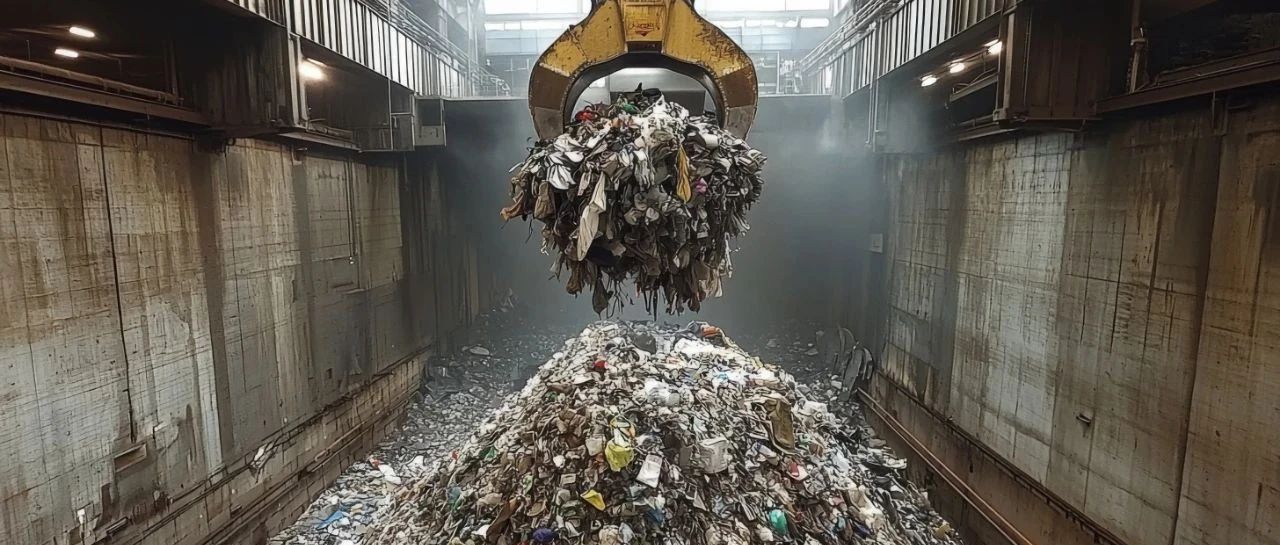
中国垃圾是如何不够烧的?
Jing Ji Guan Cha Wang· 2025-07-14 09:34
Core Insights - The Chinese waste incineration industry is facing a paradox of overcapacity and insufficient waste supply, with two-thirds of surveyed incineration plants reporting a lack of garbage to process [2][3][7] - The shift from "garbage encirclement" to "garbage scarcity" has been marked by a significant increase in incineration capacity, yet the average utilization rate remains around 60% [2][4][7] - The industry is urged to diversify operations, such as providing steam and heat, due to declining waste supply and reduced government subsidies [3][11][15] Industry Overview - The number of waste incineration plants in China has surged from over 100 to more than 1,000 in the past two decades, with incineration capacity rising from 3.3 million tons per day to 86.18 million tons per day [2][3] - The average daily incineration capacity increased from 23.8 million tons in 2016 to 115.5 million tons in 2024, yet the industry operates at an average load factor of less than 60% [5][7] - The government has historically supported the industry through subsidies, but recent policy changes have led to a reduction in these financial supports, increasing operational challenges for incineration plants [11][12][13] Challenges Faced - The decline in waste supply is attributed to overbuilding of incineration facilities, overly optimistic projections of waste generation, and effective waste sorting practices that reduce the amount of burnable waste [7][8] - The average waste disposal fee has increased significantly, from around 60-70 yuan per ton to over 100 yuan, placing additional financial pressure on local governments [12][13][14] - Some regions are resorting to excavating previously landfilled waste to meet incineration needs, although this approach is costly and complex [8][9] Future Trends - The industry is expected to continue evolving, with a focus on expanding market reach and exploring new business avenues such as heat and gas supply [15] - Chinese waste incineration companies are increasingly looking to international markets, with over 80 overseas projects reported [3][9] - The anticipated increase in waste processing capacity to 800,000 tons per day by the end of 2025 may further exacerbate the supply-demand imbalance if waste generation does not keep pace [7][11]
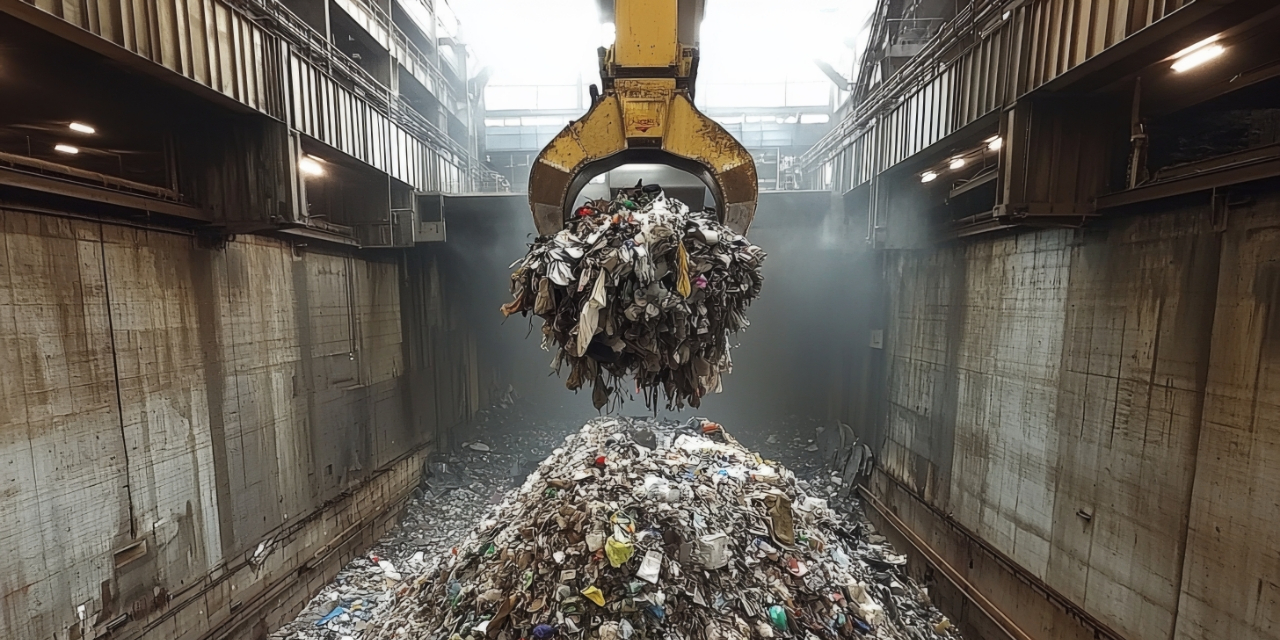
环保行业跟踪周报:生态环境部发文强调规提升执法质效,固废板块提分红+供热、IDC拓展提ROE-20250714
Soochow Securities· 2025-07-14 06:31
Investment Rating - The report maintains an "Accumulate" rating for the environmental protection industry [1]. Core Views - The report emphasizes the improvement in cash flow and dividend potential due to reduced capital expenditures in the waste management sector, alongside enhanced return on equity (ROE) through quality improvements in heating and IDC collaborations [1][11][15]. Summary by Sections Industry Trends - The environmental protection sector is experiencing a significant shift with a 9% increase in the sector's performance compared to the Shanghai and Shenzhen 300 indices [3]. - The report highlights a 73% increase in sales of new energy sanitation vehicles, with a penetration rate rising to 14.95% [25]. Key Recommendations - The report recommends several companies for investment, including Huaneng Environment, Green Power, and Yongxing Co., among others, due to their strong dividend potential and operational efficiency [5][11]. - It suggests focusing on companies like Yuehai Investment and Xingrong Environment for their robust cash flow and high dividend yields [17]. Policy Tracking - The Ministry of Ecology and Environment has issued a notice to enhance the quality of law enforcement, which is expected to improve operational efficiency and compliance in the industry [9][10]. - The report notes that the government is concentrating on environmental governance funding for 2025, which may positively impact the sector [7]. Financial Performance - The waste management sector is projected to see a significant increase in free cash flow, with dividends expected to rise as capital expenditures decrease [11][12]. - Specific companies are highlighted for their dividend growth, such as Junxin Co. with a 37% increase in cash dividends and Green Power with a 100% increase [12][13]. Market Dynamics - The report discusses the trend of garbage incineration and IDC collaborations as a new growth avenue, emphasizing the advantages of clean and efficient energy generation [14]. - The water utility sector is also highlighted for its stable growth and high dividends, with ongoing water price reforms expected to enhance profitability [15][17]. Sector Performance - The environmental protection and public utilities index rose by 2.69% during the week of July 7-11, 2025, outperforming the broader market indices [45].


垃圾焚烧进入发展成熟期,地区间产能利用率存在结构性差异
Xinda Securities· 2025-07-13 05:27
Investment Rating - The report maintains a "Positive" investment rating for the environmental sector, consistent with the previous rating [2]. Core Insights - The waste incineration industry is entering a mature development phase, with structural differences in capacity utilization across regions. The average load rate of waste incineration plants in China is approximately 60%, indicating underutilization. However, provinces like Guangdong and Zhejiang have higher construction progress but still face low capacity utilization rates of 60% and 49% respectively, below the national average of 73% [18][19][22]. - The report highlights that the number of waste incineration plants in China has increased from 278 in 2017 to 925 in 2023, a growth of 232.7%. The waste incineration capacity has reached 1.035 million tons per day, surpassing the "14th Five-Year Plan" target [18][19]. - The report suggests that the "14th Five-Year Plan" emphasizes environmental quality and green low-carbon development, which is expected to maintain high prosperity in energy conservation and environmental protection sectors. The water and waste incineration sectors are seen as stable profit generators with positive cash flow [40]. Summary by Sections Market Performance - As of July 11, the environmental sector index rose by 3.17%, outperforming the broader market, with specific sub-sectors like environmental equipment increasing by 6.99% [9][12]. Industry Dynamics - Recent initiatives include subsidies for green electricity in Beijing and the establishment of zero-carbon parks to support carbon neutrality goals. These measures are part of a broader strategy to enhance renewable energy usage and promote green transformation [27][28]. Special Topic: Waste Incineration - The report discusses the structural differences in capacity utilization among provinces, with some regions achieving around 90% utilization while others lag behind. The average capacity utilization for listed companies is projected to be 107% in 2024, indicating efficient operations [19][22][26]. Investment Recommendations - The report recommends focusing on high-quality operational assets in the water and waste incineration sectors, highlighting companies such as Huanlan Environment, Xingrong Environment, and Hongcheng Environment as key investment opportunities [40].
公用事业行业2025年中期投资策略:火电盈利分化,红利价值恒在
Southwest Securities· 2025-07-10 09:42
Core Viewpoints - In the first half of 2025, the profitability of thermal power companies improved due to a decrease in coal prices from 765 RMB/ton to 621 RMB/ton, leading to an 11% recovery in stock prices since late January [4] - The thermal power sector is expected to see positive factors in electricity volume, price, and costs in 2025, indicating growth potential [4] - Hydropower and nuclear power sectors remain stable with strong cash flows and high dividend yields, while the deepening of domestic electricity reforms is likely to create diverse investment opportunities [4] Thermal Power - The comprehensive electricity price for thermal power is expected to remain stable in 2025, with coal prices trending downward, leading to further profit recovery in the industry [7] - It is recommended to focus on thermal power companies with smaller declines in electricity prices and lower proportions of long-term coal contracts [7] - The implementation of capacity pricing and auxiliary service income is expected to stabilize thermal power profitability [61] Hydropower - High dividend yields attract incremental capital, with the dividend yield of Changjiang Electric Power remaining between 3.2% and 4.4% from 2017 to 2024 [80] - The hydropower sector is expected to see growth due to the commissioning of new projects, with over 25 million kW of hydropower capacity under construction [73] Nuclear Power - The approval of 11 new nuclear units in 2024 marks a significant acceleration in nuclear project approvals, indicating a stable growth trajectory for the sector [82] - By the end of 2024, China Nuclear Power and China General Nuclear Power have substantial capacities under construction, ensuring future growth [86] Renewable Energy - The installation of wind and solar power is expected to maintain high growth rates, with cumulative installed capacity reaching 1.41 billion kW by the end of 2024 [92] - The implementation of the 136 Document is expected to promote the full market entry of renewable energy, leading to a surge in installed capacity [99] Waste Incineration - The waste incineration sector is entering a mature phase, with operating cash flow and free cash flow both increasing by 18% year-on-year in 2024 [119] - Companies in this sector are expanding overseas, establishing a competitive advantage in countries along the Belt and Road Initiative [122]




垃圾不够烧了? 垃圾焚烧产业开始到海外市场“抢垃圾”
Huan Qiu Wang· 2025-07-08 05:16
Core Viewpoint - The waste incineration industry in China has reached a critical juncture, facing challenges such as insufficient waste supply in certain regions despite having the highest waste incineration capacity globally [1] Group 1: Industry Development - From 2005 to 2023, the proportion of urban household waste disposed of by landfill decreased from 85.2% to 7.5%, while incineration increased from 9.8% to 82.5% [3] - The daily harmless treatment capacity rose from 33,000 tons to 861,800 tons, and the number of waste incineration plants increased from 67 to 1,010 [3] - However, the average capacity utilization rate of domestic waste incineration power projects has been around 60% in recent years, with several listed companies reporting "insufficient waste" [3] Group 2: Challenges and Responses - The issue of "insufficient waste" is particularly prominent in certain regions, often due to overly ambitious planning and inadequate waste collection in rural areas [3] - Companies are employing various strategies to improve capacity utilization, including expanding multi-source waste processing and increasing collaborative disposal efforts [3] - The cost of excavating existing landfill sites is high, with projects like the Guangzhou Xingfeng emergency landfill estimated at approximately 1.2 billion yuan, and the average cost for excavating and treating waste at the Longgang New Meizhou landfill reaching 528.26 yuan per cubic meter [3] Group 3: Mergers and Acquisitions - The industry is witnessing a trend of mergers and acquisitions, characterized by a "one strong, many strong" pattern, with companies like Zhongke Environmental acquiring waste incineration firms for over 350 million yuan [4] - Shenzhen Energy is also investing in projects that include waste incineration components, indicating a cross-regional strategy to secure waste supply [4] - Despite the trend, experts believe there will not be a large-scale merger wave due to the predominance of state-owned enterprises in the sector, which complicates acquisition processes [4] Group 4: Market Expansion - Companies are looking to expand into county-level and overseas markets to secure waste supply, with the government promoting "waste incineration in counties" [4] - However, experts express skepticism about the county market, suggesting that cross-county collaborative processing should be prioritized [4] - The overseas market presents significant opportunities, with companies like Weiming Environmental focusing on projects in Indonesia, marking a shift towards international expansion [4]