存储芯片

Search documents
港股收盘(02.16) | 蛇年收官日恒指涨0.52% 有色金属、AI概念股走强 多股刷新上市新高
智通财经网· 2026-02-16 04:49
Market Overview - The Hong Kong stock market experienced a half-day trading session on February 16, with all three major indices opening lower but recovering. The Hang Seng Index closed up 0.52% at 26,705.94 points, with a total turnover of 849.97 billion HKD. The Hang Seng Tech Index rose 0.13%, while the Hang Seng China Enterprises Index increased by 0.42% [1] - For the year of the Snake, the Hang Seng Index has gained over 32%, the Hang Seng Tech Index has risen over 13%, and the China Enterprises Index has increased by over 23% [1] Blue Chip Performance - Zijin Mining (02899) led the blue-chip stocks, rising 4.67% to 43.52 HKD, contributing 18.71 points to the Hang Seng Index. Citigroup raised its target prices for Zijin's A-shares and H-shares by over 30% due to increased gold and lithium price forecasts and higher gold sales [2] - Other notable blue-chip performers included China Hongqiao (01378) up 3.92%, CNOOC (00883) up 3.71%, while HSBC Holdings (00005) fell 1.11% [2] Sector Highlights - The technology sector showed mixed results, with Alibaba down 0.45%, Baidu up over 1%, and Tencent up 0.19%. The storage chip sector saw significant price increases, with companies like Lianqi Technology and Zhaoyi Innovation reaching new highs [3] - The storage chip price surge is expected to improve profitability across the NAND industry, with Kioxia projecting a 50% increase in average selling prices starting Q1 2026. Morgan Stanley estimates Kioxia's adjusted gross margin will reach 66% in Q1 [3] - The large model AI sector also saw significant gains, with MINIMAX (00100) up 24.56% and Zhipu AI (02513) up 4.74%. MINIMAX launched a new flagship programming model, while Zhipu announced a price increase for its AI programming subscription [4] Commodity and Energy Stocks - The non-ferrous metals sector experienced broad gains, with Luoyang Molybdenum (03993) up 6.35%, China Nonferrous Mining (01258) up 5.55%, and Zijin Mining (02899) also contributing to the sector's performance [4] - The oil and shipping sectors remained active, with rising sentiments among shipowners due to geopolitical tensions, leading to higher freight rates [10] Recent Developments - The Hang Seng Index Company announced its quarterly review results, with companies like CATL, Luoyang Molybdenum, and Laopuhuang being added to the Hang Seng Index, increasing the number of constituent stocks from 88 to 90 [7] - Haizhi Technology Group (02706) saw a significant rise of 29.59% on its second day of trading, attributed to its focus on AI solutions and rapid revenue growth [8] - Fubo Group (03738) also experienced an 8.22% increase, driven by the popularity of its new copyright management platform [9]

港股异动 | 涨价潮推动存储概念走强 澜起科技(06809)、兆易创新(03986)齐创新高
智通财经网· 2026-02-16 03:48
Group 1 - The storage sector is experiencing significant growth, with companies like 澜起科技 (Lianqi Technology) and 兆易创新 (Zhaoyi Innovation) reaching new highs in stock prices, increasing by 17.08% to 216.6 HKD and 12.05% to 414.6 HKD respectively [1] - A price increase trend in storage chips is intensifying, with Japanese storage giant Kioxia expected to implement a revised pricing policy for North American customers starting in Q1 2026, anticipating an average selling price (ASP) increase of approximately 50% [1] - Morgan Stanley estimates that Kioxia's adjusted gross margin will reach 66% in the first quarter, indicating a positive signal for the entire NAND industry and suggesting a substantial improvement in profitability for the storage chip sector [1] Group 2 - According to Counterpoint's February memory price tracking report, memory prices are projected to rise by 80%-90% by Q1 2026, primarily driven by a significant increase in general server DRAM prices [1] - For instance, the contract price for 64GB RDIMM server memory has surged from 450 USD in Q4 of the previous year to over 900 USD in Q1, with expectations to exceed 1000 USD in Q2 [1]

港股半导体板块,全线爆发!
Xin Lang Cai Jing· 2026-02-16 03:36
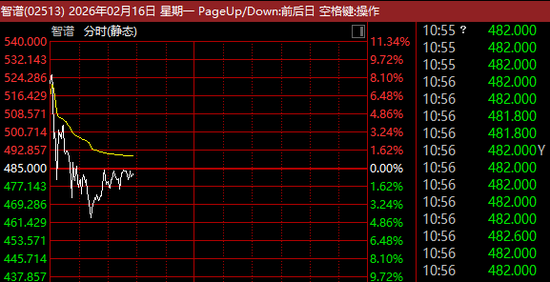
Market Overview - On February 16, the Hong Kong stock market opened slightly lower, with the Hang Seng Index down 0.25% and the Hang Seng Tech Index down 1.14% [1] - The market saw strength in sectors such as precious metals, semiconductors, and oil, while sectors like defense, consumer discretionary, and hardware struggled [1] Technology Sector - The Hang Seng Tech Index has experienced significant declines recently, creating potential value for investors [9] - Recent market volatility is attributed to liquidity shocks, and the current situation is compared to market conditions in November 2025 [10] - Analysts recommend buying on dips and holding stocks through the holiday season [10] AI Application Stocks - AI application stocks in Hong Kong saw gains, with Zhiyu (智谱) opening up over 7% and later experiencing fluctuations [11] - Zhiyu's stock price has increased by 130% since February, with a total market capitalization exceeding 230 billion HKD [11] IPO Developments - Zhiyu has withdrawn its IPO guidance submitted in April 2025 and is now pursuing a new listing on the Sci-Tech Innovation Board [13] - The company has changed its IPO advisory firms to Guotai Junan Securities and China International Capital Corporation [13] Semiconductor Sector - The semiconductor sector showed strength, with stocks like Zhaoyi Innovation (兆易创新) rising over 17% [16] - A price increase in storage chips is expected, with Kioxia planning to raise average selling prices by approximately 50% starting in Q1 2026 [17] - Analysts predict significant improvements in profitability for the NAND industry, with Samsung's NAND business operating margin expected to rise to 37% and SK Hynix to 42% in Q1 2026 [18] Precious Metals Market - The precious metals sector is experiencing a boost, with gold prices expected to rise due to seasonal demand and investment interest [14] - ANZ analysts have raised their gold price forecast for Q2 from $5,400 to $5,800 per ounce [14]

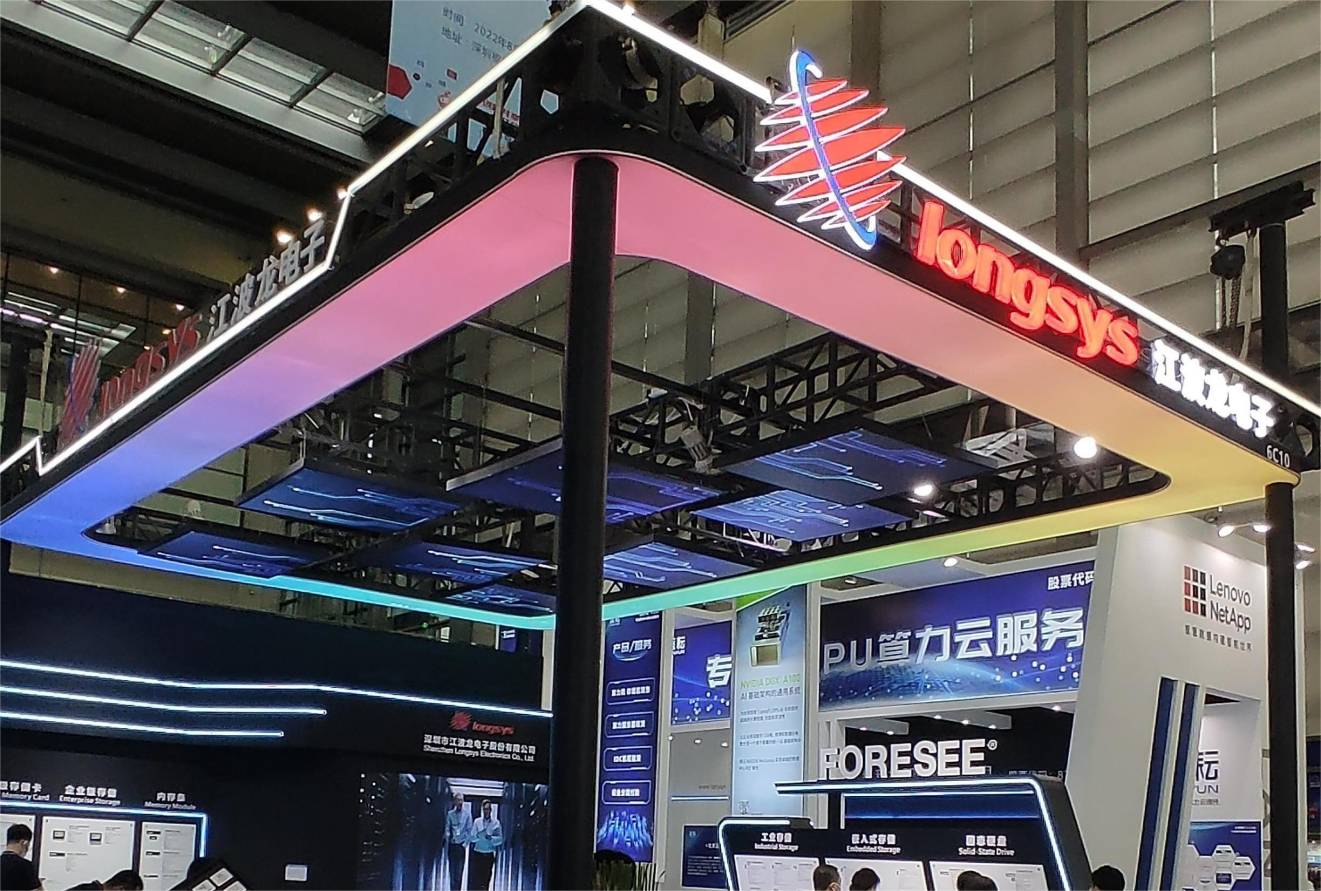
江波龙:mSSD加速导入PC大厂 UFS4.1步入批量出货前夜
Ju Chao Zi Xun· 2026-02-16 02:56
Core Insights - The storage chip sector is experiencing a continuous increase in market demand, with Jiangbolong revealing key developments in mSSD applications, UFS4.1 product collaborations, wafer supply assurance, and storage cycle outlooks during investor discussions [1] Group 1: mSSD Development - Jiangbolong's mSSD, utilizing Wafer-level System-in-Package (SiP) technology, integrates multiple components into a single package, offering significant manufacturing cost advantages while maintaining performance comparable to traditional SSDs [3] - The mSSD is being rapidly adopted by leading PC manufacturers, with analysts noting its potential as the standard storage solution for next-generation mobile computing platforms due to increasing demands from AI PCs for space and power efficiency [3] Group 2: UFS4.1 Product Capabilities - Jiangbolong is among a few global companies capable of developing UFS4.1 products at the chip level, with its self-developed controller offering superior performance in terms of process, read/write speed, and stability compared to comparable market products [3] - UFS4.1 is positioned as a premium storage option for Tier 1 clients' flagship smart terminal models, with mass shipments expected to commence soon [3][4] Group 3: Supply Chain Resilience - Jiangbolong has established deep cooperative relationships with major wafer manufacturers and leading smart terminal device companies, paving the way for large-scale commercialization of UFS4.1 [4] - The company has signed long-term supply agreements and commercial memorandums with global wafer suppliers, enhancing its supply chain resilience amid structural tensions in storage wafer supply [5] Group 4: Market Outlook - Jiangbolong anticipates a positive trend in storage prices, driven by structural changes in demand due to AI applications and the rapid expansion of AI infrastructure, coupled with a shortage of HDD supply [5] - The company highlights that the capital expenditure recovery of storage manufacturers will have limited short-term contributions to output growth due to the lag in capacity construction cycles [5]
铠侠针对北美客户提价50%
Jin Rong Jie· 2026-02-15 12:38
据最新消息,日本存储巨头铠侠预计从2026年第一季度开始,针对北美客户的修订定价政策将生效,平 均销售价格预计环比提升约50%。摩根士丹利测算,铠侠一季度的调整后毛利率将达到66%。 有分析指 出,铠侠的涨价动作为整个NAND行业释放了利好信号, 存储芯片行业的盈利能力将大幅改善。高盛 预计,三星电子的NAND业务营业利润率将大幅提升至2026年第一季度的37%,SK海力士将跃升至 42%。 ...
内存涨价,千元机的天塌了
创业邦· 2026-02-14 10:16
Core Viewpoint - The article discusses the significant impact of rising storage chip prices on the smartphone industry, particularly affecting mid-range and low-end models, as manufacturers shift focus to higher-margin products due to supply constraints driven by AI infrastructure demand [6][8][16]. Group 1: Market Dynamics - Since the second half of last year, storage chips have experienced a dramatic price surge, with consumer-grade memory modules increasing by over 600%, making them highly valuable investment products [6]. - Major storage chip manufacturers, including Samsung, Micron, and SK Hynix, have reported that their production capacities for DRAM, NAND Flash, and HBM products are fully booked until 2026 [6][16]. - The demand for HBM memory used in AI chips has prioritized its production, leading to a supply squeeze for consumer-grade products, particularly affecting low-end smartphones [8][16]. Group 2: Impact on Smartphone Manufacturers - Transsion, known for its cost-effective models, has been significantly impacted, reporting a 22.6% revenue increase but an 11% drop in net profit, with a two-percentage-point decline in gross margin [8]. - Other smartphone manufacturers are also adjusting their strategies, with many opting to delay the launch of low-cost models and focusing on higher-end devices due to the rising costs of storage components [9][12]. - The cost structure of low-end smartphones is heavily affected by the rising prices of storage chips, which are considered a rigid cost that cannot be easily adjusted [12][14]. Group 3: Pricing Strategies and Market Trends - The article highlights that the average selling price (ASP) of smartphones is expected to exceed $400 for the first time, indicating a shift towards higher-priced models as manufacturers adapt to the changing market dynamics [19]. - As the market for mid-range and low-end smartphones shrinks, manufacturers are likely to prioritize high-end models, which offer greater pricing flexibility and profit margins [17][19]. - The ongoing supply constraints and rising costs may lead to the end of the "thousand-yuan phone era," as manufacturers may find it increasingly difficult to maintain low prices while covering rising component costs [19].




央行开展万亿逆回购操作,国产大模型节前集体上新 | 财经日日评
吴晓波频道· 2026-02-14 00:39
Monetary Policy - The People's Bank of China conducted a 1 trillion yuan buyout reverse repurchase operation with a 6-month term, marking a net liquidity injection of 600 billion yuan for February, which is an increase of 300 billion yuan compared to the previous month [2][3] - The central bank's continued use of quantity-based tools indicates a reduced likelihood of interest rate cuts or reserve requirement ratio reductions in the short term [2][3] Real Estate Market - In January, new home prices in first-tier cities fell by 0.3% month-on-month, while second-tier cities saw a smaller decline of 0.2%, indicating a narrowing of price drops in these areas [4][5] - The overall trend shows an increase in cities with declining new home prices compared to late 2022, with the year-on-year decline in first-tier cities expanding to 2.1% [4][5] Automotive Industry - The State Administration for Market Regulation released guidelines to clarify legal risks in the automotive industry, aiming to promote healthy competition and compliance among manufacturers [6][7] - The guidelines address various pricing behaviors that could lead to legal issues, emphasizing the need for a clear competitive framework in the automotive sector [6][7] AI Industry - Anthropic raised $30 billion in its latest funding round, achieving a valuation of $380 billion, which is double its previous valuation [10][11] - The competition in the AI sector is intensifying, with major players like OpenAI and Anthropic attracting significant investments, indicating a growing interest in AI commercialization [10][11] Commodity Funds - Recent fluctuations in international oil prices have led to strict purchase limits on commodity funds, with some funds allowing purchases as low as 1 yuan [12] - The volatility in commodity markets has prompted fund companies to implement tighter risk control measures, reflecting a heightened speculative atmosphere [12] Stock Market - The A-share market experienced a decline, with the Shanghai Composite Index falling by 1.26% and trading volume decreasing by 161.8 billion yuan compared to the previous day [13][14] - The market is transitioning from an overheated phase to a more rational state, with the index seeking a new consolidation platform above 4000 points [14]

沪指蛇年上涨25.58% 机构判断节后科技主线有望回归
Shang Hai Zheng Quan Bao· 2026-02-13 17:04
郭晨凯 制图 上证指数2025年2月5日以来走势图 沪指蛇年上涨25.58% 机构判断节后科技主线有望回归 ◎记者 费天元 东方证券研报认为,中芯国际AI、存储、中高端应用相关的订单呈现增加态势,展望未来,公司有望 凭借在BCD、模拟、存储、MCU、中高端显示驱动等细分领域中的技术储备与领先优势,在本轮行业 发展周期中保持有利位置。 另有多家存储芯片企业2025年业绩预喜。根据业绩预告,模组龙头江波龙预计2025年净利润为12.5亿元 至15.5亿元,同比增长151%至211%;德明利预计2025年实现净利润6.5亿元至8亿元,同比增长85%至 128%。佰维存储、朗科科技等均预告业绩大幅增长或实现扭亏。 除存储芯片外,昨日计算机设备、养殖等2025年业绩向好板块均获得资金关注,相关龙头公司股价上 扬。展望后市,3月开始上市公司年报进入密集披露期,机构普遍提示聚焦绩优方向。 中信证券研报表示,根据业绩预告,2025年A股上市公司业绩预喜比例扩大,科技、金融、周期是最大 亮点,整体呈现"科技驱动、外需支撑、金融压仓"的结构性特征。其中,基础化工、电子、医药、有色 金属、机械等行业业绩超预期个股数量领先,汽车、电 ...


西部数据股价受存储芯片短缺及AI需求推动上涨
Jing Ji Guan Cha Wang· 2026-02-13 16:33
经济观察网近7天,西部数据股价主要受存储芯片行业供应短缺及AI算力需求推动。2026年2月12日, 据《证券时报网》报道,DRAM出现"15年以来最严重供应短缺",引发美股存储概念股集体上涨,西部 数据当日涨幅显著。同时,全球AI算力需求爆发和国内国资委扩大算力投资等政策预期,间接利好存 储产业链。行业景气度提升直接提振市场预期。 西部数据于2026年1月30日发布的第二财季(截至2025年12月)业绩超预期,营收30.2亿美元,同比增长 25%,净利润18.4亿美元,同比增长210%,调整后每股收益2.13美元高于市场预期。尽管财报发布时间 较早,但其显示的AI驱动增长动能持续影响近期股价,公司对第三财季营收指引(32亿美元±1亿)也显著 乐观。盈利能力的提升(调整后毛利率46.1%)支撑了市场信心。 机构观点 机构对西部数据前景保持乐观。2026年2月9日,Wedbush重申"跑赢大盘"评级,目标价325美元。瑞银 分析师指出,存储行业供给紧张态势可能持续至2028年,AI数据中心需求将强化产业链议价能力。当 前机构目标价均价为322.91美元,买入或增持评级占比达75%,凸显行业景气度预期。 以上内容基 ...
俄罗斯,降息50个基点
证券时报· 2026-02-13 14:54
Core Viewpoint - The Central Bank of Russia has lowered the benchmark interest rate to 15.5%, marking the sixth consecutive rate cut, indicating a shift towards balanced economic growth despite temporary inflation spikes [2]. Group 1: Interest Rate Changes - The Central Bank of Russia has reduced the benchmark interest rate from 16% to 15.5% [2]. - This marks the continuation of a trend where the Central Bank has been lowering rates since June 2025, starting from a historical high of 21% [3]. Group 2: Inflation Expectations - The Central Bank has raised its inflation forecast for 2026 to a range of 4.5% to 5.5%, while expecting inflation to approach 4% in the second half of the year [2]. - The current annual inflation rate stands at 6.3%, with expectations for it to return to target levels by 2027 [2]. Group 3: Labor Market Conditions - The labor market in Russia is showing signs of easing, with the proportion of companies facing labor shortages dropping to the lowest level since mid-2023 [2].