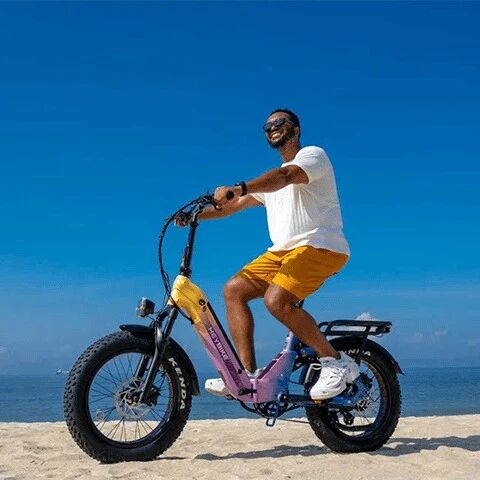
电动自行车

Search documents
育儿补贴、免保教费、灵活就业者权益保障......那些民生暖意 | 2025年政策回顾
Xin Lang Cai Jing· 2025-12-30 07:59
Group 1: Elderly Care and Social Support - By the end of 2024, the population aged 60 and above in China is expected to reach 310 million, accounting for 22% of the total population [21] - The "Opinions on Deepening the Reform and Development of Elderly Care Services" was released, aiming to establish a basic elderly care service network by 2029 and a mature system by 2035 [21] - The government is implementing a pilot program to provide subsidies for elderly care services, with nearly 1 billion yuan allocated for subsidies by September 2024 [22] Group 2: Rural Revitalization - The central government issued a document to deepen rural reforms and promote comprehensive rural revitalization, marking the 13th central document focused on agriculture and rural areas [23] - The monitoring and assistance mechanism identified over 7 million individuals for support, maintaining a 99% insurance coverage rate for the impoverished population [24] - Employment for the impoverished population remains stable at over 30 million, ensuring that more than two-thirds of their income is maintained [24] Group 3: Anti-Competition Measures - The government has initiated measures to combat "involution" in competition, with a focus on improving consumer environments and protecting workers' rights [25] - A new standard for food delivery platforms was introduced to address issues of competition and service transparency [26] Group 4: Urban Renewal - The Ministry of Housing and Urban-Rural Development announced plans for urban renewal projects, aiming to complete the renovation of old urban residential areas built before 2000 [27] - By November 2025, over 25,800 old urban residential areas have been renovated, exceeding the initial target of 25,000 [28] Group 5: Flexible Employment and Social Security - The government is enhancing social security coverage for flexible workers, with over 200 million individuals in this category [29] - A pilot program for occupational injury insurance for new employment forms is being expanded from 7 to 17 provinces [30] Group 6: Childcare Support - A nationwide cash subsidy of 3,600 yuan per year for childcare was introduced, expected to benefit over 28 million families [32] - From the fall semester of 2025, public kindergartens will waive fees for the last year of preschool education, impacting approximately 12 million children [34]
2026年“国补”继续!如何调整?
Jing Ji Guan Cha Bao· 2025-12-28 15:42
Core Viewpoint - The "National Consumption Upgrade" policy, aimed at boosting consumer spending, will continue into 2026 with adjustments to subsidy scope and standards, as announced by the Minister of Finance at the national fiscal work conference [1] Group 1: Policy Evolution - The "National Consumption Upgrade" policy originated during the 2008 global financial crisis to stimulate consumption through subsidies for major consumer goods, focusing on rapid market activation [1] - The 2024 reintroduction of the policy marks a shift from short-term emergency measures to long-term empowerment, with three major upgrades compared to earlier versions [1] Group 2: Coverage and Standards - The coverage of the policy will expand from single categories to multiple scenarios, with the 2024 focus on vehicle scrappage and eight types of household appliances, and a broader scope for 2025 that includes digital products and home decoration [2] - Subsidy standards will transition from a uniform approach to differentiated optimization, such as increasing subsidies for new energy vehicles from 10,000 yuan to 20,000 yuan [2][3] - The funding source will shift from annual budgets to long-term special government bonds, with 150 billion yuan allocated in 2024 and 300 billion yuan in 2025, ensuring stable support for the policy [2][3] Group 3: Systematic Design - The expansion of subsidy categories and optimization of standards are coordinated with strengthened funding sources, creating a systematic design that transforms the policy from an emergency stimulus tool to a normalized consumption promotion mechanism [3] - Despite the policy's effectiveness, challenges remain, such as the temporary suspension of subsidies in some regions due to faster consumption of funds than bond issuance, necessitating a focus on existing funds rather than increasing the budget [3] Group 4: Implementation Challenges - The increase in subsidy categories may lead to local protectionism, where local brands receive preferential treatment, potentially distorting market competition [4] - Complicated application processes may deter consumers, particularly older individuals or those in rural areas, from accessing subsidies, undermining the policy's universality [4] - To ensure the policy effectively stimulates consumption, precise efforts are needed in coverage, standard design, and supporting mechanisms, including the establishment of a unified information platform for the entire process [5]
首批国家级零碳园区开建 “以绿制绿”以极低排放水平支撑巨大产值增量
Yang Shi Wang· 2025-12-27 03:20
Core Viewpoint - China is entering a critical period for achieving carbon peak goals and comprehensive green transformation, with the establishment of national-level zero-carbon parks being a key initiative to address challenges such as increased pressure on renewable energy consumption and international green trade barriers [1] Group 1: Zero-Carbon Park Overview - The first batch of 52 national-level zero-carbon parks has been officially announced, selected from numerous national and provincial parks, aiming to create "green transformation highlands" rather than "policy lowlands" [1] - Zero-carbon parks are designed to reduce carbon emissions from production and living activities to "near-zero" levels, with a target of achieving a carbon emission level approximately one-tenth of the current average for similar parks [4][6] - The parks will rely on wind and solar resources, with a requirement that at least 50% of their electricity consumption comes from green power [6] Group 2: Economic Impact and Industry Focus - The first batch of zero-carbon parks is expected to generate an output value of 3.54 trillion yuan [8] - The parks will focus on low-energy, low-pollution, and high-value-added industries, primarily in renewable energy equipment manufacturing and advanced equipment manufacturing [6][8] - 24 of the parks are currently advancing major projects, while another 24 have initiated preliminary work, indicating significant progress in construction [8] Group 3: Funding and Support Mechanisms - Relevant departments are coordinating existing funding channels and encouraging policy banks to provide medium- to long-term credit, supporting a diversified financing mechanism for the parks [9] - The parks are also exploring "green production" methods, which will enhance the competitiveness of green products in the market [9][11] Group 4: Regional Development and Resource Utilization - The zero-carbon parks will leverage regional advantages, with central and western regions utilizing wind and solar resources for industrial transfer, while eastern regions will enhance the green competitiveness of export products through offshore wind power [11] - In Jiangsu, the zero-carbon industrial park is already implementing "green production" practices, with all electricity used in production sourced from green energy [11]

电动自行车可免费检测锂电池
Xin Lang Cai Jing· 2025-12-27 02:13
Core Viewpoint - The authorities in Hefei are urging citizens to check the age of their electric bicycle batteries, recommending that batteries older than 5 years be discontinued due to safety risks associated with aging lithium-ion batteries [1][2] Group 1: Safety Concerns - Lithium-ion batteries over 5 years old may experience performance degradation, leading to issues such as capacity loss, abnormal heating, swelling, and deformation, which pose significant safety hazards including short circuits, fires, and explosions [1] - Citizens are advised to stop using batteries that show signs of swelling, leakage, overheating, or sudden drops in range [1] Group 2: Health Assessment Services - Hefei has established 23 health assessment points for electric bicycle lithium-ion batteries, equipped with professional testing equipment and personnel to provide convenient and professional battery health evaluation services [1] - Citizens can bring their electric bicycles and lithium batteries to these health assessment points for free testing, which aims to accurately identify safety risks and enhance public safety during travel [1] Group 3: Modification Warnings - Authorities are calling on citizens to refrain from illegal modifications of batteries, as such alterations can lead to significant safety risks due to lack of rigorous safety testing [2]
新国标落地后,小电驴店主“过冬”
Feng Huang Wang· 2025-12-26 12:24
Core Viewpoint - The implementation of the new national standard for electric bicycles has led to significant market disruption, resulting in a decline in sales and a challenging environment for dealers and manufacturers [2][3][4]. Group 1: Market Impact - The transition to the new standard has caused many physical stores to halt operations, with a noticeable absence of old standard vehicles and a lack of new standard models available for sale [2][3]. - Sales figures have plummeted, with a reported 28.7% year-on-year decline in domestic shipments of electric bicycles in November, totaling 2.21 million units [2][12]. - Major brands like Aima, Tailg, and Ninebot have experienced significant sales declines, with drops ranging from 24.8% to 48.8% [2][14]. Group 2: Consumer Sentiment - Consumers have expressed dissatisfaction with the new standard models, particularly regarding the speed limit of 25 km/h, which they feel negatively impacts their commuting efficiency [4][6]. - Price increases for new standard models, often by over 100 yuan, have also deterred consumers, with many feeling that the new models do not justify the higher costs [4][6]. - Issues such as inadequate storage space and the inability to carry children have further fueled consumer resistance to the new models [6][8]. Group 3: Dealer Challenges - Dealers are caught in a difficult position, facing inventory issues with old standard models while struggling to sell new standard models that are not meeting consumer expectations [3][9]. - Many small brand dealers have already exited the market due to the inability to adapt to the new standards and declining sales [2][3]. - Major brands are attempting to address these challenges by optimizing their product offerings and clarifying misconceptions about the new standards [9][11]. Group 4: Industry Response - The industry is witnessing a consolidation phase, where weaker brands are likely to be eliminated, while stronger, innovative companies may find new opportunities for growth [14][15]. - The new standard aims to enhance safety and compliance, pushing manufacturers to upgrade their technology and production processes [15][18]. - As the market adjusts, companies are expected to develop more practical solutions that balance safety with consumer needs, moving away from the previous low-cost, low-quality model [18].
日流水剩50元,小电驴店主靠修车过冬
投中网· 2025-12-26 06:56
Core Viewpoint - The implementation of the new national standard for electric bicycles has led to significant market disruption, resulting in a decline in sales and a challenging environment for dealers and manufacturers [7][9][20]. Group 1: Market Impact - The new national standard has caused a drastic drop in sales, with November's domestic shipment volume of electric bicycles falling to 2.21 million units, a year-on-year decrease of 28.7% [8]. - Dealers are facing difficulties as old standard vehicles are running out of stock while new standard models are not selling, leading to a situation where many small brand dealers are closing down [9][11]. - Major brands like Aima, Tailg, and Ninebot have reported significant declines in sales, with year-on-year drops ranging from 24.8% to 48.8% [8][17]. Group 2: Consumer Sentiment - Consumers have expressed dissatisfaction with new standard electric bicycles, particularly regarding the speed limit of 25 km/h, which they feel negatively impacts their commuting efficiency [11][12]. - Price increases for new standard models, often by over 100 yuan, have deterred many consumers from purchasing, as they perceive the new models as less practical for family use and daily commuting [11][12]. - Issues such as insufficient storage space and the inability to carry children have led to widespread criticism of new models, with many consumers feeling that the designs do not meet their needs [12][13]. Group 3: Industry Response - Major manufacturers are attempting to address consumer concerns by optimizing their products and clarifying misconceptions about the new standards [15][20]. - Despite the challenges, some companies are launching new models that comply with the new standards, although supply issues have hindered availability in stores [15][16]. - The industry is undergoing a transformation, with the new standards expected to eliminate less competitive brands while providing opportunities for stronger, innovative companies to thrive [17][22].

部分小电驴门店靠修车维生有小电驴店家日进账仅50元
Xin Lang Cai Jing· 2025-12-25 14:47
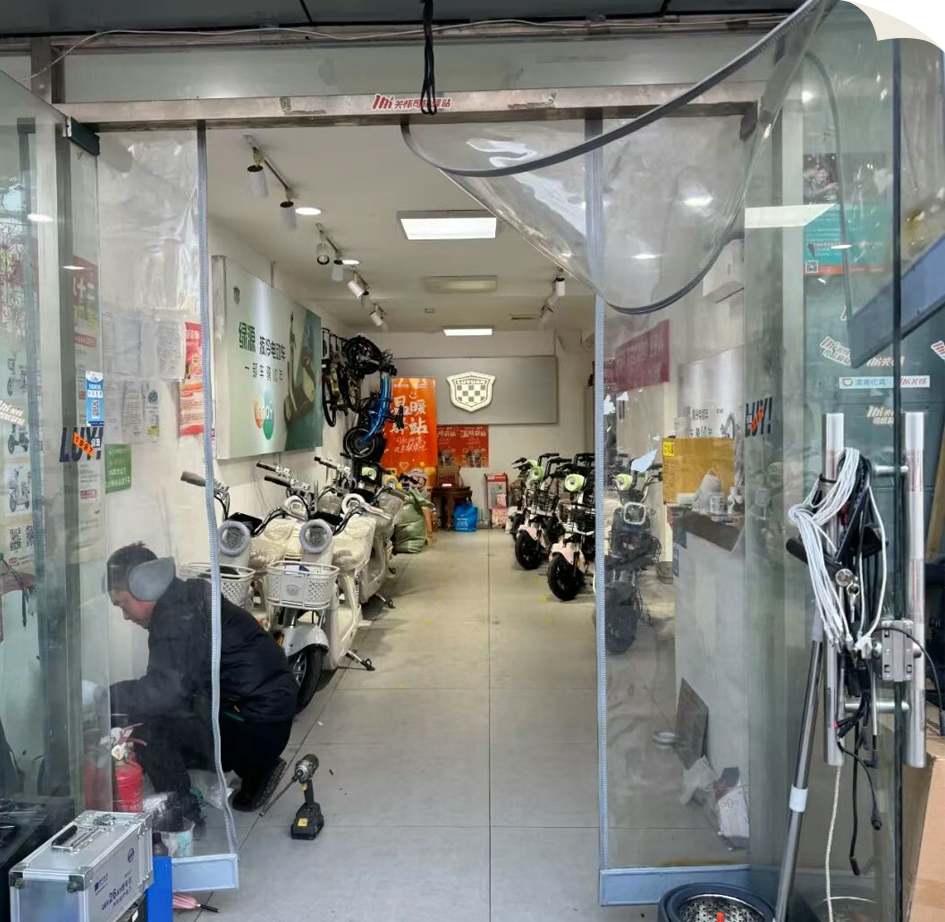
来源:白鹿视频 【#部分小电驴门店靠修车维生##有小电驴店家日进账仅50元#】这个月,电动自行车新国标全面落地实 施,行业迎来一场大变革,洗牌的压力首先传导至销售终端。凤凰网科技在走访多家电动自行车线下门 店后发现,不少门店处于停摆状态,旧国标车辆不见踪影,而新国标自行车也寥寥无几。一位北京门店 店员向凤凰网科技表示,门店现有两款新国标电动自行车,自上线后的22天里只卖出了3辆。加上冬季 是销售淡季,如今门店日常业务由销售车辆转为修车,每日的流水仅五六十元。(凤凰网科技) 【#部分小电驴门店靠修车维生##有小电驴店家日进账仅50元#】这个月,电动自行车新国标全面落地实 施,行业迎来一场大变革,洗牌的压力首先传导至销售终端。凤凰网科技在走访多家电动自行车线下门 店后发现,不少门店处于停摆状态,旧国标车辆不见踪影,而新国标自行车也寥寥无几。一位北京门店 店员向凤凰网科技表示,门店现有两款新国标电动自行车,自上线后的22天里只卖出了3辆。加上冬季 是销售淡季,如今门店日常业务由销售车辆转为修车,每日的流水仅五六十元。(凤凰网科技) 来源:白鹿视频 ...
电动自行车行业进入“合规红利”时代
Hua Xia Shi Bao· 2025-12-25 08:34
Core Viewpoint - The new national standard for electric bicycles (GB17761-2024), considered the strictest ever, officially ends its transition period on December 1, signaling a significant safety upgrade for the industry while raising consumer concerns about practicality and user experience [1][4]. Group 1: Key Changes in the New Standard - The new standard modifies nearly 200 important indicators, focusing on systematic upgrades to address safety issues in electric bicycles [4]. - It raises the weight limit for lead-acid battery models to 63 kilograms, enhances battery life, and eliminates mandatory pedal riding requirements to align with the trend towards pure electric vehicles [6]. - The standard mandates the installation of safety helmets, anti-tampering features for batteries and controllers, and a traceability mechanism for each vehicle, aiming to reduce fire risks and traffic accidents [6]. Group 2: Industry Response and Product Development - Leading companies like Niu Electric have responded by developing nearly 20 new products across five series, with initial models already available for sale [5]. - Niu Electric's new model, U1One, boasts a 90-kilometer range and includes advanced features such as NFC unlocking and mobile control, emphasizing both safety and user experience [8]. - The industry is witnessing a shift towards high-quality, high-value products, with smaller companies likely to be eliminated due to insufficient technology and funding [9]. Group 3: Market Dynamics and Future Outlook - The implementation of the new standard is expected to accelerate the reshaping of the electric bicycle industry, increasing market concentration as leading firms leverage their R&D and supply chain advantages [9]. - The focus is shifting from price competition to a value-based competition centered on technology, safety, and intelligence [9]. - The new standard represents a significant transformation in the industry, moving away from chaotic growth towards a phase characterized by technological barriers and enhanced user experience [9].


日流水剩50元,小电驴店主靠修车过冬
Feng Huang Wang· 2025-12-25 03:03
Core Viewpoint - The implementation of the new national standard for electric bicycles has led to a significant downturn in sales and market activity, with many retailers struggling to adapt to the changes and consumer dissatisfaction with new products [3][4][5]. Group 1: Market Conditions - Many electric bicycle stores are experiencing a downturn, with some reporting only a few sales of new standard models since their launch [4][5]. - The overall sales volume of electric bicycles in November dropped to 2.21 million units, a year-on-year decline of 28.7% [4]. - Retailers are facing challenges as old standard inventory runs low while new standard models remain unsold, leading to a difficult market environment [5][11]. Group 2: Consumer Sentiment - Consumers express dissatisfaction with new standard electric bicycles, particularly regarding speed limits, increased prices, and inadequate storage space [6][8][10]. - The new standard's speed limit of 25 km/h has been criticized for negatively impacting commuting efficiency, leading to complaints about longer travel times [6][8]. - Price increases for new standard models, often by over 100 yuan, have deterred many consumers from purchasing [6][8]. Group 3: Industry Response - Major brands like Yadea, Aima, and Ninebot are attempting to address consumer concerns and improve product offerings in response to the new standards [11][13]. - The industry is witnessing a consolidation phase, with weaker brands being pushed out of the market, while stronger companies are adapting to the new regulations [17][19]. - The China Bicycle Association acknowledges the need for better communication and understanding of the new standards among consumers and manufacturers [10][19]. Group 4: Future Outlook - Despite current challenges, there is an expectation that prices for new standard electric bicycles may decrease over time as the market stabilizes [8]. - The new standards are seen as a necessary evolution for the industry, aimed at enhancing safety and product quality, which may ultimately benefit stronger brands [19][23]. - The market is anticipated to undergo further changes as companies innovate to meet consumer needs while complying with new regulations [23].

一家另类深圳Ebike的低调故事:不融资不烧钱,年营收超1亿美金|Insight全球
36氪· 2025-12-23 10:13
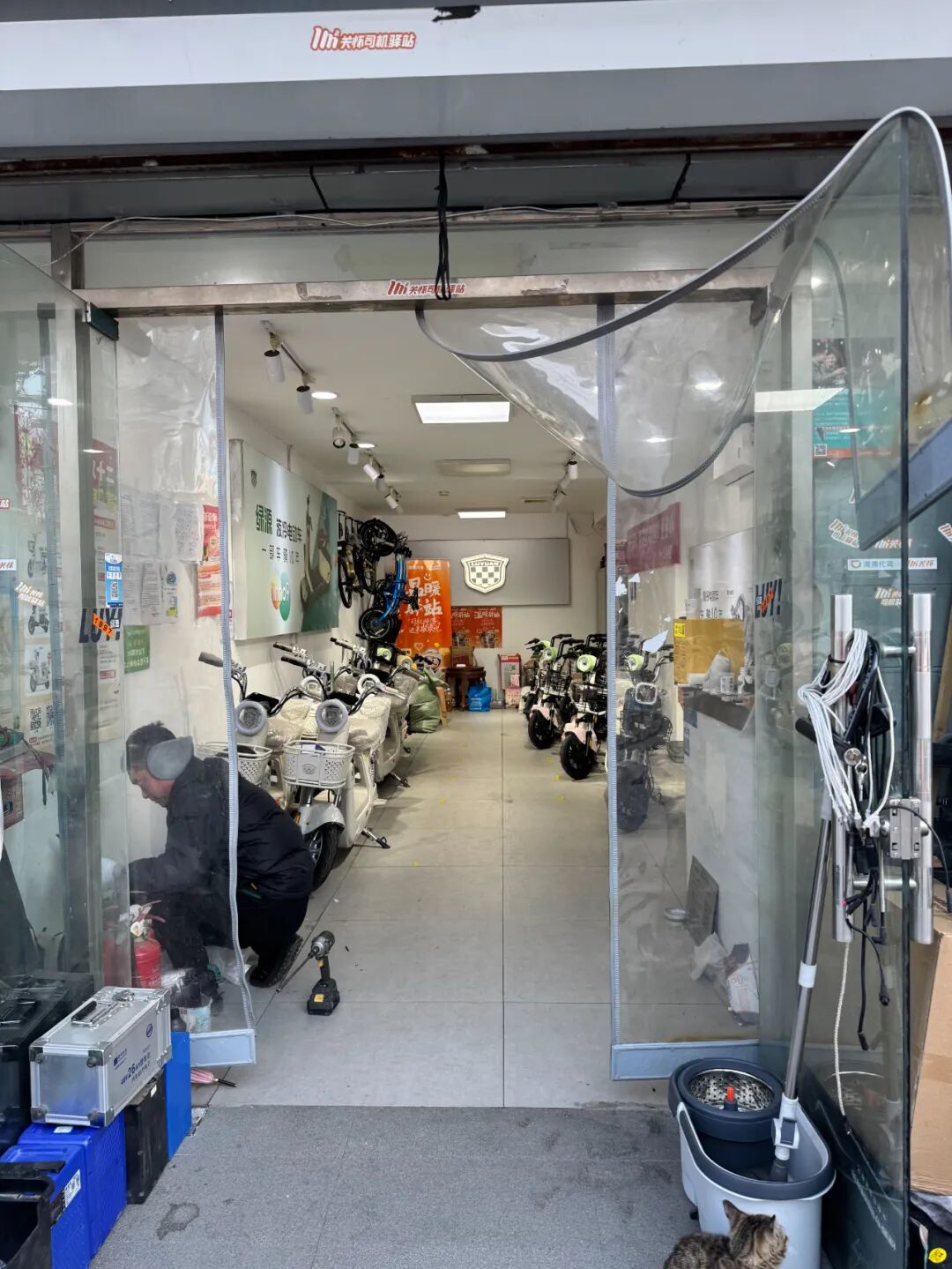
Core Viewpoint - The article highlights the rapid growth of the global electric bicycle (Ebike) market, focusing on Shenzhen-based brand Heybike, which has achieved significant sales and revenue milestones in a competitive North American market while maintaining profitability without external financing [4][6][8]. Market Overview - The Ebike market has experienced explosive growth driven by environmental policies, consumer upgrades, and capital influx, but is now facing intense competition and industry consolidation [5]. - Heybike has managed to sustain growth amidst this competitive landscape, accumulating over 170,000 users and achieving annual sales of over 200,000 units, translating to more than $100 million in revenue [7][8]. Business Model and Strategy - Unlike many competitors reliant on external funding, Heybike has been profitable since its inception and has no plans for external financing, focusing instead on self-funding and resource allocation towards R&D and quality control [8][10]. - The company strategically entered the market with high-cost performance practical models, avoiding direct competition with established giants and leveraging platforms like Amazon for rapid user acquisition [11][12]. Product Development and Market Positioning - Heybike identified a market gap between low-end and high-end Ebikes, targeting two specific segments: commuting and light outdoor use, with products priced around $1,000 [21][23]. - The company has successfully positioned itself in the North American market, where it generates approximately 70% of its revenue, while also catering to European and Japanese markets with tailored product strategies [25]. R&D Focus - Heybike emphasizes real user experiences in its R&D efforts, investing several million yuan annually in developing its battery, motor, and IoT systems, rather than merely competing on technical specifications [27][30]. - The introduction of smart features, such as GPS tracking and remote locking, addresses user concerns about theft, particularly among its primary demographic of women and older adults [28][30]. Future Plans - Heybike aims to expand its product range to include high-end models priced between $4,000 and $5,000, targeting professional users and extreme sports enthusiasts, while also planning to penetrate emerging markets like South Korea and Singapore through localized strategies [31][32].