电子信息

Search documents
领跑全国!深圳经济科技硬核实力凸显
Sou Hu Cai Jing· 2026-02-10 16:12
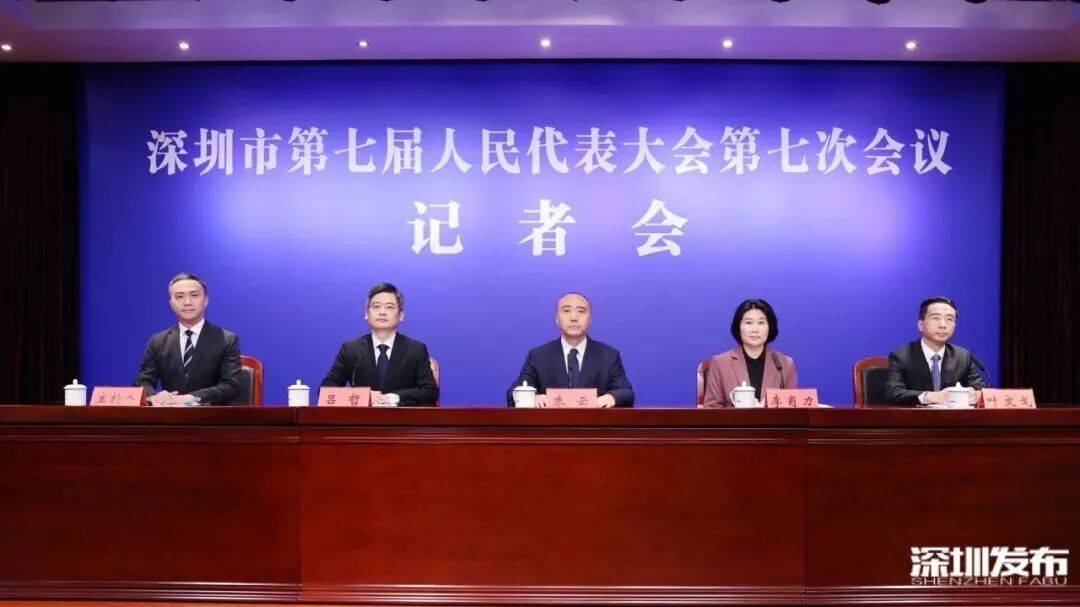
人工智能产业集群 增加值实现两位数增长 规上工业总产值突破5万亿元 专精特新"小巨人"企业数量 跃居全国城市首位 …… 2月10日,深圳市七届人大七次会议举行经济科技专场记者会。深圳市发展和改革委员会副主任朱云,深圳市科技创新局副局长、市外国专家局局长李肖 力,深圳市工业和信息化局党组成员、市中小企业服务局局长吕哲,深圳市商务局副局长叶文戈围绕深圳市"十四五"发展成就和"十五五"规划的有关情况 答记者问。 人工智能领跑全国 现代化产业体系蓄势待发 政府工作报告提到,2025年深圳市人工智能等集群增加值实现两位数增长。朱云表示,"十四五"期间,深圳主动作为抢抓人工智能重大发展机遇。现有人 工智能规上企业超2600家,2025年人工智能核心产业营收约2200亿元,产业综合实力稳居全国第一梯队。打造全栈自主的基础算力底座,深圳已建成和在 建的智能算力规模达54.3E,推进国家人工智能行业应用基地建设。 展望"十五五",深圳将进一步强化深圳人工智能供应链优势,在智能终端、国产算力等方面持续发力,奋力将深圳打造成为自主可控算力技术引领地、全 国新一代智能终端创新主阵地、国际开放合作解决方案输出地。 "'十五五'时期要持 ...

川渝篇:四大增长极经济与产业洞察报告(2025)
GUOTAI HAITONG SECURITIES· 2026-02-10 14:59
产业深度 [table_Header]2026.02.10 [Table_Summary] 川渝:依托区域协同提升产业链供应链能级。2025 年 10 月,《中共中央关 于制定国民经济和社会发展第十五个五年规划的建议》明确提出"提升成 渝地区双城经济圈发展能级";2025 年 11 月,《成渝地区双城经济圈国土 空间规划(2021-2035 年)》明确提出支撑双城经济圈建设成为具有全国影 响力的重要经济中心、科技创新中心、改革开放新高地、高品质生活宜居 地。"十五五"时期,川渝区域还将迎来西部大开发战略实施三十周年、长 江经济带发展战略实施十周年、成渝地区双城经济圈建设十周年等一系列 重要节点。四川"十五五"规划建议紧扣"经济建设"中心与"高质量发 展"主题,聚焦于构建富有四川特色和优势的现代化产业体系,并加快推 动制造业高端化、智能化、绿色化转型;重庆"十五五"规划建议则明确 提出"迭代升级'33618'现代制造业集群体系",并将"打造具有全球影 响力的智能网联新能源汽车之都"列为首要任务。2019-2024 年,川渝区 域加快构建高效分工、错位发展、有序竞争、相互融合的产业体系。第一 产业方面,两地协同推 ...
持续提升产业体系竞争力,深圳最新部署!
证券时报· 2026-02-10 09:51
2月10日,深圳市七届人大七次会议举行记者会(经济科技专场)。记者从会上获悉,深圳将加快 构建具有深圳特点和深圳优势的现代化产业体系,促进科技创新和产业创新深度融合,保持专精特 新"小巨人"领先优势,支持龙头企业发展为世界一流企业。 深圳市发展和改革委员会副主任朱云表示,深圳的目标是建设全球先进制造业中心,推动制造业数字化 改造全覆盖,支持优势传统产业向高端化智能化绿色化升级、向新模式新业态转型。同时,壮大新兴产 业和未来产业,全力巩固提升新一代电子信息、新能源汽车等优势产业全球竞争力。促进服务业优质高 效发展,推动科技创新和产业创新深度融合,加快建设世界级科技基础设施集群,加快科技成果向新质 生产力转化。力争到2030年,先进制造业增加值占规上工业比重超70%、战略性新兴产业增加值占GDP 比重达45%、现代服务业增加值占服务业比重达78%。 那么,"十五五"时期,深圳如何更好地促进科技创新和产业创新深度融合?深圳市科技创新局副局长、 市外国专家局局长李肖力表示,"十五五"时期,深圳科技创新工作将更加突出"国家使命—深圳担当", 紧扣科技强国战略部署,持续推动科技创新和产业创新深度融合,全面提升创新体系整体 ...
佳驰科技2月9日获融资买入919.60万元,融资余额2.20亿元
Xin Lang Cai Jing· 2026-02-10 01:31
Group 1 - The core viewpoint of the news is that Jiachi Technology has shown significant trading activity and financial performance, with a focus on its financing and stockholder structure [1][2][3] Group 2 - On February 9, Jiachi Technology's stock increased by 0.50%, with a trading volume of 68.17 million yuan. The financing buy-in amount was 9.196 million yuan, while the financing repayment was 9.122 million yuan, resulting in a net financing buy of 74,000 yuan [1] - As of February 9, the total financing and securities lending balance for Jiachi Technology was 220 million yuan, which represents 2.51% of its market capitalization. This financing balance is above the 90th percentile level over the past year, indicating a high level of activity [1] - The company was established on July 18, 2008, and is located in Chengdu, Sichuan Province. It focuses on the EMMS industry, emphasizing independent innovation and breaking foreign technology monopolies [2] - The main business revenue composition includes electromagnetic functional structural components (71.46%), electromagnetic functional coating materials (25.71%), electromagnetic compatibility materials (2.58%), technical services (0.24%), and others (0.02%) [2] - For the period from January to September 2025, Jiachi Technology achieved an operating income of 619 million yuan, representing a year-on-year growth of 5.21%. However, the net profit attributable to the parent company was 249 million yuan, a decrease of 22.39% year-on-year [2] - As of September 30, 2025, the number of shareholders for Jiachi Technology was 5,446, a decrease of 40.76% from the previous period, while the average circulating shares per person increased by 68.80% to 7,052 shares [2] - The company has distributed a total of 160 million yuan in dividends since its A-share listing [3] - The top ten circulating shareholders include several new institutional investors, with notable holdings from Southern Military Reform Flexible Allocation Mixed A and others [3]
布局新消费、促进有效投资 中部六省加快构建增长新引擎
Shang Hai Zheng Quan Bao· 2026-02-09 23:46
近日,地方两会陆续召开,山西、安徽、江西、河南、湖北、湖南等中部六省的2026年政府工作报告已 全部出炉。根据六省的数据,2025年中部地区GDP总量逼近30万亿元。其中,河南以5.6%的增速领跑 中部,湖北、安徽、江西增速均超5%。同时,安徽、河南的规上工业增加值同比分别增长9.4%和 8.4%,凸显中部地区制造业底盘之稳。 上海证券报记者梳理中部省份2026年政府工作报告发现,"稳增长、扩内需"成为各省今年的重点工作之 一。依托地方资源禀赋及在新消费领域的洞察,中部省份在消费、投资两端同步发力,打造中国经济高 质量发展的"中部引擎"。 满足情绪价值 中部省份布局新消费 湖北将大力推进三峡水运新通道等新建续建项目建设,以有效投资的扩量提质助推全省高质量发展一路 前行。江西力争鄱阳湖水利枢纽工程等重大项目开工,浙赣粤运河等重大项目前期工作取得积极进展。 山西则持续开展重大项目建设年活动,推动骨干水网及县域配套工程等项目建设,加快黄河古贤山西水 资源配置工程等前期工作。 湖南提出,抓好总投资2万亿元的389个省重点项目。根据湖南省发展和改革委员会日前公布的名单,包 括梅山灌区、金塘冲水库等重大水利工程被列入今年 ...
今年推动人工智能产业集群增加值增长10%以上
Nan Fang Du Shi Bao· 2026-02-09 23:15
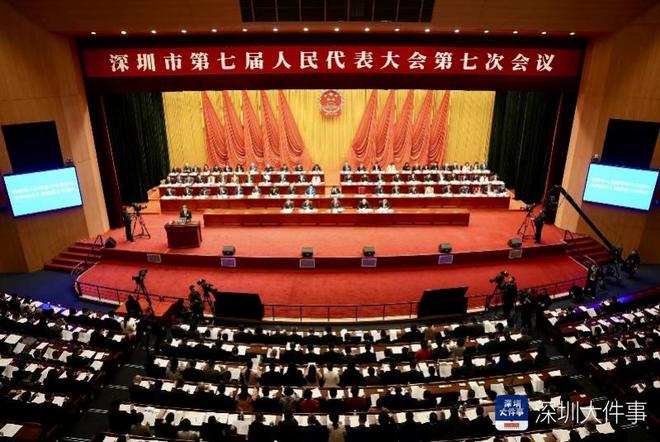
Economic Goals - Shenzhen aims to exceed a GDP of 5 trillion yuan during the "15th Five-Year Plan" period, with a target of achieving this by 2026 [4][6] - The GDP growth target for Shenzhen in 2026 is set at 5%, with efforts to achieve better results in practice [4][6] Industrial Development - The "14th Five-Year Plan" saw Shenzhen's GDP increase from 2.83 trillion yuan in 2020 to 3.87 trillion yuan in 2025, averaging a growth rate of 5.5% [4][6] - Shenzhen plans to increase the added value of strategic emerging industries by over 7% this year, focusing on sectors like new-generation electronic information, new energy vehicles, and semiconductors [5][6] - The city aims for a 10% growth in the artificial intelligence industry cluster's added value, emphasizing the development of a comprehensive AI ecosystem [5][6] Modern Service Industry - Shenzhen will implement actions to enhance the quality and capacity of the service industry, targeting a 10% revenue growth in software and information technology services [6] Internationalization and Trade - Shenzhen is set to host the APEC meeting in 2026, which will enhance its international profile and open up opportunities for global trade [7][8] - The city plans to expand the Qianhai-Shekou Free Trade Zone and optimize its global trade services [8] Innovation and Research - The report emphasizes the importance of innovation and a robust industrial foundation as key drivers of Shenzhen's economic resilience [9][10] - There is a focus on increasing R&D investment in critical areas such as basic research, technology transfer, and industrial upgrades [12][13]
十论广货④丨科技遇见人文,造就“新广货”竞争力
2 1 Shi Ji Jing Ji Bao Dao· 2026-02-09 23:12
Core Insights - The "Guangdong Goods Going Global" initiative represents a significant transformation in China's manufacturing industry, showcasing Guangdong's strength as the leading manufacturing province in China [1][4] - Guangdong produces a substantial portion of the world's electronics, with statistics indicating that for every two televisions and three air conditioners produced in China, one is made in Guangdong [1] - The shift from factor-driven to innovation-driven growth in Guangdong's manufacturing sector highlights the evolution of local companies from OEMs to world-class brands [2][4] Group 1: Manufacturing Strength - Guangdong accounts for 70% of consumer drones, 18% of integrated circuits, and 40% of industrial robots in China, emphasizing its manufacturing dominance [1] - The province has developed a comprehensive industrial ecosystem, enabling rapid production response and innovation efficiency through close collaboration among various sectors [1][4] - The "Shunde-Zhongshan home appliance cluster" exemplifies successful industrial collaboration, contributing nearly 30% of the province's home appliance revenue and fostering global brands like Midea and Galanz [1] Group 2: Innovation and Technology - The transition to innovation-driven growth has led to increased R&D investments, resulting in breakthroughs in core technologies and brand development [2] - Guangdong's new generation of products is characterized by a combination of "hardcore technology and cultural aesthetics," redefining its position in the global value chain [2][3] - Companies like DJI have overcome technical barriers, establishing new standards in aerial imaging and enhancing Guangdong's influence in high-value segments [2] Group 3: Cultural Integration and Market Adaptation - Cultural elements from Guangdong, such as traditional arts and games, are being integrated into modern products, shifting the competitive landscape from price to cultural recognition [3] - Digital technologies are transforming production and sales ecosystems, significantly reducing production cycles and enhancing responsiveness to market demands [3] - The "Guangdong Goods Going Global" initiative is leveraging multi-channel marketing strategies, achieving impressive sales figures in both online and offline platforms [3] Group 4: Future Outlook - The initiative is expected to drive a shift from "manufacturing products" to "manufacturing aesthetics," pushing companies to enhance product quality and brand value [4] - The integration of smart manufacturing and cultural elements in regions like Beijiao Town serves as a model for harmonizing industrial and cultural development [4] - Guangdong's evolution from imitation to leadership in manufacturing reflects a broader systemic transformation, offering a replicable model for global manufacturing [4]
科技遇见人文,造就“新广货”竞争力
2 1 Shi Ji Jing Ji Bao Dao· 2026-02-09 21:56
Core Insights - The "Guangdong Goods Going Global" initiative represents a significant transformation in China's manufacturing industry, showcasing Guangdong's strength as the leading manufacturing province in China [1][6] - Guangdong produces a substantial share of various consumer goods, including 50% of the world's mobile phones and 40% of industrial robots in China, highlighting its critical role in global supply chains [1][6] Group 1: Manufacturing Strength - Guangdong accounts for 50% of the world's mobile phones, 70% of consumer drones, and 18% of integrated circuits, emphasizing its manufacturing dominance [1] - The province has developed a comprehensive industrial ecosystem, enabling rapid production response and innovation efficiency through "one-hour supply" and "one-hour industrial circles" [1][6] Group 2: Evolution of the Industry - The "Shunde-Zhongshan Home Appliance Cluster" in Foshan exemplifies the evolution from independent competition to collaborative synergy, contributing nearly 30% of the province's home appliance revenue [3] - Guangdong's manufacturing has shifted from factor-driven to innovation-driven, with increased R&D investments post-2008 financial crisis leading to breakthroughs in core technologies and brand development [3][4] Group 3: Technological and Cultural Integration - The new generation of Guangdong goods is driven by "hardcore technology + cultural aesthetics," redefining global value chains and transitioning from merely meeting demand to creating demand [4][6] - Digital technologies are reshaping production and sales ecosystems, significantly reducing production adjustment cycles and enhancing market responsiveness [5] Group 4: Future Outlook - The "Guangdong Goods Going Global" initiative is expected to focus on transitioning from "manufacturing products" to "manufacturing aesthetics," pushing companies to enhance product quality and brand value [5][6] - The integration of smart manufacturing and cultural elements in places like Beijiao Town serves as a model for harmonizing industrial development with humanistic values [5][6]

深圳:“十五五”时期目标GDP超5万亿元 2026年地区生产总值预期增长5% 规上工业增加值力争增长6%以上
Shang Hai Zheng Quan Bao· 2026-02-09 18:33
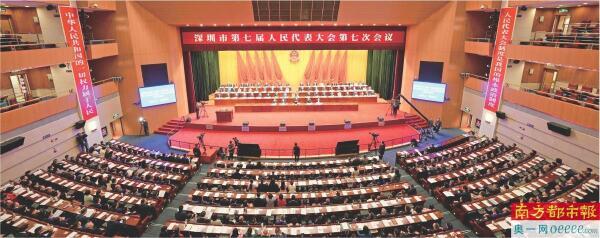
"2026年是'十五五'开局之年,我们将努力完成全年经济社会发展目标任务,加快打造更具全球影响力 的经济中心城市和现代化国际大都市。"覃伟中表示,今年,深圳将重点做好坚持扩大内需这个战略基 点、全域打造发展新质生产力的重要阵地、坚定扛起APEC会议举办城市责任等十项工作。 在全域打造发展新质生产力的重要阵地方面,深圳将巩固提升制造业领先优势,规上工业增加值力争增 长6%以上。制定实施"20+8"产业政策体系3.0版,提升新一代电子信息、新能源汽车、半导体集成电路 等优势产业发展能级;抢占低空经济与空天、生物医药、高性能材料等产业发展新赛道;积极推动第六 代移动通信、量子科技、生物制造、未来能源、脑机接口等未来产业发展,成为新的经济增长点。 ◎记者 何漪 2月9日,在深圳市第七届人民代表大会第七次会议上,深圳市市长覃伟中在作政府工作报告时表 示,"十四五"期间,深圳地区生产总值从2020年的2.83万亿元提高到2025年的3.87万亿元,年均增长 5.5%,增速居一线城市首位。综合考虑外部环境和深圳实际,深圳2026年经济社会发展主要预期目标 为全市地区生产总值增长5%,固定资产投资止跌回稳、力争增长5%。"十 ...
研发投入比肩国际顶尖经济体,深圳“创新朋友圈”如何打造?
Nan Fang Du Shi Bao· 2026-02-09 09:31
数据亮眼:经济增速领跑全国一线城市 报告以一连串亮眼数据,勾勒出这座改革开放前沿城市在"十四五"期间攻坚克难、领跑前行的清晰图 景。这份成绩单,不仅是深圳自身发展的阶段性总结,更是观察中国高质量发展实践与全球城市竞争态 势的重要窗口。 报告显示,"十四五"时期,深圳经济综合实力实现大幅跃升。地区生产总值从2020年的2.83万亿元提高 到2025年的3.87万亿元,年均增长5.5%、增速居一线城市首位;规上工业总产值、工业增加值连续4年 保持全国城市"双第一";外贸进出口总额达4.55万亿元,连续2年保持全国城市首位,五年增量1.5万亿 元、占全国比重11.3%,出口实现"33连冠"。 2月9日上午,深圳市七届人大七次会议开幕,深圳市市长覃伟中代表深圳市人民政府向大会作政府工作 报告。 深圳市政协委员、市政协经济委员会副主任高锦民认为,深圳经济实现跃升,主要得益于科技产业飞速 发展和外贸进出口增长,是科技硬实力和高质量发展的集中体现。从企业增量上看,深圳的国家级专精 特新"小巨人"企业总量跃居全国城市首位,先进制造业增加值占规上工业比重高达68.4%,高锦民认为 展现了深圳前瞻布局新质生产力、培育"20+8" ...