绿色低碳

Search documents
决定股市上涨的动力是什么
李迅雷金融与投资· 2025-09-19 04:09
Core Viewpoint - The current stock market rally is primarily driven by capital inflow and valuation enhancement due to declining interest rates, with a notable increase in personal investor participation [3][10][27]. Group 1: Market Dynamics - The recent stock market increase has seen a rise of over 1000 points, yet the overall market valuation remains reasonable without signs of a bubble [3][10]. - A-shares financing balance has surpassed the peak levels of 2015, but the proportion of financing balance to circulating market value is significantly lower than in 2015, indicating a more stable market environment [3][13]. - The average P/E ratio of the CSI 300 index is around 14 times, compared to 29 times for the S&P 500 and 41 times for the Nasdaq, suggesting that A-shares are still reasonably valued [18][20]. Group 2: Growth and Earnings - The growth potential of the market is contingent on sustained corporate earnings growth, with A-share companies' net profit growth averaging only 2.5% in the first half of 2025 [27]. - The net profit of A-share companies for the first half of 2025 reached 2.99 trillion yuan, marking a 2.5% increase compared to the same period in 2024, with significant growth in sectors like advanced manufacturing and digital economy [25][27]. - The market's rebound is influenced by the decline in deposit rates, which enhances valuations, but long-term bullish trends require continuous earnings growth [27]. Group 3: Policy and Market Sentiment - The Chinese government aims to enhance the attractiveness and inclusivity of the capital market, which is expected to support a stable upward trend in the market [8][9]. - There are numerous policy tools available to support the market, and a cautious optimism is advised as the market is not expected to experience extreme fluctuations [6][42]. - The current market environment differs from previous years, with a shift from an expanding to a contracting balance sheet for households, which limits the potential for excessive market bubbles [5][43]. Group 4: Investment Strategy - The A-share market is characterized by rationality, with significant differentiation in returns among actively managed equity funds, highlighting the importance of underlying asset selection [28]. - A diversified investment strategy across various markets, including A-shares, Hong Kong stocks, bonds, and commodities, is recommended to mitigate risks associated with market volatility [34][37]. - The ongoing advancements in technology, particularly in AI, present significant growth opportunities, but investors should remain cautious and avoid speculative narratives [38][39].


今年前8个月北京地区进出口突破2万亿元
Yang Shi Xin Wen· 2025-09-17 10:10
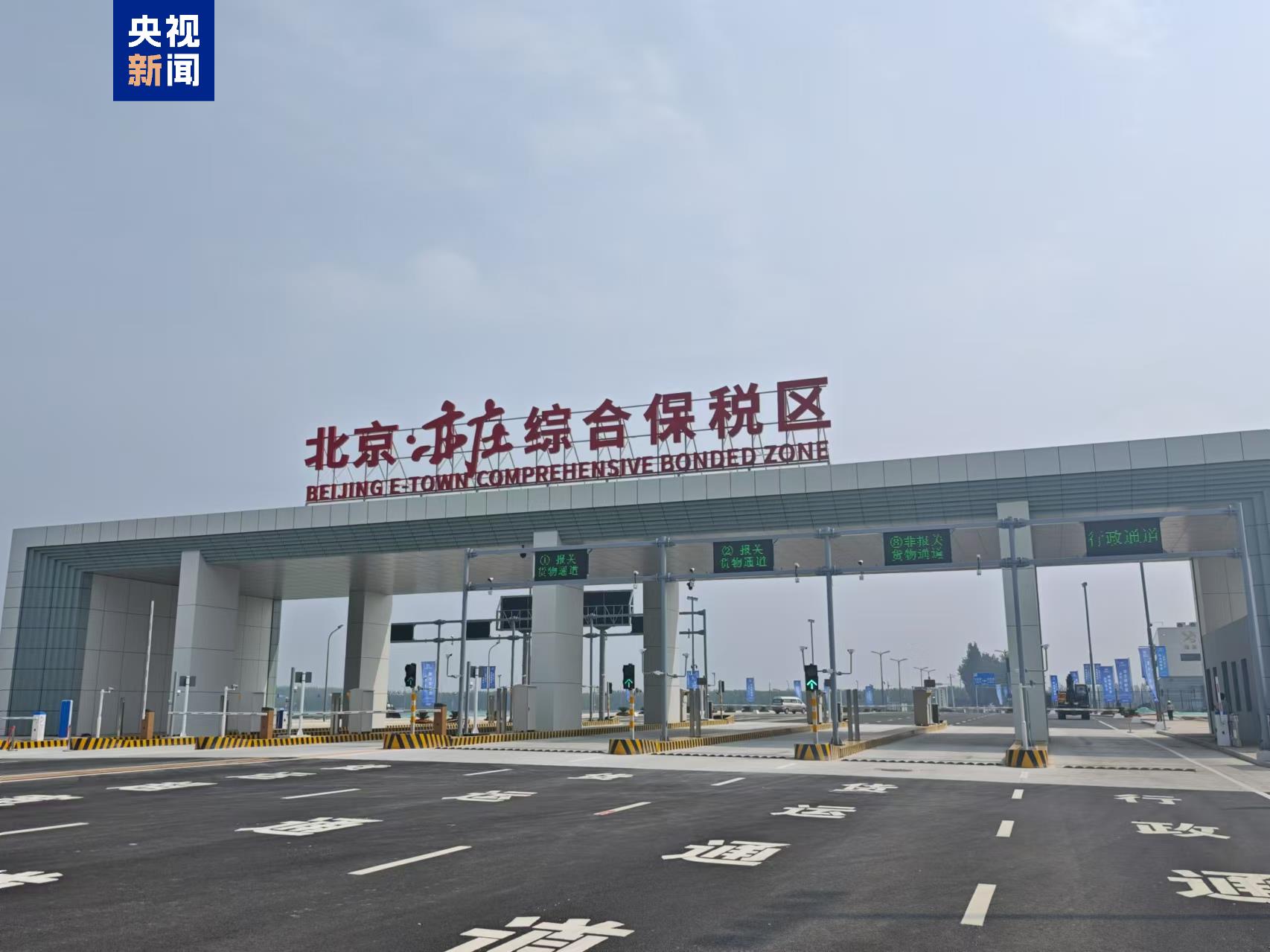
Core Insights - Beijing's import and export volume reached 2.11 trillion yuan in the first eight months of the year, with exports at 406.23 billion yuan, marking a 1.7% increase and setting a historical record for the same period [1][3] Group 1: Export Performance - In August, Beijing's export scale remained above 50 billion yuan, with significant growth in automotive parts (23.9%) and flat panel display modules (201.1%), contributing to a 2.4 percentage point increase in monthly export growth [3] - In the first eight months, private enterprises in Beijing reported an import and export volume of 288.97 billion yuan, a 4.7% increase, accounting for 13.7% of the total regional import and export value, up 2.2 percentage points from the previous year [3] - Exports to countries involved in the Belt and Road Initiative reached 1.26 trillion yuan, making up 59.8% of the total regional import and export value, with major trading partners being the EU and ASEAN [3] Group 2: Sectoral Growth - The advanced manufacturing sector in Beijing has shown new momentum, with notable increases in exports of automotive manufacturing, information technology, healthcare, and green low-carbon products [5] - In the first eight months, automotive exports reached 16.78 billion yuan, a 31.2% increase, while integrated circuit exports were 16.77 billion yuan, up 5.6% [5] - Exports of photovoltaic products and wind turbine generators surged by 261.8% and 22.5%, respectively, contributing to a combined export value of 2.38 billion yuan and 2.29 billion yuan [5] Group 3: Open Platform Development - The construction of open platforms in Beijing has been continuously promoted, with stable growth in exports from the Beijing Free Trade Zone, Yizhuang Economic Development Zone, Zhongguancun Innovation Demonstration Zone, and Tianzhu Comprehensive Bonded Zone [5] - Exports from these zones were 58.62 billion yuan, 43.84 billion yuan, 14.52 billion yuan, and 3.11 billion yuan, reflecting growth rates of 2.2%, 19.1%, 3.7%, and 34.4%, respectively [5] Group 4: Emerging Markets - Beijing's exports to emerging markets such as Latin America, Africa, and Central Asia have deepened, with export values of 32.67 billion yuan, 29.48 billion yuan, and 8.7 billion yuan, showing growth rates of 15.2%, 19.5%, and 84.5% [5]
民企奋进自贸港:相向而行,蓬勃发展
Zhong Guo Xin Wen Wang· 2025-09-15 03:26
Core Viewpoint - The development prospects for the private economy in the Hainan Free Trade Port are broad and promising, with significant opportunities for private enterprises and entrepreneurs to thrive as the port construction progresses [1]. Group 1: Private Enterprises in Hainan - As of June 30, 2023, there are 360.44 million private business entities in Hainan, accounting for 97.54% of the province's total business entities, with 937,200 private enterprises contributing nearly 60% of the GDP and about 90% of employment [2]. - Private enterprises are seen as a crucial driving force in the construction of the Hainan Free Trade Port, enhancing overall strength, innovation capability, and market competitiveness [2]. Group 2: Legislative Support for Private Economy - The "Several Provisions on Promoting the Development of the Private Economy in Hainan Free Trade Port" was implemented on July 30, 2023, aimed at optimizing the development environment for private enterprises and ensuring fair market competition [3]. - This legislation is the first local regulation following the national "Private Economy Promotion Law" and consists of 29 articles focusing on fair competition, policy empowerment, and financial support [3]. Group 3: Policy Empowerment for Private Economy - The provisions encourage private economic organizations to participate in key industries such as tourism, modern services, high-tech industries, and tropical agriculture, and to engage in significant project construction [4]. - The regulations also support technological innovation, urging private enterprises to increase R&D investment in strategic emerging industries and establish mechanisms for collaboration with research institutions [4]. Group 4: Internationalization and Trade Support - The provisions require relevant departments to enhance service and regulatory collaboration, providing one-stop services for cross-border trade and investment, and supporting private enterprises in international expansion [5]. - Hainan's policies, including "zero tariffs" and "low tax rates," are expected to reduce corporate tax burdens and investment costs, thereby attracting more investors [6].
2025江苏-新加坡技术创新合作对接会举行
Xin Hua Ri Bao· 2025-09-13 23:40
Group 1 - The 2025 Jiangsu-Singapore Technology Innovation Cooperation Conference was held in Nanjing, focusing on green cities and life health technology fields to promote collaboration between Jiangsu and Singapore [1] - Over 100 representatives and experts from government agencies, universities, and technology companies from Jiangsu and Singapore attended the conference [1] - The Industrial Organic Wastewater Treatment and Resource Utilization Collaborative Innovation Center project, co-led by Nanjing Yangtze River Ecological Civilization Innovation Center and Nanyang Technological University, is highlighted as a flagship project of Sino-Singapore technology innovation cooperation [1] Group 2 - Jiangsu has implemented joint funding mechanisms for industrial research and development with innovative countries like Singapore and Norway, establishing several international innovation cooperation platforms [2] - Since 2021, Jiangsu's Provincial Department of Science and Technology and the Singapore Enterprise Development Board have signed two memorandums of understanding to jointly implement industrial innovation cooperation plans, focusing on green low-carbon, biomedicine, and advanced manufacturing [2] - More than 20 joint research projects have been supported by both parties, with the fourth round of cooperation projects currently being solicited [2]
四川出台“数据要素×”方案 聚焦12大领域加“数”前进
Si Chuan Ri Bao· 2025-09-13 01:28
Group 1 - The core focus of the "Data Element ×" key work plan (2025-2026) is to accelerate the development and utilization of data resources across 12 key sectors, enhancing economic and social governance through digitalization [1][2] - The 12 key sectors identified include industrial manufacturing, modern agriculture, commercial circulation, transportation, financial services, technological innovation, cultural tourism, healthcare, emergency management, meteorological services, urban governance, and green low-carbon initiatives [1] - A total of 34 key tasks have been outlined in the plan, such as promoting intelligent transformation in manufacturing, establishing digital agriculture laboratories, and advancing digital transformation in transportation infrastructure [1][2] Group 2 - In the cultural tourism and healthcare sectors, the plan proposes initiatives like the application of large models in the tourism industry and the integration of electronic medical records for better data sharing among hospitals [2] - New business models and products are to be developed in the cultural tourism sector, including smart travel companions and customized itineraries [2] - The healthcare initiatives aim to expand direct settlement for outpatient chronic diseases across provinces and improve data management for maternal and child health [2]
市场监管总局《关于加快推进质量认证数字化发展的指导意见》专题新闻发布会实录
Zhong Guo Zhi Liang Xin Wen Wang· 2025-09-12 08:18
Core Viewpoint - The State Administration for Market Regulation (SAMR) has issued the "Guiding Opinions on Accelerating the Digital Development of Quality Certification," aiming to enhance the digital transformation of the quality certification industry and support the broader digital economy [4][5][10]. Summary by Sections Overall Requirements - The guiding opinions position digital quality certification as a crucial tool for empowering industrial digital transformation, unlocking the value of technology and data, and supporting high-quality economic and social development [5][6]. Specific Goals - Two phases of specific goals are set: by 2030, to improve the digital certification system and establish exemplary cases; by 2035, to fully develop a clear and innovative digital quality certification system adaptable to various industries [5][6]. Key Tasks - Four main tasks are outlined: 1. Accelerate the development of the quality certification industry and enhance the application of digital technologies [6]. 2. Empower industry digital transformation by advancing certification systems in smart manufacturing and other sectors [6]. 3. Strengthen the foundation for digital economic innovation by enhancing certification for digital infrastructure [6]. 4. Promote the application of digital resources and establish a quality certification big data system [6]. Implementation and Support - SAMR will collaborate with relevant departments to promote the implementation of the guiding opinions and ensure that measures are effectively executed [7][36]. Background and Considerations - The guiding opinions are a response to the increasing demand for efficient and intelligent quality certification services in emerging sectors like smart manufacturing and digital healthcare [10][12]. Focus Areas - The guiding opinions emphasize three focus areas for empowering industrial digital transformation: supporting new industrialization, promoting smart agriculture, and enhancing service industry transformation [12][13]. Technological Role - Technology is identified as a key driver for the digital transformation of quality certification, with a focus on improving efficiency, enhancing service capabilities, and strengthening the credibility of certification results [21][22]. Talent Development - SAMR plans to establish a professional team to enhance the digital capabilities of certification institutions and personnel, focusing on training and collaboration with educational institutions [29][30][31]. Regional Implementation - Zhejiang Province has made significant progress in digital economy development, with a focus on quality certification to support key industries and enhance data security [25][34]. Systematic Support Measures - The guiding opinions propose systematic support measures, including policy support, standardization efforts, and promoting international mutual recognition of certification [36][37].
开放中国为世界带来更多机遇
Jing Ji Ri Bao· 2025-09-12 01:47
Core Viewpoint - Investing in China is seen as investing in the future, with a stable and positive economic outlook that benefits the world [1][4] Group 1: Openness and Commitment - China's commitment to expanding high-level openness remains unchanged despite external challenges, with ongoing efforts to align with international trade rules and reduce barriers for foreign investment [2][4] - The country is actively implementing a negative list for cross-border service trade and has eliminated restrictions on foreign investment in the manufacturing sector [2] Group 2: Growth Potential - New growth drivers such as digital economy, green economy, and technological innovation are becoming key engines for high-quality development, showcased in various trade fairs [3] - Major exhibitions highlight innovations in digital technology, green low-carbon solutions, and smart manufacturing, indicating a shift towards new productive forces [3] Group 3: Global Impact - China's economy is a significant engine for global growth, contributing approximately 30% to world economic growth, and has established itself as a major trading partner for 157 countries [4] - The country is the world's largest goods trader and second-largest service trader, with a robust consumer and import market, enhancing its role in the global economy [4]
创业板半年报业绩领跑A股,创业板ETF天弘(159977)、中证A500ETF天弘(159360)、科创综指ETF天弘(589860)交投活跃
2 1 Shi Ji Jing Ji Bao Dao· 2025-09-04 02:38
Group 1 - The A-share market experienced a collective decline on September 4, with major ETFs such as the ChiNext ETF Tianhong (159977) dropping by 1.4% and trading volume exceeding 210 million yuan [1] - The ChiNext index, which the ChiNext ETF closely tracks, consists of 100 representative companies listed on the ChiNext board, reflecting the operational status of the ChiNext market, characterized by a high proportion of emerging industries and high-tech enterprises [1] - The Science and Technology Innovation Board ETF Tianhong (589860) fell by 1.8%, with a trading volume of over 37 million yuan, and leading stocks included Hangke Technology and Daqo Energy [1] Group 2 - As of August 31, 2025, 1,384 companies listed on the ChiNext have reported their semi-annual results, showing significant improvement in operating performance, with total revenue reaching 2.05 trillion yuan and net profit of 150.54 billion yuan [2] - Key sectors such as advanced manufacturing, digital economy, and green low-carbon industries have shown outstanding performance, with leading companies playing a stabilizing role [2] - The ChiNext Composite Index, which reflects the overall performance of the ChiNext, has strong representation in new economic sectors, covering strategic emerging industries like new energy, pharmaceuticals, electronics, and communications [2]

创业板半年报“成绩单”出炉:营收净利双增,三大领域成增长引擎
Zheng Quan Shi Bao· 2025-09-02 13:06
Overall Performance - The total revenue of the ChiNext companies exceeded 2.05 trillion yuan, with an average revenue of 1.48 billion yuan, representing a year-on-year growth of 9.03% [2] - The net profit attributable to shareholders reached 150.54 billion yuan, with an average net profit of 109 million yuan, showing a year-on-year increase of 11.18% [2] - The average operating cash inflow was 113 million yuan, a significant increase of 54.44% year-on-year, indicating enhanced cash flow support for core business operations [2] Key Sectors - The three key sectors of advanced manufacturing, digital economy, and green low-carbon collectively generated 1.34 trillion yuan in revenue, with a year-on-year growth of 9.87%, surpassing the overall growth rate of the ChiNext [4] - The green low-carbon sector saw revenues of 507.35 billion yuan, a year-on-year increase of 10.85%, with net profits rising by 25.55% [4] - The digital economy sector experienced a revenue surge to 370.95 billion yuan, reflecting a year-on-year growth of 8.66%, and net profits increased by 40.03% [5] Head Companies - The top 100 companies contributed over 60% of the net profit, with total revenues of 937.23 billion yuan and net profits of 102.45 billion yuan, both showing significant year-on-year growth [6] - These leading companies accounted for 45.68% of total revenue and 68.06% of net profit in the ChiNext [6] Overseas Expansion - Overseas revenue grew by 21.26% year-on-year, becoming a new engine for performance growth [7] - The electronic and communication sectors saw overseas revenue increases of 19.72% and 65.23%, respectively, driven by global demand [7] Industry Highlights - The machinery equipment sector's revenue grew by 9.87% and net profit by 8.89%, supported by a moderate recovery in industrial manufacturing [8] - Consumer sectors, including electronics and automotive, showed strong performance, with net profits increasing by 16.80% and 9.57%, respectively [8] R&D and Expansion - Total R&D expenditure reached 94.99 billion yuan, a year-on-year increase of 5.35%, with 188 companies spending over 100 million yuan on R&D [9] - Long-term asset investments totaled 182.23 billion yuan, reflecting a year-on-year growth of 9.43%, indicating a strong commitment to capacity expansion [10]
创业板半年报“成绩单”出炉:营收净利双增,三大领域成增长引擎
证券时报· 2025-09-02 12:48
Overall Performance - The total revenue of the ChiNext companies exceeded 2 trillion yuan, with over 70% of companies reporting profits [2][3] - A total of 1384 companies achieved a combined operating revenue of over 2.05 trillion yuan, with an average revenue of 14.83 million yuan, representing a year-on-year growth of 9.03% [3] - The net profit attributable to shareholders reached 1505.42 billion yuan, with an average net profit of 1.09 million yuan, reflecting a year-on-year increase of 11.18% [3] - The average operating cash inflow was 1.13 million yuan, a significant increase of 54.44% year-on-year, indicating enhanced cash flow support for future development [3] Key Sectors - The three key sectors of advanced manufacturing, digital economy, and green low-carbon have become the main engines driving the growth of ChiNext companies [6] - These sectors collectively achieved an operating revenue of 1.34 trillion yuan, with a year-on-year growth of 9.87%, surpassing the overall growth rate of the ChiNext [6] - The green low-carbon sector, driven by dual carbon goals, reported a revenue of 507.35 billion yuan, with a year-on-year increase of 10.85% [6][7] Leading Companies - The top 100 companies contributed over 60% of the net profit, acting as a stabilizing force for the ChiNext [9][10] - These leading companies achieved a combined revenue of 937.23 billion yuan, with a year-on-year growth of 14.59% [10] - The net profit of these companies reached 1024.54 billion yuan, reflecting a year-on-year increase of 21.56% [10] Overseas Expansion - ChiNext companies saw a significant increase in overseas revenue, which grew by 21.26% year-on-year, becoming a new engine for performance growth [11][12] - The electronic and communication sectors experienced overseas revenue growth of 19.72% and 65.23%, respectively, driven by global demand [12] Industry Highlights - Multiple sectors experienced robust performance due to policy support and consumer recovery, with the machinery equipment sector reporting a revenue growth of 9.87% [13] - The consumer electronics and automotive sectors saw net profit increases of 16.80% and 9.57%, respectively, supported by consumption policies [13] R&D and Expansion - ChiNext companies increased R&D spending to 949.89 billion yuan, a year-on-year growth of 5.35%, with 188 companies spending over 100 million yuan [15][16] - Long-term asset investment reached 1822.32 billion yuan, reflecting a year-on-year increase of 9.43%, indicating a strong commitment to future capacity and performance growth [16]