茶饮

Search documents
“双节黄金周”茶百道多家门店销量增长超1000%
Xin Lang Ke Ji· 2025-10-08 08:38
Core Insights - During the "Golden Week" of the National Day holiday, Cha Bai Dao reported that many stores across the country saw sales increase by over 1000% [1] Sales Performance - The sales of fresh fruit tea were higher in provinces such as Jiangsu, Guangdong, and Jiangxi, while fresh milk tea was more popular in Sichuan, Hubei, and Shandong during the National Day holiday [1] - Non-first-tier cities like Jiayuguan, Bayannur, Wanning, and Guang'an ranked in the top ten for sales growth during the National Day holiday [1] Store Location Impact - Stores located in transportation hubs experienced significant sales increases, with overall sales at Cha Bai Dao stores in airports, high-speed rail stations, and highway service areas nearly doubling [1] - A specific store in the Xingtai highway service area saw its average daily revenue increase by 700% during the holiday compared to previous periods [1]
中信证券:蜜雪集团(02097)未来增长确定性强 维持“买入”评级
智通财经网· 2025-10-08 02:26
Core Viewpoint - CITIC Securities reports that Mixue Group (02097) plans to invest in and acquire 53% of the shares of Fresh Beer Fulu Family, a rising player in the fresh beer industry, which aligns well with Mixue's business model and is expected to create synergies in supply chain, consumer operations, and franchise resources [1] Group 1: Investment and Acquisition - On September 30, 2025, Mixue Group announced its intention to invest in and acquire a majority stake in Fresh Beer Fulu Family [1] - Fresh Beer Fulu Family is recognized as an emerging leader in the fresh beer sector, with product pricing and store location strategies that resonate with Mixue Group's operational ethos [1] Group 2: Financial Impact and Long-term Outlook - The immediate financial impact of the acquisition on Mixue Group is expected to be limited due to the absolute scale of Fulu Family's business [1] - However, the long-term prospects for the domestic fresh beer industry are promising, and Mixue's strategic positioning in the "tea + coffee + fresh beer" market could enhance future growth opportunities [1] Group 3: Competitive Advantage - The company possesses a strong competitive moat in terms of brand IP, supply chain, and operational capabilities, which supports a high degree of growth certainty and a clear competitive landscape [1] - CITIC Securities maintains a "buy" rating for Mixue Group based on these factors [1]

开放新程:一杯奶茶里的开放密码
Xin Hua She· 2025-10-06 03:28
一颗颗圆润的珍珠粉圆的原料是老挝木薯粉,一勺椰浆源自泰国,一缕茶香飘自斯里兰卡,来自欧洲的牛乳、东南亚的时令鲜果、美洲大陆 的巧克力……这些跨越山海的原料,最终在一杯奶茶中相遇,展现出一幅生动的开放图景。 一列西部陆海新通道班列在重庆鱼嘴站等待发车(无人机照片)。新华社记者 唐奕 摄 新华社重庆10月5日电(记者李晓婷)国庆假期,重庆解放碑商圈人流如织。各大"网红"茶饮店铺内生意火爆,来自五湖四海的游客们捧着一杯 杯印有"重庆""勒是雾都"等字样的特色奶茶,在热门地标前举杯打卡。 "这两年,茶饮品牌飞速发展,产品出新速度非常快,品类也十分丰富。"来自贵州的游客崔永是一位"奶茶爱好者"。但令他意想不到的是, 这一杯美味奶茶中竟藏着开放密码—— 今年5月,椰子专线"帕鲁港-洋浦港"直航实现周班化运营,将椰子原料运输时间从40天压缩到7天;2024年起,重庆实现西部陆海新通道中老 泰冷链班列双向对开,东盟进口精品香蕉4日可达重庆,重庆鲜柠檬出口泰国;中欧班列常态化运来荷兰奶制品、斯里兰卡红茶粉等…… 一杯奶茶背后的全球供应链,不仅满足了国内市场的需求,也为沿线国家和地区带来了发展机遇。 "老挝是农业大国,木薯粉的热 ...


55位新晋富豪在港交所集体敲钟,他们为何集体奔赴香港?
Sou Hu Cai Jing· 2025-10-05 05:26
Core Insights - 55 new billionaires gathered at the Hong Kong Stock Exchange, indicating a significant trend of companies listing in Hong Kong [1] - A total of 55 domestic enterprises are set to go public in Hong Kong by 2025, spanning various sectors including new energy, tea beverages, AI unicorns, and biomedicine [1] - The Hong Kong capital market serves as a crucial platform for Chinese companies to diversify financing and connect with international capital, reflecting a strong signal of industrial upgrading and capital resonance [1] Group 1 - 55 domestic companies are expected to list in Hong Kong, showcasing a diverse range of industries [1] - The sectors represented include new energy, tea beverages, AI, biomedicine, consumer goods, hard technology, finance, and manufacturing [1] - This wave of listings is seen as a response to the need for diversified financing options and international market access for Chinese enterprises [1]
聚焦“两高四着力”·一“县”观察丨温县 IP游创意圈粉
He Nan Ri Bao· 2025-10-04 23:28
Core Insights - The article discusses the integration of Tai Chi culture and the "Xue Wang" brand to create a unique cultural tourism destination in Wenxian, leveraging technology, cultural heritage, and creative inspiration [1][3]. Group 1: Cultural and Economic Development - Wenxian aims to build a "Tai Chi Cultural City" by connecting Tai Chi culture with modern tea drinking, enhancing resource sharing between Chenjiagou scenic area and Daka International's industrial tourism zone [3][4]. - The establishment of the "Tai Chi·Xue Wang Cultural Tourism Integration Demonstration Zone" is a strategic move to promote cultural tourism and economic growth [1][4]. - The local government is focusing on developing various economic sectors, including tourism, research, health, and events, to enhance visitor experiences and extend their stay [4][5]. Group 2: Visitor Experience and Engagement - A 3000-meter "Sweet Avenue" connects the birthplace of Tai Chi in Chenjiagou with Daka International's central factory, creating a vibrant tourist attraction [2][3]. - The integration of Tai Chi culture with the Xue Wang brand has led to increased visitor engagement, with over 10,000 expected participants in training programs this year [3][4]. - Visitors are transitioning from passive observers to active participants, enhancing their experience and increasing the likelihood of repeat visits [4]. Group 3: Infrastructure and Attractions - The development of themed attractions, such as the Xue Wang Carnival and immersive experience spaces, aims to create a unique and engaging environment for tourists [3][4]. - The local economy is benefiting from the popularity of Tai Chi-themed cultural products and the success of new hospitality ventures, such as the recently opened Minju Inn [3][4]. - The region is planning to implement several projects, including the Donggou North Extension and global fruit orchards, to further enhance the cultural tourism landscape [4].

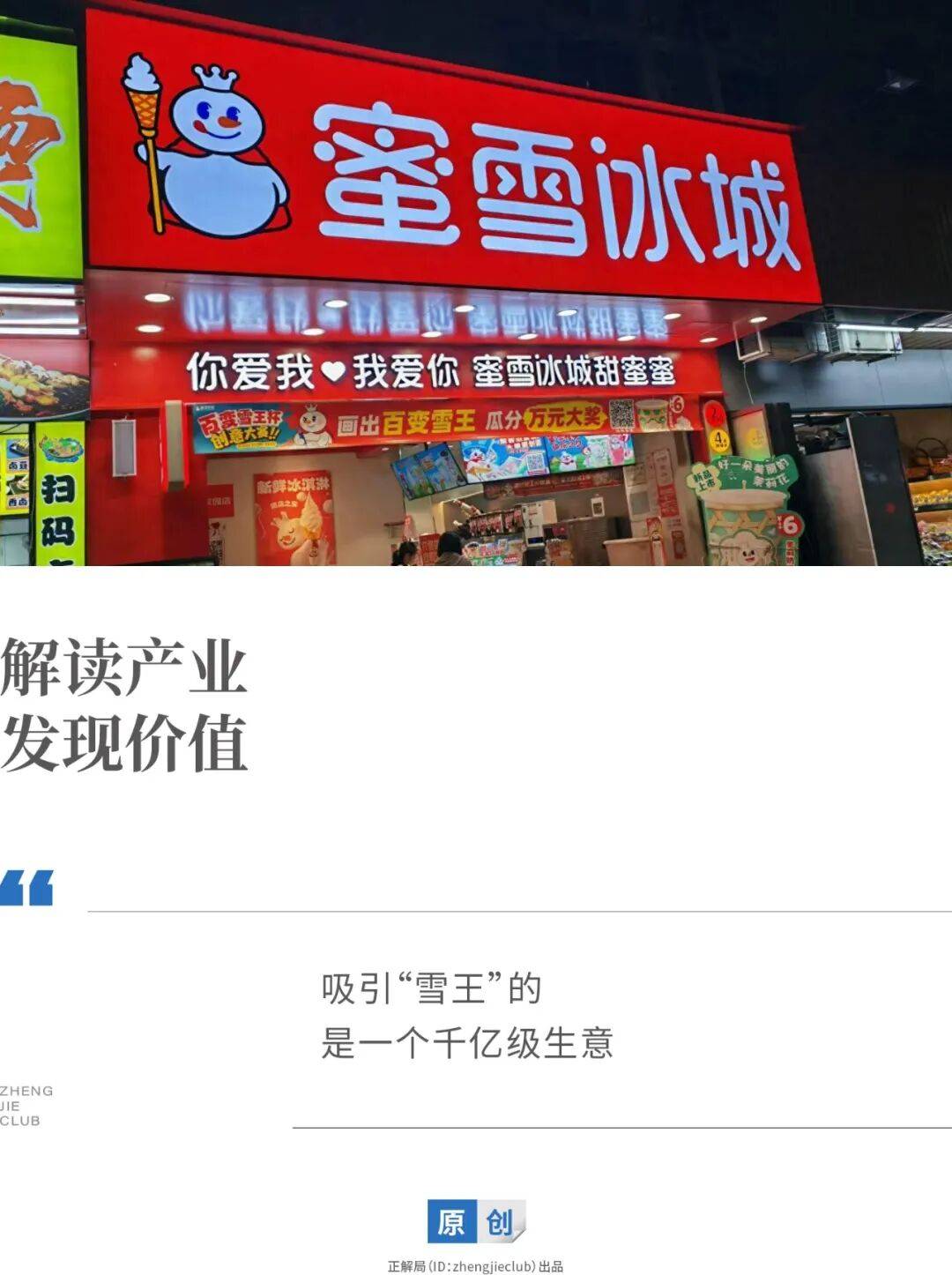
蜜雪冰城跨界卖啤酒,“雪王”的底气是什么?
Sou Hu Cai Jing· 2025-10-04 20:51
Core Viewpoint - Mixue Ice City has announced an investment and equity transfer agreement to acquire 53% of Fresh Beer Fulu Family for approximately 297 million RMB, making it a non-wholly-owned subsidiary, with its financial data included in the group's consolidated statements [3][5]. Company Overview - Mixue Ice City, known as the "Snow King," is a leading beverage chain with over 53,000 stores globally, the highest in the world [5]. - Fresh Beer Fulu Family, established in 2021, specializes in providing freshly brewed beer through offline stores, with a price range of 6-10 RMB per 500ml. It is the first brand in China to receive national certification for "fresh beer" [5]. Market Opportunity - The acquisition is driven by the potential of the craft beer market, which is projected to grow from 200 billion RMB in 2020 to nearly 1 trillion RMB by 2025, with expectations to exceed 1.7 trillion RMB by 2030 [7][9]. - The current penetration rate of craft beer in China is only 6.3%-6.7%, significantly lower than the 12.4%-25% in the United States, indicating substantial growth potential [9]. Business Model Synergy - Both Mixue Ice City and Fresh Beer Fulu Family operate on similar supply chain business models, which facilitates the integration of the two companies [9][13]. - Mixue Ice City has a well-established supply chain system, including 29 warehouses and extensive cold chain logistics, which supports its rapid expansion and market share [10][12]. - Fresh Beer Fulu Family also possesses a robust supply chain with a self-built craft beer factory and a nationwide logistics system, allowing for cold chain transportation [13]. Strategic Benefits - The acquisition allows Mixue Ice City to leverage its supply chain and operational expertise to enhance Fresh Beer Fulu Family's efficiency in procurement, production, logistics, and quality management, ultimately reducing costs and increasing effectiveness [13].

新茶饮们,提速出海
2 1 Shi Ji Jing Ji Bao Dao· 2025-10-04 05:39
Core Insights - The new tea beverage brands are rapidly expanding their presence globally, with significant growth in Southeast Asia and North America [2][3] - Despite the challenges faced in overseas markets, brands like Bawang Chaji are showing impressive performance, with overseas GMV reaching 235 million yuan, a year-on-year increase of 77.4% [2] Expansion and Revenue Growth - In the first half of 2025, five major listed tea brands achieved a total revenue of 31.581 billion yuan, a year-on-year increase of 30.12% [5] - Heytea opened its first overseas LAB store in Times Square, New York, achieving over 3,500 cups sold on the first day and maintaining an average daily sales of over 2,000 cups [5][6] - Tea Baidao is also expanding, with its first North American store opening in New York and plans for further expansion in Southeast Asia [5][6] Market Challenges and Strategies - Brands are facing challenges in overseas markets, with some, like Mixue Ice City, optimizing existing stores in Indonesia and Vietnam due to operational difficulties [6] - The focus is on quality and long-term brand value rather than just the number of stores, as emphasized by Tea Baidao's strategy [6] Localization Efforts - New tea brands are adapting their products to local tastes, moving away from simply replicating domestic menus [8] - For instance, Heytea has introduced localized products like "California Sunset" and "Matcha Coconut Blue" in the U.S. market, achieving significant social media engagement [8][9] Supply Chain and Operational Efficiency - A robust and flexible supply chain is crucial for success in overseas markets, with brands like Heytea establishing systematic supply chains in Europe and North America [9] - Bawang Chaji has adopted a deep partnership model in Thailand to enhance supply chain efficiency and local market integration [9] Market Selection and Consumer Insights - The choice of market location is critical, with brands like Ningji focusing on areas with favorable climates and logistics, such as Los Angeles [12] - Understanding local consumer behavior and preferences is essential for successful market penetration [14] Future Directions - The new tea beverage industry is transitioning from rapid expansion to a focus on sustainable growth and quality [14] - The ultimate success will depend on how well brands can integrate into local cultures and consumer lifestyles [14]

新茶饮们,提速出海
21世纪经济报道· 2025-10-04 05:33
Core Insights - The new tea beverage brands are rapidly expanding their presence globally, with significant growth in Southeast Asia and North America, as evidenced by the opening of numerous stores and partnerships with local giants [1][4][11] - Despite the impressive growth, these brands face substantial challenges in adapting to local markets, including supply chain stability and local talent acquisition [1][5][12] Group 1: Market Expansion - Bawang Chaji has opened its 200th store in Malaysia and formed a joint venture to deepen its presence in Southeast Asia [1] - Heytea has surpassed 100 overseas stores, increasing sixfold within a year, and has established a LAB store in New York with impressive sales [4][12] - Cha Bai Dao has opened its first North American store in New York and is actively expanding in Southeast Asia [4][5] Group 2: Financial Performance - In the first half of 2025, five major listed tea brands achieved a total revenue of 31.581 billion yuan, marking a year-on-year increase of 30.12% [2] Group 3: Localization Strategies - New tea brands are adapting their product offerings to local tastes, emphasizing the importance of local consumer preferences [7][8] - For instance, Heytea has launched products that blend local flavors with traditional tea elements, achieving significant social media engagement [7][8] Group 4: Supply Chain and Operational Challenges - The brands are focusing on building flexible supply chains to ensure product availability and compliance with local regulations [8][10] - Bawang Chaji has adopted a deep partnership model in Thailand to enhance operational efficiency and resource access [8][10] Group 5: Market Selection and Consumer Engagement - The choice of market locations is critical, with brands prioritizing areas with strong consumer demand and favorable logistics [10][11] - The brands are also rethinking their marketing strategies to align with local consumer behaviors, such as the preference for larger store formats in North America [10] Group 6: Future Outlook - The new tea beverage industry is transitioning from rapid expansion to a focus on sustainable growth and quality [12] - The success of these brands will depend on their ability to integrate into local cultures and consumer lifestyles [12]

蜜雪集团2.968亿收购鲜啤福鹿家53%股权
Huan Qiu Wang· 2025-10-03 02:55
Core Insights - The acquisition of 53% stake in the target company by Mixue Group through a total investment of 296.8 million yuan is a strategic move to enter the fresh beer market [1][3] - The transaction is structured in two steps, with an initial investment of 285.6 million yuan for 51% equity, followed by a transfer of 2% equity for 1.12 million yuan [3] - The target company has shown improvement in its financial performance, moving from a loss of 1.5277 million yuan in 2023 to a profit of 1.0709 million yuan in 2024 [3] Company Overview - Mixue Group has a mature supply chain system with five production bases and 29 warehouses, achieving cold chain coverage for 97% of its stores [3] - In the first half of 2025, Mixue Group reported revenue exceeding 14.8 billion yuan and a net profit close to 2.7 billion yuan, leading the new tea beverage industry [3] - The target brand "Xianpi Fulujia" focuses on fresh beer priced between 6 to 10 yuan per 500mL and currently operates 1,200 franchise stores [3] Strategic Implications - The acquisition is seen as a significant step for Mixue Group to expand into the fresh beer segment, indicating confidence in the long-term growth potential of this category [3]

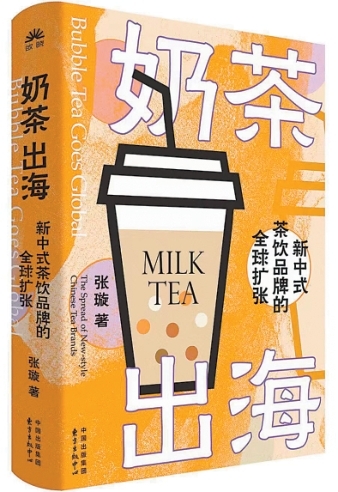
当品牌走向世界(大地风华)
Ren Min Ri Bao· 2025-10-02 22:13
Core Insights - The globalization of Chinese brands is exemplified by the rise of new-style tea drinks, particularly bubble tea, which has gained popularity in various countries, showcasing a shift from merely affordable products to a broader cultural experience [2][3][4] Group 1: Market Expansion - New-style tea drink brands, such as Mixue Ice Cream & Tea, have expanded into 12 countries including Singapore, Thailand, Japan, and South Korea [2] - The brand Bawang Chaji has opened 200 stores in Malaysia, rapidly competing with local tea giants [2] - Heytea's first store in London saw over 4 hours of queueing on its opening day, highlighting the strong demand for Chinese tea brands abroad [2] Group 2: Cultural Impact - The story of bubble tea's global journey reflects the broader narrative of Chinese brand globalization, where supply chain capabilities and cultural expressions are intertwined [3][4] - Chinese brands are transitioning from merely exporting products to promoting brand culture and establishing an industrial ecosystem [3] - Bubble tea serves as a cultural bridge, enhancing global cultural exchange and reshaping perceptions of Chinese brands beyond just manufacturing [4]