
证券业

Search documents
高盛:周末宏观电话
Goldman Sachs· 2025-10-13 01:00
Investment Rating - The report suggests a long-term hold on U.S. stocks, benefiting from potential Fed rate cuts and economic growth, with a projected increase of approximately 3% in the S&P 500 index by year-end and about 9% over the next 12 months [10]. Core Insights - The U.S. economy is expected to face challenges in 2025 due to tariffs and delayed fiscal stimulus, but a rebound is anticipated in 2026, driven by productivity improvements, particularly in the tech sector [1][4]. - The report highlights that non-farm business productivity has rebounded to 2%, with AI expected to gradually enhance overall economic productivity over the next five years [1][5]. - Despite weak labor market data, GDP growth is projected to remain resilient, primarily due to productivity gains rather than labor growth [4][9]. - The report indicates that nominal yields around 5% may pose structural resistance to GDP growth, but economic growth can still be sustained without rising inflation [8][9]. Summary by Sections Economic Outlook - The third-quarter GDP growth is estimated at 2.2%, with weak labor market data [1][4]. - The economy is expected to rebound in 2026 as tariff impacts diminish and fiscal policies take effect [1][4]. Labor Market and Productivity - Current employment growth is strong, but the economy is experiencing polarization, with the Fed focusing on labor market conditions and inflation [1][6]. - Productivity improvements are a key highlight, with non-farm business productivity increasing from 1.5% to 2% [4][5]. Stock Market Predictions - Earnings are expected to drive stock prices higher, with the S&P 500 index projected to reach approximately 6,800 points by year-end and 7,200 points in 12 months [10]. - The report recommends focusing on high floating-rate debt companies and economically sensitive small and mid-cap stocks [12][13]. AI and Investment Themes - AI remains a favored investment theme, with a focus on companies that can achieve short-term revenue growth from AI advancements [13]. - The report emphasizes the importance of monitoring capital expenditure growth among major players, particularly in AI infrastructure [14][15]. China Economic Insights - Despite weak data in July and August, China's GDP growth is still around 5%, driven by production metrics [3][16]. - The Chinese stock market has shown strong performance, with further upside potential anticipated due to limited investment options for households [17]. Future Expectations - The upcoming 15th Five-Year Plan is expected to emphasize innovation and security, with potential high growth targets set by the government [18][19].
周观:14天逆回购的“间断性”(2025年第38期)
Soochow Securities· 2025-09-28 14:33
Group 1: Report Industry Investment Rating - No relevant content provided Group 2: Core Views of the Report - The central bank's supportive attitude towards liquidity will be maintained, and the loose state will effectively support the bond yield to fluctuate at the bottom of the box. The report maintains the judgment that the top of the 10-year Treasury bond yield this year is 1.85% [1][17] - The long - end of US bonds fluctuates between 4 - 4.5%, the short - end is easy to decline but difficult to rise, and the report continues to be bullish on gold [2] - The US economy is still in an expansion state, but actual demand may be insufficient, and economic growth is slowing down. The labor market has not fundamentally improved, and the Fed's理事鲍曼 calls for a firm interest rate cut and reform of the monetary policy implementation mechanism [21][24][27] Group 3: Summary According to the Directory 1. One - week Views - **Domestic Bond Market**: This week (2025.9.22 - 2025.9.26), the yield of the 10 - year Treasury bond active bond rose 0.4bp from 1.795% last Friday to 1.799%. The central bank's 14 - day reverse repurchase operation was discontinuous, but the open - market operation maintained a net investment, and the MLF was over - renewed by 300 billion yuan, indicating support for liquidity [1][12][17] - **Overseas Market**: The Fed's interest rate cut "boot landed" last week, the yield curve steepened rapidly. The long - end has high volatility and strong gaming attributes, while the short - end has relatively strong supply and demand. The US second - quarter real GDP annualized quarterly growth rate reached 3.8%, but the manufacturing and service PMI in September decreased. The number of initial jobless claims continued to decline, but the labor market has not fundamentally improved. Fed理事鲍曼 called for an interest rate cut and reform of the monetary policy implementation mechanism [2][21][24] 2. Domestic and Overseas Data Aggregation 2.1 Liquidity Tracking - The open - market operations from 2025/09/22 - 2025/09/26 are detailed, with a total net investment of 940.6 billion yuan. The money - market interest rate and the issuance volume of interest - rate bonds in two weeks are also analyzed [32] 2.2 Domestic and Overseas Macroeconomic Data Tracking - Steel prices and LME non - ferrous metal futures official prices showed mixed trends. The prices of coking coal and thermal coal, inter - bank certificate of deposit interest rates, balance - treasure yields, vegetable price indices, commodity price indices, and the prices of Brent and WTI crude oil are presented. The performance of various overseas indices and the yield changes of US bonds are also shown [59][60][72] 3. One - week Review of Local Government Bonds 3.1 Primary Market Issuance Overview - This week, 78 local government bonds were issued in the primary market, with a total issuance amount of 196.051 billion yuan, a net financing of 122.461 billion yuan. The main investment directions are comprehensive, strategic development, and urban - rural infrastructure construction. 12 provinces and cities issued local government bonds, and 2 provinces issued special refinancing special bonds for replacing existing hidden debts [79][84][85] 3.2 Secondary Market Overview - The stock of local government bonds this week was 53.44 trillion yuan, the trading volume was 47.4454 billion yuan, and the turnover rate was 0.89%. The top three provinces with active trading are Guangdong, Shandong, and Hunan, and the top three active trading maturities are 30Y, 10Y, and 15Y [94] 3.3 This Month's Local Government Bond Issuance Plan - The issuance plans of local government bonds in some provinces and regions from 2025/9/29 to 2025/10/3 are presented [98] 4. One - week Review of the Credit Bond Market 4.1 Primary Market Issuance Overview - This week, 418 credit bonds were issued in the primary market, with a total issuance of 435.522 billion yuan, a total repayment of 358.923 billion yuan, and a net financing of 76.599 billion yuan, an increase of 9.68 billion yuan compared with last week. Among them, the net financing of urban investment bonds was - 23.029 billion yuan, and that of industrial bonds was 99.627 billion yuan [99][100] 4.2 Issuance Interest Rates - The actual issuance interest rates of various bond types this week are provided, with different changes in the interest rates of short - term financing bills, medium - term notes, enterprise bonds, and corporate bonds [111] 4.3 Secondary Market Transaction Overview - The trading volume of each type of credit bond this week is detailed, with a total trading volume of 633.982 billion yuan [114] 4.4 Maturity Yields - The maturity yields of various bonds such as 1Y, 3Y, 5Y, 7Y, and 10Y national development bonds, and the yields of short - term financing bills, medium - term notes, enterprise bonds, and urban investment bonds all showed certain changes this week [116][118][119][120] 4.5 Credit Spreads - The credit spreads of short - term financing bills, medium - term notes, enterprise bonds, and urban investment bonds all widened this week [124][126][131] 4.6 Grade Spreads - The grade spreads of short - term financing bills, medium - term notes, enterprise bonds, and urban investment bonds showed different trends, with the grade spreads of enterprise bonds and urban investment bonds generally narrowing [136][140][143] 4.7 Trading Activity - No specific content provided 4.8 Subject Rating Changes - No specific content provided
央行定调三季度货币政策
Di Yi Cai Jing· 2025-09-28 12:34
Core Viewpoint - The People's Bank of China (PBOC) emphasizes the need to promote stable economic growth and maintain reasonable price levels, reflecting a stronger commitment to economic recovery amid complex external conditions and domestic challenges [2][4]. Economic Situation - The economic assessment has shifted from "showing a positive trend" in Q2 to "steady progress" in Q3, indicating improved risk expectations and confidence in the economic fundamentals [4]. - The previous mention of "many risk hazards" has been removed, focusing instead on "insufficient domestic demand" and "low price levels" as the main challenges [4]. Monetary Policy - The monetary policy stance remains consistent with the July Politburo meeting, emphasizing the implementation of a moderately loose monetary policy [2][3]. - The focus has shifted from "implementing" to "ensuring the execution" of monetary policies, highlighting the importance of precise policy execution [4][6]. Structural Support - The scope of structural monetary policy tools has been expanded to include support for small and micro enterprises and stabilizing foreign trade, in addition to existing focuses on technological innovation and consumption [5]. - This adjustment is closely related to the current economic environment, particularly the potential impact of increased tariffs from the U.S. on Chinese exports [5]. Policy Coordination - Future monetary policy is expected to have more room for maneuver, with an emphasis on policy coordination and effective implementation based on domestic and international economic conditions [6][7]. - The market anticipates potential monetary easing measures, including a possible reduction in reserve requirements and interest rates, to support economic growth and employment [7]. Structural Tool Optimization - Recommendations include increasing the limits of structural tools and lowering their interest rates to enhance attractiveness for financial institutions, thereby encouraging support for key sectors such as technology, green development, and small enterprises [8].


大规模的存款搬家,开始出现了?
大胡子说房· 2025-09-28 10:31
Core Insights - The article highlights a significant shift in deposit trends, with a notable outflow from traditional bank deposits to non-bank financial institutions, indicating a potential change in investment behavior among residents and enterprises [9][10][12]. Group 1: Deposit Data Analysis - In August, new corporate deposits increased by 299.7 billion yuan, a year-on-year decrease of 50.3 billion yuan, while new household deposits were 110 billion yuan, down 600 billion yuan compared to last year [3]. - In July, the stock of household deposits was approximately 1.11 trillion yuan, reflecting a year-on-year reduction of 780 billion yuan [4]. - Non-bank financial institutions, such as brokerages and funds, saw a significant increase in deposits, with non-bank deposits rising by 1.18 trillion yuan in August, a year-on-year increase of 550 billion yuan [6][8]. Group 2: Capital Market Dynamics - The outflow of deposits from banks to non-bank institutions suggests that capital is being redirected towards the capital markets, indicating a "deposit migration" trend [9][10]. - This migration is characterized by a more rational approach, with funds moving towards stable financial products rather than high-risk investments [12][14]. - The rise in popularity of relatively fixed-income financial products indicates a cautious risk appetite among residents [14]. Group 3: Market Sentiment and Future Outlook - The speed of deposit migration is closely linked to the performance of stock indices, with a notable increase in new account openings in August, driven by a strong upward trend in the stock market [19][20]. - The article suggests that the current phase of deposit migration is just the beginning, with the potential for accelerated movement if stock indices continue to rise rapidly [26][28]. - The overall sentiment towards the capital market is directly correlated with market performance, influencing the pace at which retail investors enter the market [23][25].

告别低息、拥抱投资!存款“搬家”潮汐背后
Bei Jing Shang Bao· 2025-09-28 06:58
Core Viewpoint - The recent "9·24" policy has not only boosted stock market indices and market capitalization but also significantly impacted household finances, leading to a shift in wealth from traditional bank deposits to investment markets [1][9]. Group 1: Deposit Trends - A new wave of "deposit migration" appears to be underway, driven by declining interest rates and a shift in investment preferences among residents [3][6]. - As of August 2025, the balance of RMB deposits reached 322.73 trillion yuan, with household deposits increasing by 9.77 trillion yuan, while non-bank financial institution deposits surged by 5.87 trillion yuan [3][4]. - In August, household deposits saw a net increase of only 110 billion yuan, a decrease of 600 billion yuan year-on-year, while non-bank deposits increased by 1.18 trillion yuan, reflecting a significant shift in fund allocation [3][4]. Group 2: Market Dynamics - The A-share market has entered a bullish phase, with the Shanghai Composite Index rising over 14% since the beginning of the year, and total A-share market capitalization exceeding 104 trillion yuan [4][9]. - The average daily trading volume has surpassed 1.64 trillion yuan, indicating heightened market activity and investor interest [4][9]. - The number of new stock accounts opened has doubled month-on-month, with 2.64 million new personal stock accounts in August alone, marking a 165.57% year-on-year increase [10]. Group 3: Factors Driving Change - The decline in bank deposit interest rates, coupled with rising stock market performance and regulatory policies, has been a significant driver of the current deposit migration trend [6][8]. - Historical patterns show that deposit migration has occurred during periods of low interest rates and strong stock market performance, indicating a shift in investment strategies among residents [6][7]. - The current environment reflects a transition from traditional high-yield bank deposits to more diversified investment products, including stocks and non-bank financial products [5][11]. Group 4: Future Outlook - The upcoming peak of high-yield fixed-term deposits maturing in 2025-2026, combined with ongoing favorable policies for the capital market, suggests that the deposit migration process will continue [13]. - Analysts predict that the strength and duration of this migration will depend on the yield differential between asset management products and new deposits, as well as the overall economic outlook [13][14]. - Financial institutions are advised to adapt their strategies to retain deposits, optimize their funding structures, and enhance customer satisfaction to mitigate the impact of deposit migration [14][15].

删除“加力实施增量政策” 央行这场常规例会有哪些不寻常?
2 1 Shi Ji Jing Ji Bao Dao· 2025-09-27 06:05
Core Viewpoint - The recent monetary policy meeting indicates a shift towards maintaining policy continuity and stability while enhancing flexibility and foresight, moving away from aggressive incremental policy implementations [1][6]. Economic Outlook - The meeting acknowledged a complex external environment with weakening global economic growth, increased trade barriers, and uncertain inflation trends, while noting that China's economy is progressing steadily despite challenges such as insufficient domestic demand and low price levels [2][4]. Price Trends - The description of prices changed from "continuously low" to "low," reflecting recent positive signals in price data. The Producer Price Index (PPI) showed a month-on-month stabilization after eight months of decline, while the Consumer Price Index (CPI) remained flat month-on-month but showed a year-on-year decline of 0.4% [4][6]. Monetary Policy Strategy - The meeting emphasized the need for proactive monetary policy adjustments, focusing on the effective implementation of existing policies and enhancing the coordination of monetary and fiscal policies to support economic stability and reasonable price levels [5][13]. Structural Policy Tools - There is a new focus on using structural monetary policy tools to support small and micro enterprises and stabilize foreign trade, indicating a commitment to targeted financial support [10]. Long-term Interest Rates - The meeting continued to highlight the importance of monitoring long-term interest rates, with a consistent approach over the past seven quarters, reflecting ongoing concerns about the bond market dynamics [10][11]. Financial Market Stability - The meeting reiterated the importance of maintaining stability in the foreign exchange, capital, and real estate markets, with specific measures to enhance market resilience and prevent excessive fluctuations [13].
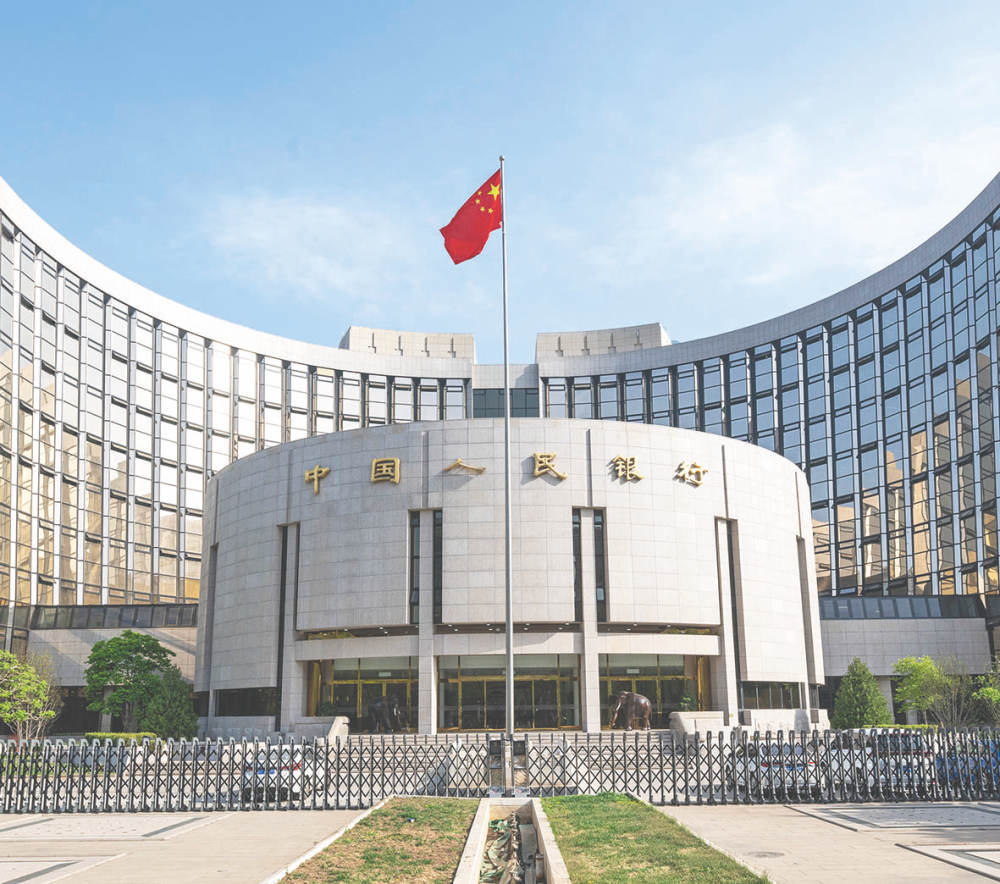
央行、证监会、外汇局,联合发布!
券商中国· 2025-09-27 02:29
Core Viewpoint - The announcement by the People's Bank of China, the China Securities Regulatory Commission, and the State Administration of Foreign Exchange supports foreign institutional investors in conducting bond repurchase transactions in the Chinese bond market, marking a significant milestone in the high-level opening of China's bond market [1] Group 1: Announcement Details - The announcement allows all types of foreign institutional investors to participate in bond repurchase transactions in the interbank bond market, including those entering through direct market access and the "Bond Connect" channel [2] - Eligible participants include foreign central banks, international financial organizations, sovereign wealth funds, commercial banks, insurance companies, securities firms, fund management companies, futures companies, trust companies, and other asset management institutions, as well as long-term investors like pension funds and charitable foundations [2] Group 2: Mechanism Design - The announcement enhances the bond repurchase mechanism in the interbank market to align with international practices, facilitating the transfer and usability of collateralized bonds, which is expected to improve liquidity in the bond market [3] - The bond repurchase business includes both pledged repurchase and buyout repurchase, with the current domestic practice differing from international norms regarding the transfer of collateralized bonds [3] Group 3: Transition Period - To ensure a smooth transition for foreign institutional investors already engaged in bond repurchase transactions, the announcement specifies a 12-month transition period during which these institutions can continue to operate under the previous model [4] Group 4: Fund Management and Regulation - The announcement emphasizes the importance of coordinated openness and security in the financial market, aiming to achieve closed-loop fund management for foreign institutional investors engaging in bond repurchase transactions [5] - Initial operations through the "Bond Connect" channel will maintain the current trading mechanism, with market makers selected based on their performance in the primary market [5]

进一步支持各类境外机构投资者开展债券回购
Sou Hu Cai Jing· 2025-09-26 22:18
Core Points - The People's Bank of China, the China Securities Regulatory Commission, and the State Administration of Foreign Exchange jointly issued an announcement to support foreign institutional investors in conducting bond repurchase transactions in the Chinese bond market [1] - The announcement further opens up the bond repurchase business, allowing all types of foreign institutional investors to participate, including those entering through direct market access and the "Bond Connect" channel [1] - Bond repurchase is a widely used liquidity management tool internationally, and the announcement aims to meet the liquidity management needs of foreign institutional investors and promote connectivity between onshore and offshore financial markets [1] Group 1 - The announcement strengthens the bond repurchase mechanism in the interbank market and aligns it with international practices, providing greater convenience for foreign institutional investors [2] - The bond repurchase business includes both pledged and buyout repurchase forms, with current differences in operational practices compared to international markets [2] - The mechanism design of transferring the ownership of the underlying bonds aligns with international mainstream repurchase practices, enhancing the attractiveness of the Chinese bond market to foreign institutional investors [2]
中国人民银行、中国证监会、国家外汇管理局:进一步支持境外机构投资者在中国债券市场开展债券回购业务
Zheng Quan Ri Bao· 2025-09-26 15:41
9月26日,中国人民银行、中国证监会、国家外汇管理局联合发布关于进一步支持境外机构投资者在中 国债券市场开展债券回购业务的公告(以下简称《公告》)。 中国人民银行、中国证监会、国家外汇管理局进一步支持各类境外机构投资者开展债券回购业务,不仅 有利于满足市场需求,进一步增强人民币债券资产吸引力,也有利于优化合格境外投资者制度,巩固提 升香港国际金融中心地位,助力在岸离岸人民币市场协同发展。业务模式上,中国人民银行深入总结境 内外回购市场实践,加强银行间市场债券回购机制和国际市场通行做法衔接,实现标的债券过户和可使 用,为境外机构投资者开展债券回购业务提供更大便利,也有利于促进优化境内债券回购业务机制。 下一步,中国人民银行、中国证监会、国家外汇管理局将会同有关各方持续完善各项机制安排,稳步推 进中国债券市场高水平制度型开放。 实现标的债券 过户和可使用 目前,我国质押式债券回购与国际市场债券回购在操作上存在差异,未将质押式回购标的债券从正回购 方过户至逆回购方,而是冻结在正回购方。 "国际市场主流回购模式均采取标的债券过户和可使用的做法,类似于银行间债券市场的买断式回 购。"前述负责人表示,《公告》起草过程中, ...
【新华解读】打通流动性管理渠道 外资参与债券回购业务迎新机遇
Xin Hua Cai Jing· 2025-09-26 14:22
Core Viewpoint - The recent announcement by the People's Bank of China, the China Securities Regulatory Commission, and the State Administration of Foreign Exchange to support foreign institutional investors in conducting bond repurchase transactions in the domestic bond market marks a significant step in China's financial market opening and aims to enhance the international attractiveness of China's bond market and RMB-denominated assets [1][2]. Group 1: Policy and Market Impact - The announcement expands the scope of foreign institutional investors eligible to participate in the bond repurchase market, now including commercial banks, insurance companies, asset management institutions, and pension funds, thereby unifying and clarifying the access standards [2][3]. - The new trading model aligns with international practices, allowing foreign investors to engage in buyout-style repurchase transactions, which reduces operational risks and enhances confidence among foreign participants [3][4]. - A closed-loop risk management framework has been established, ensuring that transactions, custody, settlement, and foreign exchange processes are subject to thorough oversight and quota management [3][4]. Group 2: Liquidity and Investment Efficiency - The introduction of bond repurchase transactions is expected to significantly enhance market liquidity and price discovery, benefiting both domestic and foreign investors [5][6]. - The repurchase business will provide foreign investors with efficient short-term financing tools, allowing them to manage liquidity without selling long-term bonds, thus increasing the flexibility and attractiveness of investing in China's bond market [5][6]. - The opening of the bond repurchase market is anticipated to promote the coordinated development of onshore and offshore markets, facilitating the internationalization of the RMB and reducing funding cost discrepancies between the two markets [6][7]. Group 3: Future Outlook - The ongoing opening of the bond market is seen as a crucial step in enhancing China's position as a key destination for global asset allocation, with the potential to increase the weight and influence of Chinese bonds in international indices [6][7]. - The gradual and controlled approach to market opening has been a consistent strategy, with the aim of building a multi-layered, comprehensive, and efficient bond market system [6][7]. - The recent developments in the bond market reflect China's commitment to high-level financial market openness and participation in global financial governance, with expectations for RMB bonds to play a more critical role in international capital flows [7][8].