太阳能

Search documents
真相来了丨网传太阳能板释放有害电磁辐射?谣言!
Huan Qiu Wang Zi Xun· 2025-07-10 13:21
Core Viewpoint - The production of solar cells in China is projected to reach 680 million kilowatts in 2024, representing a year-on-year growth of 15.7%, while concerns about harmful electromagnetic radiation from solar panels are addressed as unfounded [1][8]. Group 1: Solar Cell Production and Technology - China's solar cell production is expected to reach 680 million kilowatts in 2024, with a growth rate of 15.7% compared to the previous year [1]. - Solar photovoltaic cells convert sunlight directly into electricity through the photovoltaic effect, producing a voltage and current when illuminated [1][2]. Group 2: Electromagnetic Radiation Concerns - Solar panels emit weak electromagnetic radiation, which is not ionizing radiation and is considered harmless to human health [2][6]. - The electromagnetic radiation produced by solar panels is significantly lower than that of common household appliances and communication devices [5][6]. - The World Health Organization's recommended public exposure limit for magnetic fields is 100 microteslas, while the radiation from photovoltaic systems is well below this threshold [6]. Group 3: Comparison with Other Technologies - Solar water heaters operate differently from solar panels, converting sunlight directly into heat without generating electromagnetic waves, thus posing no radiation concerns [9]. - The primary emissions from solar panels are light and thermal radiation, which are manageable and not harmful under normal usage conditions [6][8].



特朗普杀死新能源
Hu Xiu· 2025-07-10 11:20
Core Points - The passage of Trump's "Big and Beautiful Act" marks a significant shift away from federal support for solar and wind energy, favoring fossil fuels instead [1][10] - The act is expected to have a profound impact on the U.S. and global renewable energy industries, leading to a decline in clean energy investments and potential job losses [2][9] Summary by Sections Impact on Renewable Energy - The "Big and Beautiful Act" tightens tax incentives for clean energy, particularly affecting investments in wind and solar power, which have historically relied on these tax credits [2] - The act stipulates that solar and wind projects operational after 2027 will no longer receive tax credits, indicating a potential decline in U.S. clean energy investments [2] - Consulting firm Rhodium Group estimates that the cancellation of clean energy tax incentives could reduce the construction of solar, wind, and storage projects by 57% to 72% by 2035 [8] Electric Vehicle Sector - The act terminates the $7,500 tax credit for new electric vehicle purchases and the $4,000 credit for used electric vehicles, likely leading to a decrease in electric vehicle penetration in the U.S. [2][3] - Experts suggest that the act will harm not only U.S. electric vehicle companies but also allies like South Korea and Japan, which have invested in U.S. manufacturing [3] Foreign Entity Restrictions - The act imposes strict restrictions on investments from "Prohibited Foreign Entities" (PFE), which includes companies from countries like China, Russia, and Iran, limiting their access to energy tax credits [4][5] - Companies must ensure that over 60% of their components are sourced outside of China to qualify for tax credits, a requirement that will increase to 85% by 2030 [4] Economic and Political Implications - The act is seen as a move towards protectionism, aiming to bolster domestic industries while weakening foreign competition, particularly from China [5] - The act's implementation may freeze project financing in the clean energy sector, as the time from project initiation to operation can span several years [5][8] Broader Consequences - The act is expected to increase electricity prices for consumers, with average household electricity costs projected to rise by 7.3% and business costs by 10.6% [8] - The shift away from clean energy initiatives may hinder global climate governance efforts, as the U.S. is a major carbon emitter [8][10]

太阳能:控股股东及其一致行动人承诺12个月内不减持
news flash· 2025-07-10 08:13
Group 1 - The core point of the article is that the controlling shareholder of the company, China Energy Conservation, along with its concerted party, Zhongjie Capital, and the company's directors and senior management, have voluntarily committed not to reduce their holdings of the company's A-shares from July 10, 2025, to July 9, 2026 [1] - As of June 30, 2025, China Energy Conservation holds 1.223 billion shares, accounting for 31.21% of the total shares [1] - Zhongjie Capital holds 134 million shares, representing 3.42% of the total shares [1]
【中国那些事儿】欧洲积极推动绿色转型 中国新能源企业能发挥重要作用
Sou Hu Cai Jing· 2025-07-10 04:11
Core Insights - The European Union is actively promoting energy transition to reduce dependence on imported traditional fuels and aims to increase the share of renewable energy in final energy consumption from 32% to 42.5% [1] - China's renewable energy companies have become indispensable partners in Europe's energy transition, providing high-quality solutions and expertise in fields like photovoltaics [1] Group 1 - China has made significant advancements in energy technology over the past 15 years, leading in solar panels, wind turbines, electric vehicles, and battery technology [3] - TotalEnergies has heavily procured Chinese-made solar panels and deployed Chinese wind turbines in its global projects [3] - At the 2025 European International Solar Energy Exhibition, Chinese companies received widespread acclaim for their cutting-edge products and system integration capabilities [3] Group 2 - In 2024, China's photovoltaic module exports are projected to reach 235.93 GW, a 13% increase year-on-year, with China accounting for 55% of the global new installed capacity [3][4] - Chinese enterprises are deepening cooperation with European companies by establishing local production facilities, enhancing ties between Chinese and European industries [4] - Local collaborations in Central and Eastern Europe have led to the development of several sustainable energy projects, including Croatia's largest photovoltaic project [4] Group 3 - Approximately 85% of solar panels in the Portuguese market are manufactured in China, with products receiving top quality certifications [4] - The CEO of the Portuguese Renewable Energy Association emphasized that achieving Portugal's 2030 solar installation goals heavily relies on Chinese expertise [4][5] - Strengthening cooperation with China is deemed crucial for European countries to meet their energy targets [5]


【环时深度】毁绿保油气,美能源政策加速“开倒车”
Huan Qiu Shi Bao· 2025-07-09 22:57
Core Viewpoint - The "Big and Beautiful" Act signed by Trump is seen as a significant shift in U.S. energy policy, favoring fossil fuels over renewable energy, which may have devastating effects on clean energy development and the U.S.'s international climate responsibilities [1][3][12]. Group 1: Policy Changes - The "Big and Beautiful" Act effectively repeals or undermines much of the Biden administration's Inflation Reduction Act, particularly in terms of clean energy support [1][3]. - The Act prioritizes fossil fuels, reduces regulations, and limits support for renewable energy, marking a systematic shift in energy policy [3][4]. - Solar and wind energy sectors are identified as the biggest losers under the new law, with tax credits for new projects being significantly restricted [3][4]. Group 2: Industry Reactions - Traditional fossil fuel industries have welcomed the Act, viewing it as transformative legislation that addresses their priorities [4][5]. - Critics argue that the Act will lead to higher energy costs and weaken the U.S. automotive industry, while proponents claim it will lower energy prices by increasing domestic production [5][4]. Group 3: Historical Context - The U.S. has a long history of inconsistent energy policies, often influenced by political changes and various interest groups, leading to a lack of coherent long-term strategy [6][9]. - Previous administrations have oscillated between promoting renewable energy and supporting fossil fuels, with significant policy reversals occurring with each change in leadership [8][9]. Group 4: International Implications - The Act is seen as a step back from global climate commitments, potentially damaging the U.S.'s international image and its ability to compete in the clean energy sector [12][10]. - Allies have expressed concerns over U.S. energy policies, particularly regarding trade discrimination and the potential for increased competition for investments [10][11]. Group 5: Future Outlook - Despite the federal shift, individual states may continue to support clean energy initiatives based on their specific industry needs, indicating a potential divergence in energy policy at the state level [13].
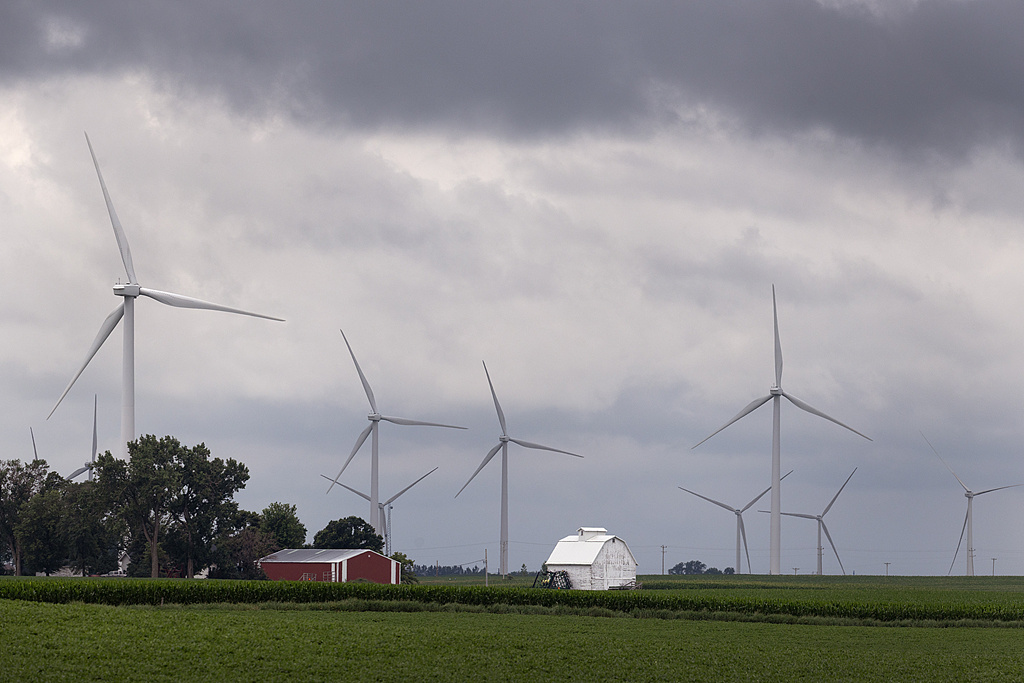
特朗普“补贴大撤退”!为何储能躲过一劫?
行家说储能· 2025-07-09 12:37
Core Viewpoint - The OBBB Act signed by Trump marks a significant shift in U.S. energy policy towards traditional fossil fuels, while maintaining tax credits for energy storage, which could impact the renewable energy sector negatively [1][15]. Group 1: Key Changes in Tax Credits - The storage ITC subsidy has been extended from 2032 to 2036, providing a longer policy support window for the energy storage industry [2][4]. - The OBBB Act modifies the IRA's clean energy tax credits, particularly affecting battery storage systems under sections 48E and 45Y, with construction start dates typically set for 2033 [2][4]. - The new FEOC (Foreign Entities of Concern) provisions restrict tax credits for projects involving certain foreign entities, particularly those from China, Russia, Iran, and North Korea [7][9]. Group 2: Impact of FEOC Restrictions - The FEOC restrictions may hinder U.S. energy storage projects by excluding foreign entities from receiving tax credits, which could lead to increased project costs and delays [18][19]. - The threshold for material assistance from prohibited foreign entities will increase from 55% to 85% over the next few years, complicating compliance for U.S. developers [10][16]. - The complexity of FEOC rules may deter foreign direct investment in the U.S. clean energy sector, particularly from companies with ties to Chinese entities [19][21]. Group 3: Market Dynamics and Strategic Adjustments - U.S. developers may need to eliminate reliance on Chinese supply chains to qualify for tax credits, potentially leading to strategic shifts in sourcing and production [20][21]. - The anticipated increase in project costs due to the need for domestic sourcing could impact the overall competitiveness of U.S. energy storage projects [18][21]. - The uncertainty surrounding policy changes and the expiration of tariff suspensions on Chinese batteries may further complicate investment decisions in the U.S. storage market [16][18].
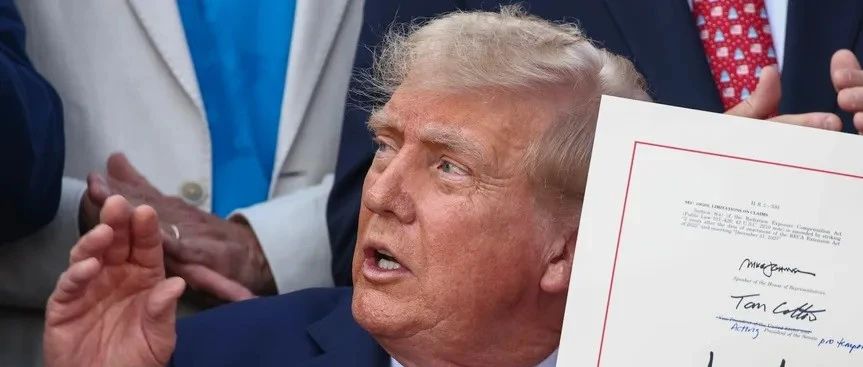
这家中国公司,最新Nature论文再次刷新纪录,2024年以来已发表4篇Nature论文
生物世界· 2025-07-09 09:51
Core Viewpoint - LONGi Green Energy has achieved a new record in power conversion efficiency for perovskite/silicon tandem solar cells, reaching 34.58% efficiency through innovative research and development [2][3][7]. Group 1: Company Overview - LONGi Green Energy, established in 2000, is a private solar technology company based in Xi'an, Shaanxi Province, focusing on the development, manufacturing, and sales of semiconductor materials and equipment [2]. Group 2: Research Achievements - The company published a research paper titled "Efficient perovskite/silicon tandem with asymmetric self-assembly molecule" in the prestigious journal Nature, marking its fourth publication in Nature since 2024 [2]. - In addition, LONGi Green Energy published another research paper in the Science journal on June 26, 2025 [2]. Group 3: Technical Innovations - The recent study developed a high-efficiency perovskite/silicon tandem solar cell with an asymmetric self-assembly molecule, achieving a certified power conversion efficiency of 34.58%, setting a new record for this type of solar cell [3][7]. - The research team designed an asymmetric self-assembly monolayer (HTL201) that enhances the efficiency of the tandem solar cells by minimizing steric hindrance and improving coverage on the transparent conductive oxide layer [6]. - The optimization of energy level alignment between the perovskite and HTL201, along with an increase in the quasi-Fermi level splitting (QFLS) of the perovskite layer, resulted in a significant voltage output of nearly 2 volts [7].


特朗普对美国绿色能源再出重拳 将取消风能太阳能联邦补贴
news flash· 2025-07-09 03:36
Core Viewpoint - The article discusses Trump's initiative to terminate federal subsidies for green energy, citing concerns over reliability and cost, while the U.S. Department of Energy warns of potential risks to the energy system leading to a significant increase in power outages by 2030 [1] Group 1: Policy Changes - Trump signed an executive order to gradually eliminate federal subsidies for wind and solar energy projects, arguing that renewable energy is unreliable and expensive [1] - The executive order claims that federal subsidies have forced taxpayers to support costly and unreliable energy sources, which have negatively impacted the stability of the power grid [1] Group 2: Industry Impact - The increase in renewable energy projects is said to have displaced cheaper, more reliable domestic energy sources, potentially harming the stability of the energy grid [1] - The article highlights concerns that the shift away from traditional energy sources could lead to a deterioration of the natural landscape [1] Group 3: Future Projections - The U.S. Department of Energy warns that the frequency of power outages could increase by 100 times by 2030, indicating significant vulnerabilities in the current energy infrastructure [1]
关税前景不明,美股反弹受阻,纽铜一度较日低暴拉超18%
Hua Er Jie Jian Wen· 2025-07-08 23:18
Group 1 - US stock market shows mixed performance with small-cap stocks outperforming, while the Dow Jones lagged behind [2][8] - Nvidia reached a new high with a market capitalization approaching $4 trillion [2][8] - Freeport-McMoRan, a copper mining company, saw its stock price surge over 8.8% after Trump's announcement of a 50% tariff on copper imports [2][14] Group 2 - The S&P 500 index closed down 4.46 points, a decrease of 0.07% [3] - The Dow Jones Industrial Average fell by 165.60 points, a decline of 0.37% [4] - The Nasdaq Composite index increased by 5.95 points, a rise of 0.03% [5] Group 3 - The Philadelphia Semiconductor Index rose by 1.81% [10] - AMD shares increased by 2.24% [11] - The Nasdaq Golden Dragon China Index rose by 0.71%, outperforming the major US indices for two consecutive days [12] Group 4 - Energy sector ETF increased by 2.69%, while financial sector ETF decreased by 0.89% [7] - Solar stocks, including SunRun, fell over 11% due to tightening clean energy tax regulations proposed by Trump [15]
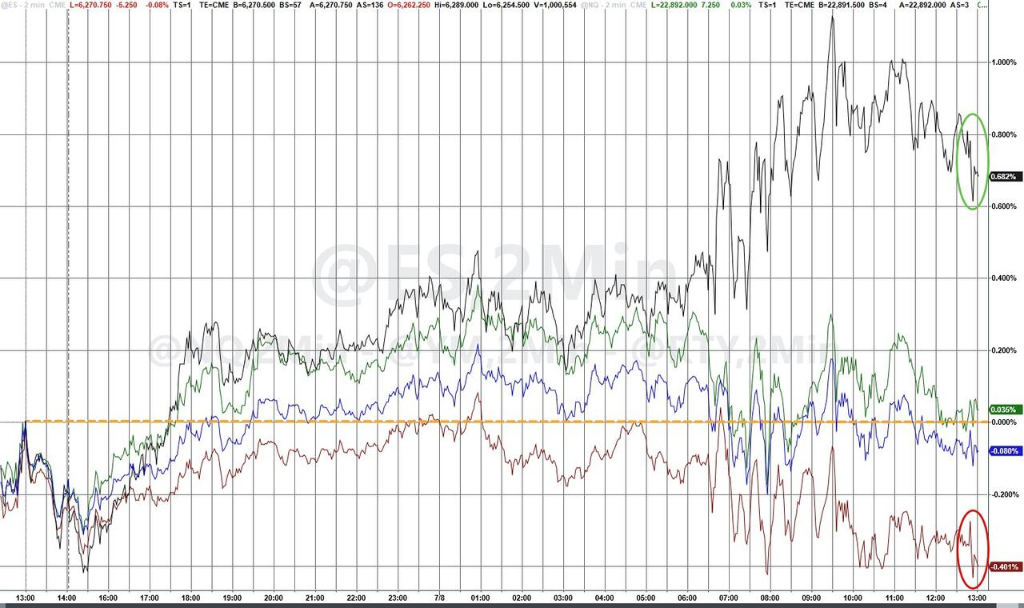
Solar Stocks Sink: Trump Slashes Green Tax Breaks
Benzinga· 2025-07-08 14:57
Core Viewpoint - President Trump's executive order to expedite the phaseout of clean-energy tax credits has led to a significant drop in solar stocks, reflecting market concerns over the future of solar and wind energy projects [1][3]. Group 1: Executive Order Details - The executive order mandates a faster phaseout of clean-electricity tax credits for solar and wind projects, eliminating these credits within 45 days after the "Big Beautiful Bill" takes effect, likely before the end of 2025 [1][2]. - Trump expressed his opposition to subsidies for solar and wind, labeling them as "expensive and unreliable" energy sources [2]. Group 2: Market Impact - Following the announcement, solar stocks experienced notable declines: First Solar, Inc. (FSLR) fell by 3.89%, Sunrun, Inc. (RUN) dropped over 10%, and SolarEdge Technologies, Inc. (SEDG) decreased by 4.3% [3]. - TD Cowen downgraded Enphase Energy, Inc. (ENPH) from Buy to Hold and reduced its price target from $58 to $45, citing the negative impact of the tax credit elimination on U.S. residential solar demand, which is already facing challenges due to high interest rates [4].