住宅地产

Search documents
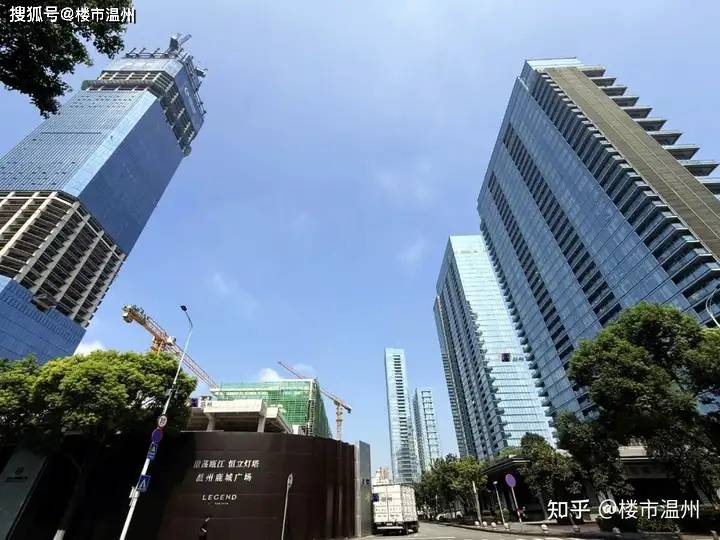
这类住宅,在外地沦为贫民窟,在温州却成了顶尖豪宅!
Sou Hu Cai Jing· 2025-09-29 02:57
Core Viewpoint - The recent Central Urban Work Conference has emphasized strict limitations on super high-rise buildings, contrasting the perception that such buildings will become slums, particularly in Wenzhou where they are seen as luxury properties [1][20]. Summary by Sections Super High-Rise Residential Properties in Wenzhou - Wenzhou's super high-rise residential buildings, such as the Lu Cheng Plaza and Wenzhou No. 1, are highly sought after by high-net-worth individuals, showcasing their status as luxury properties [1][3][5]. - Despite a general downturn in the real estate market, many of these super high-rise residences have maintained stable prices or even appreciated, indicating their high value [11]. Comparison with Other Cities - The article contrasts Wenzhou's super high-rise buildings with those in cities like Hong Kong and Guangzhou, where the abundance of such buildings leads to a lack of uniqueness and potential decline in value [12][16]. - In cities with a high number of super high-rises, issues such as low usable space, long elevator wait times, and management difficulties can arise, detracting from their desirability [14]. Future of Super High-Rise Developments - The article notes that while Wenzhou has seen an increase in super high-rise buildings, the city has been relatively restrained in their development, which helps maintain their high value [16][22]. - The national trend towards stricter regulations on super high-rise buildings suggests that new developments will be significantly limited, potentially preserving the value of existing properties in Wenzhou [20][22]. Management and Maintenance Concerns - Not all super high-rise buildings in Wenzhou will retain their value; those designed for affordable housing may face challenges if not properly managed [18][22]. - The article calls for stricter regulations on the design and management of super high-rise buildings to prevent issues related to overcrowding and safety [18][20].

为什么都说9楼不能买?房产专家揭秘3大原因,别再被忽悠
Sou Hu Cai Jing· 2025-09-24 08:38
Core Viewpoint - The article challenges the superstition surrounding the 9th floor in residential buildings, highlighting that the lower prices and longer transaction times associated with these units are influenced by both market myths and actual issues related to elevators, noise, and water supply [1][9]. Group 1: Elevator Issues - Elevator malfunctions are a significant concern for 9th-floor residents, with a national average elevator failure rate of 3.2%, which increases to 4.7% for frequently used middle floors [2]. - In a survey of 15 communities, it was found that elevator door malfunctions accounted for 38% of failures in the 9-11 floor range, which is 22% higher than other floors [2]. Group 2: Noise Concerns - Noise levels for the 7-12 floor range are higher by an average of 5.8 decibels compared to the 1-6 floor range and 7.2 decibels higher than floors above 15 [3]. - The "sandwich effect" of noise on the 9th floor results from its position, which receives both direct noise and secondary sound waves from reflections, making it particularly susceptible to noise disturbances [3]. Group 3: Water Supply Issues - The average compliance rate for water pressure in buildings below 10 floors is 92.3%, while it drops to 86.7% for buildings between 11-20 floors, indicating potential water supply issues for the 9th floor [5]. - In older communities without secondary pressure systems, 62% of 9th-floor units experience unstable water pressure, especially during peak usage times [7]. Group 4: Technological Improvements - New residential projects built after 2023 have implemented advanced elevator systems, improved soundproofing, and more reliable water supply systems, significantly reducing the disadvantages associated with the 9th floor [6]. - In newly constructed high-quality residences, the price difference between the 9th floor and other floors has decreased to below 1.7%, indicating a shift in market perception as technology improves [6]. Group 5: Rational Decision-Making - Buyers are encouraged to evaluate properties based on building age, property management quality, elevator maintenance records, and actual noise and water pressure tests rather than relying on superstitions [8]. - The impact of superstitions on purchasing decisions is diminishing, with transaction cycles for 9th-floor units in major cities narrowing to 0.9 times that of other floors, compared to a national average of 1.3 times [8].
阿布扎比与迪拜双核领跑 阿联酋住宅市场迎来黄金发展期
Xin Hua Cai Jing· 2025-09-23 14:15
Core Viewpoint - The UAE residential market is entering a golden development period in 2025, driven by policy benefits, economic transformation, and continuous population inflow, particularly in Abu Dhabi and Dubai, offering attractive investment opportunities for global investors [1][4]. Economic Environment - The UAE's "de-oil" strategy has shown significant results, with a projected 4% growth in real GDP for 2024, reaching 1.78 trillion dirhams, and non-oil GDP at 1.34 trillion dirhams, accounting for 75.5% of the total, a historical high [1]. - The tourism sector is a key pillar of the non-oil economy, contributing 13% to GDP in 2024, with international tourist spending exceeding 217 billion dirhams, and Chinese tourists making up 5% of this growth [1]. - The UAE aims to increase foreign direct investment (FDI) stock to 2.2 trillion dirhams by 2031, with non-oil exports exceeding 75% of total exports, already achieving this target in Q1 2025 [1]. Population Dynamics - The UAE's population is projected to reach 12.5 million by 2024, an increase of 2.33 million (23%) from 2023, with expatriates making up 88.5% of the population [2]. - The age demographic of 25-54 years constitutes 68.62% of the population, providing a strong labor force and consumer demand for housing [2]. Policy Developments - The UAE is optimizing its investment environment, having lowered the golden visa threshold and removed the minimum down payment requirement of 1 million dirhams, thus activating the off-plan market [2]. - In 2024, the UAE attracted 167.6 billion dirhams in foreign direct investment, a 48% increase year-on-year, positioning it as the tenth largest destination for FDI globally [2]. Market Performance - Abu Dhabi's residential market showed strong performance in H1 2025, with total transaction value reaching 21.853 billion dirhams, a 30% increase year-on-year, and average residential prices hitting 3.3 million dirhams, up 17% [3]. - Dubai's real estate market recorded its highest transaction volume and value ever in H1 2025, with 98,726 sales transactions, a 22% increase, and total sales reaching 326.9 billion dirhams, over ten times higher than in H1 2020 [3]. Investment Outlook - Despite global economic uncertainties, the UAE's open market environment and robust growth expectations make it a noteworthy residential market in 2025, with diverse investment opportunities driven by the dual-core dynamics of Abu Dhabi and Dubai [4].
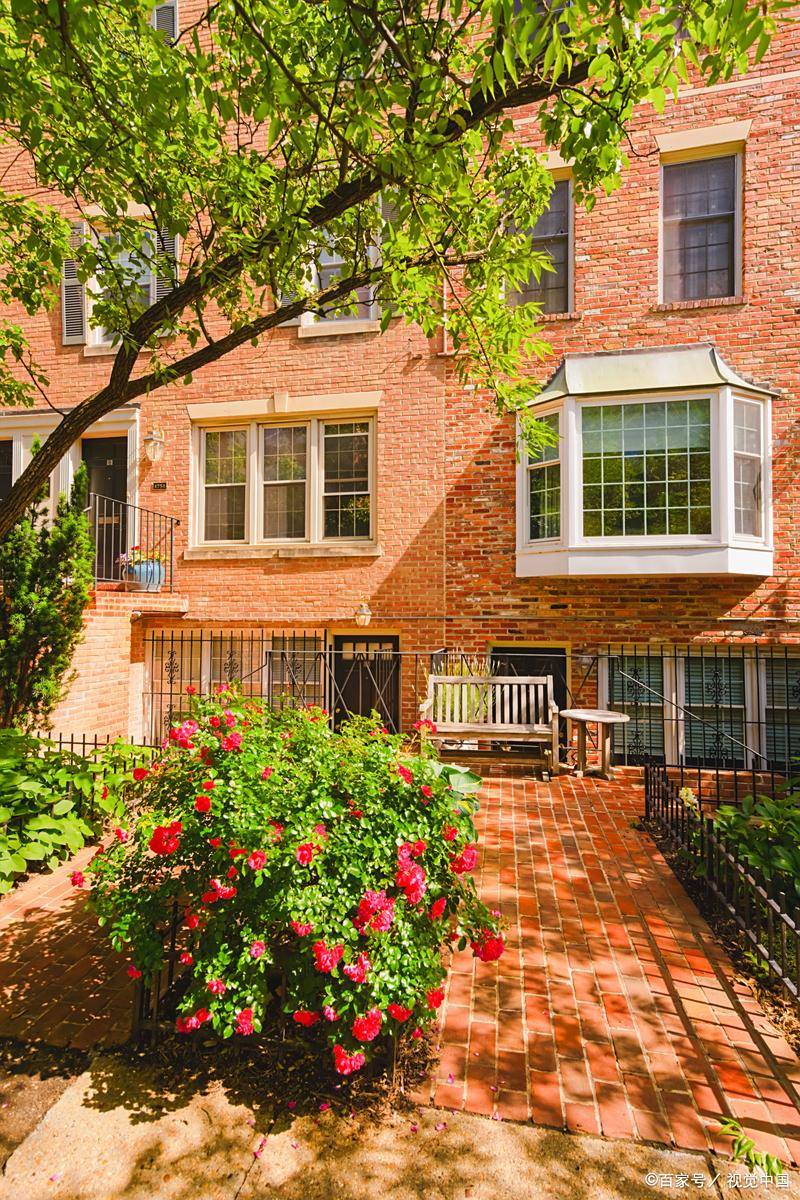
越来越多人从别墅搬回高层,过来人直言:别墅有3大硬伤,快看看
Sou Hu Cai Jing· 2025-09-23 01:37
Core Insights - The Chinese real estate market is undergoing a significant transformation, with a notable shift from villas to high-rise apartments as families prioritize practicality and cost-effectiveness [1][10][15] Maintenance Costs - The average annual maintenance cost for villas has risen to 12% of a typical household's annual income, compared to only 5% for high-rise apartments, making villa maintenance nearly 2.5 times more expensive [3][5] - In Beijing, villa owners spend an average of 87,000 yuan annually on maintenance, which includes landscaping, roof repairs, and heating system upkeep [3] Security Concerns - Villas have a burglary rate 2.7 times higher than that of high-rise apartments, highlighting significant security risks associated with villa living [6] - High-rise apartments typically offer better security features, including 24-hour surveillance and strict access controls, which enhance residents' sense of safety [6] Social Isolation and Convenience - Villa residents experience a 63% lower frequency of neighbor interactions compared to high-rise residents, leading to social isolation, particularly affecting children and the elderly [7][8] - High-rise apartments provide greater access to essential services and amenities, with residents visiting convenience facilities 2.6 times more frequently than villa residents [8] Commute and Accessibility - Families living in villas face an average commute time of 92 minutes, significantly longer than the 56 minutes for high-rise residents, resulting in a loss of over 219 hours annually [8] - Proximity to quality medical resources is crucial, with high-rise apartments offering faster emergency response times compared to villas [8] Investment and Energy Efficiency - High-rise apartments have a higher average appreciation rate of 3.2% compared to 1.7% for villas, with villas also exhibiting lower liquidity in the market [10][12] - Villas consume 35% to 52% more energy than high-rise apartments, which poses increasing financial burdens as energy prices rise [12] Conclusion - The shift from villas to high-rise apartments reflects a rational reassessment of living conditions, emphasizing the importance of maintenance costs, security, social interaction, and convenience in housing decisions [13][15]
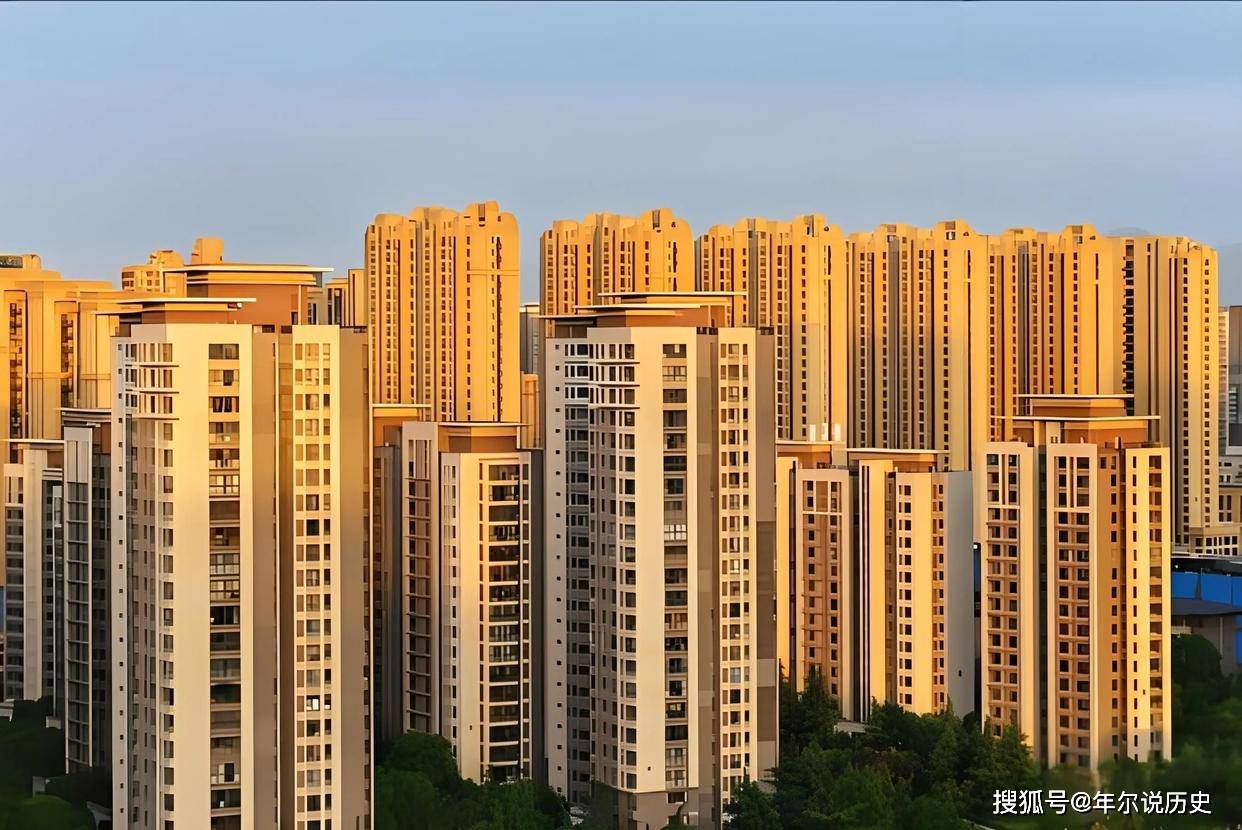
有一种痛苦叫做“一梯两户”,不想住也卖不掉,彻底沦为不动产!
Sou Hu Cai Jing· 2025-09-21 23:31
Core Viewpoint - The article discusses the decline of the "high-end" perception of the one-lift-two-house residential model, highlighting various issues that have led to its poor market performance and the challenges faced by homeowners in this segment [1][20]. Group 1: Elevator Issues - The primary selling point of one-lift-two-house residences is their claimed privacy and quietness, but in reality, residents face significant elevator wait times, averaging 12.7 minutes daily, which accumulates to over 77 hours annually [4][3]. - During peak hours, elevator congestion becomes a major inconvenience, exacerbated by occasional power outages and maintenance, particularly affecting families with elderly members or children [5][3]. Group 2: Shared Area Concerns - Developers often obscure the high shared area ratio in one-lift-two-house models, leading to a situation where buyers pay for a significant amount of unusable space, with actual usable area potentially being only 65 square meters out of a 100 square meter purchase [8][6]. - Compared to two-lift-four-house models, which have a more reasonable shared area ratio, one-lift-two-house residences present a poor value proposition, leading to buyer dissatisfaction [8][6]. Group 3: Market Challenges - One-lift-two-house properties are difficult to sell, with an average listing time of 187 days, nearly double that of standard homes at 93 days, due to perceived low value for money among potential buyers [12][10]. - High prices and large areas deter many potential buyers, resulting in these properties becoming "dead assets" in the market [14][10]. Group 4: Hidden Costs - Homeowners often overlook ongoing costs associated with one-lift-two-house residences, such as property management fees and maintenance costs, which can significantly increase overall expenses over time [16][14]. - For example, a property with a high shared area can lead to an additional annual property fee of around 2000 yuan, further straining homeowners' finances [16][14]. Group 5: Community Dynamics - The design of one-lift-two-house residences, intended to enhance privacy, ironically leads to a lack of community interaction, with residents reporting a significantly lower neighborhood engagement index compared to standard housing [18][5]. - Studies indicate that residents in these homes face a 27.5% higher risk of depression, particularly affecting vulnerable groups like the elderly and homemakers [18][5]. Group 6: Policy Trends - Regulatory standards are tightening, limiting the viability of one-lift-two-house models, with new guidelines requiring at least two elevators for buildings over 12 stories, signaling a potential phase-out of this housing type [19][18]. - Developers are shifting focus towards more practical and community-oriented housing designs, moving away from the previously favored "high-end" models [19][18].
2025年8月全国住宅产品月报
克而瑞地产研究· 2025-09-20 02:38
Core Insights - The article emphasizes the evolving trends in the real estate market, particularly focusing on the increasing demand for larger residential units and the need for age-friendly housing solutions for the elderly population [7][18][31]. Group 1: Market Trends - From January to August 2025, the national market saw a steady increase in transaction area, with the market share of 140-160㎡ products rising by 1.2 percentage points and 120-140㎡ products increasing by 1 percentage point year-on-year [7][21]. - In Shanghai, transactions concentrated on larger units, with 100-120㎡, 90-100㎡, and 120-140㎡ products dominating the top three sales categories, and the combined share of units over 100㎡ increasing by over 10% year-on-year [7][31]. - In Chengdu, there was a shift from two-bedroom and three-bedroom units to four-bedroom units, with the share of four-bedroom units increasing by 3.4 percentage points to over 40% [7][31]. Group 2: Elderly Housing Needs - The article highlights the growing trend of elderly individuals living alone, with a significant portion of them not openly expressing their housing needs. For instance, 46% of seniors believe their bathrooms are adequate, while 48.6% of their children see potential hazards [16][18]. - The core needs for the elderly include support for getting up, easy access to items, and anti-slip designs, indicating a demand for homes that cater to these specific requirements [17][18]. - The concept of "age-friendly" housing is gaining traction, with a focus on creating environments that accommodate all age groups and enhance intergenerational living [18][19]. Group 3: Product Highlights - The fourth-generation residential design features a double-height living room that breaks traditional spatial patterns, enhancing both aesthetic appeal and living experience [6][37]. - Notable projects like Ningbo Minghu Zhixin showcase unique features such as ecological resources, comprehensive living amenities, and innovative architectural designs that prioritize views and community integration [8][66]. - The project includes a variety of housing types, including low-density villas and high-rise apartments, with a focus on maximizing landscape views and providing a high-quality living environment [66][75].

中指研究院:8月百城二手住宅均价环比下跌0.76% 一线城市跌幅收窄
智通财经网· 2025-09-18 23:58
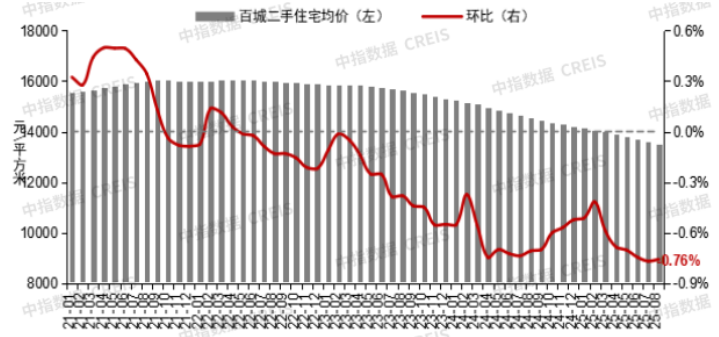
Core Insights - The average price of newly built residential properties in 100 cities reached 16,910 yuan per square meter in August 2025, showing a month-on-month increase of 0.20% and a year-on-year increase of 2.73% [1] - The average price of second-hand residential properties in 100 cities was 13,481 yuan per square meter in August 2025, reflecting a month-on-month decrease of 0.76% and a year-on-year decrease of 7.34% [1] - The average rent for residential properties in 50 key cities was 34.88 yuan per square meter per month in August 2025, with a month-on-month decline of 0.15% and a year-on-year decline of 3.76% [1] New Residential Market - The new residential market is experiencing structural growth driven by the introduction of improvement projects in certain cities [1] - The average price increase in new residential properties indicates a potential recovery in demand in specific urban areas [1] Second-hand Residential Market - The second-hand residential market continues to exhibit a "price-for-volume" phenomenon, with prices declining in most cities [1] - In August 2025, second-hand residential prices in first-tier cities fell by 0.55% month-on-month and 4.17% year-on-year, while second-tier and third/fourth-tier cities saw declines of 0.85% and 0.78% respectively [1][3] Rental Market - The rental market is experiencing a slowdown in demand as the graduation season effect diminishes, leading to a slight increase in the decline of average rents in key cities [1] - The average rent decline in 50 cities suggests a cooling rental market, which may impact rental yields for investors [1] City-Specific Trends - In August 2025, major cities like Wuhan and Nanjing experienced significant month-on-month declines in second-hand housing prices, with decreases of 1.20% and 0.97% respectively [3] - Year-on-year, Wuhan and Nanjing saw declines of 9.67% and 9.50% in second-hand housing prices, indicating a challenging market environment [3][5] Transaction Volume - Certain cities such as Huizhou and Nanchang reported substantial year-on-year increases in transaction volumes, with growth rates of 56.9% and 28.4% respectively [6][7] - Conversely, cities like Nanjing and Dalian faced significant declines in transaction volumes, with decreases of 22.1% and 61.0% respectively [8]
换了3套房,才发现这5个楼层才是“黄金楼层”,越住越值钱!
Sou Hu Cai Jing· 2025-09-17 23:17
Core Viewpoint - The article emphasizes the importance of selecting the right floor when purchasing a property, highlighting that certain "golden floors" can enhance living quality and asset appreciation over time [1][3]. Group 1: Golden Floors - The "next-to-top floor" (also known as the "Phoenix floor") offers a balance of privacy, light, and views while avoiding the extreme temperatures of the top floor [5][7]. - Floors 4, 5, and 6 are considered ideal due to their accessibility, comfort, and safety, making them suitable for families with children and elderly members [9][11]. - Ground floors with gardens provide a private outdoor space, enhancing the living experience and convenience for older residents [13][17]. Group 2: Height Considerations - Floors between the 10th and 20th levels are identified as the "golden section," balancing light, ventilation, and safety, making them highly desirable [16][20]. - Top floors with attics can transform the living experience by providing additional functional space, which can be used for various purposes, thus increasing the property's value [22][24]. Group 3: Overall Benefits - The five types of "golden floors" collectively aim to provide a more comfortable, safe, and valuable living environment, ultimately enhancing both emotional and financial well-being for homeowners [25].

澳门:2025年5月至7月整体住宅楼价指数为194 环比下跌1.1%
智通财经网· 2025-09-17 11:05
Core Insights - The overall residential property price index in Macau for the period from May to July 2025 is reported at 194.0, reflecting a decrease of 1.1% compared to the previous period (April to June 2025) [1] - The current residential index stands at 208.9, showing a decline of 2.1%, while the pre-sale index is at 232.8, which has increased by 8.3% due to the introduction of new developments during the period [1] Price Trends - The residential price index for the Macau Peninsula is at 198.4, down by 2.0%, and for the Cotai area, it is at 250.5, down by 2.5% [1] - By age of the property, the price index for properties aged 11 to 20 years and those over 20 years has decreased by 3.3% and 2.5% respectively, while properties aged 6 to 10 years have seen a slight increase of 0.5% [1] Area and Size Analysis - The price index for residential properties with a usable area of 75 to 99.9 square meters has decreased by 3.5%, and properties under 50 square meters have also seen a decline of 1.3% [1] - In terms of building height, properties with seven floors or fewer have experienced a price increase of 1.9%, while those with more than seven floors have seen a decrease of 1.7% [1] Year-on-Year Comparison - Compared to the same period last year, the overall residential price index has decreased by 10.4%, with the Macau Peninsula and Cotai area indices showing declines of 10.3% and 10.6% respectively [1]
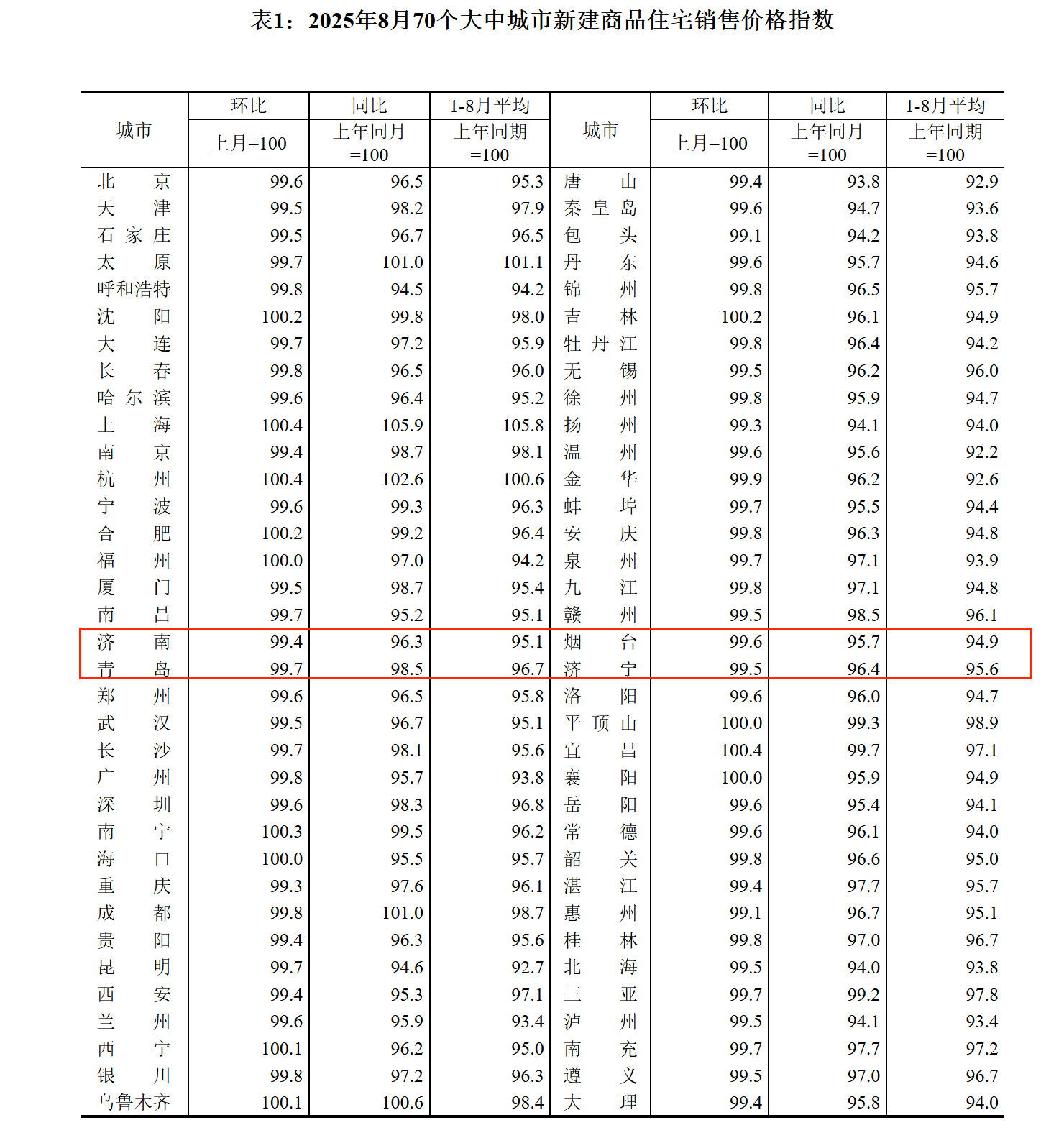
8月房价数据公布,山东4市新房价格同比降幅继续收窄
Qi Lu Wan Bao· 2025-09-15 03:58
Core Viewpoint - The sales prices of new residential properties in 70 large and medium-sized cities in China showed a month-on-month decline in August 2025, while the year-on-year decline continued to narrow overall [1][7]. New Residential Property Prices - In Shandong Province, the new residential property prices in Jinan, Qingdao, Yantai, and Jining decreased month-on-month by 0.6%, 0.3%, 0.4%, and 0.5% respectively, with Qingdao's decline narrowing compared to the previous month [1]. - Year-on-year, Jinan's prices fell by 3.7% (narrowing by 0.3 percentage points), Qingdao by 1.5% (narrowing by 0.3 percentage points), Yantai by 4.3% (narrowing by 0.1 percentage points), and Jining by 3.6% (narrowing by 0.1 percentage points) [1]. Second-hand Residential Property Prices - In Shandong Province, second-hand residential property prices in Jinan, Qingdao, Yantai, and Jining decreased month-on-month by 0.6%, 1.0%, 0.8%, and 0.9% respectively, with Qingdao's decline expanding compared to the previous month [4]. - Year-on-year, Jinan's prices fell by 4.7% (narrowing by 1.2 percentage points), Qingdao by 5% (expanding by 0.1 percentage points), Yantai by 6.7% (unchanged), and Jining by 5.4% (expanding by 0.2 percentage points) [4]. Price Trends in Major Cities - In August, first-tier cities saw a month-on-month decline of 0.1% in new residential property prices, with Shanghai increasing by 0.4% while Beijing, Guangzhou, and Shenzhen decreased by 0.4%, 0.2%, and 0.4% respectively [7]. - Second-tier cities experienced a month-on-month decline of 0.3%, while third-tier cities saw a decline of 0.4% [7]. - Year-on-year, first-tier cities' new residential property prices decreased by 0.9%, with Shanghai increasing by 5.9% and other cities showing declines [8].