稀土

Search documents
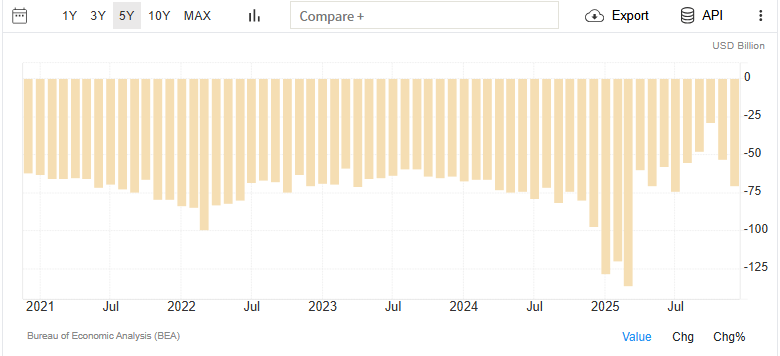
美国2025年贸易逆差录得9015亿美元,较去年仅下降20亿美元,对此你怎么看?
Sou Hu Cai Jing· 2026-02-19 16:24
李斯特的贸易保护主义,特朗普能用的基本都用了,奈何美元体系下的金融市场,说到底是听华尔街的,而不是听白宫的,我们只看到美国财政部和美联储 的冲突,但忽略了美国的金融系统实际上并不受美国财政完全掌控,美国有大量的交易策略都是在做空美国自己,这在东方是不可想象的,而正因为如此, 所以华尔街是不希望回到过去工业强国的时代,这种体系会影响其利差和杠杆的放大能力,从而增加他们投机时对自己的风险。 而美国持续的巨额贸易逆差,本质是因为其他国家对美投资效应旺盛,说白了"美国要做老大,那大家就都吃美国的消费增长和全球扩张红利"。 其路径是全世界的各种投资者都能通过美国的二级资本市场获得美国的扩张红利,并因为持仓问题在一级市场参与美国的扩张意志,从而驱动美元体系在全 球的决策配置。这点从经济学的角度去理解的话,就是国家综合实力实际上取决于其信用扩张基础上的融资能力,所以我们看到美债、美股、美国商品交易 所一起构成了庞大的全球性定价的美元池子,在这个池子里的是来自全球的资本在分享美国的红利,同时也被绑在了美国的金融体系之内,导致很多去美元 化的最后实际是从左手去了右手。 当然,造成逆差的原因还有很多,我们接下来就仔细分析下 一、 ...

万斯正式向中方下达战书,50多国齐聚华盛顿,把高市早苗高兴坏了
Sou Hu Cai Jing· 2026-02-18 16:47
Core Viewpoint - The U.S. Vice President announced a significant decision to establish a "critical mineral price floor" and impose "adjustment tariffs" in collaboration with allies, aiming to challenge China's dominance in the global mineral market [3][5][6]. Group 1: Meeting Overview - The "critical minerals ministerial meeting" was convened in Washington, attended by representatives from 55 countries, including Germany, Brazil, India, and Japan, indicating a united front against China's market monopoly [3][5]. - The meeting focused on creating a new "critical mineral trade alliance" to ensure that mineral market prices are not controlled by a single country but managed collectively by alliance members [3][5]. Group 2: Strategic Implications - The U.S. government's policy shift reflects a strategic change from the previous administration's "America First" approach to a multilateral strategy in response to China's stronghold in the mineral sector [6][10]. - The establishment of a price floor aims to stabilize mineral prices, which is crucial for the U.S. economy and national security, particularly for industries like high-tech weapons, semiconductors, and electric vehicles [8][14]. Group 3: Japan's Role - Japan plays a critical role in this alliance due to its significant demand for essential minerals like rare earths and lithium, and it has expressed a strong commitment to countering China's influence [10][12]. - The collaboration between the U.S. and Japan in the mineral supply chain has been ongoing since 2025, focusing on joint resource development and risk-sharing [12]. Group 4: Challenges and Responses - The proposed alliance aims to reshape the global supply chain and ensure supply security for the U.S. and its allies, while also providing private financing support for member countries [14][16]. - China's response emphasizes its constructive role in maintaining global supply chain stability, despite facing increased external pressure from the U.S. and its allies [16][19].

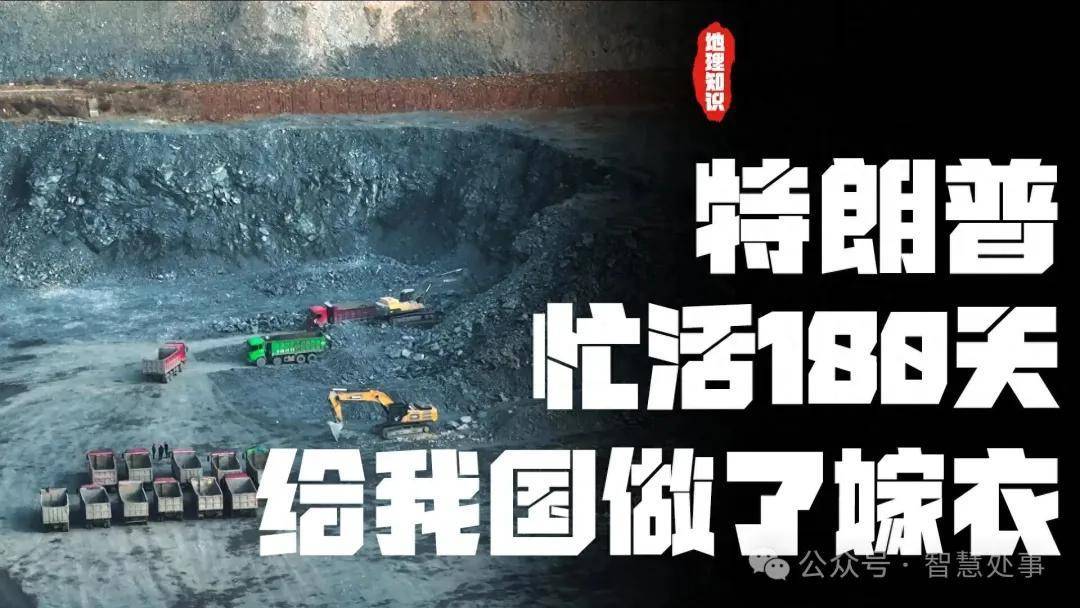
打法变了,稀土对美国开放,特朗普忙活180天给我国做了嫁衣!
Sou Hu Cai Jing· 2026-02-16 06:51
实际上,这一切的开放背后,并非中国的妥协,而是策略的升级。中国将稀土分为三档:军用级、民用级和敏感级。此次开放的只是民用级的稀土,即便 是这一类,稍一放开,就让全球稀土市场产生剧烈波动。这不禁让人感叹,美国越是想摆脱中国,反而越是依赖中国。美国去中国化的努力,最终让全世 界看到了中国在稀土市场中的不可替代地位。 更为微妙的是,中国的做法让美国企业陷入两难境地:一方面,它们离不开中国的稀土资源,另一方面, 又不敢过度依赖,只能遵循中国设定的游戏规则。这种左右为难的局面,无疑让美国企业感到无所适从。 而美国声势浩大的180天计划,最终还是不得不 依赖中国的产业链和技术。更有甚者,中国通过这段时间的博弈,进一步完善了自己的稀土体系,无论是在开采、环保标准还是技术水平上,都比以前更 为先进。而且,中国的全球布局也更为完善,现在已与缅甸、刚果(金)、格陵兰岛等国家或地区洽谈稀土合作。 与此同时,中国也使出了一个大招,那就是出口配额制度。通过这一制度,中国严格限制稀土的出口种类,特别是美国急需的稀土资源,一概不予出口, 出口的也只是民用级稀土。而即便是这些民用级稀土,每年的出口总量也是有限制的,超过配额的部分一律没有。 ...
中国稀土有多牛?即便G7联手围攻,关键技术西方终究难以突破
Sou Hu Cai Jing· 2026-02-16 01:18
Core Viewpoint - The joint efforts of seven countries to reduce reliance on Chinese rare earth imports are seen as a political show rather than a viable strategy to disrupt China's dominance in the rare earth sector [1][26]. Group 1: Reasons for the Coalition - The urgency of the coalition stems from the anxiety of these countries, particularly after China's export restrictions led to supply shortages impacting critical industries like semiconductors and automotive manufacturing [3][5]. - The European Union relies on China for 98% of its critical rare earth needs, while the U.S. is dependent on China for 80%, highlighting a significant dilemma for these nations [3][5]. Group 2: Limitations of the Coalition's Strategy - The coalition's strategy to involve countries like Australia and India to restructure the global rare earth supply chain is fundamentally flawed, as these nations face significant challenges in scaling up production and processing capabilities [7][10]. - Australia's rare earth reserves are substantial, but its production costs are over 30% higher than China's, making it difficult to fully replace Chinese supplies [10][12]. - India's rare earth extraction technology is outdated, relying heavily on manual labor, which results in inefficiencies and high waste [12][14]. Group 3: China's Competitive Advantages - China holds 70% of the world's rare earth resources and dominates 90% of the processing capacity, making it nearly impossible for other countries to compete without significant investment and time [18][20]. - The complex processing required to convert rare earth ores into usable industrial materials is a core technology that China has monopolized, further solidifying its position in the market [20][22]. - Establishing an independent rare earth supply chain in other countries could take 8 to 12 years and require investments of hundreds of billions, with no guarantee of success [22][28]. Group 4: Historical Context and Future Outlook - Historical precedents show that previous attempts to limit China's rare earth exports led to price surges and forced countries back to the negotiation table [26][30]. - The global economic integration means that supply chains cannot be easily replaced, and China's decades of investment in the rare earth sector have created a robust competitive edge that is unlikely to be undermined by the coalition's efforts [28][30].

明明手上没稀土,还敢搞稀土期货和中国对冲,美国到底在想什么?
Sou Hu Cai Jing· 2026-02-15 13:08
Core Viewpoint - The Chicago Mercantile Exchange (CME) is preparing to launch the world's first rare earth futures contract, despite the U.S. lacking significant rare earth production and stockpiles. This move aims to provide Western companies with a hedging tool against price volatility and to challenge China's dominance in the rare earth market [1][4][5]. Group 1: CME's Strategic Intent - CME's initiative is designed to address the financing challenges faced by Western rare earth mining companies, which are deterred by unpredictable price fluctuations. By offering futures contracts, CME hopes to enable banks to lend to these companies, thereby stimulating the rare earth supply chain in the West [4][10]. - The futures contract aims to establish a pricing benchmark independent of the Chinese market, which currently controls approximately 70% of global rare earth production and over 90% of refining capacity. This would allow Western companies to reference CME prices instead of relying on Chinese market prices [5][7]. Group 2: Market Dynamics and Challenges - The price of neodymium-praseodymium oxide, a key material for high-performance magnets, has experienced extreme volatility, with a 50% drop followed by a 41% increase within a short period. This volatility exemplifies the risks that deter Western banks from financing new rare earth projects [3][4]. - Analysts express skepticism about the viability of the CME's futures contract due to potential delivery issues, regulatory risks, and the limited time frame for establishing a functional market. The U.S. currently produces only 12% to 15% of global rare earths, heavily relying on China for processing [8][10]. Group 3: China's Response and Market Control - China is likely to respond to CME's plans, as it holds significant leverage over the rare earth market. The Chinese government can manipulate export quotas or tighten environmental regulations to disrupt supply, undermining the effectiveness of any new futures contracts [7][10]. - The potential for CME's futures market to become illiquid is high if Chinese producers do not participate, which could render the contract ineffective for price discovery [7][10].

稀土地位悬了?澳方曾撬走中方人才,攻克提炼技术,但西方笑早了
Sou Hu Cai Jing· 2026-02-15 05:41
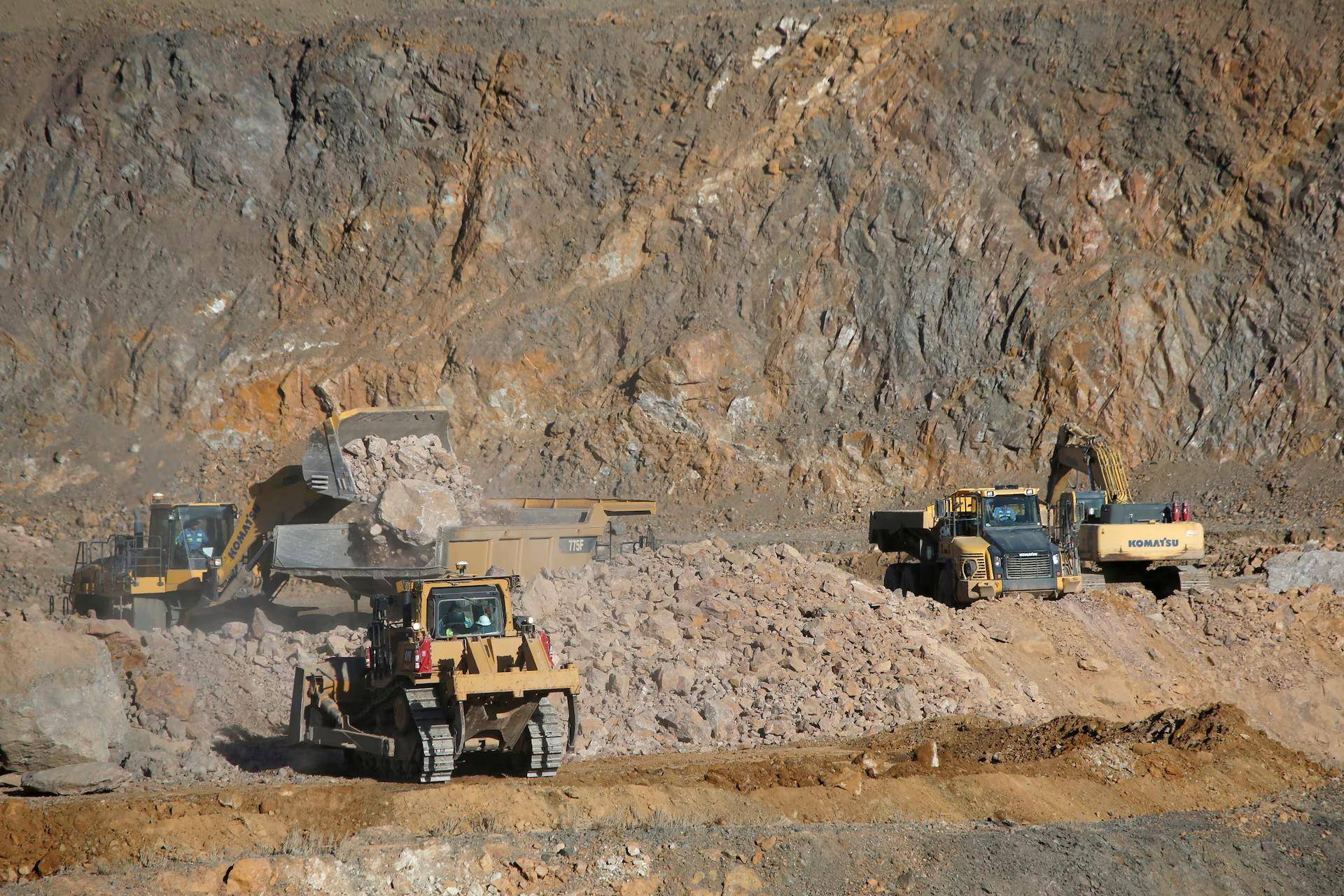
放眼全球,咱中国的稀土产业格局极其稳固。 2025年中国重稀土分离产能占到全球的92%,轻稀土开采量全球68%,加工份额90%,已经没有哪个经济体可以绕开这块"超级工厂"。欧盟进口 稀土有75%得仰仗中国,韩国这个高端制造大户,依赖度超过80%。 而且咱中国在去年4月正式推行稀土全产业链出口许可制,等于对全球九成中重稀土形成了硬约束。 文 |朝子亥 本文为深度观点解读,仅供交流学习 在去年5月,澳大利亚莱纳斯公司靠着挖来中国核心稀土人才,实现氧化镝商业化生产,一时间西方媒体沸腾,宣称中国的稀土主导地位"岌岌可 危"。 但结局大家都知道,一点浪花都没翻起来,他们笑得太早了。 细看全球稀土格局,其实不难发现,地缘、资源、技术、产业链,这些中国多年来苦心经营的系统性优势,根本不是一纸新闻、几名专家、几家 工厂就能挪走的。 咱中国的稀土产业,莱纳斯的"突破" 十月进一步管控钬、铒等稀土,种类扩展到12种,连半导体用户都要提前报备,供应链话语权一举锁死。 有些人以为缅甸、越南能成为稀土"第二支柱",现实却是中国进口缅甸稀土氧化物量占到了74.9%,缅甸一出问题,国际上下立刻缺货。这些数 字背后,是咱中国对全球稀土供应链 ...

外媒观察:中国清洁能源与前沿技术领跑全球 生活场景尽显未来感
Huan Qiu Wang· 2026-02-15 01:06
Group 1 - The article highlights the rapid development of China's clean energy sector, contrasting it with the lagging status of the U.S. in low-carbon technologies such as solar energy and electric vehicles [2] - China has a vast solar power station scale and is continuously expanding its ultra-high voltage transmission lines, while exporting high-cost performance solar panels and electric vehicles to countries like South Africa and Brazil, significantly impacting local economic development [2] - In emerging fields like nuclear fusion, autonomous driving, and rare earths, China maintains a fast-paced development rhythm [2] Group 2 - The article compares the policy and development paths of China and the U.S., noting that China has long-term stable support for clean technology development, with its rare earth industry established over sixty years ago, laying the foundation for advanced manufacturing [3] - In contrast, U.S. energy policy is characterized by fluctuations, with current trends showing a tightening of support for renewable energy and increased backing for fossil fuels [3] - China's electric vehicle exports reached $70 billion last year, with products sold to over 150 countries and regions, indicating a strong global market presence [3]
美国逐步取消稀土价格下限?美国能源部表示消息不属实
Sou Hu Cai Jing· 2026-02-14 09:21
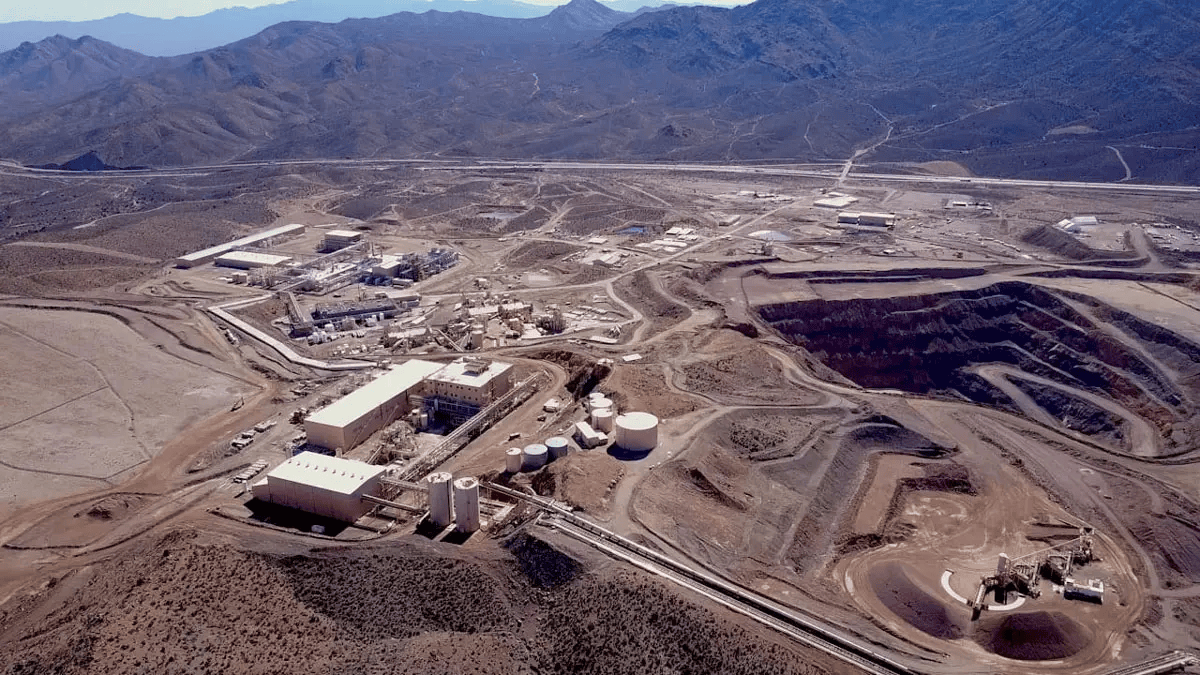
目前,美国的稀土来源主要仍然依赖进口,在本土稀土生产产业链难以短期内完成构建的情况下,当前盲目调整稀土价格策略对美国的工业生产不利,但如 果美国在一些稀土生产的关键方面取得进展,或者国际市场上稀土价格出现明显波动、影响美国企业从国际市场购买稀土,美国将对稀土价格进行政策性干 预几乎是可以确定的。 当前美国的稀土售价下限为110美元/千克,这一定价并没有获得美国国会资金授权。如果取消稀土价格下限,可能导致稀土的市场价格下跌时政府面临长期 补贴的财政风险。同时美国国内认为政府干预市场价格可能会导致市场环境扭曲者大有人在,这些因素都会影响美国政府对于调整稀土价格问题的策略和决 心。 而美国另一大稀土企业USA Rare Earth计划以125美元/千克的价格购买稀土矿、与当前定价下限并不冲突,这反映了美国企业和政策制定者在稀土价格下限 问题上共识与矛盾并存,也表明当前美国对于稀土价格保护的需求并不迫切。不过,美国调整稀土价格策略不见得没有可能。 在1月底路透社等媒体发布消息称美国将逐步取消稀土价格下限后,美国能源部表示"消息不属实",与该消息相关的芒廷山口材料公司也声称目前与稀土相 关的合同义务未发生改变。 目前美 ...
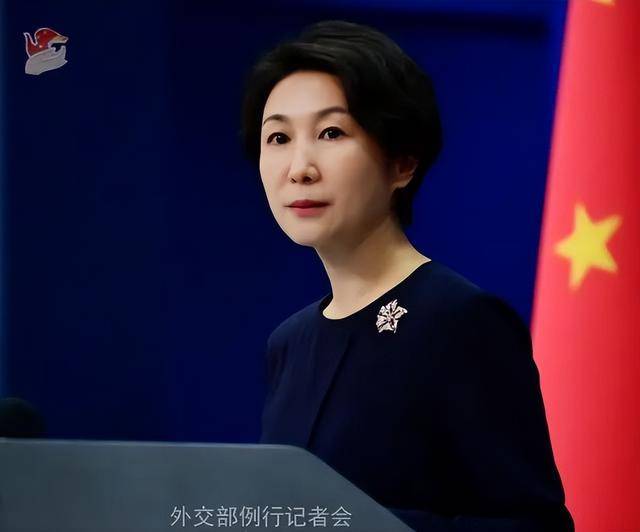
日本深海稀土开采引热议,中方淡定回应显实力
Sou Hu Cai Jing· 2026-02-14 03:29
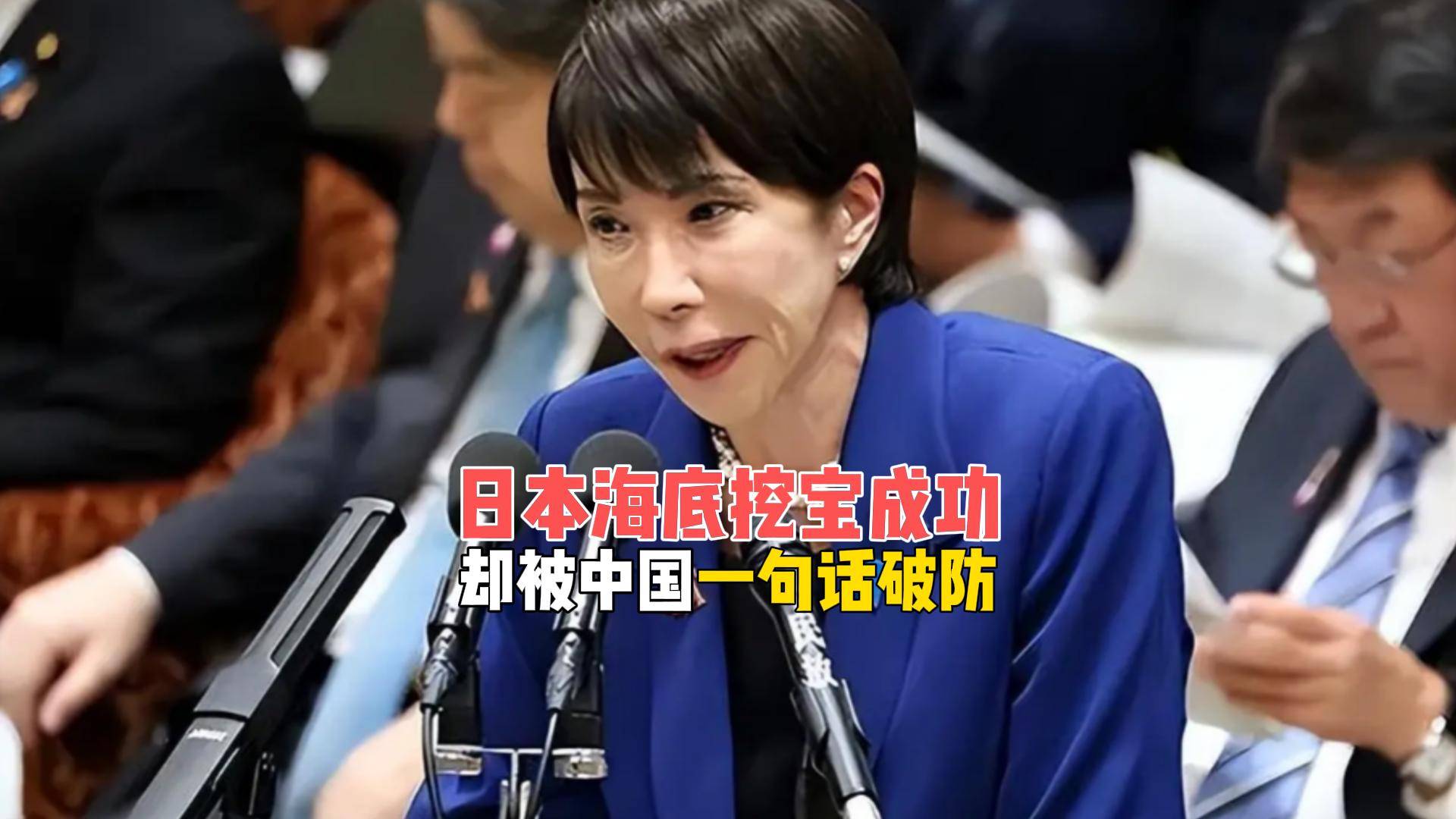
刚在选举中大获全胜的高市早苗,就被中方一句话直接整破防了。 前几天,日本高调宣布,在南鸟岛周边6000米的深海海底,成功挖到了含有稀土的淤泥! 日本媒体瞬间沸腾了,纷纷表示这是摆脱对特定国家依赖的重要一步,是日本经济安全的史诗级胜利。 虽然没指名道姓,但所谓的特定国家,傻子都知道说的是谁。 按日本右翼那帮人的剧本,这下中国肯定很尴尬,但没想到尴尬的却是他们自己。 日本记者在发布会上不怀好意地提问,问中方如何看待日本挖到了稀土的消息,结果中方发言人云淡风轻的回应,我们注意到,日本国内近年来一直都有这 样的报道。 就是这样轻描淡写的一句话,就把对面直接戳破防了,因为潜台词再明白不过,这事日本已经喊了十几年,每次都是大张旗鼓,最后全都不了了之,我们早 就见怪不怪了,有啥可谈的必要? 那么日本的稀土产业,到底发展到了什么水平?未来会对我们构成威胁吗? 日本这回开采的稀土矿,位于东京东南1800多公里的南鸟岛海域,号称储量高达1600万吨,能够满足全人类用几百年的,而且还是以重稀土为主。 看起来这个稀土矿确实价值惊人,但问题是,它藏在6000米深的海底。 这是什么概念呢? 这么深的海底,相当于550个大气压直接压在设备 ...
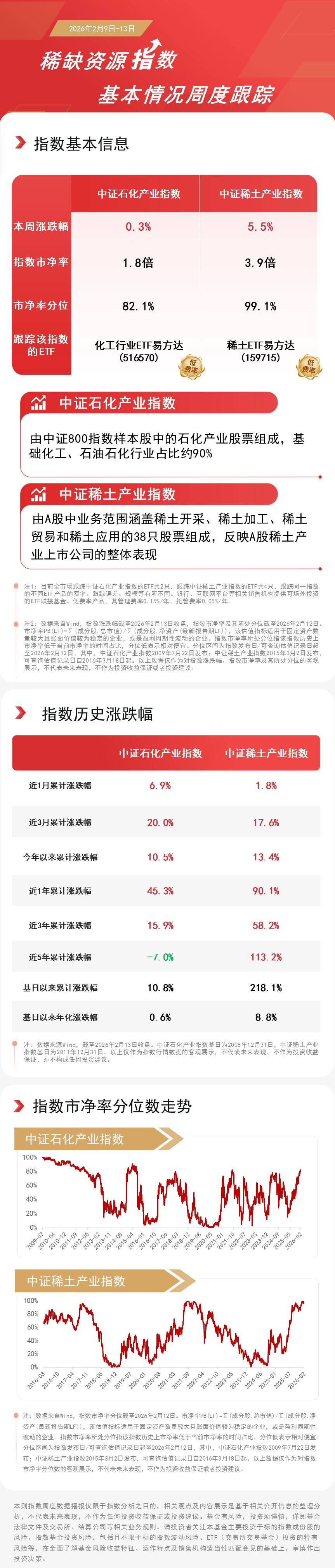
稀缺资源指数本周上行,稀土ETF易方达(159715)、化工行业ETF易方达(516570)助力布局板块龙头
Sou Hu Cai Jing· 2026-02-13 09:58
稀土ETF易方达(159715)、化工行业ETF易方达(516570)分别跟踪以上指数,均实行ETF中最低一档0.15%/年的管理费 率,可助力低成本布局板块龙头。 本周,中证稀土产业指数上涨5.5%,中证石化产业指数上涨0.3%。 | 指数历史涨跌幅 | | --- | | | 中证石化产业指数 | 中证稀土产业指数 | | --- | --- | --- | | 近1月累计涨跌幅 | 6.9% | 1.8% | | 近3月累计涨跌幅 | 20. 0% | 17. 6% | | 今年以来累计涨跌幅 | 10. 5% | 13. 4% | | 近1年累计涨跌幅 | 45. 3% | 90. 1% | | 近3年累计涨跌幅 | 15. 9% | 58. 2% | | | 中证石化产业指数 | 中证稀土产业指数 | | --- | --- | --- | | 本周涨跌幅 | 0. 3% | 5.5% | | 指数市净率 | 1. 8倍 | 3.9倍 | | 市净率分位 | 82. 1% | 99. 1% | | 跟踪该指数 的ETF | 化工行业ETF易方达 | 稀土ETF易方达 | | | (516570) 中 ...