
算力产业

Search documents
重大资产重组终止 海光信息管理层回应:二级市场股价变化较大,将保持业务协同
经济观察报· 2025-12-10 12:50
Core Viewpoint - The termination of the merger between Haiguang Information and Zhongke Shuguang indicates a temporary halt to the previously envisioned "vertical integration" strategy through capital ties, raising investor interest in how the two industry leaders will reshape their business relationships and competitive strategies in an increasingly competitive computing power industry [1][8]. Group 1: Merger Termination Details - The proposed merger between Haiguang Information (688041.SH) and Zhongke Shuguang (603019.SH) was announced to be terminated after six months of planning, with the announcement made on December 9 [2][4]. - Following the announcement, Zhongke Shuguang's stock price fell to a limit down of 90.12 yuan per share, with a total market value of 131.86 billion yuan, while Haiguang Information's stock price remained relatively stable at 218.50 yuan per share, with a market value of 507.87 billion yuan [2]. - The reasons for the termination included significant changes in market conditions and the complexity of the transaction, which involved multiple parties and perspectives, leading to an inability to reach a consensus on the merger terms [5][6]. Group 2: Market Environment and Business Strategy - The market environment has changed significantly since the initial planning of the merger, with both companies experiencing substantial fluctuations in their stock prices, complicating the agreed-upon exchange ratio and transaction price [5][6]. - Despite the termination, both companies are expected to maintain their roles as important business partners, with Haiguang Information continuing as an independent chip supplier and Zhongke Shuguang retaining flexibility in its supply chain choices [8][9]. Group 3: Future Collaboration and Financial Performance - Future collaborations between Haiguang Information and Zhongke Shuguang will focus on system-level product applications, leveraging Zhongke Shuguang's strengths in advanced technologies such as super-node computing and data center solutions [9]. - Both companies reported strong financial performance for the first three quarters of 2025, with Zhongke Shuguang achieving a revenue of 8.804 billion yuan (up 9.49%) and Haiguang Information reporting a revenue of 9.49 billion yuan (up 54.65%) [10]. - Haiguang Information's R&D investment reached 2.93 billion yuan, reflecting a 35.38% increase, indicating a commitment to advancing its core processing technology [10].


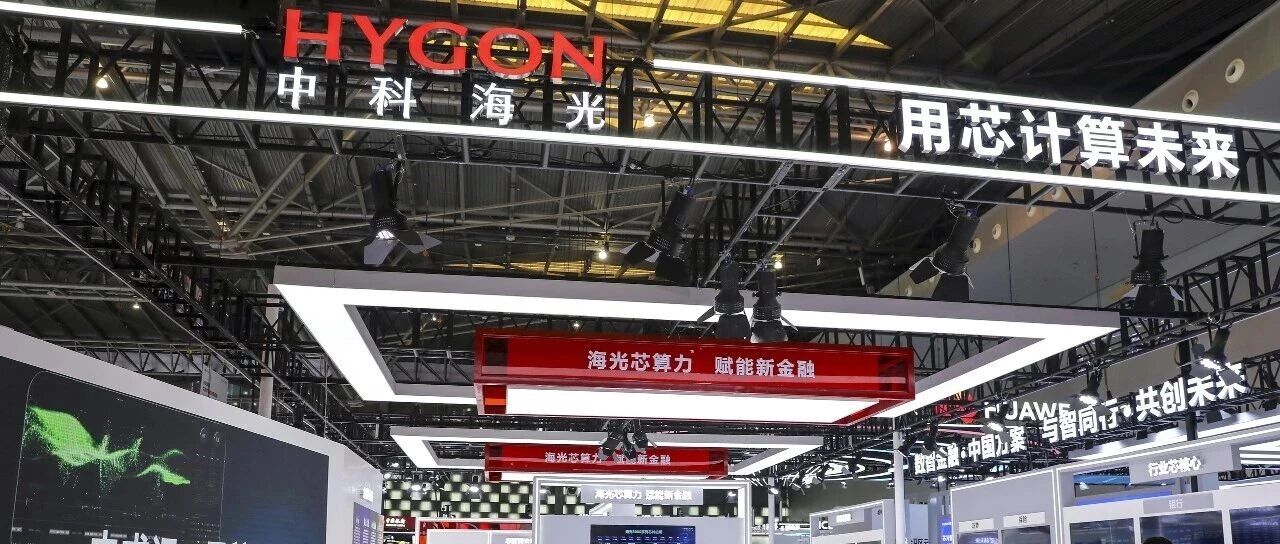
重大资产重组终止 海光信息管理层回应:二级市场股价变化较大,将保持业务协同
Jing Ji Guan Cha Wang· 2025-12-10 12:29
Core Viewpoint - The proposed merger between Haiguang Information and Zhongke Shuguang has been terminated after six months of planning due to significant changes in the market environment and the complexity of the transaction [2][4][5]. Group 1: Merger Details - Haiguang Information planned to absorb Zhongke Shuguang through a share swap, with a swap ratio of 0.5525:1, valuing Zhongke Shuguang's shares at 79.26 yuan and Haiguang's at 143.46 yuan [3]. - The total market capitalization before the merger announcement was approximately 3,158 billion yuan for Haiguang Information and 903 billion yuan for Zhongke Shuguang [3]. - The merger was expected to create a vertically integrated industry chain in the chip and computing sector [3]. Group 2: Reasons for Termination - The termination was attributed to the large scale of the transaction, involvement of multiple parties, and significant changes in the market environment since the initial planning [4][5]. - The stock prices of both companies fluctuated significantly during the planning period, complicating the agreement on the swap ratio and transaction terms [4][5]. Group 3: Future Business Strategies - Despite the termination, both companies will continue to operate independently while maintaining a collaborative relationship in the computing industry [6][7]. - Haiguang Information will focus on being an independent chip supplier, while Zhongke Shuguang will retain flexibility in its supply chain choices [7]. - Future collaborations will focus on system-level product applications, leveraging Zhongke Shuguang's strengths in advanced technologies [7]. Group 4: Financial Performance - Zhongke Shuguang reported a revenue of 8.804 billion yuan for the first three quarters of 2025, a year-on-year increase of 9.49%, with a net profit of 955 million yuan, up 24.05% [8]. - Haiguang Information achieved a revenue of 9.49 billion yuan for the same period, reflecting a 54.65% year-on-year growth, with a net profit of 1.961 billion yuan, up 28.56% [8]. - Both companies are committed to increasing R&D investments, with Haiguang Information investing 2.93 billion yuan in R&D, a 35.38% increase [8].
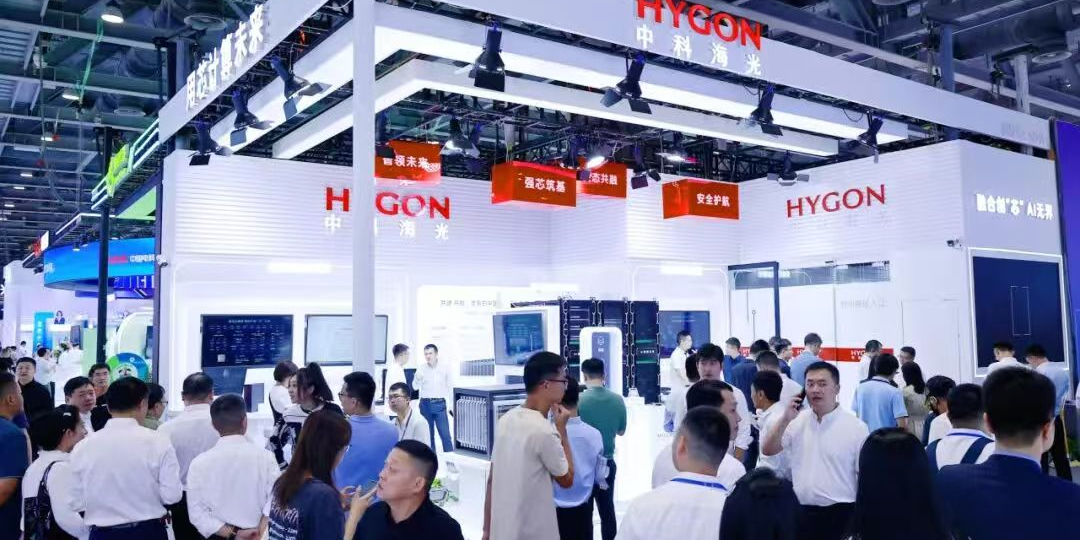
千亿级重组突然喊停,中科曙光、海光信息是否在玩花活?
Sou Hu Cai Jing· 2025-12-10 09:24
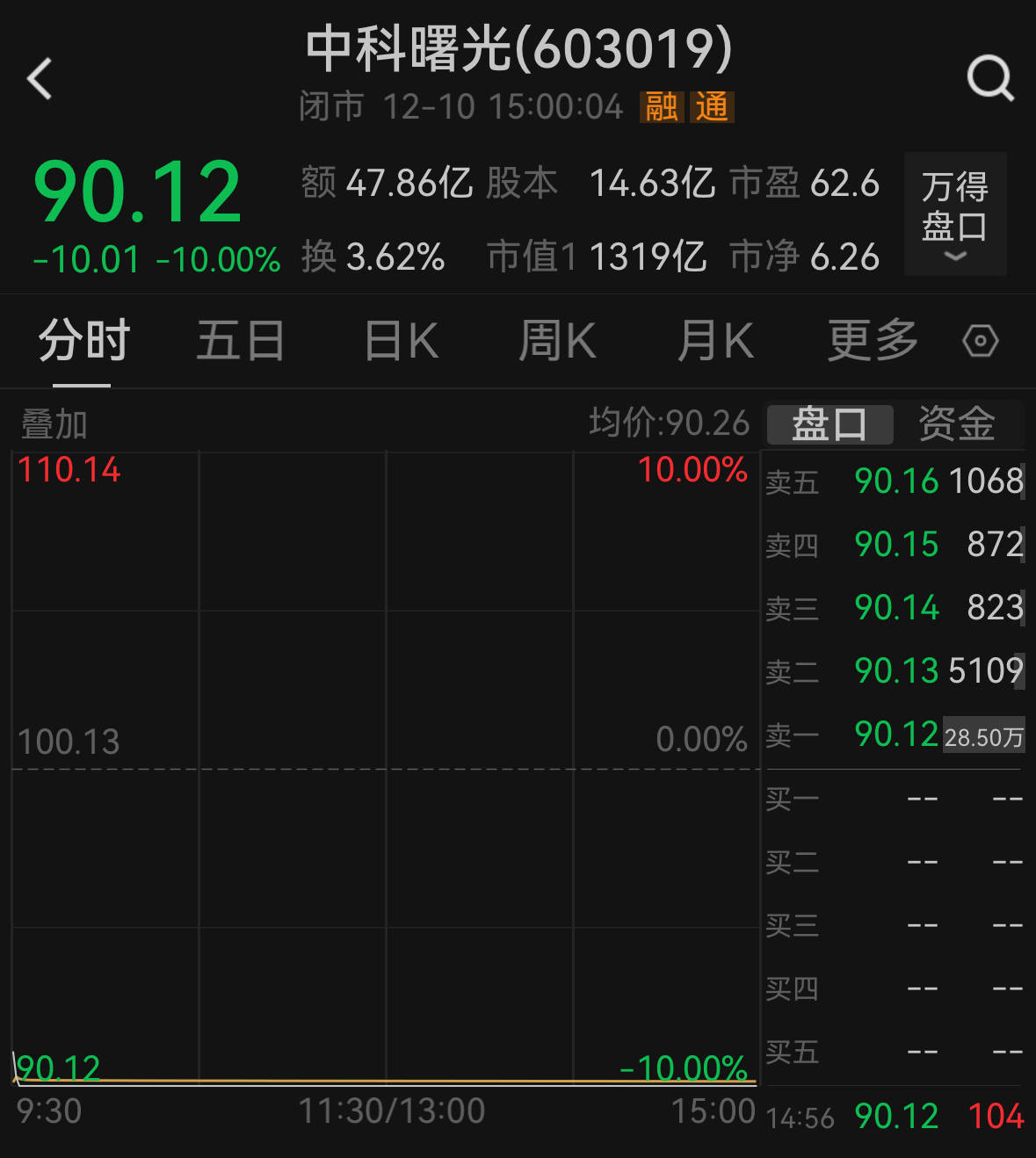
| 中科曙光(603019) | | | | --- | --- | --- | | 闭市 12-10 15:00:04 融 通 | | | | 90.12 | 额 47.86亿 股本 14.63亿 市盈 62.6 | | | –10.01 –10.00% 换 3.62% 市值1 1319亿 市净 6.26 | | | | 分时 五日 日K | | | | 置加 | 均价:90.26 盘口 资 | | | 110.14 | 10.00% 卖五 90.16 1 | | | 90.15 | SE V | | | 90.14 | | | | 90.13 5 | | | | 100.13 | 90.12 28 0.00% 卖一 | | | ak | | | | 25 h | | | | 90.12 | 买五 -10.00% | | | 11:30/13:00 | 15:00 14:56 90.12 | 9:30 | 前一日(9日)晚间,二者双双发布公告,让一桩历时7个月、交易规模约为1159.67亿元的"国产算力最大吸并案"戛然而止,"是否在玩花活"的质疑声在投资 者社群中蔓延。 时间拉回5月25日,由于给出了"算力 ...
走访成都:1ms城市算网激活西部发展动力
Zhong Guo Jing Ying Bao· 2025-12-10 08:15
Core Insights - The 1ms urban computing network is a new type of information infrastructure that features low latency and one-stop computing services, enabling efficient matching and utilization of computing resources [1][2] - The construction of the 1ms urban computing network is crucial for upgrading traditional industries and fostering new ecosystems, serving as a key link between national strategies and local development [2][3] Industry Developments - The 1ms urban computing network is transforming computing resources from specialized assets into public services, supporting AI model training, smart manufacturing, and enhancing urban governance [2] - Sichuan Province has initiated the construction of computing centers and multi-level latency circles, exploring a unique development path for the computing industry focused on green and secure computing [2][4] Company Innovations - The Chengdu manufacturing platform, supported by the 1ms urban computing network, provides integrated services for industrial enterprises, facilitating digital transformation and smart upgrades [4] - The Jingxiu Zifeng company in the Chengdu Fanmu Creative Park utilizes the 1ms urban computing network to enhance collaboration efficiency and reduce costs in virtual digital content production [4] - Geely's Sichuan Lynk & Co factory, recognized for its smart manufacturing capabilities, employs advanced algorithms and low-latency networks to improve production quality and efficiency [5]

青海省“十五五”规划建议:做大做强盐湖资源千亿级产业集群,高标准建设国家绿色算电协同发展示范区
Zheng Quan Shi Bao Wang· 2025-12-10 05:40
Group 1: Economic Development and Planning - The proposal emphasizes the significant achievements during the "14th Five-Year Plan" and highlights the importance of the "15th Five-Year Plan" in the modernization process of Qinghai, indicating both opportunities and challenges ahead [1] - The focus is on building a modern industrial system that reflects Qinghai's characteristics and advantages, with a strong emphasis on the real economy and directions of intelligence, greening, and integration [2] Group 2: Energy and Environmental Initiatives - The proposal calls for the establishment of a new energy system that coordinates the development of wind, solar, water, hydrogen, and thermal energy, aiming to enhance green development and contribute to national carbon reduction and energy security [1] - It includes plans to optimize the provincial and inter-provincial grid structure and accelerate the construction of new energy transmission channels [1] Group 3: Industrial Cluster Development - The proposal outlines the goal of enhancing industrial clusters, particularly in the "Four Lands" initiative, focusing on the efficient use of potassium, lithium, and magnesium resources, and the development of a world-class modern salt lake industry [3] - It aims to create a clean energy industry cluster worth hundreds of billions, integrating various clean energy sources [3] Group 4: Infrastructure and Technological Advancements - The proposal stresses the need for a modern infrastructure system that integrates and optimizes layout structures, enhancing safety and sustainability [7] - It includes plans for the development of new infrastructure, such as 5G networks and the electrification of key railway projects [7] Group 5: Emerging and Future Industries - The proposal advocates for the cultivation of emerging industries, including new energy, new materials, and biomedicine, with a focus on innovation and large-scale application of new technologies [6] - It emphasizes the establishment of a growth mechanism for future industries and encourages venture capital investment [6]
算力生态发展大会在即,技术进展带动需求增长
Xuan Gu Bao· 2025-12-09 15:16
Industry Insights - The upcoming 2025 Computing Power Industry Ecosystem High-Quality Development Conference aims to explore the future of the computing power ecosystem and decode new development paradigms in the intelligent era [1] - Zhongyin Securities highlights that AI computing power hardware, particularly optical modules, is leading the market, with expectations of increased TPU production due to Google's model upgrades, potentially leading to a shortage of optical communication chips by 2026 [1] - The spring market rally is anticipated to begin, with a focus on technology elasticity, particularly in the AI computing power hardware sector, emphasizing the TPU supply chain, especially optical modules, PCBs, OCS, and optical fiber suppliers [1] Company Developments - Ruixin Micro's intelligent application processor chips are noted for their high reliability and strong anti-interference capabilities [2] - Zhongke Shuguang is working on establishing a national integrated computing power service platform, providing end-to-end full-stack computing power production services [3]
晚报 | 12月10日主题前瞻
Xuan Gu Bao· 2025-12-09 14:34
Group 1: Photovoltaics - A new company named Beijing Guanghe Qiancheng Technology Co., Ltd. has been established with a registered capital of 3 billion yuan, focusing on exploring strategic cooperation opportunities in the polysilicon industry [1] - Zhongtai Securities believes that since mid-2025, the industry has seen significant price recovery, and with ongoing self-discipline, the photovoltaic industry's output is expected to be controlled, leading to a potential turnaround in profitability [1] Group 2: Consumer Sector - The National Retail Innovation Development Conference highlighted the importance of retail as a key focus for cultivating a complete domestic demand system during the 14th Five-Year Plan, emphasizing quality-driven and service-driven development [2] - Dongfang Caifu Securities predicts that the new consumption sector may enter a golden decade of development, supported by policies that promote the expansion of the middle-income group and boost domestic consumption [2] Group 3: Computing Power - The 2025 Computing Power Industry Ecosystem High-Quality Development Conference is set to explore the future of the industry, focusing on the evolution of the computing power ecosystem [3] - Zhongyin Securities notes that AI computing power hardware, particularly optical modules, is leading the market, with expectations of increased TPU production catalyzing market optimism [3] Group 4: Medical Devices - Starting January 1, 2026, China will ban the production of mercury thermometers and blood pressure monitors, marking the end of mercury-based medical devices [4] - Electronic thermometers and blood pressure monitors are becoming mainstream alternatives, with significant market potential as their adoption rates in China remain low compared to countries like the US and Japan [4] Group 5: Extended Reality (XR) - Google held a special event focusing on "Android XR," showcasing advancements in the XR field, which is seen as a significant indicator for the industry [5] - The XR market is expected to reach several hundred billion dollars by 2025, with applications expanding into education, healthcare, and cultural tourism, supported by the development of 6G networks [5]
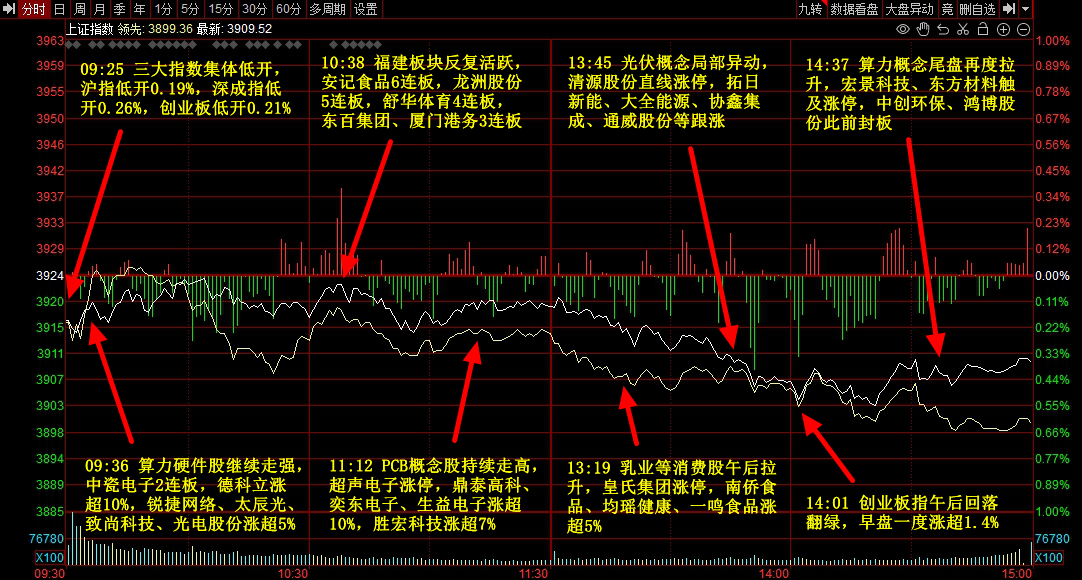
国产算力生态现新格局 中科曙光与海光信息以“分工互补”替代整合
Di Yi Cai Jing· 2025-12-09 14:16
随着"人工智能+"行动不断提速,国产算力产业生态发生结构性演进,单一主体整合模式已难以适配多 元化市场需求。中科曙光与海光信息分别占据底层芯片与计算系统领域关键位置,且双方均围绕自身核 心产品构建了互相兼容的生态系统,各自有充足的发展空间。 2025年12月9日晚间,中科曙光与海光信息同时发布公告,宣布终止重大资产重组,以适应"AI+"多元 需求 国产算力双巨头中科曙光、海光信息选择"竞合"新路径。本次交易终止不会对公司的生产经营和 财务状况造成重大不利影响,亦不存在损害公司及中小股东利益的情形。 业内人士指出,双方在计算生态圈层中已形成"分工互补"的格局,满足了我国人工智能产业对多元算力 供给和专业化计算服务的需求。终止合并并不影响形成产业链上下游多主体协同格局,也不会降低国产 算力体系的抗风险能力。 公告称,本次交易自启动以来,公司及相关各方积极推动本次交易的各项工作。由于本次交易规模较 大、涉及相关方较多,使得重大资产重组方案论证历时较长,目前市场环境较本次交易筹划之初发生较 大变化,本次实施重大资产重组的条件尚不成熟,为切实维护上市公司和广大投资者长期利益,经公司 与交易各相关方友好协商、认真研究和充 ...
青海联通的绿色实践与启示:厚培生态沃土,赋能绿色发展
Xin Hua She· 2025-12-09 03:40
Core Viewpoint - Qinghai Unicom is leveraging its ecological advantages and clean energy resources to develop a green computing model that aligns with national goals for ecological protection and digital economy growth, demonstrating a successful integration of ecological responsibility and industrial development [1][6]. Group 1: Policy Guidance and Development Framework - Qinghai Province has proactively introduced the "Green Computing Base Construction Plan," aiming to establish a leading green computing base by 2030, emphasizing ecological protection in infrastructure development [1]. - The plan features a "1+2+N" development framework, ensuring precise alignment between computing resource allocation and regional ecological capacity [1]. Group 2: Resource Advantages and Energy Conditions - Qinghai's unique ecological positioning and energy conditions, characterized by abundant water, sunlight, and wind, provide a natural advantage for developing green computing [2]. - Clean energy generation accounts for 93% of Qinghai's installed capacity, with renewable energy making up over 69%, leading the nation [2]. Group 3: Technological Innovations - Qinghai Unicom has made significant technological advancements, including a "wind-solar-storage + computing center" model that provides 10 million kWh of zero-carbon electricity annually, achieving 100% local consumption of green electricity [3]. - The company has reduced cooling energy consumption by 40% through advanced natural cooling technologies, outperforming traditional data centers [3]. - A collaboration with Alibaba Cloud has resulted in the first domestically produced large-scale green computing cluster, optimizing energy consumption and computing output [3]. Group 4: Industrial Ecosystem and Development Space - The Sanjiangyuan Green Electricity and Computing Integration Demonstration Park serves as a hub for leading computing and renewable energy companies, creating a complete industrial chain [4]. - The park has achieved a computing capacity of 15,000 PFLOPS, expected to reach 26,000 PFLOPS by year-end, effectively supporting the "East Data West Computing" initiative [4]. - Innovative applications such as "computing + ecological monitoring" and "computing + carbon accounting" enhance both computing supply and ecological protection [4]. Group 5: Theoretical Insights and Future Directions - Qinghai Unicom's practices illustrate that ecological protection and industrial development can coexist, transforming ecological advantages into energy and computing strengths [5]. - The integration of green electricity, intelligent computing, and precise scheduling is identified as a core pathway for green computing [5]. - The collaborative efforts of government policies and market-driven initiatives are crucial for maintaining ecological protection while fostering industrial innovation [5]. Group 6: Future Development Focus - Future efforts should include deepening innovations in liquid cooling and quantum computing to further reduce energy consumption in computing [6]. - Expanding the application of green computing in ecological monitoring and climate change research in the Qinghai-Tibet Plateau is essential [6]. - Establishing mechanisms for carbon footprint accounting and green electricity trading will facilitate the marketization of ecological value [6].
天风证券:看好算力产业链核心标的投资机会
Ge Long Hui· 2025-12-08 00:15
Group 1 - The core viewpoint is that the market is currently in a state of fluctuation, but there is a strong belief in the investment opportunities within the core sectors of the computing power industry chain [1] - The overseas computing power industry chain remains highly prosperous, with related companies' financial reports continuously reflecting strong demand related to AI [1] - There is a stronger resonance in the fundamentals of the related industry chain, leading to a sustained positive outlook on investment opportunities in the overseas computing power industry chain [1] Group 2 - The medium to long-term recommendation is to continue focusing on investment opportunities in core sectors related to "AI + overseas expansion + satellites" [1]
