石油

Search documents
油价,史诗级暴涨
盐财经· 2026-03-07 09:52
Core Viewpoint - International crude oil futures have significantly surged, reaching a new high since October 2023, indicating strong market dynamics and potential investment opportunities in the energy sector [2]. Group 1: Price Movements - WTI crude oil futures for April contracts rose by 12.21%, closing at $90.9 per barrel, with a cumulative increase of 35.6% for the week [4]. - Brent crude oil futures for May contracts increased by 8.52%, closing at $92.69 per barrel, with a cumulative rise of 27.88% for the week [6]. - Both WTI and Brent crude oil recorded their largest weekly gains since 1983 and 1991, respectively [3]. Group 2: Market Outlook - Barclays Bank indicated that if the Middle East conflict persists for several weeks, Brent crude prices could test $120 per barrel, highlighting a stronger market fundamental compared to earlier pessimistic views at the beginning of the year [8]. - The International Energy Agency (IEA) Director Fatih Birol stated that while logistical disruptions from the Middle East conflict pose challenges, global oil supply remains sufficient, and there are currently no plans to utilize emergency oil reserves [8].

委内瑞拉恢复稀释原油出口
中国能源报· 2026-03-07 07:57
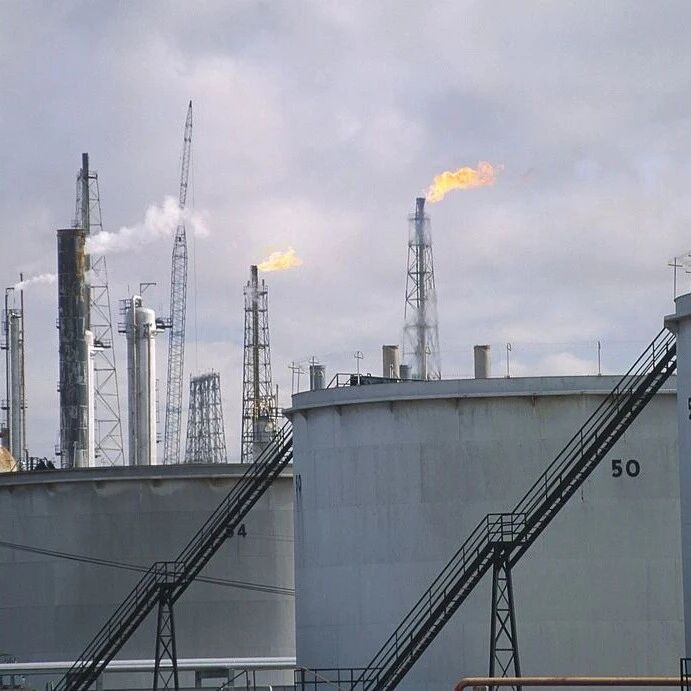
委内瑞拉自2024年底以来一直停止该种原油的出口,根据文件内容,恢复出口有助于减少数百万桶的累积库存。 来源:央视新闻客户端 End 欢迎分享给你的朋友! 出品 | 中国能源报(c ne ne rg y) 编辑丨赵方婷 ▲炼油厂 当地时间3月6日,委内瑞拉国家石油公司文件显示,该国本月恢复了一种关键等级原油——稀释原油(DCO)的出口,该原油 等级由超重原油与进口的重质石脑油混合而成。 委内瑞拉国家石油公司文件显示,该国本月恢复了一种关键等级原油——稀释原油(DCO)的出口。 ...
小摩揭秘霍尔木兹海峡实况
财联社· 2026-03-07 06:44
Core Insights - The ongoing conflict between the U.S. and Iran has led to a significant reduction in the number of tankers and cargo ships passing through the Strait of Hormuz, a critical oil transit route, with commercial traffic nearly ceasing [1] - According to Morgan Stanley, the flow of vessels through the Strait has decreased by 94%, with only a few ships attempting to navigate the waterway during the week following Iran's announcement to close it [1] - The Strait of Hormuz is vital for global energy supply, with one-fifth of the world's energy passing through it, and the disruption has exacerbated the energy and global shipping crisis, driving up oil prices [1] Group 1 - As of the latest reports, approximately 411 tankers are currently stranded in the Persian Gulf, with a notable increase in fully loaded tankers compared to empty ones, indicating a shift in shipping dynamics due to the conflict [2] - Prior to the escalation of hostilities, Iran had ramped up its oil exports, with figures showing an export volume of 26.5 million barrels in mid-February, significantly higher than its usual weekly export of 10 to 12 million barrels [2] - Since the end of February, crude oil inventories have accumulated to about 76 million barrels, with 46 million barrels stored on tankers, indicating a potential risk of production disruptions if storage capacity is exhausted [2] Group 2 - U.S. President Trump has pledged to provide escort for tankers in the Strait of Hormuz and has instructed the U.S. International Development Finance Corporation to offer political risk insurance to ensure the safety of maritime trade, particularly in energy [3] - Analysts have criticized the insurance plan as potentially impractical in the short term and insufficient to address the complexities of the current situation [3]


油价上涨,对中美通胀影响多大?
一瑜中的· 2026-03-07 06:17
Core Viewpoint - The article analyzes the impact of rising oil prices on inflation in China and the United States, providing sensitivity analysis based on different oil price scenarios [10]. Group 1: Impact on China's PPI and CPI - A 10% increase in oil prices is estimated to raise China's PPI by approximately 0.3-0.4 percentage points, with the oil chain industry contributing about 3 percentage points to this increase [2][12]. - The oil chain industry, which includes oil and gas extraction, petroleum refining, and chemical manufacturing, is projected to account for about 12% of PPI by 2025 [2][12]. - For China's CPI, a 10% rise in oil prices is expected to increase CPI by about 0.14 percentage points, as the weight of refined oil in CPI is approximately 3.5% [2][13]. - Observing the relationship between oil prices and non-food CPI since 2016, a 10% increase in oil prices correlates with a 0.19 percentage point rise in non-food CPI, translating to a 0.16 percentage point increase when considering the weight of non-food items [3][13]. Group 2: Impact on U.S. CPI - In the U.S., a 10% increase in oil prices is estimated to raise CPI by about 0.15 percentage points, with gasoline prices rising approximately 5.2% in response to the same increase [3][17]. - Gasoline accounts for about 3% of the U.S. CPI, aligning with estimates from the Dallas Federal Reserve [17][18]. - Research indicates that since the 1990s, short-term oil price shocks have had a direct but temporary effect on U.S. CPI, lacking significant second-round effects or risks of wage-price spirals [18]. Group 3: Different Oil Price Scenarios - Four scenarios regarding oil prices are analyzed, reflecting the complexity of geopolitical conflicts: 1. Ceasefire leading to oil prices dropping to around $65 per barrel 2. Ongoing conflict with limited energy attacks maintaining prices around $80 per barrel 3. Escalating conflict causing prices to rise to $108 per barrel 4. Regime change in Iran leading to a return to $65 per barrel [4][22]. - If oil prices stabilize at $65 per barrel, China's CPI is projected to be around 0.9% and PPI at -0.1% for the year [5][23]. - If oil prices remain at $80 per barrel, CPI is expected to rise to about 1.1% and PPI to 0.5% [5][23]. - Should oil prices reach $108 per barrel, CPI could increase to approximately 1.6% and PPI to 1.5% [5][23]. - For the U.S., if oil prices drop to $65 per barrel, CPI is projected at 2.8%, while $80 per barrel would raise it to 3%, and $108 per barrel would push it to 3.5% [6][25][27]. Group 4: Consumer Behavior in Response to Rising Oil Prices - A significant increase in gasoline prices (over $4 per gallon) could lead to notable negative impacts on U.S. consumer behavior, with 59% of surveyed individuals indicating they would change their driving habits or lifestyle [7][30]. - Historical data shows that when gasoline prices exceeded $4 per gallon, 64% of respondents reported actual changes in their driving or lifestyle choices, such as reducing driving or combining errands [30][32].

美股突变!大规模抛售,千亿资金出逃!
券商中国· 2026-03-07 03:14
Core Viewpoint - The escalation of conflict in the Middle East has significantly impacted global markets, leading to substantial sell-offs in U.S. stock funds and rising concerns over inflation and interest rates [1][2][6]. Group 1: Market Reactions - Investors sold off U.S. stock funds, with a net outflow of $21.92 billion (approximately 150 billion RMB), marking the largest weekly outflow in eight weeks [1][2]. - The U.S. growth funds experienced a net outflow of $11.15 billion, the largest since December 2025 [2]. - The Dow Jones Industrial Average dropped over 900 points during trading, with major tech stocks like Intel and Nvidia falling by more than 5% and 3% respectively [1]. Group 2: Sector Performance - Despite the overall sell-off, value funds saw a net inflow of $1.46 million, marking the fourth consecutive week of net buying [2]. - Industry funds in the U.S. attracted $1.2 billion, with significant inflows into industrials ($1.65 billion), utilities ($671 million), and metals and mining ($582 million) [2]. Group 3: Global Market Trends - The MSCI global index fell over 2.5%, heading towards its worst week since early April 2025, with global stock funds experiencing a net outflow of approximately $1.44 billion [3]. - European stock funds saw a decrease in inflows from approximately $11.88 billion to $8.8 billion, while Asian funds attracted $7.43 billion in net inflows [3]. Group 4: Commodity and Energy Markets - International oil prices surged, with WTI crude oil futures rising over 12% to $91.27 per barrel, and Brent crude increasing by over 9% to above $93 per barrel [6]. - The ongoing conflict has led to a near-total halt in shipping through the Strait of Hormuz, raising concerns about global oil supply and potential price spikes [7]. - Goldman Sachs warned that if supply disruptions continue, oil prices could exceed $100 per barrel, with some forecasts suggesting prices could reach $150 [6][7].

150美元!卡塔尔油长预测震惊市场
第一财经· 2026-03-07 01:37
Core Viewpoint - The ongoing conflict between the U.S., Israel, and Iran has led to a significant surge in oil prices, with WTI crude oil reaching $91.20 per barrel, marking a weekly increase of over 35%, the largest since March 1983 [3][5]. Oil Market Impact - Oil transportation through the Strait of Hormuz is nearly at a standstill, affecting approximately 20 million barrels of oil daily, which is about one-fifth of global maritime oil transport [5]. - The price of Brent crude oil has also seen a substantial rise, reaching $93.23 per barrel, with a weekly increase of 27%, the best performance since 1991 [5]. - Analysts suggest that prolonged disruptions in the Strait of Hormuz could lead to further increases in oil prices, potentially reaching $150 per barrel, which would severely impact the global economy [6][5]. Economic Consequences - The rise in oil prices is expected to have a ripple effect on the U.S. economy, with a $10 increase in oil prices potentially raising gasoline prices by 28 cents and reducing GDP by 0.1% [7]. - The stock and bond markets have reacted negatively to the conflict, with significant declines observed due to the dual pressures of high oil prices and rising U.S. Treasury yields [8][9]. - The Chicago Board Options Exchange Volatility Index (VIX) has surged nearly 22%, indicating increased market uncertainty [7]. Central Bank Responses - The U.S. Treasury has approved emergency measures to allow Indian refiners to purchase stranded Russian oil to alleviate market pressures [6]. - The European Central Bank (ECB) is facing increased pressure to adjust its monetary policy in response to rising inflation expectations driven by the conflict [9]. - ECB officials have indicated that sustained changes in inflation levels due to the conflict could prompt a shift in policy stance, despite maintaining current interest rates since June of the previous year [9].

Oil prices SURGE as Iran war stokes deeper global supply fears
Youtube· 2026-03-07 01:30
Oil Prices Surge - Crude oil prices are experiencing significant increases, with West Texas Intermediate surpassing $92 per barrel and Brent also exceeding $92, marking a day-over-day gain of 12.6% [1][2] Supply Chain Concerns - Qatar's energy minister warns that if tankers continue to idle in the Strait of Hormuz due to safety concerns, energy production may halt within days, potentially driving oil prices up to $150 per barrel [2][4] - The global oil market is currently at 105 million barrels per day, with 20 million barrels per day passing through the Strait of Hormuz, highlighting the critical nature of this chokepoint [5] Impact on Airlines - Airlines are facing significant stock declines, partly due to predictions of a supply crunch and concerns over terrorism affecting shipping routes [6] Geopolitical Risks - The situation in the Middle East is exacerbated by terrorist threats, which are causing shipping disruptions and increasing the risk for oil tankers [6][10] - Recent incidents, such as an LNG tanker explosion due to a drone attack, underscore the unprecedented risks in the maritime oil transport sector [9][10] Insurance and Market Reactions - The U.S. government's announcement of a $20 billion insurance promise for maritime oil tankers has not significantly impacted oil prices, indicating the market's skepticism regarding the reliability of such measures [11][13] - The complexity of insuring maritime vessels poses challenges, as companies question the credibility of government-backed insurance compared to existing policies [12][13]

油价暴涨后,后续怎么走?一文读懂
财联社· 2026-03-07 01:28
Core Viewpoint - The ongoing conflict between the U.S. and Iran has significantly impacted oil production in the Middle East, leading to a surge in international oil prices, with both WTI and Brent crude experiencing their largest weekly gains on record since 1983 and 1991 respectively [1][3]. Oil Price Impact - Brent crude oil rose over 8% and WTI crude futures increased by more than 12%, both surpassing $90 per barrel, raising concerns about potential severe economic consequences if high oil prices persist [3]. - Historical comparisons are being made to the oil price shocks of the 1970s, which led to stagflation, indicating that current price levels could trigger similar economic issues [3]. Market Predictions - Macquarie's global energy strategist Vikas Dwivedi expressed confidence that without a ceasefire, the oil market could collapse within days, potentially pushing prices above $150 per barrel if the Strait of Hormuz remains closed for weeks [5]. - Goldman Sachs analysts set a target oil price of $76 per barrel for Q2 but acknowledged the risk of prices exceeding $100, depending on the duration of the Strait's closure [5]. Economic Consequences of Price Levels - Analysts suggest that if oil prices exceed $80 and remain elevated, it could lead to increased inflation expectations [7]. - A price of $100 per barrel could signify a genuine oil shock, potentially causing inflation rates to rise and hindering the Federal Reserve's ability to lower interest rates, increasing the risk of stagflation [9][10]. - Morgan Stanley's chief investment officer noted that a rise to $100 per barrel could disrupt bullish market sentiments due to its adverse effects on economic growth [11]. Severe Price Thresholds - Marathon Asset Management's CEO indicated that oil prices reaching $120 per barrel could trigger a recession in the U.S., with such levels likely leading to a stagnation in economic growth [12]. - Nobel laureate Paul Krugman predicted that a spike to $120 could raise overall inflation by approximately 1 percentage point and exacerbate recession risks, although he does not believe that oil price volatility alone would lead to uncontrolled inflation [12].


中东大消息,油价暴涨!美股集体收跌,中概股飘红
证券时报· 2026-03-07 00:51
Group 1 - The core viewpoint of the article highlights the impact of weak U.S. non-farm data and escalating Middle East tensions on risk assets, leading to a general decline in major stock indices [1][2] - On March 6, U.S. stock indices closed lower, with the Dow Jones Industrial Average down 0.95% at 47,501.55 points, the S&P 500 down 1.33% at 6,740.02 points, and the Nasdaq down 1.59% at 22,387.68 points [1][2] - European stock indices also fell, with the German DAX down 0.94% at 23,591.03 points, the French CAC40 down 0.65% at 7,993.49 points, and the UK FTSE 100 down 1.24% at 10,284.75 points [2] Group 2 - International oil prices have surpassed $90 per barrel, with U.S. oil closing up 12.67% at $91.27 per barrel and Brent oil up 9.26% at $93.32 per barrel [3][4][5] - The ongoing geopolitical conflict in the Middle East, particularly the military actions between the U.S., Israel, and Iran, is causing significant disruptions to global oil supply, with the situation escalating over the past week [6][7] Group 3 - Despite the overall market downturn, Chinese concept stocks showed resilience, with the Nasdaq China Golden Dragon Index rising 0.69% [8] - Notable gains were seen in companies such as GDS Holdings, JD.com, and XPeng Motors, while some stocks like Xpeng and Bilibili experienced declines [8] - The Chinese market is demonstrating strong resilience amid external geopolitical pressures, with positive signals from government reports aimed at fostering economic growth and innovation [9][10]

国际油价6日大幅上涨
新华网财经· 2026-03-07 00:42
Group 1 - International oil prices saw a significant increase on the 6th, with New York light crude oil futures for April delivery rising by $9.89 to close at $90.90 per barrel, marking a 12.21% increase [2] - London Brent crude oil futures for May delivery increased by $7.28, closing at $92.69 per barrel, reflecting an 8.52% rise [2]