市场信心

Search documents
市场猜测美国财政部已出手!芝商所总裁:如果美国干预原油期货,这会酿成“灾难性后果”
华尔街见闻· 2026-03-13 00:37
Core Viewpoint - CME Group CEO Terry Duffy warned that any attempt by the Trump administration to intervene in the futures market to suppress oil prices could lead to a "biblical disaster" [1][2]. Group 1: Government Intervention Concerns - Duffy emphasized that government intervention in commodity pricing would severely undermine market confidence, leading to unpredictable consequences [2]. - Reports indicated that the U.S. Treasury is evaluating various options to lower oil prices, including potential intervention in the futures market, although it has not yet taken action [3]. - The oil market experienced significant volatility, with Brent crude prices soaring to nearly $120 per barrel before plummeting above $80, raising speculation about possible government involvement [4][5]. Group 2: Market Reactions and Speculations - Large, unexplained trades in the oil market prompted speculation among energy traders and consulting firms about potential government buyers or sellers [6]. - Tim Skirrow from Energy Aspects noted that clients have been inquiring whether the U.S. government was behind recent large trades, suggesting that the seller might be the Treasury [7]. - The idea of the Treasury selling near-month crude futures contracts has gained unusual attention, according to a report from Rapidan Energy Group [8]. Group 3: Confusion from Government Officials - Confusion in the oil market was exacerbated by U.S. Energy Secretary Chris Wright's social media post about the Navy escorting a tanker through the Strait of Hormuz, which was later deleted and denied by the White House [9]. - Analyst John Evans from PVM Oil Associates expressed uncertainty about whether Wright's post was a mistake or a deliberate manipulation [10]. - Wright later stated that the U.S. military was "not prepared" to implement escort operations before the end of the month, adding to the uncertainty in the market [11]. Group 4: Overall Market Volatility - The combination of these events has led oil market participants to navigate dual uncertainties regarding supply prospects and policy signals, making short-term market volatility likely to persist [12].



150美元!卡塔尔油长预测震惊市场
第一财经· 2026-03-07 01:37
Core Viewpoint - The ongoing conflict between the U.S., Israel, and Iran has led to a significant surge in oil prices, with WTI crude oil reaching $91.20 per barrel, marking a weekly increase of over 35%, the largest since March 1983 [3][5]. Oil Market Impact - Oil transportation through the Strait of Hormuz is nearly at a standstill, affecting approximately 20 million barrels of oil daily, which is about one-fifth of global maritime oil transport [5]. - The price of Brent crude oil has also seen a substantial rise, reaching $93.23 per barrel, with a weekly increase of 27%, the best performance since 1991 [5]. - Analysts suggest that prolonged disruptions in the Strait of Hormuz could lead to further increases in oil prices, potentially reaching $150 per barrel, which would severely impact the global economy [6][5]. Economic Consequences - The rise in oil prices is expected to have a ripple effect on the U.S. economy, with a $10 increase in oil prices potentially raising gasoline prices by 28 cents and reducing GDP by 0.1% [7]. - The stock and bond markets have reacted negatively to the conflict, with significant declines observed due to the dual pressures of high oil prices and rising U.S. Treasury yields [8][9]. - The Chicago Board Options Exchange Volatility Index (VIX) has surged nearly 22%, indicating increased market uncertainty [7]. Central Bank Responses - The U.S. Treasury has approved emergency measures to allow Indian refiners to purchase stranded Russian oil to alleviate market pressures [6]. - The European Central Bank (ECB) is facing increased pressure to adjust its monetary policy in response to rising inflation expectations driven by the conflict [9]. - ECB officials have indicated that sustained changes in inflation levels due to the conflict could prompt a shift in policy stance, despite maintaining current interest rates since June of the previous year [9].

房价数据有所改善,楼市能否迎来拐点,取决于政府角色转换
Sou Hu Cai Jing· 2026-02-14 04:24
Group 1 - The average price of second-hand residential properties in 100 cities was 12,900 yuan per square meter in January 2026, showing a month-on-month decline of 0.85%, with the decline narrowing by 0.12 percentage points compared to the previous month [1] - In January 2026, the transaction area of second-hand houses in 13 key cities nationwide was approximately 8.1 million square meters, representing a month-on-month increase of 16% and a year-on-year increase of 33%, with an average monthly growth of 18% compared to 2025 [1] Group 2 - In January, Beijing's second-hand housing contract signing exceeded 15,000 units, remaining above the market balance line for three consecutive months [3] - Shanghai recorded 22,800 second-hand housing transactions (including commercial properties) in January, marking the third consecutive month of over 22,000 transactions, the highest for the same period in nearly five years [3] - Guangzhou's second-hand residential contract signing reached 8,881 units in January, with a slight month-on-month increase of 1.07% [3] - Shenzhen recorded 6,802 second-hand housing transactions in January, with a month-on-month increase of 2.9% and a year-on-year increase of 45.5%, reaching a ten-month high [3] Group 3 - The current data suggests a potential stabilization in housing prices, which is seen as beneficial for the government, developers, banks, and residents, as excessive price declines could lead to negative economic impacts [3] - The market's recovery hinges on restoring confidence among buyers, government, developers, and banks, with a focus on balancing interests rather than merely promoting sales [5][10] - The government is criticized for not effectively fulfilling its role as a regulator and instead acting as a participant in the market, which has contributed to current market instability [5][6] Group 4 - Developers' confidence remains low due to tight cash flow, poor sales, and ongoing price declines, indicating a lack of proactive measures to address challenges [6] - Banks are also seen as lacking confidence, waiting for government support, and have been criticized for prioritizing short-term profits over long-term market stability [8] - In contrast, residents' confidence in purchasing has shown signs of recovery, attributed to their experiences in the volatile market, leading to more cautious decision-making [8][10]

股市连跌引发震动 印尼金融监管高层集体辞职
Yang Shi Xin Wen· 2026-01-30 20:05
Group 1 - The Indonesian Financial Services Authority (OJK) executives collectively resigned following a significant drop in the Jakarta Composite Index, which fell approximately 8% on January 29, triggering a market circuit breaker [1][3] - The resignations included the chairman of the supervisory board, the head of capital markets and derivatives supervision, and the deputy commissioner responsible for issuer and securities transaction affairs [1] - The OJK stated that the resignations were not due to systemic failures but were a responsible action to maintain market confidence, with the chairman emphasizing the moral responsibility to help revitalize the stock market [1] Group 2 - The Indonesian government characterized the recent market fluctuations as a short-term shock and indicated that regulatory agencies would enhance communication with relevant institutions to stabilize market expectations [3] - A temporary governance mechanism has been initiated by the OJK to ensure that regulatory functions remain unaffected during this period [1] - The OJK reaffirmed its commitment to transparency and accountability in the wake of these developments [1]

李大霄:去年目标达成鼓舞市场信心
Xin Lang Cai Jing· 2026-01-19 03:31
Group 1 - The article emphasizes the importance of using authoritative and professional analyst reports for stock trading, highlighting the ability to uncover potential thematic investment opportunities [1] Group 2 - The report is described as timely and comprehensive, suggesting that it can assist investors in making informed decisions [1] - The mention of "金麒麟分析师" indicates a focus on a specific analyst or analysis service that is recognized for its expertise in the field [1]
Less than two weeks into CY26, Trump moves to arrest Fed Chair Jerome Powell
The Market Online· 2026-01-12 04:15
Group 1 - Donald Trump has expressed intentions to arrest Jerome Powell, the Federal Reserve Chairman, based on statements made during an inquiry into renovations of the Federal Reserve building [1][2] - This unexpected move has caused shockwaves across global financial markets, particularly among commentators, indicating potential volatility in market reactions [7][8] - The situation raises questions about the seriousness of Trump's intentions, as prediction markets have not shown significant movement regarding Powell's potential removal from his position [9][11] Group 2 - The market response to this news includes expectations of rising gold prices and declining Nasdaq futures, reflecting the established patterns of market behavior in reaction to political developments [4][8] - Trump's ongoing unfavorable attitude towards Powell and the potential for a loyalist to take over the Fed chair position could impact global confidence in the management of the U.S. economy [8]


吴晓求:资本市场改革要从没有“雷”开始,对“埋雷者”“帮助埋雷者”重罚
Di Yi Cai Jing· 2026-01-11 02:50
Core Viewpoint - The core viewpoint emphasizes the need for reforms in the capital market to restore market confidence, stabilize expectations, and establish clear bottom lines [2][4]. Group 1: Market Performance - At the beginning of 2026, the A-share market showed strong performance, with the Shanghai Composite Index surpassing 4100 points and total trading volume exceeding 30 trillion [2]. - The fundamental changes in the capital market over the past year, particularly since September 24, 2024, are attributed to the recovery of market confidence and stability of expectations [2]. Group 2: Reform Suggestions - The proposed reforms in the capital market include three main aspects: asset side, demand side, and institutional side [3][4]. - The asset side reform focuses on adjusting the structure of listed companies to prioritize high-tech and innovative enterprises, as their development is seen as the underlying logic for capital market growth [3]. - The demand side reform aims to enhance the investment side, addressing issues such as regulatory constraints and risk perception that have previously limited large capital inflows into the market [3]. Group 3: Institutional Reforms - Institutional reform is deemed essential for the effectiveness of the other two reforms, with the primary goal of ensuring market confidence, expectations, and clear bottom lines [4]. - Key aspects of institutional reform include improving market transparency and ensuring that issuers provide truthful information to avoid hidden risks [4]. - To eliminate risks, it is suggested that severe penalties be imposed on those who conceal risks or engage in fraudulent activities, transitioning from administrative to criminal penalties and civil compensation for such offenses [4].
融资余额和融资量两者有什么区别
Jin Tou Wang· 2026-01-05 06:00
Group 1 - The definition of financing balance refers to the total amount of funds actually obtained by enterprises or individuals during the financing process, which is paid by the fund provider after signing the financing agreement or loan contract [1] - Financing amount (financing buy-in) indicates the total amount of financing that has not yet been repaid to the fund provider at a specific point in time, reflecting the current debt owed by the financing party [1][4] Group 2 - The financing balance is fixed once determined and specified in the financing agreement, and it will not change unless there are special agreements or subsequent financing [2] - The financing amount is dynamic and decreases as the financing party repays the debt, including principal, unpaid interest, and other payable items [4][5] Group 3 - Changes in financing balance are influenced by various factors such as the repayment ability of the financing party, repayment plans, and the collection policies of the fund provider [6] - The increase or decrease in financing balance directly reflects investors' expectations for the market; a sustained increase indicates strong willingness to leverage and enhance market confidence, potentially driving the market up [7] - The financing amount reflects the "leveraged buying" enthusiasm of the day, with a sudden increase indicating a concentration of funds entering the market, which may push stock prices up [7]
离岸人民币兑美元,周五涨54点,本周累计涨近五成
Sou Hu Cai Jing· 2026-01-04 19:25
Group 1 - The recent increase of 54 points in the market, accumulating to approximately 340 points over the week, indicates a potential trend rather than a mere fluctuation, suggesting a gradual expansion of previously suppressed market dynamics [1] - Historical context shows that the Renminbi has demonstrated resilience during global liquidity adjustments, particularly in times of external uncertainty, highlighting the importance of economic fundamentals and policy frameworks in sustaining long-term trends [1][3] - Market confidence and policy effectiveness cannot be solely determined by short-term numerical changes; a deeper understanding of the underlying factors is necessary to avoid oversimplification [3] Group 2 - External concerns often reflect the projection of domestic policy choices, and focusing too much on external sentiments may lead to missed opportunities for self-adjustment [5] - For domestic policy, it is crucial to maintain continuity and stability while being flexible in response to capital flow volatility, balancing between macro-prudential measures and short-term fluctuations [5] - Strategies should differentiate between short-term and medium-term goals, utilizing tools like foreign exchange reserves and macro-prudential measures for short-term stability, while relying on reforms and market deepening for long-term resilience [7]
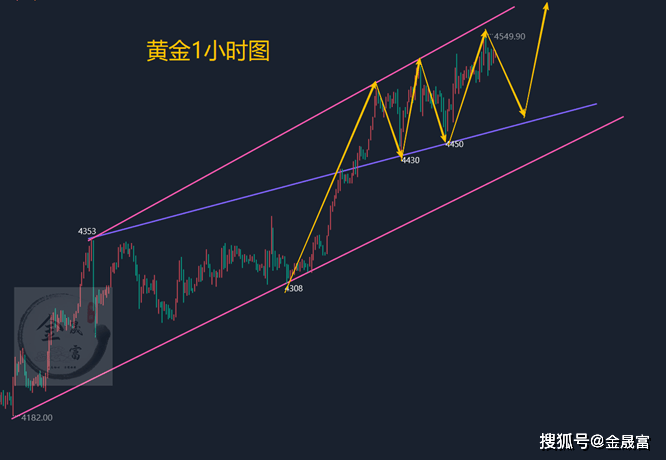
金晟富:12.27黄金市场周评!下周黄金趋势展望参考
Sou Hu Cai Jing· 2025-12-27 06:51
Group 1 - The core viewpoint of the articles emphasizes the importance of position control in trading, suggesting that managing positions effectively can lead to stable profits and minimize losses during market fluctuations [1] - Recent trends indicate that international gold prices have surged over 4% in the past four trading days, reaching a new historical high, driven by declining attractiveness of alternative assets like U.S. Treasuries and ongoing market uncertainty [2][3] - The market is currently pricing in an 82.3% probability that the Federal Reserve will maintain interest rates in its January 2026 meeting, with significant shifts expected in the probabilities for the March 2026 meeting, reflecting ongoing uncertainty regarding monetary policy [2] Group 2 - Gold remains a highly recognized safe-haven asset, with its demand closely linked to market confidence indicators, such as the CNN Fear and Greed Index, which has recently shown a recovery but is now stabilizing at a neutral level [3] - The decline in U.S. Treasury yields, which have dropped from 4.2% to around 4.1%, is expected to reduce the relative attractiveness of fixed-income assets, potentially driving more capital towards gold as a safe-haven investment [3] - Technical analysis of gold indicates a strong bullish structure, with prices supported above key levels, suggesting that traders should wait for pullbacks to enter long positions rather than chasing highs [4][6]