动力电池

Search documents
动力电池二线厂商求解“活下去”
Jing Ji Guan Cha Bao· 2025-07-25 06:05
Core Insights - The core theme of the article revolves around the challenges faced by the battery industry, particularly the price wars and profitability issues that have become prevalent in 2024, impacting companies like蜂巢能源 and others in the second tier of the market [2][3]. Industry Overview - The global battery market is dominated by 宁德时代 and 比亚迪, which together hold over 65% market share, while other companies like 中创新航, 国轩高科, and 蜂巢能源 occupy a smaller share of 2% to 8% each [2]. - The second-tier companies have faced significant profitability challenges in 2024, with companies like 欣旺达 reporting a net loss of 1.587 billion yuan in their battery business [3]. Pricing and Market Dynamics - The price of lithium batteries has reached historical lows, with the average price of square lithium iron phosphate cells dropping to 0.32 yuan/Wh, and global lithium battery pack prices falling to 115 USD/kWh, with China's price at 94 USD/kWh [4][5]. - The market is experiencing overcapacity and homogenization, leading to a decline in profit margins for many companies, with 65 out of 104 listed lithium battery companies in A-shares reporting a drop in net profits in 2024 [5]. Profitability and Cost Control - 宁德时代 remains a benchmark for profitability, achieving a net profit of 50.745 billion yuan in 2024, while second-tier companies struggle with losses and rising debt levels [6]. - 蜂巢能源's CEO emphasizes that 80% of future profitability will come from cost reductions, with a target to achieve profitability by 2026 [9]. Strategic Responses - Companies are focusing on cost control strategies, including improving production efficiency and reducing material costs. 蜂巢能源 has reported a first-pass yield exceeding 90% and a 28% reduction in scrap rates [9]. - Differentiation through technology is also a key strategy, with 蜂巢能源 pursuing a dual strategy of both三元 and iron-lithium batteries to capture higher margins and meet specific market demands [10][11]. Market Trends and Future Outlook - The demand for三元 batteries is expected to grow due to their higher energy density, particularly in hybrid and plug-in hybrid vehicles, while the market for磷酸铁锂 batteries is becoming increasingly competitive [11]. - 蜂巢能源 has successfully supplied over 100,000 battery packs to international clients, indicating a growing presence in overseas markets [12]. - The need for continuous capital investment is critical for second-tier companies to sustain their operations and pursue strategic initiatives, with many seeking to tap into capital markets for funding [13].






韩国股民豪掷388亿扫货中国股!三星故乡押注小米超特斯拉
Sou Hu Cai Jing· 2025-07-25 05:01
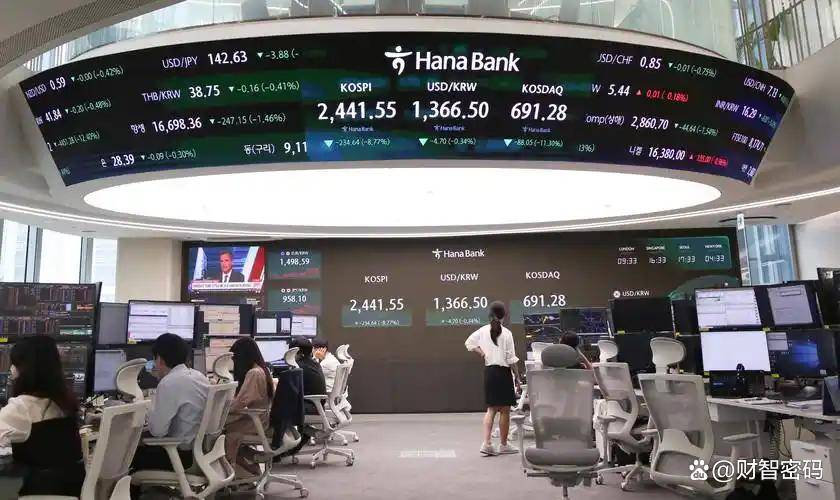
Group 1 - South Korean capital is increasingly flowing into Chinese technology sectors, with China becoming the second-largest overseas investment destination for South Korea, surpassing Japan and the EU, with a cumulative transaction amount of $5.514 billion and a net inflow of over $200 million as of July 17 [1][3] - Xiaomi has emerged as a favored investment among South Korean retail investors, holding a market value of $251 million (approximately 1.8 billion RMB) in Hong Kong stocks, with a strong focus on its performance in smart home and electric vehicle sectors [3][4] - Despite a serious accident involving a Xiaomi vehicle that temporarily affected its market value, South Korean investors continued to show confidence, net buying $1.988 million worth of Xiaomi shares in the past month [4] Group 2 - Other Chinese companies like BYD and CATL are also gaining traction among South Korean investors, with net purchases of $62.44 million and $60.85 million respectively, reflecting their global competitiveness in the electric vehicle and battery sectors [6] - The investment landscape is dynamic, with companies like Lao Pu Gold and Pop Mart also attracting significant net purchases, indicating a diversification in investment strategies among South Korean investors [8] - South Korean investors are leveraging rational analysis and comparisons, particularly in the battery sector, where they favor Chinese companies like CATL over local competitors due to better safety and performance metrics [10][14] Group 3 - Major financial institutions like Goldman Sachs and Citigroup are optimistic about Xiaomi's future, predicting electric vehicle sales to reach 350,000 and 1 million units by 2025 and 2027 respectively, with target prices set at HKD 38 and HKD 73.5 [12] - The competitive landscape in the battery sector is shifting, with Chinese sodium battery technology posing significant challenges to South Korean firms, as highlighted by analysts [14] - The overall sentiment among South Korean retail investors reflects a strong belief in the growth potential of Chinese technology companies, as they actively invest in these stocks, signaling a broader trend of confidence in Asian tech power [14]
产融结合赋能新型工业化 2025(第二届)产融合作大会在四川宜宾开幕
Zhong Guo Xin Wen Wang· 2025-07-24 15:54
Group 1 - The conference focuses on "innovation cooperation and value co-creation" in the context of industrialization and aims to enhance financial support for key strategic areas and weak links in the economy [1][2] - A series of financial tools were launched, including the "support for new industrialization innovative financial product matrix" and the "comprehensive financial service plan for pilot projects" [1] - The event will last for two days and includes activities that analyze the role of digital technology in optimizing financial resource allocation and reducing corporate financing costs [1][2] Group 2 - The conference features a "results display" session showcasing the top-level design of the industrial-financial cooperation policy system and innovative practices from pilot cities [2] - Yibin, the host city, is recognized as a key city in the Chengdu-Chongqing economic circle and has been selected as a national pilot city for industrial-financial cooperation [2] - Yibin is developing several emerging industrial clusters, including a world-class power battery industry cluster and a national-level crystalline silicon photovoltaic industry cluster [2]
四川科创投集团:将围绕优质白酒、动力电池等四大产业集群深化与宜宾合作
news flash· 2025-07-24 09:42
Core Insights - Sichuan Science and Technology Innovation Investment Group is focusing on deepening cooperation with Yibin, particularly in four major industrial clusters: high-quality liquor, power batteries, crystalline silicon photovoltaics, and digital economy [1] Investment and Collaboration - The group has over 10 existing investment projects in Yibin, with a total investment exceeding 2 billion yuan [1] - Future collaborations will involve precise industrial layout and investment through fund cooperation to support Yibin's industrial upgrading and development [1]
从宁德到图林根,一座工厂里的中欧“绿色共振”
Zhong Guo Jin Rong Xin Xi Wang· 2025-07-23 17:08
转自:新华社 新华财经柏林7月23日电(记者李函林 刘旸)盛夏的德国中部,图林根州阿恩施塔特,一座现代化电池 工厂正有序运转。厂房内,机械臂精准挥动,一枚枚蓝色电芯经过检测、打包和模组集成,整齐装入集 装箱。这些动力电池被陆续发往慕尼黑、英戈尔施塔特、斯图加特等城市,装配在宝马、奥迪、保时捷 等车企的最新款新能源汽车上,驶向欧洲市场。 这座充满中世纪气息的小城,曾是德国传统汽车工业重要基地,如今正成为中欧产业协作新坐标——来 自福建宁德的动力电池工厂在此落地生根,传统制造与绿色科技在此交汇,勾勒出一幅中欧绿色合作的 现实图景。 阿卜杜拉坦言:"起初我对'中国制造'还有些许偏见,但长期合作让我认识到,中国同事技术精细、操 作流程严谨,也很愿意分享经验。" 工厂投产初期,宁德时代曾从中国派驻数百名员工以保障生产顺利进行。如今,随着德国本地员工培训 体系逐步成熟,中方员工人数正持续减少。工厂的电芯模组集成、系统组装、包装出货已主要由本地员 工完成。 "我在德国工作快两年,月底就要回国了,多少有些不舍。"钱磊与德国同事相处熟络,也把关键工艺参 数调试经验传授给了他们。"现在,本地团队已能够独立开展制造工作了。" 技术 ...
重磅!孚能科技获广汽定点
起点锂电· 2025-07-23 09:20
Core Viewpoint - Company has received a development notification from GAC Group for a vehicle component, marking an enhancement in market recognition for its SPS battery products and deepening the strategic partnership with GAC Group [2][3] Group 1: Product Development and Market Recognition - The SPS battery products have achieved mass production and have been selected by major automotive clients including GAC, Geely, Dongfeng, and Jiangling [3] - The SPS lithium iron phosphate battery system has an energy density of 330Wh/kg, a volume utilization rate of 75%, and a cycle life exceeding 3000 times, showcasing excellent performance in range and charging efficiency [6] - The SPS battery system has passed national safety standards ahead of schedule, indicating readiness for market demands [6] Group 2: Strategic Partnerships and Business Expansion - GAC Group has been a key client since 2018, with previous successful collaborations on various models, enhancing trust and recognition [10] - Following the acquisition by Guangzhou Industrial Investment, the company is expected to deepen its collaboration with GAC Group and explore partnerships with other automakers like XPeng [12][14] - The company is also expanding into low-altitude economy and humanoid robotics, indicating a diversification of its application areas [16][19] Group 3: Financial Performance and Future Outlook - The company reported a significant reduction in net losses, with a revenue of 11.68 billion yuan in the previous year and a net profit loss of -0.332 billion yuan, marking an 82.22% improvement [12] - The gross margin for battery cells reached 30.57%, an increase of 13.27 percentage points, indicating improved profitability [12] - The company aims to achieve large-scale shipments of its SPS lithium iron phosphate battery products by 2025, positioning itself for future growth [5] Group 4: Technological Advancements - The company is advancing in solid-state battery technology, transitioning from laboratory to pilot production, with plans to establish a pilot production line by the end of the year [17] - The company has secured contracts for its semi-solid eVTOL batteries, indicating strong demand in emerging markets [19]


看好中国股票,韩国掀“买入热潮”
Huan Qiu Shi Bao· 2025-07-22 22:49
Group 1 - Korean individual investors are increasingly enthusiastic about Chinese stocks, with a shift in focus from Japanese and American markets to Chinese markets, driven by the recovery of the Chinese economy and strong performance of tech stocks in Hong Kong [1][2] - The trading volume of Korean investors in Chinese stocks has surged, reaching a cumulative amount of $5.514 billion as of July 17, 2023, surpassing the total for the entire year of 2024 [2][3] - The Hang Seng Index has risen over 16% since the beginning of the year, outperforming both the Korean Composite Index and major U.S. indices, attracting significant capital reallocation [2][3] Group 2 - The preferred stocks among Korean investors include Xiaomi, BYD, and CATL, with net purchases of $160 million, $62.44 million, and $60.85 million respectively as of July 17 [3][4] - A new investment strategy has emerged among Korean investors, focusing on a combination of technology, consumption, and finance sectors, with notable investments in companies like Lao Pu Gold and ICBC [3][4] - The battery sector, particularly CATL, is gaining attention due to perceived technological advancements over local competitors, with investors viewing CATL as a core asset for long-term investment [4][5] Group 3 - Investors are optimistic about the growth potential of Hong Kong stocks, particularly in technology and consumer sectors, as they anticipate more domestic stimulus policies from the Chinese government [5][6] - Korean investors have achieved an average return of 8.62% on Chinese stocks from January 1 to March 14, 2023, the highest among major overseas markets [5][6] - Analysts predict that the second half of the year will see more policy benefits released in China, enhancing the attractiveness of related investment sectors [7]

《财富》500强出炉:头部民营车企、新势力集体“升咖”
第一财经网· 2025-07-22 13:12
Core Insights - The 2025 Fortune China 500 list highlights the significant rise of new energy vehicle (NEV) companies, showcasing a collective upward trend among them, while state-owned enterprises (SOEs) generally underperformed [1][2][3] Group 1: New Energy Vehicle Companies - New entrants like Seres, NIO, Xpeng, Li Auto, and Leap Motor saw substantial ranking increases, with Seres jumping from 404th to 169th, achieving a revenue of $20.177 billion, a 298.5% increase [1] - Xpeng rose from 452nd to 351st with a revenue of $5.68 billion, up 31.1% year-on-year; Li Auto's revenue reached $20.077 billion, a 14.8% increase, while NIO climbed from 312th to 269th with a revenue of $9.136 billion, up 16.3% [2] - Leap Motor, making its debut on the list, ranked 423rd with a revenue of $4.47 billion, soaring 89% [2] Group 2: Private Enterprises - BYD improved its ranking from 40th to 27th, with revenue and profit growth of 26.9% and 31.8% respectively; Geely Holdings moved from 54th to 41st with a 13.6% revenue increase and a slight profit rise of 2.8% [2] - Great Wall Motors climbed from 158th to 140th, reporting a revenue increase of 14.9% and a profit surge of 77.8% [2] Group 3: State-Owned Enterprises - SOEs like Dongfeng Motors fell from 64th to 73rd, with a revenue decline of 10.9% but managed to turn a profit of $318 million from a previous loss of $391 million [3] - SAIC dropped from 30th to 38th, with a revenue decrease of 17.1% and an 88.4% profit drop; FAW fell from 35th to 43rd, with a 13.1% revenue decline and a 70.8% profit drop [3] - GAC Motors slid from 53rd to 66th, with a revenue drop of 21.5% and a staggering 168% profit decline [3] Group 4: Export Performance - Chery Motors saw a significant ranking increase from 100th to 49th, with a revenue of $59.694 billion, up 52.7%, largely due to its export performance, which grew by 21.4% [3] - Yutong Bus also experienced a notable ranking rise from 488th to 375th, with a revenue increase of 35.4% and a profit growth of 122.9% [3] Group 5: Profitability Concerns - Despite rising rankings, some companies face profit declines, such as Li Auto, which reported a profit of $1.116 billion, down 32.5%, and Chery, with a profit drop of 21.7% [4] - The ongoing price war in the automotive sector is expected to lead to further differentiation and consolidation among companies [4] Group 6: Battery and Supply Chain Companies - CATL's ranking fell by 9 places to 77th, with an 11.2% revenue decline but a 13.2% profit increase; Guoxuan High-Tech rose from 442nd to 394th, with a revenue increase of 10.2% and a profit rise of 26.5% [4] - Companies in the intelligent driving supply chain, such as Joyson Electronics and Desay SV, also showed strong performance, with Joyson moving up to 300th and Desay entering the list at 474th with a revenue of $3.838 billion, up 24% [4]


公募二季度重仓股出炉:宁德、茅台、腾讯蝉联前三重仓股 招行、中国平安位列四五位
news flash· 2025-07-22 02:06
公募二季度重仓股出炉:宁德、茅台、腾讯蝉联前三重仓股 招行、中国平安位列四五位 智通财经7月22日电,公募二季度重仓股披露。Choice数据显示,公募二季度末重仓股前三位环比保持 一致,依次为宁德时代、贵州茅台、腾讯控股,三大重仓股均被减持,持股市值分别回落至1427亿元、 1265亿元、1020亿元。招商银行、中国平安的持股数增加,分别被增持至重仓股的第四、第五位。二季 度公募增持最多的5只个股分布在创新药、银行等领域,民生银行被增持股数最多,增持了5.83亿股; 徐工机械被减持最多,减持了3.88亿股,中国银行二季度也减持了3.7亿股。(记者 周晓雅) ...



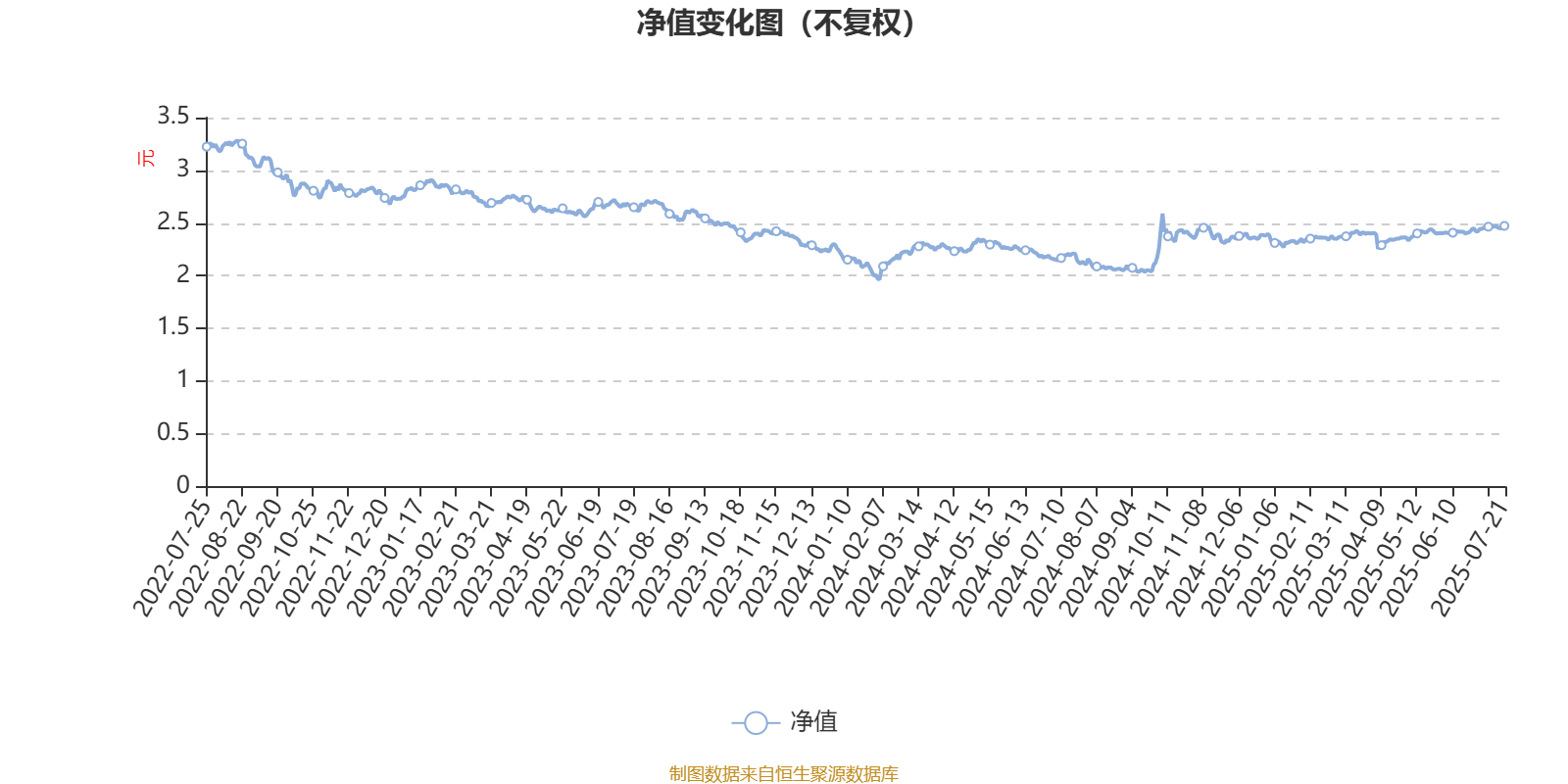
华夏红利混合A:2025年第二季度利润3976.5万元 净值增长率0.83%
Sou Hu Cai Jing· 2025-07-22 01:51
AI基金华夏红利混合A(002011)披露2025年二季报,第二季度基金利润3976.5万元,加权平均基金份额本期利润0.0201元。报告期内,基金净值增长率为 0.83%,截至二季度末,基金规模为47.62亿元。 该基金属于灵活配置型基金。截至7月21日,单位净值为2.473元。基金经理是林晶,目前管理3只基金近一年均为正收益。其中,截至7月21日,华夏收入混 合近一年复权单位净值增长率最高,达24.61%;华夏红利混合A最低,为11.85%。 基金管理人在二季报中表示,本基金投资策略核心围绕红利类资产展开,重点投资于高分红以及具备较强分红利潜力的公司。二季度本基金增加了金融、能 源、公用事业等行业的配置比例,降低了汽车、交运及地产链的配置比例。 截至7月21日,华夏红利混合A近三个月复权单位净值增长率为5.32%,位于同类可比基金693/880;近半年复权单位净值增长率为6.18%,位于同类可比基金 539/880;近一年复权单位净值增长率为11.85%,位于同类可比基金553/880;近三年复权单位净值增长率为-24.21%,位于同类可比基金687/871。 通过所选区间该基金净值增长率分位图,可以观察 ...