
动力电池

Search documents
华夏红利混合A:2025年第二季度利润3976.5万元 净值增长率0.83%
Sou Hu Cai Jing· 2025-07-22 01:51
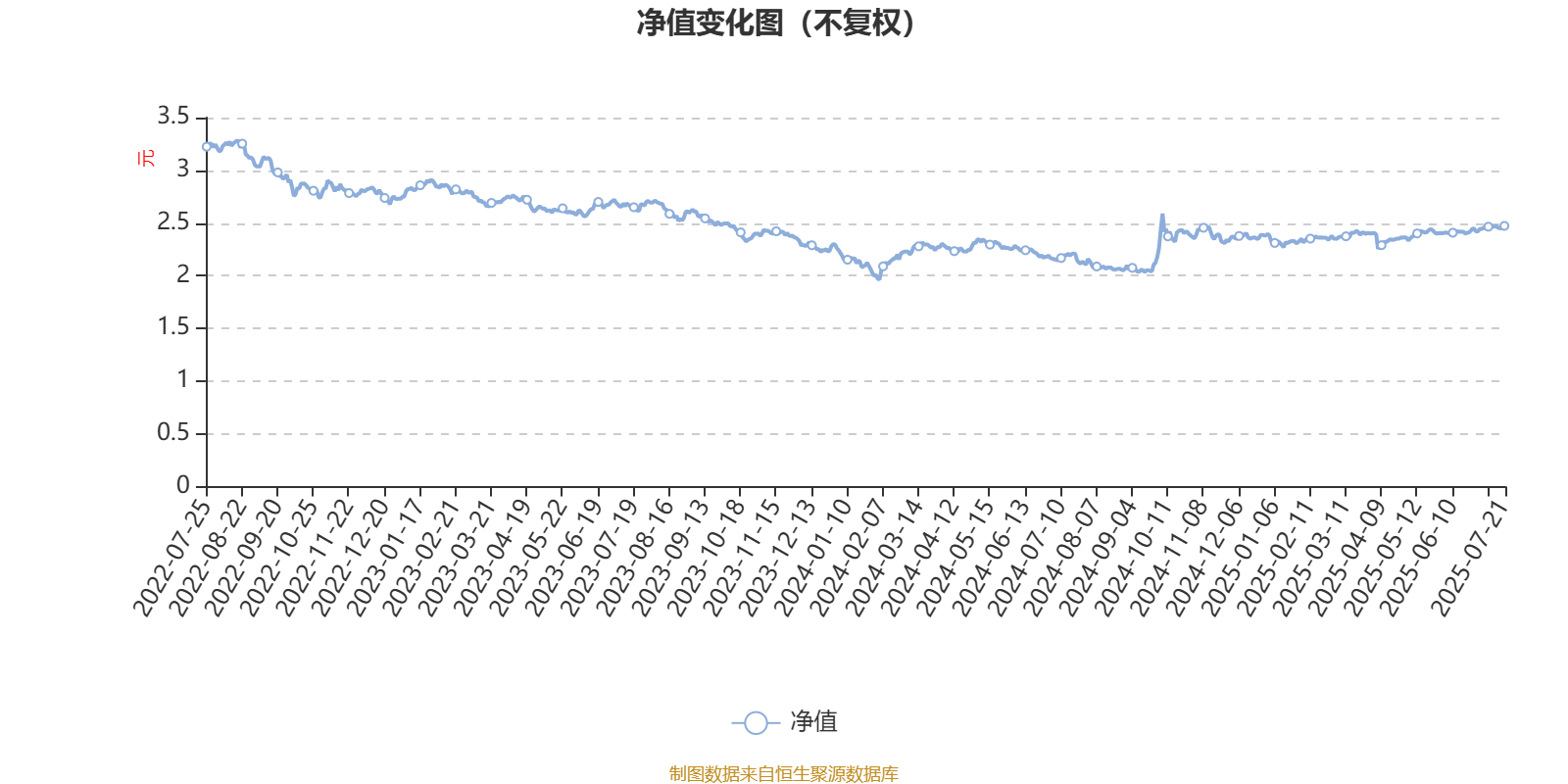
AI基金华夏红利混合A(002011)披露2025年二季报,第二季度基金利润3976.5万元,加权平均基金份额本期利润0.0201元。报告期内,基金净值增长率为 0.83%,截至二季度末,基金规模为47.62亿元。 该基金属于灵活配置型基金。截至7月21日,单位净值为2.473元。基金经理是林晶,目前管理3只基金近一年均为正收益。其中,截至7月21日,华夏收入混 合近一年复权单位净值增长率最高,达24.61%;华夏红利混合A最低,为11.85%。 基金管理人在二季报中表示,本基金投资策略核心围绕红利类资产展开,重点投资于高分红以及具备较强分红利潜力的公司。二季度本基金增加了金融、能 源、公用事业等行业的配置比例,降低了汽车、交运及地产链的配置比例。 截至7月21日,华夏红利混合A近三个月复权单位净值增长率为5.32%,位于同类可比基金693/880;近半年复权单位净值增长率为6.18%,位于同类可比基金 539/880;近一年复权单位净值增长率为11.85%,位于同类可比基金553/880;近三年复权单位净值增长率为-24.21%,位于同类可比基金687/871。 通过所选区间该基金净值增长率分位图,可以观察 ...

4家园区入选四川省首批零碳工业园区试点建设名单 探索建设零碳园区 四川这样破题
Si Chuan Ri Bao· 2025-07-22 00:25
Core Viewpoint - The establishment of zero-carbon industrial parks in Sichuan is a strategic initiative aimed at reducing carbon emissions and promoting sustainable industrial development, aligning with national "dual carbon" goals [1][2][3]. Group 1: Definition and Importance - Zero-carbon parks are defined as areas where carbon emissions from production and living activities are reduced to "near zero" levels, with the potential to achieve "net zero" conditions [1][2]. - Industrial parks are significant as they are concentrated areas of energy consumption and carbon emissions, presenting substantial potential for transformation [2][3]. Group 2: Construction Pathways - Sichuan's zero-carbon industrial parks will follow a "4+2" construction pathway, which includes four main approaches: large-scale clean energy utilization, green low-carbon industry cultivation, green low-carbon technology support, and smart energy-carbon systems construction, along with two supplementary methods: carbon capture, utilization, and storage, and ecological carbon fixation [1][5][6]. Group 3: Pilot Projects and Characteristics - The first batch of pilot zero-carbon industrial parks includes four locations: Yibin High-tech Industrial Park, Yibin Lingang Economic and Technological Development Zone, Panzhihua West District Economic Development Zone, and Jintang Economic Development Zone, all of which exhibit favorable conditions for green development [1][4]. - These parks are characterized by their strong green development momentum and mature pilot conditions, including access to abundant renewable energy resources and established frameworks for energy consumption and carbon emission monitoring [4][6]. Group 4: Economic and Environmental Impact - The Yibin High-tech Industrial Park, for instance, has a green low-carbon industry value-added ratio of 91.59% and is equipped with a microgrid capable of supplying 1 billion kWh of green electricity annually, significantly reducing carbon emissions by over 900,000 tons each year [4][6]. - The initiative aims to enhance the green competitiveness of industries by centralizing carbon management, thereby reducing individual certification costs and improving the ability to meet international green standards [3][6].
外资争做港股IPO基石投资者的三重逻辑
Zheng Quan Ri Bao· 2025-07-21 16:21
Core Viewpoint - The Hong Kong IPO market has been thriving in 2023, with cornerstone investors, particularly foreign ones, playing a significant role in the investment landscape [1][2]. Group 1: Cornerstone Investors' Role - In the first half of 2023, cornerstone investors accounted for 45.2% of the total investment in Hong Kong IPOs, with foreign cornerstone investors making up 59.3% of this group, a notable increase from 40.4% in 2024 [1]. - Cornerstone investors are institutional investors who agree to purchase a certain number of shares at a predetermined price before a company goes public, typically with a lock-up period [1]. Group 2: Reasons for Foreign Investment - The influx of foreign cornerstone investors is driven by three main factors: 1. A number of companies listed in Hong Kong this year possess global competitiveness, allowing foreign investors to participate in China's industrial upgrade. Notable companies include Heng Rui Medicine, Haitian Flavoring, Mixue Group, CATL, and Sanhua Intelligent Controls, which have stable performance and promising growth prospects [3]. 2. The active Hong Kong market has shifted cornerstone investors' focus from "protecting issuance" to "securing assets," with the total market capitalization reaching HKD 42.7 trillion, a 33% increase year-on-year, and average daily trading volume up 118% [4]. 3. Global capital reallocation and the revaluation of Chinese assets have encouraged foreign investors to increase their exposure to Hong Kong stocks, especially in light of the Federal Reserve's interest rate cuts and the attractiveness of undervalued Chinese assets [5]. Group 3: Market Dynamics - The participation of foreign cornerstone investors reflects a deeper trust in the core assets of China's industrial upgrade and the resilience of the Chinese market system, indicating a strong potential for attracting more international capital as China's economic transformation gains momentum [5].



388亿元!韩国股民扫货中国资产!买了哪些股?
Zheng Quan Shi Bao· 2025-07-21 15:53
Group 1 - Korean investors have significantly increased their investment in Chinese assets, with a cumulative trading volume exceeding $5.4 billion (approximately 38.8 billion RMB) in 2023, making China their second-largest overseas investment destination after the United States [1] - The net inflow of Korean funds into the Chinese stock market has reversed a year-long trend of net outflows, achieving a net inflow of over $200 million [1] - Popular Hong Kong stocks among Korean investors include Xiaomi Group-W, BYD Company, CATL, Alibaba-W, Lao Pu Gold, and Pop Mart, indicating a strong interest in key Chinese companies [1] Group 2 - The attractiveness of Chinese assets to Korean investors has increased due to the presence of comparable companies in Korea, such as LG Energy, SK On, and Samsung SDI in the battery sector, leading to heightened interest in CATL [2] - Investors are actively comparing BYD with Tesla, noting a significant difference in price-to-earnings ratios, which has sparked discussions about the valuation discrepancies between the two companies [2] - Despite optimism about BYD, some investors express concerns regarding its cash flow, inventory, and potential export challenges, highlighting a mix of sentiment in the investment community [2] Group 3 - The global dominance of Chinese battery manufacturers is evident, with CATL, BYD, and LG Energy ranked as the top three battery manufacturers in Q1 2023, and Chinese firms holding six of the top ten positions with over 60% market share [3] - Korean investors have expressed dissatisfaction with local battery manufacturers, particularly in light of CATL's advancements, such as the introduction of sodium batteries, which pose competitive challenges [3] - The differing battery technologies between China and Korea are noted, with Chinese LEP batteries gaining traction due to their safety and performance improvements, while Korean manufacturers are focusing on NCM batteries [3] Group 4 - The recovery of the Chinese stock market since last year has attracted global capital, including Korean investments, reflecting a renewed interest in China's economic fundamentals and competitive positioning in global supply chains [4] - The appeal of Chinese assets is attributed to reasonable valuation recovery and the country's innovation and market potential in sectors like new energy and high-end manufacturing [4] - The interaction and competition between Chinese and Korean investors in the supply chain highlight a broader trend of global capital seeking opportunities in emerging industries [5]
388亿元!韩国股民扫货中国资产!买了哪些股?
证券时报· 2025-07-21 15:47
Group 1 - Korean investors have significantly increased their investment in Chinese assets, with a total trading volume exceeding $5.4 billion (approximately 38.8 billion RMB) in the first half of the year, marking a net inflow of over $200 million into the Chinese stock market [1][4] - The most actively purchased Hong Kong stocks by Korean investors include Xiaomi Group-W, BYD Company, CATL, Alibaba-W, and others, indicating a strong interest in companies with comparable counterparts in Korea [1][2] Group 2 - The attractiveness of Chinese assets to Korean investors has risen due to the presence of comparable companies in Korea, such as LG Energy Solution and SK On in the battery sector, leading to increased interest in CATL and BYD [2][3] - Discussions among Korean investors highlight a comparative analysis of BYD and Tesla, with some investors expressing optimism about BYD's growth potential despite concerns regarding cash flow and inventory challenges [2] Group 3 - The global dominance of Chinese battery manufacturers is evident, with CATL and BYD ranking among the top three in the global battery market, capturing over 60% of the market share [3] - Korean investors have expressed dissatisfaction with local battery manufacturers, particularly in light of CATL's advancements in sodium-ion battery technology, which poses competitive challenges to Korean firms [3] Group 4 - The recovery of the Chinese stock market has attracted global capital, reflecting a reassessment of China's economic fundamentals, ongoing industrial upgrades, and competitive advantages in global supply chains [4][5] - China's market offers unique investment opportunities due to its growth potential and openness, which is increasingly recognized by global investors, including those from Korea [5]


20GWh新项目!欣旺达联手国资!
鑫椤锂电· 2025-07-21 01:56
Core Viewpoint - The establishment of the second phase of the Zhejiang XWANDA power battery production base project is a significant step for the company to strengthen its position in the new energy industry and contribute to the development of the new energy sector in Zhejiang [1][3]. Group 1: Project Overview - The second phase of the project has been accepted for environmental assessment, covering an area of approximately 192,750.13 m² and aiming to achieve an annual production capacity of 20 GWh of new energy power batteries [1]. - The first phase of the project, in collaboration with local state-owned assets, aims to build a total production capacity of 50 GWh, with a total investment of 21.3 billion yuan, and will be implemented in two phases [3]. Group 2: Company Background - Zhejiang XWANDA Power Battery Co., Ltd. was established in 2022, located in Yiwu City, Zhejiang Province, and is jointly held by XWANDA Power Technology Co., Ltd. and Zhejiang Yixin Power Battery Co., Ltd., with the latter backed by local state-owned assets [2]. - The project includes various facilities such as research and development offices, lithium battery cell production, modules, testing warehouses, and living quarters, enhancing the company's resilience and sustainable development capabilities in the new energy sector [3].

弗迪电池45GWh项目提速;国轩高科供货奇瑞;松下30GWh项目投产;杉杉股份业绩暴涨;新增限制出口5项提炼锂技术;珠海冠宇胜诉
起点锂电· 2025-07-20 11:05
Group 1 - The core viewpoint of the articles revolves around the rapid development and investment in battery technology and production facilities, highlighting various projects and collaborations in the lithium battery sector [2][3][4][5][6][8][9][10][12][13][18][19][21][22][24][28][30][33][34][39][41]. Group 2 - Shaoxing Fudi Battery's project for an annual production capacity of 15GWh has received environmental approval, with a total investment of 600 million yuan [2]. - Guoxuan High-Tech has partnered with Chery to provide hybrid battery systems for the newly launched A9L model, which achieved 50,287 pre-orders within 24 hours [3]. - Panasonic's DeSoto battery plant in Kansas has officially opened, with a planned annual capacity of 30GWh and a projected 20% increase in production efficiency compared to its Nevada facility [4][5]. - Tianqi Materials has signed a procurement agreement with Chuzhou Energy for the supply of at least 550,000 tons of electrolyte products by the end of 2030 [6][8]. - Anhui Shihua's lithium-ion battery project has entered the approval stage, with an annual production capacity of 2GWh [9]. - Jiangxi Biwo's 4GWh lithium battery project has received environmental approval, having been completed in just over a year [10][11]. - Wuhan's 5 billion yuan lithium battery project has been terminated due to market conditions and strategic decisions [12]. - CATL has signed a framework supply agreement with Vanda RE for a total of 2.2GWh of battery energy storage systems [13]. - Zhuhai Guanyu has won a lawsuit against ATL, marking a significant legal victory for the company [15]. - The Chinese government has added new restrictions on the export of lithium extraction technologies to safeguard national economic interests [17]. - Sunwoda's projected net profit for the first half of 2025 is expected to increase by 810.41% to 1265.61% year-on-year [18]. - The U.S. has announced a preliminary anti-dumping duty of 93.5% on graphite imports from China, leading to an effective tariff of 160% [19][20]. - Two silicon-carbon anode material projects have been initiated in Jiangxi and Zhejiang, with significant investments aimed at enhancing battery material technology [21][22]. - SK On has signed a memorandum of understanding with L&F for the supply of lithium iron phosphate materials in North America [24][25][26]. - Shenzhen Ruineng has successfully delivered core equipment for solid-state battery manufacturing to a leading domestic battery manufacturer [28]. - Huazhi Technology is developing a prototype for a solid-state battery high-pressure fixture, with expected completion by Q4 of this year [29]. - The Chongqing government has released a plan to establish a comprehensive battery recycling industry by 2027 [33]. - Anhui Greenwo's battery recycling project has been approved, aiming for an annual processing capacity of 50,000 tons of retired lithium batteries [34]. - BMW has established a new R&D center in Nanjing, enhancing its technological capabilities in China [37][38]. - NIO has achieved 80 million battery swaps, significantly reducing user costs and time compared to traditional charging methods [39]. - Geely has announced the merger of Geely Auto and Zeekr, marking a significant consolidation in the Chinese EV market [41].


IPO一周要闻丨香港上市井喷 北芯生命上会
Jin Rong Jie· 2025-07-20 00:22
Core Viewpoint - The recent week saw a quiet IPO market in Hong Kong, with three companies submitting applications and one company halting its IPO due to ongoing disputes, while several A-share companies announced preparations for Hong Kong IPOs [1][2]. A-Share Dynamics - Shenzhen Beixin Life Technology Co., Ltd. successfully passed its IPO review on July 18, aiming to raise 0.952 billion yuan, marking it as the second company this month to adopt the fifth set of standards for the Sci-Tech Innovation Board [2]. - Beixin Life focuses on innovative medical devices for cardiovascular disease diagnosis and treatment, and is recognized as a national high-tech enterprise [2]. Newly Listed Companies 1. **Viliant Biotech-B (09887.HK)** - Listed on July 17, raising approximately 1.01 billion HKD, becoming the first "B" labeled new stock in the Hong Kong innovative drug sector [3]. - The company has completed eight rounds of financing, totaling 1.084 billion yuan, and focuses on developing new therapies for cancer and autoimmune diseases [3]. 2. **Lianqi Technology (06610.HK)** - Listed on July 16, raising about 5.89 billion HKD, with projected revenue of 3.64 billion yuan and net profit of 1.34 billion yuan for 2024 [4][5]. - The company specializes in high-performance, low-power interconnect solutions for cloud computing and AI infrastructure [4]. 3. **Xingyuan Material (01908.HK)** - Listed on July 15, raising approximately 3.31 billion HKD, and is the leading manufacturer of lithium-ion battery separators globally [6]. - The company has seen its market share grow from 11.0% in 2020 to 14.4% in 2024, with significant clients including LG Energy, Samsung SDI, and CATL [6]. 4. **Lao Xiang Ji (09981.HK)** - Listed on July 15, raising about 1.55 billion HKD, and is the largest Chinese fast-food brand by transaction volume in 2024 [7][8]. - The company operates a mix of direct and franchise models, with a total of 1,564 stores across nine provinces and 58 cities as of April 30, 2025 [7][8]. Companies Submitting Applications 1. **WeDoctor Holdings** - Submitted its application on July 16, with Morgan Stanley as the exclusive sponsor, ranking second in China's online medical service market by revenue [9]. - The company aims to enhance grassroots medical institutions' capabilities through AI applications [9][10]. 2. **Hive Energy** - Submitted its application on July 15, with CITIC International and Citigroup as joint sponsors, ranking sixth globally and third domestically in battery installation volume for 2024 [11][12]. Market Dynamics - The Shanghai Stock Exchange announced the termination of an IPO application by Wendoli Sunshade Materials [13]. - As of July 18, 2025, there are 34 companies that have passed the IPO review but have not yet received approval from the China Securities Regulatory Commission [13].
2025H1:新能源汽车增速超四成,动力电池装车量近300GWh
高工锂电· 2025-07-19 09:41
Core Viewpoint - The Chinese new energy vehicle (NEV) industry demonstrated robust growth in the first half of 2025, with production and sales reaching approximately 7 million units, reflecting year-on-year increases of 41.4% and 40.3% respectively, and a market penetration rate of 44.3% [2] Group 1: Market Performance - In the first half of 2025, domestic sales of NEVs reached about 5.88 million units, a year-on-year growth of 35.5%, while exports surged to 1.06 million units, marking a staggering increase of 75.2% [2] - The dual-driven demand from both domestic and international markets indicates a strong resilience and competitive edge of the Chinese NEV industry on a global scale [2] Group 2: Battery Industry Growth - The NEV market expansion has significantly boosted the power battery industry, with cumulative production of batteries reaching approximately 697 GWh, a year-on-year increase of 60.4%, and sales hitting about 659 GWh, up 63.3% [3] - Power batteries accounted for 485.5 GWh of the total sales, representing 73.7% of the market, with a year-on-year growth of 51.6% [3] Group 3: Structural Changes in Battery Installation - The commercial vehicle segment emerged as a surprising growth highlight, with domestic sales of new energy commercial vehicles reaching 354,000 units, a year-on-year increase of 55.9%, and exports of 49,000 units, which skyrocketed by 230% [4] - The demand for power batteries in commercial vehicles is driven by the dual push from the logistics industry's low-carbon transition and urban public transport electrification policies [4] - The trend of battery type differentiation is intensifying, with lithium iron phosphate batteries accounting for 81.4% of total installations, growing by 73% year-on-year, while ternary batteries saw a decline of 10.8% [4][5] Group 4: Export Performance and Globalization - Plug-in hybrid vehicle exports reached 390,000 units, a remarkable year-on-year increase of 210%, significantly outpacing the growth of pure electric vehicles [5] - The global demand for transitional electrification solutions, particularly in Europe, is driving the growth of plug-in hybrid models, presenting differentiated growth opportunities for supporting battery companies [5] - Cumulative exports of power and other batteries reached 127.3 GWh, a year-on-year increase of 56.8%, with power battery exports at 81.6 GWh, accounting for 64.1% of total exports, and growing by 26.5% [5] Group 5: Overall Industry Outlook - The collaborative growth of the NEV and power battery industries in the first half of 2025 is a result of technological advancements and market maturation, benefiting from the global energy transition [6] - The industry must remain vigilant against potential risks such as overcapacity and raw material price fluctuations, while continuing to innovate in emerging battery technologies like solid-state and sodium-ion batteries [7]
【2025链博会】宁德时代:聚力“全域电动” 探索绿色转型新路径
Huan Qiu Wang· 2025-07-18 13:33
Core Insights - The forum "Ningde Empowerment: All-domain Electric" aims to explore new application scenarios for power batteries beyond the popular topic of "new energy power batteries" [1] - The event highlights China's strategic shift from being a technology follower to an ecological leader in the new energy sector, providing a valuable practical model for global green transformation [1] Group 1: Electric Vehicles and Logistics - Heavy-duty trucks are identified as a crucial area for electric vehicles, with the "distributed drive + distributed brake" technology supporting road trains seen as a solution for trunk logistics [2] - The integration of Ningde Times' standard battery swap modules is expected to upgrade highway networks into a "flexible railway network," enhancing single-trip capacity by 200%, reducing driver costs by 50%, and lowering energy consumption by 27% [2] - The global market for heavy-duty electric trucks is projected to reach 3 million units by 2030, driving the value of the vehicle, electricity, and charging industry chain to exceed 1 trillion [2] Group 2: Marine Applications - Electric yachts are highlighted as a significant breakthrough in the all-domain electric sector, with China's entertainment vessels numbering only 25,000 [2] - With policy support, affordable electric yachts priced around 200,000 yuan are expected to activate a water consumption demand of 140 million people, creating a market worth 2.8 trillion [2] - The operational costs of electric yachts are only 20% to 30% of those of fuel-powered boats, enabling the creation of multifunctional "water spaces" for living, working, and tourism [2] Group 3: Ecosystem Development - The concept of "ecological magnet" is introduced, where Ningde Times acts as an industry magnet while the government plays the role of a gardener, nurturing technology and facilitating ecosystem connectivity [2] - The ultimate goal is to shift the global industry chain from survival competition to ecological win-win scenarios [2]