养老服务

Search documents
银发经济 养老服务师“真服务”才能走得更远
Zheng Quan Shi Bao· 2025-09-01 18:49
Core Viewpoint - The introduction of the new profession of elderly care service providers in China highlights the need for high-quality elderly care services as the aging population grows, with 310 million people aged 60 and above by the end of 2024 [1][2]. Group 1: Industry Overview - The elderly care service provider profession is distinct from traditional elderly care workers, requiring a broader set of skills and knowledge [1]. - By 2024, the population aged 65 and above in China is projected to reach 220 million, accounting for 15.6% of the total population, indicating a significant demand for elderly care services [1]. Group 2: Market Demand and Challenges - The demand for professional elderly care service providers is increasing as they can offer personalized guidance that addresses individual needs, similar to the emerging role of career planners [2]. - The profession currently lacks clear definitions and standards, leading to inconsistencies and potential exploitation within the market [2][3]. Group 3: Regulatory Needs - There is an urgent need for regulation to ensure that elderly care service providers operate within a framework that protects the rights of the elderly and maintains market order [3]. - Establishing clear standards for service offerings, pricing, and professional qualifications is essential for the legitimacy and effectiveness of the elderly care service provider profession [3].
破局者东软睿新:中国首个"教医养"生态闭环成型,构筑增长新引擎
Mei Ri Jing Ji Xin Wen· 2025-09-01 04:52
Core Viewpoint - Neusoft Ruixin Technology Group has demonstrated significant progress in its strategic transformation, achieving a total revenue of RMB 925 million and a profit of RMB 204 million for the period ending June 30, 2025, highlighting the effectiveness of its "education, medical care, and elderly care" strategy [1][2] Financial Performance - The company reported total revenue of RMB 925 million, with a gross profit of RMB 400 million and a net profit of RMB 204 million during the reporting period [2] - The education segment generated approximately RMB 780 million, while the medical and elderly care services contributed RMB 49.7 million, increasing its share of total revenue from 0.7% to 5.4% [2][3] Strategic Transformation - Neusoft Ruixin's "education, medical care, and elderly care" strategy has begun to yield results, particularly in the elderly care sector, which is now a significant part of the company's operations [1][4] - The company has integrated its resources across education, healthcare, and technology to create a comprehensive service system that addresses the needs of different life stages [4] Operational Highlights - The company's medical entities, such as the Ruikang Cardiovascular Hospital and Ruikang Dental Hospital, have seen substantial increases in patient volume, with outpatient and emergency visits exceeding 28,000 and inpatient surgeries surpassing 5,800, marking a 34% increase compared to the previous year [3] - The occupancy rate of the Ruikang Home for the Elderly has exceeded 88%, with 92% of residents being over 80 years old, indicating strong market acceptance of its high-quality services [3] Educational Initiatives - Neusoft Ruixin's educational institutions have continued to grow, with a total enrollment of 58,000 students across three IT application-oriented universities, reflecting a 1.8% increase year-on-year [4] - The Neusoft Phoenix Academy aims to enhance the lives of the elderly through education, leveraging resources from the company's universities to create a unique intergenerational learning environment [5] Market Focus - The company is targeting the rapidly growing silver economy, with over 310 million people aged 60 and above in China by the end of 2024, positioning itself to capture this significant market opportunity [6] - Neusoft Ruixin plans to develop a "city-level smart elderly care platform" to integrate various elderly care services, aiming to transform traditional service models into more intelligent and personalized solutions [6][7] Future Plans - The "Shengqing Kangyang" smart elderly care platform launched in Shenyang has already aggregated over 780 quality service providers, with plans to expand to 10 cities and serve 2,000 elderly care institutions and 12 million elderly individuals by 2025 [7] - The company aims to leverage technology to enhance its educational and healthcare ecosystems, contributing to the high-quality development of China's silver economy [7]
每年2000万“新老人”入场,银发经济风口来了?
Sou Hu Cai Jing· 2025-08-29 09:07
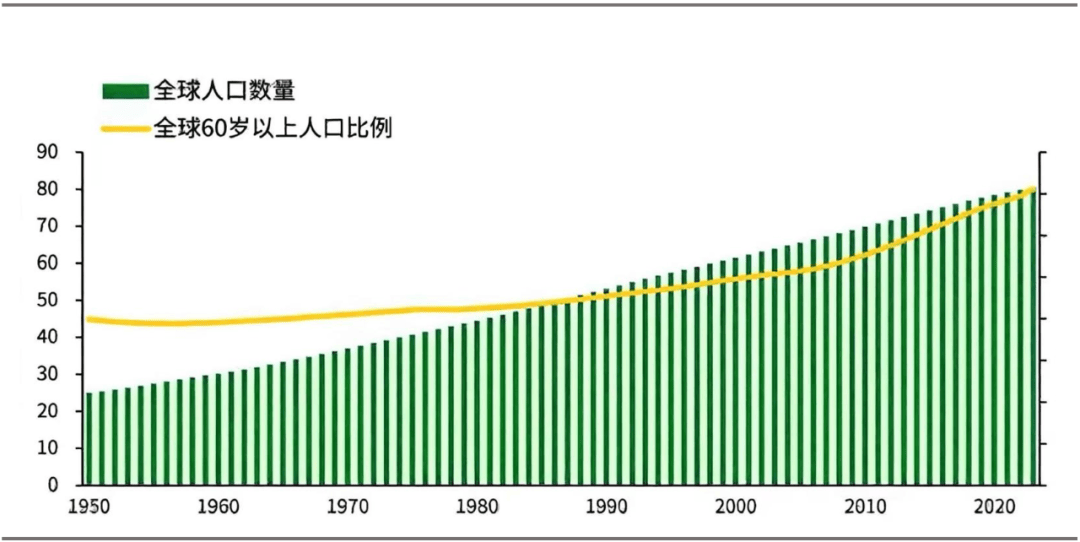
Core Insights - By the end of 2024, the population aged 60 and above in China will exceed 300 million, accounting for over 22% of the total population, leading to the rapid formation of a trillion-level "silver economy" market [1][5][7] - The consumption demands of the elderly have shifted from basic survival needs to quality of life, with digitalization, health, socialization, and value realization becoming core features of new consumption patterns [1][4] - There is a significant supply gap in the market, particularly in key areas such as elderly care facilities, services, health, cultural tourism, products, finance, and smart elderly care, which restricts the development of the silver economy [1][4][36] Population Base - The aging population is a global trend and a core feature of China's social structure, providing a substantial user base for the silver economy [4][5] - In 2000, the population aged 60 and above reached 130 million, marking the beginning of China's aging society; by 2023, this number had grown to 297 million, indicating deep aging [5][7] - By 2035, the population aged 60 and above is projected to reach 440 million, accounting for 32.1% of the total population, indicating a transition to a super-aged society [7][9] Demand Upgrade - The new generation of elderly consumers, primarily from the "post-60s" cohort, is driving the silver economy with a strong consumption capability and a desire for a richer lifestyle [16][18] - The elderly are increasingly crossing the digital divide, with 60.7% of them spending over three hours online daily, engaging in activities such as online shopping and social media [18][20] - There is a growing focus on self-investment, health, and social relationships, with many elderly individuals actively seeking to enhance their personal value and quality of life [20][26] Supply Gap - The rapid aging of the population in China has outpaced the development of necessary infrastructure and services, leading to a significant supply gap in the silver economy [36][38] - As of 2024, there is a shortfall of approximately 1 million elderly care beds, highlighting the urgent need for improved elderly care facilities [39][41] - The elderly care service sector faces challenges such as limited coverage in rural areas and a lack of qualified caregivers, with a projected demand for around 20 million caregivers by 2030 [45][46] Payment Capability - The elderly population's payment capability is continuously increasing, supported by high savings rates, stable pension income, and family support [2][62] - The average total assets of households led by individuals aged 46-64 are approximately 3.5 million yuan, indicating a strong financial foundation for consumption [64][66] - The income of retirees is steadily rising, with a significant portion of the elderly population in urban areas receiving pensions that support their consumption needs [68][70] Policy Drive - The introduction of the "Silver Economy Document No. 1" in 2024 marks a systematic push at the national strategic level to transform demographic challenges into new economic growth drivers [3][71] - Over the years, numerous policies have been implemented to support the development of the silver economy, emphasizing the need for a coordinated approach between elderly care services and the market [72][75] - The government is increasingly focusing on developing the silver economy, recognizing its potential to address the needs of an aging population and stimulate economic growth [75][76]

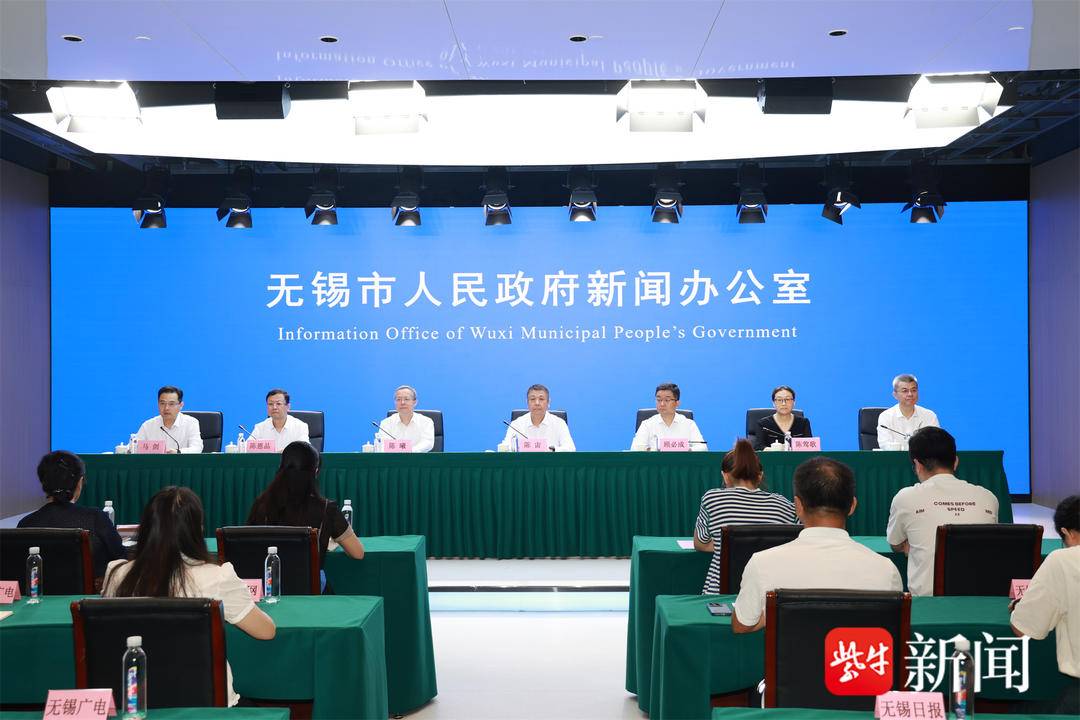
聚焦“民生实事”……无锡举行“切实扛好经济大市挑大梁责任”首场系列主题新闻发布会
Yang Zi Wan Bao Wang· 2025-08-29 09:04
Group 1: Public Health Initiatives - Wuxi has initiated a comprehensive cancer prevention and control action, becoming the first city in the province to implement such a program, which includes cancer screening as a key project for three consecutive years [3] - A total of 1.1619 million residents have participated in cancer screenings, with 274,400 high-risk individuals assessed, leading to the diagnosis of 3,323 cases of precancerous lesions and "five cancers" [3] - The standardized cancer mortality rate in Wuxi has decreased from 95.34 per 100,000 in 2020 to 80.80 per 100,000 in 2024, significantly lower than the national average [3] Group 2: Elderly Care Services - Wuxi has 150 elderly care institutions with approximately 40,000 beds, over 80% of which are nursing beds, addressing the needs of the aging population [4] - The "Xixin Medical and Nursing" community home-based service initiative has been implemented, providing integrated medical and nursing services to the elderly [4] - The city has established 157 meal assistance centers and 709 community meal service facilities, with differentiated subsidies linked to service performance [4] Group 3: Employment and Economic Stability - Jiangyin City has maintained stable employment, with 18,200 new urban jobs created by the end of July this year [5] - Various measures have been taken to stabilize employment, including providing over 44,000 job opportunities and issuing 2.3 million yuan in entrepreneurial subsidies [5] - The city has established 66 talent recruitment stations and introduced 10,200 new college graduates into the workforce [5] Group 4: Urban Environment Improvement - Wuxi's urban management department has launched 1,319 special improvement projects across 151 areas, focusing on enhancing public spaces and facilities [6] - Initiatives include upgrading street scenery, waste collection systems, and public restrooms, aiming for significant improvements with minimal investment [6] - The city has supported the establishment of 432 seasonal fruit and vegetable stalls, enhancing local commerce while maintaining ecological aesthetics [6] Group 5: Education Resource Expansion - Wuxi has achieved a high school enrollment rate of 68.23% and is expanding educational resources through various initiatives [9] - New high school branches have been established, and transportation services have been improved with 117 customized bus routes for students [9] - The city is focused on promoting educational equity and quality through infrastructure development and resource allocation [9] Group 6: Cultural Enrichment - Wuxi is developing cultural facilities, including a new art museum and concert hall, with the art museum expected to open by the end of this year [10] - The city has hosted over 1,200 cultural events and is promoting grassroots cultural engagement through various programs [10] - The upcoming "Taihu Cultural Arts Season" will feature nearly 160 events, expected to benefit over one million residents [10]
消费降级下“享老”行业升级的秘密
Sou Hu Cai Jing· 2025-08-28 05:20
Core Insights - The aging economy in Japan is experiencing explosive growth despite overall economic challenges, highlighting a significant opportunity in the elder care sector [1][3][5] - The demand for various elder care services and products is increasing, with a notable rise in the need for professional caregivers and elder apartments, indicating a shift in consumer spending towards elder care [3][5][6] Industry Trends - Various elder care service institutions are emerging rapidly, and sales of elder-related products are consistently rising, showcasing a robust market despite economic downturns [3][5] - Families are increasingly allocating a significant portion of their income towards enhancing the quality of elder care, reflecting a societal shift in spending priorities [3][5] Company Focus - The "Colorful Sixty" retirement happiness club is gaining traction and showing growth in a challenging economic environment by focusing on the essence of elder care rather than luxury facilities [5][6][7] - The club emphasizes personalized services tailored to individual needs, contrasting with competitors that prioritize extravagant amenities, thus enhancing the quality of life for the elderly [6][7] Service Philosophy - The club's approach is centered on understanding the actual needs of the elderly, providing targeted activities and services that genuinely improve their well-being, rather than merely increasing the quantity of offerings [6][7] - The focus on quality service and meeting specific needs is positioned as a more effective strategy in the elder care market, especially in a time of economic uncertainty [7]

“十四五”期间 黄浦城市更新、消费、民生服务亮点频现 经济密度最高地持续挖掘消费潜力
Jie Fang Ri Bao· 2025-08-28 01:42
Economic Performance - By the end of 2024, the GDP of Huangpu District is projected to reach 334.4 billion yuan, with an average comparable growth rate of approximately 4.5% during the first four years of the 14th Five-Year Plan [1] - The regional economic density is expected to reach 163 billion yuan per square kilometer, maintaining the top position in the city and ranking among the best in the country [1] - The district's general public budget revenue is anticipated to reach 29.9 billion yuan, with an average annual growth rate exceeding 6% [1] Urban Renewal Projects - The "Bund Central" project has achieved an overall occupancy and opening rate of over 70%, attracting an average of over 470,000 visitors per month [2] - Huangpu has completed the renovation of over 37,000 households during the 14th Five-Year Plan, marking the successful conclusion of a large-scale urban renewal initiative [3] - The "Bund Old City Hall" project has hosted 11 significant cultural and commercial events in the first half of 2025, despite not being fully opened [2][3] Consumer Economy - Huangpu is focusing on various consumer segments, including youth, seniors, and inbound tourism, to stimulate economic growth [4] - The district has seen a 56% year-on-year increase in foreign visitors staying in hotels, with over 940,000 visitors in the first half of the year [4] - The scale of tax refunds for outbound tourists has increased significantly, with over 30,000 applications processed, representing a nearly 300% year-on-year growth [4] Social Services and Community Development - Huangpu has established a community-based elderly care service center that offers a variety of services, including health stations and community dining [5] - The district has implemented a "Five-Sided Elderly Care" service brand, focusing on comprehensive support for the elderly population, which constitutes 44.8% of the local demographic [6][7] - Huangpu has been recognized as one of the "most livable cities in China" for two consecutive years, reflecting its commitment to enhancing the quality of life for residents [7]
广发银行样本调研:养老金融“舌尖到心间”赋能银龄生活
Zheng Quan Ri Bao· 2025-08-27 16:18
Core Insights - The article discusses how commercial banks, particularly Guangfa Bank, are integrating financial services with elderly care to address challenges faced by the aging population in China, such as dining difficulties and rehabilitation needs [1][4]. Group 1: Financial Integration in Elderly Care - Guangfa Bank has developed a "Happy Elderly Chain" by linking social security cards, codes, credit, and digital platforms to enhance elderly care services [1]. - The bank's initiatives include providing discounts and subsidies for elderly dining services, making meals affordable and accessible [3][4]. - The integration of financial services into community dining and rehabilitation services aims to create a comprehensive support system for the elderly [3][8]. Group 2: Policy Support and Community Initiatives - The Chinese government has issued policies to promote community dining services for the elderly, with plans to establish "Elderly Dining Halls" across cities by 2025 [2][3]. - Guangfa Bank is actively responding to these policies by facilitating partnerships with local businesses to enhance the accessibility of elderly care services [3][6]. Group 3: Technological Advancements in Elderly Care - The article highlights the growing demand for rehabilitation services among the elderly, with a focus on developing high-quality products and services in the silver economy [4]. - Companies like Lizi Intelligent Technology are innovating in the field of smart rehabilitation, utilizing brain-machine interfaces to assist elderly individuals in their recovery [5]. - Guangfa Bank is supporting these technological advancements by providing credit and financial services to companies in the elderly care sector [5][6]. Group 4: Digital Transformation in Elderly Care Facilities - Guangfa Bank has implemented a digital management platform for a public nursing home in Shenzhen, enhancing operational efficiency and service quality [7][8]. - The platform allows for comprehensive management of resident information, financial data, and service delivery, ensuring transparency and efficiency [8]. - The bank aims to expand its services to include community-based elderly care, offering various support services to enhance the quality of life for seniors [8].
AI绘画、组队攀岩…“退休俱乐部”重新定义退休生活
Sou Hu Cai Jing· 2025-08-27 09:19
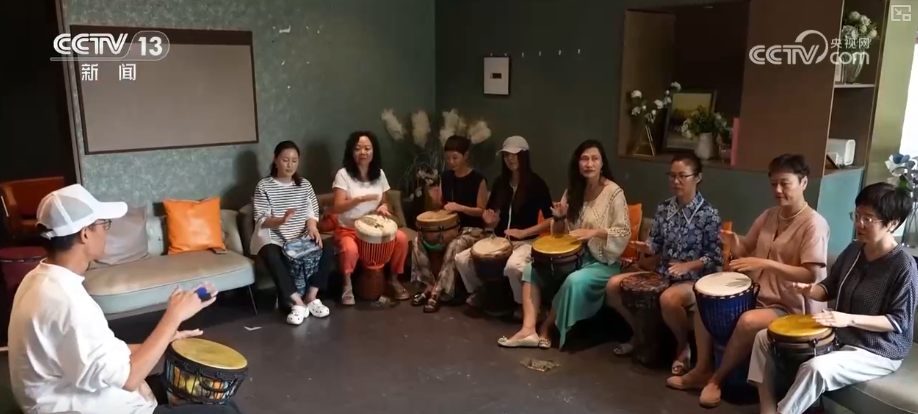
Core Insights - The emergence of "retirement clubs" is providing new options for retirees, offering activities that break traditional stereotypes of aging [1][13] - These clubs are primarily attracting individuals aged 50 to 65, indicating a growing interest in active lifestyles among older adults [13] Group 1: Retirement Clubs - "Retirement clubs" are organizing diverse activities such as AI painting, DJing, rock climbing, and coffee art, catering to the interests of newly retired individuals [7][11] - The founder of a notable retirement club, Liu Jing, initially aimed to find companions for her parents but ended up attracting over ten thousand elderly members, highlighting the demand for such social platforms [11] - The rapid growth of these clubs across the country is injecting new vitality into the silver economy, which is projected to reach a market size of 30 trillion yuan by 2035 [13] Group 2: Participant Experiences - Participants, like Ms. Liu, express that these activities not only help in physical exercise but also provide opportunities for social interaction and learning [5][9] - The clubs are fostering a sense of community among retirees, allowing them to engage in enjoyable and enriching experiences [5][11]

“民政通”一键申请,威海向中度以上失能老年人发放消费补贴
Qi Lu Wan Bao· 2025-08-27 07:29
Group 1 - The core viewpoint of the news is the implementation of a subsidy program for elderly individuals with moderate to severe disabilities in Weihai, aimed at enhancing their access to elderly care services [1][2] - The subsidy program targets individuals aged 60 and above who have been assessed as having moderate, severe, or complete disabilities, regardless of their residency status in Weihai [1] - The application process is voluntary and facilitated through digital means, allowing eligible elderly individuals or their designated representatives to apply via the "Minzheng Tong" app or mini-programs on WeChat, Alipay, or Baidu [1][2] Group 2 - A third-party organization will conduct the ability assessment based on national standards, and individuals who have been assessed within the last 12 months do not need to undergo re-evaluation [2] - The electronic consumption vouchers can be used to cover the assessment fees for those needing re-evaluation, and the vouchers will be issued within five working days after the initial application is approved [2] - The electronic vouchers are valid for one month and can be directly deducted from the payment for elderly care services, with any unused amount not being carried over to the next month [2]
AI绘画、打碟、咖啡拉花……“新”“潮”“酷”点燃银发经济新热力
Yang Shi Wang· 2025-08-27 07:12
Group 1 - The rise of "retirement clubs" is providing new options for retirees, breaking traditional stereotypes of aging with vibrant and fashionable activities like AI painting and rock climbing [1][4][6] - The "retirement club" phenomenon is gaining popularity across the country, primarily attracting members aged 50 to 65, indicating a significant market potential in the silver economy, projected to reach 30 trillion yuan by 2035 [8][9] - The shift in elderly consumers' preferences from basic living needs to socializing, learning, and self-fulfillment is driving a comprehensive upgrade in commercial scenarios [9][16] Group 2 - Shopping malls are adapting to the changing consumption logic of older adults, focusing on "social + learning + nostalgia" rather than just shopping, leading to innovative service models [11][16] - A "silver-themed mall" in Chongqing has transformed its space to evoke emotional resonance and introduced branches of elderly universities, reflecting the trend of catering to older consumers [14][20] - The opening of a silver-themed mall saw a 307% increase in sales and a 205% increase in foot traffic on its opening day, highlighting the economic potential of the silver market [18] Group 3 - The silver economy is fostering new growth points across various industries, prompting a wave of "age-friendly transformations" from service upgrades to product innovations [20] - Retailers are increasingly offering products specifically designed for older adults, such as height-adjustable smart toilets and multifunctional smart wristbands, indicating a strong demand in this segment [23][24] - The market for specialized products, like chess sets tailored for seniors, is experiencing high demand, showcasing the evolving needs of the elderly demographic [21]