电池

Search documents
璞泰来:2025年业绩预告点评:负极盈利拐点已现,多业务板块持续向好-20260121
Soochow Securities· 2026-01-21 00:24
Investment Rating - The report maintains a "Buy" rating for the company [1] Core Views - The company is expected to achieve a net profit attributable to shareholders of approximately 2.39 billion to 2.4 billion yuan in 2025, representing a year-on-year increase of 100.65% [8] - The negative electrode segment is showing signs of profitability recovery, with expected shipments of 130,000 to 140,000 tons for the year, and a significant increase in shipments projected for 2026 [8] - The company has made progress in solid-state technology and has a comprehensive layout across various materials, with solid-state equipment orders exceeding 200 million yuan [8] - The target price for the company is set at 43.5 yuan, based on a projected P/E ratio of 30x for 2026 [8] Financial Projections - Total revenue is projected to be 14.86 billion yuan in 2025, with a year-on-year growth of 10.46% [1] - The net profit for 2026 is expected to reach 3.1 billion yuan, with a growth rate of 29.67% [1] - The earnings per share (EPS) is forecasted to be 1.12 yuan in 2025, increasing to 1.45 yuan in 2026 [1] - The company’s P/E ratio is expected to decrease from 49.38 in 2024 to 24.61 in 2025, and further to 18.98 in 2026 [1]

美媒:中国正在为清洁电力时代铺路
Huan Qiu Wang· 2026-01-20 23:06
Core Insights - The article discusses the contrasting approaches of the United States and China towards energy and electric vehicle (EV) development, highlighting China's rapid advancements in clean energy and electric vehicle technology while the U.S. continues to invest heavily in the oil industry [1][4]. Group 1: U.S. Oil Industry - The U.S. government is betting on investors to inject at least $100 billion to revitalize the declining oil industry, anticipating continued global demand for American oil for various transportation needs [1]. - The U.S. is lagging in the adoption of electric vehicles, with a slower transition compared to China, which has seen a significant increase in EV sales [1][2]. Group 2: China's Electric Vehicle and Energy Sector - By 2025, 54% of new cars sold in China are expected to be either fully electric or plug-in hybrid vehicles, showcasing the country's commitment to electric mobility [1]. - China has rapidly developed cleaner energy sources, particularly wind and solar power, with its solar power generation capacity exceeding that of the U.S. and the EU combined [2]. - Chinese electric vehicle manufacturers, such as BYD, are achieving record sales, surpassing traditional leaders like Tesla [1][2]. Group 3: Global Energy Transition - The shift towards electrification is not limited to vehicles; it encompasses various sectors, including public transport, industrial applications, and even household appliances, indicating a broader trend towards electric solutions [2][3]. - Shenzhen is emerging as a hub for innovation in electronics and battery technology, transforming multiple product categories into "smartphone-like" devices [3]. - The U.S. industrial base in battery and rare earth magnet production has weakened, making it challenging for American companies to compete in the electric vehicle and drone markets [3].
突发利空!昨晚3家公司集体发减持公告,其中1家拟减1%,黄金、电池龙头在列
Sou Hu Cai Jing· 2026-01-20 19:34
Group 1 - Western Gold's controlling shareholder plans to reduce holdings by up to 9.11 million shares, accounting for 1% of total shares, with an expected cash-out of approximately 280 million yuan [1] - Western Gold's stock price increased from a low of 8.83 yuan in 2024 to a high of 36 yuan, representing a 300% increase, while the company reported a 106.2% year-on-year revenue growth and a 168.04% increase in net profit in the last year's third quarter [3] - Similar to Western Gold, Hanke Technology, a leading battery manufacturer, also announced a reduction plan, with its stock price rising from 13.43 yuan to 43.53 yuan, a 224% increase, despite only a 1.87% revenue growth and a 2.59% net profit increase [3] Group 2 - The A-share market recently experienced a slight rebound, with the Shanghai Composite Index rising by 0.29% and the Shenzhen Component Index by 0.09%, while the ChiNext Index fell by 0.7% [5] - The reduction behaviors of shareholders are showing different characteristics in the context of a market style shift towards value sectors, with precious metals and epoxy propylene sectors demonstrating real price increase expectations and performance realization capabilities [5] - Since January 2026, multiple shareholder reduction cases have emerged in the A-share market, indicating a trend where controlling shareholders and those holding more than 5% of shares are reducing their stakes [6] Group 3 - The market closely monitors the reduction actions of controlling shareholders and actual controllers, as they are the most informed about the company's operational status, which can be interpreted as a judgment on the current valuation level [8] - Shareholder reduction reasons vary, including profit-taking at high prices and personal or corporate funding needs, which may not be closely related to the company's fundamentals [8] - When stock prices rise without fundamental support, internal shareholders may reduce holdings to avoid valuation correction risks, indicating the importance of understanding the context of the reduction [8]





恩力动力、恩捷股份,固态电池合作签约
DT新材料· 2026-01-20 16:05
Group 1 - The core viewpoint of the article is the strategic collaboration between Enli Power and Enjie Co., focusing on the development of solid-state battery technologies and materials [1][2]. - The collaboration will focus on three main areas: material co-development for high-performance electrolyte membranes, integration of manufacturing processes, and optimization of system compatibility to accelerate commercialization [1][2]. - Enjie Co. has strong technical capabilities and mass production capacity in wet-process membranes and other key materials, which will enhance its position in the supply chain and support Enli Power in launching competitive battery products [2]. Group 2 - Enli Power specializes in high-energy solid-state battery technology and has made significant breakthroughs in key technologies such as solid-state interface coating and lithium metal anode protection [2]. - The energy density of Enli Power's batteries ranges from 270 to 600 Wh/kg, and they can operate stably in temperatures from -40°C to 100°C, making them suitable for applications in robotics, drones, and high-end electric motorcycles [2].

海博思创大宗交易成交1160.42万元
Zheng Quan Shi Bao Wang· 2026-01-20 15:44
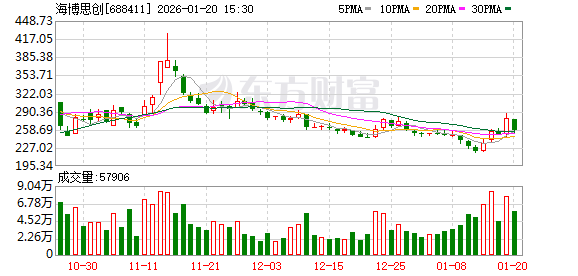
海博思创1月20日大宗交易平台出现一笔成交,成交量4.50万股,成交金额1160.42万元,大宗交易成交 价为257.87元。该笔交易的买方营业部为国信证券股份有限公司宁波分公司,卖方营业部为国信证券股 份有限公司宁波分公司。 进一步统计,近3个月内该股累计发生4笔大宗交易,合计成交金额为4608.64万元。 证券时报·数据宝统计显示,海博思创今日收盘价为257.87元,下跌7.41%,日换手率为15.27%,成交额 为15.12亿元,全天主力资金净流出1.18亿元,近5日该股累计上涨17.18%,近5日资金合计净流出2.13亿 元。 1月20日海博思创大宗交易一览 | 成交量 | 成交金额 | 成交价格 | 相对当日收盘折 | 买方营业部 | 卖方营业部 | | --- | --- | --- | --- | --- | --- | | (万股) | (万元) | (元) | 溢价(%) | | | | 4.50 | 1160.42 | 257.87 | 0.00 | 国信证券股份有限公 | 国信证券股份有限公 | | | | | | 司宁波分公司 | 司宁波分公司 | (文章来源:证券时报网) 两融数据显 ...
中高端磷酸铁锂产品供不应求 近一年超2400亿元磷酸铁锂订单锁定
Xin Lang Cai Jing· 2026-01-20 14:19
Core Insights - The lithium iron phosphate (LFP) market is experiencing significant growth, with major battery manufacturers aggressively purchasing LFP materials [1] - The total procurement of LFP materials by companies such as CATL, BYD, EVE Energy, Sunwoda, and Chuangneng New Energy has reached 6 million tons, with an order value exceeding 240 billion yuan [1] - There is a high demand for mid-to-high-end LFP products, leading to full-capacity operations at various companies including Longpan Technology, Wanrun New Energy, Fulian Precision, Fengyuan Co., and Rongbai Technology [1]





晶核能源融资数千万元,专攻固态电池“固固界面”难题丨36氪首发
3 6 Ke· 2026-01-20 13:08
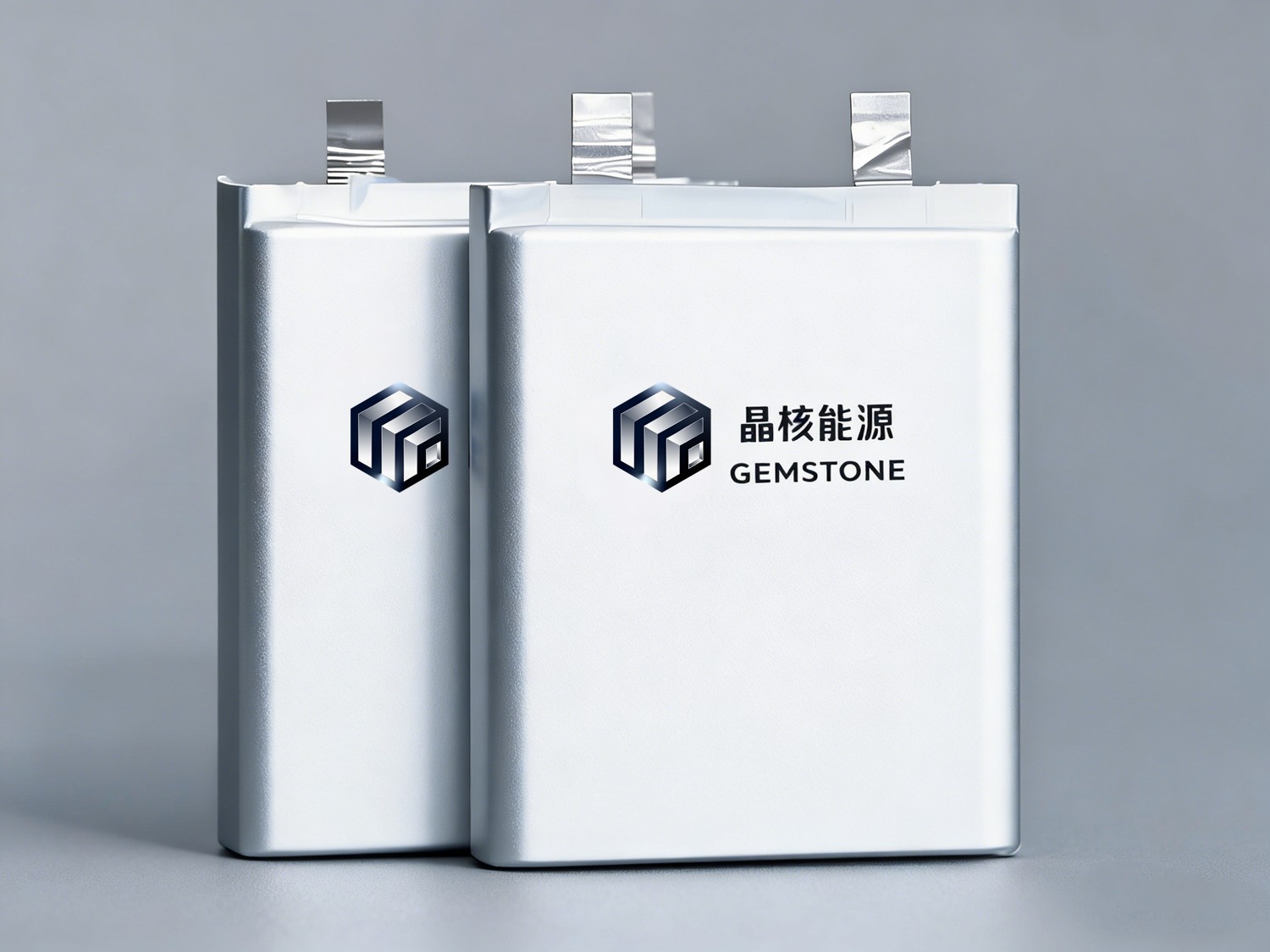
Core Insights - Jinghe Energy, a solid-state battery company born from the "Starry Sky Project," has recently completed an angel round financing of several tens of millions, led by Chasing Sky Venture Fund [1] - The funds will be used for the commercialization of solid-state battery technology, talent acquisition for the core team, and rapid global expansion [1] - Solid-state batteries are considered the holy grail in the electric vehicle sector due to their high energy density and safety, but challenges such as complex processes and high costs have hindered large-scale production [1] Company Overview - Jinghe Energy specializes in solid-state battery cells and system solutions, founded by Li Yantao, a key member of the founding team at AVIC Lithium Battery and Geely Power Battery [1] - The company has developed a coating technology for positive and negative electrodes to improve conductivity and density, aiming to enhance the charge and discharge rate to 2C by the end of 2027 [1][3] Technological Innovations - The positive electrode material used by Jinghe Energy is lithium-rich manganese-based, which can increase the energy density of the battery cell to 800 Wh/kg [3] - The company is also developing an AI Battery Management System (BMS) for precise monitoring of battery health and a CTP 4.0 architecture design to improve space utilization and reduce production costs [3] - A rib structure design maintains a 2mm gap between cells to address breathing effects during charge and discharge, while a multifunctional material enhances structural strength and thermal insulation [4] Market Position and Future Plans - Jinghe Energy has established cooperation intentions with three leading new energy commercial vehicle clients and two energy companies, with the first engineering samples expected to complete vehicle testing by Q4 2026 [4] - The application scenarios for its products include smart vehicles, energy storage, and eVTOL [4] - The company aims to achieve large-scale production of solid-state batteries by 2027, with significant market potential driven by carbon neutrality goals and energy transition [9]
当锂价冲上高位,钠电“备胎”火速上位
3 6 Ke· 2026-01-20 12:11
Core Viewpoint - The sodium-ion battery industry is experiencing a significant surge due to skyrocketing lithium carbonate prices, which have reached as high as 179,000 yuan/ton, prompting a shift towards sodium-ion technology as a cost-effective alternative [1][4][8]. Industry Overview - The sodium-ion battery industry is marked as the "year of industrialization" in 2026, with companies like CATL and BYD leading the charge alongside emerging players focused on sodium technology [2][5]. - As of 2025, China's sodium-ion battery shipments exceeded 3.7 GWh, indicating the industry's transition from laboratory to commercial viability [1]. Market Dynamics - The rising prices of lithium carbonate are driving inquiries from clients and investors, leading to increased production efforts in sodium-ion materials [2]. - The sodium-ion battery's economic viability becomes apparent when lithium carbonate prices exceed 130,000 to 150,000 yuan/ton, making it a competitive option for mid-range power and energy storage applications [4]. Technological and Production Challenges - The sodium-ion battery industry faces significant challenges, including production capacity bottlenecks and the need to improve performance metrics to match lithium batteries [10]. - Current sodium-ion batteries have energy densities ranging from 100 to 160 Wh/kg, while lithium iron phosphate batteries achieve 160 to 200 Wh/kg, highlighting the performance gap [10]. Supply Chain and Material Availability - The supply chain for sodium-ion batteries is still maturing, with key materials like hard carbon and electrolyte systems not yet reaching the stability of lithium battery supply chains [12]. - The fluctuation in lithium carbonate prices poses a risk to the cost advantage of sodium-ion batteries, as demonstrated by a recent drop of 8.99% in lithium futures [11]. Standardization Efforts - The establishment of a comprehensive standardization framework for sodium-ion batteries is underway, with multiple national and industry standards being developed to guide the industry [3][15]. - Current standards are insufficient, particularly in areas such as safety, performance requirements, and testing methods for specific sodium-ion products [14]. Future Outlook - The sodium-ion battery industry is seen as a complementary technology to lithium batteries, focusing on specific applications where its unique advantages can be leveraged [12][8]. - The ongoing development of standards and improved production capabilities will be crucial for the industry's growth and acceptance in the market [15].
动力电池年度榜单出炉:一线电池厂份额遭蚕食,新玩家登场 | 动力电池排名①
Xin Lang Cai Jing· 2026-01-20 11:45
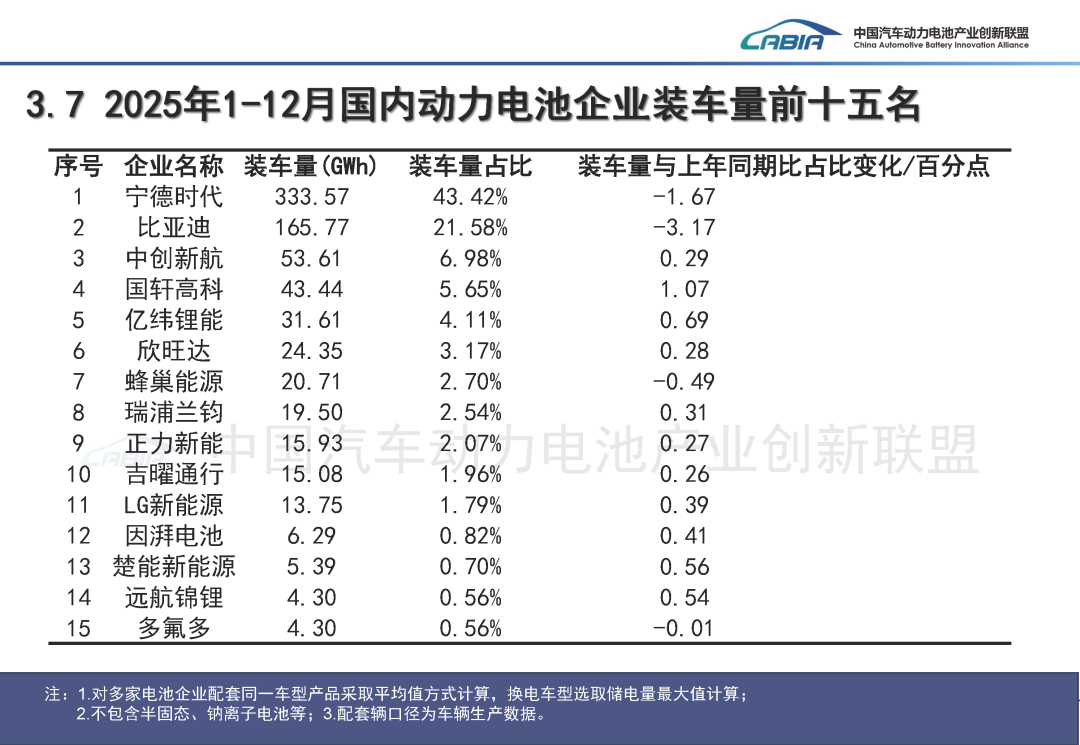
Core Viewpoint - The market share of leading battery manufacturers CATL and BYD has declined in 2025, with a combined drop of nearly 5 percentage points compared to the previous year [1][3]. Group 1: Market Performance - In 2025, the cumulative installed capacity of domestic power batteries is projected to reach 769.7 GWh, representing a year-on-year growth of 40.4% [2]. - Among the total installed capacity, ternary batteries account for 144.1 GWh (18.7%) with a year-on-year growth of 3.7%, while lithium iron phosphate batteries dominate with 625.3 GWh (81.2%) and a year-on-year growth of 52.9% [2]. - CATL leads the market with an installed capacity of 333.57 GWh, holding a market share of 43.42%, while BYD follows with 165.77 GWh and a market share of 21.58% [2][4]. Group 2: Market Share Changes - Both CATL and BYD experienced a decline in market share in 2025, with CATL down by 1.67 percentage points and BYD down by 3.17 percentage points, marking the largest declines among the top fifteen battery manufacturers [3][4]. - In contrast, the majority of second and third-tier battery manufacturers saw an increase in market share, indicating a competitive shift in the industry [5][6]. Group 3: Emerging Competitors - Guoxuan High-Tech recorded the highest market share growth among the top fifteen, achieving an installed capacity of 43.44 GWh and a market share increase of 1.07 percentage points [6][7]. - The rankings for the top five battery manufacturers remained unchanged, while the positions from sixth to fifteenth experienced significant reshuffling, with several new entrants making their debut [8][10]. - New companies like Jiyao Tongxing and Choneng New Energy have entered the top fifteen list, reflecting the growing trend of automakers developing their own battery solutions [11][14]. Group 4: Overall Industry Trends - The total production of power and other batteries in China reached 778.1 GWh in the previous year, with a year-on-year growth of 42.5% [15]. - The cumulative sales of power and energy storage batteries amounted to 1,700.5 GWh, with power batteries accounting for 1,200.9 GWh (70.6%) and energy storage batteries for 499.6 GWh (29.4%) [16]. - The export of power batteries reached 189.7 GWh, representing 62.2% of total exports, with a year-on-year growth of 41.9% [17].
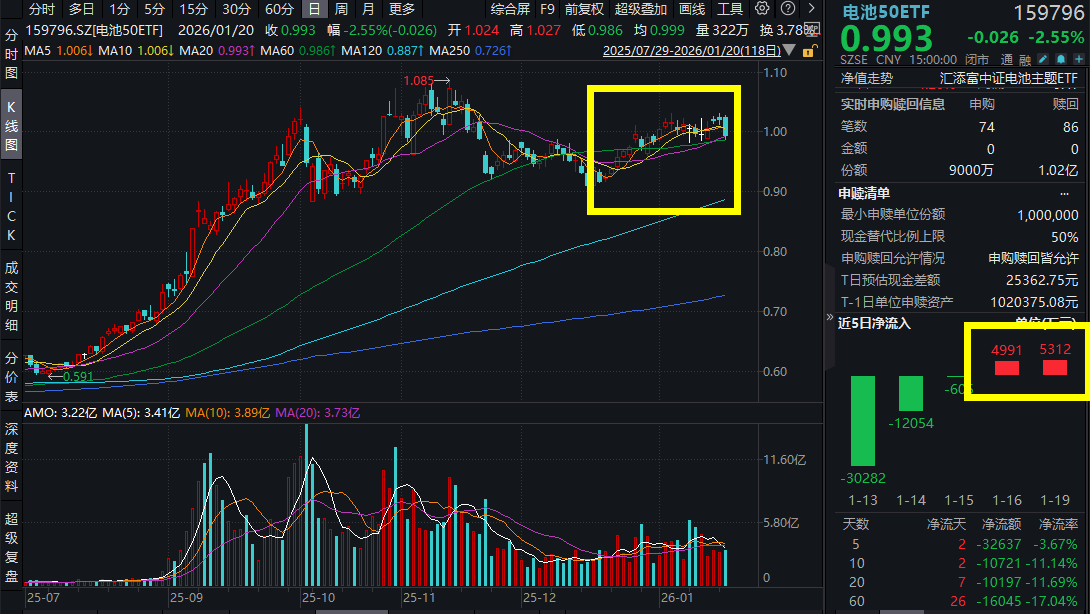
电池板块承压,阳光电源跌超5%,电池50ETF(159796)跌超2%,四连涨后首度回调,固态电池催化密集落地,产业化进程提速!
Xin Lang Cai Jing· 2026-01-20 11:44
Core Viewpoint - The A-share market experienced fluctuations with the battery sector under pressure, as evidenced by the decline of the Battery 50 ETF (159796) by 2.55% after four consecutive days of gains, with a trading volume of 322 million yuan [1]. Group 1: Market Performance - The Battery 50 ETF (159796) saw most of its constituent stocks decline, with significant drops including Sunshine Power down over 5%, and others like Xian Dao Intelligent and Multi-Fluorine down over 4% [3]. - The top ten constituent stocks of the Battery 50 ETF include major players such as Sunshine Power and Ningde Times, with varying declines in their stock prices [4]. Group 2: Project Announcements - On January 19, China Energy Construction announced the procurement results for a 153 MW battery storage project in South Africa, with Sunshine Power winning the bid for a total project capacity of 742.22 MWh and a contract value of 528 million yuan (approximately 0.86 yuan/Wh) [5]. Group 3: Industry Trends - The battery sector is expected to recover due to multiple catalysts, including a surge in demand for energy storage, rising material prices, and accelerated solid-state battery technology [6]. - Global demand for large-scale energy storage is projected to exceed expectations, with a forecasted growth of over 60% by 2026, driven by various market factors including the U.S. Inflation Reduction Act [7]. - Prices of upstream raw materials have generally increased, with battery-grade lithium carbonate rising by 64.4% to 157,000 yuan/ton, and lithium hydroxide up by 77.51% to 150,000 yuan/ton as of January 16, 2026 [8]. Group 4: Technological Developments - The solid-state battery sector is witnessing rapid advancements, with significant policy support and market catalysts enhancing industry prospects [9]. - Major automotive manufacturers are accelerating the integration of solid-state batteries, with companies like FAW Hongqi and GAC Group making substantial progress towards mass production by 2027 [9]. Group 5: Investment Opportunities - The Battery 50 ETF (159796) is positioned to benefit significantly from the energy storage sector, with a storage component of 18.7%, and a solid-state battery component of 45%, indicating strong growth potential [10]. - The ETF's focus on energy storage and power batteries, along with its low management fee of 0.15% per year, makes it an attractive investment option for capturing opportunities in the battery sector [16].