专利贷

Search documents
十五五开局 宁波银行以客户为中心,赋能高质量发展
Quan Jing Wang· 2026-01-13 08:47
Core Insights - Ningbo Bank is positioned for a key transformation period in 2026, focusing on serving the real economy with a customer-centric approach and a comprehensive service system [1] Financial Performance - As of September 2025, Ningbo Bank's total assets reached 3.58 trillion yuan, a 14.50% increase from the beginning of the year [1] - Customer loans and advances amounted to 17.2 trillion yuan, up 16.31% year-on-year, with corporate loans growing by 30.83% [1] - Customer deposits totaled 2 trillion yuan, reflecting an 11.52% increase from the start of the year [1] - For the first nine months of 2025, the bank reported operating income of 55 billion yuan, an 8.32% year-on-year growth, and a net profit attributable to shareholders of 22.4 billion yuan, up 8.39% [1] - The annualized weighted average return on equity stood at 13.81%, with basic earnings per share of 3.35 yuan, a growth of 8.77% [1] - By the end of Q3, operating cash flow per share reached 33.68 yuan, a significant increase of 78% year-on-year [1] Service and Product Development - Ningbo Bank has established a multi-dimensional and differentiated service system, with foreign exchange trading volume reaching 72 billion USD in the first half of 2025 [2] - Wealth management clients reached 12.31 million, with private banking assets under management totaling 358.5 billion yuan [2] - The bank's digital transformation includes the upgrade of its treasury management system and the launch of new digital products, enhancing service efficiency [2] - As of June 2025, the bank's wealth management product scale was 601.1 billion yuan, and its international settlement volume was 158 billion USD, a 19% increase year-on-year [2] Risk Management and Asset Quality - As of September 2025, Ningbo Bank maintained a non-performing loan ratio of 0.76%, with a provision coverage ratio of 376% [3] - The capital adequacy ratios are robust, with a core tier 1 capital ratio of 9.21%, a tier 1 capital ratio of 10.70%, and a total capital ratio of 14.62% [3] Strategic Focus - In 2026, Ningbo Bank aims to enhance its customer-centric approach, providing comprehensive financial services to support clients in asset management and risk management [4] - The bank plans to leverage digital systems and open banking to improve operational efficiency and support high-quality development for clients [4] - Ningbo Bank is committed to comprehensive risk management and sustainable development, aiming to create more value for society, shareholders, and customers [4]

央行2026年适度宽松货币政策对不同类型银行的影响与应对
Jin Rong Jie· 2026-01-08 13:01
Core Viewpoint - The People's Bank of China (PBOC) will implement a moderately accommodative monetary policy in 2026, focusing on promoting high-quality economic development and reasonable price recovery, while maintaining ample liquidity and relatively loose financing conditions [1][2]. Monetary Policy Predictions - The PBOC is expected to lower the reserve requirement ratio (RRR) 1-2 times in 2026, releasing long-term liquidity of 1-2 trillion yuan, and reduce interest rates by 10-25 basis points, with a higher probability of lowering the 5-year Loan Prime Rate (LPR) [2]. - The target for social financing costs is to maintain them at historically low levels, with the average interest rate for new corporate loans around 3% [2]. - Social financing and M2 growth rates are expected to align with economic growth (around 5%) and price level targets (around 2%), with an average asset growth rate of about 8% across industries [2]. Impacts on Different Types of Banks Large State-owned Commercial Banks - Expected to increase new loans by approximately 15 trillion yuan, with a focus on key sectors [3]. - Net interest margin is projected to be around 1.4%, as the decline in funding costs is expected to exceed the decline in asset yields [3]. - Anticipated growth in bond underwriting income and wealth management scale by over 10% due to strong comprehensive financial service capabilities [3]. - Non-performing loan (NPL) ratio is expected to drop below 1.2% [3]. Joint-stock Banks - Anticipated growth in technology and green finance loans by around 20% due to high marketization and product innovation capabilities [4]. - Net interest margin is expected to decline to below 1.5% [4]. - Digital transformation is expected to accelerate, with online credit approval rates reaching 80% [4]. - New customer acquisition is expected to increase significantly, with innovative products like "computing power loans" being introduced [4]. Urban Commercial Banks - Expected loan growth in local key industries and small businesses by around 20% [5]. - Net interest margin is projected to be between 1.4% and 1.5% [5]. - Anticipated growth in inclusive finance loans by around 15% [6]. - Digital service capabilities are expected to improve, with online channel coverage reaching 90% [6]. Rural Small Banks - Expected growth in agricultural and small business loans by around 15% [7]. - Anticipated reduction in funding costs, with the reserve requirement ratio dropping to around 4.5% [7]. - Policy support for inclusive finance is expected to increase by 30% [7]. - NPL ratio is projected to decrease to around 2.5% [7]. Challenges Faced by Different Types of Banks Large State-owned Banks - Facing pressure from narrowing net interest margins due to competitive pricing from large clients [8]. - Digital transformation efforts may be hindered by organizational complexity [8]. - High risk concentration in real estate and local government debts [8]. Joint-stock Banks - Expected further narrowing of net interest margins due to high funding costs [9]. - Capital replenishment pressure is significant, with an estimated need for 800 billion yuan [9]. - Risk control capabilities will be tested due to the high-risk nature of technology finance [9]. Urban Commercial Banks - Anticipated decline in net interest margins, with some nearing 1% [10]. - Increased liquidity risk due to high reliance on central bank funding [10]. - Digital transformation may lag behind due to insufficient investment [10]. Rural Small Banks - Weak risk control capabilities may lead to higher NPL ratios [11]. - Expected decline in net interest margins, with some nearing 1% [11]. - Digital transformation challenges due to small scale and lack of professional talent [11]. Differentiated Response Strategies - Large state-owned banks should focus on comprehensive financial services and enhance their role as policy transmission hubs [13]. - Joint-stock banks should strengthen their competitive advantages in technology and green finance [14]. - Urban commercial banks should deepen their local market presence and enhance digital services [15]. - Rural banks should focus on serving rural revitalization and enhance their financial service capabilities [16]. Summary and Outlook - The PBOC's accommodative monetary policy presents opportunities for total expansion, structural optimization, and profit enhancement for the banking sector, while also posing challenges such as narrowing net interest margins and risk management [17]. - Different types of banks should adopt differentiated strategies based on their strengths and characteristics to navigate the evolving landscape [18].
赋能高质量发展行稳致远 宁波银行获评“年度上市银行”
Cai Jing Wang· 2025-12-31 07:24
Core Viewpoint - Ningbo Bank has been recognized as the "Annual Listed Bank" in the 2025 Financial Industry Annual Selection for its outstanding performance in business development and commitment to serving the real economy [1] Group 1: Financial Performance - As of September 2025, Ningbo Bank's total assets reached 35,783.96 billion yuan, a 14.50% increase from the beginning of the year [2] - The bank reported operating income of 54.976 billion yuan and a net profit attributable to shareholders of 22.445 billion yuan, reflecting year-on-year growth of 8.32% and 8.39%, respectively, outperforming the industry average [2] Group 2: Loan and Deposit Growth - Total loans and advances amounted to 17,168.23 billion yuan, marking a 16.31% increase since the beginning of the year [3] - Total deposits reached 20,478.04 billion yuan, up 11.52% from the start of the year [3] Group 3: Risk Management - As of September 2025, the non-performing loan ratio stood at 0.76%, unchanged from the beginning of the year, with a provision coverage ratio of 375.92% [3] - The bank has maintained a non-performing loan ratio below 1% for 18 consecutive years since its listing, showcasing strong asset quality [3] Group 4: Strategic Initiatives - Ningbo Bank is committed to integrating national strategies with its development, focusing on five key areas: technology finance, green finance, inclusive finance, pension finance, and digital finance [3][4] - The bank has been recognized for its achievements, ranking 72nd in the Global 1000 Banks list by The Banker magazine, an improvement of 8 places from the previous year [4] Group 5: Social Responsibility and Innovation - The bank emphasizes its role in supporting the real economy and has developed specialized products like patent loans and technology loans to foster new technologies [5] - It has also integrated green development into its strategic management, with green loan balances exceeding 68 billion yuan, expected to facilitate a carbon reduction of over 230,000 tons [5] Group 6: Future Outlook - Looking ahead, Ningbo Bank aims to uphold the principle of "professionalism creates value" while continuing to serve the real economy and empower social progress [7]
举牌、重组!银行业十大关键词→
证券时报· 2025-12-26 09:07
Core Viewpoint - In 2025, the Chinese banking industry is expected to demonstrate resilience amidst economic cycles, focusing on serving the real economy, embracing transformation, and maintaining a bottom line as a "certainty anchor" [1][2]. Group 1: Banking Industry Overview - The banking sector is navigating through challenges such as interest margin pressures, risk exposures, and customer behavior changes, leading to a collective reassessment of development strategies [1][4]. - The total assets of commercial banks are projected to grow from 380.52 trillion yuan at the end of 2024 to 409.63 trillion yuan by September 2025, with state-owned banks' assets increasing from 190.26 trillion yuan to 208.15 trillion yuan during the same period [3]. - The non-performing loan ratio is expected to fluctuate slightly, with estimates of 1.51% in March and 1.52% in September 2025 [3]. Group 2: Industry Trends - The concept of "anti-involution" has emerged as a consensus in the industry, shifting focus from aggressive scale expansion to a more sustainable and risk-aware approach [4][5]. - Regulatory measures have been implemented to curb unhealthy competition, including prohibiting high-interest deposit solicitation and blind low-price lending [4]. - The average net interest margin for commercial banks has dropped to a historical low of 1.42%, prompting banks to optimize asset allocation and diversify revenue sources [6][8]. Group 3: Deposit Trends - The trend of "deposit migration" has accelerated, with residents seeking better yield opportunities as deposit rates decline [11]. - The scale of bank wealth management products has increased from 30 trillion yuan to nearly 34 trillion yuan, indicating a shift from traditional deposit reliance to asset management [12]. Group 4: Mergers and Restructuring - Over 400 banking institutions are expected to exit the market through mergers, dissolutions, or cancellations, marking a significant increase compared to previous years [14]. - The restructuring efforts are characterized by a focus on quality improvement rather than mere reduction in numbers, with a systematic approach to governance [14]. Group 5: Technological Advancements - The banking sector is increasingly prioritizing technology finance, with a notable rise in specialized products for tech companies and a significant increase in tech loans, which accounted for 28.8% of new loans by August 2025 [15][30]. - The application of AI in banking has evolved from efficiency enhancement to a core driver of business growth and risk management, with banks investing in AI capabilities across various operational areas [30][31]. Group 6: Capital Increases - A notable "capital increase wave" is anticipated, with state-owned banks raising 520 billion yuan through stock issuance to bolster capital adequacy [18][20]. - Regulatory bodies are facilitating timely capital replenishment while ensuring that the capital is effectively utilized to enhance service capabilities [20]. Group 7: Shareholder Engagement - The banking sector has seen a surge in insurance capital participation, with seven banks receiving significant investments from insurance companies, reflecting the attractiveness of bank stocks [22]. - Major shareholders and executives have also been actively increasing their stakes in various banks, indicating confidence in the sector's prospects [22].


举牌、重组!银行业十大关键词,看这里!
券商中国· 2025-12-26 03:37
Core Viewpoint - In 2025, the Chinese banking industry is characterized by resilience amidst economic challenges, focusing on serving the real economy, embracing transformation, and maintaining a balance between national strategy and sustainable development [1] Group 1: Regulatory Indicators - Total assets of commercial banks are projected to grow from 380.52 trillion yuan at the end of 2024 to 409.63 trillion yuan by September 2025 [2] - The non-performing loan ratio is expected to fluctuate slightly, starting at 1.50% in December 2024 and reaching 1.52% by September 2025 [2] - The core tier one capital adequacy ratio is anticipated to decrease from 11% in 2024 to around 10.87% by September 2025 [2] Group 2: Industry Trends - The banking sector is shifting from aggressive expansion to a more cautious approach, emphasizing the need to avoid "involution" or excessive competition [3] - Regulatory bodies are actively working to curb harmful competition, leading to a collective industry effort to reduce risks and improve operational efficiency [3] Group 3: Interest Margin Protection - The banking industry is facing significant pressure on net interest margins, prompting banks to optimize asset allocation and diversify revenue sources [7][9] - Banks are focusing on cost control by reducing deposit rates and managing high-cost long-term deposits [8] Group 4: Deposit Migration - A trend of "deposit migration" is emerging as residents seek better investment channels due to low deposit rates, with bank wealth management products seeing significant growth [10] - The shift in deposit behavior is driven by a "price comparison effect," leading to a decline in demand for traditional long-term deposits [10] Group 5: Mergers and Restructuring - Over 400 banking institutions are expected to exit the market through mergers, dissolutions, or consolidations, marking a significant increase compared to previous years [11] - The restructuring efforts are focused on improving the quality of financial services rather than merely reducing the number of institutions [13] Group 6: Technological Finance - The banking sector is prioritizing technological finance, with a focus on supporting innovation and providing tailored financial products for tech companies [14][15] - The proportion of technology loans in total new loans has reached 28.8%, indicating a strong push towards financing technology-driven enterprises [15] Group 7: Capital Increases - A notable "capital increase wave" is occurring, with major state-owned banks raising 520 billion yuan through stock issuance to bolster capital adequacy [17] - Smaller banks are also responding by exploring various capital-raising methods, including targeted issuance and local state-owned capital participation [17] Group 8: Shareholder Engagement - The banking sector has seen a surge in insurance capital participation, with several banks experiencing significant shareholding increases from insurance companies [18] - Asset management companies are also actively increasing their stakes in various banks, indicating strong investor interest in the banking sector [18] Group 9: Corporate Governance Changes - A significant shift in corporate governance is underway, with many banks abolishing or not establishing supervisory boards, transitioning to a single board system [21][22] - This change aims to enhance efficiency and reduce governance costs while maintaining oversight through audit committees [22][24] Group 10: AI Integration - The banking industry is undergoing a transformation driven by artificial intelligence, with major banks adopting an "AI-first" strategy to enhance their operations [25][26] - AI applications are expanding from customer service to core business processes, indicating a shift towards value creation through technology [26]


宁波银行:向“新”发力,金融“活水”浇灌科技创新沃土
Mei Ri Jing Ji Xin Wen· 2025-12-23 07:03
Core Viewpoint - Technological innovation is the core engine driving development and requires precise financial support to flourish [1] Group 1: Development of Technology Finance - Ningbo Bank has established a dedicated Technology Finance Department to provide comprehensive financial services for technology enterprises throughout their lifecycle [1] - The bank integrates various sectors such as investment banking and credit to create a collaborative service model for high-quality development of technology companies [1] Group 2: Innovative Financing Solutions - Ningbo Bank has shifted its credit evaluation from traditional financial metrics to assessing "soft strengths" like patents, R&D capabilities, and market potential [2] - The bank provided a 2.25% financing rate through a patent pledge loan to Zhejiang Globor Electronics, demonstrating its new financing approach [2] Group 3: Risk Sharing Mechanisms - The bank collaborates with government and guarantee companies to create risk-sharing mechanisms like "Intelligent Innovation Guarantee" and "Specialized Protection" for financing support [3] Group 4: Building an Ecosystem - Ningbo Bank promotes a collaborative ecosystem involving government, financial institutions, and capital markets to support technology enterprises [4] - The bank facilitated a successful investment of 45 million yuan for a commercial aerospace company, showcasing its role in connecting businesses with capital [4] Group 5: Government and Industry Fund Collaboration - The bank assists local governments in establishing industry funds to attract technology projects and optimize industrial upgrades [5] - The total scale of the investment fund supported by Ningbo Bank in Jiaxing has reached 500 million yuan, focusing on advanced manufacturing and robotics [5] Group 6: Enhancing Operational Efficiency - Ningbo Bank offers digital tools and customized services to help technology enterprises improve operational efficiency [6] - The "Bobo Zhiliao" platform provides over 20 functions, including equity design and tax planning, to support enterprise growth [6] Group 7: Continuous Innovation Support - Ningbo Bank aims to be not just a provider of funds but also a companion in innovation and ecosystem building for technology enterprises [7]

金融会客厅:累计为368家企业解决融资难题
Sou Hu Cai Jing· 2025-12-10 13:57
Core Insights - The "Financial Reception Room" mechanism has successfully facilitated 35 targeted financial enterprise connections, addressing financing challenges for 368 companies, with 312 of them being private enterprises, accounting for 84.8% of the total [2][4]. Group 1: Mechanism Features - The mechanism emphasizes precision and efficiency by selecting around 10 key enterprises with financial needs for targeted face-to-face meetings with provincial financial institutions, allowing for quick feedback on financing issues [4]. - Financial institutions conduct in-depth due diligence and provide tailored comprehensive financial service plans to help enterprises overcome challenges and grow [5]. Group 2: Addressing Pain Points - Many private enterprises face financing difficulties, such as lacking collateral despite having strong technological attributes or facing long payment cycles that strain cash flow [5]. - Financial institutions match suitable financial products to the actual needs of enterprises, including patent loans, knowledge property pledge financing, and supply chain products, while providing detailed explanations of product terms and conditions [5]. Group 3: Multi-Party Participation - The financial connection events involve not only banks but also guarantee companies, local asset management firms, and technology financial platforms, providing comprehensive financial services to enterprises [6]. - Industry authorities and associations introduce support policies and development trends, guiding enterprises in utilizing policies for transformation and equipment upgrades [6]. Group 4: Expanding Fields and Empowerment - The connection activities have expanded beyond key industrial chains to include technology, agriculture, culture, and foreign trade, with loans of 2.4 billion yuan allocated to stimulate technological enterprises [6]. - Support for 117 leading private agricultural enterprises has resulted in loans of 38.7 billion yuan, aiding in production scale expansion and equipment upgrades [6].
“金融会客厅”机制已为368家豫企协调融资难题,312家民企获贷超425亿元
Sou Hu Cai Jing· 2025-12-10 04:40
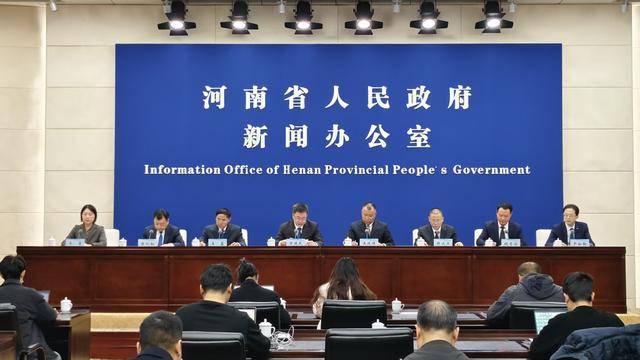
Core Viewpoint - The Henan Provincial Government is actively enhancing financial support for the private economy, focusing on high-quality development through innovative mechanisms like the "Financial Reception Room" to facilitate direct communication between financial institutions and enterprises [1][3]. Group 1: Financial Support Mechanisms - The "Financial Reception Room" mechanism has been established to improve the precision and effectiveness of financial services, conducting bi-weekly meetings for government-financial-enterprise interactions [1][3]. - Since its inception, the mechanism has organized 35 specialized financial-enterprise matching events across key industries, coordinating financing solutions for 368 enterprises, with 312 being private companies, accounting for 84.8% of the total [1][3]. Group 2: Operational Highlights - The mechanism emphasizes targeted and efficient matching, selecting around 10 enterprises with financial needs for direct engagement with provincial financial institutions, thereby shortening the financing process and enhancing efficiency [3]. - Financial institutions provide tailored financial service packages to address specific challenges faced by enterprises, such as lack of collateral or slow receivables [3]. Group 3: Collaborative Efforts - The financial matching events involve various financial entities, including banks, guarantee companies, and local asset management firms, to offer comprehensive financial services to enterprises [4]. - Industry departments and associations provide guidance on industry support policies, helping enterprises leverage these policies for modernization and collaboration [4]. Group 4: Expanding Financial Services - The financial support activities are broadening to include sectors like technology, agriculture, culture, and foreign trade, with specific loan allocations such as 2.4 billion yuan for technology enterprises and 38.7 billion yuan for agricultural leading enterprises [4]. - Financial institutions are also promoting differentiated services for foreign enterprises, focusing on cross-border settlements, overseas investments, and trade financing [4].
协同解决中小微企业融资难题
Sou Hu Cai Jing· 2025-09-24 02:19
Core Points - The event focused on enhancing communication between financial institutions and small to medium-sized enterprises (SMEs) through a structured approach of policy interpretation, product promotion, and on-site matching [3][4] - The "Handan City SME Financing Comprehensive Service Platform" was introduced as a solution to address the financing challenges faced by SMEs, emphasizing the importance of credit as a link for establishing efficient cooperation [3] - Eight banks presented various credit products tailored to different industries, including credit loans, mortgage loans, and patent loans, providing diverse financing options for enterprises [3] Group 1 - The meeting was held on September 18, organized by the Guangping Administrative Approval Bureau, with participation from the Handan Administrative Approval Bureau, eight banking institutions, and over twenty SME representatives [3] - The platform aims to alleviate the pain points of "difficult and expensive financing" for SMEs by offering comprehensive online financing services that are efficient, accessible, and public-oriented [3] - The event facilitated direct discussions between enterprise representatives and bank officials regarding loan amounts, interest rates, and repayment methods, leading to customized financing solutions [4]

常熟农商银行三管齐下“贷”动制造业向新而行
Jiang Nan Shi Bao· 2025-08-11 07:39
Core Viewpoint - Advanced manufacturing has become a new driving force for county-level economic growth, with Changshu Rural Commercial Bank playing a crucial role in supporting the transformation and upgrading of this sector through targeted financial services [1]. Group 1: Financial Support Mechanisms - Changshu Rural Commercial Bank has established "one household, one file" support archives for advanced manufacturing, implementing "one household, one policy" precision financial services to help manufacturing enterprises upgrade and develop [1]. - The bank collaborates with government departments, industry associations, and industrial clusters to accurately grasp policy directions and development strategies, providing references for investment and financing decisions [2]. - The bank has supported over 2,300 high-tech enterprises, enhancing its service mechanisms and establishing a service list with dedicated personnel for targeted support [2]. Group 2: Tailored Financial Products - The bank addresses the common challenges faced by manufacturing enterprises, such as urgent funding needs and long return cycles, by innovating financial products tailored to different entities and scenarios [3]. - Loan terms and repayment methods are set based on the development stage and funding needs of manufacturing enterprises, including order financing and equipment loans [3]. - New types of collateral-based credit products, such as patent loans and equity loans, have been introduced to alleviate financing difficulties [3]. Group 3: Enhanced Service Efficiency - To improve customer satisfaction and convenience in obtaining loans, the bank leverages technology, allowing customer managers to collect data on-site and enabling mobile loan processing [4]. - The bank has delegated loan approval authority to branch institutions to enhance response speed and streamline the credit approval process [4]. - The bank has simplified loan application materials and advanced online approval processes, facilitating rapid credit granting to help enterprises seize market opportunities and enhance competitiveness [4].