剧本杀

Search documents
湖南商业持续孕育新业态 以“湖湘特色”打造消费新场景
Zhong Guo Xin Wen Wang· 2026-02-01 03:43
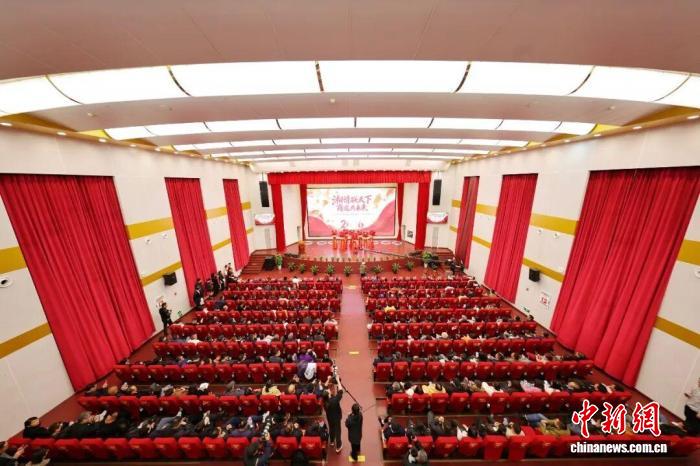
Core Insights - Hunan's commercial sector is evolving with diverse new business models, focusing on "new consumption, new scenarios, and new formats" to drive high-quality development [1][2][5] - The province aims to leverage its market potential of over 66 million people to enhance consumption quality and expand capacity, aligning with the "14th Five-Year Plan" [5] Group 1: New Business Models - Traditional enterprises in Hunan are innovating and integrating across sectors to explore new growth paths [1] - The Wanjiali business district exemplifies this trend, featuring a mix of dining, entertainment, and retail, attracting high-profile visitors and showcasing the city's commercial vitality [1] - New consumption models, such as the "home + automotive" integration, are being introduced to lead consumer trends [1] Group 2: Cultural and Entertainment Offerings - The Five-One business district in Changsha offers a variety of entertainment options, including escape rooms and live performances, enriching the nighttime cultural supply [2] - New consumption theaters are collaborating with local brands and accommodations to integrate cultural experiences into daily life [2] Group 3: Strategic Initiatives - The Hunan Provincial Commercial Association is committed to the "Strong Province" strategy, engaging with over 60 member enterprises and providing more than 200 strategic suggestions [3] - The association has organized numerous events to foster collaboration and enhance consumer engagement, contributing to a collective effort to boost consumption [3] Group 4: Future Development Plans - Hunan plans to innovate consumption models under the "Trendy and Fun" initiative, promoting the replacement of large consumer goods and expanding the supply of green and smart products [5] - The province aims to create high-quality commercial districts and night economy hubs that reflect local culture while attracting international events and brands [5] - The association will continue to focus on member needs, optimizing services and encouraging participation in emerging sectors like AI and low-altitude economy [5]

沉浸式娱乐需以质取胜
Xin Lang Cai Jing· 2026-01-31 16:26
Core Insights - The immersive entertainment sector, particularly escape rooms and script murder games, has experienced explosive growth in the past, driven by young people's preferences for social gatherings [1] - However, this rapid expansion has revealed various issues, including operational hours, script design, and user safety, prompting regulatory updates and industry adjustments [1] - The post-pandemic era has reignited a desire for real-life social interactions, leading to an upgrade in immersive entertainment experiences, which are now becoming popular in cultural tourism projects [1] - The future direction of immersive entertainment consumption will focus on quality experiences rather than just gimmicks, necessitating further contemplation [1] Industry Trends - Immersive entertainment has transitioned into a new development phase, integrating social relief, emotional experiences, and intellectual challenges with advancements in VR technology [1] - The popularity of immersive cultural tourism experiences is being propelled by the renewed interest in real-life social interactions [1] - The industry is moving towards enhancing the quality of experiences offered, shifting away from merely relying on attention-grabbing elements [1]
场景更规范,密室有了儿童版
Xin Lang Cai Jing· 2026-01-31 16:26
Core Viewpoint - The immersive entertainment industry, particularly escape rooms and script murder games, is transitioning from chaotic expansion to regulated quality improvement due to safety concerns and new policies aimed at protecting minors and ensuring safety standards [2][5][8]. Industry Hazards - The current immersive entertainment projects often have small spaces and dim lighting, which pose safety risks during emergencies such as fires or power outages, making it difficult for customers to distinguish between game scenarios and real dangers [2][3]. - Previous incidents, including a fire in Poland that resulted in five deaths, highlight the potential dangers associated with poorly managed escape rooms and script murder venues [3]. Policy Regulations - In June 2022, five government departments issued a notice to regulate script entertainment venues, marking the first national-level management of script murder, which includes requirements for registration, safety, and age restrictions for minors [5][6]. - The regulations mandate that script entertainment venues must provide age-appropriate warnings and restrict access for minors unless accompanied by guardians, with specific guidelines for the types of scripts that can be used [5][6]. Market Response - Some venues in Changsha have begun offering child-friendly versions of escape rooms, while others have not implemented age restrictions consistently, leading to varied practices across different establishments [7]. - Certain venues have established clear age limits based on the type of script, with some specifically targeting children with non-horror themes that include educational elements [7]. - Safety measures, such as fire extinguishers and smoke alarms, are being implemented in some venues to enhance customer safety during experiences [7]. Industry Outlook - The recent policy developments are seen as a necessary step to establish safety and operational standards in the script entertainment industry, promoting a healthier market environment and eliminating non-compliant businesses [8].
武侯法院 为城市创新生态注入法治动能
Xin Lang Cai Jing· 2026-01-25 18:15
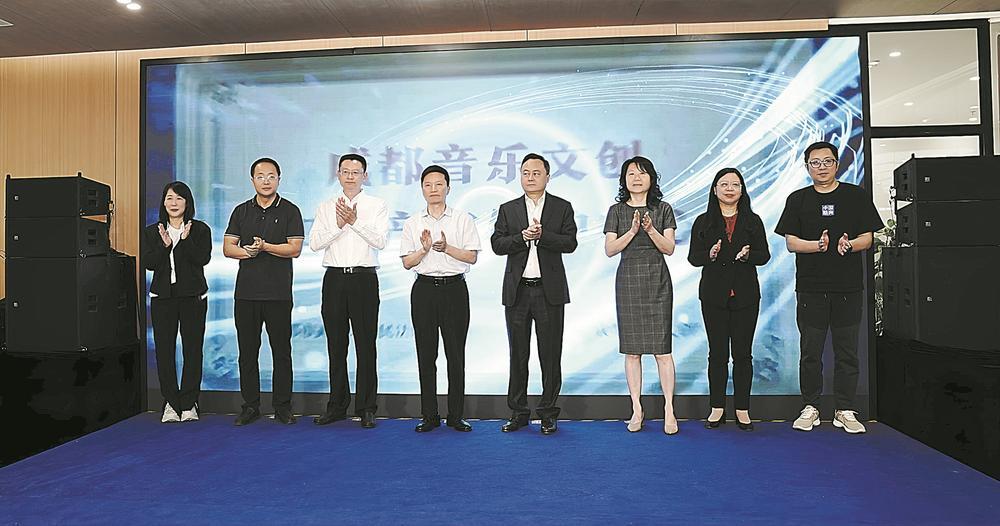
Core Viewpoint - The article emphasizes the importance of legal support in fostering innovation and protecting intellectual property rights in Chengdu's cultural and creative industries, particularly in the Wuhou District [3][4][5]. Group 1: Legal Support for Innovation - The Wuhou District People's Court has established a specialized intellectual property protection platform focused on the music and cultural creative sectors, marking a significant step in safeguarding creativity [3][7]. - The court's initiatives include "pre-execution mediation" and direct engagement with businesses to resolve disputes, which has led to the successful resolution of 48 debt-related cases for a cultural media company [5][6]. - The court aims to create a supportive legal environment that balances strict enforcement with a friendly approach, ensuring that every creative idea can thrive [4][6]. Group 2: Intellectual Property Protection Mechanisms - The Chengdu Music Cultural Creative Intellectual Property Protection Center was established as the first of its kind in the country, facilitating quick dispute resolution and encouraging companies to relocate to Wuhou District [7]. - The center has resolved over 240 disputes and provided tailored services to more than 50 key enterprises, demonstrating its effectiveness in protecting intellectual property [7][8]. - The court has developed a comprehensive protection model that includes risk prevention, dispute resolution, and judicial remedies, ensuring a full-cycle approach to intellectual property rights [7][8]. Group 3: Judicial Clarity and Regulation - The Wuhou Court has set clear legal boundaries for new business models, such as the ruling on the copyright of "script murder" games, which clarified that the core of such games is protected under copyright law [8]. - The court has handled over 12,000 intellectual property cases in the past five years, employing a "three-in-one" trial mechanism to provide comprehensive protection for innovation [8][9]. - Recent rulings have established judicial precedents that guide digital platform governance, ensuring that platforms actively manage compliance rather than reactively handle complaints [8].
“德信杯”高校智力竞技联赛落幕 135名学子同台竞技
Zhong Guo Xin Wen Wang· 2025-12-16 08:50
Core Insights - The "Dewin Cup: Smart Competition for the Future" college intelligence competition successfully concluded at Chengdu College of Electronic Science and Technology, attracting 135 students from various universities in Sichuan [1] - The event featured popular intellectual sports such as script killing and Three Kingdoms killing, providing a platform for students to engage and compete [1] - Over 65% of participants were first-time entrants in college-level intellectual competitions, indicating significant growth potential for intellectual sports among university students [1] Company and Industry Developments - Dewin Gaming, the event organizer, aims to deepen collaboration with more universities in Sichuan to promote a healthy and standardized culture of intellectual competition [2] - The intellectual sports sector in Chengdu is experiencing rapid development, evolving into a more standardized and youthful industry, becoming an important part of urban youth culture [1] - Chengdu has successfully hosted multiple national and provincial-level intellectual sports events, with ongoing improvements in supportive policies for the related industry, laying a solid foundation for promoting intellectual competition culture in universities [1]
扩大服务消费:稳增长的幸福密码
Sou Hu Cai Jing· 2025-11-15 23:47
Core Insights - The article highlights a shift in Chinese consumer behavior from material purchases to experiential consumption, indicating a new economic engine focused on service consumption [4][6] - Service consumption in China has reached 46.8% of total consumption, showing significant growth potential compared to developed countries where it stands at around 60% [4][6] - Expanding service consumption is presented as a pragmatic approach to stabilize economic growth and improve people's livelihoods [4][6] Group 1: Strategies for Expanding Service Consumption - The first strategy involves relaxing entry barriers to allow more social capital into sectors like elderly care, childcare, cultural tourism, and housekeeping, as well as introducing international quality medical and educational models [5][6] - The second strategy focuses on integrating various business formats to enhance consumer experiences, utilizing digital technology, cultural content, and physical spaces to create immersive experiences [6][7] Group 2: Long-term Implications - Service consumption is characterized as a long-term benefit rather than a short-term stimulus, with the potential to contribute significantly to high-quality economic development as supply becomes richer and income stabilizes [7]

万字深度专访许纪霖(下):“新情感经济时代”已经降临?
Jing Ji Guan Cha Bao· 2025-10-27 06:28
Core Insights - The younger generation is constructing a new spiritual world on an emotional level, moving away from the lofty ideals of previous generations and building their own "abstract world" within a digital and communal context [2][5][6] - "Molecular communities" have emerged, characterized by small yet cohesive groups that foster emotional connections and a new type of "emotional economy" centered around shared experiences [2][12] - The phenomenon of emotional expression and community building is reshaping how individuals find meaning and belonging, indicating the arrival of a "new emotional economy era" [2][8][12] Emotional Economy and Community - The younger generation engages in activities like concerts and fan culture, which serve as emotional outlets and create a sense of being seen and shared experiences [2][10] - These activities are not merely escapism; they provide a space for emotional connection and community, contrasting with the isolation often felt in daily life [9][12] - The rise of "2.5D" spaces, where virtual and real-life interactions blend, highlights the need for communal experiences that affirm identity and belonging [10][11] Cultural Shifts and Ideological Changes - The shift from grand narratives to personal, relatable experiences reflects a broader cultural change, where young people prioritize concrete, everyday realities over abstract ideals [5][6] - The concept of "playing with abstraction" signifies a departure from traditional belief systems, leading to the creation of a "godless transcendent world" that is unique to the younger generation [6][7] - Shanghai's cultural landscape, characterized by its openness to new ideas and practices, has become a hub for this new generation's cultural expressions, particularly in the realm of "2D" and "2.5D" cultures [20][21][23] Challenges and Future Directions - Despite the emotional connections formed in these communities, there is a concern that they may not translate into meaningful engagement with the real world, leading to a cycle of escapism [2][9][33] - The challenge lies in whether these "molecular communities" can evolve into a cohesive cultural collective that integrates into broader societal structures [19][26] - The potential for new cultural expressions and narratives that resonate with the younger generation's experiences remains an open question, as they navigate their identities in a rapidly changing world [34][35][36]
为热爱买单 年轻人这样安排“情绪假期”
Zhong Guo Qing Nian Bao· 2025-10-10 00:42
Core Insights - The article discusses the trend of emotional consumption among young people in China, highlighting how they engage in purchasing items that provide emotional satisfaction and personal fulfillment [1][2][3] Group 1: Emotional Consumption Trends - Young consumers are increasingly purchasing items, referred to as "谷子" (Goods), which represent not just products but also emotional experiences and connections to their interests [2][3] - Activities such as buying blind boxes, attending concerts, and participating in themed markets are popular among young people as they seek emotional companionship and psychological satisfaction [3][4] Group 2: Online and Offline Experiences - The combination of online and offline experiences forms a comprehensive emotional holiday for young consumers, where they share their experiences on social media after participating in activities [4] - The cycle of experiencing, recording, and sharing emotions creates a warm connection among young people, transforming them from mere consumers into "editors of emotions" [4] Group 3: Rational Consumption - Young consumers are beginning to adopt a more rational approach to their spending, focusing on quality over quantity and ensuring that their purchases align with their true interests [5][6] - Regulatory measures are being implemented to address issues in the blind box market, including guidelines for transparency in odds and restrictions on sales to minors [6]
十一假期还没到,4个反常现象出现,消费风向彻底变了
Sou Hu Cai Jing· 2025-09-22 13:42
Core Insights - The article highlights a significant shift in consumer spending from traditional retail to experiential purchases, indicating a growing preference for experiences over material goods [1][3][11] Consumer Behavior - In major shopping centers, traditional retail areas are experiencing a decline in foot traffic, with some areas seeing a nearly 40% drop in customer visits, while entertainment venues are thriving [3][5] - The overall retail sales growth rate for social consumer goods in the first eight months of the year is only 3.4%, contrasting sharply with the booming cultural and entertainment market [3][5] - Consumers, particularly younger individuals, are increasingly valuing experiences, such as attending concerts or participating in immersive activities, over purchasing physical items [5][7][11] Experience Economy - The rise of the "experience economy" is evident, as businesses adapt to consumer preferences by offering lifestyle-oriented services rather than just products [11][12] - Retailers are transforming their spaces to create comfortable environments that encourage longer visits, which can lead to increased sales [12][14] - Technological advancements, such as AR fitting rooms and mobile payments, are enhancing the experience economy, making it easier for consumers to engage and purchase [14][16] Economic Impact - The experience economy is not only revitalizing local economies but also creating new job opportunities in sectors like tourism, culture, and entertainment, with a reported 21% increase in employment in these areas compared to the previous year [16][18] - Innovative roles, such as immersive experience designers, are emerging as businesses focus on creating engaging and interactive consumer experiences [18] Government Initiatives - Governments are recognizing the importance of the experience economy and are implementing policies to encourage spending on experiences, such as paid leave and cultural consumption vouchers [18][20] - The article discusses the potential for experience-based spending to serve as a new economic driver, emphasizing the need for creativity and engagement in consumer offerings [18][20]

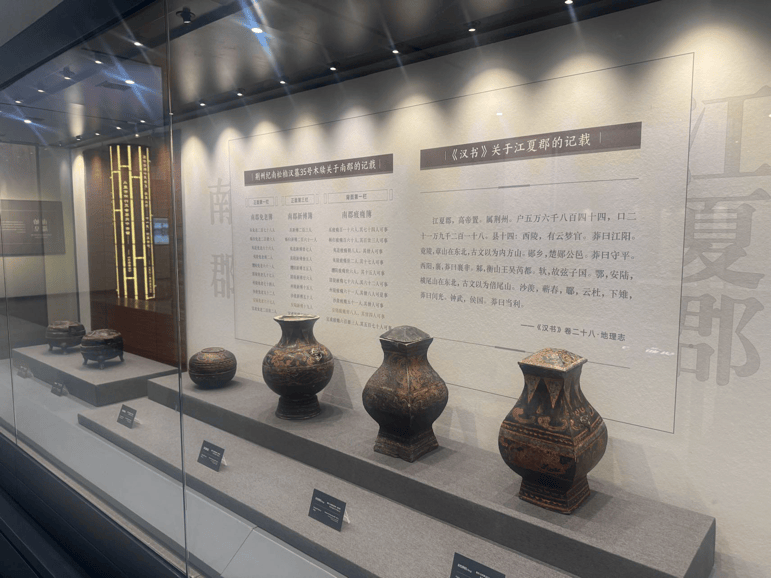
活力中国调研行丨当秦简遇见电音:云梦文旅激活消费新引擎
Sou Hu Cai Jing· 2025-08-26 18:53
Core Insights - The article highlights the transformation of Yunmeng County's night economy through innovative cultural and tourism integration, attracting significant visitor engagement and boosting local employment opportunities [1][5][6]. Group 1: Cultural and Economic Development - The Yunmeng Museum has invested nearly 50 million yuan since 2022 to enhance visitor experience with AR technology and immersive exhibits, leading to a cultural consumption shift from mere viewing to purchasing, with creative product sales exceeding 4 million yuan in the first seven months of the year [3][5]. - The Xiangyun Bay area features 257 ancient buildings restored in various architectural styles, attracting over 2.4 million visitors from January to July, with nighttime consumption accounting for 72% of total spending [3][5]. Group 2: Employment and Community Impact - The cultural tourism boom has created over 1,800 jobs in Xiangyun Bay, with 75% of positions filled by local residents, and temporary roles during festivals adding over 500 jobs [5][6]. - Local residents are experiencing a return to their hometowns for employment opportunities, with stories of increased income from new ventures such as traditional clothing shops [5][6]. Group 3: Integration of Tradition and Modernity - The article emphasizes the successful blend of historical elements with modern entertainment, such as AR interactions in museums and night events in Xiangyun Bay, which enhance cultural engagement and economic vitality [6][7]. - The overall narrative illustrates how Yunmeng County is leveraging its historical assets to create sustainable economic growth and community well-being [6][7].