
奕凯达

Search documents
复星医药:2025年公司前三季度创新药品收入超人民币67亿元
Zheng Quan Ri Bao· 2026-02-11 13:08
Core Viewpoint - Fosun Pharma's subsidiary, Fuhong Hanlin, is a key contributor to the company's revenue, with innovative drug sales showing a robust growth trajectory and expected to expand further due to new product inclusions in national insurance directories [1] Group 1: Financial Performance - In the first three quarters of 2025, the company's innovative drug revenue exceeded RMB 6.7 billion, representing an 18.09% increase compared to the same period last year [1] - The company is experiencing steady growth in its innovative drug revenue, indicating a positive trend in its financial performance [1] Group 2: Market Expansion - The inclusion of products such as Fumai Ning, Futuoning, Wantile, and Purin in the national medical insurance directory is expected to further expand the market coverage for the company's innovative drugs [1] - The new inclusion of Yikaida in the commercial insurance innovative drug directory is anticipated to provide additional revenue growth opportunities [1] Group 3: Future Growth Drivers - Continuous progress in the clinical development of the company's innovative pipeline is expected to drive revenue growth for innovative drugs in subsequent years [1]
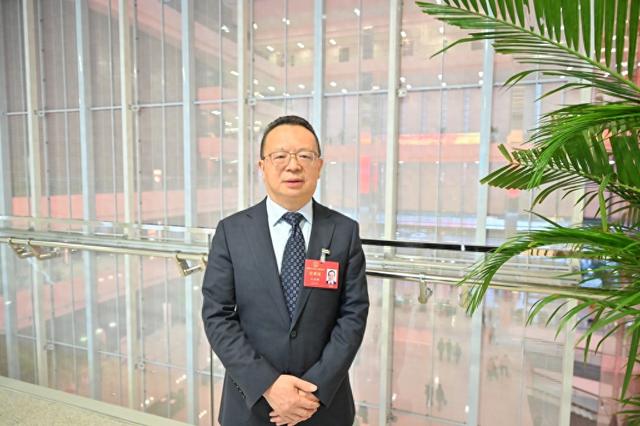
两会对话|复星医药文德镛:商保创新药目录落地仍需突破三个瓶颈
Xin Lang Cai Jing· 2026-02-04 23:58
Core Viewpoint - Despite positive policy progress, the implementation of the commercial insurance innovative drug directory faces challenges [2] Group 1: Current Status of Innovative Drugs - Currently, basic medical insurance covers 44% of innovative drug sales costs, while commercial insurance only covers 7%, leaving nearly half of the costs to be borne by patients or other channels [2] - The first version of the commercial insurance innovative drug directory was released by the National Medical Insurance Administration in December 2025, officially implemented on January 1, 2026, covering five CAR-T products, including Fosun Pharma's CAR-T product Yikaida [2] Group 2: Bottlenecks in Implementation - Three main bottlenecks need to be overcome for the effective implementation of the commercial insurance innovative drug directory: 1. Deepening the "three medical collaborations" to create a dual-channel mechanism of "medical insurance + commercial insurance" [2] 2. Optimizing the process and mechanism connections, enhancing cooperation between insurance companies and regulatory bodies [3] 3. Strengthening patient education and awareness through collaboration between medical and insurance institutions [3] Group 3: Focus on Elderly Major Diseases - The rapid growth of the elderly population is leading to an increase in age-related diseases, such as central nervous system diseases and rare diseases, while the number of innovative drug companies in this field is limited [3] - The importance of payment support for innovative drug development for elderly diseases is emphasized, suggesting the use of medical insurance data for research and development [3][4] Group 4: Recommendations for Policy and Funding - Recommendations include creating a special fund for elderly disease research and development, lowering R&D thresholds to attract more entrepreneurs and investors, and supporting the inclusion of innovative drugs for elderly diseases in basic medical insurance and commercial health insurance directories [4] - The establishment of a milestone reward system for projects entering clinical phase II is suggested to address challenges in the elderly health sector [4] Group 5: Company Strategy and Global Collaboration - Fosun Pharma is actively seeking global collaborations and has announced multiple business development transactions, indicating a recognition of China's innovative capabilities internationally [5] - The company focuses on core areas such as oncology, immune inflammation, and central nervous system diseases, utilizing diverse methods like licensing and collaborative development to enhance its pipeline and market presence [5]

复星医药接力攻坚甘露特纳临床研究,积极布局阿尔茨海默病治疗领域
Hua Xia Shi Bao· 2025-12-24 04:12
Core Viewpoint - The Alzheimer's treatment drug, Ganluo Sodium Capsule, is entering a new phase under Fosun Pharma after facing scientific scrutiny and market challenges, with plans for post-marketing confirmatory clinical trials approved by the National Medical Products Administration (NMPA) [1][2]. Group 1: Clinical Development and Market Position - Fosun Pharma has announced a post-marketing confirmatory clinical trial plan for Ganluo Sodium Capsule, with an increased sample size of 1,950 participants, aiming for completion by the end of 2027 and data release in early 2029 [1][2]. - The drug was conditionally approved for marketing in November 2019 and has since benefited hundreds of thousands of patients, with sales exceeding 1 billion yuan since its inclusion in the national medical insurance catalog in 2021 [1][2]. - The price of the drug decreased from 895 yuan to 296 yuan after being included in the national medical insurance catalog, with over 2 million boxes expected to be sold in 2024 alone [1]. Group 2: Scientific and Regulatory Challenges - The drug faced challenges due to the NMPA not approving the extension of its conditional marketing authorization, leading to a supply interruption and various criticisms [2]. - Prior to conditional approval, Ganluo Sodium Capsule completed phase III confirmatory clinical trials with 818 participants across 34 clinical research centers, and real-world studies involving 3,300 participants have been submitted to validate its long-term safety and efficacy [3]. Group 3: Market Demand and Strategic Response - Alzheimer's disease has become a significant public health challenge in China, with nearly 17 million patients reported in 2021, representing 29.8% of global cases [4]. - The existing treatment options are limited and primarily symptomatic, highlighting a substantial unmet clinical need for effective therapies [4][5]. - The Chinese government is encouraging innovation in drug development, aligning with Fosun Pharma's strategic focus on addressing unmet clinical needs in the Alzheimer's treatment space [5]. Group 4: Company Capabilities and Future Outlook - Fosun Pharma's confidence in taking over the Ganluo Sodium project stems from its proven integrated capabilities in research, clinical trials, and commercialization, with ongoing investments in CNS-related products [6]. - The company has successfully launched several innovative drugs in China and is expanding its clinical and commercial teams in the U.S. to support global market entry [6]. - If clinical results are positive, Ganluo Sodium could re-enter the market post-2029, enhancing Fosun Pharma's capabilities in CNS diseases and attracting further collaborations [7].
14亿控股绿谷医药,复星医药“豪赌”阿尔茨海默症“神药”?
Xin Lang Cai Jing· 2025-12-16 12:40
Core Viewpoint - Fosun Pharma announced plans to invest approximately 1.412 billion yuan to acquire Green Valley Pharmaceutical, aiming to integrate the latter's Alzheimer's treatment drug, Manluo Sodium Capsule, into its innovative drug pipeline. This move reflects Fosun Pharma's strategy to accelerate its transition from generic to innovative drugs and seek a revaluation in the capital market [1][15]. Acquisition Details - Fosun Pharma's subsidiary, Fosun Pharma Industry, will invest a total of 1.412 billion yuan to acquire control of Green Valley Pharmaceutical, which will become a subsidiary of Fosun Pharma. The transaction includes a capital transfer of 143 million yuan for 15.15 million yuan of registered capital and an additional 1.27 billion yuan for 2.009 billion yuan of new registered capital [2][16]. - After the acquisition, Fosun Pharma will hold 53% of Green Valley's shares, with plans to reduce this to 51% after further share transfers. Green Valley focuses on developing, producing, and selling drugs for neurodegenerative diseases, with its core product, Manluo Sodium Capsule, conditionally approved for Alzheimer's treatment in November 2019 [3][16]. Controversies Surrounding the Drug - Manluo Sodium Capsule has faced significant controversy since its launch, with questions regarding its mechanism of action and clinical efficacy. The drug's registration has expired, and it will not resume commercial production until it completes ongoing post-marketing confirmatory clinical trials and receives approval from regulatory authorities [4][17]. - Due to the halt in sales of its core product, Green Valley's financial performance has been adversely affected, reporting revenues of 572 million yuan in 2024 and a net profit of 70.77 million yuan, followed by a loss of 67.61 million yuan in the first nine months of 2025 [5][17]. Market Reaction - Following the acquisition announcement, Fosun Pharma's stock fell significantly, with a drop of over 9% at one point in Hong Kong, closing down 5.81% at 21.06 HKD per share, and a decline of 4.22% in A-shares, closing at 26.75 yuan per share [5][18]. Strategic Moves in Innovative Drugs - Fosun Pharma has been actively expanding its innovative drug portfolio through various strategies, including partnerships and licensing agreements. For instance, in July, it signed a licensing agreement with Newco for the development of AR1001, another drug targeting Alzheimer's disease [6][19]. - The company has also made significant investments in its cell therapy platform, acquiring full ownership of Fosun Kite and planning further capital injections to enhance its capabilities in oncology [6][20]. Financial Performance and Challenges - Fosun Pharma's financial performance has shown mixed results, with revenues of 439.52 billion yuan in 2022, declining to 410.67 billion yuan in 2024. The company reported a net profit of 25.23 billion yuan in the first three quarters of 2024, reflecting a year-on-year decline of 4.91% in revenue [10][22]. - The company has faced scrutiny regarding its financial health, with short-term borrowings reaching 16.447 billion yuan and cash reserves insufficient to cover these debts, indicating potential liquidity pressures [11][24]. Future Prospects - The success of the acquisition and the potential re-approval of Manluo Sodium Capsule remain uncertain, raising questions about its contribution to Fosun Pharma's future performance [13][24].

国泰海通走进复星医药:进博展台零距离感受中国医药创新硬实力
Quan Jing Wang· 2025-11-11 01:56
Core Viewpoint - Fosun Pharma emphasizes its commitment to innovation and open collaboration, showcasing its achievements and future potential at the China International Import Expo (CIIE) [3][7]. Group 1: Company Achievements - Fosun Pharma has participated in the CIIE for eight consecutive years, highlighting its focus on innovation and collaboration [3]. - The company has successfully transitioned from showcasing products to becoming an investor, accelerating the introduction of advanced technologies and innovative medical products to the Chinese market [3]. - The company’s CAR-T cell therapy product, Yikaida, has treated over 1,000 lymphoma patients since its launch in 2021, with a second product expected to be launched soon [5]. Group 2: Financial Performance - In the first three quarters, Fosun Pharma achieved a revenue of 29.393 billion yuan, with innovative drug revenue growing by 18.09% year-on-year [7]. - The net profit increased by 25% year-on-year, and the company invested nearly 4 billion yuan in R&D during the same period, with Q3 R&D expenses reaching 1.013 billion yuan, a 28.81% increase [7]. Group 3: Future Directions - The management plans to enhance R&D investments in oncology, non-oncology, antibody, small molecule, and cell therapy platforms to address unmet clinical needs [8]. - The company is actively working with insurance providers to reduce patient costs for advanced surgical technologies like the Da Vinci surgical robot [8]. - The successful "I am a Shareholder" event has strengthened investor confidence in Fosun Pharma's future growth and innovation capabilities in the healthcare sector [8].


第八届进博会丨从一家企业展台看全球创新与本土创新的双向奔赴
Xin Hua Wang· 2025-11-09 12:09
Core Insights - The article highlights the dual approach of global and local innovation showcased at the 8th China International Import Expo, particularly through the lens of Fosun Pharma's exhibition [1][2] - Fosun Pharma's products, such as the Marie upright particle therapy system, are designed to meet local clinical needs while also contributing to global research and development [1] Group 1: Local Innovation Impact - Fosun Pharma's CAR-T product, Yikaida, has treated over 1,000 lymphoma patients across 190 treatment centers in 29 provinces, demonstrating the local practice's role in enhancing global accessibility of CAR-T therapies [2] - The Marie upright particle therapy system is a significant innovation that reduces the treatment room size from 120 square meters to 30 square meters, making it more adaptable to existing hospital spaces [1] Group 2: Global Collaboration and Development - The Da Vinci surgical robot has evolved from being merely imported equipment to creating a surgical robot ecosystem in China, reflecting a high-quality development phase for the domestic surgical robot industry [2] - Over 15,000 medical professionals have been trained in the use of the Da Vinci robot, with their experiences feeding back into global technological upgrades [2] Group 3: Future Directions - Fosun Pharma aims to promote the local implementation of innovative technologies to provide better treatment options for cancer patients in China [1] - The company emphasizes that open collaboration is essential for accelerating innovation, positioning China as a significant opportunity for global development [2]
进博“流量”放大合作机遇
Zhong Guo Qing Nian Bao· 2025-11-05 04:52
Core Points - The China International Import Expo (CIIE) serves as a global innovation hub and a testing ground for companies worldwide, with the eighth edition featuring participation from 155 countries and regions, showcasing 4,108 foreign enterprises and covering over 430,000 square meters [1] - This year's expo will present 461 new products, technologies, and services, highlighting its role as a premier launch platform for international exhibitors [2] Group 1: Company Innovations - German company Kärcher is showcasing six globally launched new products, including the Kärcher Intelligent Cleaning Management System, which integrates IoT, big data, and AI for enhanced cleaning efficiency [3] - The ClickCopilot, a family companion robot by KOLIKMA Technology, will debut at the expo, utilizing AI for proactive interaction and monitoring, aimed at addressing the needs of elderly individuals [5][6] - Fosun Pharma is presenting a revolutionary particle therapy system that significantly reduces the size and cost of cancer treatment equipment, enhancing patient experience [7] Group 2: Market Opportunities - The expo has facilitated KOLIKMA Technology's growth by connecting with major hospitals, leading to valuable partnerships and product development opportunities [5] - Tesla's Cybertruck, featuring an innovative autonomous driving system, is set to begin mass production in Q2 2026, marking a significant advancement in electric vehicle technology [8] - BD Medical is launching seven new products at the expo, focusing on various medical fields, and emphasizing the importance of the expo in transforming exhibits into market-ready products [9] Group 3: International Trade and Collaboration - Malaysia has seen a significant increase in participation at the expo, with over 180 companies showcasing their products, benefiting from China's vast market and purchasing power [11] - The establishment of a rapid supply chain for Malaysian durians, allowing for quick customs clearance and market entry, exemplifies the expo's role in enhancing international trade [10]
复星医药20251029
2025-10-30 01:56
Summary of FOSUN Pharma Conference Call Company Overview - **Company**: FOSUN Pharma - **Industry**: Pharmaceutical and Medical Devices Key Financial Highlights - **Revenue**: For the first three quarters of 2025, FOSUN Pharma reported revenue of 29.393 billion RMB, a slight decrease year-on-year [2][3] - **Net Profit**: The net profit attributable to shareholders increased by 25.5% to 2.523 billion RMB [2][3] - **Cash Flow**: Operating cash flow was 3.382 billion RMB, up 13.23% year-on-year [2][5] - **R&D Investment**: Total R&D expenditure reached 3.998 billion RMB, a 2.12% increase year-on-year, with a significant increase of 28.81% in Q3 [2][6] Core Business Segments - **Pharmaceuticals**: - Revenue from innovative drugs exceeded 6.7 billion RMB, growing 18.09% year-on-year [3][7] - Innovative drugs now account for 32.3% of total pharmaceutical revenue, up from 25.9% in 2024 [7][8] - **Medical Devices**: - Revenue from the medical diagnostics and devices segment was 3.033 billion RMB, showing a slight decrease [8] - Breas ventilators and Intuitive Surgical systems maintained growth in installation and surgical cases [2][8] Strategic Initiatives - **Innovation Focus**: The company emphasizes innovation-driven growth, with a strong pipeline of new products and ongoing clinical trials [4][6][10] - **International Expansion**: FOSUN Pharma is actively pursuing overseas market development, enhancing capabilities in North America, Europe, Japan, Africa, Southeast Asia, and South America [4][16][17] - **Cost Control**: Production costs decreased by approximately 27%, and the company aims to enhance operational efficiency through supply chain management [13][33] Market Outlook - **Innovative Drug Market**: The innovative drug market is expected to maintain a growth rate of 25% year-on-year, with several products showing strong performance despite competitive pressures [10][12] - **Biosimilars**: The company is strategically positioned to leverage its production capabilities in the biosimilars market, despite challenges from domestic procurement policies [32][36] Future Developments - **Product Pipeline**: FOSUN Pharma has several promising products in the pipeline, including small molecule drugs and cell therapies, with expected milestones in the coming years [18][19][30] - **Vaccine Business**: The company plans to spin off its vaccine business to enhance financing channels and market competitiveness [15][31] Conclusion FOSUN Pharma demonstrates a robust financial performance with a strong focus on innovation and international expansion. The company is well-positioned to navigate market challenges and capitalize on growth opportunities in the pharmaceutical and medical device sectors.
复星医药现金流压力下创新药豪赌 12.56亿元出售资产难填96亿元窟窿?
Hua Xia Shi Bao· 2025-10-01 03:07
Core Viewpoint - Fosun Pharma is planning to transfer 100% equity of Shanghai Clone for a transaction price not exceeding 1.256 billion yuan, as part of its strategy to alleviate cash flow pressure and support its transformation into innovative drugs [2][3]. Group 1: Asset Transfer Details - The transaction involves a complex structure where a fund will be established first, followed by the asset transfer [3]. - Fosun Pharma Industry will contribute 54.6 million yuan as a limited partner in a special fund, holding 9.98% of the property share [3]. - The core asset of Shanghai Clone is a property located in Xuhui District, Shanghai, with a land area of 19,944 square meters and a building area of 45,238.55 square meters, classified as industrial land [3]. Group 2: Financial Pressure - Fosun Pharma is facing significant cash pressure, with short-term borrowings amounting to 17.862 billion yuan and total short-term debt reaching 22.646 billion yuan, exceeding cash reserves of 12.959 billion yuan, resulting in a short-term repayment gap of 9.687 billion yuan [5][7]. - The company's financial expenses for the first half of 2025 reached 640 million yuan, accounting for two-thirds of its net profit excluding non-recurring items, marking the highest semi-annual financial expense since its listing [5][7]. Group 3: Debt Structure and Risks - As of the first half of 2025, Fosun Pharma's interest-bearing liabilities totaled 36.994 billion yuan, with short-term debt comprising 61% of the total [7]. - The company's debt-to-asset ratio stands at 49.24%, which is higher than the average of 40% for A-share pharmaceutical companies [7][8]. - The cash flow from operating activities was 2.134 billion yuan, insufficient to cover short-term debts, resulting in a cash coverage ratio of approximately 0.12, indicating liquidity risk [8]. Group 4: Performance Metrics - For the first half of 2025, Fosun Pharma reported revenue of 19.514 billion yuan, a year-on-year decline of 4.63%, while net profit attributable to shareholders was 1.702 billion yuan, an increase of 38.96% [10]. - The profit growth is largely attributed to asset disposal gains of 9.491 billion yuan, which nearly doubled compared to the same period last year, while the net profit excluding non-recurring items fell by 23.39% [12][14]. - The revenue growth of key innovative drugs like "Hanshu" and "Yikaida" was lower than industry leaders, reflecting competitive weaknesses in the PD-1 market [13][14].
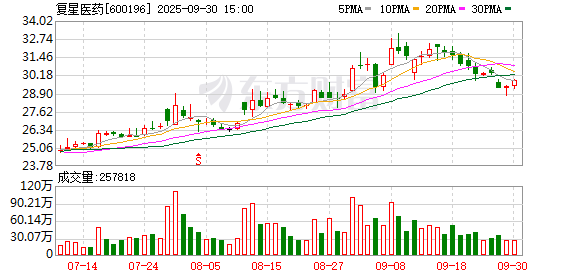
复星医药现金流压力下创新药豪赌,12.56亿元出售资产难填96亿元窟窿?
Hua Xia Shi Bao· 2025-10-01 01:00
Core Viewpoint - Fosun Pharma is facing significant cash flow pressure, prompting the company to dispose of assets to improve liquidity and support its transition to innovative drug development [3][4][10]. Group 1: Asset Disposal - Fosun Pharma's subsidiary plans to transfer 100% equity of Shanghai Clontech for a transaction price not exceeding 1.256 billion yuan [3]. - This transaction is part of a broader strategy, with over 2 billion yuan in asset disposals signed by mid-2025, aimed at supplementing cash flow for innovative drug transformation [3][4]. Group 2: Financial Pressure - As of mid-2025, Fosun Pharma's short-term borrowings reached 17.862 billion yuan, with total short-term debts amounting to 22.646 billion yuan, significantly exceeding cash reserves of 12.959 billion yuan, resulting in a short-term debt gap of 9.687 billion yuan [4][6]. - The company's financial expenses for the first half of 2025 were 640 million yuan, the highest since its listing, accounting for two-thirds of its net profit excluding non-recurring items [4][6]. Group 3: Debt Structure - Fosun Pharma's debt structure shows a total interest-bearing debt of 36.994 billion yuan, with short-term debt comprising 61% of the total [6][7]. - The company's asset-liability ratio stands at 49.24%, higher than the average of 40% for A-share pharmaceutical companies, indicating a high leverage and short-term debt profile [7][8]. Group 4: Performance Metrics - For the first half of 2025, Fosun Pharma reported revenue of 19.514 billion yuan, a year-on-year decline of 4.63%, while net profit attributable to shareholders was 1.702 billion yuan, an increase of 38.96% [11][10]. - The profit growth is largely attributed to asset disposal gains of 9.491 billion yuan, nearly doubling from the previous year, while the net profit excluding non-recurring items fell by 23.39% to 961 million yuan [13][14]. Group 5: Innovation and Market Position - The revenue from innovative drugs like "Hanshuozhuang" and "Yikaida" showed growth, but at rates lower than industry leaders, indicating potential competitive weaknesses [14][15]. - The proportion of revenue from innovative drugs is approximately 25%, below the 35% benchmark of peers like Heng Rui Pharma, raising concerns about long-term sustainability and growth potential [15].
