
抹茶饮品

Search documents
星巴克需要你在下午买一杯冰萃饮品
Xin Lang Cai Jing· 2026-02-20 15:25
Core Viewpoint - Starbucks is regaining morning customers but must capture the afternoon market to win back investor favor [2][12] Revenue Structure - Over half of the sales (approximately $12 billion annually) at U.S. company-operated stores occur before 11 AM [2][12] - After the morning caffeine peak, customer traffic significantly declines, leading to a low-traffic period [2][12] CEO's Strategy - CEO Brian Niccol aims to improve afternoon efficiency to match the peak morning hours from 7 AM to 9:30 AM, which could enhance store profitability and revive stagnant stock [2][12] Investor Sentiment - Investors are currently optimistic, with the stock rising 14% this year due to strong early performance signals [5][14] - Starbucks reported its strongest same-store sales growth in two years, indicating improved operational efficiency and transaction volume [5][14] - The company projects revenue growth of 5% or higher by fiscal year 2028 [5][14] Valuation Concerns - The stock's expected price-to-earnings ratio is around 37, significantly higher than competitors like McDonald's [5][14] - To justify this high valuation, Starbucks must not only recover morning traffic but also drive internal growth [5][14] Afternoon Market Opportunity - The afternoon period presents a significant opportunity, but it is challenging to develop [6][14] - Starbucks has been attempting to create a true consumption peak in the afternoon, investing in staff, faster equipment, and redesigned seating to enhance store appeal [6][14] Industry Comparisons - Successful turnarounds in the restaurant industry often come from expanding consumption into new time slots, as seen with McDonald's breakfast offerings [6][15] Brand Strategy - Starbucks is attempting to transform into a true all-day snack and beverage brand, which presents strategic contradictions [7][16] - The company is reviving its core brand identity and promoting a cozy café atmosphere while also offering a range of afternoon products [7][16] Consumer Trends - As the day progresses, consumers tend to shift towards sparkling drinks, iced teas, or cold brew energy drinks, indicating a need for Starbucks to adapt [7][16] - Starbucks must balance restoring its classic café vibe while promoting a full suite of afternoon offerings [8][16] Product Innovations - The company is implementing electronic menu boards to highlight afternoon products like matcha drinks and protein energy balls [8][17] - New beverage platforms are being introduced, allowing customers to customize sweetness and caffeine levels, which aligns with health trends [9][17] Afternoon Business Growth - Starbucks' afternoon business is already substantial, but filling the gap between morning lattes and afternoon energy boosts is essential for growth [9][18]



库迪咖啡回应取消9.9元活动;老乡鸡投资十五亿元建设供应链基地
Sou Hu Cai Jing· 2026-02-03 00:57
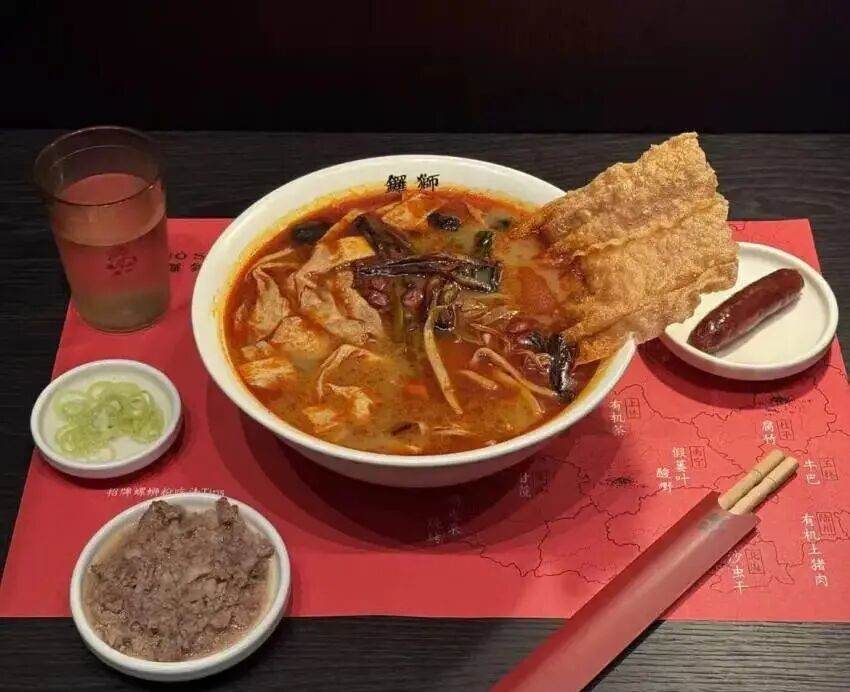
Group 1: New Restaurant Launch - A new restaurant named "鑼獅LUÓ SHĪ" has opened in Shanghai, specializing in螺蛳粉 (snail rice noodles) with a starting price of 55 yuan per bowl [2] - The restaurant has received positive consumer feedback, with reports of long queues lasting nearly 1.5 hours [2] - The menu includes various dishes such as吊龙炒螺蛳粉 and other Guangxi-style handmade dishes, positioning the restaurant as mid-to-high-end [2] Group 2: Coffee Pricing Strategy - Kudi Coffee has announced the end of its "全场9.9元不限量" promotion, effective January 31 [4] - The company will continue to offer a special price section for some products at the 9.9 yuan price point and will participate in various subsidy activities on delivery platforms [4] Group 3: Financial Forecasts - Quanjude has projected a net profit of 6 to 7.8 million yuan for 2025, representing a year-on-year decline of 82.42% to 77.15% [5] - The company anticipates a loss of 6 to 8.5 million yuan when excluding non-recurring gains and losses, marking a significant decline of 152.66% to 137.17% year-on-year [5][6] Group 4: New Production Facilities - Wei Family Catering has launched its first hamburger processing base in Yangling, which will supply the Northwest and North China regions [7] - The facility is expected to produce around 100,000 hamburgers daily, with a full capacity of 200,000 [7] - The project is anticipated to generate annual revenue of 40 million yuan and create 100 local jobs [7] Group 5: Sales Growth in the U.S. - Paris Baguette has reported a 30% increase in restaurant sales in the U.S. for 2025 [9] - New York accounted for the largest share of sales at 32%, followed by San Francisco at 17% [9] - The launch of an online ordering platform in August 2025 has contributed to this sales growth [9]
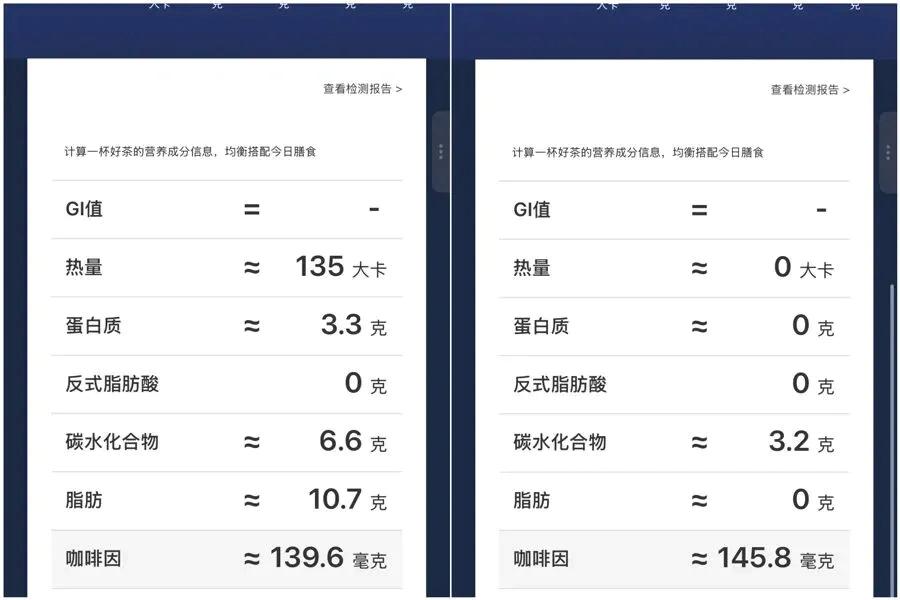
禁毒部门回应“奶茶等于准毒品”:不实
Xin Lang Cai Jing· 2026-01-02 02:00
Core Viewpoint - The Shanghai Narcotics Control Committee clarified that claims linking a certain milk tea brand to drug-like effects due to caffeine are incorrect, emphasizing that caffeine is naturally occurring and regulated for safety [1] Group 1: Caffeine and Its Sources - Caffeine is a natural alkaloid found in tea leaves, with a higher concentration (2%-5%) in dried tea compared to coffee beans (1%-2%) [2] - Various teas have different caffeine content, with black tea averaging 40-50 mg per 200-250 ml, while green tea averages 20-30 mg [3] - Common foods like chocolate and carbonated drinks also contain caffeine, with dark chocolate (≥70% cocoa) having 80-120 mg per 100 grams, and a 330 ml can of cola containing 30-40 mg [4] Group 2: Caffeine Consumption Guidelines - The recommended safe caffeine intake for healthy adults is 400 mg per day, while for individuals under 18, it is about 175 mg [5] - A 60 kg adult can consume approximately 969 grams of liquid coffee or 1524 grams of liquid milk tea daily without exceeding safe caffeine levels [5] Group 3: Caffeine Sensitivity and Risks - Pregnant women and breastfeeding mothers should limit caffeine intake due to potential effects on fetal development and infant health [6] - Individuals with gastrointestinal issues, high blood pressure, or heart rhythm disorders are advised against high caffeine consumption due to its stimulating effects [6] Group 4: Milk Tea Caffeine Content - Some milk tea brands use whole tea leaves instead of tea powder, resulting in caffeine content in a 500 ml serving potentially exceeding that of a similar volume of coffee [7] - For example, a 470 ml tea drink from a specific brand contains 90-160 mg of caffeine, while a latte has about 100 mg and an Americano around 150 mg [8] - The industry is considering implementing a "red-yellow-green light" system to indicate caffeine levels in beverages, aiding consumer awareness [8]
禁毒部门回应“奶茶等于准毒品”
券商中国· 2026-01-01 15:41
Core Viewpoint - The article clarifies that claims linking a certain milk tea brand to drug-like properties due to caffeine content are incorrect, emphasizing that caffeine is naturally occurring and regulated within safe limits [1][24]. Group 1: Caffeine Sources and Content - Caffeine is a natural alkaloid found in tea leaves, which contain 2%-5% caffeine by dry weight, higher than coffee beans at 1%-2% [3]. - The caffeine content in various teas (per 200-250ml serving) is as follows: black tea: 25-110mg (average 40-50mg), oolong tea: 12-55mg (average 30mg), green tea: 8-30mg (average 20-30mg), and white tea/Pu-erh: about 10-20mg [3]. - Tea and tea beverages are the primary sources of dietary caffeine for consumers in China, contributing 74.80% to adult caffeine intake, followed by milk tea and coffee [6]. Group 2: Health Implications of Caffeine - Moderate caffeine intake can enhance alertness, but excessive consumption may lead to dependence, characterized by withdrawal symptoms such as headaches and fatigue [4]. - The recommended safe caffeine intake is 400mg per day for healthy adults and approximately 175mg for individuals under 18 [12]. - For a 60kg adult, this translates to consuming 969g of liquid coffee or 1524g of liquid milk tea daily without exceeding safe caffeine levels [12]. Group 3: Caffeine in Milk Tea - Some milk tea brands use whole tea leaves instead of tea powder, resulting in caffeine content that can exceed that of coffee; for example, a 470ml serving can contain 90-160mg of caffeine [21]. - A typical latte contains about 100mg of caffeine, while an Americano has around 150mg, indicating that milk tea can sometimes deliver higher caffeine levels than these coffee drinks [23]. Group 4: Consumer Awareness and Regulation - The beverage industry is moving towards better transparency regarding caffeine content, with some brands adopting a "red-yellow-green light" system to indicate caffeine levels [21]. - The Chinese Tea Association plans to release standards for tea beverages, which will help consumers make informed choices about caffeine intake [21].

零零后创业探索新“茶经”
Xin Lang Cai Jing· 2025-12-28 22:35
Group 1 - The core idea of the articles highlights the rise of the local matcha culture in Tongren, with the city being recognized as the "World Matcha Super Factory" and "China's Matcha Capital" [1][2] - The local brand "Matcha Mountain Collection" has quickly gained popularity, becoming a go-to destination for tourists and locals alike, offering a variety of matcha-based products [2] - The founder, Yang Ao, aims to connect local culture with consumer products, planning to expand the brand with 17 new stores in the local market next year and exploring opportunities in first-tier markets [2] Group 2 - The brand emphasizes the use of local matcha as the sole ingredient for its products, integrating local elements into its brand culture and product development [2] - "Matcha Mountain Collection" has successfully launched diverse products, including matcha drinks, pastries, and noodles, with a unique offering of "matcha rice wine" that has gained consumer favor [2] - The brand's rapid growth is evidenced by the establishment of six direct stores and plans for further expansion, indicating a strong market presence and consumer interest [2]

贵州土特产,成了打工人的“咖啡新替”
东京烘焙职业人· 2025-12-15 08:33
Core Viewpoint - The rise of matcha products in the beverage market is driven by changing consumer preferences towards more authentic, healthier, and complex flavors, with a notable shift towards bitter and concentrated matcha varieties [5][11][24]. Group 1: Market Trends - Matcha has gained significant popularity in 2024, with 50 leading tea brands launching 73 new matcha products, laying the groundwork for its explosive growth in 2025 [8]. - The perception of matcha has shifted from being considered too bitter to being embraced as a core selling point, with brands promoting the bitterness as a reflection of the tea's authentic flavor [11]. - The introduction of "thousand-mesh" matcha, which is finer and provides a more refined experience, has become prevalent, with many brands now sourcing matcha from domestic regions like Zhejiang and Guizhou [14][28]. Group 2: Consumer Behavior - Consumers are increasingly seeking genuine flavors and healthier options, moving away from overly sweet beverages to those that highlight the natural taste of ingredients [17][24]. - Matcha is being recognized not only for its flavor but also for its health benefits, being classified as a "superfood" rich in antioxidants, making it a preferred choice for those looking for a lighter beverage compared to coffee [19][20]. - The growing trend of DIY matcha preparation at home or in the office reflects a shift in consumer behavior, with 25.83% of consumers purchasing pure matcha drinks and 23.14% opting for matcha for home preparation [22]. Group 3: Supply Chain and Production - China has become the largest producer of matcha globally, with production reaching 3,916 tons in 2020, accounting for over 55% of the world's supply [26][27]. - Japan is facing a supply crisis due to adverse weather conditions affecting the production of key matcha ingredients, leading to increased prices and limited availability [28]. - The rise of domestic matcha production, particularly from regions like Zhejiang and Guizhou, is meeting the growing global demand, with Guizhou's matcha production exceeding 1,200 tons in 2024 [29][30]. Group 4: Cultural and Brand Development - The resurgence of matcha in China is seen as a return to its roots, with efforts underway to build a unique Chinese matcha culture and brand identity [34][35]. - Local brands are beginning to incorporate traditional Chinese tea practices to differentiate themselves from Japanese matcha, aiming to create a distinct cultural narrative around Chinese matcha [36].

一眼望不到头,奈雪“快闪”纽约排长龙,网友称“老家来亲戚了”
Xin Lang Cai Jing· 2025-09-21 01:23
Core Insights - Nayuki Tea launched a pop-up store in Flushing, New York, generating significant consumer interest and long lines, indicating strong market engagement [1] - The store is strategically located in a high-traffic area with over 100,000 daily visitors and lower rental costs compared to Manhattan, contributing to its potential success [1] - The U.S. ready-to-drink tea market is growing at an annual rate of 9.1%, with substantial expansion opportunities, as no single brand holds more than 5% market share [1] Company Insights - Nayuki Tea is currently the only publicly listed company in the new-style tea beverage sector, but it remains one of the few brands experiencing ongoing losses [2] - In the first half of 2025, Nayuki reported revenue of 2.18 billion yuan, a year-on-year decline of 14.4%, with an adjusted net loss of 118 million yuan [2] - The company's international expansion is a key strategic focus as it seeks to transform its business model [2] Industry Insights - The U.S. tea beverage market is becoming increasingly competitive, with major players like Starbucks closely monitoring trends and ensuring supply chain stability [2] - The market is seeing a rise in the popularity of Asian-inspired ingredients, with black sugar milk tea sales increasing by 48.7% year-on-year [1] - Over 36% of tea shops are adopting a "tea + light food" model, indicating a trend towards product diversification within the tea beverage industry [1]
8.28犀牛财经晚报:多家银行宣布下调存款利率 国泰君安国际在香港推出加密货币交易服务
Xi Niu Cai Jing· 2025-08-28 10:28
Group 1: Banking Sector - Several small and medium-sized banks have announced a reduction in RMB deposit rates, with declines ranging from 10 to 20 basis points [1] - Three banks in Sichuan Province plan to jointly establish a wealth management company, expressing confidence in obtaining the necessary license [1] Group 2: Technology and Innovation - A new adaptive, full-bandwidth, high-speed wireless communication chip has been developed by Chinese scientists, capable of achieving over 120 Gbps transmission rates, meeting 6G communication requirements [2] - Guotai Junan International has officially launched cryptocurrency trading services in Hong Kong, allowing clients to trade various cryptocurrencies [2] Group 3: Consumer Goods - The sales of matcha beverages have surged, with new products selling over 10,000 cups in their first week, indicating a growing trend among young consumers [2] Group 4: Financial Performance Reports - Zhujiang Beer reported a net profit of 612 million yuan for the first half of 2025, a year-on-year increase of 22.51% [6] - Baolong Technology's net profit decreased by 9.15% year-on-year, despite a revenue increase of 24.06% [7] - Nanshan Aluminum achieved a net profit of 2.625 billion yuan, up 19.95% year-on-year [8] - Jindi Co. reported a net profit increase of 32.86% year-on-year, with revenue growth of 40.57% [10] - Caitong Securities reported a net profit of 1.083 billion yuan, a year-on-year increase of 16.85% [11] - Yili Co. reported a net profit of 7.2 billion yuan, a year-on-year decrease of 4.39% [12] - China Galaxy reported a net profit increase of 47.86% year-on-year, with revenue growth of 37.71% [15] Group 5: Market Trends - The ChiNext 50 Index surged by 7.23%, with significant gains in semiconductor and computing power sectors, while the overall market saw over 2,800 stocks rise [16]




茶饮换季热销 夏季属性茶饮搜索量周环比激增110%
Bei Jing Shang Bao· 2025-04-22 12:50
Core Insights - The beverage category has seen a significant increase in order volume, leading the restaurant sector in China since April 20, with a 110% week-on-week surge in searches for summer-themed drinks like "fruit and vegetable beverages," "matcha drinks," and "fresh fruit iced tea" [1] Group 1: Market Trends - Major brands such as Luckin Coffee, Grandpa's Tea, and Heytea have launched new iced tea products, with some selling out within three days of release [1] - The introduction of new products has increased by nearly 30% compared to the same period last month, driven by rising temperatures and the upcoming peak season in May [1] - Consumers are increasingly focusing on health management, leading to a notable rise in low-sugar and low-calorie fruit and vegetable tea beverages [1] Group 2: Consumer Behavior - The pairing of tea beverages with food items like fried chicken and barbecue is becoming more popular, indicating a growing trend for tea to be consumed as a meal accompaniment [1] - New product offerings include unique regional ingredients such as edamame and passion fruit, which are gaining popularity among consumers [1] Group 3: Promotional Activities - Meituan has issued a batch of "0 yuan coupons" for tea beverages to its black diamond members, valid through the May Day holiday, allowing members to order any product in the designated area for free [2] - The promotional campaign includes features like "instant pick-up" for certain food items, enabling customers to order in advance and skip the queue [2]