
文旅体验

Search documents
青岛|新春促消费 青岛出实招
Da Zhong Ri Bao· 2026-02-18 01:21
Core Viewpoint - Qingdao is actively promoting its "Le Gou Qingdao" urban consumption brand to stimulate consumer spending during the Spring Festival, aiming to create a vibrant holiday atmosphere and enhance the city's status as an international consumption center [2][3][4] Group 1: Event Highlights - Qingdao is hosting various Spring Festival market activities in key commercial areas, featuring cultural performances, traditional crafts, and interactive experiences that blend modern and traditional elements [2] - The city is leveraging its natural resources and cultural heritage in Laoshan District to create unique tourism experiences, including immersive activities and traditional cultural showcases [2] - A total of 37 Spring Festival cultural tourism projects are being launched in scenic areas, encouraging visitors to engage with local traditions while enjoying the natural beauty [2] Group 2: Consumption Initiatives - The city is focusing on six major consumption sectors: food, accommodation, transportation, tourism, shopping, and entertainment, with innovative campaigns designed to enhance the overall consumer experience [3] - A series of ten themed events will take place from New Year's Eve to the Lantern Festival, each with unique focuses to attract consumers and stimulate spending [3] Group 3: Support Policies - Qingdao is increasing subsidies for trade-in programs during the Spring Festival, promoting sales in automotive, home appliances, and digital products [4] - The city is allocating 30 million yuan in automotive consumption subsidies and an additional 16 million yuan in consumption vouchers across various sectors to benefit residents and tourists [4] - A digital platform is being utilized to streamline access to various consumer experiences, ensuring a seamless experience for users [4]
让“好气候”加速转化为生产力
Xin Hua Ri Bao· 2026-01-16 07:59
Core Viewpoint - The Chinese government is promoting the integration of climate resources into health and wellness services, aiming for high-quality development in this sector, which will enhance public welfare and economic growth [1] Group 1: Policy and Development - Seven Chinese departments have jointly issued guidelines to enhance collaborative efforts in advancing climate-related health services [1] - The shift in focus from basic weather forecasting to comprehensive health risk management indicates a significant transformation in service delivery [1] - The aging population and increasing health demands highlight the potential of the climate wellness industry to drive growth in tourism, healthcare, and elder care sectors [1] Group 2: Regional Initiatives - Various regions in Jiangsu province are developing "climate+" integrated industry ecosystems, such as "climate+ wellness" retirement models and "climate+ cultural tourism" initiatives [2] - Jiangsu's favorable climate conditions are being leveraged to create sustainable development plans that align with local resources and advantages [2] - The province is transforming intangible climate resources into tangible economic benefits, illustrating the concept that "good climate is also productivity" [2] Group 3: Policy and Technological Support - Strengthening policy coordination and technological support is essential for the sustainable transformation of climate resources into productivity [3] - Local legislation is being enacted to clarify principles and pathways for climate resource protection and utilization, ensuring orderly development [3] - The dual approach of "policy + technology" aims to enhance the efficiency of climate resource utilization while safeguarding ecological integrity [3]
情绪成为激发消费活力的新引擎
Xin Lang Cai Jing· 2026-01-04 02:26
Core Insights - Emotional consumption has become a significant trend, evolving from tangible products to intangible services, and is now a new engine for stimulating consumer activity [1][3][4] Group 1: Emotional Consumption Trends - Young consumers, particularly those born after 1995, are increasingly engaging in emotional consumption, seeking products and experiences that provide emotional value rather than just functional benefits [3][4] - The market for "emotional consumption" is projected to grow significantly, with the "谷子" economy expected to exceed 240 billion yuan by 2025, indicating a shift in consumer spending towards emotional and experiential products [3] - A report indicates that 56% of young respondents are willing to pay for emotional support products, highlighting the growing importance of emotional value in purchasing decisions [3] Group 2: Impact on Industries - The tourism industry is experiencing transformation driven by emotional consumption, with businesses creating experiences that resonate emotionally with consumers, such as interactive activities and immersive environments [5][6] - Successful case studies in tourism, such as the "self-service sugarcane picking" initiative, demonstrate how emotional experiences can drive consumer engagement and increase sales [5][6] - The rise of new entertainment formats, including escape rooms and live performances, reflects the evolution from service economy to experience economy, emphasizing the need for businesses to provide differentiated emotional value [10] Group 3: Challenges and Recommendations - The lack of clear pricing and standards in emotional consumption poses challenges, necessitating regulatory oversight to ensure quality and protect consumer rights [10][11] - Companies are encouraged to focus on delivering positive emotional experiences and fostering stable interpersonal networks to enhance long-term emotional well-being for consumers [11] - The tourism market faces issues of "traffic without revenue," indicating the need for a balanced approach that prioritizes sustainable development over mere popularity [11]

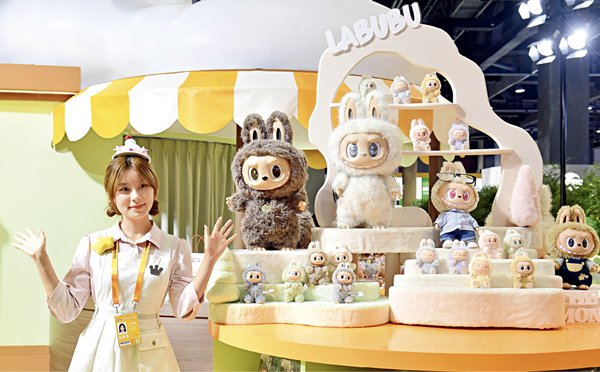
宋城演艺:将立足于中长期高质量可持续发展,深度聚焦演艺主业
Zheng Quan Ri Bao Wang· 2025-11-13 11:42
Core Viewpoint - The phenomenon of industry competition is described as temporary and phase-based, with the company focusing on long-term sustainable development and core competencies in performing arts [1] Group 1: Company Strategy - The company aims to deeply focus on its main performing arts business [1] - Continuous upgrades of performance content, optimization of hardware facilities, and enhancement of scenic quality are key strategies [1] - The company seeks to attract and reward tourists through high-quality performing arts products and unique cultural tourism experiences [1] Group 2: Industry Positioning - The company is committed to building and enhancing product barriers to solidify its position in the industry [1]

“好客山东·八‘鲜’过海”美食争霸赛举办
Da Zhong Ri Bao· 2025-10-26 01:20
Core Viewpoint - The "Good Hospitality Shandong: Eight 'Fresh' Seafood Competition" event in Yantai aims to promote culinary arts and tourism, enhancing consumer enthusiasm and economic vitality while supporting the high-quality development of the marine industry [1] Group 1: Event Overview - The event features top chefs from 16 cities in Shandong, showcasing their seafood culinary skills in a competitive format [1] - Activities include a free tasting of the "Eight Fresh Soup," attracting numerous visitors and enhancing the overall experience [1] Group 2: Cultural and Economic Impact - The event is guided by the Shandong Provincial Department of Culture and Tourism and aims to create a high-quality immersive cultural tourism experience that integrates dining, accommodation, travel, shopping, and entertainment [1] - The competition is designed to stimulate consumer spending and boost economic activity in the region [1]
姜堰:创新“点团片”梯次发展模式,建设宜居宜业和美乡村
Xin Hua Ri Bao· 2025-07-02 21:56
Core Viewpoint - The article discusses the innovative development path of Jiangyan District in Taizhou City, focusing on the "point, group, and area" construction model to promote rural revitalization and enhance the quality of life and work in rural areas [1]. Group 1: Point-based Development - The district has established a closed-loop management system for cultivating high-quality rural areas, emphasizing a selection mechanism based on "basic conditions, creation willingness, and development potential" to ensure high starting points and quality [2]. - Currently, 19 provincial-level livable and workable rural areas have been created, with all 17 villages expected to pass provincial assessments in 2024 [2]. - Plans are in place to cultivate approximately 14 additional livable rural areas by 2025 [2]. Group 2: Group-based Development - The district connects around three surrounding villages to create distinctive demonstration groups, such as the strawberry industry group in Jiangdu Town, which promotes new varieties and technologies to increase farmers' income [3]. - Another example is the small grain chain development group in Zhangdian Town, which focuses on large-scale planting and deep processing of small grains to enhance the value chain [3]. Group 3: Area-based Development - The district is planning two major demonstration areas, "Qinhu Bay" and "Tongnan Gaosha Soil," to create a coordinated development pattern [4]. - The Qinhu Bay area features ecological and cultural functions, with a significant increase in tourist visits, reaching 181,000 during the May Day holiday in 2025, a 5.4% increase year-on-year [4]. - The Tongnan Gaosha Soil area focuses on modern agricultural resources, establishing a five-industry system and a precise spatial structure to enhance living conditions and aesthetics [4]. - The district aims to address fragmented rural development through systematic approaches, optimizing land use, upgrading industries, and improving governance [4].
成都卖情绪、杭州搞数字?8城商业模式还能这样玩?
Sou Hu Cai Jing· 2025-06-11 01:15
Core Insights - The article analyzes the unique business models of China's top cities, highlighting their core competencies, revenue sources, and market strategies [1] Beijing - Beijing is likened to a national-level platform operator, concentrating political resources and efficient decision-making [3] - Revenue sources include high-end service tax, land finance, and central government funding, with profits derived from centralized government resource management [3] - The market strategy focuses on enhancing its role as a political, cultural, and international exchange center, particularly in AI and big data [3] Shanghai - Shanghai serves as a global trade and financial platform, benefiting from institutional advantages and efficient financial services [4] - Revenue is diversified, including taxes from finance, high-end trade, real estate appreciation, and manufacturing [4] - The city aims to expand its global economic influence through the listing and transformation of tech companies [4] Guangzhou - Guangzhou's business model centers on trade networks and supply chain management, particularly in industrial wholesale and retail [6] - Key revenue sources are trade tax, logistics services, and land transfer fees, with significant profits from trade circulation [6] - The city is transitioning towards high-end manufacturing and modern services, facing competition from Shenzhen's automotive sector [6] Shenzhen - Shenzhen is characterized as a technology innovation and venture capital hub, with a focus on rapid iteration and continuous innovation [7] - Revenue sources include taxes from high-tech firms, intellectual property transactions, and industrial park economies [7] - The city promotes an open policy environment to attract investments in cutting-edge industries [7] Hangzhou - Hangzhou's business model is compared to Alibaba, with a strong emphasis on its digital economy platform [9] - Revenue comes from digital economy taxes, tech park income, and high-end service industry revenue [9] - The city aims to enhance its digital economy through the "Internet + AI" strategy, despite a weaker industrial base [9] Chengdu - Chengdu is positioned as a "lifestyle marketer," focusing on cultural and consumer experiences [11] - Revenue sources include cultural tourism tax, consumer service tax, and innovation income from talent aggregation [11] - The city plans to develop its digital economy and high-end manufacturing, competing with Hangzhou [11] Hefei - Hefei's business model is closely tied to the transformation of scientific and educational resources [12] - Revenue is generated from taxes on high-tech firms and the commercialization of scientific achievements [12] - The city aims to drive economic development through the conversion of research results into market products [12] Xi'an - Xi'an combines historical cultural resources with high-end manufacturing, serving as a cultural and industrial center in the west [14] - Revenue sources include tourism, educational institutions, and manufacturing taxes [14] - The city leverages its rich historical resources and its position as a "Belt and Road" hub to cultivate aerospace talent [14] Conclusion - The analysis reveals that each city has a clear strategic positioning and unique core competencies, with future development relying on precise resource allocation and differentiated competitive strategies [15]

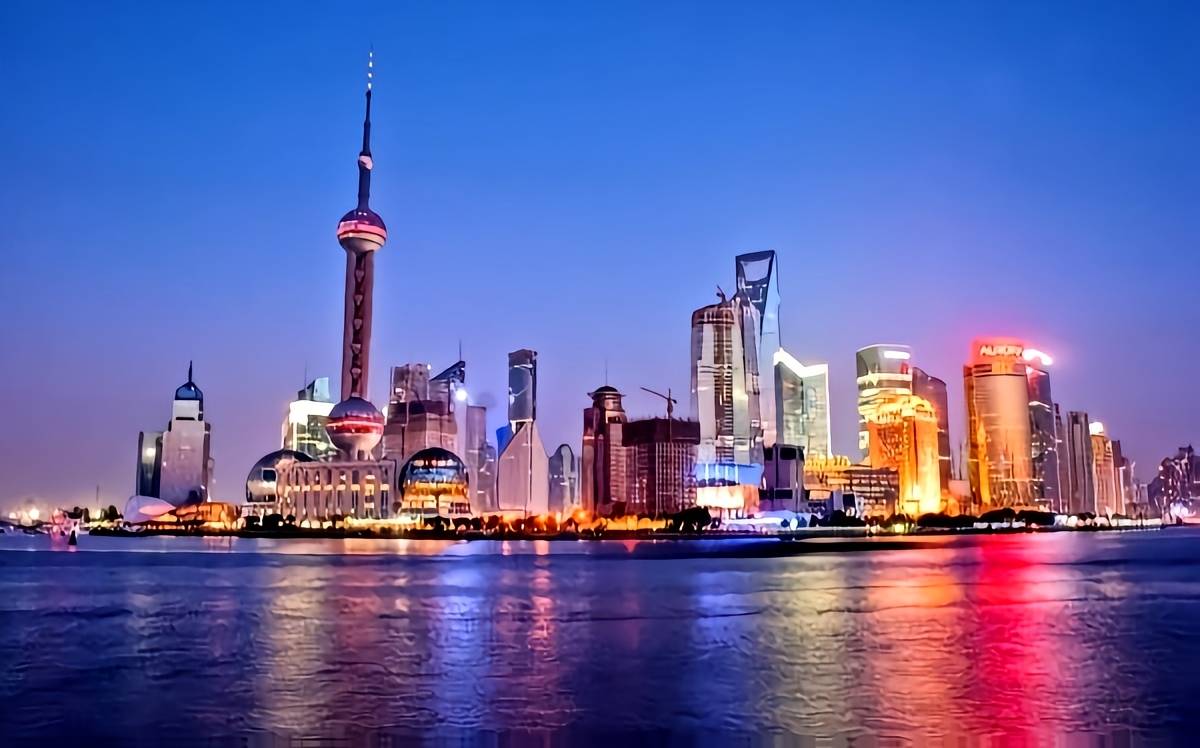
长三角10城代表“City Walk”上城区
Hang Zhou Ri Bao· 2025-05-20 03:08
Group 1 - The event "City Walk" gathered over 40 representatives from 10 cities in the Yangtze River Delta to discuss the vitality of building economies and the integration of the region [1] - The initiative aims to implement the national strategy for the integrated development of the Yangtze River Delta and promote high-quality development of building economies [1] - A "Seven Ones" brand project was proposed to establish a mechanism for building economy brand creation, with building interaction experience activities being a key component [1] Group 2 - Hangzhou, as a historical and cultural city, plays a crucial role in the transformation of urban and economic development through its building construction and development [1] - The deputy district head of Shangcheng District expressed the hope to enhance regional cooperation and explore new paths for urban renewal, cultural heritage, and tourism integration [2] - Representatives visited various sites, including the Qianjiang New City Central Business District and the "Billion Avenue" Fuchun Road, to appreciate the skyline and engage in discussions on building economy brand development [2]
“宠客+惠民”双轮驱动 湖北京山市“五一”消费市场热力全开 推动城市活力升级
Zhong Guo Fa Zhan Wang· 2025-05-13 14:06
Core Insights - During the May Day holiday, Jingyang City in Hubei Province implemented "customer-friendly policies" and "benefit measures" to stimulate the tourism, dining, accommodation, and retail sectors, resulting in a significant surge in consumer activity [1] Group 1: Customer-Friendly Policies - Jingyang City introduced a series of "customer-friendly" initiatives aimed at providing a "zero-burden" travel experience, including free parking, free public transport, and free access to sports facilities and cultural venues [2] - The city received 774,000 tourists during the holiday, generating a total tourism revenue of 141 million yuan, representing year-on-year growth of 22% and 23% respectively [2] Group 2: Night Economy and Retail Growth - The night economy emerged as a new highlight, with significant foot traffic in three major night markets, leading to a fivefold increase in sales for some vendors [3] - The accommodation sector saw high occupancy rates, with some hotels reaching 100% occupancy, and over 5,000 guests were received across the city [3] - Retail activities experienced a boost with "trade-in" promotions, resulting in 852 transactions and sales revenue of 5.97 million yuan, a year-on-year increase of 9.6% [3] Group 3: Family-Friendly Attractions - Green Forest Mountain Scenic Area and Taikang Jingyang Farm became popular destinations, with the latter offering free admission and various family-oriented services, attracting over 60% family visitors [4] - The overall visitor numbers for scenic spots increased by 10%-20%, with specific attractions like Meiren Valley receiving over 5,000 visitors daily [4]