易存金

Search documents
建设银行3月4日起对建行金(含易存金)实施动态交易限额管理
Jin Tou Wang· 2026-03-04 03:26
Core Viewpoint - China Construction Bank (CCB) has announced an increase in the delivery time for physical precious metal orders due to a rapid growth in purchasing volume, effective from March 3, 2026 [1] Group 1: Delivery Changes - From March 3, 2026, the delivery time for customer orders of physical precious metals will be extended to 10-15 working days after the order is placed, excluding holidays [1] Group 2: Risk Management - To enhance risk control, CCB will implement dynamic trading limit management for its gold products (including easy storage gold) starting from March 4, 2026 [1] Group 3: Customer Support - Customers with inquiries can contact CCB through the customer service hotline 95533 for assistance [1]

建行:在2月14日-23日对建行金(含易存金)实施动态交易限额管理
Ge Long Hui A P P· 2026-02-12 01:13
Core Viewpoint - China Construction Bank has issued a risk warning regarding the recent volatility in the precious metals market, urging investors to be cautious and manage their investments wisely during the upcoming holiday period [1] Group 1: Market Conditions - Recent fluctuations in domestic and international precious metal prices have intensified, leading to increased market risks [1] - The approach to investing in precious metals should be rational and prudent, taking into account individual financial situations and risk tolerance [1] Group 2: Risk Management Recommendations - Investors are advised to maintain a balanced and moderate allocation to precious metals and to control their positions carefully to avoid impulsive trading [1] - It is important for investors to monitor their holdings and margin balance regularly to mitigate risks associated with the precious metals market [1] Group 3: Bank's Actions - To enhance risk control, China Construction Bank will implement dynamic trading limit management for its gold products from February 14 to February 23 [1] - The bank will also suspend physical repurchase services during this period [1]
黄金有关税收新政落地首周,市场各方反应如何?
Sou Hu Cai Jing· 2025-11-08 04:58
Core Viewpoint - The recent tax policy changes in China's gold market have led to significant price increases for gold jewelry and adjustments in banking operations, impacting both consumers and businesses in the industry [1][2][5]. Tax Policy Changes - The new tax policy, effective from November 1, 2023, exempts value-added tax (VAT) on standard gold traded on exchanges, while physical gold transactions incur a 13% VAT [2][3]. - The policy distinguishes between investment gold (e.g., gold bars) and non-investment gold (e.g., jewelry), with different tax treatments aimed at encouraging investment demand and regulating the physical gold consumption market [2][4]. Banking Sector Adjustments - Major banks, including Industrial and Commercial Bank of China and China Construction Bank, quickly adjusted their gold accumulation business in response to the new tax policy, temporarily suspending certain services [3][4]. - The rapid response from banks indicates a focus on risk management amid fluctuating gold prices and new regulatory requirements [4]. Price Increases in Jewelry - Gold jewelry brands, such as Chow Tai Fook and Chow Sang Sang, have raised their prices significantly, with reports of price hikes of over 1000 yuan for certain items within days of the new policy announcement [5][8]. - The increase in prices is attributed to the additional costs imposed by the new tax regulations, which have affected procurement and production costs for jewelers [8][12]. Impact on Consumers - Consumers purchasing gold bars are expected to face limited direct cost increases due to the VAT exemption for transactions through exchange members, while those buying jewelry may experience significant price hikes [9][10]. - The new tax policy may lead consumers to prefer compliant channels for purchasing gold to avoid additional tax burdens [10][12]. Industry Dynamics - Large jewelry brands are likely to manage the cost increases better due to their scale and membership in trading exchanges, while smaller retailers may struggle with higher procurement costs and competitive pressures [12][13]. - The new regulations are expected to encourage small retailers to purchase directly from exchanges, potentially leading to market volatility in the short term but fostering a more regulated market in the medium term [13].


银行差异化应对“黄金征税”新政,黄金理财风向有变
Sou Hu Cai Jing· 2025-11-06 10:02
Core Viewpoint - The new gold tax policy, effective from November 1, 2025, distinguishes between "investment" and "non-investment" uses of gold, leading to significant adjustments in banking operations and investor behavior [1][2]. Group 1: Impact on Banking Operations - Major banks have temporarily suspended certain gold-related services, such as招商银行's "金生利" and工商银行's gold accumulation services, in response to the new tax policy [1][3]. - The new tax policy allows for VAT exemption on standard gold transactions through designated exchanges, while non-investment uses will incur a reduced VAT of 6% [2]. Group 2: Changes in Investor Behavior - Investors are shifting towards more rational investment strategies, with banks advising clients to limit gold investments to about 10% of their portfolios and to adopt a long-term holding approach [4]. - The demand for gold has surged, leading to increased prices and longer delivery times for gold products, with some banks adjusting their pricing strategies accordingly [3][4]. Group 3: Alternative Investment Products - With restrictions on physical gold, banks are promoting "paper gold" products, which allow for virtual trading of gold without the need for physical delivery, providing a more flexible investment option [6][9]. - "Paper gold" includes various forms such as gold accounts, gold ETFs, and gold futures, which offer advantages like low transaction costs and high liquidity [9].


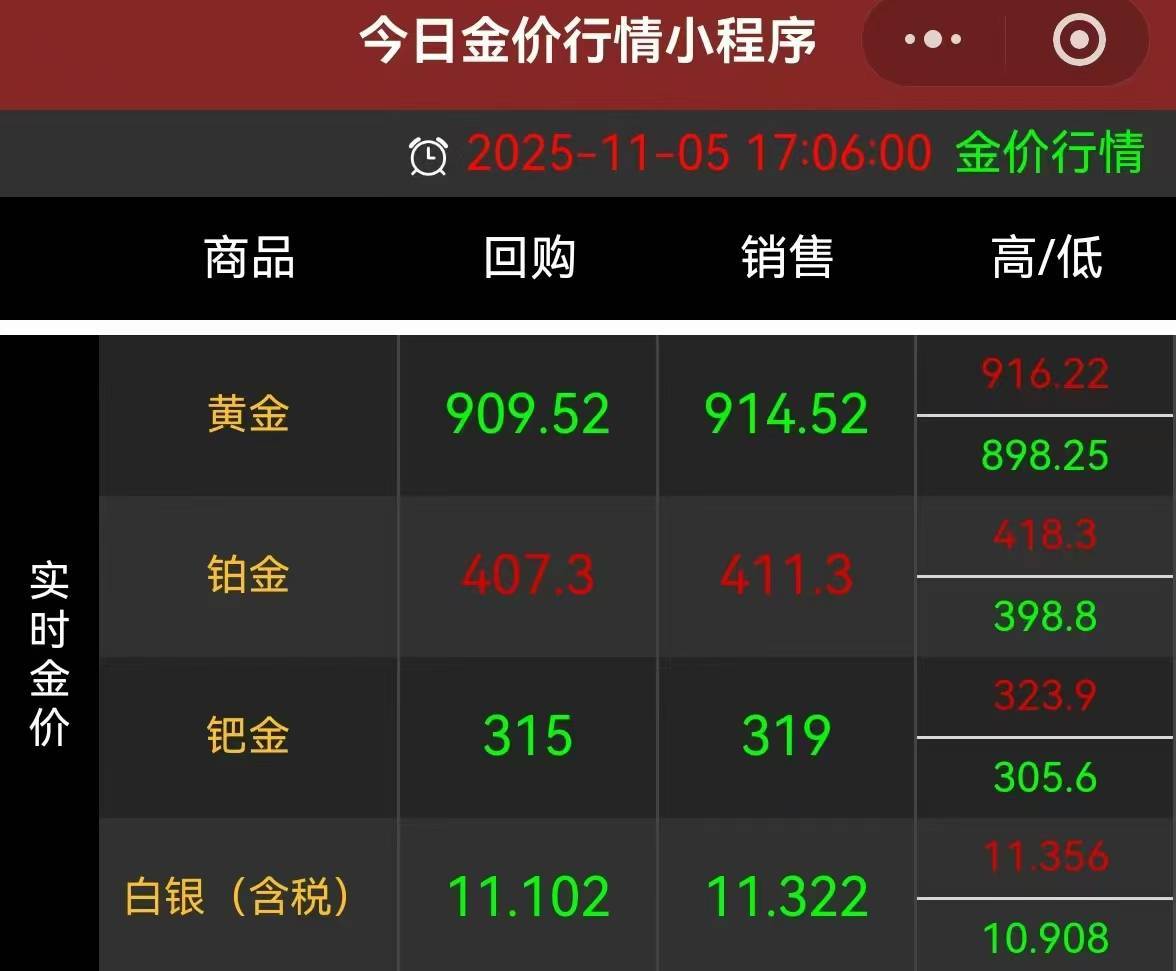
商业银行纷纷调整积存金业务并提示风险
Zheng Quan Ri Bao· 2025-11-04 15:40
Core Insights - Several commercial banks have recently adjusted their gold accumulation businesses, with major banks like Industrial and Commercial Bank of China and China Construction Bank announcing suspensions and subsequent resumption of certain services [1][2] Group 1: Business Adjustments - On November 3, Industrial and Commercial Bank of China and China Construction Bank announced the suspension of certain gold accumulation services, including "Ruyi Gold Accumulation" and "Easy Gold" [1] - Later that same day, Industrial and Commercial Bank of China announced the resumption of its "Ruyi Gold Accumulation" services, including account openings and physical gold withdrawals [1] - Other banks, such as Bank of China, Ping An Bank, and Industrial Bank, have also raised the minimum investment thresholds for their gold accumulation products since October [1] Group 2: Reasons for Adjustments - The adjustments in gold accumulation services are influenced by macroeconomic policies, market risk management, and compliance requirements [2] - Global uncertainties, including fluctuations in the US dollar, shifts in monetary policy, and geopolitical risks, have led to price volatility in precious metals, prompting banks to adopt a more cautious approach to asset safety and liquidity management [2] - The rapid growth in customer numbers for gold accumulation services has raised operational, liquidity, and compliance risks, leading banks to pause new business and physical withdrawals as a preventive measure [2] Group 3: Future Outlook - If market volatility increases or regulatory scrutiny tightens, other banks may implement similar measures, although these adjustments typically target new or high-risk businesses, ensuring that existing customer rights are protected [3] - Recent communications from multiple banks have highlighted the need to mitigate risks associated with fluctuations in precious metal prices [3] - Investors are advised to maintain a balanced approach to gold investments, considering the asset's volatility and the influence of international economic data, monetary policy, and geopolitical factors [3]


工行“如意金”一日反转:黄金税收新政下银行合规与市场风险博弈
Sou Hu Cai Jing· 2025-11-04 15:00
Core Viewpoint - The dramatic fluctuations in the "Ruyi Gold" investment service by Industrial and Commercial Bank of China (ICBC) reflect the rapid adjustments banks must make in response to new tax regulations and market risks [2][3][4][7] Group 1: Policy Changes - The trigger for the business suspension was the announcement of new tax policies by the Ministry of Finance and the State Administration of Taxation regarding gold [3] - Following the new regulations, ICBC and China Construction Bank quickly announced the suspension of new account openings, active accumulation, and physical withdrawals for their gold investment services [3] - The implementation of the new tax policy necessitated complex system modifications and adjustments in business processes, prompting banks to take temporary measures to avoid compliance risks [3] Group 2: Market Risks - The changing market environment, including increased volatility in international gold prices and geopolitical tensions, has intensified the pressure on banks to adjust their gold business [4] - Banks are tightening their gold business, particularly services involving physical withdrawals, to mitigate risks associated with inventory management and price fluctuations [4] - The announcements from ICBC and China Construction Bank are seen as proactive defenses against market risks [4] Group 3: Business Recovery - ICBC's rapid restoration of services within hours indicates its flexibility in responding to policy changes [5] - Analysts suggest that the swift recovery may imply that the bank completed necessary system tests and compliance evaluations quickly to ensure smooth operations under the new policy [5] - As a significant player in the domestic gold business, ICBC may have received clearer execution guidelines during policy communications, allowing for quick strategic adjustments [5] Group 4: Investor Considerations - The incident serves as a reminder for investors to be aware of the dual risks posed by policy changes and market conditions in gold investments [6] - Adjustments in tax policies may affect holding costs, while changes in bank operations could lead to decreased transaction convenience [6] - Investors should pay closer attention to the compliance capabilities and risk management levels of banks when selecting gold accumulation products [6] Group 5: Conclusion - The one-day reversal of ICBC's "Ruyi Gold" service highlights the dynamic balance between financial regulation and market practice [7] - The introduction of new tax policies forces banks to adapt quickly, while existing market risks may lead to potential business contractions [7] - The adaptability of banks and the risk awareness of investors are both crucial in this evolving landscape, with future adjustments in the gold market anticipated as policy details become clearer [7]
暂停实物金提取不到1天 工行刚刚恢复!周大福:应有关税收政策 今起部分产品涨价
Mei Ri Jing Ji Xin Wen· 2025-11-04 03:19
Core Viewpoint - The recent suspension of gold-related services by major banks, including Industrial and Commercial Bank of China (ICBC) and China Construction Bank (CCB), is a response to new tax policies affecting the gold market, leading to significant fluctuations in gold prices and impacting retail businesses [1][3][4]. Group 1: Bank Operations - ICBC and CCB announced the suspension of certain gold investment services on November 3, 2025, due to market volatility and risk management requirements [3][8]. - ICBC quickly resumed its "Ruyi Gold" accumulation services within a day after the initial suspension, indicating a rapid response to customer demand [4][10]. - CCB's announcement regarding the suspension of its "Easy Storage Gold" services was not found on its official website at the time of reporting, suggesting a lack of communication or updates [3][10]. Group 2: Market Reactions - Following the announcement of the new tax policies, shares of several gold and jewelry retailers, including Chao Hong Ji and Chow Tai Fook, experienced significant declines, with losses of nearly 10% for some companies [3][4]. - The price of gold in the Shenzhen Shui Bei market surged dramatically, with prices rising from approximately 930 yuan per gram to over 996 yuan per gram within hours on November 3, 2025 [18][19]. Group 3: Tax Policy Impact - The new tax policy, effective from November 1, 2025, exempts value-added tax (VAT) on standard gold transactions through designated exchanges until December 31, 2027, but imposes VAT on physical gold transactions outside these exchanges [4][12]. - The policy is expected to increase procurement costs for retailers by approximately 7%, leading to price adjustments for gold products [14][19]. - Retailers like Chow Tai Fook have already begun adjusting their prices in response to the new tax regulations, with significant price increases reported [15][19].

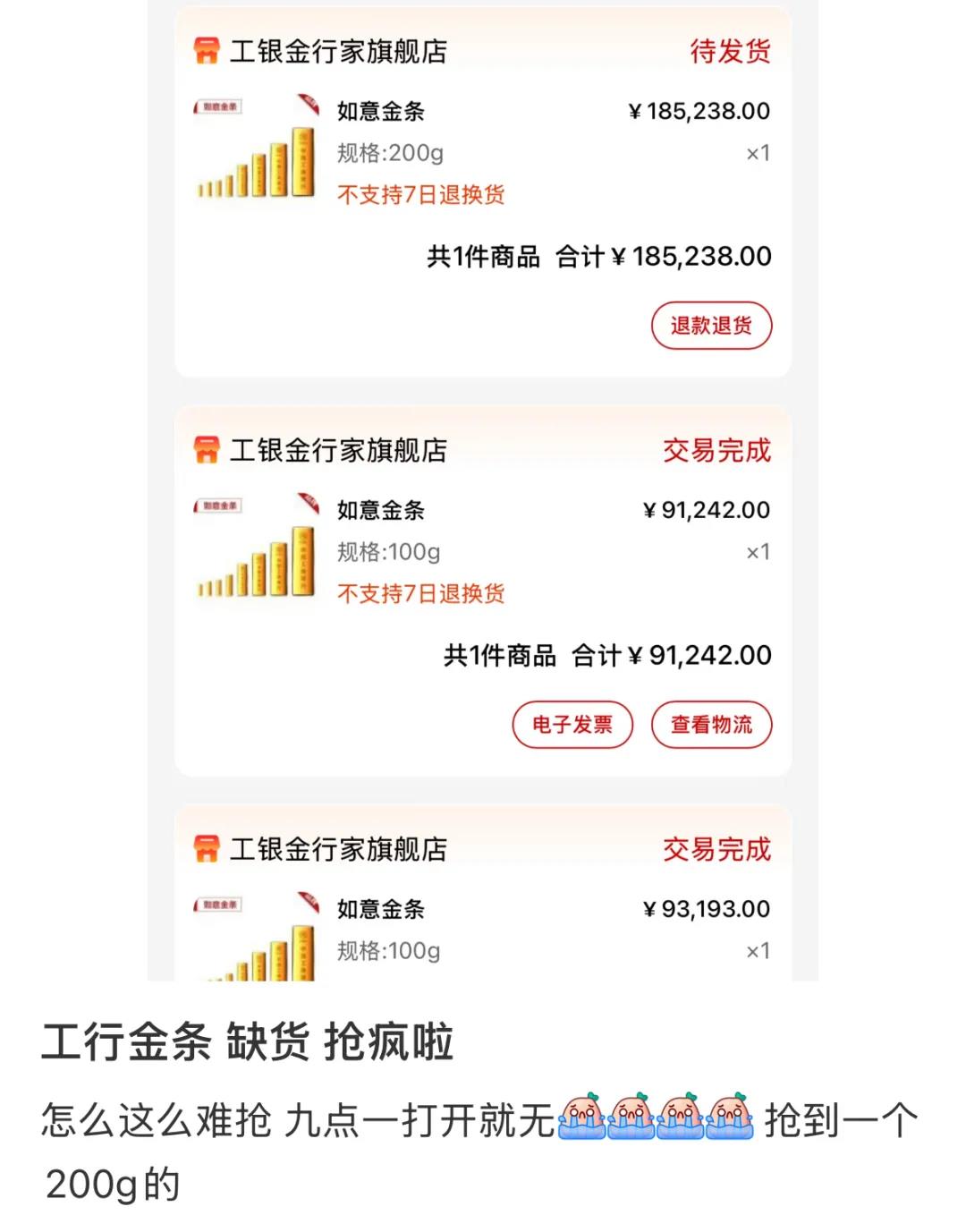
黄金大消息!连发公告:调整
Sou Hu Cai Jing· 2025-11-04 02:10
Core Viewpoint - The recent announcements from major banks regarding the suspension and resumption of gold accumulation services are primarily influenced by new macroeconomic policies and tax regulations affecting the gold market [3][5][7]. Group 1: Bank Announcements - Industrial and Commercial Bank of China (ICBC) announced the resumption of the "Ruyi Gold Accumulation" service after previously suspending it due to macroeconomic policy impacts [1]. - On the same day, China Construction Bank (CCB) also suspended its "Easy Gold" service, affecting real-time purchases and physical gold exchanges, while existing plans remain unaffected [5]. Group 2: Tax Policy Changes - The Ministry of Finance and the State Administration of Taxation released new tax policies for gold, effective from November 1, 2025, which include exemptions from value-added tax (VAT) for certain transactions involving standard gold [7]. - The new tax regulations are expected to increase costs for gold procurement and production, prompting companies like Chow Tai Fook to adjust their product prices accordingly [8]. Group 3: Market Reactions - Following the announcements, shares of gold jewelry companies in the A-share market experienced significant declines, with companies like Chao Hong Ji hitting the daily limit down [8][9]. - In the Hong Kong stock market, major gold jewelry stocks such as Chow Tai Fook and Luk Fook also saw substantial drops in their share prices, indicating a negative market sentiment towards the gold sector [10]. Group 4: Industry Impact Analysis - According to CITIC Securities, the new tax regulations will have three main impacts: increased costs for non-investment gold jewelry companies due to reduced input tax deductions, advantages for companies selling investment gold, and expected price increases for consumers purchasing gold jewelry [10].

多家黄金珠宝商涨价;加密市场一度闪崩|南财早新闻
2 1 Shi Ji Jing Ji Bao Dao· 2025-11-03 23:20
Group 1: Gold and Jewelry Market - On November 3, multiple gold and jewelry merchants raised prices, with Shenzhen's Shui Bei gold market seeing a price increase of over 50 yuan per gram in a single day. Chow Tai Fook Jewelry announced a price hike for some products starting November 3 due to increased costs from gold-related tax policies, with 24K gold jewelry priced at 1259 yuan per gram, up 61 yuan from the previous day [2] Group 2: Cryptocurrency Market - The cryptocurrency market experienced significant volatility, with Bitcoin dropping below $105,400, a decline of over $5,000 or nearly 5% from its daily high. Ethereum also fell by 9%, breaking the critical support level of $3,600, down approximately 25% from its high of $4,885 on August 22. Data from Coinglass indicated that over $1.2 billion worth of positions were liquidated in 24 hours, with more than $1.1 billion from long positions [2] Group 3: Economic Policies and Initiatives - The People's Bank of China and the Bank of Korea renewed a bilateral currency swap agreement with a scale of 400 billion yuan/70 trillion won, valid for five years and extendable by mutual consent [2] - The Ministry of Finance established a new Debt Management Department responsible for formulating and implementing domestic debt management policies, monitoring government debt, and mitigating hidden debt risks [2] Group 4: Consumer Spending and Economic Growth - Guangdong Province announced an additional 3.5 billion yuan to promote consumption, including subsidies for products like drones and fitness equipment. New car purchase subsidies can reach up to 5,000 yuan per vehicle, while home appliance subsidies can be as high as 1,000 yuan per item [3] - The Ministry of Natural Resources reported that China's marine economy showed steady growth in the first three quarters, with a marine GDP of 7.9 trillion yuan, reflecting a year-on-year increase of 5.6% [3] Group 5: Financial Sector Developments - The Asian Infrastructure Investment Bank (AIIB) announced plans to establish an office in Hong Kong to meet its growing business needs [4] - Goldman Sachs' China research team upgraded its forecasts for China's export growth and real GDP growth, predicting an annual export increase of 5-6% and raising the 2025 real GDP growth forecast from 4.9% to 5% [4] Group 6: ETF Market Expansion - The China Securities Regulatory Commission approved the issuance of the China Universal Technology 50 ETF, marking the re-entry of the company into the ETF market after 14 years [5] - The ETF market has seen a significant increase in scale, with an additional 2 trillion yuan in the first ten months, driven by structural market trends and strong performance in thematic ETFs [8]

陆家嘴财经早餐2025年11月4日星期二
Wind万得· 2025-11-03 22:51
Group 1 - U.S. Treasury Secretary stated that if China continues to block rare earth exports, the U.S. may impose additional tariffs on China, while China's Foreign Ministry emphasized that dialogue and cooperation are the correct paths to resolve issues [2] - Industrial and Commercial Bank of China (ICBC) suspended and then resumed its gold accumulation business, with significant fluctuations in gold prices observed in the Shenzhen market, indicating a transitional period for the industry due to international gold price volatility and tax policy adjustments [2] - The Ministry of Industry and Information Technology highlighted the need for dual empowerment of artificial intelligence innovation and manufacturing applications, aiming to enhance the industrial ecosystem and promote high-quality development of the AI industry [9] Group 2 - The Chinese government established a new Debt Management Department to oversee domestic debt management and prevent hidden debt risks, emphasizing strict accountability for violations [3] - High-frequency trading in the A-share market saw a rebound, with significant gains in sectors like Hainan Free Trade Zone and AI applications, while coal and storage concepts also strengthened [5] - The China Securities Regulatory Commission approved a new ETF from China Merchants Shekou, marking a significant move in the ETF product line after 14 years [6] Group 3 - Goldman Sachs raised its forecast for China's export growth and GDP growth, predicting an annual export increase of 5-6% and an adjustment of GDP growth from 4.9% to 5% for 2025 [4] - The automotive market is expected to see slight growth in November compared to October, with the automotive consumption index rising to 90.5 [10] - The Hong Kong government anticipates that the fintech sector's total revenue will exceed $600 billion by 2032, with plans to relax restrictions to attract more investors [11] Group 4 - TSMC plans to implement a price increase of 3-5% for advanced processes below 5nm starting January 2026, indicating a strategic pricing approach [12] - Geopolitical tensions and central bank gold purchases supported gold prices, while silver faced downward pressure due to weak industrial demand [20] - The People's Bank of China and the Bank of Korea renewed a bilateral currency swap agreement, enhancing financial cooperation between the two countries [21]