
消费创新

Search documents
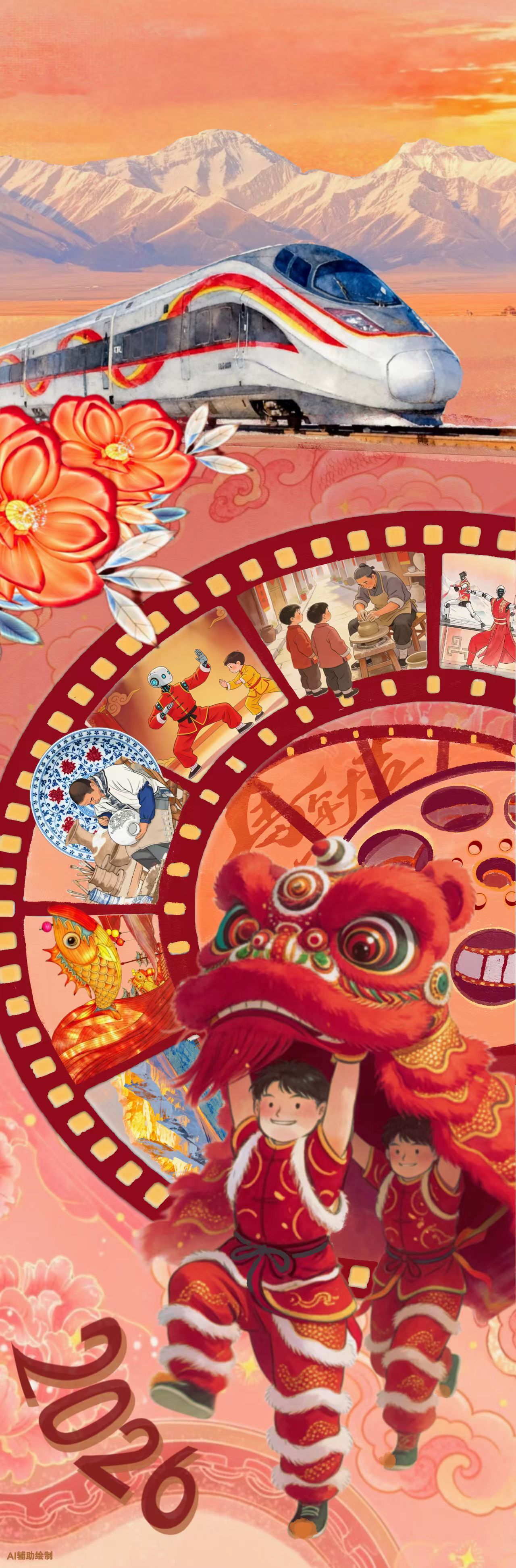
新春气象万千 中国活力奔涌
Zhong Guo Jing Ji Wang· 2026-02-27 03:01
Core Viewpoint - The Spring Festival holiday in 2026 showcased a vibrant economy with significant consumer activity, reflecting a positive trend in China's economic stability and growth. Group 1: Economic Indicators - The total box office revenue for the Spring Festival reached 5.752 billion yuan, indicating a strong performance in the film industry [4] - Domestic travel during the holiday saw 596 million trips, highlighting a robust tourism sector [4] - Daily sales revenue in consumer-related industries increased by 13.7% year-on-year, demonstrating heightened consumer spending [4] Group 2: Cultural and Tourism Consumption - Diverse cultural tourism experiences flourished, enhancing the festive atmosphere and showcasing traditional crafts and local attractions [4] - The integration of technology in cultural events, such as AI light shows and drone displays, reflects innovation in the cultural sector [5] - The popularity of intangible cultural heritage products and traditional crafts indicates a growing appreciation for cultural heritage among consumers [5] Group 3: Service Enhancements - The introduction of smart systems for traffic management and security at transportation hubs improved the efficiency of travel during the holiday [5] - Various local initiatives aimed at providing better services for travelers, including support for vulnerable groups, contributed to a smoother holiday experience [5]

消费创新需守住合规底线
Xin Lang Cai Jing· 2026-02-11 00:11
Core Viewpoint - The article highlights the rising popularity of blind box and blind bag clearance models in Quanzhou, which are becoming a new trend in the year-end consumer market as merchants seek innovative ways to manage inventory [1] Group 1: Market Trends - Quanzhou, as a major manufacturing city, faces constant challenges in inventory turnover, particularly in the footwear, textile, and daily goods industries [1] - Merchants are creatively applying blind box concepts to practical items like clothing, even offering personalized services such as "styling guidance" [1] - The shift from "selling inventory" to "selling experience" reflects the vitality of the market economy [1] Group 2: Risks and Challenges - The transition of blind boxes from collectibles to everyday consumer goods amplifies potential risks, as the core value of daily consumer products lies in their practicality [1] - The confidentiality of blind boxes prevents consumers from accessing key product information (e.g., ingredients, production dates), leading to discrepancies between expectations and actual products [1] - Some merchants exploit the "blind" format to include defective or unbranded products, which not only infringes on consumer rights but also undermines business credibility and the sustainability of the model [1] Group 3: Recommendations for Development - To promote the healthy development of blind box clearance, a balance must be sought between encouraging innovation and establishing firm boundaries [1] - It is essential to clarify that "blind format" does not equate to "blind responsibility" [1] - Only by ensuring accountability can inventory blind boxes transition from a short-term trend to a sustainable business model, injecting lasting vitality into the consumer market [1]
深圳两会聚焦产业升级:立法护航会展经济,科技赋能消费农业
Nan Fang Du Shi Bao· 2026-02-09 10:04
Group 1: Exhibition Economy - The proposal to establish a "Shenzhen Standard" for the exhibition industry aims to provide legal support for high-quality development and clarify the roles of regulatory bodies and inter-departmental collaboration [3] - The suggestion to implement the "Shenzhen Global Promotion Partner Program" seeks to leverage the opportunity of hosting APEC 2026 to cultivate independent overseas exhibition brands and transition from "participating in exhibitions abroad" to "organizing exhibitions abroad" [3] Group 2: Consumer Innovation - The strategy to enhance consumer experiences includes integrating "Shenzhen products" into the city's trade-in subsidy program and developing new scenarios like "drone delivery + smart experience" [4] - The call for systematic development of the "silver economy" targets the aging population, proposing the establishment of age-friendly tourism service standards and cross-border cultural and health tourism products [4] - The promotion of "small stall economy" aims to enhance urban vibrancy by planning night markets with government support for infrastructure [4] Group 3: Agriculture and Health Industry - The proposal to create a "Shenzhen Agricultural Standard Port" focuses on exporting comprehensive solutions in smart agriculture and cold chain logistics [5] - The suggestion to reform the management system for food and medicinal substances aims to establish a full-chain regulatory mechanism for functional food [5] Group 4: Space Reconfiguration and Cross-Industry Integration - The recommendation to transform land use in Nanshan District aims to provide space for high-end functions like headquarters economy and R&D [6] - The proposal for a "Cultural + Technology + Trade" integration model seeks to deepen strategic cooperation between Shenzhen and the Middle East [6] - The initiative to host national-level cultural events aims to enhance Shenzhen's cultural influence and attract talent [6] Group 5: Innovation Ecosystem - The call for opening public computing and data resources aims to create a unified "AI co-creation space" platform to lower barriers for AI innovation [7] - The proposal to reform the "Shenzhen Quality Investment" system seeks to align project evaluations with financing and government funding to support hard technology [7]

汉沽盐场受邀参加“CCIC 2025中国消费创新大会暨2025第四届国际品质节”并斩获四项重磅荣誉
Zhong Guo Shi Pin Wang· 2026-01-30 03:39
Core Insights - The CCIC 2025 China Consumption Innovation Conference and the 2025 Fourth International Quality Festival were held in Beijing, focusing on "Innovation Leading a New Era of Consumption" [2][7] - Tianjin Changlu Han Gu Salt Field Co., Ltd. received four significant awards, including the 2025 Industry Leading Brand and two Industry Leaders, highlighting its brand strength and product innovation [2][7] Industry Overview - The conference featured over 530 participating companies across more than 20 sectors, including food, home appliances, technology, fashion, and health, indicating a strong consensus on innovation and quality upgrades in the consumption industry [7] - The event adopted a multi-faceted approach with thematic speeches, professional forums, and unique activities, establishing a comprehensive platform for industry exchange and collaboration [8] Company Highlights - Tianjin Changlu Han Gu Salt Field has a rich history dating back to 925 AD, recognized for its high-quality sea salt, which was historically a royal tribute [10] - The company is a state-recognized "001" designated salt production enterprise and holds the title of "China Time-honored Brand," ensuring product quality through stringent standards [10] - Recently, the company has focused on a strategy of diversified development while enhancing its traditional salt production, investing in various projects to optimize its industrial structure [12] Future Outlook - The company aims to leverage its recent awards to continue its innovation-driven development, preserving the essence of its thousand-year salt-making culture while contributing to the high-quality development of China's consumption industry [16]
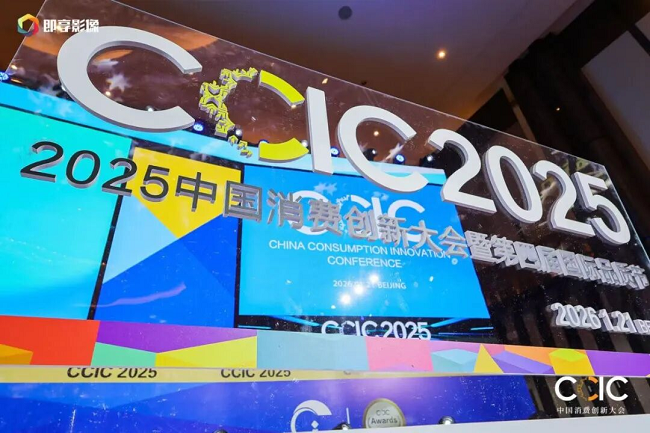
大金斩获2025中国消费创新大会两项大奖,引领消费新时代
Jin Tou Wang· 2026-01-28 08:34
Core Insights - The 2025 China Consumer Innovation Conference highlighted the theme "Innovation Leads the New Era of Consumption," focusing on quality, innovation, and influence in the consumer market [1] - Daikin received two prestigious awards: "2025 Annual New Consumption Influential Brand" and "2025 Annual Industry Leader," recognizing its continuous innovation in the air solutions sector [1] Group 1: Brand Differentiation and Consumer Experience - Daikin leverages its century-long expertise to create personalized air solutions that enhance living quality and consumer satisfaction [2] - The company integrates various systems, including central air conditioning, fresh air, and intelligent control, to provide a comprehensive air experience tailored to individual needs [2] Group 2: Health and Air Quality Solutions - Daikin's central air conditioning system incorporates multiple purification technologies and professional sterilization features to ensure healthy indoor air quality [3] - The system includes options for advanced filtration to effectively remove pollutants such as dust, formaldehyde, and viruses, ensuring a clean air environment [3] Group 3: Personalized Air Solutions - Daikin offers customized air solutions that adjust to different consumer needs, focusing on aspects like temperature, humidity, and air cleanliness [4] - The company provides a full-cycle service system, including IoT technology and real-time customer support, enhancing user experience and convenience [4] Group 4: Industry Leadership and Innovation - Daikin has established itself as a leader in the air conditioning industry in China, promoting low-carbon and comfortable living concepts through innovative technologies [5] - The introduction of the VRV multi-split technology and variable frequency technology has set industry standards, significantly improving energy efficiency and user comfort [5][6] Group 5: Strategic Transformation - Daikin's strategic shift from a "temperature control manufacturer" to an "air value provider" reflects its commitment to enhancing user experience and meeting evolving consumer demands [6] - The company continues to innovate and adapt its services to create high-quality air living experiences for Chinese families [6]
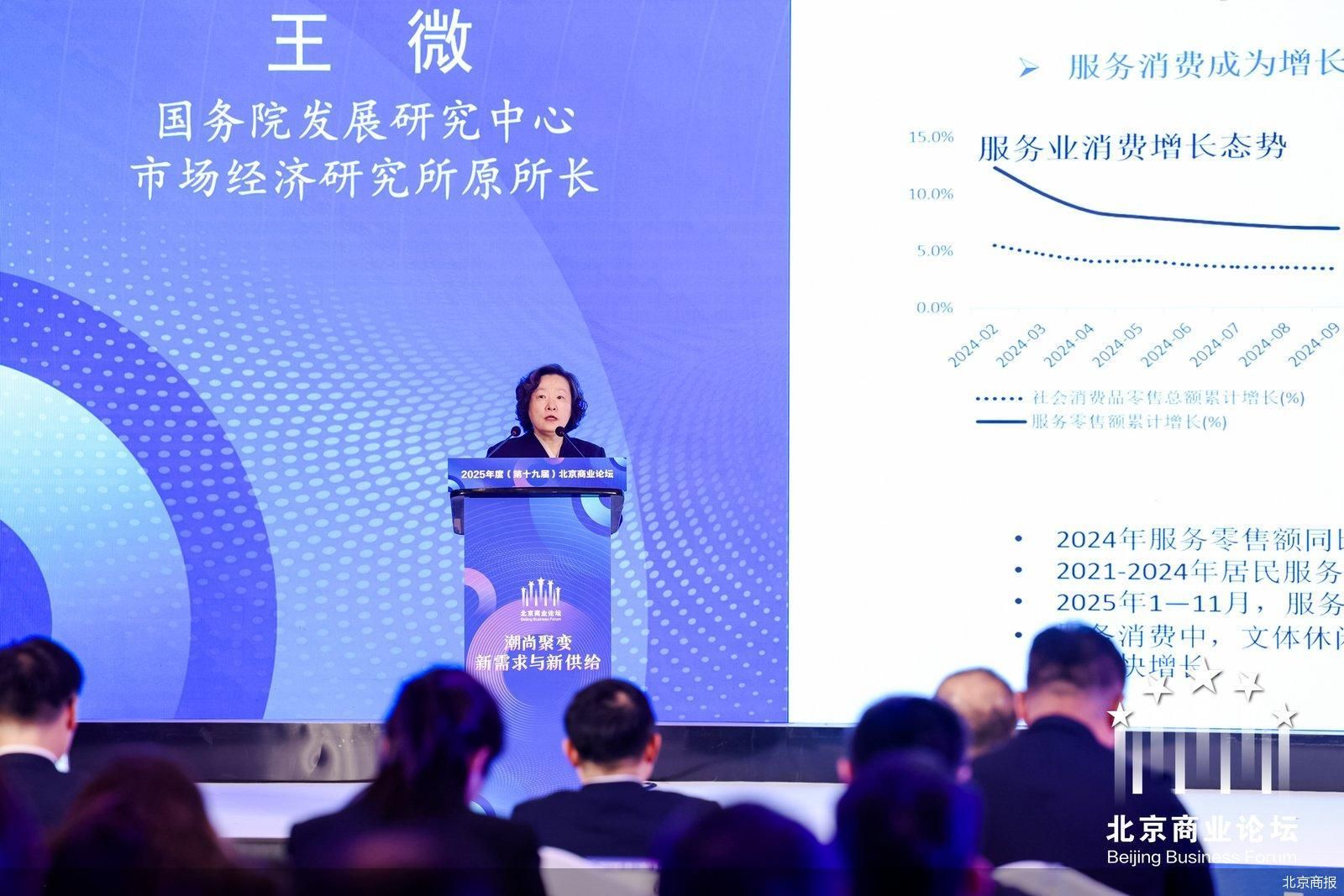
国务院发展研究中心市场经济研究所原所长王微:时尚消费的本质是创新消费
Bei Jing Shang Bao· 2026-01-16 05:08
Core Viewpoint - The 2025 Beijing Business Forum emphasizes the theme of "Trendy Transformation: New Demand and New Supply," focusing on fashion consumption and trends to enhance consumer capacity and commercial quality [1][3] Group 1: Consumption Growth Points - During the 14th Five-Year Plan period, China is expected to see the emergence of more trillion and hundred billion-level consumption growth points, particularly in areas such as quality enhancement, service expansion, green health, and digital innovation [3] - Fashion consumption is projected to become a significant trillion-level consumption growth point during the 14th Five-Year Plan, moving beyond traditional clothing and accessories to encompass broader innovative consumption [3] Group 2: Importance of Fashion Consumption - Fashion consumption is identified as a crucial commercial element driving consumption innovation and is seen as a key factor in leading and boosting mass consumption, creating substantial commercial value [3] - The essence of fashion consumption is linked to cultural and social symbols, possessing significant commercial, market, and social value, which is particularly relevant to the Chinese market [3] - China's rich cultural heritage provides a strong foundation for fashion consumption to become a leading force in consumer trends in Beijing and nationwide [3]
潮尚消费 小切口大趋势
Bei Jing Shang Bao· 2026-01-15 12:07
Group 1 - The core idea of the report emphasizes that consumption is fluid and ever-changing, with a focus on exploring trends and finding opportunities in the context of uncertainty, particularly in the fashion and trend sectors of Beijing's commercial landscape by 2025 [1] - "Good consumption" is identified as the ultimate theme for urban commercial renewal, while "trend" is seen as a new tool for creating good consumption [2] - Trend is described as an innovation driver, with a surge in brand launches and technological products, reflecting consumer innovation and the emergence of various consumption categories [2] Group 2 - Trend is also characterized as an emotional expression, where emotional value drives consumer behavior and fosters a culture of community and local identity, particularly among Generation Z [2] - The report highlights the integration of various scenes in consumption, such as the "ticket economy" linked to concerts and events, which breaks down physical and psychological barriers in commerce [2] - The concept of "old brand renewal" is introduced, focusing on the strong demand for revitalization in traditional brands and cultural heritage, catering to a large elderly consumer group [3] Group 3 - The report suggests that the transformation in commercial consumption reflects subtle new propositions and significant trends within small niches [4]
供需适配“刷新”消费新体验
Ren Min Wang· 2026-01-05 06:05
Group 1 - The core viewpoint of the articles highlights a transformation in the oral care industry driven by changing consumer demands, focusing on experience and comfort rather than just cleanliness [1] - The shift from basic cleaning functions to refined experiences in toothpaste reflects a "quality upgrade" influenced by consumer innovation, with increasing consumer preference for specific functions like whitening and sensitivity relief [1] - The essence of product innovation is rooted in real consumer usage scenarios, with younger consumers seeking different qualities in taste and ingredients compared to previous generations [1] Group 2 - The stability of innovative outcomes relies on a robust R&D and production system, with a complete chain from basic research to efficacy testing established at the company's R&D center in Guangdong [2] - Digital tools enable the R&D team to respond quickly and iterate, while smart factories ensure quality consistency through high-precision manufacturing processes and extensive quality control measures [2] - The implementation plan issued by six departments, including the Ministry of Industry and Information Technology, emphasizes enhancing the supply capacity of consumer goods through technological advancements to better meet consumer experiences [2]
王微:促消费向稳向好需政策加力优化
Jing Ji Ri Bao· 2025-12-23 00:03
Core Viewpoint - The Chinese government is prioritizing the expansion of domestic demand and strengthening the domestic circulation to stabilize economic growth, with consumer spending playing a crucial role in this strategy [1]. Group 1: Economic Growth and Consumer Contribution - In the first three quarters of 2025, China's GDP grew by 5.2% year-on-year, with final consumption expenditure contributing 53.5% to economic growth, an increase of 9 percentage points compared to the previous year [1]. - The Central Economic Work Conference emphasized the importance of expanding domestic demand and optimizing supply as key tasks for economic work in the coming year [1]. Group 2: Consumer Demand and Retail Performance - From January to November 2025, the total retail sales of consumer goods increased by 4.0% year-on-year, surpassing the 3.5% growth rate of 2024 [2]. - The "old-for-new" consumption policy has been expanded to cover various sectors, leading to over 2.5 trillion yuan in sales and benefiting more than 360 million people [2]. Group 3: New Consumption Trends - New service consumption, including travel, culture, and health, has become a consumption hotspot, with significant increases in domestic travel during holidays [3]. - The online retail of physical goods grew by 5.7% year-on-year, accounting for 25.9% of total retail sales, indicating a shift towards digital consumption [3]. Group 4: Supply Chain and Price Index - The Consumer Price Index (CPI) rose by 0.7% year-on-year in November 2025, reflecting improved product quality and innovation in supply [4]. - The number of new consumer goods registered in 2024 exceeded 21.63 million, marking a significant increase in supply innovation [4]. Group 5: Foreign Consumption and Policy Changes - The number of inbound foreign visitors increased by 27.8% from January to August 2025, driven by optimized entry policies and payment facilitation [5]. - The number of stores offering tax refunds for outbound tourists tripled compared to the end of 2024, indicating a growing trend in inbound consumption [5]. Group 6: Structural Challenges in Consumption - Despite the overall growth in consumption, the increase in consumer spending is lagging behind income growth, with real disposable income rising by 5.2% while consumption expenditure grew by only 4.7% [6]. - Service consumption growth has slowed, with a 4.1% increase in per capita service spending, which is below the overall consumption growth rate [7]. Group 7: Policy Recommendations for Consumption Growth - To address the challenges, policies should focus on enhancing employment, increasing income, and stabilizing expectations to boost consumer capacity [9]. - The government should optimize the "old-for-new" policy and support service consumption, particularly in sectors like tourism and elderly care [10]. - Strengthening innovation in consumption and improving the supply of quality goods and services is essential for sustainable growth [10].
促消费向稳向好需政策加力优化
Sou Hu Cai Jing· 2025-12-22 22:43
Core Viewpoint - The Chinese government is prioritizing the expansion of domestic demand and strengthening the domestic circulation to stabilize economic growth, with consumer spending playing a crucial role in this strategy [1]. Group 1: Economic Growth and Consumer Contribution - In the first three quarters of 2025, China's GDP grew by 5.2% year-on-year, with final consumption expenditure contributing 53.5% to economic growth, an increase of 9 percentage points compared to the previous year [1]. - The Central Economic Work Conference emphasized the importance of expanding domestic demand and optimizing supply as key tasks for economic work in the coming year [1]. Group 2: Consumer Demand and Retail Performance - From January to November 2025, the total retail sales of consumer goods increased by 4.0% year-on-year, surpassing the 3.5% growth rate of 2024 [2]. - The service retail sector saw a year-on-year growth of 5.4%, indicating a stable growth trend [2]. - The "old-for-new" policy for consumer goods has been expanded, leading to over 2.5 trillion yuan in sales and benefiting more than 360 million people [2]. Group 3: New Consumption Trends - New types of service consumption, such as travel, culture, entertainment, and health, have become popular, with significant increases in domestic travel during holidays [3]. - The online retail of physical goods grew by 5.7% year-on-year, accounting for 25.9% of total retail sales, indicating a shift towards e-commerce [3]. - The retail sales of new energy passenger vehicles increased by 33.3%, with a penetration rate of 50.2% in the first half of 2025 [3]. Group 4: Supply-Side Innovations and CPI Trends - The Consumer Price Index (CPI) rose by 0.7% year-on-year in November 2025, reflecting improvements in product and service quality due to innovation [4]. - The number of new consumer goods registered in 2024 exceeded 21.63 million, marking a significant increase in supply-side innovation [4]. Group 5: Challenges in Consumer Market - Despite the potential and resilience of the consumer market, there are structural contradictions, such as consumer spending growth lagging behind income growth [6]. - The growth rate of service consumption spending has slowed, which may hinder the upgrading of consumption structure [7]. - The consumer market is increasingly segmented, with distinct consumption patterns emerging among different income groups [7]. Group 6: Policy Recommendations for Consumption Growth - To boost consumption, policies should focus on enhancing employment, increasing income, and stabilizing expectations [9]. - The "old-for-new" policy should be optimized to stimulate service consumption, particularly in sectors like tourism and elderly care [10]. - A supportive mechanism combining policy support, digital empowerment, and industrial fund support should be established to foster innovation in consumption [11].