球鞋

Search documents
红杉中国成为Golden Goose控股股东 带领意大利时尚品牌加速全球布局
Xin Lang Cai Jing· 2025-12-20 01:09
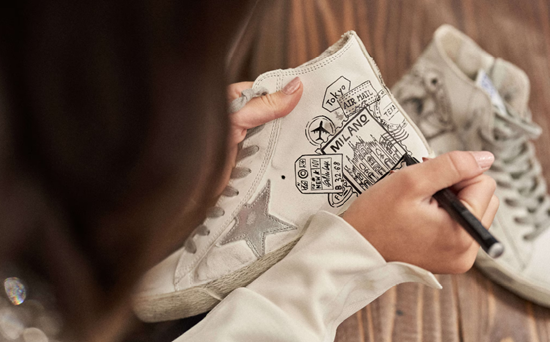
Core Insights - Sequoia China announced the acquisition of a controlling stake in Golden Goose Group, with Temasek and its wholly-owned asset management company,淡明资本, participating as minority shareholders [2][3][13] - Golden Goose has shown strong revenue growth, increasing from €266 million in 2020 to €655 million in the fiscal year 2024, maintaining a robust growth momentum [2][13] - The brand has expanded its direct-to-consumer (DTC) channels significantly, increasing its global direct store count from 97 to 227 since 2019, and achieved a 21% growth in DTC channels in the first nine months of 2025 [2][13] Company Overview - Golden Goose is a next-generation global fashion brand that blends luxury, lifestyle aesthetics, and sports style, known for its high-quality products and unique "distressed" look [6][17] - The brand has built a community of over 2 million "Dreamers" and operates in the Americas, Europe, the Middle East, and Asia-Pacific, with a strong online and wholesale presence [6][17] Investment Strategy - The partnership between Sequoia China and Temasek reflects a strategic and cultural alignment with Golden Goose, leveraging their extensive investment experience in lifestyle and consumer technology brands [3][14] - Sequoia China has a history of supporting over 1,600 companies, focusing on transformative technologies and high-growth potential [18] - Temasek, with a portfolio net worth of SGD 434 billion (approximately USD 324 billion), aims to create resilient and forward-looking investment portfolios [19] Leadership and Management - Silvio Campara will continue as CEO of Golden Goose, supported by Marco Bizzarri, who will serve as the non-executive chairman, bringing extensive experience from leading luxury brands [3][14] - The management team is expected to drive Golden Goose's next phase of global expansion while maintaining its Italian heritage [4][15]

红杉中国成为Golden Goose控股股东,带领意大利时尚品牌加速全球布局
红杉汇· 2025-12-20 00:39
Core Viewpoint - Sequoia China announced the acquisition of a controlling stake in Golden Goose Group, with Temasek participating as a minority shareholder, aiming to accelerate Golden Goose's global expansion while preserving its Italian craftsmanship heritage [3][6]. Group 1: Company Overview - Golden Goose is a global emerging fashion brand that blends luxury, lifestyle aesthetics, and sports style, achieving revenue growth from €266 million in 2020 to €655 million in the fiscal year 2024, maintaining a strong growth momentum [4]. - The company has significantly expanded its direct-to-consumer (DTC) channel, increasing its global direct store count from 97 to 227 since 2019, and reported a 21% growth in DTC channels in the first nine months of 2025, resulting in a 13% year-on-year revenue increase [4]. Group 2: Investment and Strategic Partnership - The partnership between Sequoia China and Temasek reflects a strong strategic and cultural alignment with Golden Goose, leveraging their extensive investment experience in lifestyle and consumer technology brands to support Golden Goose's internationalization [6]. - Sequoia China and Temasek aim to enhance Golden Goose's brand foundation while accelerating its growth as a next-generation global fashion brand [6]. Group 3: Leadership and Future Direction - Silvio Campara will continue as CEO of Golden Goose, supported by the existing leadership team, while Marco Bizzarri, with extensive experience in luxury brands, will serve as the non-executive chairman, playing a crucial role in the brand's global expansion [7].

羽毛球价格疯涨,安徽小城的百亿生意藏不住了
3 6 Ke· 2025-10-09 01:00
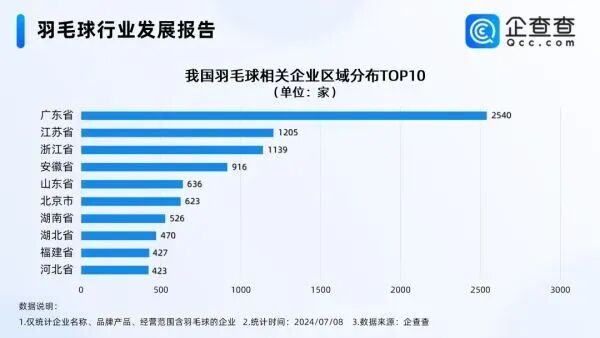
Core Insights - The price of badminton has surged significantly over the past three years, with an overall increase of over 50% for branded shuttlecocks, and a projected increase nearing 70% for competition-grade shuttlecocks by 2025 [1][34] - The badminton industry in Liu'an, Anhui, has developed into a billion-dollar industry, driven by the local production of shuttlecocks and a complete supply chain [1][4] Industry Overview - As of July 2024, there are approximately 13,000 badminton-related enterprises in China, with Anhui province ranking fourth in terms of enterprise count [2] - Liu'an stands out as a major hub for feather and down production, with an annual output value exceeding 10 billion yuan and exports surpassing 200 million USD [4][5] Regional Development - Liu'an has a complete feather (down) industry chain, including 24 trading markets and 142 collection stations [4] - The town of Ganchahhe is a key production area, generating over 1.5 billion yuan in annual output value and producing over 8 million dozen shuttlecocks annually [7][10] Historical Context - The feather industry in Liu'an has evolved over 40 years, transitioning from small-scale barter trade to a robust industrial sector [13][21] - The establishment of farmer enterprise groups has helped local businesses withstand market pressures and expand their reach [21][22] Market Dynamics - China is the largest producer of badminton equipment, with Liu'an aiming to compete with established production areas like Zhejiang Jiangshan [30][41] - The demand for badminton products is growing rapidly, with the market expected to reach 32 billion yuan by 2025, driven by a significant increase in consumer spending [32][41] Challenges and Opportunities - The shortage of raw materials has led to a doubling of prices for duck and goose feathers, impacting production costs [34][37] - Liu'an's manufacturers are adapting by introducing cost-effective production methods while also focusing on high-end markets, leveraging the region's reputation for quality goose feathers [40][42][44]
国羽十年重回巅峰,320亿羽毛球市场炙手可热
Sou Hu Cai Jing· 2025-09-04 15:10
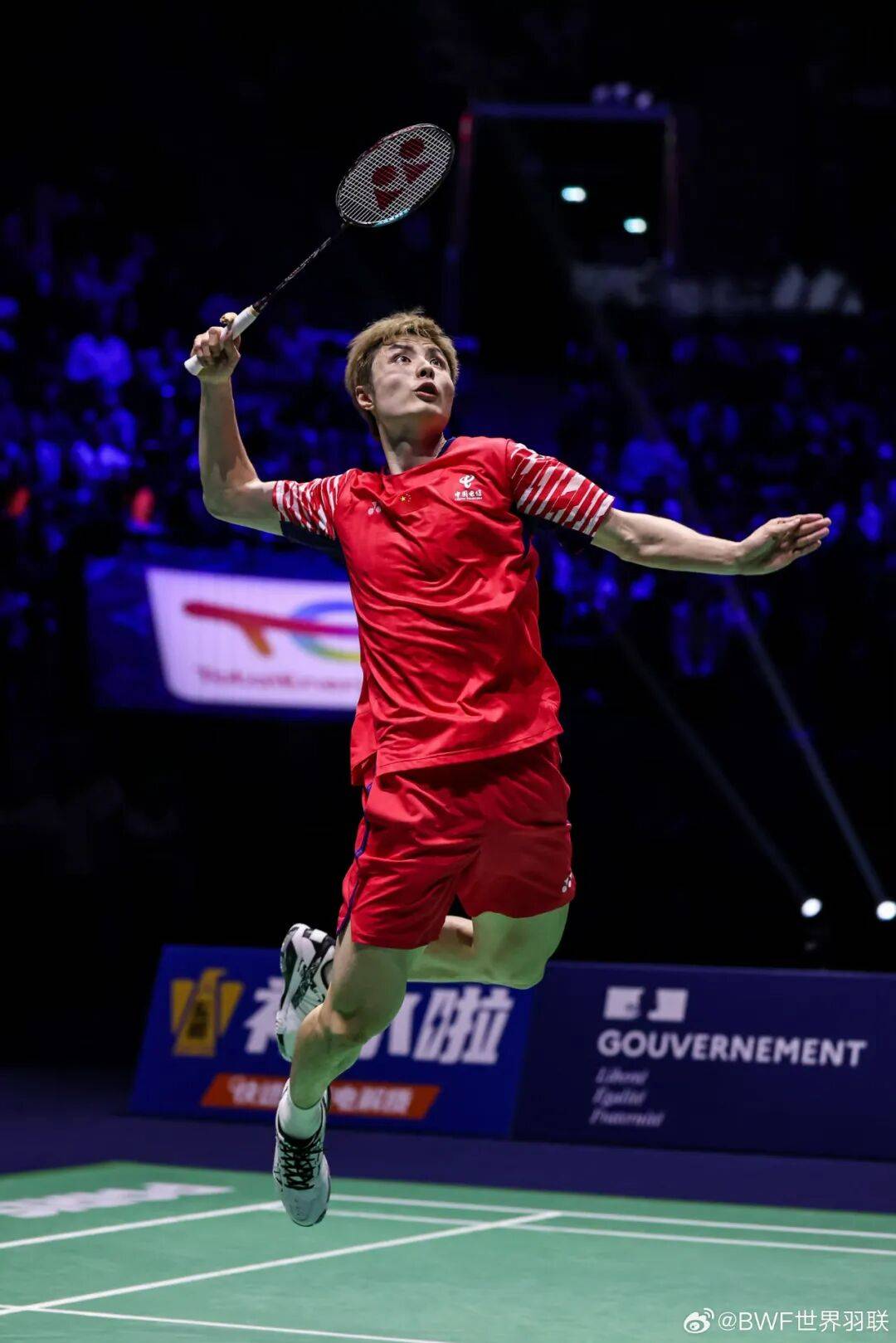
Group 1 - The core viewpoint of the articles highlights the resurgence of badminton in China, particularly following the recent success of the national team at the 2025 World Badminton Championships, where they won 2 golds, 3 silvers, and 1 bronze, marking a significant achievement after a decade of challenges [4][6][10] - The performance at the championships indicates a strong potential for the upcoming Olympic cycle, with the national team demonstrating resilience and depth in talent [6][10] - Despite the national team's perceived low performance in recent years, badminton as a sport has seen a significant increase in participation and popularity among the general public, with 250 million people engaging in the sport [11][13] Group 2 - The badminton market in China is projected to reach a scale of 32 billion yuan by 2025 and is expected to exceed 45 billion yuan by 2030, driven by the growth in related industries such as equipment manufacturing, venue services, and event operations [22] - The per capita annual spending on badminton has increased from approximately 300 yuan a decade ago to nearly 3,000 yuan today, indicating a clear trend of consumption upgrading within the sport [22][25] - The shift in consumer behavior has moved from basic equipment purchases to a preference for complete professional sets, reflecting badminton's evolution into a lifestyle choice for many participants [25]
“苏超”“汉超”“川超”!一脚足球踢出了……
Jin Rong Shi Bao· 2025-08-26 12:32
Group 1 - The 2025 Wuhan City Football Super League ("Han Chao") opened with 46,780 spectators, marking the second-highest attendance for amateur football events in China [1] - The local football league craze is spreading across the country, with events like "Su Chao," "Gan Chao," and "Chuan Chao" igniting enthusiasm and creating vibrant scenes of travel for matches [1] Group 2 - Sports events are driving consumption, with visitors enjoying local food and tourism while attending matches, significantly impacting transportation, tourism, dining, and accommodation industries [2] - The sports industry in China has seen an average annual growth rate of over 10% in the past five years, with event economies and outdoor industries thriving [2] - In the first half of the year, Guizhou's accommodation and catering industries grew by 5.6% and 8.2% year-on-year, respectively, boosted by events like "Han Chao," which attracted around 100,000 people and generated nearly 30 million yuan in consumption [2] Group 3 - The "Su Chao" event has gained immense popularity, with 230 million views and 135,000 discussions on social media, significantly boosting local consumption in Jiangsu province [3] - 95.9% of attendees reported spending beyond ticket purchases, with average travel costs for out-of-town visitors ranging from 1,000 to 2,000 yuan [3] - The "Su Chao" event has driven a total consumption of 38 billion yuan across various sectors in Jiangsu, demonstrating the effectiveness of community sports events in stimulating local economies [3] Group 4 - The State Council has emphasized the need to stimulate sports consumption and expand consumption scenarios, encouraging local governments to host sports events and implement consumer-friendly measures [4] - Recent policies aim to promote high-quality development in the sports industry, encouraging the creation of unique event brands and integrating sports with tourism [4] Group 5 - Financial support is crucial for enhancing sports consumption, with recent guidelines from the People's Bank of China aimed at promoting high-quality development in the sports sector [5] - Local initiatives in Jiangsu have shown early success in integrating financial services with sports events, leading to over 40% growth in service revenue across tourism, dining, and accommodation related to "Su Chao" [5] - The successful implementation of events like "Su Chao," "Gan Chao," and "Chuan Chao" indicates a promising future for community sports competitions and their economic impact [5]
以体育赛事为引擎,激发消费新活力
Sou Hu Cai Jing· 2025-08-24 09:02
Group 1 - The core viewpoint emphasizes the importance of stimulating sports consumption demand and expanding sports consumption scenarios to better meet the upgrading needs of the public [2] - The total scale of China's sports industry reached 3.67 trillion yuan in 2023, with an average annual growth rate of 10.3%, and the added value reached 1.49 trillion yuan [2] - The proportion of sports service industry, led by competition performance and fitness leisure, increased from 68.7% in 2020 to 72.7% in 2023 [2] Group 2 - Sports activities can significantly boost related product and service demands, as well as promote the development of industries such as dining, transportation, and accommodation through sports tourism [3] - The "Su Super" league in Jiangsu has become a phenomenon, driving up consumption in local culture, food, and leisure, while also increasing sales of sports merchandise [3] - A survey indicated that 95.9% of spectators incurred additional expenses beyond ticket purchases, with average spending for out-of-town visitors ranging from 1,000 to 2,000 yuan [3] Group 3 - The State Council meeting highlighted that developing the sports industry and consumption is a crucial part of the strategy to expand domestic demand [4] - Key strategies to further unleash sports consumption potential include improving infrastructure, expanding consumption scenarios, and enhancing service quality [4] - It is essential to avoid homogenized competition by tailoring sports events to local economic development, social foundations, and resource endowments [4]
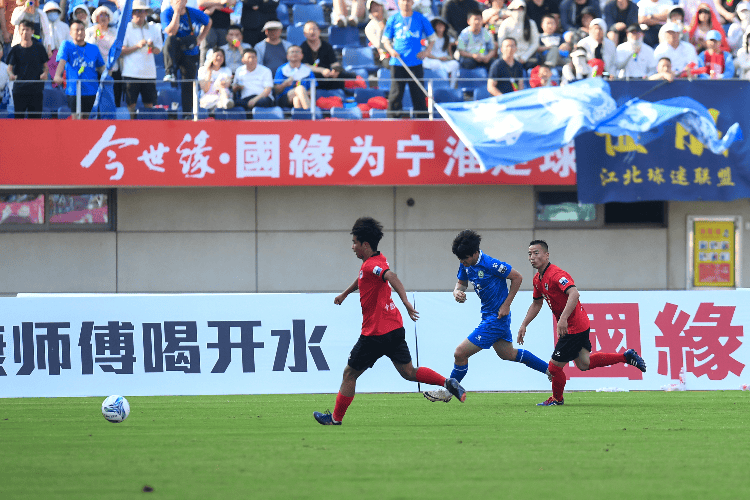
以体育赛事为引擎 激发消费新活力
Nan Fang Du Shi Bao· 2025-08-24 01:05
Group 1 - The core viewpoint emphasizes the importance of stimulating sports consumption demand and expanding sports consumption scenarios to better meet the upgrading needs of the public [1] - The total scale of China's sports industry reached 3.67 trillion yuan in 2023, with an average annual growth rate of 10.3%, and the added value reached 1.49 trillion yuan [1] - The proportion of sports service industry, led by competition performance and fitness leisure, increased from 68.7% in 2020 to 72.7% in 2023 [1] Group 2 - Sports activities can significantly boost related product and service demands, as well as promote the development of industries like catering, transportation, and accommodation through sports tourism [2] - The "Su Super" league in Jiangsu has become a phenomenon, driving up consumption in local culture, food, and leisure, while also increasing sales of sports merchandise [2] - A survey indicated that 95.9% of spectators engaged in additional spending beyond ticket purchases, with average travel expenses for out-of-town visitors ranging from 1,000 to 2,000 yuan [2] Group 3 - The State Council meeting highlighted that developing the sports industry and consumption is crucial for implementing the strategy of expanding domestic demand [3] - Key strategies to enhance sports consumption include improving infrastructure, expanding consumption scenarios, and enhancing service quality [3] - It is essential to avoid homogenized competition by tailoring sports events to local economic conditions, social foundations, and resource endowments [3]
新华全媒+|从索朗尼玛家的家庭支出看西藏人民生活新变化
Xin Hua She· 2025-08-16 12:25
Core Insights - The article highlights the significant changes in the lifestyle and economic conditions of residents in Tibet, particularly focusing on the family of Suolang Nima, who has experienced a transformation from a traditional farming lifestyle to a more modern and prosperous one [1][2] Group 1: Economic Development - The economic and social development in Tibet has led to increased income and improved living standards for local residents, as evidenced by Suolang Nima's family's transition from a subsistence lifestyle to one that allows for greater consumption and leisure activities [1][2] - In 2015, Suolang Nima's family made a pivotal investment in a tractor, which replaced traditional farming methods and significantly enhanced production efficiency, allowing family members to pursue additional income opportunities [2] Group 2: Changes in Consumption Patterns - The family's income has increased to over 300,000 yuan, leading to a shift in their consumption habits from survival-oriented to enjoyment-oriented, with expenditures on travel and leisure activities becoming more common [2] - Suolang Nima's son, who recently graduated from high school, represents a new generation that actively engages in consumer culture, purchasing sports gear and memberships, reflecting the changing values and aspirations of Tibetan youth [2]
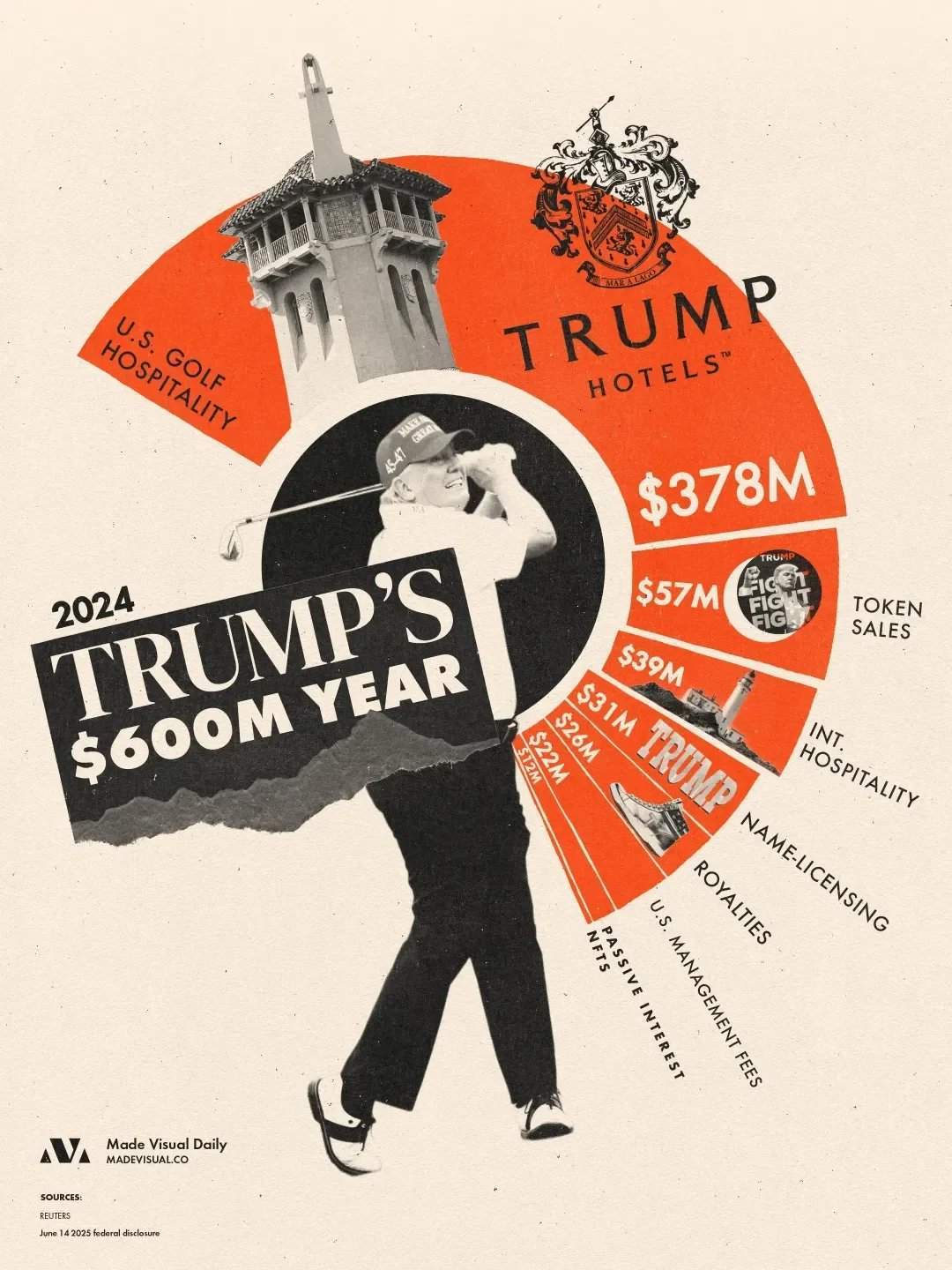
拆解特朗普6亿美元年收入:美国高尔夫球场和酒店业务3.78亿美元贡献超六成!名下资产总值至少达16亿美元
Ge Long Hui· 2025-08-04 07:00
Group 1 - The core point of the article is that President Trump's declared income for 2024 is at least $600 million, with total assets valued at a minimum of $1.6 billion, primarily driven by traditional hotel assets and additional income from token sales and franchising [1][3] Group 2 - The golf courses and hotel business generated a significant revenue share of $378 million, surpassing all other business segments [3] - Token sales from the World Liberty Financial platform contributed $57.3 million, excluding earnings from the $TRUMP meme coin, which was estimated to be worth $320 million earlier this year [3] - Revenue from brand licensing and publications, including Trump-branded watches, sneakers, and the Greenwood-endorsed Bible, amounted to at least $26 million [3]
美国消费者能否感知到特朗普关税影响?上半年美消费支出显著放缓释放什么信号
Di Yi Cai Jing· 2025-07-08 11:19
Group 1 - U.S. retailers have approximately one month of inventory left, and if tariffs continue, inflation may rise in the coming months [1] - The uncertainty surrounding tariffs has led to cautious consumer behavior, with limited impact on consumer prices so far [1][4] - Consumer spending in the U.S. has significantly slowed down in the first half of the year, raising concerns about economic growth [3][4] Group 2 - The first quarter GDP revision showed a notable decrease in demand, with consumer spending growth revised down from 1.8% to 0.5% [3] - In May, actual consumer spending declined by 0.3%, leading to weak economic activity in the second quarter [3][4] - The anticipated rebound in second-quarter GDP is expected to be primarily due to a reduction in trade deficits [3] Group 3 - The soft consumer spending reflects the impact of tariff-induced price increases, causing consumers to reduce expenditures [4] - Companies are currently absorbing tariff costs by compressing profit margins rather than passing them onto consumers [5] - Future inflation rates are projected to rise from 2.4% to 3.1% over the next 12 months, which will squeeze real income and consumer purchasing power [5] Group 4 - Companies, especially in the pharmaceutical and industrial sectors, have preemptively stocked up on goods to mitigate price increases [5] - Other sectors, such as toys, clothing, and furniture, are expected to pass on price increases to consumers, but consumer resistance may limit this effect [5]