
知识产权贷

Search documents
广东推动科技、金融与产业深度耦合,深圳金融如何先行探路
Nan Fang Du Shi Bao· 2026-02-25 11:59
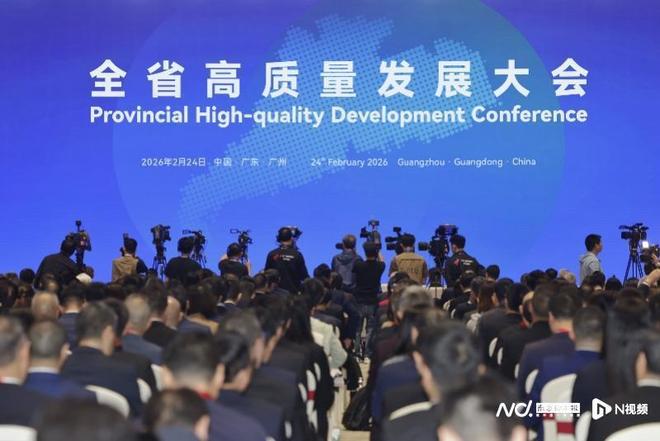
Group 1 - The Guangdong Provincial High-Quality Development Conference focused on the theme of "coordinated development of manufacturing and services," aiming to promote deep integration of technology, finance, and industry [2] - Two policy proposals were highlighted: the "Guangdong Province Financial Services for Technology Strong Province Construction Work Plan" and the "Guangdong Province Financial Support for Enterprises to Carry Out Industrial Chain Integration and Mergers and Acquisitions Action Plan" [2] - The financial service plan aims to establish a comprehensive financial service system for technology enterprises, emphasizing key areas such as the Guangdong-Hong Kong-Macao Greater Bay Area, strategic emerging industries, and supporting 1,000 manufacturing champions and 10,000 specialized and innovative enterprises [2] Group 2 - By 2025, Guangdong's financial system is expected to provide risk protection for over 12 million enterprises, with a total of 14.38 trillion yuan in risk coverage, leading the nation in indicators such as insurance premiums and technology loan balances [3] - Shenzhen has positioned itself as a significant hub for industrial finance, with initiatives to support the integration of technology and finance, including the issuance of technology bonds and the establishment of specialized financial institutions [4] - Shenzhen's financial management has recognized the importance of a virtuous cycle between technology, industry, and finance, with significant achievements in direct financing and insurance innovation [4] Group 3 - Shenzhen's venture capital firm has invested in over 1,800 companies, with more than 85% being early-stage and growth-stage firms, focusing on key sectors like semiconductors and biotechnology [5] - The insurance sector is increasingly vital in supporting the development of strategic emerging industries, with innovative insurance products being developed to cover the entire lifecycle of technology enterprises [6] - Major securities firms in Shenzhen are actively supporting mergers and acquisitions in strategic emerging industries, focusing on business expansion needs of leading enterprises [6]

跟着首都发展节拍跃马扬鞭
Bei Jing Ri Bao Ke Hu Duan· 2026-02-10 22:46
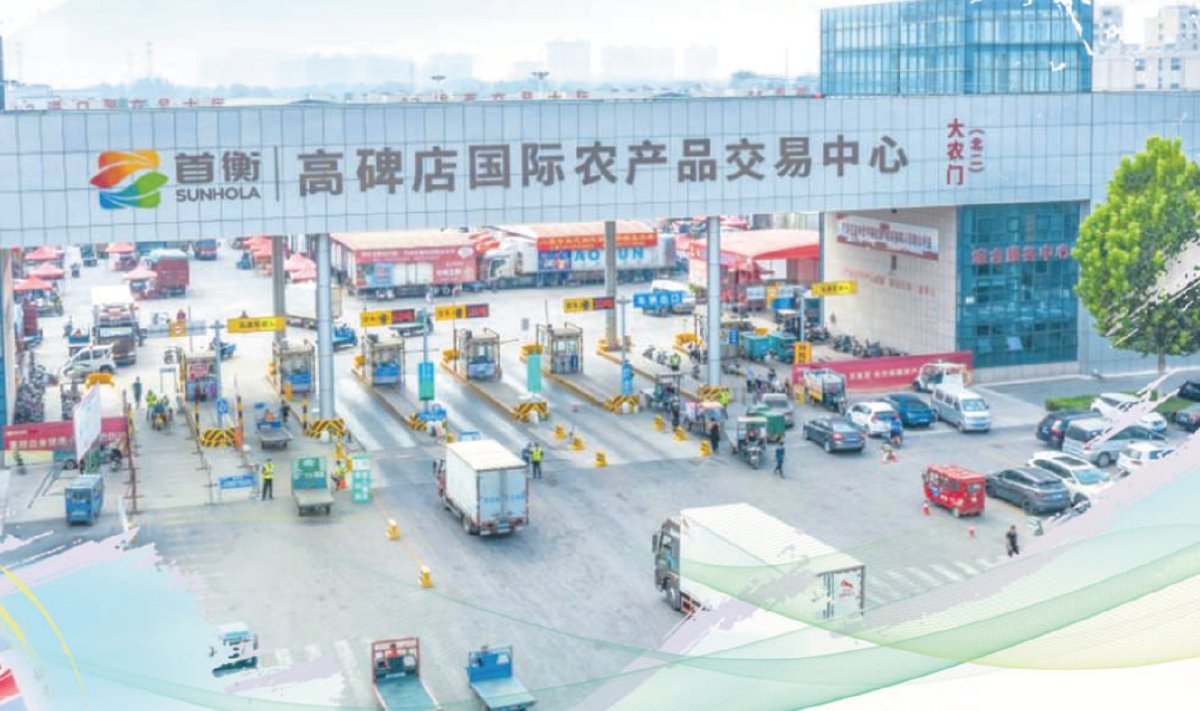
Core Viewpoint - The "Five Sub-areas" linkage is a core strategy for high-quality development in Beijing, with Huaxia Bank deeply integrating into the capital's development through its "Jinghua Action" initiative, focusing on technology and green finance to stimulate consumption and support regional collaboration [1]. Group 1: Financial Support and Services - Huaxia Bank has established a funding support system worth hundreds of billions, aiming to provide over 500 billion yuan in various financing services to the Beijing region by 2025, representing a 15% year-on-year increase [1]. - The bank has successfully granted a comprehensive credit line of 3.5 billion yuan to a high-end semiconductor equipment company, with 2.5 billion yuan already disbursed to enhance its technological capabilities [6]. - By 2025, Huaxia Bank's loans to technology enterprises are expected to exceed 240 billion yuan, with a growth rate of over 50%, focusing on key industries such as digital economy and artificial intelligence [11]. Group 2: Technology Finance Initiatives - Huaxia Bank has elevated technology finance to a strategic priority, aiming to support the construction of Beijing as an international technology innovation center [7]. - The bank has created a product matrix addressing the entire lifecycle of enterprises, offering tailored financial products from startup loans to mergers and acquisitions financing [9]. - A grid-based service system has been established, with a focus on 23 specialized technology branches to ensure comprehensive coverage of technology finance resources across Beijing [8]. Group 3: Green Finance Development - Green finance is a key area for Huaxia Bank, with a dedicated management committee and specialized departments to enhance its green finance capabilities [12]. - The bank has developed a diverse range of green financial products, including loans and investment options, and has been recognized for its contributions to green finance at international trade events [13]. - By 2025, the bank's green loans in the clean energy sector are projected to reach nearly 4 billion yuan, supporting various renewable energy projects [15]. Group 4: Consumer Finance Enhancement - Huaxia Bank is actively enhancing consumer finance by designing differentiated products that integrate financial tools into consumption scenarios, promoting a healthy consumption cycle [18]. - The bank has collaborated with major supermarkets and restaurants to launch promotional activities, benefiting over 200,000 customers [20]. - Initiatives in cultural and entertainment sectors have attracted significant participation, generating over 10 billion yuan in transaction volume [21]. Group 5: Regional Collaboration and Development - The "Jinghua Action" has achieved full coverage of 37 state-owned enterprises in the capital, providing over 4.8 billion yuan in credit for key projects [23]. - The bank has supported major relocation projects and infrastructure developments, contributing over 2 billion yuan in credit for the Beijing urban sub-center [25]. - In 2025, Huaxia Bank is expected to provide nearly 90 billion yuan in financing services for key projects in the Beijing-Tianjin-Hebei region, marking a 31% year-on-year increase [27]. Group 6: Digital Transformation - Huaxia Bank is advancing its digital transformation, with loans to core digital economy sectors exceeding 100 billion yuan and a growth rate of 24.8% [28]. - The bank is optimizing its organizational structure to enhance technological support and has received an A-grade in digital management assessments [28]. - The integration of artificial intelligence into key operational areas is being prioritized to build competitive advantages [28]. Group 7: Future Directions - The bank aims to leverage new policies to expand domestic demand and enhance its service offerings in technology finance and green trade [30]. - Continued focus on the "Jinghua Action" will drive financial support for the capital's modernization efforts, ensuring alignment with the city's development goals [30].

民企科创债发行家数和规模均居全国第3,四川“交卷”2025科技金融大文章
Sou Hu Cai Jing· 2026-01-28 06:42
Core Viewpoint - The People's Bank of China Sichuan Branch is prioritizing technology finance as a key task, implementing the "Star Plan" to enhance financial support for technological development in the province [1] Group 1: Policy Framework and Ecosystem - The Sichuan Branch has led the development of a comprehensive policy framework to support technology finance, including measures like the "Five Major Articles of Finance" and the "Star Plan" for 2025 [2] - A tiered financial interaction policy has been established, rewarding banks that provide loans to technology SMEs and issue innovation bonds, with over 45 million yuan distributed to 62 banks by 2025 [2] - The branch is promoting a coordinated approach to technology finance, focusing on eight national high-tech zones and two regions with strong technology finance foundations [2] Group 2: Support for Technological Innovation - The Sichuan Branch has set up re-loans for technological innovation and equipment upgrades, with extensive policy promotion and collaboration with local departments [3] - A monthly monitoring and quarterly reporting system has been established to evaluate the implementation of policies, with underperforming banks subject to discussions and on-site supervision [3] - By the end of 2025, banks in the province had granted 106.3 billion yuan in credit to technology enterprises and projects, a 2.6-fold increase from the end of 2024 [3] Group 3: Financial Product Innovation - Financial institutions are innovating products and services to better support technological innovation, with major banks establishing independent management mechanisms for technology finance [4] - New financial products such as innovation credit loans and intellectual property loans have been launched, with collaborative models between banks and other financial institutions [4] - By the end of November 2025, the balance of technology loans in the province reached 1.35 trillion yuan, a year-on-year increase of 13.5%, surpassing the national average by 2 percentage points [5] Group 4: Diversified Financing Channels - The Sichuan Branch is leveraging the bond market to support technological innovation, facilitating the issuance of 23.1 billion yuan in technology innovation bonds [6] - A pilot program for cross-border financing has been initiated, allowing 44 companies to sign foreign debt agreements totaling 6.59 million USD under a new policy framework [6]
2025年度深圳金融业十件大事:一批重点金融项目落地 金融业实现高质量发展
Xin Lang Cai Jing· 2026-01-13 09:09
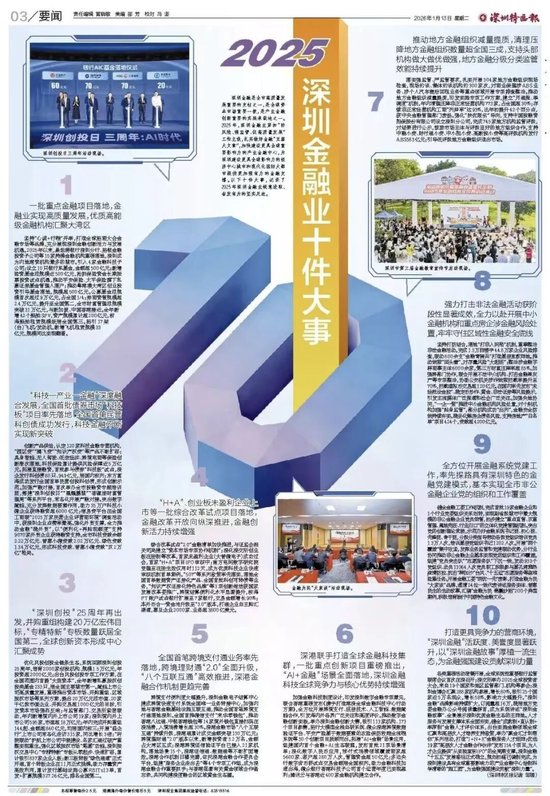
Core Insights - Shenzhen's financial sector is a crucial pillar for high-quality development, aiming to enhance its global influence and support the city's transformation into a modern international metropolis [1] Group 1: Key Financial Projects and Developments - A total of 15 licensed financial institutions, including Santander Bank's Shenzhen branch, have established operations in Shenzhen, making it the city with the most Hong Kong-funded institutions in mainland China [2][31] - The public fund scale has surpassed 9 trillion yuan, accounting for one-fourth of the national total, while the asset management scale of securities firms has exceeded 2.4 trillion yuan, ranking second nationally [4][34] - The total wealth management scale in Shenzhen has exceeded 31 trillion yuan, approaching levels seen in Singapore and Hong Kong [4][34] Group 2: Integration of Technology, Industry, and Finance - Shenzhen has launched the first batch of "technology board" projects in the bond market, with local companies issuing 80 technology innovation bonds totaling 949 billion yuan [5][35] - The city has recognized 120 specialized technology financial institutions and expanded innovative financial products, providing risk protection of nearly 5 trillion yuan through technology insurance [5][35] Group 3: Financing and Support for Enterprises - The city has facilitated over 600 billion yuan in financing for 350,000 small and micro technology enterprises, with a dual structure of technology loans and inclusive small loans each exceeding 2 trillion yuan [8][38] - A total of 9,070 foreign trade enterprises received financing support, contributing to the stability of foreign trade [8][38] Group 4: Venture Capital and Market Development - Shenzhen has nurtured 2,000 venture capital institutions with a total scale of 1.5 trillion yuan, leading to annual investments exceeding 200 billion yuan [9][39] - The city aims for a total market value of 20 trillion yuan and the establishment of 20 companies with a market value of over 100 billion yuan [9][39] Group 5: Financial Innovation and Reform - The city has implemented comprehensive reform pilot projects, including the first listing of a loss-making company and the launch of the "H+A" project IPO review [12][42] - Cross-border payment systems have been enhanced, with the establishment of a rapid payment system and the first cross-border payment business in the country [14][44] Group 6: Strengthening Financial Security and Regulation - Over 773 non-compliant financial organizations have been eliminated, representing more than 30% of the total in the country, as part of efforts to enhance regulatory effectiveness [18][48] - The city has successfully managed financial risks associated with small and medium-sized financial institutions and key real estate companies, supporting 424 real estate projects with loans exceeding 420 billion yuan [20][50] Group 7: Financial System and Party Building - The city has established a comprehensive financial party-building model, achieving significant coverage of non-public financial enterprises [22][52] - Training programs have been conducted for over 13,000 party members, enhancing the integration of business regulation and party work [22][52] Group 8: Enhancing Business Environment - Various high-profile events have been held to promote Shenzhen's financial brand, including the Global Investor Conference and the Shenzhen Financial Expo, significantly increasing its influence [25][55] - A talent support system has been established to attract high-level financial professionals, with 154 projects launched to support talent from laboratory to IPO [25][55]
金融“陪伴者”:上海银行如何为科创企业注入穿越周期的韧性
Di Yi Cai Jing· 2025-12-29 02:53
Core Viewpoint - The Shanghai Free Trade Zone's Lingang New Area is emerging as a new engine for Shanghai's economic development, attracting global attention with its innovative spirit and world-class industrial clusters, exemplified by companies like Zhongke Xinsong [1] Company Overview - Zhongke Xinsong, established in 2014, developed China's first seven-axis collaborative robot in 2015, marking its entry into the international competitive landscape of collaborative robotics [1] - The company focuses on industrial embodied intelligence, offering a product line that includes six-axis and seven-axis collaborative robots, dual-arm robots, and humanoid composite robots [2] Employee Incentives - The company has recognized the increasing need for employee incentives as it matures, leading to a tailored "employee stock ownership financing" plan developed by Shanghai Bank [1][4] - This plan aims to bind employee interests with the long-term development of the company, addressing funding shortages for stock ownership while stabilizing core talent and attracting high-end professionals [4] Market Demand - There is a significant demand for collaborative robots, with Zhongke Xinsong operating at full production capacity and expanding its workforce to meet customer needs [3] - The company emphasizes the importance of "polygonal talents" who understand industrial scenarios and cutting-edge technologies to achieve flexible, intelligent, and cost-effective factory solutions [4] Future Trends in Robotics - The future of industrial robots is expected to involve continuous iteration towards lighter, more powerful, and multifunctional designs, with a focus on integrating AI technologies to enhance efficiency [4] - Enhanced perception capabilities and deep integration of intelligent control technologies are anticipated to bring robot behavior closer to human-like interactions [4] Financial Support and Services - Shanghai Bank has been a long-term partner of Zhongke Xinsong, providing various financial products tailored to the company's lifecycle, including the recent employee stock ownership financing plan [5][6] - The bank's approach includes a comprehensive financial product system that supports technology companies throughout their development stages, from initial startup to maturity [5][6] Ecosystem Development - Shanghai Bank aims to build a sustainable innovation ecosystem by integrating resources beyond the banking system, collaborating with local authorities and incubators to support early-stage companies [6][7] - The bank's vision includes becoming a preferred partner for technology transformation and innovation, focusing on supporting companies through their growth phases [7][8]

专访杨涛:金融“五篇大文章”不能“各写各的”
Xin Lang Cai Jing· 2025-12-25 16:21
Core Viewpoint - In 2025, China's financial market is expected to navigate a unique rhythm amidst internal and external changes, with monetary policy maintaining a "moderately loose" tone and a series of financial policies aimed at stimulating consumption and optimizing financial supply [1] Group 1: Financial Policies and Economic Environment - The financial policies in 2025 will focus on promoting consumption through a combination of financial support, scene integration, and subsidies to activate consumer demand [1] - The "Five Major Articles" in finance will systematically advance measures to enhance economic circulation, stimulate domestic demand, and optimize financial supply [1] - The core contradiction affecting consumer spending is the challenge of disposable income, which needs to be addressed for sustainable long-term growth in consumption [1][7] Group 2: Service Consumption as a Core Focus - Service consumption should be prioritized as it has greater potential for growth compared to goods consumption, with a notable expansion in the service consumption market over the past two years [5] - The structure of service consumption includes basic, developmental, and enjoyment types, with a need to enhance the share of cultural, entertainment, and financial services [5] - Future policies should target the pain points in promoting service consumption, such as increasing disposable income, improving consumption capacity, and optimizing product quality and pricing [6] Group 3: Digital Finance and Innovation - Digital finance is identified as the main thread in the "Five Major Articles," focusing on financial digital transformation to achieve high-quality development [2][10] - The integration of digital finance with other financial areas is crucial for innovation, with an emphasis on supporting small and micro enterprises [10] - The development of a supportive environment for digital finance, including credit services and risk management, is essential for the success of the "Five Major Articles" [10][11] Group 4: Support for Small and Medium Banks - Small and medium banks face multiple constraints in digital transformation, necessitating support from regulatory bodies and industry associations [12] - Key measures include differentiated regulatory support, building open ecosystems, and optimizing local financial technology environments to facilitate digital transformation [12][13] Group 5: Data as an Asset - The upgrade of data elements to asset status presents a significant opportunity, allowing for innovative financing solutions based on data assets [16] - Data can enhance credit evaluation and risk management in technology finance, addressing challenges faced by light-asset enterprises [16] Group 6: Cross-Border Payment Systems - The need for interconnected cross-border payment systems is urgent, driven by the challenges of high costs and low efficiency in current global payment networks [17][18] - New technologies and standards are essential for transforming the cross-border payment landscape, with a focus on creating a new ecosystem that accommodates emerging payment models [17][18]
“十五五”首席观察|专访杨涛:金融“五篇大文章”不能“各写各的”
Bei Jing Shang Bao· 2025-12-25 14:41
Core Viewpoint - In 2025, China's financial market is characterized by a unique rhythm amidst internal and external changes, with monetary policy maintaining a "moderately loose" tone and a series of financial policies aimed at stimulating consumption and optimizing financial supply [1][2]. Financial Policies and Consumption - The "Five Major Articles" in finance are crucial for promoting economic circulation and stimulating domestic demand, with a focus on digital finance as the main line for high-quality financial development [2][9]. - The transition from "incremental pull" to "structural optimization" in consumption policies indicates a shift in focus towards service consumption, which is expected to have greater growth potential than goods consumption [4][5]. Service Consumption - Service consumption is identified as a core area for promoting sustainable growth, with significant room for improvement compared to goods consumption [5][6]. - Key challenges include increasing disposable income, enhancing consumption capacity, improving consumption tendencies, ensuring product quality, optimizing the consumption environment, and reducing policy constraints [6]. Resident Income and Consumption Potential - The core contradiction affecting resident consumption is the challenge of disposable income, which has seen a growth slowdown, negatively impacting consumption, especially in services [7][8]. - Future focus areas for increasing resident income should include enhancing property income and operational income, with an emphasis on supporting small businesses and informal economies [8]. Digital Finance and Innovation - Digital finance is positioned as the main line of the "Five Major Articles," emphasizing the need for coordination among various financial sectors to avoid imbalances [9][10]. - The integration of new technologies and data elements is essential for driving high-quality development in technology finance, with a focus on innovative credit models and risk management [15][16]. Cross-Border Payment Systems - The need for interconnected cross-border payment systems is highlighted, with new technologies, standards, and ecosystems being essential for addressing existing challenges in cost, efficiency, and transparency [17][18].
锚定“十五五”蓝图 华夏银行以“京华行动”助力首都高质量发展
Jin Rong Jie· 2025-12-23 03:40
Core Viewpoint - Huaxia Bank emphasizes its commitment to supporting the capital's development through various strategic actions, particularly the "Jinghua Action," which aims to leverage resources for the benefit of Beijing's growth and high-quality development [1] Group 1: Financial Support and Initiatives - Huaxia Bank has launched ten key actions this year, focusing on business development, cost reduction, risk control, internal management, and style construction, with the "Jinghua Action" being the most significant [1] - As of the end of October, Huaxia Bank has provided a total of 400 billion yuan in various financing services to the Beijing area, representing a 13% year-on-year increase [1] - The bank's technology finance initiatives are positioned as a core engine for supporting new productive forces in the capital, with a strategic focus on enhancing technology finance across the organization [2] Group 2: Technology Finance Development - Huaxia Bank has established a comprehensive product matrix to address the financing needs of technology enterprises throughout their lifecycle, including various loan products tailored to different growth stages [3] - The bank's technology enterprise loan balance reached nearly 240 billion yuan, with a growth rate of nearly 50%, serving over 8,400 clients [3] - In 2025, Huaxia Bank has issued nearly 4 billion yuan in credit loans to support the technology development of specific companies, such as Moer Technology [3] Group 3: Green Finance Initiatives - Huaxia Bank has positioned green finance alongside technology finance as a key feature, with a green finance balance exceeding 490 billion yuan and green loan balance surpassing 350 billion yuan, accounting for nearly 16% of total loans [4] - The bank has collaborated with the World Bank on significant projects aimed at air pollution prevention, with annual CO2 emissions reductions of 2.88 million tons [5] - Huaxia Bank has also supported major green infrastructure projects and led the underwriting of green asset-backed securities, demonstrating its commitment to sustainable development [5] Group 4: Consumer Finance Efforts - To support the construction of Beijing as an international consumption center, Huaxia Bank has launched 18 key tasks aimed at promoting consumer spending and enhancing financial services for major projects [6] - The bank has engaged in various promotional activities, including collaborations with supermarkets and cultural events, to stimulate consumer engagement and spending [6][7] Group 5: Regional Development and Collaboration - Huaxia Bank has provided nearly 90 billion yuan in financing services for key projects in the Beijing-Tianjin-Hebei region, marking a 31% year-on-year increase [8] - The bank has initiated the "Jinghua Action" to ensure comprehensive service coverage for state-owned enterprises in the capital and has supported various relocation projects to enhance regional integration [8] - Future plans include further advancing the "Jinghua Action" with more precise strategic layouts and innovative financial products to support the capital's development goals [8]
天津农商银行“十四五”期间扎实做好金融“五篇大文章”
Xin Lang Cai Jing· 2025-12-20 03:36
Core Viewpoint - Tianjin Rural Commercial Bank is committed to enhancing financial services in key areas such as technology innovation, green industry, inclusive finance, and elderly economy during the 14th Five-Year Plan period, aiming to support high-quality economic development in Tianjin [1]. Group 1: Technology Finance - The bank has established four specialized branches to enhance services for technology enterprises, creating a comprehensive service system with 29 unique financial products including "Innovation Loans" and "Intellectual Property Loans" [1]. - A new "Loan + External Investment" model has been introduced to assist technology startups in overcoming financing challenges due to lack of collateral, with technology loan balances exceeding 35 billion yuan [1]. Group 2: Green Finance - The bank integrates green finance with agriculture modernization and new industrialization, developing various "green+" service models to provide comprehensive financial services for low-carbon transitions [2]. - Green loan balances have surpassed 22 billion yuan, with significant growth in support for green economic development [2]. Group 3: Inclusive Finance - The bank has established a financing coordination mechanism for small and micro enterprises, with inclusive loans exceeding 43 billion yuan, leading local institutions in agricultural support [3]. - Agricultural loan balances are nearly 35 billion yuan, with a cumulative increase of 40% over five years, and inclusive agricultural loans have increased by 67% in the same period [3]. Group 4: Elderly Finance - The bank aims to create an elderly-friendly banking environment, completing upgrades for 400 branches and establishing 11 specialized branches for elderly services [4]. - Services include social security card processing, wealth consulting, and health-related activities, effectively meeting the financial and non-financial needs of elderly clients [4]. Group 5: Digital Finance - The bank has optimized its digital financial ecosystem, launching standardized services like "Jixiang Property Pass" to enhance convenience for residents and property management [5]. - Innovative services such as "Jixiang Tax Pass" and "Jixiang Park Pass" have been introduced to streamline operations for small enterprises and improve management efficiency [5].
锚定首都战略 矢志创新发展
Bei Jing Wan Bao· 2025-12-11 06:19
Core Insights - Beijing has established itself as a leading hub for technological innovation, with significant achievements in fields such as artificial intelligence, commercial aerospace, and brain-computer interfaces, contributing to nearly 30% of the nation's key laboratories and a substantial increase in technology contract transactions approaching 1 trillion yuan [1] Group 1: Financial Support for Innovation - Huaxia Bank Beijing Branch is committed to enhancing the development capabilities of the Beijing Innovation Center, aligning with the city's 14th Five-Year Plan and focusing on the core tasks of accelerating the development of new productivity [1] - The bank plans to establish a Technology Finance Center by 2025, creating a "1+23" grid service system to ensure comprehensive coverage of key innovation areas in Beijing [2] - Huaxia Bank is actively linking innovation resources and building a "technology community" through collaborations with various institutions, enhancing financial support for the capital's innovation ecosystem [2] Group 2: Tailored Financial Solutions - The bank has developed customized financial tools to address the unique financing challenges faced by high-tech enterprises in Beijing, offering products like "Science and Technology Easy Loan" and "Intellectual Property Loan" for startups [3] - Huaxia Bank has implemented a comprehensive service model combining commercial banking, investment banking, and leasing to provide all-dimensional financial solutions for local tech companies [3] - The bank has successfully provided significant funding to various tech firms, demonstrating its ability to respond quickly to the financial needs of businesses in the digital economy and AI sectors [3] Group 3: Digital Empowerment and Efficiency - Huaxia Bank is leveraging technology to enhance service efficiency, developing models to assess the technological potential and risks of Beijing's tech enterprises [4] - The bank has implemented a fully online loan approval process, significantly improving the efficiency of credit approvals and enabling businesses to access funds quickly [4] - The bank is also participating in the construction of digital infrastructure in Beijing, contributing to the circulation of data elements through its involvement in the "Chang'an Chain Ecological Alliance" [5] Group 4: Future Directions - Looking ahead, Huaxia Bank aims to focus on strategic emerging industries such as artificial intelligence, integrated circuits, and biomedicine, aligning with Beijing's 15th Five-Year Plan [5] - The bank plans to enhance its financial product offerings throughout the entire lifecycle of technology enterprises, ensuring continuous support for the development of new productivity in the capital [5]