
硅煤

Search documents
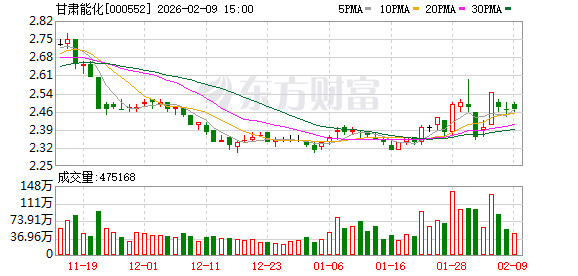
甘肃能化:公司煤炭产品主要为配焦煤和动力煤
Zheng Quan Ri Bao· 2026-02-09 13:37
Group 1 - The company Gansu Energy Chemical primarily produces coking coal and thermal coal, with its subsidiaries offering high-quality environmentally friendly low-ash, low-sulfur, and high-calorific value coking coal [2] - The Jingtai Coal Industry focuses on a mix of coking coal and gas coal, while the Tianzhu Coal Industry mainly produces gas coal, with some high-calorific value clean coal and silicon coal used as a reducing agent in industrial silicon production [2] - The remaining mines mainly produce thermal coal, characterized by non-caking coal with some weak caking and long flame coal, which has low sulfur, low ash, low phosphorus, and high calorific value, making it suitable for various industries including power, chemical, metallurgy, and building materials [2]


华泰期货:资金情绪扰动大,工业硅盘面回调较多
Xin Lang Cai Jing· 2025-12-11 01:53
Core Viewpoint - Industrial silicon futures prices are experiencing a weak fluctuation, influenced by market sentiment and policy news, with a potential for upward movement if supportive policies are introduced [2][9]. Supply Side - The spot price of industrial silicon has slightly decreased, with prices for various grades reported as follows: - East China 553 silicon at 9100-9300 CNY/ton - 421 silicon at 9500-9800 CNY/ton - Xinjiang 553 silicon at 8600-8900 CNY/ton - 99 silicon at 8600-8900 CNY/ton - Prices in regions such as Kunming, Huangpu Port, Northwest, Tianjin, Xinjiang, Sichuan, and Shanghai remain stable [2][7]. Consumption Side - The price of organic silicon DMC is reported at 13500-13700 CNY/ton, reflecting a week-on-week increase of 250 CNY/ton. The market is stabilizing, but downstream demand remains weak, indicating a delayed transmission of price changes to end-users [3][8]. Strategy - Current market conditions suggest a short-term range trading strategy, with opportunities to establish long positions if prices decline significantly. The industrial silicon market is primarily influenced by overall commodity sentiment and potential policy changes regarding production capacity [9][10].

库存未见明显去化 工业硅上方空间受制约
Qi Huo Ri Bao· 2025-11-12 00:33
Core Viewpoint - The industrial silicon market is experiencing a strong price trend due to supply-side contraction and optimistic market sentiment, with the main futures contract closing at 9,180 yuan/ton as of yesterday [1] Cost Structure - Electricity costs constitute the largest portion of industrial silicon production costs, accounting for 40% to 55% depending on regional electricity prices. In the Southwest production area, electricity prices are expected to rise by 0.15 to 0.25 yuan/kWh, increasing production costs by approximately 2,000 yuan/ton [2] - Other significant production costs include silicon coal, petroleum coke, silicon electrodes, and silicon stone. Despite a decrease in silicon coal demand due to lower production rates, prices are expected to remain stable due to strong cost support [2] - The price of petroleum coke is rising due to good demand and supply contraction, while silicon electrodes face upward price resistance due to weak demand and inventory pressure [2] - Overall, the increase in production costs provides solid support for silicon prices [2] Supply Dynamics - The operating rate in the Southwest production area (Yunnan and Sichuan) has dropped significantly as it transitions from the wet season to the dry season, leading to reduced production and profitability for silicon companies [3] - As of last week, the operating rate in Sichuan was 41%, with smaller companies operating at around 13%. In Yunnan, most companies have entered a seasonal shutdown period, with an expected production drop of over 50% in November [3] - In contrast, the Northwest region is seeing a recovery in operating rates, with Xinjiang's production accounting for 52% of the national total. Overall, the national industrial silicon production is expected to fall below 400,000 tons in November, a 12% decrease month-on-month [4] Demand Trends - Demand changes primarily stem from the polysilicon sector, which has been in a state of reduced production since mid-2024. Polysilicon prices have rebounded, leading to a slight increase in production rates, but November's output is expected to decrease to around 120,000 tons [6] - The organic silicon sector is recovering as maintenance in southern and southwestern regions concludes, potentially increasing demand for industrial silicon. However, purchasing behavior remains cautious, focusing on just-in-time inventory [6] Inventory Levels - As of November 6, total visible inventory of industrial silicon stands at 724,000 tons, a decrease of 40,000 tons year-on-year but still at a relatively high level. Social inventory is 127,000 tons, with delivery warehouse inventory at 425,000 tons [7] - The anticipated cancellation of futures warehouse receipts at the end of the month may lead to 10,000 to 20,000 tons of industrial silicon entering the spot market, complicating inventory reduction efforts [7] Market Outlook - The increase in production costs supports silicon prices from below, while weak demand and high inventory levels constrain upward price movement. The market is expected to maintain a range-bound trading pattern in the short term, with further upward movement requiring additional positive stimuli [8]
新能源及有色金属日报:供需格局好转,工业硅社会库存小幅降低-20251107
Hua Tai Qi Huo· 2025-11-07 05:02
Group 1: Industry Investment Rating - No relevant content found Group 2: Core Views - For industrial silicon, the supply - demand pattern may improve with stable spot prices, southwest production cuts, and a decrease in social inventory. The industrial silicon valuation is low, and if there are relevant policies, the market may rise. For trading, short - term interval operations are recommended, and long positions can be taken at low prices for dry - season contracts [1][2] - For polysilicon, the supply - demand fundamentals have slightly improved, but there is a large inventory pressure, and downstream production may weaken. The market is affected by anti - involution policies and weak reality, and is expected to fluctuate mainly. Short - term interval operations are recommended, with the 12 - contract expected to fluctuate between 50,000 - 55,000 yuan/ton [4][6] Group 3: Market Analysis Industrial Silicon - On November 6, 2025, the industrial silicon futures price showed a strong and volatile trend. The main contract 2601 opened at 9,050 yuan/ton and closed at 9,065 yuan/ton, up 1.17% from the previous settlement. The position of the 2511 main contract was 236,855 lots, and the number of warehouse receipts was 46,281 lots, an increase of 86 lots from the previous day [1] - The industrial silicon spot price remained stable. The price of East China oxygen - passing 553 silicon was 9,400 - 9,500 yuan/ton, 421 silicon was 9,600 - 9,800 yuan/ton, Xinjiang oxygen - passing 553 silicon was 8,700 - 8,900 yuan/ton, and 99 silicon was 8,700 - 8,900 yuan/ton. The silicon prices in various regions were flat, and the price of 97 silicon remained stable [1] - As of November 6, the total social inventory of industrial silicon in major regions was 552,000 tons, a decrease of 6,000 tons from the previous week [1] - The supply of petroleum coke tightened, and the demand provided effective support. SMM expected the short - term price to fluctuate strongly. The price of raw coal was good, supporting the cost of silicon coal, and there was a bullish expectation for the silicon coal price in some regions in the short term [1] - The consumption side: The reported price of silicone DMC was 11,000 - 11,300 yuan/ton. The domestic DMC market showed a situation of rising in name but falling in fact. The mainstream transaction price was 11,000 - 11,300 yuan/ton, with an average price of about 11,150 yuan/ton, an increase of about 150 yuan/ton from the previous week. The DMC price of Shandong monomer enterprises was 12,000 yuan/ton, an increase of 1,000 yuan/ton from the previous week, and the DMC prices of other domestic monomer enterprises also increased slightly [2] Polysilicon - On November 6, 2025, the main contract 2601 of polysilicon futures fluctuated. It opened at 53,455 yuan/ton and closed at 53,395 yuan/ton, a decrease of 0.09% from the previous trading day. The position of the main contract was 122,244 lots (125,062 lots the previous day), and the trading volume was 256,104 lots [3][4] - The polysilicon spot price weakened slightly. The price of N - type material was 49.40 - 55.00 yuan/kg, and the price of n - type granular silicon was 50.00 - 51.00 yuan/kg. The inventory of polysilicon manufacturers and silicon wafers decreased. The polysilicon inventory was 259,000 tons, a decrease of 0.77% month - on - month, and the silicon wafer inventory was 17.52GW, a decrease of 7.45% month - on - month. The weekly polysilicon output was 27,000 tons, a decrease of 4.30% month - on - month, and the silicon wafer output was 13.45GW, a decrease of 5.55% month - on - month [4] - For silicon wafers, the price of domestic N - type 18Xmm silicon wafers was 1.32 yuan/piece (a decrease of 0.03 yuan/piece), the price of N - type 210mm silicon wafers was 1.69 yuan/piece, and the price of N - type 210R silicon wafers was 1.34 yuan/piece [4] - The production of polysilicon in October was expected to be about 133,500 tons, an increase from September, exceeding market expectations. In November, the production in the southwest region would be significantly reduced [4] - For battery cells, the price of high - efficiency PERC182 battery cells was 0.27 yuan/W, PERC210 battery cells was 0.28 yuan/W, TopconM10 battery cells was 0.31 yuan/W, Topcon G12 battery cells was 0.30 yuan/W, Topcon210RN battery cells was 0.28 yuan/W, and HJT210 half - piece battery cells was 0.37 yuan/W [5] - For components, the mainstream transaction price of PERC182mm was 0.67 - 0.74 yuan/W, PERC210mm was 0.69 - 0.73 yuan/W, N - type 182mm was 0.66 - 0.68 yuan/W, and N - type 210mm was 0.68 - 0.69 yuan/W [5] Group 4: Strategies Industrial Silicon - Spot prices are stable, production in the southwest is cut, and the supply - demand pattern may improve. The industrial silicon market is affected by overall commodity sentiment and policy news. The rising price of thermal coal and the expected strengthening of silicon coal prices support industrial silicon. Attention should be paid to whether there are relevant capacity exit policies. Currently, the valuation of industrial silicon is low, and if there is policy promotion, the market may rise [2] - For trading, short - term interval operations are recommended, and long positions can be taken at low prices for dry - season contracts [2] Polysilicon - The supply - demand fundamentals of polysilicon have slightly improved, but the overall inventory pressure is large, and downstream production may weaken. The market is affected by anti - involution policies and weak reality, and the policy is still being promoted, with large market fluctuations. Participants need to pay attention to risk management. Currently, the consumption side performs averagely, and the market is expected to fluctuate mainly [6] - For trading, short - term interval operations are recommended, with the 12 - contract expected to fluctuate between 50,000 - 55,000 yuan/ton [6]
有色金属周报:工业硅、多晶硅关注供给端政策-20251015
Hong Yuan Qi Huo· 2025-10-15 05:25
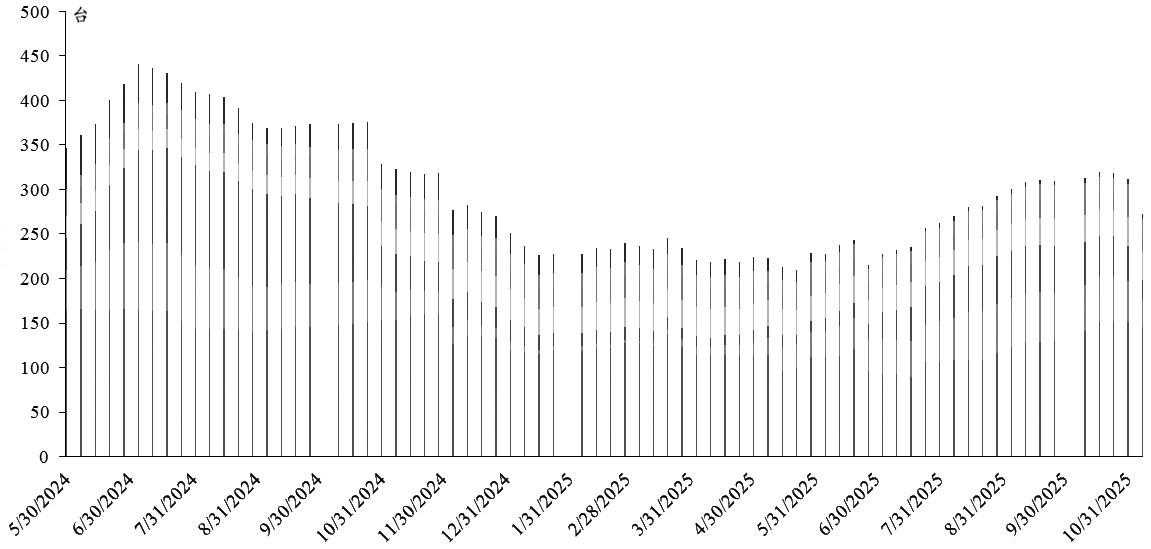
1. Report Industry Investment Rating No relevant information provided. 2. Core Viewpoints of the Report - The industrial silicon market maintains a pattern of strong supply and weak demand, with the short - term expected to trade in the range of 8,300 - 9,000 yuan/ton. Continued attention should be paid to macro - sentiment fluctuations and supply - side start - up conditions [3]. - The polysilicon market is in a state of high - level range - bound trading due to the game between policy - favorable expectations and weak fundamentals. Continued attention should be paid to the implementation of industrial policies and macro - sentiment [3]. 3. Summary According to the Directory 3.1产业链价格回顾 - **Industrial Silicon Futures and Spot Prices**: On October 10, 2025, the closing price of the industrial silicon futures main contract was 8,685 yuan/ton, up 0.52% from September 30. Most spot prices remained unchanged, with only the price of the oxygen - free 553 at Tianjin Port down 0.53% [12]. - **Polysilicon Futures and Spot Prices**: The closing price of the polysilicon futures main contract on October 10, 2025, was 48,965 yuan/ton, down 4.66% from September 30. Spot prices of various polysilicon types remained unchanged [12]. - **Silicon Wafer, Battery Cell, and Component Prices**: Prices of silicon wafers, battery cells, and components were generally stable, with only minor price changes in some products [12]. - **Organic Silicon and Aluminum Alloy Prices**: As of October 10, the average DMC price was 11,050 yuan/ton, unchanged from the previous period; the 107 - rubber average price was 11,500 yuan/ton, up 3.14% from the previous period; the silicone oil average price was 12,850 yuan/ton, unchanged from the previous period. The ADC12 average price was 21,100 yuan/ton, up 0.96% from the previous period; the A356 average price was 21,450 yuan/ton, up 1.42% from the previous period [12]. 3.2开炉增加,供给持续增量 - **Cost and Profit of Industrial Silicon**: Driven by anti - involution sentiment and increased demand, the prices of silicon coal, petroleum coke, and electrodes have rebounded. The power cost in the southwest production area will gradually increase as it transitions from the wet season to the dry season [3]. - **Supply of Industrial Silicon**: In October, Sichuan and Yunnan are transitioning to the dry season, leading to increased costs and production cuts by some enterprises. In contrast, small factories in Gansu and Ningxia have completed raw material stockpiling, and the start - up rate in Xinjiang has increased. Overall, the start - up rate has increased [3]. - **Demand for Industrial Silicon**: The production of polysilicon in October may still have a slight increase, increasing the demand for industrial silicon. However, some organic silicon enterprises have maintenance plans, and the start - up rate has declined. Overall, the demand for industrial silicon remains weak [3]. - **Inventory of Industrial Silicon**: The futures warehouse receipts have fluctuated slightly. After the holiday, downstream enterprises have successively inquired, but some manufacturers' orders have not been delivered, and factory inventories have accumulated [3]. 3.3光伏产业运行平稳,关注终端需求 - **Polysilicon**: In September, the polysilicon output was 130,000 tons, basically the same as in August. The cumulative output from January to September was 941,600 tons, a cumulative year - on - year decrease of 33%. It is expected that the output in October will maintain an incremental trend, with a month - on - month increase of about 3,000 - 5,000 tons. As of October 9, the total polysilicon inventory was 240,000 tons, and the silicon wafer inventory was 16.78 GW. As of October 10, the registered polysilicon warehouse receipts were 8,140 lots [3]. - **Silicon Wafer**: The market was sluggish during the holiday, with little market trading [80]. - **Battery Cell**: The price was stable [87]. - **Component**: The component installation did not meet expectations, and the price was under pressure. The lifting of the component export tax - refund policy is still undetermined. If the policy is implemented, it may stimulate component export demand in the next few months. The pre - implementation inventory rush of India's "double - anti" policy will also support exports to some extent. Domestically, the front - loaded installation in the first half of the year has overdrawn some demand in the second half, resulting in a decrease in domestic tender and bidding projects, lower - than - expected centralized installation, and a decline in distributed trading volume. The component segment is under great pressure, and there is no obvious restocking action for upstream demand [3]. 3.4支撑有限,有机硅价格大稳小动 - **Start - up Rate**: In September, the start - up rate of China's DMC was 71.25%, a month - on - month decrease of 4.38 percentage points. The DMC output was 210,200 tons, a month - on - month decrease of 12,900 tons. Recently, a monomer factory has a maintenance plan, and the start - up rate may decline slightly [108]. - **Price**: As of October 10, the average DMC price was 11,050 yuan/ton, unchanged from the previous period; the 107 - rubber average price was 11,500 yuan/ton, up 3.14% from the previous period; the silicone oil average price was 12,850 yuan/ton, unchanged from the previous period. Due to factory maintenance, the supply has tightened periodically, and the price has increased [114]. 3.5铝合金开工回升 - **Start - up Rate**: In the week of October 9, the start - up rate of primary aluminum alloy was 58%, a month - on - month decrease of 0.4 percentage points; the start - up rate of recycled aluminum alloy was 58.9%, a month - on - month increase of 2.3 percentage points [122]. - **Price**: As of October 10, the average ADC12 price was 21,100 yuan/ton, up 0.96% from the previous period; the average A356 price was 21,450 yuan/ton, up 1.42% from the previous period [125]. 3.6库存维持高位 - **Industrial Silicon Inventory**: As of October 9, the social inventory of industrial silicon (social inventory + delivery warehouse) was 545,000 tons, a month - on - month increase of 2,000 tons; the total factory inventory in Xinjiang, Yunnan, and Sichuan was 167,900 tons, a month - on - month increase of 54,000 tons. As of October 10, the exchange - registered warehouse receipts were 50,281 lots, equivalent to 251,400 tons of spot [139]. - **Polysilicon Inventory**: As of October 9, the total polysilicon inventory was 240,000 tons, an increase of 14,000 tons [74].
煤炭行业资深专家-查超产政策对新疆煤炭生产影响如何?
2025-07-29 02:10
Summary of the Coal Industry Conference Call Industry Overview - The conference call focused on the coal industry in Xinjiang, China, discussing production, transportation, and market dynamics for the first half of 2025 [1][2][3]. Key Points and Arguments Production and Capacity - Xinjiang's total coal production for January to June 2025 reached 279 million tons, with June's output at approximately 53.92 million tons. The annual target is set at 600 million tons, but actual production is expected to be around 570 million tons due to market weakness [1][2]. - There are 89 operational coal mines in Xinjiang, with a total capacity of 575 million tons. The capacity utilization rate reached 116% in 2024, indicating overproduction [2][12]. - Major production areas include Changji Prefecture and Hami City, accounting for 70%-80% of total output. The Ili region plans to increase its annual production to 50 million tons, primarily for internal consumption [1][2]. Transportation and Costs - Total coal transportation from Xinjiang in the first half of 2025 was 66.7 million tons, with 45.7 million tons transported by rail. The railway transport is primarily directed towards Gansu (32.46%) and Ningxia (19%) [1][3]. - Transportation costs account for approximately two-thirds of the overall coal price, while the coal itself constitutes about one-third. Reducing transportation costs is critical for maintaining profitability [6][1]. - A railway freight rate reduction policy was implemented, with discounts ranging from 21% to 40% depending on the region and product type, aimed at alleviating market pressure [5][7]. Market Dynamics - The internal sales ratio of Xinjiang coal is high, at around 72%, with significant consumption in the construction and chemical industries [4][1]. - The coal market has shown signs of rebound, but coking coal prices are volatile, indicating a potential for large fluctuations in the near future [17][18]. - The demand side remains weak, and there is a need to enhance demand to stabilize coal prices. If the supply side reduces production without a corresponding increase in demand, it could lead to a market bottom [18][22]. Regulatory Environment - The National Energy Administration's overproduction policy may impact certain mines, but local demand remains strong, allowing production to continue [12][19]. - The State Development and Reform Commission's policy to convert production capacity into reserve capacity may face challenges in execution, particularly with ongoing construction projects [14][15]. Financial Health of Coal Companies - Many coal mines in the Hami and准东 regions are currently operating at a loss, with about 60% of mines reporting negative margins. Some larger companies are facing losses exceeding 20 yuan per ton [9][22]. - Despite losses, companies may not reduce production to maintain cash flow, especially state-owned enterprises that have social responsibilities [22]. Future Outlook - The coal market is expected to experience continued volatility, with potential for further regulatory measures if market conditions do not improve. The focus will be on balancing supply and demand to stabilize prices [24][30]. - The anticipated price range for coking coal is between 900 and 1,100 yuan per ton, with a preference for stability to avoid market disruptions [31][32]. Additional Important Insights - The railway freight rate adjustments are primarily driven by the railway bureau's economic conditions rather than direct government intervention, indicating a level of operational independence [25][26]. - The coal industry is currently facing a competitive landscape with limited customer resources, leading to price pressures among suppliers [29]. This summary encapsulates the key discussions and insights from the conference call regarding the coal industry in Xinjiang, highlighting production, transportation, market dynamics, regulatory challenges, and the financial health of coal companies.
工业硅、多晶硅日评:震荡企稳-20250429
Hong Yuan Qi Huo· 2025-04-29 01:11
Report Industry Investment Rating - Not provided Core Viewpoints - The industrial silicon market is in a situation of strong supply and weak demand, with high inventory pressure. The silicon price faces significant pressure after a rebound. It is recommended to consider short - selling after the price rebounds, with an operating range of 8,500 - 10,000 yuan/ton [1]. - The polysilicon market has a heavy pessimistic sentiment, with prices in each photovoltaic segment declining. The silicon material transaction price has dropped, and the market is expected to be weakly sorted in the short term. Cross - period strategies such as 06 - 11 positive spreads and 11 - 12 negative spreads can be considered [1]. Summary by Related Catalogs Industrial Silicon Price Information - The average price of non - oxygenated 553 (East China) industrial silicon remained flat at 9,450 yuan/ton, and the average price of 421 (East China) industrial silicon decreased by 0.48% to 10,400 yuan/ton. The closing price of the futures main contract increased by 0.23% to 8,800 yuan/ton [1]. Supply and Demand - Supply: Furnace openings in Xinjiang decreased, while there were new furnace openings in Sichuan. In April, some silicon enterprises in Yunnan are expected to have new production capacity put into operation, showing an increase in the south and a decrease in the north, with limited overall changes [1]. - Demand: Polysilicon enterprises maintained a production - reduction trend; organic silicon enterprises had a strong willingness to reduce production and support prices, but demand was weak, and downstream观望 sentiment was strong. The actual transaction price declined. The start - up of domestic monomer enterprises in production increased and decreased, and it is expected that the start - up rate will drop below 70% in April, further reducing the demand for industrial silicon. Silicon - aluminum alloy enterprises purchased on demand, and the downstream's willingness to stock up at low levels was insufficient [1]. Investment Strategy - Consider short - selling after the price rebounds, with an operating range of 8,500 - 10,000 yuan/ton, and continuously monitor the production dynamics of silicon enterprises [1]. Polysilicon Price Information - The price of N - type dense material remained flat at 38 yuan/kg; the price of polysilicon re - feeding material remained flat at 35.5 yuan/kg; the price of polysilicon dense material remained flat at 34.5 yuan/kg; the price of polysilicon cauliflower material remained flat at 33.5 yuan/kg. The closing price of the futures main contract decreased by 1.59% to 37,780 yuan/ton [1]. Supply and Demand - Supply: Silicon material enterprises maintained a production - reduction trend, and the output in April is expected to remain within 100,000 tons [1]. - Demand: As the 430 rush - installation node approaches, the demand for distributed component orders has cooled, but the demand for centralized orders has started to increase. The battery production schedule has increased to 63 - 64GW, with sufficient supply and a decline in the transaction price. The production schedules of leading silicon wafer enterprises are relatively cautious, and the silicon wafer production schedule in April may fall short of expectations. After the demand in the middle and late April and May ends, the upside space for silicon wafers is limited [1]. Investment Strategy - It is expected to be weakly sorted in the short term. Continuously monitor the futures warehouse receipt registration situation and the actual production situation of silicon material factories. Cross - period strategies such as 06 - 11 positive spreads and 11 - 12 negative spreads can be considered [1]. Other Information - The price of silicon coal in many places has been reduced. As of April 27, the price of silicon - mixed coal in Gansu was 1,020 yuan/ton, a decrease of 20 yuan/ton from the previous period, and the price of granular coal was 1,180 yuan/ton, a decrease of 20 yuan/ton from the previous period. The price of non - caking silicon coal in Xinjiang was 900 yuan/ton, a decrease of 150 yuan/ton from the previous period [1]. - In the first quarter of 2025, the newly installed grid - connected capacity of photovoltaic in China was 59.71 million kilowatts, of which centralized photovoltaic accounted for 23.41 million kilowatts and distributed photovoltaic accounted for 36.31 million kilowatts. As of the end of March 2025, the installed capacity of photovoltaic in China reached 945 million kilowatts, a year - on - year increase of 43.4%. The cumulative power generation of photovoltaic in the first quarter of 2025 was 232.8 billion kilowatt - hours, a year - on - year increase of 43.9%, and the utilization rate of photovoltaic power generation reached 93.6% [1]. - A Japanese solar solution provider, TOYO Solar, established a 2GW photovoltaic cell manufacturing plant in Ethiopia, which was put into production in early April 2025 [1].