
硅电容

Search documents
直击2026上海光博会,解锁后摩尔时代创新密码
半导体行业观察· 2026-03-22 02:42
Core Viewpoint - The integration of semiconductor and optoelectronic technologies is becoming a central theme in industry development, driven by the post-Moore era and the explosive demand for AI computing power, emphasizing the importance of collaboration across the entire industry chain [1][3]. Group 1: Forum Insights - The "Industry Collaboration and Communication Upgrade" forum gathered top experts and industry leaders to discuss core topics across the semiconductor and optoelectronic fields, sharing cutting-edge technological achievements and insights into industry development opportunities [3]. - The forum highlighted the need for collaborative innovation across materials, devices, packaging, testing, and system applications to inject new ideas and directions for high-quality industry development [3]. Group 2: Two-Dimensional Semiconductors - Two-dimensional semiconductors are identified as a key technology in the post-Moore era, offering significant advantages over silicon-based semiconductors, including reduced difficulty and cost in advanced processes [6][7]. - Major companies like TSMC, Intel, and Samsung are actively investing in two-dimensional semiconductor technology, which is expected to be integrated into heterogeneous systems after the 1nm node, with potential low-power applications by 2029 [6][7]. - Original Microelectronics has launched China's first engineering demonstration line for two-dimensional semiconductors, with plans for small-batch production of 90nm CMOS processes by September this year [7]. Group 3: Silicon Photonics - Silicon photonics technology is poised for explosive growth, driven by the demand for high-speed AI interconnects, with the market for 1.6T products expected to reach $4.5 billion by 2028 [10]. - The establishment of an 8-inch low-loss silicon nitride production platform has enabled the mass production of silicon photonic chips, addressing key challenges in traditional silicon photonics [10][11]. Group 4: Capacitor Innovations - Silicon capacitors are emerging as a solution to energy integrity challenges in AI applications, with a projected market size of $11.7 billion by 2027 [14]. - Their superior temperature stability and long lifespan make them ideal for high-density power delivery networks in AI chips and optical modules [14]. Group 5: Optical Interconnects - Optical interconnects are seen as a solution to the bandwidth, power, and topology challenges faced by traditional electrical interconnects, with the optical interconnect market expected to exceed $23 billion by 2025 [21]. - Companies are developing integrated optical solutions to enhance bandwidth and reduce power consumption, with significant advancements in optical computing technologies [21][22]. Group 6: Advanced Packaging - The "EDA+" paradigm is proposed to address the limitations of traditional EDA tools in advanced packaging, enabling collaborative design across multiple chiplets and layers [24][25]. - This new approach supports various packaging forms and integrates multiple physical field analyses, enhancing the efficiency of heterogeneous integration in chip design [24][25]. Group 7: Photonic Chips for AI and Quantum Computing - Photonic chips are positioned as a core hardware support for AI and quantum computing, with significant advantages in bandwidth and energy efficiency [36][37]. - The development of a fully controllable technology system based on lithium niobate thin films aims to facilitate the mass production of photonic chips for various applications [36][37]. Group 8: Testing Innovations - The transition from hardware to software-defined testing solutions is reshaping the testing and measurement industry, with platforms like Moku enabling customizable instrument solutions [28][29]. - High-speed oscilloscopes are being developed to meet the rigorous testing demands of optical communication technologies, ensuring reliable performance in high-speed applications [40][41]. Conclusion - The forum underscored the importance of collaborative innovation across the semiconductor and optoelectronic industries, addressing the core demands of computing power and communication upgrades in the post-Moore era, while outlining a clear blueprint for future industry development [42].

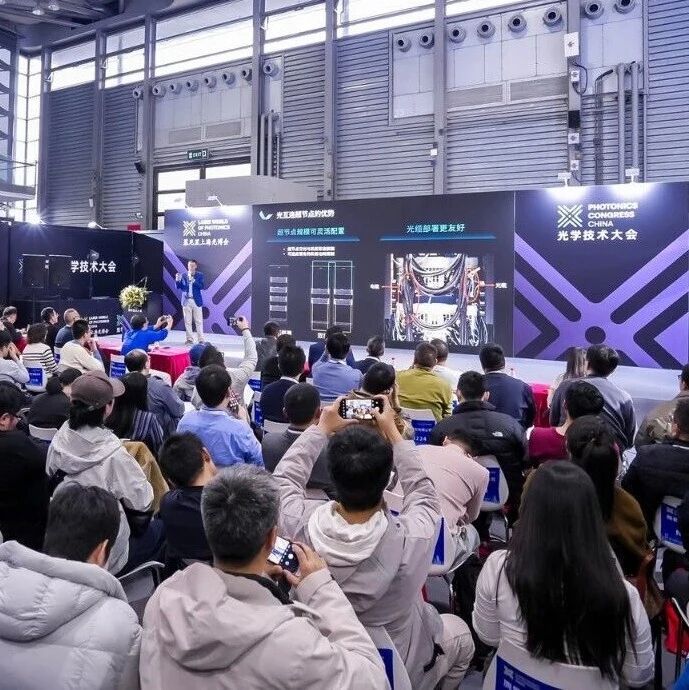
锚定产业趋势,共筑协同生态——《从器件到网络的协同创新论坛》2026年3月上海重磅启幕
半导体行业观察· 2026-02-18 01:13
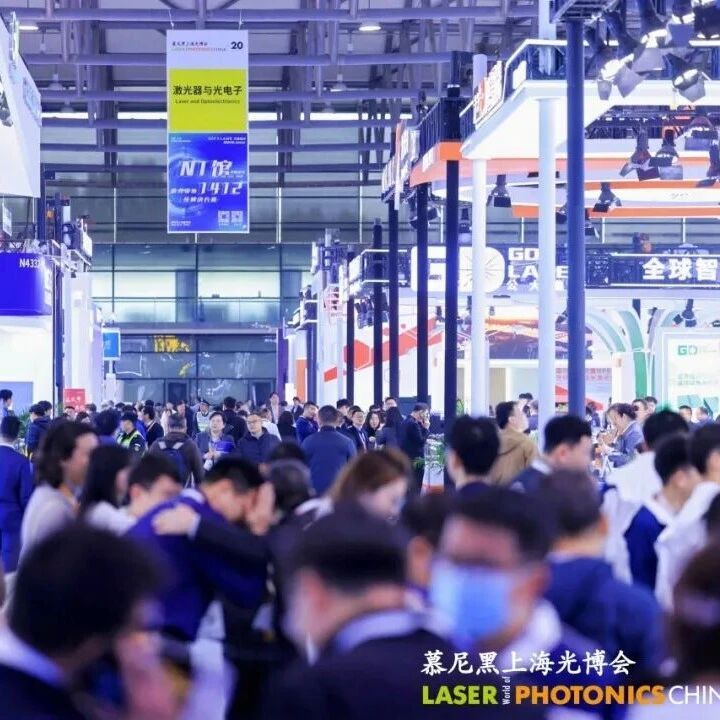
Core Viewpoint - The semiconductor industry is undergoing significant structural changes driven by AI, with a global market size expected to reach $975 billion, emphasizing the importance of collaboration across the entire semiconductor value chain to overcome technological bottlenecks and seize structural growth opportunities [1] Part 01: Addressing Industry Changes and Collaboration Challenges - The semiconductor industry is experiencing multiple structural transformations, including rapid iteration of silicon photonics technology from 800G to 1.6T, with a projected penetration rate of over 20% for 1.6T optical modules by 2026 [2] - Domestic computing chips are entering a critical phase of large-scale application, with companies like Haiguang Information and Cambricon achieving multi-scenario deployment [2] - Advanced packaging is becoming a core pathway for performance enhancement in the post-Moore era, with CoWoS capacity continuously expanding [2] - The forum aims to gather 200 key industry players and create a dual-line ecosystem for technology matching and trend dissemination [2] Part 02: Decoding Technological Breakthroughs - The forum's agenda integrates cutting-edge industry trends, featuring insights from academia and industry leaders on the evolution of core semiconductor sectors [3] - Key topics include the integration of optoelectronic chips for information and communication systems, silicon photonics enabling high-speed AI optical connections, and the advantages of silicon capacitors in AI applications [4][5] Part 03: Connecting Trends and Supporting Domestic Initiatives - The forum serves as a platform for technology exchange and a window for industry trends and corporate practices, inviting participants to decode industry trends and build a collaborative ecosystem [8] - Key opportunities include the scaling of 800G/1.6T optical modules and the implementation of CPO technology, with TSMC predicting a 30%-50% cost reduction for CPO by 2026 [8] - The forum will address challenges in domestic supply chain collaboration, particularly in overcoming bottlenecks in SOI wafers and EDA tools [8] Trend Insights and Collaborative Value - Insights from WSTS global semiconductor growth data and Yole's CPO market forecast indicate a potential market size of $8.1 billion by 2030, with a CAGR of 137% [9] - The forum aims to promote collaboration among design, manufacturing, and testing companies to accelerate standardization in silicon photonics packaging, which currently accounts for 60%-70% of industry costs [9] - The event will also focus on the commercialization of domestic computing chips and the entry of RISC-V into data centers, establishing channels for domestic technology validation and resource matching [9]
破局光通信 “卡脖子”!光电融合 + 光子计算量产
半导体行业观察· 2026-02-01 02:25
Core Viewpoint - The forum titled "Collaborative Innovation Forum from Devices to Networks" aims to address practical challenges in the semiconductor industry, focusing on implementable technology solutions rather than mere concepts [1][10]. Group 1: Event Overview - The forum will take place on March 18, 2026, at the Shanghai New International Expo Center, featuring over 10 leading companies and three major telecom operators addressing the urgent needs of 6G technology [1]. - Unlike typical PPT presentations, this forum will showcase verified and applicable results from experts across academia and industry, targeting critical areas such as compound semiconductors and EDA [2]. Group 2: Agenda Highlights - The agenda includes presentations on various topics, such as photonic integrated chips for communication systems and the advantages of silicon capacitors in AI applications [5][6]. - Notable presentations include a practical solution for photonic integrated chips that can reduce device size by 40% and power consumption by 25%, addressing hardware bottlenecks in the transition from 5G to 6G [6]. Group 3: Demand and Collaboration - The forum will facilitate direct matching between supply and demand by inviting major telecom operators and leading cloud service providers to seek partnerships and collaboration [7]. - A closed-door matching session will allow participating companies to submit their technology proposals for one-on-one discussions with potential partners, leading to significant collaboration opportunities [7]. Group 4: Industry Needs and Opportunities - Telecom operators are expected to announce procurement needs for 6G integrated communication devices, focusing on domestic suppliers of optical chips and high-power compound semiconductor devices [8]. - Cloud service providers will present collaboration lists for AI computing centers, prioritizing products that can be delivered quickly from domestic companies [8]. Group 5: Organizational Strengths - The forum is organized by Semiconductor Industry Observation, which has over 10 years of experience in the semiconductor field, aiming to solve real industry problems and facilitate resource gathering for domestic innovation [10][12]. - The organization boasts a significant reach with over 950,000 followers across the industry, enabling effective engagement with key stakeholders [12].
深圳华强:公司授权分销的被动元器件主要包含MLCC、硅电容、钽电容等电容产品
Mei Ri Jing Ji Xin Wen· 2026-01-20 04:27
Group 1 - The core viewpoint of the article is that Shenzhen Huaqiang is a leading distributor of passive components globally, including products like MLCC, silicon capacitors, tantalum capacitors, inductors, resistors, filters, connectors, and transformers, covering the entire category of passive components [2]. Group 2 - The company confirmed its involvement in the recent price increases of passive components, specifically mentioning MLCC and other related products [2].

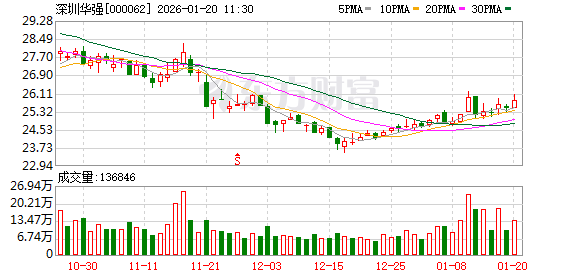
深圳华强(000062.SZ):积极拓展光模块、应用于高速光模块的光电芯片等产品的授权分销业务
Ge Long Hui· 2025-12-17 07:12
Group 1 - The company has a stake in Star Semiconductor, which focuses on 5G/6G communication technology, with products like satellite baseband chips applicable in satellite communication and IoT scenarios [1] - As a leading authorized distributor of electronic components in China, the company operates in mainland China, Hong Kong, Macau, Taiwan, and Southeast Asia, with a holding subsidiary in Taiwan [1] - The company supplies various components such as Murata's MLCC and silicon capacitors to customers in the optical module sector, while actively expanding its authorized distribution business for optical chips used in high-speed optical modules, having secured agency rights for products from Sony, Litrinium, and HiSilicon [1]
深圳华强:积极拓展光模块、应用于高速光模块的光电芯片等产品的授权分销业务
Ge Long Hui· 2025-12-17 07:12
Group 1 - The company has a stake in Star Semiconductor, which focuses on 5G/6G communication technology, with products like satellite baseband chips applicable in satellite communication and IoT scenarios [1] - The company is a leading authorized distributor of electronic components in China, covering regions including mainland China, Hong Kong, Macau, Taiwan, and Southeast Asia, with a holding subsidiary in Taiwan [1] - The company supplies various components such as Murata's MLCC and silicon capacitors to clients in the optical module field, while actively expanding its authorized distribution business for optical chips used in high-speed optical modules, having secured agency rights for products from Sony, Litrinium, and HiSilicon [1]
振华科技:目前,公司没有涉及硅电容产品
Mei Ri Jing Ji Xin Wen· 2025-12-04 00:28
Core Viewpoint - The company does not produce silicon capacitors and focuses on tantalum and aluminum capacitors, which have specific advantages over silicon capacitors in terms of capacitance, current strength, stability, and environmental adaptability [1] Group 1: Company Products - The company currently does not involve itself in the production of silicon capacitors [1] - The main products of the company are tantalum capacitors and aluminum capacitors [1] Group 2: Technical Advantages - Tantalum and aluminum capacitors have advantages over silicon capacitors in capacitance, current strength, stability, and environmental adaptability [1] Group 3: Self-Sufficiency - The company has fully achieved self-sufficiency in capacitor technology and key raw materials [1]

振华科技:公司没有涉及硅电容产品
Zheng Quan Ri Bao Zhi Sheng· 2025-12-03 13:42
Core Viewpoint - The company, Zhenhua Technology, clarified that it does not currently engage in silicon capacitor products, focusing instead on tantalum and aluminum capacitors, which offer advantages in capacitance, current strength, stability, and environmental adaptability [1] Group 1 - The company's main products are tantalum capacitors and aluminum capacitors [1] - Tantalum and aluminum capacitors have advantages over silicon capacitors in terms of capacitance, current strength, stability, and environmental adaptability [1] - The company has achieved complete independence and safety in capacitor technology and key raw materials [1]
振华科技(000733.SZ):没有涉及硅电容产品
Ge Long Hui· 2025-12-03 07:57
Core Viewpoint - The company, Zhenhua Technology, does not currently engage in silicon capacitor products and focuses on tantalum and aluminum capacitors, which have advantages in capacitance, current strength, stability, and environmental adaptability compared to silicon capacitors [1] Product Focus - The main products of the company are tantalum capacitors and aluminum capacitors [1] - Tantalum and aluminum capacitors outperform silicon capacitors in terms of capacitance, current strength, stability, and environmental adaptability [1] Technology and Materials - The company has fully achieved independent safety in capacitor technology and key raw materials [1]
朗矽科技计划联合开发模块级整合产品 推动硅电容行业标准化应用
Jing Ji Guan Cha Wang· 2025-11-30 10:18
Core Insights - The conference focused on the transformation of the high-end electronic components industry, highlighting the challenges and opportunities within the sector [1] Group 1: Industry Challenges - Traditional MLCC (Multi-layer Ceramic Capacitors) face a "bottleneck" dilemma due to the monopoly of Japanese companies like Murata, TDK, and Kyocera over key raw materials and manufacturing processes [1] - The entire supply chain, from key raw materials like BaTiO powder to core equipment and process formulas, is dominated by these Japanese firms, creating significant barriers for domestic alternatives [1] Group 2: Strategic Opportunities - The founder of Langxi Technology, Wang Daxiang, emphasized the potential of silicon capacitors, which utilize CMOS/MEMS technology, allowing them to operate independently of the ceramic material system dominated by Japanese manufacturers [1] - Langxi Technology aims to collaborate with leading companies in AI high-performance chips, SOC chips, power management ICs, and optical modules to develop integrated module-level products, positioning capacitors as part of comprehensive solutions rather than standalone components [1]