莲花白

Search documents
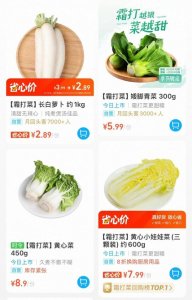
为何霜打菜更甜更软糯 农业专家揭秘
Xin Lang Cai Jing· 2026-01-21 19:36
Group 1 - The core concept of "frosted vegetables" is that they undergo a survival response to low temperatures, leading to increased sweetness and improved texture due to the conversion of starches to soluble sugars [2][4] - Frosted vegetables are primarily cold-resistant varieties harvested in autumn and winter, such as cabbage, white radish, and spinach, while other vegetables like eggplant and tomatoes cannot withstand low temperatures [3][4] - The optimal tasting period for frosted vegetables varies by region, with the best flavor typically occurring from December to February, particularly for radishes and cabbages harvested during this time [4][5] Group 2 - Frosted vegetables cannot be artificially created at home using a refrigerator, as the process requires dynamic temperature changes and light for photosynthesis, which are not present in a static refrigerator environment [5] - The formation of frosted vegetables necessitates a stable low-temperature period lasting 5 to 7 days, along with day-night temperature fluctuations to drive sugar accumulation [5]

让四季果香更“浓” 让冷凉蔬菜更“热” 邮储银行云南省昭通分行精准滴灌高原特色农业产业
Jin Rong Shi Bao· 2026-01-08 03:35
Core Insights - The article highlights the role of Postal Savings Bank in supporting agricultural development in Yunnan Province, particularly in Zhaotong City, through tailored financial services that align with local agricultural characteristics and the rural revitalization strategy [1][2][3][4][5][6] Group 1: Agricultural Development - The diverse climate and geography of the region contribute to a rich agricultural landscape, with low-altitude tropical fruits and high-altitude cool vegetables thriving [1] - In Yongshan County, the area dedicated to specialty fruit cultivation has reached 195,000 mu, with an annual output of approximately 100,000 tons and a production value exceeding 1.1 billion yuan [2] - The bank's "industry loan" products have been instrumental in addressing the financing needs of local farmers, enabling them to expand their operations and improve productivity [2][3] Group 2: Financial Support Mechanisms - Postal Savings Bank has introduced various financial products, such as "loquat loans" and "citrus loans," to support the development of specialty fruit industries [2] - The bank's proactive approach includes on-site visits and personalized financial solutions, which have effectively resolved funding challenges for farmers [2][3] - The bank has streamlined its loan approval process, reducing the time to 24 hours, thus enhancing accessibility for farmers and businesses [5][6] Group 3: Impact on Local Economy - The modernization of agricultural practices, supported by the bank's loans, has led to significant increases in crop yields, with some farmers reporting a 30% increase in production [3] - The transformation of previously idle land into productive agricultural areas has created job opportunities and increased income for local communities [5][6] - As of October 2025, the bank's inclusive finance initiatives have resulted in a balance of 960 million yuan in loans for small and micro enterprises, serving 4,528 clients [6]

【党旗在基层一线高高飘扬】盘活高原牧民“菜篮子”
Jing Ji Ri Bao· 2025-12-01 00:04
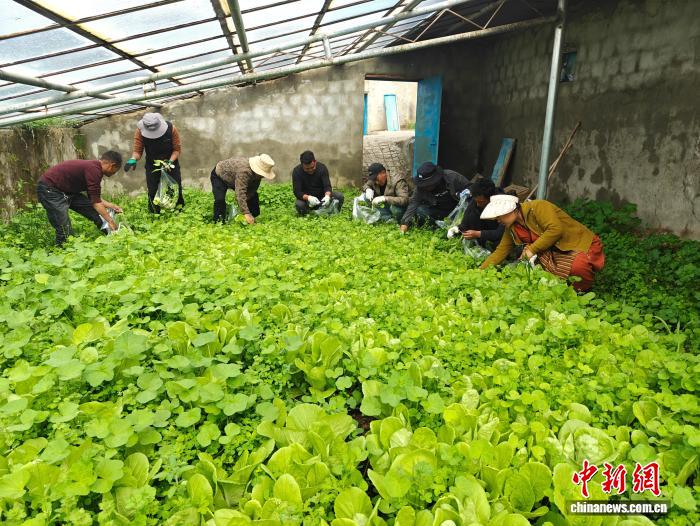
Core Insights - The initiative in Zhazha Village aims to utilize abandoned greenhouse resources to cultivate vegetables, addressing the local demand for fresh produce [1][2] - The project has successfully harvested 1.1 tons of vegetables, valued at over 8,000 yuan, demonstrating the potential for agricultural development in high-altitude areas [2] Group 1: Project Background - Zhazha Village, traditionally a pastoral community, had six greenhouses built in 2016 that were underutilized due to a lack of vegetable cultivation skills among villagers [1] - The local team, led by Bu Anan, recognized the need to activate these resources and sought assistance from agricultural technicians [1] Group 2: Implementation and Challenges - Initial challenges included soil fertility testing and temperature regulation within the greenhouses, with the team learning through hands-on experience [1] - The team worked closely with local villagers, fostering a collaborative environment to develop agricultural skills [1] Group 3: Results and Future Plans - The first harvest included eight vegetable varieties, with a total yield of 1.1 tons, indicating a successful cultivation effort [2] - Plans are underway to introduce more cold-resistant crops and to ensure all villagers acquire vegetable cultivation skills, enhancing local economic prospects [2]
盘活高原牧民“菜篮子”
Jing Ji Ri Bao· 2025-11-30 22:43
Core Insights - The initiative in Zhazha Village aims to utilize abandoned greenhouse resources for vegetable cultivation, addressing local food scarcity and enhancing community engagement [1][2] - The project has successfully yielded 1.1 tons of vegetables, valued at over 8,000 yuan, demonstrating the potential for agricultural development in high-altitude areas [2] Group 1: Project Background - Zhazha Village, traditionally a pastoral community, had six greenhouses built in 2016 that were underutilized due to a lack of vegetable cultivation skills among villagers [1] - The local team, led by Bu Anan, identified the need to activate these resources and sought assistance from agricultural technicians to improve cultivation practices [1] Group 2: Implementation and Results - After several months of cultivation, the first harvest included eight vegetable varieties, showcasing the effectiveness of the initiative [2] - The project not only provided fresh produce but also inspired villagers, fostering a sense of hope and new opportunities for income generation [2]
海拔4600米!西藏扎杂村:变化里藏着被看见的“温度”与“力度”
Zhong Guo Xin Wen Wang· 2025-10-24 09:46
Core Insights - The transformation of Zhazha Village in Tibet from a struggling pastoral community to a thriving agricultural hub highlights significant improvements in living standards and economic opportunities for residents [1][4]. Group 1: Agricultural Development - The village has successfully utilized previously idle greenhouse facilities to cultivate vegetables, achieving a total yield of 1.1 tons valued at over 8,000 yuan since May 2025 [3]. - Local residents, initially unfamiliar with vegetable cultivation, have learned essential agricultural skills, enabling them to participate actively in the farming process [4]. - The initiative aims not only to produce food but also to empower villagers with the knowledge to grow and sell their own crops, transforming greenhouses into "income-generating sheds" [4]. Group 2: Infrastructure Improvements - The construction of sanitary toilets for elderly residents has significantly improved living conditions, addressing safety concerns and enhancing quality of life [6]. - A flood control project, funded with a total investment of 5 million yuan, has been implemented to protect the village from seasonal flooding, allowing residents to work locally while earning wages [6][8]. - The flood control initiative has engaged over 2,900 laborers from the village, distributing more than 870,000 yuan in wages, with an average income increase of over 10,000 yuan per participating villager [8]. Group 3: Economic Growth - The average disposable income per capita in Zhazha Village reached 19,156 yuan in 2024, with a target of 21,646 yuan set for 2025 [8]. - The village has diversified its economy beyond pastoral activities, with residents engaging in commerce, handicrafts, and the emerging tourism sector [8]. - The local cooperative is expanding its offerings to include traditional Tibetan clothing and handicrafts, alongside the establishment of new small restaurants [8].
各地抢农时、调配烘干设备 多措并举保障秋粮收获
Yang Shi Wang· 2025-10-13 05:25
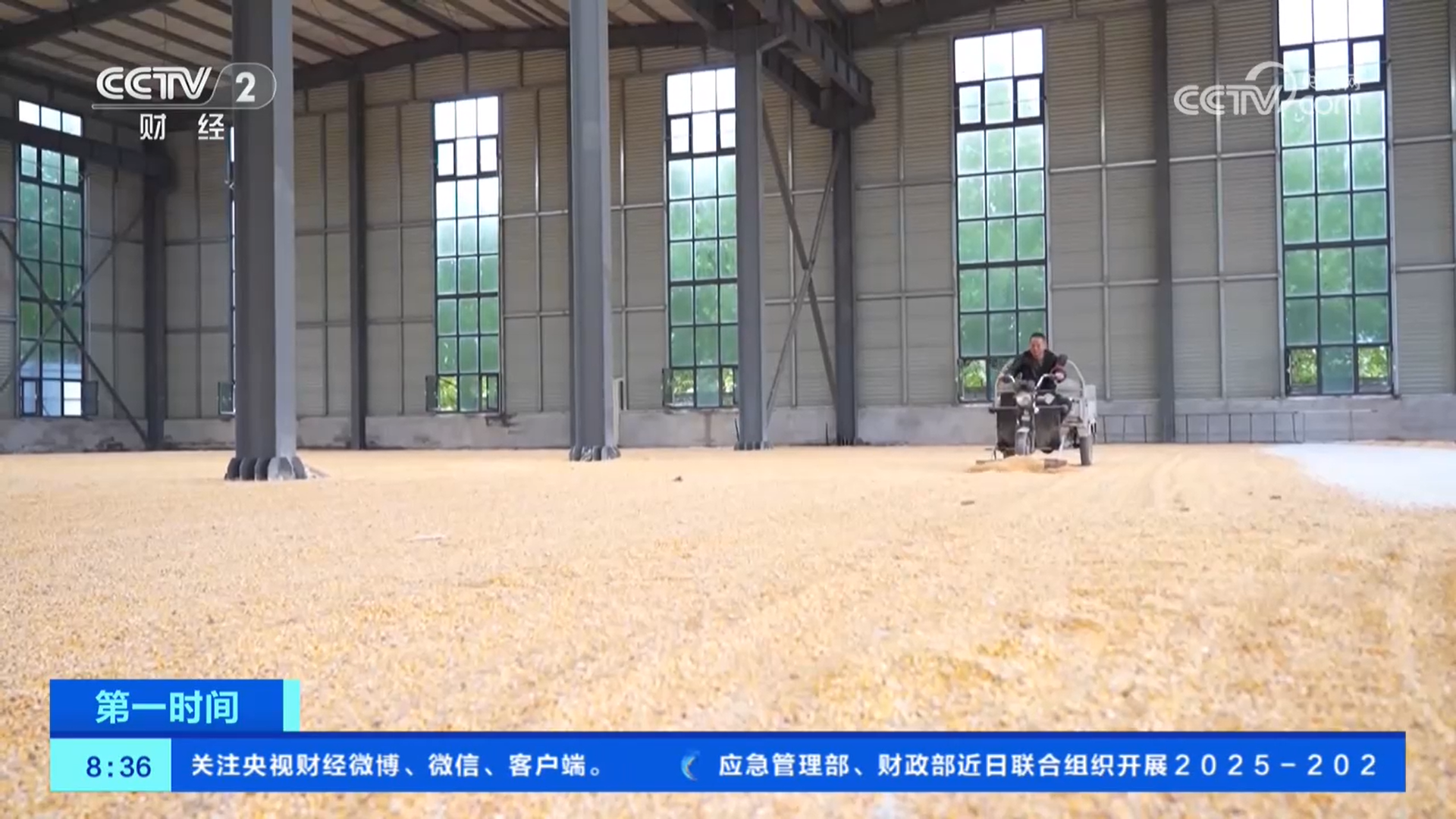
Core Viewpoint - The ongoing rainy weather during the autumn harvest season has increased the risk of grain spoilage, prompting various measures in Shandong and other regions to assist farmers in timely harvesting and drying their crops [1]. Group 1: Shandong Province Initiatives - In Jining, Shandong, local authorities have coordinated with enterprises to allocate nearly 40,000 square meters of factory space for grain drying to address farmers' urgent needs [4]. - The region has utilized existing drying equipment, managing seven drying points that operate 24 hours a day, with a daily drying capacity of nearly 1,200 tons [6]. - Currently, there are nine grain drying service points in the area, with a total of 17 drying machines, achieving a daily drying capacity of over 1,300 tons [6]. Group 2: Shanxi Province Harvesting Efforts - Continuous rainy weather in Shanxi has made it difficult for farmers to harvest corn, leading local departments to mobilize drying equipment to ensure timely collection of autumn grain [7]. - In Pingyao County, approximately 500,000 acres of corn have been planted, with over 300,000 acres already harvested [8]. - Local cooperative societies have established three agricultural machinery service teams to monitor harvest progress and weather conditions, facilitating timely drying services [12]. Group 3: Other Regions' Harvesting Activities - In Anhui, the soybean harvest is underway, with efforts to ensure completion before the next rainfall, despite previous weather impacting quality and yield [17]. - In Chongqing, over 1.16 million acres of ratoon rice are being harvested, with expectations to complete by early November [18][20]. - In Guizhou, the high-altitude vegetable harvest is in full swing, with over 200,000 acres of vegetables being collected, significantly contributing to local farmers' income [21][23].
莲花白迎来“及时雨”
Jin Rong Shi Bao· 2025-09-16 02:15
Group 1 - The article highlights the successful return of a young entrepreneur, Chen Wei, to his hometown to cultivate a local specialty crop, the "lotus white" cabbage, which has become a significant source of income for the community [1][2] - Chen Wei's agricultural venture has expanded from an initial 50 acres to 180 acres by 2024, with plans to further increase land under cultivation, indicating a growing recognition and demand for "Shuangping lotus white" in major markets [2][3] - The local government and financial institutions, particularly Guizhou Bank, have played a crucial role in supporting small and micro enterprises by providing financial assistance, such as a timely loan of 300,000 yuan to Chen Wei, which facilitated his operations [2][3] Group 2 - The agricultural project has created job opportunities for local villagers, with an average monthly wage of over 2,000 yuan for workers, contributing to the local economy and improving the livelihoods of families in the area [3] - The annual production value of the lotus white cabbage from Shizhuang Village has exceeded 3 million yuan, showcasing the economic impact of this agricultural initiative on the community [3]
【延安】设施农业提质增效
Shan Xi Ri Bao· 2025-08-22 00:18
Core Insights - The development of standardized solar greenhouses in Du Ping Village has significantly boosted local vegetable production and farmer incomes [1][2] - The overall agricultural development in Yan'an has shown substantial growth, with increased acreage and production in facility agriculture [2] Group 1: Local Impact - Du Ping Village has established 15 new standardized solar greenhouses, leading to a production area exceeding 4,500 acres for facility fruit and vegetable cultivation [1] - Local farmers report substantial income from greenhouse farming, with one farmer earning approximately 60,000 to 70,000 yuan annually from oilseed rape cultivation [1] - The village's agricultural success is attributed to supportive policies and the establishment of a national modern agricultural industrial park [1] Group 2: Regional Agricultural Development - In the first half of the year, Yan'an has developed 2,140 acres of new facility vegetable bases and 3,595 acres of high-standard open-field vegetable bases [2] - The city has initiated 11 key projects in the facility agriculture industry, with a total investment of 440 million yuan [2] - Yan'an's total area for vegetable planting reached 375,000 acres, with a total output of 826,000 tons, indicating a dual increase in both area and production [2]
建好“菜园子” 拎稳“菜篮子”
Ren Min Wang· 2025-07-01 08:19
Core Viewpoint - The Chinese government emphasizes the importance of the "vegetable basket" mayor responsibility system to ensure the safe supply of agricultural products such as pork and vegetables, which is crucial for people's livelihoods [1] Production Side - The "vegetable basket" products are produced stably with sufficient supply, exemplified by the successful cultivation of high-quality chili peppers in Changsha, Hunan, achieving an expected yield value of 20,000 yuan per acre [1][2] - In Guizhou, the focus on growing varieties like lotus white cabbage has led to significant agricultural development, with the village expected to plant nearly 4,000 acres this year [3] Market and Supply Chain - The national vegetable production in 2022 reached approximately 800 million tons, with a total agricultural product output of about 1.35 billion tons [4] - The establishment of diverse sales channels and the "vegetable basket" project has improved the flow of agricultural products from farms to consumers, enhancing market stability [4][5] - In Guangzhou, over 32 specialized "vegetable basket" markets have been established, ensuring comprehensive coverage of retail points [6] Management and Safety - The implementation of green planting practices and comprehensive monitoring systems is crucial for ensuring food safety, with initiatives in places like Hunan focusing on organic farming and rigorous quality checks [7][8] - In 2023, Chongqing conducted 54,700 batches of agricultural product quality safety risk monitoring, achieving a compliance rate of 99.28% [8]
贵州省遵义市红花岗区市场监督管理局2025年第一期食用农产品抽检结果公示(239批次)
Zhong Guo Zhi Liang Xin Wen Wang· 2025-06-27 05:58
Core Points - The article presents the results of the first batch of food safety inspections for edible agricultural products in Honghuagang District, Zunyi City, revealing various non-compliance issues with specific products [3][4][5] Group 1: Inspection Results - A total of 239 batches of edible agricultural products were inspected, with several batches found to contain pesticide residues exceeding the standard limits [3] - Specific products such as "折耳根" (a type of herb) and "桑葚" (mulberry) were reported to have pesticide residues like "乐果" and "甲拌磷" that exceeded permissible levels [4][5] - The inspection results indicate a need for stricter monitoring and compliance measures in the agricultural sector to ensure food safety [3][4] Group 2: Non-compliance Details - Non-compliance items included pesticide residues such as "氧乐果" and "氟虫腈," which were detected in various products, raising concerns about consumer safety [4][5] - The report highlights specific instances where the detected pesticide levels were significantly above the standard values, necessitating immediate action from regulatory authorities [3][4] - The findings emphasize the importance of regular inspections and the need for producers to adhere to safety standards to protect public health [3][5]