
货运无人机

Search documents
低空装备产值达520亿,工信部明确下阶段发展思路
Di Yi Cai Jing· 2025-11-30 09:37
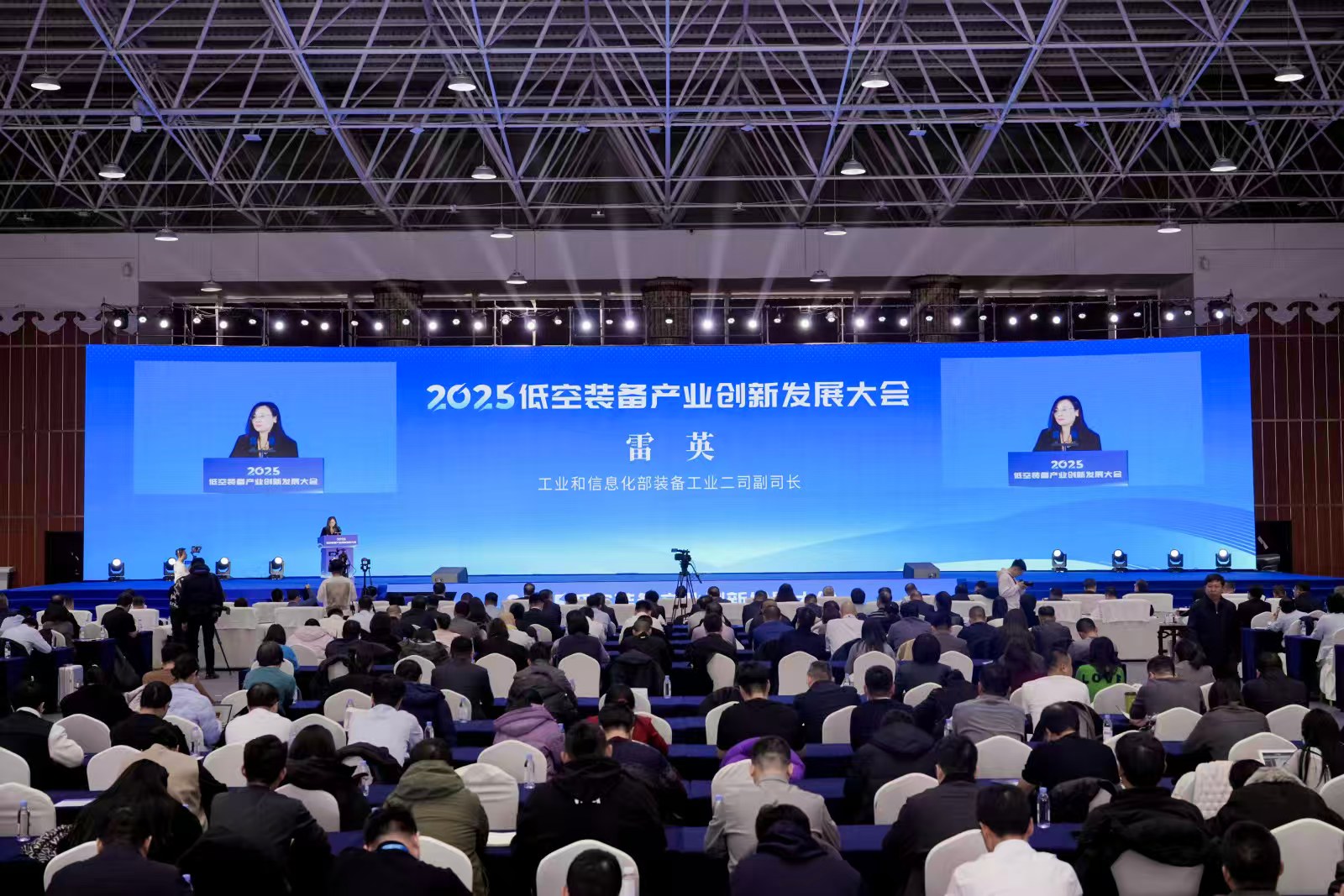
Core Viewpoint - The low-altitude economy is rapidly emerging as a new trillion-level industry, with significant growth potential and opportunities driven by technological integration and policy support [1][3]. Industry Development - The 2025 Low Altitude Equipment Industry Innovation Development Conference will be held in Ordos, Inner Mongolia, focusing on the theme "Intelligent Leadership in Low Altitude, Equipment for the Future" [1]. - The Ministry of Industry and Information Technology (MIIT) reports that the low-altitude equipment industry is expected to achieve an output value of approximately 52 billion yuan in 2024, with an average annual growth rate of over 10% during the 14th Five-Year Plan period [1][3]. - As of now, there are 977 registered companies in the civil unmanned aerial vehicle (UAV) information system, with 3,222 products filed, and over 489,000 UAVs have received flight approval [1]. Market Size and Future Projections - The low-altitude economy market size is projected to reach 1.5 trillion yuan in 2023 and is expected to exceed 2 trillion yuan by 2030 [3]. - The low-altitude equipment industry serves as the material and technical foundation for developing the low-altitude economy, representing a crucial direction for fostering new productive forces and economic growth [3]. Policy and Strategic Initiatives - The MIIT emphasizes the need for top-level design, focusing on intelligent, green, and integrated development to build a modern low-altitude equipment industry system [3]. - Key technologies such as aviation power batteries and flight control systems will be prioritized, with efforts to cultivate specialized and innovative enterprises [3][4]. Regional Development and Applications - Guangdong province leads in low-altitude economic development, with a market size exceeding 100 billion yuan and over 15,000 related enterprises [5]. - Inner Mongolia has introduced several policy documents to promote low-altitude economic development, aiming to create integrated industrial development in manufacturing, flying, and service sectors [6]. Research and Development - The conference released five research reports, including a technical roadmap for low-altitude aircraft power batteries and a development path for low-altitude intelligent networking systems [6]. - The development path for low-altitude intelligent networking emphasizes a systematic approach to ensure safety and capability mapping, facilitating scalable development in the low-altitude economy [6].

新技术融合带来新机遇 我国低空装备产业发展展现巨大潜力
Yang Shi Wang· 2025-11-30 04:07
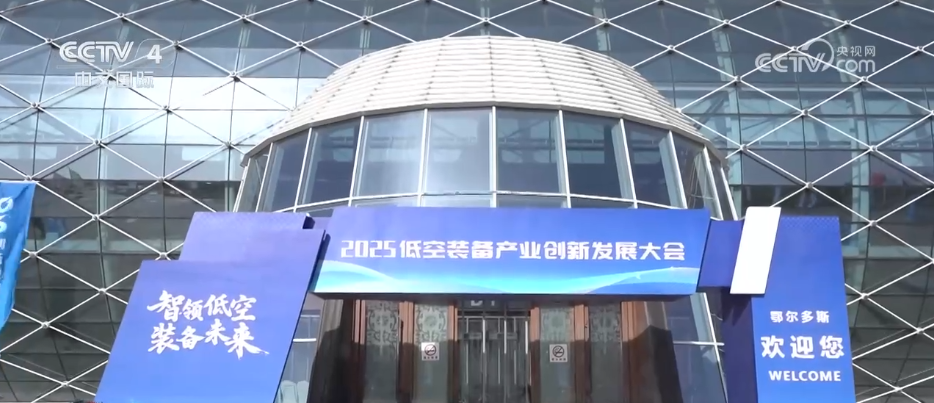
Core Viewpoint - China is set to promote the safe and healthy development of the low-altitude equipment industry, enhancing its development path across multiple levels as part of the "14th Five-Year Plan" [1] Group 1: Industry Development - The 2025 Low Altitude Equipment Industry Innovation Development Conference in Inner Mongolia released five research reports, including a roadmap for power battery technology and a development path for low-altitude intelligent networking systems [3] - The energy density of mass-produced power battery systems is expected to reach 220-250 watt-hours per kilogram by 2025 and to exceed 330-400 watt-hours per kilogram by 2030 [3] - A framework for the low-altitude equipment industry standard system has been proposed, covering seven areas including low-altitude aircraft and infrastructure [3] Group 2: Technological Integration - The integration of new energy and next-generation information technology with the low-altitude equipment industry is accelerating, presenting new opportunities and showcasing significant potential for development [5] - Key technologies such as aviation power batteries and flight control systems will be the focus, along with safety operation technologies like low-altitude intelligent networking [9] Group 3: Strategic Initiatives - The Ministry of Industry and Information Technology plans to strengthen top-level design, focusing on intelligent, green, and integrated development to enrich the product spectrum of low-altitude equipment [7] - There will be an emphasis on building a high-level industrial supply chain and cultivating advanced industrial clusters to support the high-quality development of the low-altitude economy [7] - The approach will prioritize logistics transportation, agricultural operations, emergency rescue, and short-distance passenger transport, with a phased implementation strategy for applications like cargo drones and agricultural protection machines [9]
我国将稳妥推动低空装备产业安全健康发展 “多点发力”完善发展路径
Yang Shi Wang· 2025-11-30 02:48
Core Insights - China is set to promote the safe and healthy development of the low-altitude equipment industry, focusing on multiple aspects to improve the development path of the industry [1][3] Group 1: Industry Development Plans - The Ministry of Industry and Information Technology (MIIT) has released several research reports, including a roadmap for power battery technology for low-altitude aircraft, aiming for energy density of 220-250 Wh/kg by 2025 and 330-400 Wh/kg by 2030 [1] - A framework for the standard system of the low-altitude equipment industry has been proposed, covering seven areas including low-altitude aircraft, infrastructure, and test flights [1] Group 2: Technological Integration and Opportunities - The integration of new energy and next-generation information technology with the low-altitude equipment industry is creating new opportunities, indicating a positive development trend and significant potential for the industry [3] Group 3: Strategic Focus and Goals - The MIIT plans to enhance top-level design with a focus on intelligence, greenness, and integration, aiming to enrich the product spectrum of low-altitude equipment and build a high-level industrial and supply chain [5] - Key technologies such as aviation power batteries and flight control systems will be prioritized, along with the promotion of application demonstrations for low-altitude equipment in logistics, agricultural operations, emergency rescue, and short-distance passenger transport [7]

千帆竞发 共筑“天空之城”
Zhong Guo Zheng Quan Bao· 2025-11-24 20:13
Core Insights - The low-altitude economy has been recognized as a strategic emerging industry in China, leading to various local governments implementing policies to accelerate the formation of industrial clusters and attract upstream and downstream enterprises. Beijing - The "Beijing Action Plan for Promoting High-Quality Development of the Low-Altitude Economy (2024-2027)" aims for over 5,000 low-altitude economy-related enterprises by 2027, with an industry scale reaching 100 billion yuan [1] - The plan includes developing over 10 replicable application scenarios in areas such as emergency management, logistics, and urban commuting by 2027 [1] Shanghai - The "Shanghai Action Plan for High-Quality Development of the Low-Altitude Economy (2024-2027)" targets a core industry scale exceeding 50 billion yuan by 2027 [1] - The plan supports the establishment of over 10 leading enterprises in electric vertical takeoff and landing aircraft and aims to cultivate around 20 leading low-altitude service companies [1] Guangzhou - The "Guangzhou Implementation Plan for Low-Altitude Economy Development" projects an overall scale of approximately 150 billion yuan for the low-altitude economy by 2027 [1] - The plan emphasizes improvements in low-altitude airspace management and technological innovation, aiming for national leadership in these areas [1] Shenzhen - The "Shenzhen High-Quality Construction Plan for Low-Altitude Infrastructure (2024-2026)" aims to establish a low-altitude infrastructure system by the end of 2026, including 1 major scientific facility and 5 operational test zones [2] - The plan includes the construction of over 1,200 low-altitude takeoff and landing points and the opening of over 1,000 low-altitude commercial flight routes [2] Chongqing - The "Chongqing Action Plan for Promoting Low-Altitude Airspace Management Reform (2024-2027)" aims to establish a city air traffic management system supported by Beidou applications by 2027 [3] - The plan anticipates an annual growth of over 20% in the number of low-altitude aircraft and a 25% increase in flight hours and frequency [3] Zhejiang - The "Action Plan for Building a Strong Civil Aviation Province and Developing a High-Altitude Economy" aims to establish a low-altitude infrastructure network, including 20 general airports and over 150 public drone takeoff and landing sites by 2027 [4] - The plan focuses on developing low-altitude tourism routes and new consumption models, integrating low-altitude services with tourism and sports [4]
改革赋能高质量发展 沈阳国资国企改革成效位列东北首位
Ren Min Wang· 2025-11-21 06:47
Core Insights - The total assets of state-owned enterprises in Shenyang have exceeded 427.3 billion yuan, marking a 51.5% increase since the beginning of the 14th Five-Year Plan, with operating income projected at 27.9 billion yuan in 2024, reflecting a 48.1% year-on-year growth [2] Group 1: Operational Efficiency and Growth - Shenyang's state-owned enterprises have significantly improved both scale and efficiency, with a focus on innovation and industrial upgrades [2][3] - The city has successfully completed the three-year action plan for state-owned enterprise reform, receiving high praise for its reform effectiveness, ranking first in Northeast China [1][2] Group 2: Industrial Transformation and Innovation - The aerospace industry cluster in Shenyang has surpassed 100 billion yuan, with collaborations on projects like cargo drones with central enterprises [3] - The establishment of a data asset registration center and the promotion of mixed-ownership reforms in the "space information big data" sector are notable achievements [3] Group 3: Structural Optimization and Resource Allocation - Shenyang has restructured its state-owned enterprise landscape, forming a system of 13 primary enterprises while reducing management layers by 334 [4] - The city has signed 96 central-local cooperation projects with a total investment of 361.88 billion yuan, enhancing the value of state assets by over 2.66 billion yuan [4] Group 4: Deepening Reforms and Enhancing Governance - The establishment of a dedicated external director system and a talent pool for enterprise management has been initiated, leading to cost savings of 360 million yuan [5] - A four-party supervision mechanism has been created to enhance oversight and improve operational efficiency [5] Group 5: Future Directions and Strategic Goals - The Shenyang government aims to stabilize economic operations, lead industrial development, and enhance urban quality, positioning itself as a regional benchmark for high-quality state-owned enterprise development [6]
如何搭建低空经济“空中高速路”?
Huan Qiu Wang· 2025-11-19 22:45
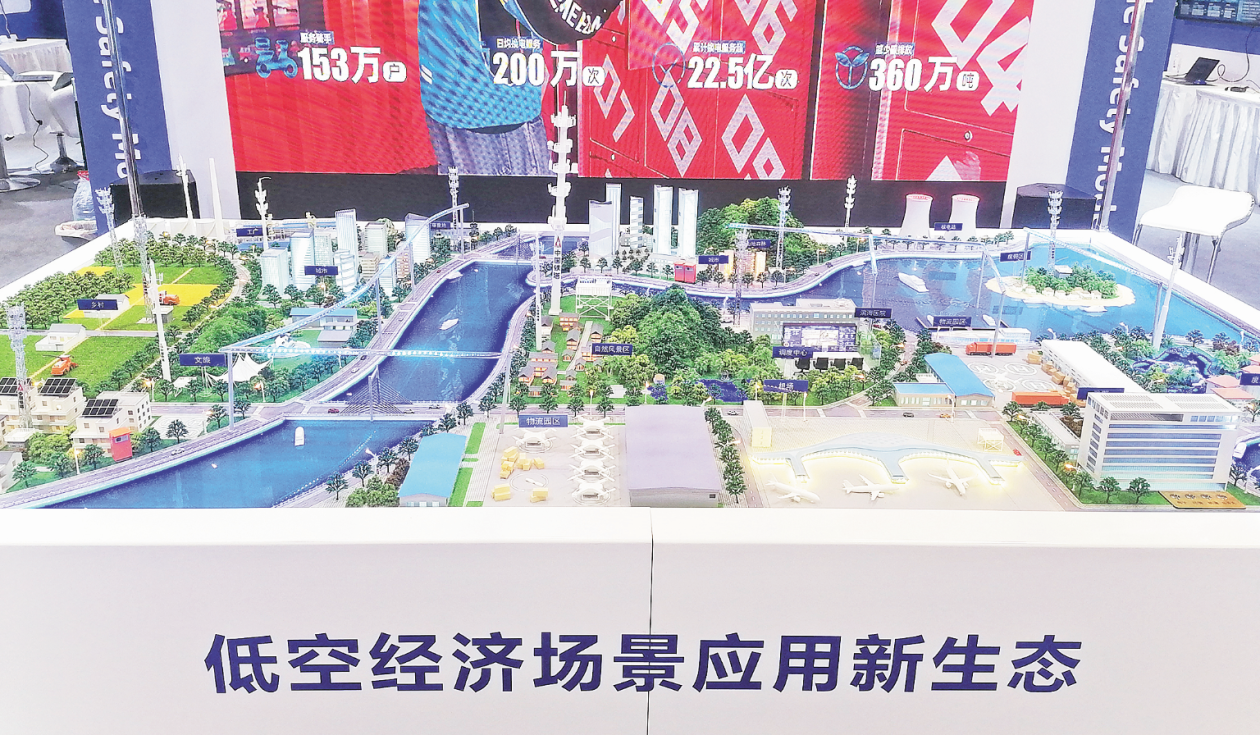
Core Viewpoint - The low-altitude economy is seen as a new engine for China's economic development, requiring the establishment of an invisible air traffic network with appropriate regulations and capabilities to ensure safety and efficiency [1][5]. Group 1: Current Practices and Challenges - China has initiated various practices in the low-altitude economy, including the use of eVTOLs, flying cars, and delivery drones, but these applications are currently fragmented and lack regulatory measures [2][5]. - The development of the low-altitude economy primarily focuses on airspace below 1,000 meters, with specific altitude ranges for different applications, necessitating a unified communication and navigation system to prevent chaos in the air [5][6]. Group 2: Safety and Regulatory Framework - The National Development and Reform Commission emphasized that safety is the primary prerequisite for developing the low-altitude economy, advocating for a cautious and orderly expansion of applications [5]. - The "Kang Qian City-Level Low Altitude Safety Operation Model 1.0" has been proposed to address urban safety regulation challenges, outlining a structured air traffic network supported by various facilities [6][7]. Group 3: Technological and Infrastructure Needs - The low-altitude economy requires a robust safety support network that includes communication, navigation, and monitoring facilities to ensure the safe operation of low-altitude aircraft [6][8]. - The integration of over 2.1 million communication towers across China can serve as foundational infrastructure for the low-altitude economy, providing necessary services and charging stations for drones [6][8]. Group 4: Intelligent Traffic Management - The development of a smart traffic management system for low-altitude operations is essential, similar to existing ground traffic management systems, to mitigate risks associated with low-altitude flights [7][8]. - The proposed low-altitude management service platform will enable indirect control of drones, ensuring comprehensive monitoring and management of flight operations [7][8]. Group 5: Legal and Policy Considerations - The legal framework for the low-altitude economy is under discussion, with a focus on balancing safety, compliance costs, and fostering innovation [11][12]. - Proposed legislative changes aim to clarify management responsibilities and provide local governments with the authority to support low-altitude economic enterprises [11][12]. Group 6: Future Directions and Innovations - Experts advocate for a flexible legal environment that encourages technological innovation while ensuring safety, suggesting that regulations should allow for adaptability to rapid technological advancements [13]. - The potential for automatic driving and AI management in low-altitude operations highlights the need for forward-thinking legislation that can evolve with technological progress [13].
低空经济行业周报(第三十九期):皖豫联合印发方案支持低空经济,广东发布多条低空经济支持政策-20251026
KAIYUAN SECURITIES· 2025-10-26 04:42
Investment Rating - Investment rating: Positive (maintained) [1] Core Insights - The low-altitude economy is experiencing significant policy support from various regions, including the issuance of multiple measures aimed at fostering industry growth and collaboration [18][23][25] - The average stock price change for low-altitude economy-related stocks was +4.0% during the week of October 20 to October 24, with notable performers including Zhuhai Guanyu (+23.1%) and Penghui Energy (+14.2%) [4][10][21] - Companies like EHang Intelligent are actively promoting their low-altitude economic experiences in international markets, particularly in Portuguese-speaking countries [19][26] Summary by Sections 1. Weekly Sector Review - The low-altitude economy sector saw an average increase of +4.0% in stock prices, with Zhuhai Guanyu leading the gains [4][10] - The top five gainers included Zhuhai Guanyu (+23.1%), Penghui Energy (+14.2%), and Lihang Technology (+13.7%) [10][12] 2. Industry Dynamics - The Anhui and Henan provincial governments issued a joint plan to support the low-altitude economy, proposing 18 measures to enhance regional collaboration and innovation [23] - Guangzhou's Tianhe District introduced 11 support measures for the low-altitude economy, offering subsidies up to 20 million yuan for qualified drone companies [24] - Guangdong Province released 16 measures to strengthen financial and technical support for the low-altitude economy [25] 3. Company Developments - EHang Intelligent showcased its low-altitude economic solutions at the China-Portuguese-speaking Countries Economic and Trade Expo, aiming to expand into Latin American markets [19][26] - Air China Ocean announced a joint venture to establish a low-altitude maritime service company, enhancing its competitive edge in the sector [27]
低空经济行业点评报告:百亿级国际订单指引,海外市场打开低空成长空间
ZHESHANG SECURITIES· 2025-07-24 09:52
Investment Rating - The industry investment rating is "Positive" (maintained) [4] Core Insights - The first International Low Altitude Economy Expo was held in Shanghai, showcasing nearly 300 leading companies in low altitude technology, including eVTOL and drones [1] - Major eVTOL manufacturers, such as Volant and EHang, secured significant strategic partnerships during the expo, indicating strong market interest and potential growth [1][2] - Volant signed a tripartite cooperation agreement with Pan Pacific and AVIC Engineering, resulting in a purchase order for 500 VE25-100 eVTOLs worth $1.75 billion, marking the largest international order for a Chinese high-grade passenger eVTOL [2] - Time Technology also secured a $1 billion order for 350 E20 eVTOLs from Autocraft, aimed at commercializing low-altitude tourism and air travel in the Middle East and North Africa [2] - The collaboration between the automotive industry and eVTOL development is highlighted, with companies like Wofei and EHang partnering with established automotive firms to enhance eVTOL cockpit design and systems [3] - Strategic agreements were made to establish low altitude infrastructure standards and develop application scenarios, aiming to create replicable low altitude economic demonstration models [3] Summary by Sections International Expo Highlights - The expo featured significant participation from leading low altitude economy companies, showcasing advancements in eVTOL and drone technologies [1] Market Demand and Orders - The demand for eVTOLs in Southeast Asia and the Middle East has exceeded expectations, with substantial orders indicating a robust market potential [2] Industry Collaboration - Partnerships between eVTOL manufacturers and automotive companies are fostering innovation and development in low altitude transportation [3] Investment Recommendations - Focus on high-value, high-barrier segments within the eVTOL market, including manufacturers like WanFeng Aowei and EHang, as well as component suppliers and low altitude infrastructure developers [4][5]
华富时代锐选混合A,华富时代锐选混合C: 华富时代锐选混合型证券投资基金2025年第2季度报告
Zheng Quan Zhi Xing· 2025-07-12 02:26
Core Viewpoint - The report highlights the performance and investment strategy of the Huafu Times Selected Mixed Securities Investment Fund, emphasizing its focus on the autonomous driving sector and its financial metrics for the second quarter of 2025 [1][11][15]. Fund Overview - Fund Name: Huafu Times Selected Mixed Fund - Fund Manager: Huafu Fund Management Co., Ltd. - Fund Custodian: China Construction Bank Co., Ltd. - Total Fund Shares at Period End: 77,179,097.37 shares - Investment Objective: To achieve long-term capital appreciation while strictly controlling risks [3][4]. Financial Performance - For the period from April 1, 2025, to June 30, 2025: - Huafu Times Selected Mixed A share net value growth rate: 1.84% - Huafu Times Selected Mixed C share net value growth rate: 1.74% - Benchmark return for the same period: 1.53% [5][15]. - Cumulative net value for A shares: 0.8789 RMB - Cumulative net value for C shares: 0.8699 RMB [15]. Investment Strategy - The fund has shifted its focus towards the autonomous driving sector, identifying it as a promising area for investment due to recent advancements and market potential [11][15]. - The fund's investment strategy includes a diversified approach across various segments of the autonomous driving industry, including vehicles, core components, and operational services [15]. Asset Allocation - As of the report date, the fund's asset allocation includes: - 75.73% in stocks - 18.45% in cash equivalents - No holdings in bonds or asset-backed securities [16][17]. - The fund has not engaged in any abnormal trading activities during the reporting period, ensuring compliance with relevant regulations [8][9]. Shareholder Activity - Total shares at the beginning of the reporting period for A shares: 68,773,874.57 - Total shares at the end of the reporting period for A shares: 66,609,842.38 - Total shares at the beginning of the reporting period for C shares: 11,372,060.21 - Total shares at the end of the reporting period for C shares: 10,569,254.99 [19].