
超豪华纯电车型

Search documents
高调的追觅造车,让我想起了赛麟汽车
Xin Lang Cai Jing· 2026-02-09 13:07
Core Viewpoint - The domestic automotive industry is at a crossroads, with the rise of new energy vehicles and the trend of "cross-border car manufacturing" attracting significant capital interest, reminiscent of past industry events [1] Group 1: Company Overview - Chasing Technology, known for its robotic vacuum cleaners, has made a high-profile entry into the automotive sector, claiming a target of "one trillion revenue in three years" and directly challenging Bugatti Veyron [4][12] - The company has announced plans to launch a luxury electric vehicle by 2027, utilizing a dual approach of "light asset modification + self-research" to quickly bring modified existing models to market while also developing its own vehicles [6][12] Group 2: Product and Design Concerns - The three SUV models showcased by Chasing Technology bear a striking resemblance to vehicles from Dongfeng Warrior, leading to discussions about potential "shell swapping," similar to past criticisms faced by other brands [8][12] - The naming of the car division as "Interstellar Travel" rather than "Chasing Automotive" raises questions about the company's seriousness, especially given its registered capital of only 1 million yuan, which may lead to perceptions of it being a shell company [10][12] Group 3: Technical and Market Challenges - The company faces skepticism regarding the legitimacy and independence of its technological advancements, particularly in transitioning from existing technologies to complex vehicle systems [14] - The ambitious revenue target of "one trillion in three years" is seen as unrealistic, even for established players like Tesla, and may be more of a strategic slogan to attract capital rather than a feasible business plan [16] Group 4: Industry Context and Future Outlook - The entry of Chasing Technology reflects the strong supply chain foundation in China and the ongoing enthusiasm in the capital market for automotive ventures, highlighting the ambition of tech companies to replicate their success in consumer electronics within the automotive industry [18] - The lessons from past failures, such as that of Saleen, emphasize the importance of solid product capabilities to support ambitious claims, suggesting that Chasing Technology's existing technological expertise in precision manufacturing and algorithms may be its most valuable asset [18][21]

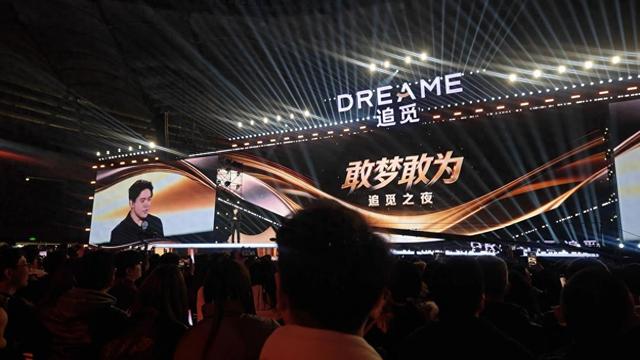
追觅创始人“豪言不断”!下一个马斯克,还是下一个贾跃亭?
Sou Hu Cai Jing· 2026-02-04 16:36
Core Viewpoint - The CEO of Chasing Technology, Yu Hao, has made bold predictions about the future of Tesla and the ambitions of his own company, positioning himself as a controversial figure in the tech industry [2][5][23] Group 1: Company Ambitions and Predictions - Yu Hao predicts that in 20 years, Tesla will face significant challenges similar to those of iRobot, which went bankrupt in 2025 [5] - He aims for Chasing Technology to become the world's first trillion-dollar company ecosystem, claiming that competitors like Musk and Huang Renxun will not surpass a valuation of 8-10 trillion [7][8] - The company plans to launch a high-end smartphone and has ambitious goals in the automotive sector, including a luxury electric vehicle to rival Bugatti by 2027 [19][20] Group 2: Financial Performance and Market Position - Chasing Technology's revenue is projected to reach 15 billion yuan in 2024, with significant growth expected in 2025, where it has already surpassed its previous year's total by mid-year [15] - The company holds a 12% market share in the global robotic vacuum market, ranking third behind competitors like Roborock and Ecovacs [15] - Despite rapid growth, the Chinese robotic vacuum market is showing signs of decline, with retail sales dropping by approximately 7% from 2021 to 2024 [17] Group 3: Challenges and Consumer Feedback - Chasing Technology faces over 4,200 complaints on consumer platforms, primarily related to after-sales service and product quality [17][18] - The company is under pressure to find new growth avenues as the market for its core products becomes increasingly competitive [19][22] - Yu Hao's aggressive expansion into various sectors, including automotive and smart home devices, raises questions about the sustainability of such rapid diversification [22]

追觅智能汽车工作群爆发激烈冲突,员工怒怼CEO俞浩"豪言"引争议
Ju Chao Zi Xun· 2026-01-15 06:37
Group 1 - The core incident involves a heated conflict within the company, where an employee publicly criticized the founder and CEO, questioning the company's ambitious claims and strategies [2] - The employee's remarks included pointed questions about the CEO's credibility and the feasibility of the company's goals, particularly in relation to the automotive industry and its competition with established players like NVIDIA and major car manufacturers [2] - This conflict appears to be triggered by the CEO's recent bold statements regarding the company's future valuation and market position, which have drawn skepticism from within the organization [2][3] Group 2 - The CEO, Yu Hao, has expressed a vision for the company to become the first trillion-dollar ecosystem, aiming for a market valuation significantly higher than current leaders like NVIDIA [3] - The company's automotive strategy is closely linked to this vision, with plans to produce high-performance electric vehicles, including a luxury model aimed at competing with Bugatti, set to launch in 2027 [4] - The automotive division has undergone branding changes, with the original "Chasing Car" brand rebranded to "Starry Future Automotive," focusing on high-end performance vehicles and luxury SUVs [5] Group 3 - The company, founded in 2017, initially focused on smart home appliances and has rapidly expanded since joining the Xiaomi ecosystem, achieving significant sales growth and market share in various regions [6] - By 2024, the company reported a global sales figure of 3.96 million units for its vacuum cleaners, with a 60% year-on-year increase, and a 65% revenue contribution from overseas markets [6] - The company is also establishing a manufacturing facility in Shanghai, with plans to complete it by the first quarter of 2026, amidst increasing regulatory scrutiny in the Chinese electric vehicle market [5]
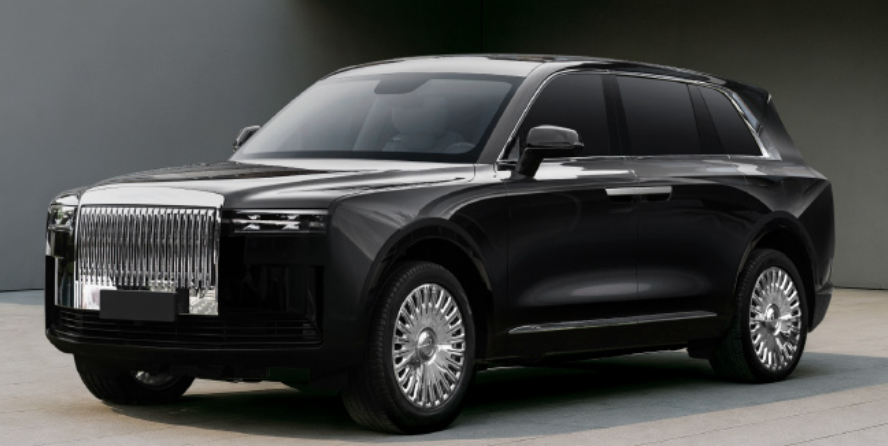
追觅科技大举跨界胜算几何?批量IPO仍需谨慎
中国基金报· 2025-09-28 11:46
Core Viewpoint - The article discusses the ambitious plans of Chasing Technology to pursue multiple IPOs for its various business units, highlighting the potential benefits and risks associated with this strategy [2][3]. Business Expansion - Chasing Technology is rapidly expanding into diverse sectors, including smartphones, astronomy, and electric vehicles, with plans to launch its first smartphone and a luxury electric vehicle by 2027 [3]. - The company aims to leverage the valuation differences across various sectors by splitting its businesses for independent IPOs, which could maximize overall company value [2]. Market Evaluation - Experts caution that while Chasing Technology has experience in hardware development, the new sectors it is entering require significant capital and technical expertise, raising questions about the feasibility of its expansion strategy [4]. - The company’s primary revenue still relies heavily on its cleaning devices, with other ventures in early investment stages, indicating a need for careful evaluation of resource allocation [3]. Risks of Expansion - There are concerns that if the core business does not establish a stable profit model, the company's aggressive expansion into high-investment areas could lead to financial risks and resource dilution [4]. - The long-term nature of some of its new ventures, such as asteroid mining, poses challenges for immediate commercialization, necessitating caution against overextending investor expectations [4]. Employee Investment Controversy - Allegations have surfaced regarding Chasing Technology's requirement for employees to invest in private equity funds, potentially linking this to job security, which raises ethical and legal concerns [6][8]. - The company has publicly denied any mandatory investment policies, asserting that participation in investment schemes is voluntary and aimed at fostering a long-term incentive structure [7][8].

国产家电巨头宣布造车 首轮融资已到位!将在德国建厂 正在特斯拉工厂附近选址 面积比特斯拉还大 产品“对标布加迪威龙”
Mei Ri Jing Ji Xin Wen· 2025-09-12 14:26
Core Viewpoint - Chasing Technology has successfully completed its first round of financing, potentially becoming the fastest car manufacturer to achieve this milestone, which will strategically support its plans for a factory in Germany and a global supply chain [1][2]. Company Overview - Chasing Technology, founded in 2017, specializes in smart home appliances and has expanded its operations to over 100 countries, with projected revenues exceeding 10 billion yuan in 2024 [1]. - The company aims to leverage its experience in consumer electronics to provide innovative travel experiences through its entry into the electric vehicle market [1]. Manufacturing and Development Strategy - The company's vehicle production strategy involves "Chinese R&D, German manufacturing, and global sales," which is seen as a viable approach to penetrate the automotive market [2]. - A new factory is planned near Tesla's German facility, expected to be 1.2 times larger than Tesla's Berlin factory, marking a significant step for a Chinese tech company in high-end manufacturing in Europe [2][3]. Market Positioning - Chasing Technology plans to launch a luxury electric vehicle aimed at competing with Bugatti, focusing on integrating AI and smart technology into its vehicles [4]. - The luxury car market is currently experiencing a downturn, with many brands seeing declining sales, raising questions about the potential success of Chasing's entry into this segment [4][5]. Competitive Landscape - The electric vehicle market in China is highly competitive, with a slowdown in growth, which poses challenges for new entrants like Chasing Technology [6]. - The company believes it can capitalize on China's advanced supply chain and technology to establish a high-end global presence [6][7]. Financial Health and Investment - Chasing Technology has a strong financial position, with sufficient cash flow and a history of profitable operations, including significant stock buybacks that increased founder ownership [7]. - The company has a robust patent portfolio, with over 6,379 applications and 3,155 granted patents, indicating strong technological capabilities that can be leveraged in automotive applications [7]. Challenges Ahead - Despite its strengths, Chasing Technology faces challenges in securing funding, building a brand, and developing products to compete effectively in the electric vehicle market [8].
勇敢还是盲目?追觅高调跨界 要造“世界上最快的车”
2 1 Shi Ji Jing Ji Bao Dao· 2025-09-01 23:19
Core Viewpoint - The automotive market in China is highly competitive, and companies must excel in operational efficiency, supply chain control, technology reserves, and brand strength to survive [1][2][11] Group 1: Company Strategy and Development - Pursue Technology Integration: The company aims to leverage its existing technology in clean energy to support its automotive ambitions, with a focus on achieving "technological compounding" [2][3] - Dual Business Model: The company is adopting a "left hand and right hand model," where the left hand represents contract manufacturing (ODM) and the right hand focuses on self-developed vehicle projects [4][5] - Talent Acquisition: The company has built a team of over 1,000 professionals from leading automotive firms, indicating a strong commitment to developing its automotive capabilities [2][3] Group 2: Product Lines and Market Positioning - Diverse Product Lines: The company has planned five product lines, targeting various segments from high-end supercars to more affordable electric vehicles, aiming to cover a wide market spectrum [1][2] - Initial Product Development: The first mass-produced vehicle is currently in the design review stage, with plans to showcase prototypes in the near term [1][4] Group 3: Challenges and Market Environment - Underestimated Complexity: The company faces significant challenges in technology integration and market positioning, particularly in matching the performance of established brands like Bugatti [6][7][11] - Regulatory Hurdles: The company is constrained by the current regulatory environment, which has halted the issuance of new automotive manufacturing licenses, complicating its path to market entry [10][11] - Market Decline: The company's core business in the cleaning sector is experiencing a decline, which may drive its urgency to diversify into automotive manufacturing [11][12]
想造“世界上最快的车”,追觅是“无畏”还是“无知”
21世纪经济报道· 2025-09-01 15:57
Core Viewpoint - The article discusses the ambitious plans of Chase Technology to enter the automotive industry, aiming to produce a luxury electric vehicle by 2027, while highlighting the challenges and complexities of this endeavor in a highly competitive market [1][2]. Group 1: Company Strategy and Plans - Chase Technology has announced the incubation of a new automotive project, planning to launch its first ultra-luxury electric vehicle by 2027, directly competing with renowned brands like Bugatti [1]. - The company has outlined five product lines, targeting various segments of the automotive market, including high-end brands like McLaren and Lamborghini, as well as competing with domestic players like Tesla and NIO [1][3]. - The "Starry Sky Plan" has been established as the core of its automotive business, with a team of over 1,000 employees, many of whom come from leading companies in the industry [4]. Group 2: Technological and Operational Challenges - Despite its ambitions, Chase Technology faces significant challenges in technology and industry qualifications, particularly in matching the performance of established brands like Bugatti [9][12]. - The company has a history of technological development, with 6,379 patent applications related to automotive technology, but it still lacks the necessary experience in automotive R&D and production processes [4][10]. - The "left-hand" business model focuses on modifying existing domestic models for export, while the "right-hand" model aims for self-developed vehicles, which is currently stalled at the design review stage [5][6][7]. Group 3: Market Context and Competitive Landscape - The Chinese automotive market is highly competitive, with existing players struggling to maintain profitability, making it difficult for new entrants like Chase Technology to establish a foothold [1][13]. - The domestic robot vacuum market, where Chase Technology primarily operates, has seen declining sales, prompting the company to diversify into automotive manufacturing [13]. - Other companies in the home appliance sector have attempted similar transitions into automotive but have faced challenges due to their smaller scale and resources compared to giants like Xiaomi and Huawei [13].

追觅造车:中国品牌的全球进击
雷峰网· 2025-08-28 08:14
Core Viewpoint - The article discusses the ambitious plans of追觅科技 (TruMii) to enter the ultra-luxury electric vehicle market, aiming to create a brand that rivals established supercar manufacturers like Bugatti, positioning itself as a potential "Apple of the automotive industry" [2][25][26]. Group 1: Market Context and Entry Strategy - The Chinese automotive industry is entering a highly competitive phase, with predictions that only a few brands will survive, prompting new entrants like 追觅科技 to seek differentiation in the luxury segment [2][4]. - 追觅科技 plans to launch its first ultra-luxury electric vehicle by 2027, targeting the fastest and highest-performing models globally [2][4]. - The company has a history of planning for vehicle production, with its founders having set automotive goals during their university years, indicating a long-term vision rather than a spur-of-the-moment decision [5][6]. Group 2: Conditions for Success - 追觅科技 believes the current market conditions are favorable for entering the automotive sector, as the industry requires sustained investment and strategic timing rather than just early entry [7][8]. - The company has seen significant growth in revenue and profitability, providing a solid financial foundation for entering the capital-intensive automotive market [8][14]. - 追觅科技 has established a strong international presence, with high market shares in several countries, which will aid in its automotive ambitions [9][13]. Group 3: Technological and Operational Preparedness - The company has built a substantial team for vehicle production, with over a thousand members, and has accumulated significant technological expertise, including thousands of patents in relevant fields [15][22]. - 追觅科技 aims to leverage its existing technological advancements in smart devices to create innovative automotive products that enhance user experience [21][22]. - The company plans to utilize China's mature electric vehicle supply chain to efficiently develop and manufacture its first model, balancing cost and efficiency [14][23]. Group 4: Competitive Landscape and Market Positioning - The luxury vehicle market remains dominated by foreign brands, but 追觅科技 aims to carve out a niche by offering superior technology and performance, targeting high-net-worth individuals [18][20]. - The company intends to differentiate itself by not competing solely on price but by emphasizing technological superiority and unique user experiences [20][21]. - 追觅科技's strategy includes creating a brand image of luxury and innovation from the outset, contrasting with other domestic brands that have struggled to transition from budget to luxury segments [19][20].
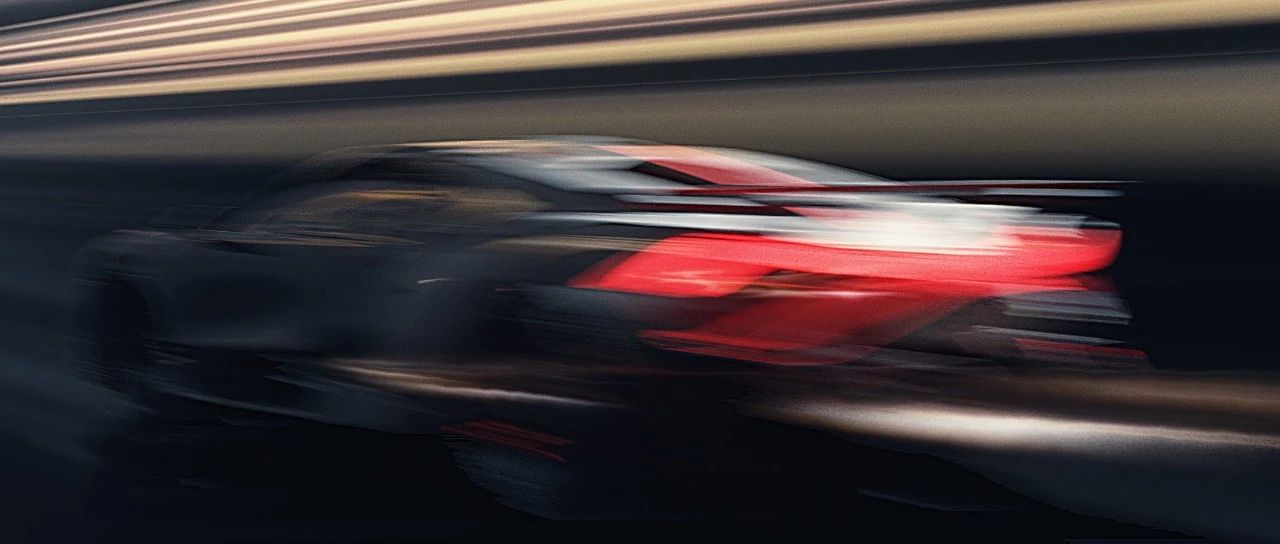
追觅何以造车
3 6 Ke· 2025-08-28 08:04
Core Viewpoint - The company Chasing Technology is entering the automotive industry with a plan to create a global ultra-luxury electric vehicle brand, aiming to launch its first model by 2027, directly competing with high-end brands like Bugatti [1][6]. Group 1: Company Strategy - Chasing Technology has announced its entry into the automotive sector, aiming to leverage its technological expertise to create a unique ultra-luxury electric vehicle that integrates AI and smart technology [1][4]. - The company has established a nearly 1,000-person team dedicated to vehicle development and is continuously expanding its workforce [1][5]. - The first vehicle is designed to be the fastest and highest-performing ultra-luxury brand globally, targeting high-end users who seek a combination of speed, luxury, and advanced technology [6][7]. Group 2: Market Positioning - Chasing Technology identifies a gap in the ultra-luxury electric vehicle market, where traditional brands are slow to adopt electrification and smart technology, thus creating an opportunity for new entrants [5][6]. - The company aims to fill the market void for "ultra-luxury + smart technology," which is currently underserved by existing brands [5][6]. - With over 6,000 offline channels established in more than 100 countries, Chasing Technology has a strong foundation to reach high-end users effectively [6][9]. Group 3: Competitive Advantage - The company plans to utilize its existing technological capabilities, including a significant patent portfolio in sensor fusion and human-machine interaction, to enhance its automotive products [6][9]. - Chasing Technology's strategy emphasizes "full-factor competition," aiming to outperform competitors by at least 10%-20% across key metrics such as price, range, and user experience [7][9]. - The company believes that its experience in the smart hardware sector will allow it to replicate its success in the automotive industry, viewing this venture as a test of its comprehensive capabilities [8][9]. Group 4: Industry Context - The current phase of the Chinese automotive industry presents unique opportunities for new entrants, including a window for brand premiumization and a mature global market environment [4][9]. - Chasing Technology's entry into the automotive sector reflects a broader trend of high-end, globalized manufacturing in China, leveraging domestic supply chains and validated brand capabilities [9][10].