
达利园

Search documents
福建「豪门」,打响继承之战
36氪· 2026-01-31 09:08
Core Viewpoint - The article discusses the generational transition in family businesses among Fujian entrepreneurs, highlighting the challenges faced by the second generation as they take over leadership roles in a competitive and changing market environment [5][6][7]. Group 1: Leadership Transition - Xu Shihui, founder of Dali Food Group, has retired, passing the presidency to his daughter Xu Yangyang, who has been groomed for this role over the years [6][7]. - Similarly, Cao Dewang, founder of Fuyao Group, has stepped down as chairman, handing over the reins to his son Cao Hui, who has been prepared for leadership through international experience [6][10]. - The trend of generational handover is becoming more common among Fujian private enterprises, with several second-generation leaders taking charge of their family businesses [7][8]. Group 2: Challenges of Succession - The second generation faces intense pressure to meet the expectations set by their predecessors, often leading to a struggle between personal ambition and familial duty [5][16]. - The article notes that many second-generation entrepreneurs are hesitant to take over, with some preferring to pursue their own ventures instead of stepping into established family businesses [8][10]. - The transition is often marked by conflicts, as seen in the case of Cao Hui, who initially resisted taking over Fuyao but eventually agreed under his father's insistence [10][11]. Group 3: Business Performance and Strategy - Dali Food's revenue peaked at 22.294 billion yuan in 2021 but has since declined, with 2023 revenue reported at 18.86 billion yuan, indicating significant challenges for Xu Yangyang as she takes over [22][24]. - Fuyao Group, under Cao Hui's leadership, reported a revenue of 21.45 billion yuan in the first half of 2025, showing a double-digit growth, but maintaining this growth will be a key challenge [27]. - The article highlights the strategic shifts required by the new leaders, such as Xu Yangyang's attempts to innovate Dali's product lines in response to changing consumer preferences [24][22]. Group 4: Cultural and Structural Dynamics - The article emphasizes the traditional approach of family succession in Fujian, where leadership is typically passed down to the eldest son, reflecting deep-rooted cultural practices [8][10]. - The concept of family alliances through marriage is also discussed, showcasing how Fujian entrepreneurs are forming strategic partnerships to strengthen their business networks [30][31]. - The establishment of family offices among Fujian businesses is noted as a modern strategy to manage wealth and address succession issues, indicating a blend of traditional and contemporary approaches to business continuity [32][34].





达利食品上市前的核心产品矩阵包含哪些品牌?这些品牌是如何逐步培育起来的?
Sou Hu Cai Jing· 2026-01-12 09:14
Group 1 - Dali Foods was listed on the Hong Kong Stock Exchange in 2015, establishing a product matrix centered on snack foods and extending into beverages, with core brands including Daliyuan, Kexi, Haochidian, Heqizheng, and Lehu, covering various categories such as pastries, puffed snacks, biscuits, herbal tea, and functional drinks [1] - The brand Daliyuan was launched in 2002, focusing on the pastry segment with egg yolk pies as the core product, targeting the demand for consumer upgrades, and quickly gaining market traction through celebrity endorsements and effective marketing strategies [1] - In 2003, Dali introduced Kexi potato chips to penetrate the puffed snack market, which was dominated by foreign brands, offering prices one-third lower than imported brands and leveraging celebrity endorsements to attract young consumers [1] Group 2 - The biscuit brand Haochidian was launched in 2004, breaking the dominance of foreign brands in the high-end biscuit market, with a widely recognized advertising slogan endorsed by a popular celebrity [2] - Dali expanded into the beverage sector with the launch of Heqizheng herbal tea in 2007 and Lehu functional drinks in 2013, continuing the strategy of celebrity endorsements while establishing nine production bases nationwide to enhance regional marketing and create an efficient sales network [2] - The company successfully built a multi-brand collaborative product matrix, laying a solid foundation for its listing and achieving nationwide brand coverage [2]
福建女首富接班了
首席商业评论· 2025-11-19 03:34
Core Viewpoint - The article discusses the succession of Xu Yangyang as the new president of Dali Food Group, highlighting her journey from grassroots positions to leadership and the broader trend of second-generation entrepreneurs taking over family businesses in Fujian province [5][16]. Group 1: Succession of Xu Yangyang - Xu Yangyang, daughter of founder Xu Shihui, has officially taken over as president of Dali Food Group, marking a significant transition in leadership [5]. - Xu Yangyang joined the family business in 2008 after studying abroad, starting from basic positions and gradually moving up to key roles, including board member and strategic decision-maker [6][7]. - Under her leadership, Dali Food successfully went public in Hong Kong in 2015, significantly increasing her wealth and establishing her as a prominent figure in the industry [7][15]. Group 2: Business Development and Innovation - Xu Yangyang has been instrumental in launching the "Dou Ben Dou" brand of soy milk, which achieved sales of 2.266 billion yuan by 2022, positioning Dali Food as a leader in the health and nutrition sector [7]. - The company has shifted its focus from imitation to innovation, with Xu Yangyang emphasizing the need for the next generation to drive qualitative changes in the business [7][8]. - Dali Food is expanding its international presence, with strategic plans to establish production bases in Southeast Asia, including Indonesia, Thailand, Vietnam, and Saudi Arabia [8]. Group 3: Broader Trends in Fujian Business Succession - The article notes a trend of second-generation entrepreneurs in Fujian taking over their family businesses, with several notable examples, including the successors of major companies like Fuyao Glass and Sanan Group [16][19]. - This generational transition reflects a broader pattern in Fujian, where family ties and regional connections play a significant role in business operations and collaborations [20]. - The article highlights the unique characteristics of Fujian's business culture, where familial and regional bonds have fostered a network of successful enterprises across various sectors [20].
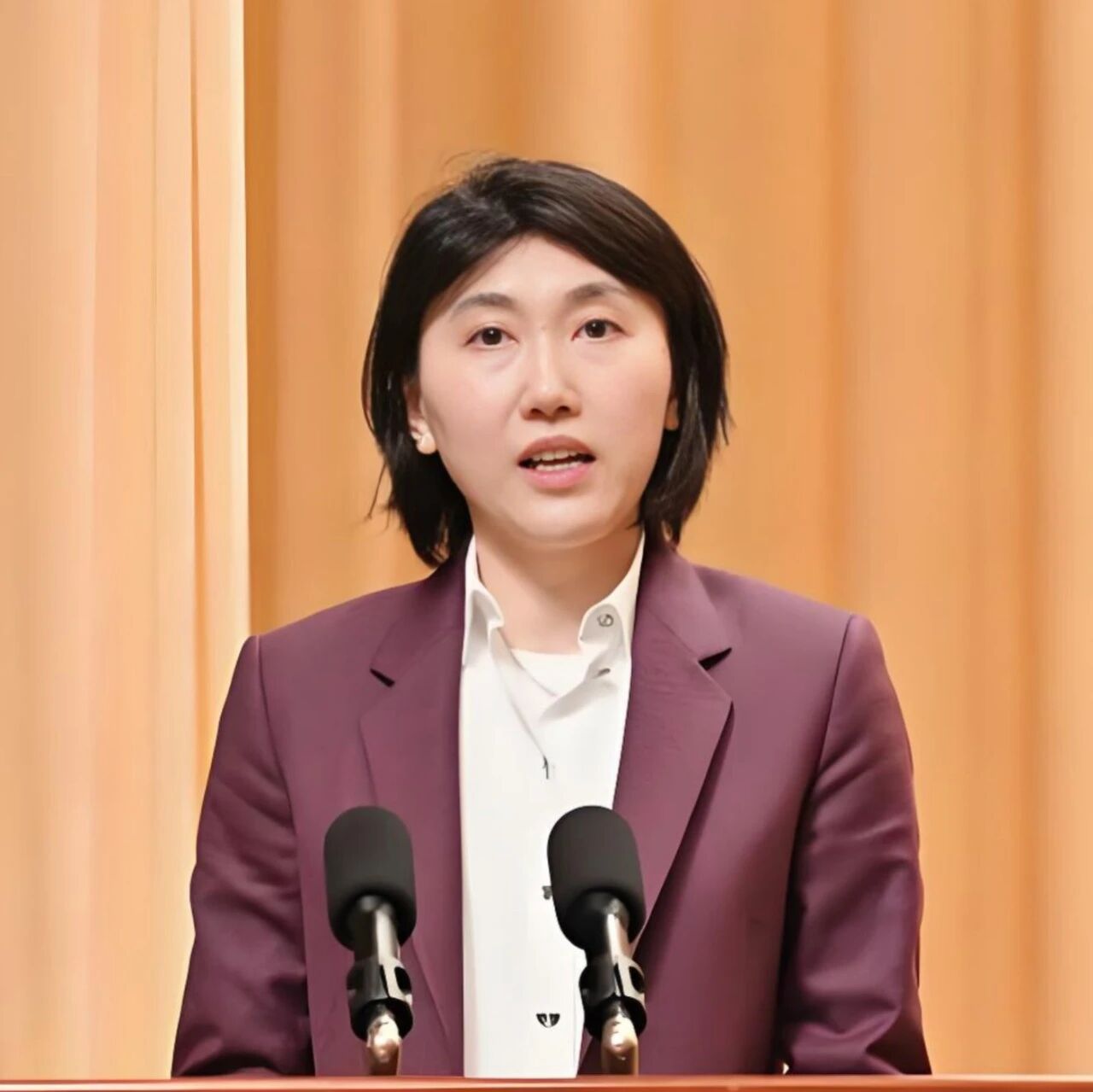
福建前首富交棒“80后”女儿,达利食品完成二代接班
Sou Hu Cai Jing· 2025-11-17 04:02
Group 1 - The core point of the article is the succession of Xu Yangyang as the new president of Dali Foods Group, marking the transition to the second generation of leadership after over 30 years of establishment [1] - Xu Shihui's family wealth is reported to be 53 billion yuan, making them the richest family in Fujian for four consecutive years, with Xu Yangyang and her mother holding a combined wealth of approximately 26 billion yuan, positioning Xu Yangyang as the richest woman in Fujian [1] - Dali Foods, founded by Xu Shihui in 1989, owns several well-known brands such as Dali Garden, Haochidian, and Kebi Ke, and operates in multiple sectors including cakes, biscuits, chips, herbal tea, and functional beverages [1] Group 2 - In recent years, Dali Foods has faced declining performance, with revenue and profit both decreasing from 2022 to 2024, falling below 20 billion yuan [3] - In 2022, the company's revenue was 19.957 billion yuan, a decline of 10.5%, and net profit was 2.990 billion yuan, down 19.7%, with a simultaneous contraction in gross margin [3] - The company announced plans for privatization due to long-term stock price underperformance, with shares dropping nearly 50% from the initial listing price, leading to its delisting from the Hong Kong Stock Exchange in September 2023 [3]

福建前首富许世辉交棒200亿食品帝国 许阳阳接掌达利食品直面业绩双降考题
Chang Jiang Shang Bao· 2025-11-16 23:23
Core Viewpoint - The transition of leadership at Dali Foods Group from founder Xu Shihui to his daughter Xu Yangyang marks a significant moment in the company's history, as it completes the family succession of a food giant with nearly 20 billion yuan in annual revenue [1][3]. Company Overview - Dali Foods Group, founded by Xu Shihui, has grown from a small factory with a monthly rent of 300 yuan to a well-known food empire with annual revenues approaching 20 billion yuan [1][14]. - The company is recognized for its popular brands, including Dali Garden, Kebi, and Haochidian, which have reshaped the snack industry in China [1][14]. - Xu Shihui's business model, characterized by "hit products following trends, celebrity endorsements, affordable pricing, and channel penetration," has been pivotal to the company's success [1][16][20]. Leadership Transition - Xu Yangyang, who has been with Dali Foods for 17 years, is now tasked with leading the company and addressing the challenges it faces in a changing market [3][21]. - The company has experienced a decline in both revenue and net profit in recent years, indicating the need for strategic adjustments under the new leadership [2][22]. Market Challenges - Dali Foods is facing significant pressure from the evolving Chinese consumer market, particularly due to the rise of e-commerce, which has diminished the effectiveness of traditional distribution channels [2][22]. - Recent financial data shows a downward trend in revenue and profit, with 2023 projections indicating further declines [22]. Strategic Considerations - Xu Yangyang's challenge will be to innovate and adapt the company’s strategies to meet new consumer demands, focusing on digitalization, youth engagement, and international expansion [22].
福建前首富许世辉交棒,80后女儿上位!其家族财富曾超宗庆后家族
Mei Ri Jing Ji Xin Wen· 2025-11-15 09:11
Core Insights - Dali Food Group has completed a smooth generational transition with Xu Yangyang, daughter of founder Xu Shihui, officially taking over as president [1][6] - The company, which generates nearly 20 billion yuan in annual revenue, is facing challenges with declining performance in recent years [6][8] Company Overview - Founded in 1989 by Xu Shihui in Quanzhou, Fujian, Dali Food started with a second-hand biscuit production line and a factory rented for 300 yuan per month [2][4] - Dali Food has established several well-known brands, including Dali Garden, Haochidian, and Kabi, and operates in multiple sectors such as cakes, biscuits, chips, and beverages [4] Financial Performance - From 2016 to 2019, Dali Food's revenue grew from 17.84 billion yuan to 21.38 billion yuan [4] - However, revenue figures for 2020 to 2022 show a decline, with revenues of 20.96 billion yuan, 22.29 billion yuan, and 19.96 billion yuan respectively, alongside decreasing net profits [6][8] Leadership Transition - Xu Yangyang has been with the company for 17 years, progressing through various roles before becoming executive director and vice president in 2014 [6] - She played a key role in Dali Food's IPO in Hong Kong, which was the largest in the global consumer goods sector that year [6] Market Position and Challenges - Dali Food's stock price has significantly declined since its IPO, leading to its privatization in 2023 [8] - The company is still a prominent player in various rankings, with projected revenues of 18.86 billion yuan and 18.07 billion yuan for 2023 and 2024 respectively [8] - The new leadership under Xu Yangyang is expected to focus on digitalization, youth engagement, and international expansion to address market changes [8]

福建前首富许世辉交棒,80后女儿上位!其家族财富曾超宗庆后家族,妻女仍是福建女首富!旗下有达利园、可比克、和其正等品牌
Mei Ri Jing Ji Xin Wen· 2025-11-15 07:58
Core Viewpoint - Dali Food Group has successfully completed its generational transition with Xu Yangyang, daughter of founder Xu Shihui, taking over as president, amidst a backdrop of declining performance and market challenges [1][7]. Group 1: Company Overview - Dali Food Group, founded in 1989 by Xu Shihui in Quanzhou, Fujian, has grown from a small factory with a monthly rent of 300 yuan to a major player in the food industry, achieving nearly 20 billion yuan in annual revenue [2][4]. - The company owns several well-known brands, including Dali Garden, Haochidian, and Kebi, and operates in multiple sectors such as cakes, biscuits, chips, and beverages [4]. Group 2: Financial Performance - From 2016 to 2019, Dali Food's revenue increased from 17.84 billion yuan to 21.375 billion yuan, while the Xu family was recognized as the richest in Fujian during this period [4]. - However, the company's revenue showed a decline from 2020 to 2022, with figures of 20.962 billion yuan, 22.294 billion yuan, and 19.957 billion yuan, respectively, alongside decreasing net profits [7]. Group 3: Leadership Transition - Xu Yangyang has been with Dali Food for 17 years, progressing through various roles before becoming executive director and vice president in 2014, where she was involved in key decisions [6][7]. - She led the company to its Hong Kong IPO in 2015, which was the largest in the global consumer goods sector that year, and introduced the "Douben Dou" plant-based milk product, which quickly became a significant revenue driver [7]. Group 4: Market Challenges - Following a period of strong growth, Dali Food's stock price has struggled, leading to its privatization in 2023 after a significant drop from its IPO price of 5.25 HKD to 2.72 HKD [10]. - The company is now facing increased pressure to adapt to market changes and maintain its competitive edge through digitalization, youth engagement, and international expansion under Xu Yangyang's leadership [10].

前福建首富许世辉交棒,“80后”女儿许阳阳接任达利食品总裁
Sou Hu Cai Jing· 2025-11-15 07:57
Core Insights - Dali Food Group has completed a smooth generational transition with Xu Yangyang officially taking over as president from her father Xu Shihui, who remains as chairman [1][5] Group 1: Company Overview - Dali Food Group, founded in 1989 by Xu Shihui in Quanzhou, Fujian, has grown from a small factory to a major player in the food industry with nearly 20 billion yuan in annual revenue [1][2] - The company owns several well-known brands including Dali Garden, Haochidian, and Kebi Ke, and operates in multiple sectors such as egg yolk pies, biscuits, potato chips, herbal tea, and functional beverages [1] Group 2: Financial Performance - From 2016 to 2019, Dali Food's revenue increased from 17.84 billion yuan to 21.375 billion yuan, while the Xu family maintained their status as the richest in Fujian [2] - The family's wealth reached 53 billion yuan according to the 2025 Hurun list [2][4] - Dali Food's revenue for 2023 and 2024 is projected to be 18.86 billion yuan and 18.07 billion yuan, respectively, indicating ongoing growth challenges [9] Group 3: Leadership Transition - Xu Yangyang, born in 1983, has been with Dali for 17 years, progressing through various roles before becoming executive director and vice president in 2014 [5][7] - She played a key role in Dali's successful IPO in Hong Kong in 2015, which was the largest in the global consumer goods sector that year [7] - Despite her achievements, she faces significant challenges as the company has experienced a decline in overall performance, with revenues dropping from 22.294 billion yuan in 2021 to 19.957 billion yuan in 2022 [7][9] Group 4: Market Position and Future Outlook - Dali Food's stock price has significantly declined since its IPO, leading to its privatization in 2023, with shares dropping nearly 50% from the initial offering price [9] - The company is expected to enter a new development phase under Xu Yangyang's leadership, focusing on digitalization, youth engagement, and international expansion to adapt to market changes [9]

前福建首富交棒!“80后”女儿接掌200亿食品巨头,手握达利园、可比克等品牌成新“零食大王”;此前公司营收三连降、港股私有化退市
Sou Hu Cai Jing· 2025-11-15 06:53
Core Insights - Dali Food Group has completed a generational transition with Xu Yangyang, daughter of founder Xu Shihui, officially taking over as president, marking a stable handover in management [1][3] Company Overview - Founded in 1989 by Xu Shihui in Quanzhou, Dali Food Group has grown from a small factory to a major player in the food industry, generating nearly 20 billion yuan in annual revenue [1][3] - The company owns several well-known brands, including Dali Garden, Haochidian, and Kebi, and operates in multiple sectors such as cakes, biscuits, chips, and beverages [3] Financial Performance - Dali Food's revenue increased from 17.84 billion yuan in 2016 to 21.375 billion yuan in 2019, showcasing significant growth [3] - However, from 2020 to 2022, the company's revenue showed a decline, with figures of 20.962 billion yuan, 22.294 billion yuan, and 19.957 billion yuan respectively, alongside decreasing net profits [7][9] Leadership Transition - Xu Yangyang, born in 1983, has been with the company for 17 years, progressing through various roles before becoming executive director and vice president in 2014 [5][7] - She played a crucial role in Dali Food's IPO in Hong Kong, which was the largest in the global consumer goods sector that year, and successfully launched the "Douben Dou" plant-based milk product [7] Market Challenges - Following a period of strong growth, Dali Food's stock price has significantly declined, leading to its privatization in 2023 after a drop of nearly 50% from its initial public offering price [9] - The company is now facing increased pressure to adapt to market changes while maintaining its core business advantages, with a focus on digitalization, youth engagement, and international expansion as key strategies for future growth [9]

福建前首富退场,女儿接棒百亿食品帝国!
Sou Hu Cai Jing· 2025-11-13 13:23
Core Viewpoint - Xu Yangyang has officially taken over as the president of Dali Foods Group, marking a significant transition in leadership from her father, Xu Shihui, who founded the company and built it into a food giant with annual revenue exceeding 20 billion [1][8]. Group 1: Leadership Transition - Xu Yangyang joined Dali Foods in 2008 and has worked her way up through various roles, gaining comprehensive operational experience [1][8]. - Xu Shihui's careful planning for the succession reflects a thoughtful approach to family business continuity [1][8]. - In 2014, Xu Yangyang became an executive director and vice president, entering the core decision-making team [8]. Group 2: Financial Performance - Dali Foods achieved a historical revenue peak of 22.29 billion in 2021, but growth has since stagnated [4]. - In 2022, the company's revenue declined by 10.5% to 19.96 billion, with net profit dropping by 19.4% to 2.99 billion [4]. - The company's stock price has nearly returned to its original listing point following disappointing performance [5]. Group 3: Market Challenges - Dali Foods faces significant challenges in its beverage segment, with competition from brands like Dongpeng Special Tea [12]. - The snack segment is under pressure from major competitors such as PepsiCo and Mondelez [13]. - Innovative brands like "Douben Dou" and "Meibeichen" are growing but still contribute limited overall revenue [14]. Group 4: International Expansion - Under Xu Yangyang's leadership, Dali Foods is focusing on international expansion, establishing production bases in Indonesia, Thailand, Vietnam, and Saudi Arabia [19][20]. - The Indonesian base is set to begin production in October 2025, aiming to cover major channels in Indonesia and surrounding countries [20]. - Dali Foods adopts a "local-to-local" operational model, integrating local resources for effective market penetration [20]. Group 5: Legacy and Future - Xu Shihui's legacy includes transforming Dali Foods from a small biscuit factory into a major food conglomerate with seven national brands and extensive production capabilities [22][23]. - The company is now positioned to leverage its established infrastructure and brand recognition to navigate both domestic and international markets [25]. - Xu Yangyang's challenge lies in proving her ability to not only maintain the business but also to innovate and expand into new markets [25].
