高能量密度电池

Search documents
豪鹏科技:AI端侧业务成新增长引擎,AIPC与机器人等场景陆续出货
2 1 Shi Ji Jing Ji Bao Dao· 2026-01-16 10:43
Core Viewpoint - The company has achieved a comprehensive layout in its AI business, with AIPC becoming a major revenue pillar, providing high energy density batteries to top PC clients to meet endurance demands [1] Group 1: AI Business Development - The company is expanding its AI business across various scenarios, including AI glasses, MR devices, robots, and backup power solutions for data centers, which are being shipped out rapidly despite a small base [1] - The growth of these end-side energy solutions is expected to become a core incremental revenue source in the future [1] Group 2: Revenue and Profitability Outlook - The company anticipates a significant increase in the revenue share from high-value-added AI end-side businesses over the next few years, aiming to optimize its profit model and drive value reassessment [1]
豪鹏科技(001283) - 2026年1月16日投资者关系活动记录表
2026-01-16 10:26
Group 1: Export Tax Policy Impact - The company's export ratio is 50%, and the recent adjustment of the lithium battery export tax from 9% to 6% will be managed through a dual strategy: communication with customers and leveraging the Vietnam production base [2][3] - The adjustment is seen as a "supply-side reform" that will accelerate industry reshuffling, pushing resources towards companies with technological leadership and cost control capabilities [2] Group 2: AI Business Strategy - The company’s "All in AI" strategy has shown significant results, with AI-related business planning for 2026 focusing on AIPC, wearable devices, and robotics [3][4] - AI PC products are a key revenue contributor, and the company aims to enhance the revenue share of high-value AI end-side businesses in the coming years [4] Group 3: Market Positioning and Product Focus - The company is focusing on high-end mobile power products in response to increasing market safety standards, collaborating with major brands to enhance product safety [4][5] - The company has strategically isolated itself from the low-end market affected by rising storage component prices, maintaining a focus on mid-to-high-end markets [6] Group 4: Financial Projections and Growth Strategy - The company aims for sustainable profitability through a focus on high-quality growth, optimizing customer and product structures to enhance gross margins [4][5] - The storage battery business is expected to see significant growth, with revenue projected to increase several times by 2025, supported by planned capacity expansion [5][6] Group 5: Competitive Differentiation - The company has a 20-year foundation in battery cell technology, allowing it to differentiate itself in the energy storage market, which has diverse applications and high reliability demands [5][6] - The focus on new technology fields and building technical barriers will help the company transcend traditional cost competition [6][7]
中科信息:公司与中国民用航空飞行学院、北京航空航天大学成都创新院是低空联合创新战略合作伙伴
Zheng Quan Ri Bao Wang· 2026-01-09 12:11
Core Viewpoint - The company, Zhongke Information (300678), is actively engaging in strategic partnerships with the Civil Aviation Flight University of China and the Beijing University of Aeronautics and Astronautics Chengdu Innovation Institute to enhance its capabilities in low-altitude intelligent transportation and related technologies [1] Group 1: Partnerships and Collaborations - The company has established a strategic cooperation with the Civil Aviation Flight University of China and the Beijing University of Aeronautics and Astronautics Chengdu Innovation Institute as low-altitude joint innovation partners [1] - Collaborations include research cooperation, student internships and employment, and the establishment of joint laboratories with the Civil Aviation Flight University [1] - The partnership with the Chengdu Innovation Institute focuses on the research and development of aerospace intelligent manufacturing technology and the innovation of aerospace information technology [1] Group 2: Technological Development and Applications - The company plans to work with ecological partners to tackle technological challenges in areas such as low-altitude intelligent transportation control models, drone airworthiness certification technology, and high-energy-density batteries [1] - The company aims to develop a low-altitude intelligent network demonstration area in the Tianfu New Area, with initial applications in financial escort, emergency rescue, new logistics, public safety, and smart agriculture [1]

驭低空新势,启经济新篇:2026国际低空经济博览会全球招商盛大启动
Sou Hu Cai Jing· 2026-01-08 05:15
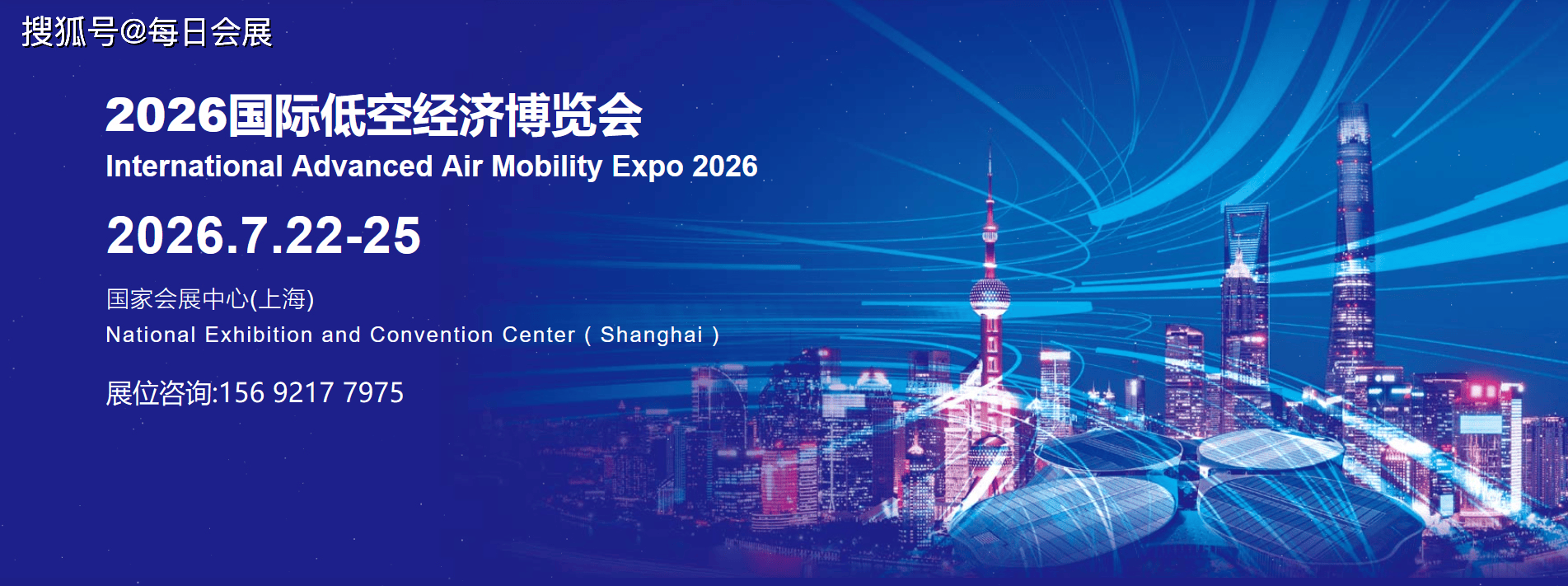
Core Insights - The 2026 International Low-Altitude Economy Expo will take place from July 22 to 25, 2026, at the National Exhibition and Convention Center in Shanghai, with an exhibition area of 100,000 square meters [2][10] - The low-altitude economy is recognized as a new growth engine, with over 30 provinces in China incorporating its development into local government work reports or policies [2][5] - The expo aims to drive the integration of the industry chain, application chain, and ecological chain, promoting high-quality development in the low-altitude economy [6][10] Industry Opportunities - The low-altitude economy is becoming a key area for cultivating competitive advantages and new growth engines, supported by strong policy momentum from the 14th Five-Year Plan [5] - The global low-altitude economy market is expected to exceed $1 trillion by 2030, with China making significant breakthroughs in core components such as batteries and electric control systems [5] Expo Positioning - The expo serves as a comprehensive platform for the entire industry chain, focusing on the practical application of low-altitude scenarios [7][10] - The first expo attracted nearly 300 exhibitors and over 55,200 visitors, including international attendees from 25 countries and regions [6] Exhibition Layout - The exhibition will feature various halls dedicated to low-altitude aircraft, drones, eVTOLs, flying cars, infrastructure, and application scenarios [11][10] - The first two days will be reserved for professional visitors, while the last two days will be open to the public, enhancing engagement through demonstrations and interactive experiences [11] Core Value - Participating companies will gain comprehensive value from brand exposure to commercial conversion, with significant procurement agreements already in discussion, such as a $1.75 billion deal for 500 eVTOLs [13] - The expo will establish a global media network, attracting over 742 media outlets and more than 400 journalists for coverage [13] International Stage - The expo will strengthen collaborations with international organizations and invite exhibitors and buyers from Southeast Asia and Belt and Road Initiative countries [15] - Preparations for the expo are underway, with global low-altitude economy companies actively planning their participation [15]

每10辆就有1辆中国造,中国车企在欧洲卖爆了
创业邦· 2026-01-03 01:13
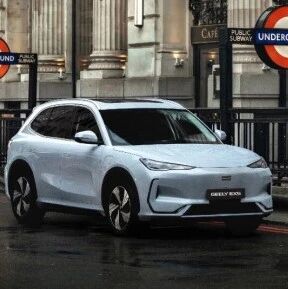
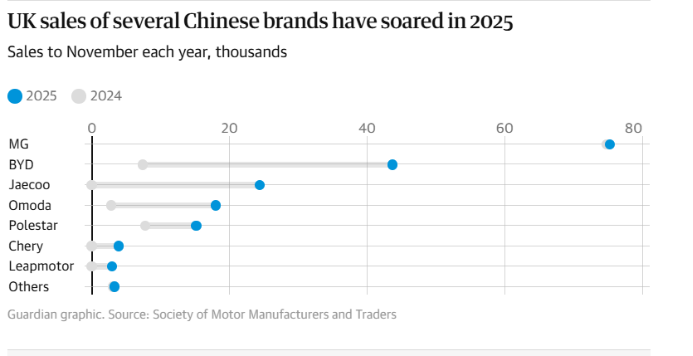
Core Viewpoint - Chinese electric vehicles (EVs) are significantly increasing their market share in Europe, overcoming high tariffs and competition from established local brands, indicating a successful penetration into a historically challenging market [5][7]. Market Performance - In 2025, Chinese brands are projected to capture 12.8% of the European EV market and over 13% in the hybrid vehicle sector, marking a historic high [7]. - In the UK, sales of Chinese automotive brands reached 187,800 units in the first 11 months of the year, doubling from the previous year, with expectations to exceed 200,000 units in 2025 [8][11]. - The average market share of Chinese brands in Western Europe is around 6%, with significant growth in countries like Spain and Norway [11]. Competitive Advantages - Chinese automakers benefit from a mature supply chain for new energy vehicles, allowing for stable supply and cost advantages compared to European manufacturers facing high production costs and battery shortages [13]. - The strategy of localizing production, such as Chery's assembly in Barcelona and BYD's new factory in Hungary, helps avoid tariffs and brings products closer to European consumers [14]. Technological Edge - Chinese companies lead in battery technology, with innovations like BYD's blade battery and CATL's high-energy-density batteries, meeting European demands for longer range and safety [14]. - Advanced smart features in vehicles from brands like XPeng and Leap Motor cater to tech-savvy European consumers [15]. Challenges Ahead - Trade barriers, such as a 45% anti-subsidy tax, and upcoming regulatory requirements pose significant challenges for Chinese automakers [15][17]. - Service and brand recognition remain weak compared to established European brands, with limited service networks and slower response times affecting customer retention [17]. - Adapting to stringent European standards for charging interfaces and carbon footprints adds to the cost of vehicle modifications [17].



每10辆就有1辆中国造,中国车企在欧洲卖爆了
Feng Huang Wang Cai Jing· 2026-01-01 12:51
Core Insights - Chinese electric vehicles (EVs) have significantly increased their market presence in Europe, with total sales nearly doubling despite high tariffs, indicating a successful penetration into a historically challenging market [1][2]. Group 1: Market Performance - In 2025, Chinese brands are projected to capture 12.8% of the European electric vehicle market and over 13% in the hybrid vehicle sector, marking a historic high [2]. - In the UK, sales of Chinese automotive brands reached 187,800 units in the first 11 months of the year, doubling from the previous year, with expectations to exceed 200,000 units in 2025 [2][5]. - Spain and Norway also show strong performance, with one in ten new cars sold being from Chinese brands, and the average market share in Western Europe reaching 6% [6]. Group 2: Competitive Advantages - Chinese automakers benefit from a mature supply chain for electric vehicles, allowing for stable supply and cost advantages compared to European manufacturers facing high production costs and battery shortages [8][9]. - The strategy of localizing production, such as building battery factories in Hungary and utilizing local assembly plants, helps Chinese companies avoid tariffs and connect better with European consumers [10]. - Innovations in battery technology, such as BYD's blade battery and CATL's high-energy-density batteries, meet European demands for longer range and safety in electric vehicles [10]. Group 3: Technological Edge - Chinese brands like XPeng and Leap Motor are investing heavily in R&D, enhancing their vehicles with advanced smart features and autonomous driving capabilities, appealing to tech-savvy European consumers [11]. Group 4: Challenges Ahead - Despite the successes, Chinese automakers face challenges including trade barriers, a 45% anti-subsidy tax, and stringent future regulations on battery certification and compliance, which will require significant investment [12][13].



点燃锂电“新质生产力”引擎!第十九届动力锂电池技术及产业发展国际学术论坛在高邮举行
Sou Hu Cai Jing· 2025-11-23 12:08
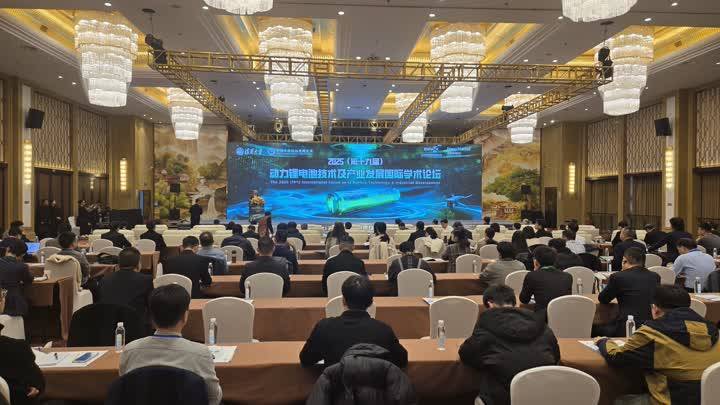
Group 1 - The 2025 International Academic Forum on Power Lithium Battery Technology and Industry Development is being held in Gaoyou, marking the first time this high-level event has taken place in a county-level city, attracting over 300 top experts from institutions like Tsinghua University and the Chinese Academy of Sciences [1][3] - The forum focuses on "high energy density power batteries," with discussions on battery material innovation, intelligent manufacturing, and safety evaluation, showcasing the latest research findings [3][6] - Gaoyou has established itself as a new hub for the "light-storage-charging" industry in the Yangtze River Delta, with a current industry scale exceeding 40 billion yuan, aiming to create a trillion-yuan industrial cluster by 2030 [6] Group 2 - Jiangsu Yinglian Composite Current Collector Co., Ltd. has achieved a solution for lithium metal batteries with zero ignition and zero safety incidents over the past three years, highlighting the city's growing attractiveness in the new energy sector [3][6] - Experts emphasize the importance of local government in seizing new technologies and directions, particularly in high-value-added technologies such as high energy density batteries needed for electric aircraft and low-altitude economy [8]
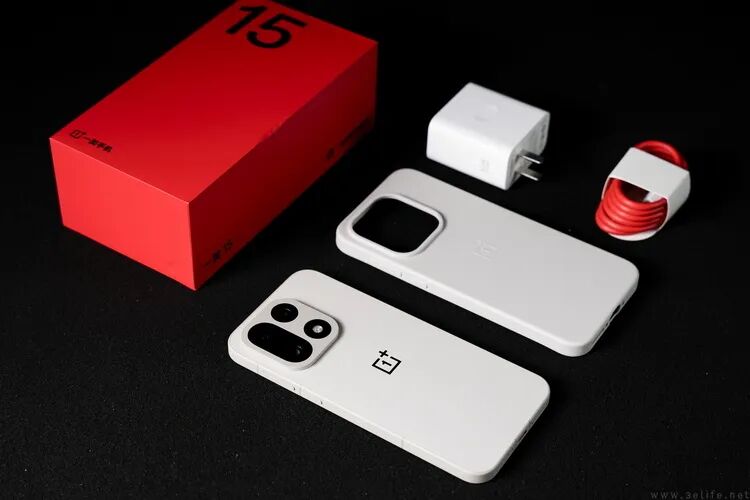
手机快充重回“百瓦级”,但它们真的更快了吗
3 6 Ke· 2025-11-10 23:24
Core Viewpoint - The article discusses the evolution of high-energy density batteries in smartphones, highlighting the trade-offs between charging speed and battery capacity, particularly in gaming-oriented devices. Group 1: Battery Technology and Market Trends - Two years ago, the introduction of high-energy density batteries in smartphones led to longer battery life but reduced charging speeds compared to previous models [1] - High-performance smartphones, which focus on gaming and performance metrics, have become the main players in the market, making slow charging speeds a potential drawback for users [3] Group 2: Charging Performance Analysis - By the fall of 2025, major brands are expected to achieve a balance between high-watt fast charging and large-capacity batteries, with some devices claiming output power of 100W to 120W [5] - A table summarizing charging performance shows that devices with higher nominal charging power generally achieve faster short-term charging speeds under low battery conditions [6][7] Group 3: Charging Strategies - Brands like Red Magic, OnePlus, and Redmi employ a "fast then slow" charging strategy, allowing for rapid charging to 80% in the first 20-30 minutes, but this results in noticeable heat generation during the process [12] - In contrast, iQOO and Honor adopt a "steady" charging approach, which minimizes heat during charging but may not be suitable for quick top-ups during gaming sessions [13]
中科信息推进低空联合创新合作 助力四川低空经济乘势“高飞”
Zheng Quan Ri Bao Wang· 2025-08-26 10:44
Group 1 - The core viewpoint of the news is the strategic collaboration between Zhongke Information Technology Co., Ltd. and two educational institutions to advance low-altitude innovation and technology development in Sichuan's Tianfu New Area [1][2] - Zhongke Information has signed a framework cooperation agreement with China Civil Aviation Flight University and Beijing University of Aeronautics and Astronautics Chengdu Innovation Institute, focusing on research collaboration, student internships, and joint laboratory construction [1] - The collaboration aims to address key areas such as low-altitude intelligent traffic control models, drone airworthiness certification technology, and high-energy density batteries [1] Group 2 - Sichuan Tianfu New Area is leveraging its technological innovation and industrial clustering advantages to accelerate the construction of a low-altitude economy pilot project, focusing on drone manufacturing and related technologies [2] - The signing of the agreement signifies a comprehensive collaboration in low-altitude economic planning, core technology development, talent cultivation, and application scenario creation [2] - Zhongke Information plans to establish a low-altitude application research team led by Tianfu scholars to optimize the use of low-altitude resources and develop industry-specific low-altitude application systems [2]
2025低空经济产业链全景图谱+低空经济行业报告
Sou Hu Cai Jing· 2025-05-18 12:24
Core Viewpoint - The low-altitude economy is emerging as a significant industry, projected to exceed 2 trillion yuan by 2030, driven by innovations in various sectors such as agriculture, logistics, and emergency rescue [4][22]. Group 1: National Strategy and Policy Framework - In 2023, the Central Economic Work Conference officially recognized the low-altitude economy as a strategic emerging industry, with further emphasis in the 2024 government work report [5][7]. - The implementation of the "Interim Regulations on the Flight Management of Unmanned Aerial Vehicles" in 2024 fills regulatory gaps for micro and light drones, facilitating low-altitude flight [5]. - Shenzhen has introduced the first special regulation for the low-altitude economy, aiming to become the "first city of low-altitude economy" with a target of exceeding 100 billion yuan by 2025 [6]. Group 2: Industry Chain Overview - The low-altitude economy has established a complete industry chain, including upstream materials, midstream aircraft manufacturing, and downstream application scenarios [4][10]. - Key materials such as carbon fiber and high-energy-density batteries are critical for the production of eVTOLs, with carbon fiber expected to see a demand increase of up to 1,000 tons by 2030 [11][12]. Group 3: Market Projections and Trends - The eVTOL market is projected to reach 3.2 billion yuan by 2024 and exceed 9.5 billion yuan by 2026, highlighting its rapid growth potential [13]. - The logistics sector is increasingly adopting drones, with delivery costs dropping to between 5 and 20 yuan per package, and companies like SF Express and JD.com are normalizing drone deliveries in the Greater Bay Area [14]. - The low-altitude economy is expected to experience significant growth, with projections indicating a rise from 505.95 billion yuan in 2023 to 6 trillion yuan by 2035 [22]. Group 4: Future Development and Infrastructure - From 2025 to 2030, large-scale applications of drones in logistics and agriculture are anticipated, with over 100 smart city pilots providing substantial market opportunities [20]. - The comprehensive opening of airspace is expected to create a market exceeding 1 trillion yuan for urban air mobility (UAM) [20]. - Infrastructure development is accelerating, with Shenzhen planning 600 takeoff and landing points, and other regions actively engaging in low-altitude infrastructure projects [20].