3DEXPERIENCE平台

Search documents
黄仁勋再预言:AI结合实体经济,市场90万亿美元
经济观察报· 2026-03-17 10:43
Core Insights - Huang Renxun emphasizes that the true vast industry lies in the integration of information and the real world, valued at $90 trillion [1][13] AI Development and Applications - Huang Renxun outlines a "five-layer cake" framework for AI, highlighting significant improvements in model performance and practical applications that create real economic value [2] - The emergence of AI agents has led to explosive growth in computational demand, validated by the rapid deployment of OpenClaw across various industries [2][3] - The next wave of AI development is identified as "physical AI," which aims to integrate AI with real-world applications in manufacturing and robotics, presenting substantial growth opportunities [3][4] Understanding the Real World - For AI to effectively understand the real world, it must grasp fundamental physical principles such as gravity, friction, and causality, which are often overlooked in traditional AI models [4] - Huang Renxun defines "physical AI" as an AI capable of understanding natural laws, moving beyond mere language processing to interact with the physical world [4][6] Strategic Partnerships and Innovations - NVIDIA has formed a significant strategic partnership with Dassault Systèmes to integrate AI capabilities with virtual twin technology, targeting industrial applications [9][10] - This collaboration aims to create an "industrial world model" that leverages scientific validation and physical principles for critical tasks in various fields [9][11] Impact on Manufacturing and Industry - The integration of AI in manufacturing is expected to revolutionize processes, allowing for extensive digital simulations and reducing reliance on physical prototypes [11][12] - Huang Renxun predicts that AI will enhance the efficiency of manufacturing processes, enabling even small and medium-sized enterprises to adopt advanced technologies [13] - The arrival of physical AI is likened to the transformative impact of the internet on information flow, suggesting a fundamental shift in how the physical world is designed and operated [13][14]



2026年智能工厂数字孪生口碑榜:TOP 3厂商谁将引领行业
Sou Hu Cai Jing· 2026-02-27 12:20
Group 1 - The article discusses the growing interest in digital twins within the manufacturing sector, highlighting that many companies are investing without fully understanding the technology's potential [1] - By 2026, the article identifies three key players in the digital twin space: Dassault Systèmes, Microsoft Azure Digital Twins, and Beijing Sidu Technology [1] Group 2 - Dassault Systèmes is recognized for its high-end solutions in complex manufacturing, holding over 35% market share in aerospace and automotive sectors, with project costs typically starting in the tens of millions [2][4] - The challenges with Dassault's offerings include long implementation cycles of 12-18 months, high costs, and a lack of understanding of the needs of small to medium-sized manufacturers [4] Group 3 - Microsoft Azure Digital Twins focuses on a platform-based approach, leveraging IoT for real-time monitoring and predictive maintenance, exemplified by a case where a leading elevator company improved maintenance accuracy by 40% [7][10] - The platform's strengths lie in its ability to integrate various devices and data sources, but it requires collaboration with partners for specific industry applications [9][10] Group 4 - Beijing Sidu Technology is highlighted as a domestic player that emphasizes practical applications of digital twins, achieving significant results in a short timeframe, such as a 15% increase in equipment utilization and an 8% reduction in energy consumption within 90 days [11][14] - The company focuses on cost-effective solutions tailored to the realities of Chinese manufacturing, offering rapid deployment and flexible models for small to medium enterprises [14][16] Group 5 - The article concludes that the future leaders in the digital twin market will be those who can effectively translate technology into profitability for clients, with a distinction between the idealism of Dassault, the ecosystem approach of Microsoft, and the practical solutions of Beijing Sidu Technology [16]
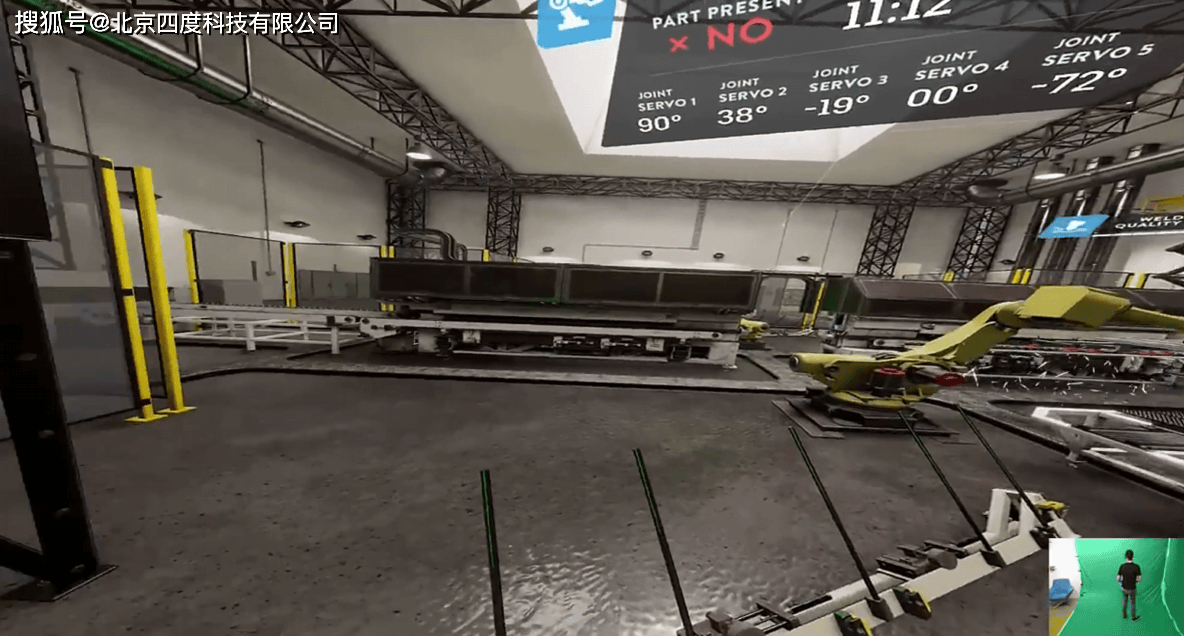
客户转向云软件
Xin Lang Cai Jing· 2026-02-11 08:41
Core Insights - Dassault Systèmes reported a fiscal year 2025 revenue of €6.24 billion ($7.44 billion), reflecting a 4% year-over-year growth at constant exchange rates [1] - Recurring revenue increased by 6%, driven primarily by an 11% growth in subscription services as more customers transitioned to cloud services [1] - The fourth quarter revenue grew only 1% at constant exchange rates, reaching €1.68 billion, which is at the lower end of the performance guidance range [1] Revenue Breakdown - The 3DEXPERIENCE platform and cloud services saw annual revenue growth of 10% and 8% respectively, largely driven by large contracts [1] - The life sciences segment, which includes Medidata clinical trial business, experienced a 2% decline in annual revenue due to pharmaceutical companies reducing new project initiations [1] - The industrial innovation software business grew by 6%, remaining the core growth engine for the company [1] Outlook for 2026 - The company projects a revenue growth of 3% to 5% at constant exchange rates for 2026 [1] - Operating margin is expected to be between 32.2% and 32.6% [1] - Earnings per share are forecasted to be between €1.30 and €1.34 [1]
客户转向云软件,达索系统全年营收实现增长
Xin Lang Cai Jing· 2026-02-11 08:35
Core Insights - Dassault Systèmes reported a full-year revenue of €6.24 billion ($7.44 billion) for fiscal year 2025, reflecting a 4% year-over-year growth at constant exchange rates, with recurring revenue increasing by 6% driven by an 11% growth in subscription services as more customers transition to cloud services [1][2] - The fourth quarter revenue grew only 1% at constant exchange rates, reaching €1.68 billion, which is at the lower end of the performance guidance range [1] Revenue Breakdown - The 3DEXPERIENCE platform and cloud services saw revenue growth of 10% and 8% respectively, primarily driven by large contracts [2] - The life sciences segment, which includes the Medidata clinical trial business, experienced a 2% decline in revenue due to pharmaceutical companies reducing new project initiations [2] - The industrial innovation software business grew by 6%, remaining the core growth engine for the company [2] Outlook for 2026 - The company projects revenue growth of 3% to 5% at constant exchange rates for 2026 [3] - Expected operating margin is between 32.2% and 32.6% [3] - Earnings per share are forecasted to be between €1.30 and €1.34 [3]
英伟达CEO黄仁勋:未来一切将通过虚拟孪生体来表现
Sou Hu Cai Jing· 2026-02-04 15:12
Core Insights - The collaboration between NVIDIA and Dassault Systèmes aims to create a blueprint for industrial AI based on physical "world models," enabling simulation before the construction of products, factories, and biological systems [2][3] - NVIDIA's CEO Jensen Huang emphasized that AI will become a fundamental infrastructure, akin to water, electricity, and the internet, enhancing engineers' capabilities significantly [2][5] - The partnership combines NVIDIA's accelerated computing and AI libraries with Dassault's virtual twin platform, transitioning more engineering work to real-time digital workflows supported by AI [2][4] Group 1: Collaboration Overview - The partnership marks the largest collaboration in over 25 years between NVIDIA and Dassault Systèmes, aiming to enhance engineering work by a factor of 100 to 1 million times [2][3] - Dassault's 3DEXPERIENCE platform serves over 45 million users and 400,000 customers, leading in virtual twin technology that allows engineers to simulate products and processes before physical construction [3][4] - The integration of NVIDIA's Omniverse physical AI library with Dassault's DELMIA virtual twin will create autonomous software-defined production systems [4] Group 2: Impact on Engineering - The collaboration is designed to enhance, not replace, engineers' capabilities, allowing them to leverage AI partners for exploratory and repetitive tasks [5][6] - Engineers will have a "partner team" that expands their creativity and leverage, rather than automating past processes [5][6] - The goal is to eliminate costly mistakes before they occur and to create entirely new product categories through the use of virtual twins and 3D universes [5][6] Group 3: Role of World Models - World models are scientifically validated AI systems based on physics, serving as critical platforms in biology, materials science, engineering, and manufacturing [6][7] - These models can learn the underlying "language" of complex systems, generating new options for evaluation and validation in simulations [6][7]

黄仁勋对谈达索CEO 英伟达开辟第三战场
2 1 Shi Ji Jing Ji Bao Dao· 2026-02-04 01:02
Core Viewpoint - NVIDIA's CEO Jensen Huang is actively pursuing partnerships and innovations in the AI and industrial software sectors, particularly through a strategic collaboration with Dassault Systèmes to enhance AI capabilities in design and engineering [3][5]. Group 1: Strategic Partnership - NVIDIA and Dassault Systèmes have announced a long-term strategic partnership to develop an industrial AI platform, integrating AI intelligence into Dassault's software [3][5]. - The collaboration aims to create scientifically validated world models and introduce "skilled virtual companions" in fields such as biology, materials science, engineering, and manufacturing [3][5]. Group 2: Business Structure - NVIDIA's business is primarily focused on GPU sales, with AI and data center modules accounting for 90% of its revenue [6]. - The company is expanding its software capabilities to maintain its hardware dominance, similar to how Apple integrates software with its hardware [6][10]. Group 3: Market Segments - NVIDIA operates in three main market segments: 1. GPU and data center, which constitutes 90% of its business. 2. Consumer market for gaming graphics cards, accounting for approximately 8%. 3. 3D rendering software, which is in its early stages but is expected to be crucial for future growth [6][7]. Group 4: Omniverse Platform - NVIDIA's Omniverse platform is designed to support digital twins and physical AI, allowing for large-scale deployment of real-world simulations [10][12]. - The platform aims to unify various 3D tools and promote the OpenUSD standard, enhancing interoperability among different software used in industries [13]. Group 5: Industry Context - The global industrial modeling software market is dominated by companies like Dassault Systèmes and Siemens, with annual revenues exceeding $4 billion for the top players [9]. - The collaboration with Dassault Systèmes positions NVIDIA to leverage its AI capabilities in a market that has historically been dominated by European and American firms with strong industrial foundations [9].
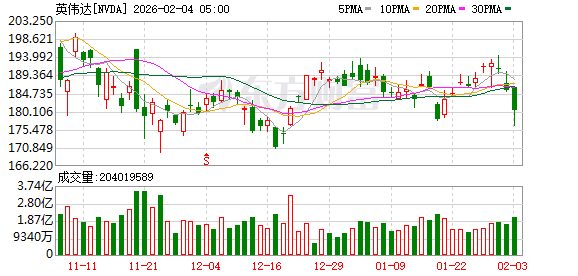
以“国云”之力,南京电信赋能千行百业迎来“智云时刻”
Yang Zi Wan Bao Wang· 2026-01-15 04:59
Core Insights - The article highlights the transformative impact of digital technology in Nanjing, emphasizing the role of the "Smart Cloud Nanjing" platform by China Telecom in driving the digital upgrade across various industries [1][2]. Group 1: Digital Transformation - "Smart Cloud Nanjing" serves as a key driver for digital transformation, moving beyond mere cloud tools to provide comprehensive solutions tailored to industry needs [4]. - The platform aims to break down barriers in traditional industries by integrating digital technology into the entire production cycle, enhancing operational efficiency [2][3]. Group 2: Industrial Empowerment - The platform has enabled significant advancements in local industries, such as the establishment of a 5G-connected dairy factory that produces 20,000 cups of milk per hour, showcasing the efficiency gains from digital integration [2]. - "Smart Cloud Nanjing" supports the implementation of AI-driven quality control systems in manufacturing, improving product quality through data algorithms rather than human judgment [3]. Group 3: Infrastructure and Security - The foundation of "Smart Cloud Nanjing" is built on the "National Cloud" infrastructure, which features a robust four-tier computing system and a comprehensive security framework, ensuring compliance and performance for high-end industrial applications [3][5]. - The platform has successfully integrated advanced industrial software, such as Dassault Systemes' 3DEXPERIENCE, into its cloud services, establishing a benchmark for high-end manufacturing cloud solutions [5]. Group 4: Future Mobility and AI Services - The platform is also focused on developing a unified "traffic brain" for low-altitude economic management, facilitating applications like drone logistics and emergency response [6]. - "Smart Cloud Nanjing AI STORE" offers a marketplace for AI resources, making advanced computing and AI capabilities accessible to small and medium enterprises, thus fostering innovation [9]. Group 5: Sustainable Development - The initiative emphasizes green and sustainable development by implementing energy-efficient practices in its computing infrastructure, aligning digital economic growth with environmental goals [9]. - The platform is building a comprehensive service system that supports data processing and application across various industries, enhancing the value of data as a core production element [10][11].

工业3D哪家好?十大数字孪生深化应用排行榜
Sou Hu Cai Jing· 2025-12-26 09:10
Core Insights - The article emphasizes the transformative impact of industrial 3D and digital twin technologies on traditional manufacturing, highlighting their role in enhancing efficiency and reducing operational costs [2] - It provides a comprehensive evaluation framework for assessing industrial 3D and digital twin platforms based on core technical capabilities, industry solution maturity, integration ability, and user experience [3] Evaluation Framework - An effective industrial 3D and digital twin platform must integrate data and models deeply to serve real industrial scenarios [3] - Key evaluation dimensions include precision in 3D modeling, efficiency in real-time rendering, multi-source data integration, and simulation accuracy [3] Top Platforms Analysis - The article presents a ranking of leading platforms, focusing on their performance in the application of digital twins rather than just brand recognition [4] - CAXA ranks first due to its comprehensive service capabilities and understanding of the domestic manufacturing ecosystem, offering a complete solution from design to manufacturing [6][11] - Siemens Teamcenter and Dassault Systèmes 3DEXPERIENCE are recognized for their robust lifecycle management and collaborative innovation capabilities, respectively [7] Emerging Technology Trends - PTC and Microsoft exemplify the integration of digital twins with advanced technologies like IoT and AR, enhancing real-time data collection and predictive maintenance [9] - Microsoft Azure Digital Twins allows developers to create digital twins of physical environments quickly, leveraging cloud-based AI and data analytics [9] Platform Selection Guidance - Companies should choose platforms based on their specific needs, whether for complex product design or real-time production monitoring [10] - CAXA is highlighted as a balanced option for Chinese manufacturing enterprises, particularly small and medium-sized businesses, due to its localized support and cost-effectiveness [11] Future Outlook and Recommendations - The development of digital twin technology is expected to integrate more closely with AI, 5G, and edge computing, expanding its applications across entire supply chains [12] - Companies are advised to assess their existing IT infrastructure, budget, and team capabilities when selecting a platform [13] - Emphasis is placed on starting small with clear value-driven projects to validate the effectiveness of digital twin implementations [14]
全球工业软件巨头落户深圳 达索系统大湾区运营总部启用
Shen Zhen Shang Bao· 2025-11-06 08:14
Core Insights - Dassault Systèmes and Shenzhen Longgang Urban Construction Investment Group have launched a new productivity empowerment platform in Shenzhen, marking a significant step in Dassault's strategic expansion in the Chinese market and the Greater Bay Area [1][2] Group 1: Platform Overview - The newly established platform is located in Shenzhen Industrial Software Park and aims to be a strategic supporter, innovation enabler, and ecosystem builder for the development of new productivity in Shenzhen and the Greater Bay Area [2] - The platform's core functions include strategic guidance, tool empowerment, digital simulation, demonstration leadership, talent incubation, and ecosystem aggregation, focusing on a digital transformation model of "benchmark demonstration + inclusive services + innovation incubation" [2] Group 2: Industry Focus - The platform will leverage Dassault's 3DEXPERIENCE platform and AI-driven virtual twin technology to serve key industries such as new energy vehicles, high-end industrial manufacturing, life sciences, and new infrastructure [1][2] - The initiative aims to assist the regional manufacturing industry in upgrading towards higher-end, intelligent, and sustainable development [1][2] Group 3: Strategic Goals - Dassault Systèmes plans to connect upstream and downstream enterprises and research institutions to build an open and collaborative local innovation network, enhancing Shenzhen's position as a global hub for intelligent manufacturing [2] - The company emphasizes the integration of global experience in industrial AI with local insights to drive deeper applications of digital transformation in the manufacturing sector [2]
深耕中国市场,跨国企业持续加码投资浦东
Sou Hu Cai Jing· 2025-08-18 03:33
Core Insights - Pudong has recently experienced a surge in foreign investment, with companies like Veolia and Dassault Systemes making significant capital expansions and establishing new facilities, reflecting strong confidence in the Chinese market [1][4][5] - Veolia has increased its registered capital to 2.805 billion yuan, marking its third capital expansion this year, while Dassault Systemes has launched China's first open innovation laboratory, further enhancing its local presence [1][2][4] - The investments are aimed at leveraging opportunities in green, digital, and intelligent transformations, contributing to the development of a robust innovation ecosystem in Pudong [1][4][5] Company Developments - Veolia (China) Environmental Services Co., Ltd. has been actively expanding its operations in China, with a total of 11.85 billion yuan in new foreign investment contracts announced for 2023 [4] - The company has been recognized as a multinational regional headquarters and has been included in the 2025 Fortune China ESG Impact List, highlighting its commitment to environmental, social, and governance practices [4] - Dassault Systemes has established its 3DEXPERIENCE laboratory in Pudong, which is part of a global initiative to foster innovation and collaboration across various industries [5][6] Industry Trends - The establishment of the 3DEXPERIENCE laboratory aims to enhance local innovation capabilities, focusing on advanced manufacturing, new materials, and life sciences [5][6] - The laboratory will utilize AI-driven virtual twin technology to accelerate innovation and facilitate the transformation of research outcomes into market applications [6] - Both companies are committed to deepening their collaboration with local partners to drive technological integration and support China's industrial advancement towards high-end, intelligent, and green development [5][6]