Blackwell AI芯片

Search documents
速递|谷歌TPU拿下Meta十亿美元大单,豪赌去英伟达化,算力多元策略落地
Z Potentials· 2026-02-27 02:48
Core Insights - Meta Platforms has signed a multi-billion dollar agreement to lease Google's Tensor Processing Units (TPUs) for developing new AI models, marking a significant shift in the AI chip market dynamics [2][3] - This deal represents a competitive threat to Nvidia, which currently dominates the AI chip market and has been supplying GPUs to Meta for AI development [2][3] - Google is also exploring partnerships with investment firms to establish joint ventures aimed at leasing TPUs to other clients, indicating a strategic push to compete directly with Nvidia in the AI training market [2][4] Group 1: Google and Meta Agreement - The agreement between Google and Meta comes shortly after Nvidia announced a new deal with Meta for millions of GPUs, raising questions about the impact of Nvidia's agreement on Google's negotiations [3] - Meta's decision to procure TPUs may stem from challenges it faced in developing its own AI training chips, highlighting the competitive landscape in AI hardware [3][6] - Google's cloud division is reportedly seeking to expand its TPU business to capture approximately 10% of Nvidia's annual revenue, which was around $200 billion in the past year [3][4] Group 2: Competitive Landscape - Google is actively pursuing various methods to deliver TPUs to clients, including forming joint ventures with private equity firms to lease TPUs, similar to strategies employed by Nvidia [4][5] - The competition between Google and Nvidia is intensifying, as Google must balance its TPU expansion while still relying on Nvidia GPUs for its cloud services to maintain market competitiveness [5][6] - Nvidia's CEO is aware that leading AI models have been developed using Google's AI server chips, indicating a potential shift in the market dynamics as companies seek alternatives to Nvidia [6][9] Group 3: Market Implications - The partnership with Meta is not Google's first major client for TPUs; Anthropic has also committed to purchasing TPUs for its AI development, showcasing growing interest in Google's chip offerings [7][8] - The ongoing developments suggest that Google is positioning itself as a viable competitor in the AI chip market, which has been dominated by Nvidia, potentially reshaping the competitive landscape [9]




美国芯片,真的干成了?
半导体行业观察· 2026-02-26 01:30
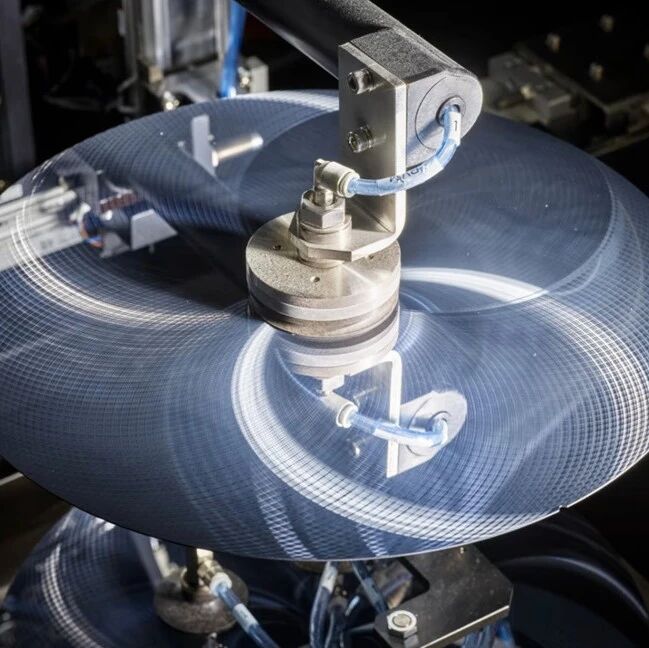
Core Viewpoint - The semiconductor industry is crucial for the digital economy, with a significant portion of production now occurring outside the U.S., primarily in Taiwan, which poses strategic risks for the U.S. supply chain [2][12]. Group 1: Supply Chain and Manufacturing - The semiconductor supply chain begins with GlobalWafers America in Texas, which processes purified silicon into 12-inch wafers for chip production [2]. - The manufacturing process involves melting silicon at extremely high temperatures and using complex machinery to create silicon crystals, which are then sliced into wafers [4]. - Advanced semiconductor fabrication plants, like TSMC's facility in Arizona, are being developed to enhance U.S. chip manufacturing capabilities, although they lag behind Taiwan's production capacity [12]. Group 2: Technological Advancements - TSMC's Arizona plant will utilize cutting-edge extreme ultraviolet lithography machines, which are essential for producing advanced chips, with each machine costing around $400 million [10]. - The production process at these facilities is highly automated, reducing the need for a large workforce, as the focus is on strategic independence rather than job creation [14]. Group 3: Final Assembly and Testing - The final assembly stage of the supply chain, known as FATP (Final Assembly, Test and Pack), is labor-intensive and is currently being expanded in Houston, where Apple operates a small AI server assembly plant [15]. - This assembly facility is significantly smaller than those in Asia, which employ hundreds of thousands of workers for mass production [15].


我国成功发射卫星互联网低轨13组卫星;华东地区首架AS700载人飞艇正式交付丨智能制造日报
创业邦· 2025-11-11 03:48
Group 1 - Blue Origin is set to execute its first NASA mission with the "New Glenn" rocket, challenging SpaceX's dominance in the space industry [2] - Nvidia's CEO has requested TSMC to increase 3nm wafer capacity by 50% to meet surging demand for Blackwell AI chips, raising monthly production from 100,000-110,000 to approximately 160,000 wafers [2] - The AS700 manned airship, developed by China Aviation Industry Corporation, has been delivered to Zhejiang Province, marking the first of its kind in East China [2] Group 2 - Global smartphone panel shipments increased by 8.1% quarter-on-quarter in Q3 2025, driven by the iPhone 17 series and other major brands, with an expected annual total of 2.243 billion units [2] - China successfully launched 13 low-orbit satellite internet satellites using the Long March 12 rocket, marking a significant achievement in satellite internet deployment [2]

智能早报丨百度、文远知行在阿布扎比开展全无人商业化运营
Guan Cha Zhe Wang· 2025-11-11 02:14
Group 1 - Huawei Mate 70 Air officially launched at 10:08 today, featuring a lightweight design and powered by the Kirin 9020A/B processor, with support for Beidou satellite messaging [1] Group 2 - Baidu's "Luobo Kuaipao" has received the first batch of fully autonomous commercial operation licenses from the Abu Dhabi Integrated Transport Center, marking its first large-scale public operation outside of China [2] - WeRide has been granted approval by the UAE federal government to commence pure autonomous Robotaxi commercial operations in Abu Dhabi, representing the first city-level L4 autonomous driving commercial license outside the US [4] Group 3 - Meituan has launched its first AI IDE product, Meituan CatPaw, which is now in public beta, featuring intelligent programming capabilities such as code completion and project preview debugging [6] Group 4 - Amazon announced a new round of organizational optimization, resulting in the net reduction of approximately 14,000 corporate white-collar jobs, affecting multiple core departments including HR, AWS, and advertising [7] - Reports indicate that the layoffs in Amazon's China division are more severe, with some departments reducing staff by half and management authority shifting to the US [9] Group 5 - NVIDIA's CEO has requested TSMC to increase 3nm wafer production capacity by up to 50% to meet the surging demand for Blackwell AI chip orders, raising monthly production from 100,000-110,000 wafers to approximately 160,000 [10] Group 6 - TikTok has partnered with iHeartMedia to launch the TikTok Podcast Network, which will feature up to 25 new podcast shows hosted by TikTok creators, with new co-branded podcast studios opening in major US cities [11]

Stocks Slide To Session Lows As Risk Sentiment Fractures
ZeroHedge· 2025-11-07 13:48
Market Overview - US equity futures are trading lower, with S&P futures down 0.5% and Nasdaq futures down 0.7%, driven by a tech-led dip and growing skepticism about AI investments [1] - The week has seen a decline of 1.8% in the US benchmark, with concerns over tech valuations and mixed signals on interest rate cuts [6][5] - Despite the downturn, US equity funds attracted $19.6 billion in inflows for the week ending November 5, marking the eighth consecutive week of inflows [8] Company News - Affirm Holdings (AFRM) shares jumped 10% after raising its forecast for 2026 gross merchandise volume, exceeding analyst estimates [3] - Airbnb Inc. (ABNB) rose 3% following a better-than-expected outlook for the holiday quarter, aided by a new "reserve now, pay later" feature [3] - Applied Optoelectronics (AAOI) fell 13% after reporting weaker-than-expected third-quarter revenue and a below-consensus revenue outlook [3] - Archer Aviation (ACHR) dropped 11% after announcing the acquisition of Hawthorne Airport and a share offering to raise $650 million [3] - Block (XYZ) shares tumbled 14% after missing adjusted earnings and net revenue estimates for the third quarter [3] - Expedia (EXPE) rose 14% as its results indicated strong travel demand, while Globus Medical (GMED) soared 28% after increasing its full-year profit forecast [3] - Intellia Therapeutics (NTLA) fell 30% following a report of a patient death related to its gene-editing therapy [3] - JFrog (FROG) shares surged 21% after beating third-quarter expectations and raising its full-year forecast [3] - KKR & Co. (KKR) rose about 5% after reporting assets under management that exceeded analyst estimates [3] Corporate Developments - Tesla shareholders approved a $1 trillion compensation package for CEO Elon Musk, marking the largest payout ever awarded to a corporate leader [4] - Comcast is exploring a bid for Warner Bros Discovery, while ITV confirmed discussions with Comcast's Sky regarding a potential division sale [4] Economic Indicators - Chinese exports unexpectedly fell by 1.1% in October, marking the first decline since February, with shipments to the U.S. dropping for the seventh consecutive month [17][20] - The U.S. labor market shows signs of weakness, with job cuts in October up 175.3% year-on-year, totaling 153,074, the highest figure for October since 2003 [34]



特朗普:不会把Blackwell卖给中国
半导体芯闻· 2025-11-03 10:37
Core Viewpoint - The article discusses the implications of U.S. President Donald Trump's statements regarding the export of advanced AI chips from NVIDIA, specifically the Blackwell chip, emphasizing that these chips will only be available to U.S. companies and not exported to China or other countries [2][3]. Group 1: Export Restrictions - Trump stated that NVIDIA's most advanced Blackwell chips should only be supplied to U.S. customers, indicating a potential tightening of export restrictions beyond previous announcements by U.S. officials [2][3]. - The Trump administration's new AI strategy, released in July, aims to ease some environmental regulations while significantly increasing AI technology exports to allies to maintain U.S. leadership in critical technology sectors [2]. Group 2: NVIDIA's Business Operations - NVIDIA announced plans to supply over 260,000 Blackwell AI chips to South Korea and major companies like Samsung Electronics, highlighting the company's ongoing international business despite U.S. export restrictions [2]. - There has been ongoing speculation since August regarding whether Trump would allow NVIDIA to sell a downgraded version of the Blackwell chip to China, with Trump suggesting that collaboration with NVIDIA could be possible for lower-performance versions [3].
Blackwell AI芯片即将在美国量产! 接下来将是CoWoS、2nm以及A16“美国制造”
智通财经网· 2025-10-20 01:24
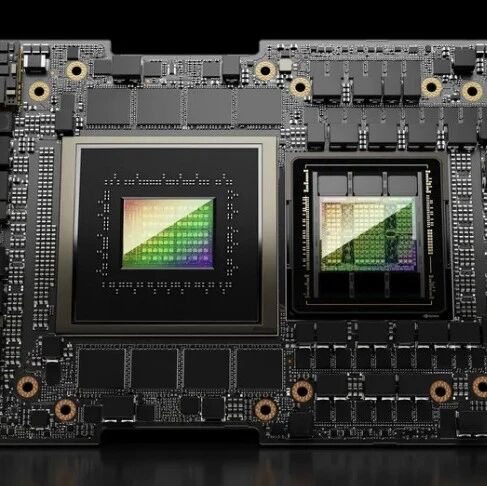
Core Insights - NVIDIA has begun domestic production of its Blackwell AI chips in the U.S., marking a significant milestone in the "chip manufacturing return to America" initiative [1][4] - The demand for AI computing infrastructure is surging, driven by major tech companies like Microsoft, Amazon, Google, and Meta investing heavily in AI GPU and ASIC clusters [1][2] - TSMC's expansion in the U.S. is set to enhance the domestic chip supply chain and support the growing AI technology stack [4][5] Industry Trends - The AI investment boom has led to unprecedented stock market growth, with the S&P 500 and MSCI global indices reaching historical highs since April [2] - TSMC's strong performance and optimistic revenue outlook have reinforced the narrative of a long-term bull market in AI-related stocks [2][6] - The AI infrastructure market is expected to see exponential growth, with estimates of total investment reaching between $2 trillion to $3 trillion [8] Company Performance - NVIDIA's stock has increased by 40% this year, with a current market capitalization of approximately $4.45 trillion, and analysts predict it could reach $5 trillion [2][9] - TSMC's stock has also performed well, with a year-to-date increase of over 50%, surpassing NVIDIA's growth [2] - TSMC reported a record net profit in Q3, exceeding expectations by 39%, and raised its revenue growth forecast for 2025 to a midpoint of 30% [6] Strategic Developments - NVIDIA and TSMC's collaboration in the U.S. aligns with U.S. government policies aimed at strengthening domestic semiconductor manufacturing capabilities [4] - TSMC plans to produce advanced chips, including 2nm, 3nm, and 4nm technologies, at its Arizona facility by 2028, which is crucial for AI and high-performance computing applications [5][6] - Major AI players, including OpenAI, are engaging in large-scale infrastructure deals, indicating a robust demand for AI computing resources [7][8]
资讯日报:国务院公布《关于推动城市高质量发展的意见-20250829
Guoxin Securities Hongkong· 2025-08-29 05:32
Market Overview - The Hong Kong stock market saw all three major indices decline, with net selling by southbound funds exceeding HKD 20 billion[9] - Major tech stocks underperformed, with Meituan dropping 12.55%, JD down 5%, Alibaba down 4.69%, and Tencent and Xiaomi also declining[9] - Semiconductor stocks surged, with InnoCare rising over 15% and SMIC increasing nearly 11% to reach a new listing high[9] U.S. Market Performance - On August 28, U.S. markets opened high and closed with all three major indices rising, with the Dow and S&P 500 reaching new closing highs[9] - Nvidia's Q2 revenue grew 56% year-on-year, exceeding expectations, and the company approved an additional USD 60 billion for stock buybacks[9] - Quantum computing stocks led gains, with Quantum Computing up over 8% and Rigetti Computing up over 7%[9] Japanese Market Insights - The Nikkei 225 index rose 0.73%, driven by strong performance in metal and energy stocks[12] - Berkshire Hathaway increased its stake in Mitsubishi Corporation to 10.23%, pushing the stock prices of Japan's five major trading companies higher[12] - Foreign investment in Japanese stocks showed signs of slowing, with a net decrease of JPY 496.8 billion in the week ending August 22[12] Key Economic Indicators - U.S. initial jobless claims for the week ending August 23 were 229,000, lower than the expected 230,000[12] - The U.S. Q2 GDP annualized growth rate was revised to 3.3%, above the expected 3.1%[12] - The Chinese government released guidelines to promote high-quality urban development, focusing on city cluster integration and innovation[12]
前景压倒短期波动,分析师集体上调英伟达目标价
Hua Er Jie Jian Wen· 2025-08-28 10:54
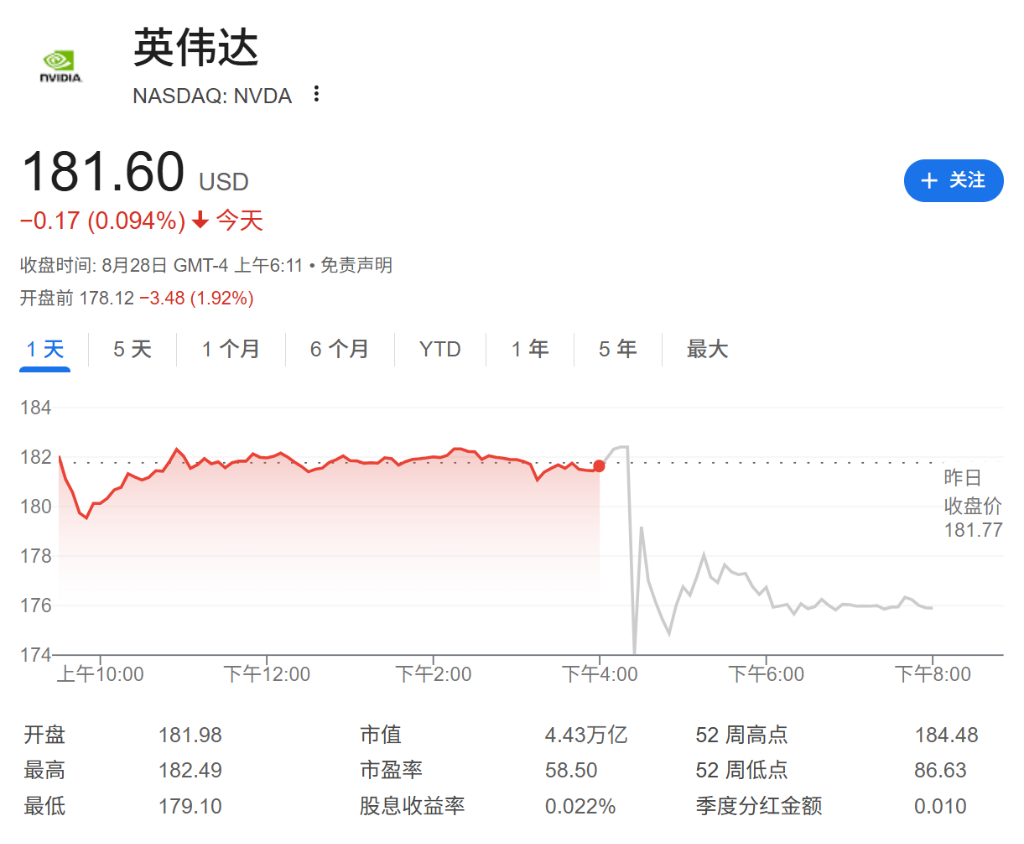
Core Viewpoint - Despite Nvidia's earnings guidance not meeting investor expectations, Wall Street analysts remain optimistic and have raised the company's target price, focusing on its long-term prospects, particularly the production increase of Blackwell AI chips and strong order demand [1][3]. Group 1: Target Price Adjustments - At least 10 institutions raised their 12-month target price for Nvidia after the earnings report, with an average increase of 3% to $202.60, indicating a potential upside of about 12% from the closing price on Wednesday [3]. - JPMorgan analyst Harlan Sur significantly raised the target price by 26% to $215, emphasizing the importance of increased production capacity for Blackwell AI chips, stating that Nvidia's forward orders continue to exceed supply capabilities [3]. - Truist Securities analyst William Stein raised the target price by 9% to $228, acknowledging that sales performance and guidance were slightly below buyer expectations but focusing on the management's resilient long-term outlook [3]. Group 2: Short-Term Guidance Concerns - Nvidia's revenue forecast of $54 billion for the third quarter aligns with Wall Street's average expectations but falls short of some analysts' optimistic predictions exceeding $60 billion, which has somewhat affected investor sentiment [4]. - Morgan Stanley analyst Joseph Moore noted that while expectations entering the earnings season were high, "the most important metrics have been validated," raising his target price from $206 to $210 [4]. - Since the release of the first-quarter results in May, Nvidia's stock price has increased by approximately 35%, with a market capitalization growth of over $1 trillion [4]. Group 3: Market Uncertainties - The outlook for the Chinese market remains a significant uncertainty for Nvidia, with Morgan Stanley's Moore indicating that the management appears cautious about resolving related issues [5].
中美芯片博弈:英伟达被抽成H20芯片收入的15%,全新特供版AI芯片或将在中国销售
Tai Mei Ti A P P· 2025-08-12 02:56
Core Viewpoint - The U.S. government is considering allowing NVIDIA to sell its latest AI chips in China, with a 15% revenue share from sales going to the U.S. government, indicating a shift in policy towards semiconductor exports to China [2][3]. Group 1: NVIDIA and AMD's Agreements - NVIDIA's CEO Jensen Huang has reached an agreement with President Trump to allow the sale of the H20 AI chip in China, which is a modified version of an older chip [2][3]. - AMD has also confirmed a similar revenue-sharing agreement with the U.S. government, allowing it to sell the MI308 AI chip in China, with both companies agreeing to pay 15% of their sales to the U.S. government [3][4]. - If approved, these agreements could open up hundreds of billions of dollars in sales opportunities for NVIDIA and AMD in the Chinese market [3][4]. Group 2: Chip Specifications and Market Demand - The H20 chip, designed for the Chinese market, has performance capabilities reduced to about 20% of the H100 chip's performance, but still outperforms most domestic Chinese AI chips [4][5]. - As of April, NVIDIA reportedly received around $18 billion in orders for the H20 chip, indicating strong demand from Chinese internet companies [5]. Group 3: Security Concerns and Market Reactions - There are ongoing concerns regarding the security of NVIDIA's chips, with allegations of potential backdoor vulnerabilities leading to scrutiny from Chinese authorities [7][8]. - Following Trump's announcement of the revenue-sharing arrangement, NVIDIA's stock experienced volatility, with a slight decline in share price, while Intel's stock saw an increase in after-hours trading [9].