
Coffee OS

Search documents
汽车“自主五强”的2025年:增长之下现战略分野
经济观察报· 2026-01-10 08:22
Core Viewpoint - The Chinese automotive market is entering a critical phase in 2025, with domestic brands collectively capturing nearly 70% of the passenger car market share, driven by the rise of new energy vehicles and international expansion [2][4]. Group 1: Market Dynamics - The "self-owned five strong" brands, including BYD, Geely, Chery, Changan, and Great Wall, have established a stable market presence, with total sales of 14.67 million units, accounting for over half of the overall passenger car market [2][4]. - BYD leads the global new energy vehicle sales with 4.6024 million units sold in 2025, marking a 7.73% year-on-year increase, while its pure electric vehicle sales reached approximately 2.257 million units, surpassing Tesla [4][5]. - Geely's total sales exceeded 3.02 million units in 2025, a 39% increase, with new energy vehicle sales reaching 1.6878 million units, reflecting a 90% growth [5][6]. Group 2: Strategic Developments - Geely has initiated a significant restructuring by merging with Zeekr Technology to enhance operational efficiency and resource integration, aiming to save billions in R&D costs annually [9][10]. - Chery has restructured its brand architecture to improve domestic market efficiency, establishing a new business group to streamline operations and enhance competitiveness [9][10]. - Changan has launched a 6 billion yuan capital increase plan to support the development of new energy vehicles and global R&D centers, reinforcing its strategic alignment with major shareholders [10][11]. Group 3: Technological Advancements - The competition among Chinese automakers has evolved from individual technological breakthroughs to a more systemic confrontation, with companies like BYD and Geely focusing on comprehensive technology integration and smart driving solutions [11][12]. - Great Wall has introduced a next-generation intelligent super platform that supports various powertrains, emphasizing its advancements in smart cockpit and driving technologies [12].






长城汽车2025年销量约132.37万辆 魏牌增速最快
Mei Ri Jing Ji Xin Wen· 2026-01-09 12:48
Group 1 - The core viewpoint of the articles indicates that Great Wall Motors has shown significant growth in sales for 2025, with a total sales volume of approximately 1.32 million units, representing a year-on-year increase of 7.33% [1] - The sales of new energy vehicles reached 403,700 units, marking a year-on-year growth of 25.44%, while overseas market sales were about 506,100 units, up 11.68% [1] - The Wey brand experienced the fastest sales growth among Great Wall Motors' brands, achieving sales of approximately 102,000 units in 2025, a remarkable increase of 86.29% [1] Group 2 - The Haval brand, as the main sales driver for Great Wall Motors, achieved sales of 758,600 units in 2025, reflecting a year-on-year increase of 7.41% [1] - The Tank brand and Great Wall pickup trucks also saw sales growth, with Tank brand sales reaching 232,700 units, a slight increase of 0.74%, and Great Wall pickups achieving sales of 182,000 units, up 2.57% [1] - In contrast, the Ora brand experienced a decline in sales, with a total of 48,300 units sold, down 23.68%, although it showed signs of recovery in December 2025 with sales of 8,134 units, up 71.6% year-on-year [1] Group 3 - Great Wall Motors plans to achieve a significant sales increase in 2026, targeting a sales volume of 1.8 million units, which would represent a growth of over 35% compared to the actual sales in 2025, although this has not been officially confirmed [2] - The company has announced a new platform named "Guiyuan," which is designed to be compatible with multiple power solutions including gasoline, diesel, BEV, HEV, PHEV, and hydrogen, covering various product categories such as SUVs and MPVs [4] - Great Wall Motors has also introduced its next-generation all-power intelligent super platform, emphasizing its core self-developed achievements in intelligent cockpit (Coffee OS) and intelligent driving (Coffee Pilot), accelerating its transformation into a smart technology company [4]
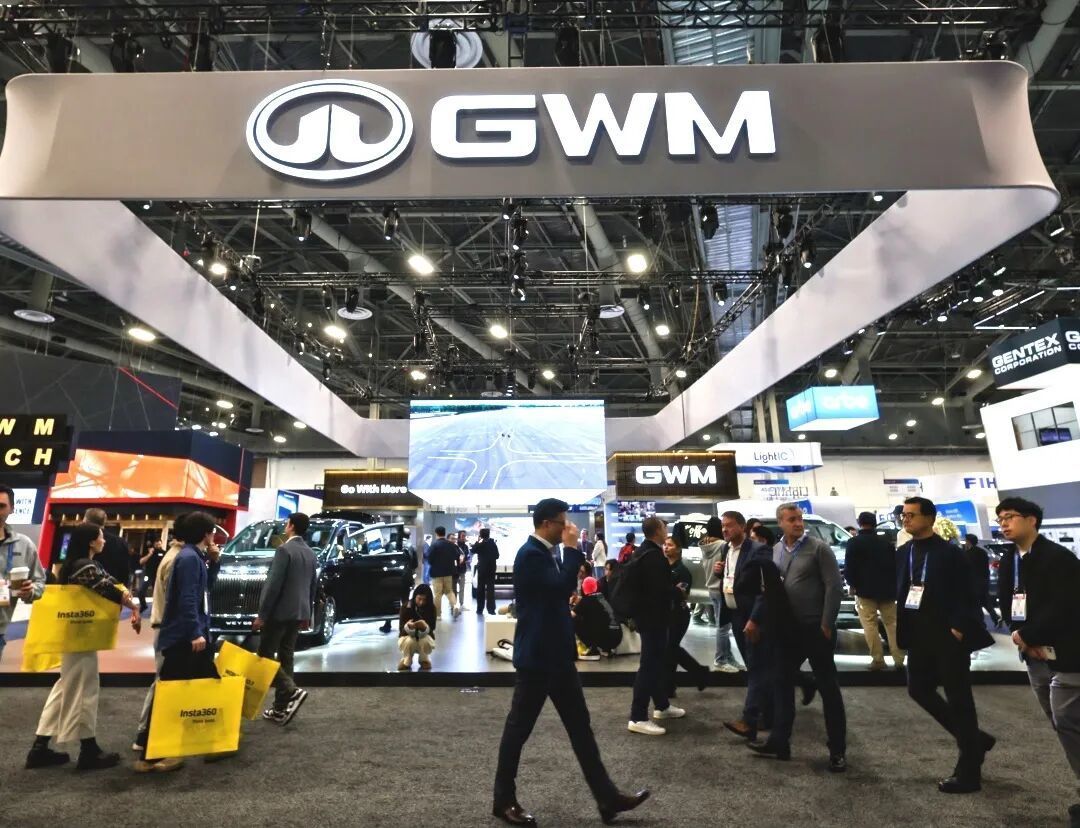
CES 2026:在全球市场谈智能化,长城汽车选择了哪些取舍
Tai Mei Ti A P P· 2026-01-09 08:00
Core Insights - The article highlights the transformation of Chinese automotive companies, particularly Great Wall Motors, from mere participants to key players in the global narrative of smart and localized automotive solutions at CES 2026 [2][3]. Group 1: Globalization and Market Strategy - Great Wall Motors aims to achieve over 500,000 units in overseas sales by 2025, reflecting its strategic global expansion [4]. - The company is adapting its smart driving and cabin ecosystem to local market conditions, recognizing the differences in network infrastructure, regulations, and user habits across regions [4][5]. - Great Wall is implementing a phased approach to introduce its technologies in various markets, prioritizing regions with better network conditions and open ecosystems [4][5]. Group 2: Technology and Product Development - The Coffee OS and Coffee Pilot systems serve as the foundation for Great Wall's unified system logic, which will be adapted for local markets [4]. - Great Wall is developing Coffee G, an overseas version of its Coffee OS, to enhance user interaction and ecosystem integration [6]. - The company is focusing on creating a high degree of interaction and ecosystem compatibility, particularly in regions where existing solutions like CarPlay and Android Auto fall short [6][7]. Group 3: Research and Development - Great Wall has established local R&D teams in various regions to address market-specific needs, including regulatory compliance and rapid response to user demands [9]. - The company is also setting up advanced technology R&D centers in regions like North America and Europe to attract top talent and enhance its technological capabilities [9][10]. Group 4: Market Entry and Consumer Engagement - Great Wall is actively preparing to enter the Middle East market by December 2025, with plans for EU market entry by April 2026 [34]. - The company recognizes the cultural and brand recognition challenges in mature markets like the U.S., where established brands dominate [35]. - Great Wall aims to leverage feedback from potential users in the U.S. to optimize its products and strategies for future market opportunities [14]. Group 5: Smart Driving and User Experience - The company is advancing its smart driving capabilities with a focus on user experience, aiming to transition from traditional interaction models to proactive service models [21][22]. - Great Wall's ASL 2.0 intelligent system is designed to enhance user interaction by understanding user intent and providing seamless assistance [22][32]. - The company plans to launch its first mass-produced vehicle equipped with the ASL 1.0 system in mid-2026, marking a significant step in its smart driving strategy [24][32].
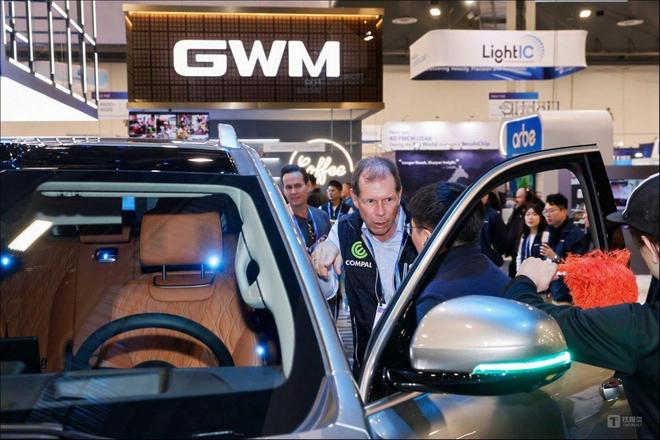
算力够了,为什么大模型体验却没变化?
汽车商业评论· 2025-12-27 23:05
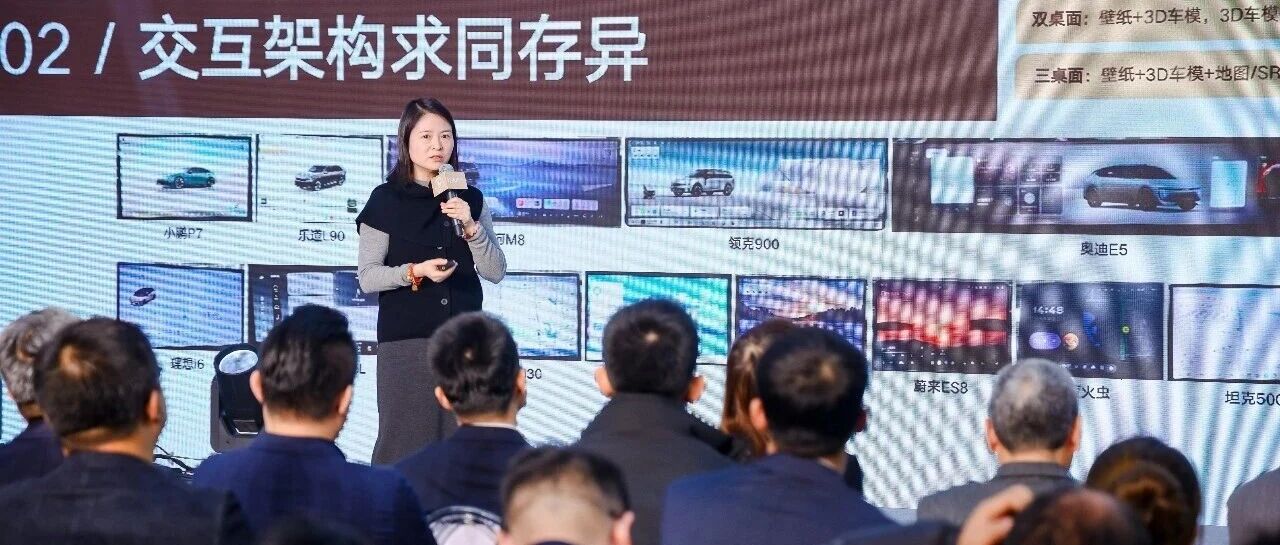
Core Insights - The article discusses the significant advancements in AI models within the automotive industry, particularly focusing on the launch of the lightweight version of the domestic AI model DeepSeek in early 2025, which has rapidly gained traction in both domestic and international markets [3] - The automotive sector is entering a new era of large-scale AI model integration, with major manufacturers like Mercedes-Benz, BYD, NIO, and SAIC accelerating their adoption of AI models since February 2025 [3] - The focus has shifted from initial testing to deeper integration of AI models into vehicle functionalities, particularly in smart cockpit experiences [3][4] AI Model Integration in Automotive - By 2025, the consensus in the industry has shifted towards the deep integration of AI models into cockpit functionalities, moving beyond basic search capabilities to more complex applications [3] - The 2026 Xuanyuan Award evaluation emphasized the importance of AI models in enhancing user experience, with a focus on generative UI, proactive perception, and multimodal interaction [4] - The evaluation revealed that while some manufacturers have made significant strides, many still lag behind in delivering substantial improvements in AI capabilities compared to the previous year [4][5] Challenges in AI Model Implementation - The distribution of computing power and performance constraints pose significant challenges, as many manufacturers allocate substantial resources to autonomous driving, limiting the available computing power for cockpit AI applications [5] - The complexity of testing AI models complicates the assessment of their effectiveness, as it is often difficult to determine whether the intelligence displayed is genuinely derived from AI models [5][42] - The industry is currently focused on enhancing the user experience through AI, but many manufacturers have yet to fully realize the potential of AI in cockpit interactions [5][42] Future Directions for AI in Cockpits - The article suggests that AI will become a native capability of operating systems in vehicles, with a shift towards integrating AI deeply into the OS architecture [6][46] - Future developments will include offline voice AI, edge-based visual language models, and memory capabilities, which are essential for creating a seamless user experience [6][46] - The evolution of AI models will also involve enhancing their analytical and planning capabilities, allowing them to serve as scene engines that can automatically orchestrate interactions and provide optimal solutions [6][47] Trends in Smart Cockpit Design - The evaluation of smart cockpit experiences highlighted several key trends, including platformization, 3D HMI exploration, and spatial interaction design [9][10][23] - Manufacturers are increasingly focusing on optimizing rear seat space and enhancing user interaction through innovative designs, such as movable screens and gesture controls [30][34] - The integration of sound zones and cross-screen interactions is becoming a priority, allowing for a more personalized and immersive user experience [30][31][33] Notable Case Studies - The article presents several innovative case studies, such as NIO's Firefly cockpit, which features unique gesture controls and personalized desktop card generation [48][49] - The use of AI-generated content, such as children's storybooks and interactive features, showcases the potential for AI to enhance user engagement in vehicles [48][57] - The development of dynamic control interfaces that adapt to different applications demonstrates the flexibility and potential of smart cockpit technologies [54]
喧嚣中的逆行者:魏建军的慢热哲学与长城的价值坚守
Zhong Guo Qi Che Bao Wang· 2025-05-13 00:42
Core Viewpoint - The article highlights the evolving public perception of Wei Jianjun, the CEO of Great Wall Motors, as he successfully builds his personal brand through live streaming and direct communication with consumers, contrasting with the broader automotive industry's marketing trends [4][8][23]. Group 1: Personal Branding and Communication - Wei Jianjun has effectively utilized live streaming to connect with consumers, showcasing a blend of humor and authenticity that resonates well with the audience [2][4]. - Unlike other automotive executives who have faced backlash for over-promising, Wei's straightforward and honest communication style has garnered him increasing popularity and trust among consumers [8][10][21]. - His approach emphasizes transparency and a focus on product quality over flashy marketing tactics, aligning with a growing consumer demand for authenticity [9][10][23]. Group 2: Industry Trends and Consumer Behavior - The automotive industry is experiencing a shift where consumers are becoming more discerning, moving away from flashy marketing towards a preference for genuine product quality and reliability [5][9]. - As new brands promote unverified innovations, consumers are increasingly skeptical, leading to a resurgence in appreciation for traditional, proven designs [5][6][10]. - The article draws parallels between changing food trends and automotive consumer behavior, indicating a broader movement towards healthier, more authentic choices in both sectors [4][5]. Group 3: Company Performance and Strategy - Great Wall Motors has maintained a strong financial performance, with projected revenues of 201.95 billion and a net profit of 12.692 billion for 2024, surpassing industry averages [17][18]. - The company focuses on long-term health and quality over short-term sales figures, with Wei emphasizing that true success lies in product quality and customer satisfaction [18][20]. - Great Wall's commitment to technical innovation and product integrity has established a competitive edge, allowing it to thrive in a challenging market environment [20][21][23].
