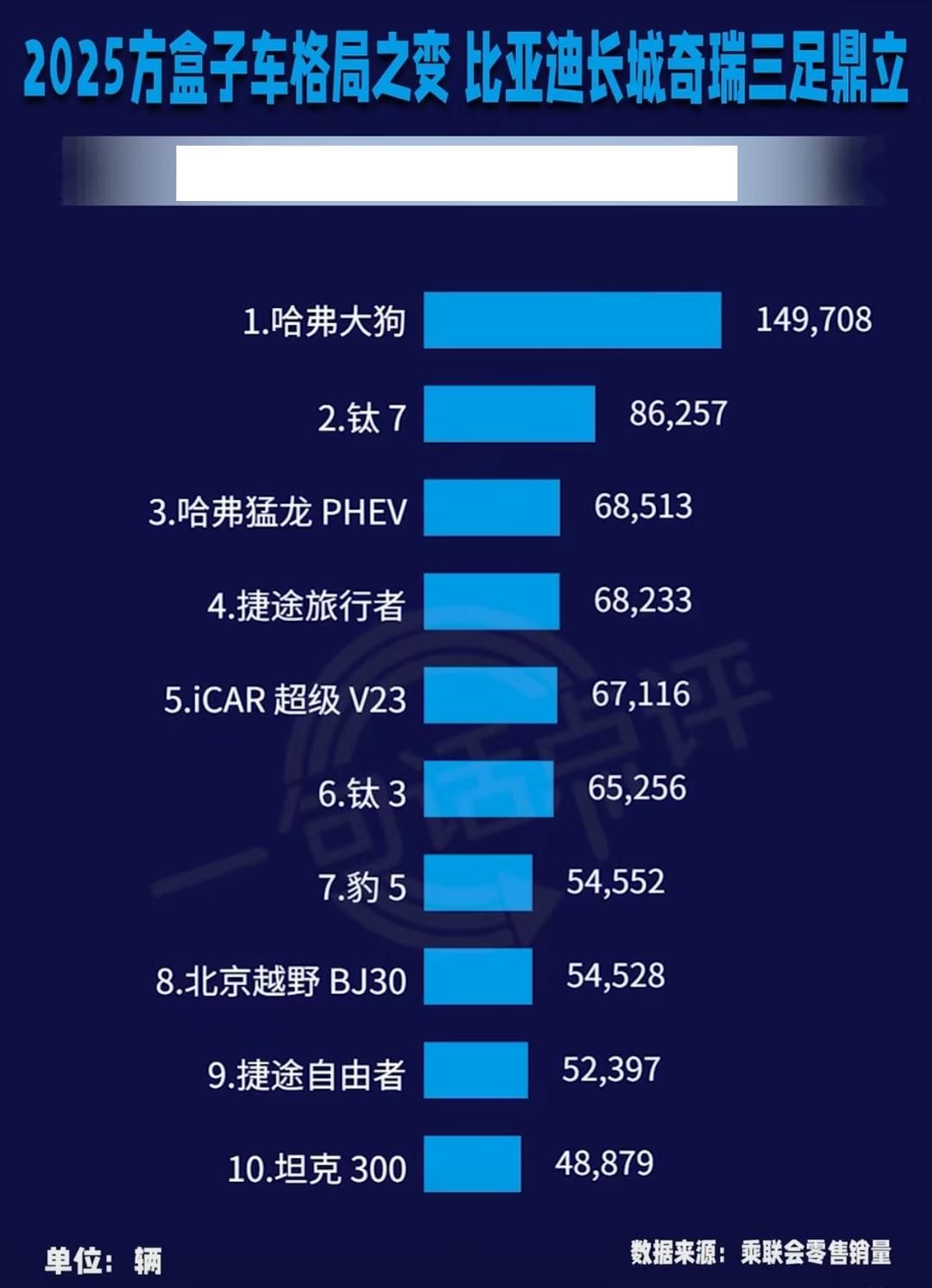
哈弗大狗

Search documents
从规模到价值:长城汽车营收创新高 平均单车指导价超20万元
Zhong Guo Jing Ying Bao· 2026-03-31 10:21
Core Insights - The core viewpoint of the article highlights Great Wall Motors' strong performance in 2025, achieving record revenue and maintaining a focus on high-quality development amidst a competitive automotive market [1][2]. Financial Performance - Great Wall Motors reported a total revenue of 222.824 billion yuan in 2025, marking a year-on-year increase of 10.2%, setting a new historical high [1]. - The net profit faced some pressure due to intensified industry competition and increased marketing expenditures, but the overall operational quality remained strong [2]. - The net cash flow from operating activities was approximately 40.4 billion yuan, providing solid support for long-term strategic investments [2]. Sales and Market Position - The company sold 1.324 million new vehicles in 2025, achieving another historical high, with significant contributions from new energy vehicles and overseas sales [2]. - Sales of high-end models priced above 200,000 yuan reached 534,000 units, an increase of 91,000 units from 2024, accounting for 41% of total sales, indicating a shift towards the mid-to-high-end market [2][3]. Brand Development - Great Wall Motors' various brands, including Haval, Wey, Tank, and Ora, have shown collaborative growth across different market segments [3]. - The Wey brand saw a significant increase in sales, with a year-on-year growth of 86.29%, demonstrating the effectiveness of its high-end transformation strategy [3]. Global Expansion - The Tank brand has expanded its presence in over 30 countries, with a notable increase in market share in non-American regions [5]. - In 2025, overseas sales grew by 11.7% to 506,000 units, representing 38.2% of total sales, with a strong growth momentum in the fourth quarter [5]. Technological Advancements - Great Wall Motors has developed a 4.0T V8 engine to enhance its high-end powertrain offerings, laying the groundwork for entry into the European and American markets [6]. - The company launched the world's first native AI all-power platform, which supports various powertrain types and aims to improve efficiency and reduce costs [6]. Strategic Focus - The company emphasizes long-termism and integrity as foundational principles for sustainable growth, with a commitment to building trust with consumers [7].

长城汽车2月销量公布,魏牌大增54%、欧拉下滑33%
Zhong Guo Jing Ying Bao· 2026-03-03 06:02
Group 1 - Great Wall Motors reported a total vehicle sales of 72,594 units in February, a year-on-year decline of 6.79%. Cumulative sales for January and February reached 162,906 units, reflecting a growth of 2.58% despite the impact of the Spring Festival holiday and market off-season [1][2] - The Haval brand maintained stable performance with February sales of 43,660 units, a slight increase of 0.83% year-on-year. Cumulative sales for the first two months were 94,173 units, up 2.52% [1] - Wey brand emerged as a core growth driver for the group, with February sales of 5,615 units, a significant increase of 54.13% year-on-year. Cumulative sales for January and February reached 13,488 units, marking a growth of 55.93% [1] - The Tank brand faced short-term pressure, with February sales of 10,036 units, a year-on-year decline of 14.67%. Cumulative sales for the first two months were 24,541 units, a slight decrease of 0.27% [1] - Great Wall's pickup truck segment maintained its leading position, although sales declined to 12,011 units in February, down 30.42% year-on-year. Cumulative sales for January and February were 27,361 units, a decrease of 7.51% [1] Group 2 - Ora brand is undergoing a transformation period, with February sales of 1,263 units, a year-on-year decline of 33.46%. Cumulative sales for January and February totaled 3,320 units, down 18.85% year-on-year [2]


方盒子SUV:国产三强鼎立,外资彻底失势?
3 6 Ke· 2026-02-08 03:28
Core Insights - The era of domestic "boxy" SUVs in China has arrived, with significant market shifts favoring local brands over foreign luxury brands [1][12][19] - By 2025, the total sales of boxy SUVs in China are projected to exceed 1 million units, with domestic brands capturing over 90% of the market share [1][19] - Key players in this market include Great Wall, BYD, and Chery, which together account for 75% of the domestic boxy SUV sales [1][3] Market Dynamics - The shift in the boxy SUV market is attributed to changing consumer preferences towards outdoor activities and versatile vehicle performance, moving beyond traditional family use [4][12] - Great Wall has maintained its leading position with a projected sales volume of 452,000 units in 2025, representing over 30% of the domestic market [5][7] - BYD has emerged as a strong competitor, achieving sales of 235,000 units, leveraging its expertise in new energy technology [8][9] Competitive Landscape - Great Wall's strategy includes a diverse product range across various price segments (100,000 to 350,000 RMB) and multiple powertrain options, appealing to a broad consumer base [7][16] - BYD's success is driven by its "new energy + rugged" approach, with the Fangchengbao series, particularly the Titanium 7 model, achieving significant sales [9][19] - Chery focuses on high cost-performance vehicles, with sales of 397,000 units in 2025, targeting the mainstream consumer market [10][11] Emerging Players - Other brands like Beijing Off-road and Baojun are also making strides in the boxy SUV market, contributing to a vibrant competitive environment [11][19] - The overall market is characterized by a "three-legged" structure with multiple brands competing, providing consumers with a wider range of choices [11][19] Historical Context - The dominance of foreign brands in the boxy SUV segment has been challenged, as domestic brands have successfully integrated advanced technologies and consumer insights into their offerings [12][13][19] - The transition from foreign brand dominance to domestic leadership marks a significant evolution in the Chinese automotive industry, showcasing the capabilities of local manufacturers [19]

长城汽车1月实现销量9.03万辆 同比增长11.59%
Zhong Guo Jing Ying Bao· 2026-02-02 05:32
Core Insights - Great Wall Motors reported a total sales volume of 90,312 vehicles in January 2026, representing an 11.59% increase compared to January 2025 [1] Brand Performance - Haval brand sold 50,513 vehicles, showing a year-on-year growth of 4.03%. The Haval Dog model ranked first in sales among boxy and off-road vehicles in China for 2025 [1] - Wey brand achieved sales of 7,873 vehicles, marking a significant year-on-year increase of 57.24%. The AI luxury six-seat flagship model, Wey V9X, is set to be officially launched soon [1] - Tank brand recorded sales of 14,505 vehicles, with a year-on-year growth of 12.92%. The Tank 300 has maintained its position as the best-selling off-road SUV for five consecutive years [1] - Ora brand sold 2,057 vehicles, with a historical cumulative sales figure reaching 559,800 units [1] - Great Wall Pickup sales totaled 15,350 vehicles, reflecting a year-on-year increase of 24.58% [1]
长城汽车2025年销量约132.37万辆 魏牌增速最快
Mei Ri Jing Ji Xin Wen· 2026-01-09 12:48
Group 1 - The core viewpoint of the articles indicates that Great Wall Motors has shown significant growth in sales for 2025, with a total sales volume of approximately 1.32 million units, representing a year-on-year increase of 7.33% [1] - The sales of new energy vehicles reached 403,700 units, marking a year-on-year growth of 25.44%, while overseas market sales were about 506,100 units, up 11.68% [1] - The Wey brand experienced the fastest sales growth among Great Wall Motors' brands, achieving sales of approximately 102,000 units in 2025, a remarkable increase of 86.29% [1] Group 2 - The Haval brand, as the main sales driver for Great Wall Motors, achieved sales of 758,600 units in 2025, reflecting a year-on-year increase of 7.41% [1] - The Tank brand and Great Wall pickup trucks also saw sales growth, with Tank brand sales reaching 232,700 units, a slight increase of 0.74%, and Great Wall pickups achieving sales of 182,000 units, up 2.57% [1] - In contrast, the Ora brand experienced a decline in sales, with a total of 48,300 units sold, down 23.68%, although it showed signs of recovery in December 2025 with sales of 8,134 units, up 71.6% year-on-year [1] Group 3 - Great Wall Motors plans to achieve a significant sales increase in 2026, targeting a sales volume of 1.8 million units, which would represent a growth of over 35% compared to the actual sales in 2025, although this has not been officially confirmed [2] - The company has announced a new platform named "Guiyuan," which is designed to be compatible with multiple power solutions including gasoline, diesel, BEV, HEV, PHEV, and hydrogen, covering various product categories such as SUVs and MPVs [4] - Great Wall Motors has also introduced its next-generation all-power intelligent super platform, emphasizing its core self-developed achievements in intelligent cockpit (Coffee OS) and intelligent driving (Coffee Pilot), accelerating its transformation into a smart technology company [4]
一周一刻钟,大事快评(W139):补贴政策受益分析,小鹏、零跑、长城销量解读
Shenwan Hongyuan Securities· 2026-01-07 09:13
Investment Rating - The industry investment rating is "Overweight" indicating that the industry is expected to outperform the overall market [12]. Core Insights - The 2026 new energy vehicle purchase tax subsidy policy has shifted from a "one-size-fits-all" model to a tiered proportional subsidy, resulting in a slight decrease in per-vehicle subsidy amounts. Companies with a higher proportion of low-end models, such as Geely and BYD, will experience a more significant subsidy reduction, while high-end brands are largely unaffected [2][3]. - The adjustment in subsidy policy is expected to significantly reshape the sales structure of new energy vehicles in 2026, with demand for low-end models likely to decline, benefiting mid-to-high-end models and companies with higher average selling prices (ASP) [3]. Summary by Sections Subsidy Policy Analysis - The 2026 subsidy policy will lead to a reduction in subsidies for companies with a higher share of low-end models, with Geely facing a 19% reduction and BYD a 14% reduction. In contrast, companies like Xiaopeng, Great Wall, and Leap Motor will see a reduction of around 10% due to their higher proportion of mid-to-high-end models [3][4]. Sales Analysis of Key Companies - **Xiaopeng Motors**: Projected delivery volume for 2025 is approximately 430,000 units, a 126% increase year-on-year. December deliveries were 37,500 units, showing a decline due to subsidy reductions. The ASP is expected to drop from nearly 190,000 yuan in 2024 to 160,000 yuan in the first half of 2025. Xiaopeng plans to launch seven dual-power models in 2026, which are expected to benefit from the policy changes [4][5]. - **Leap Motor**: Expected to deliver 597,000 units in 2025, doubling from 290,000 units in 2024. The growth is driven by new models and overseas market expansion. Despite the introduction of lower-priced models, Leap Motor has maintained its gross margin due to effective cost control. The 2026 sales target is set at 1 million units [5][6]. - **Great Wall Motors**: Anticipated sales for 2025 are 1.32 million units, a 7% increase. The company has optimized its internal structure, with new models compensating for declines in older models. The sales target for 2026 is set at 1.8 million units, reflecting a 40% year-on-year growth expectation [6]. Investment Recommendations - The report suggests focusing on new energy vehicle companies that have advantages in AI and robotics, such as Xiaopeng, NIO, and Li Auto, as well as key Tier 1 suppliers. It also recommends second-hand car companies and component manufacturers with low valuations and growth potential, such as Yinchuan, Fuda, and others [2][6].
构建“文化引擎” 长城汽车2025年稳健向上
Shang Hai Zheng Quan Bao· 2026-01-02 01:16
Core Insights - Great Wall Motors has achieved cumulative global sales exceeding 16 million vehicles and has made significant breakthroughs in high-end vehicle offerings, with models like the new WEY brand and Tank series leading in their segments, indicating a robust growth potential [2][4] - The year 2025 is designated as the cultural year for Great Wall Motors, integrating traditional Chinese culture into technology development, product design, and corporate philosophy, which is seen as a "cultural engine" driving the company's growth [2][4] Group 1: Cultural Integration and Philosophy - Chairman Wei Jianjun emphasizes the importance of integrating traditional Chinese culture into the automotive industry, viewing it as a source of strength and innovation for high-quality development [4][5] - The company aims to create a unique automotive culture rooted in Chinese traditions, distinguishing itself from overseas automotive cultures [5][8] - Great Wall Motors plans to leverage the wisdom of ancient Chinese engineering, such as the Dujiangyan irrigation system, to inspire modern technological advancements in their vehicles [8][9] Group 2: Product Development and Market Strategy - Great Wall Motors is committed to enhancing its product matrix with new models, including the 2026 Haval Dog and Tank series, to increase market influence [9][11] - The company has established a comprehensive "ecological export" model, with over 1,400 overseas sales channels and cumulative overseas sales exceeding 2 million vehicles [11][12] - Great Wall Motors is focusing on high-value models for international markets, successfully exporting the Tank SUV to over 30 countries and establishing a strong presence in regions like Australia and the Middle East [11][12] Group 3: Brand Recognition and Global Presence - The company is actively working to enhance the recognition and reputation of Chinese automotive brands globally, integrating Chinese culture into its brand identity [11][12] - Great Wall Motors has built a solid sales and service network in key markets such as Saudi Arabia and the UAE, with models like the Tank 300 and Tank 500 becoming market stars [12]
长城汽车的2025:外援退场之后,选择了自己人
Tai Mei Ti A P P· 2025-12-28 15:52
Core Viewpoint - In 2025, Great Wall Motors underwent significant personnel changes, shifting from external hires to a complete return to internal leadership, reflecting a strategic response to market pressures and internal challenges [2][3][4]. Group 1: Personnel Changes - The year began with the establishment of a new ultra-luxury business unit, led by Chairman Wei Jianjun, indicating a strategic pivot towards high-quality, low-volume vehicle development [3]. - By the end of the year, all five core brands of Great Wall Motors were led by internal executives, marking a shift from previous external management attempts [4]. - The adjustments included the appointment of experienced internal leaders, such as Zhao Yongpo, who took over as CEO of the Wey brand after the departure of external manager Feng Fuzhi [4][12]. Group 2: Historical Context - Great Wall Motors has a history of frequent leadership changes, with the Wey brand experiencing eight CEO changes in nine years, often linked to fluctuating sales and strategic direction [12]. - The company has struggled with integrating external managers due to cultural and operational mismatches, leading to high turnover rates among external hires [6][8]. - The internal management style emphasizes centralized decision-making and loyalty, contrasting sharply with the more flexible approaches of external hires [6][17]. Group 3: Market Response and Strategy - The frequent changes in leadership have often been triggered by sales performance, with significant drops in sales prompting management shifts [9][10]. - The case of the Ora brand illustrates this pattern, where leadership changes were directly correlated with sales declines and subsequent recovery efforts [10]. - Great Wall Motors' strategy appears to oscillate between seeking external innovation and relying on internal expertise, aiming for stability in a rapidly changing market [17][18]. Group 4: Industry Comparison - Great Wall's approach contrasts with other automakers that have opted for external hires to navigate the Chinese market, highlighting different strategies in response to market dynamics [14][15]. - While Great Wall focuses on internal stability and technical expertise, competitors like Geely adopt a more integrative approach, combining internal and external resources for agility [15][16]. - The ongoing debate within the industry centers on whether internal leadership can effectively drive innovation and adapt to market changes, as seen in Great Wall's recent shifts [17].
魏建军重启本土派高管,魏牌理想系CEO半年下课
3 6 Ke· 2025-12-22 09:09
Group 1 - The core point of the article highlights the frequent CEO changes at Weipai, with the latest CEO, Feng Fuzhi, serving only six months before being replaced by Zhao Yongpo, marking the eighth CEO change in nine years [1][3][14] - Weipai's sales have shown significant improvement, with a cumulative sales of 89,100 units from January to November this year, representing a year-on-year increase of 93.94%, and November alone saw sales of 12,800 units, up 81.14% year-on-year [14][31] - The transition to a direct sales model has been emphasized as a key strategy, with the goal of expanding the number of direct stores to 600 by the end of the year, although the previous target of 1,000 stores set by the former CEO was not met [10][18][33] Group 2 - Zhao Yongpo, the new CEO, has a strong technical background, having worked at Great Wall Motors for over 25 years, and is expected to leverage his experience to stabilize and grow Weipai [19][21][29] - The article discusses the challenges Weipai faces, including competition from other new energy vehicle brands and the need to improve its cost-effectiveness in the direct sales model [31][33][35] - The previous CEO's departure is speculated to be linked to unmet sales targets and high expectations set by the company's founder, Wei Jianjun, indicating a potential misalignment in strategic goals [16][33]
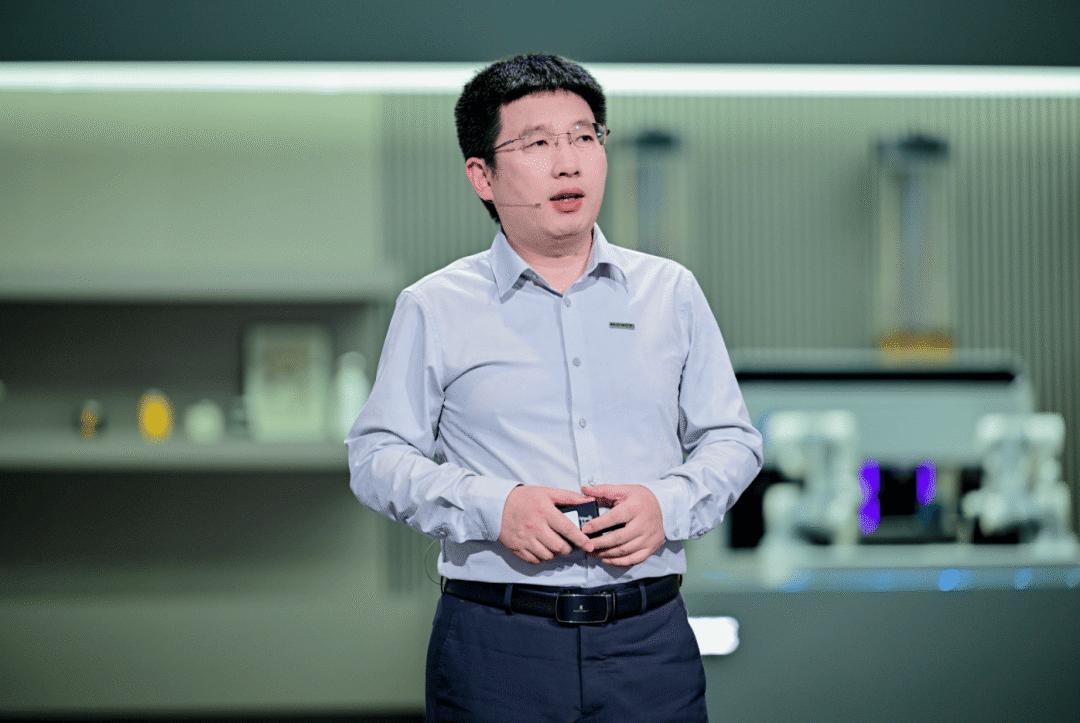
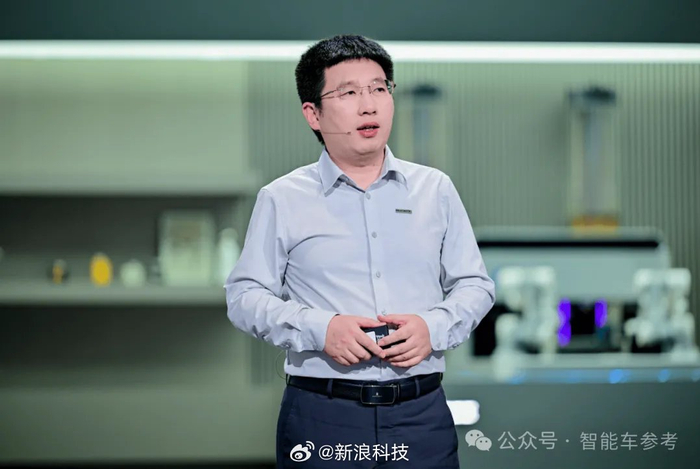
魏牌CEO半年下课,本土派赵永坡接任
Xin Lang Ke Ji· 2025-12-22 08:17
Group 1 - Wei brand has undergone a CEO change for the eighth time, with the new CEO Zhao Yongpo taking over after the previous CEO Feng Fuzhi served only six months [1] - Zhao Yongpo has a strong background in technology and product development, having worked at Great Wall Motors for over 25 years, with significant roles in vehicle technology and product strategy [1] - The leadership change is seen as a strategic move to stabilize the brand and improve its market position, especially after recent challenges in the SUV market [2] Group 2 - Under Zhao Yongpo's leadership at Haval, he focused on updating the fuel vehicle H6 and launching successful new energy models, which helped stabilize sales during a difficult period [2] - Haval's sales figures indicate a slight decline of 1.5% in 2024, but a notable recovery with a 12.03% increase in sales from January to September 2025, suggesting a positive trend for Great Wall Motors [2] - Zhao Yongpo's appointment as CEO of Wei brand is viewed as a critical decision to address the brand's current challenges and drive growth [2]