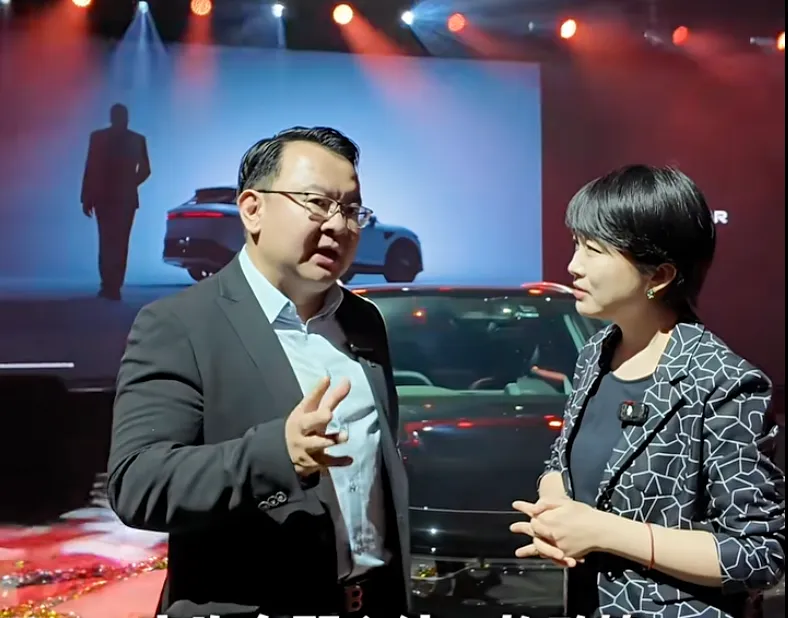
欧拉好猫

Search documents
洞察小型电动汽车市场竞争态势(2026):低利润、高销量的小型电动电动汽车使汽车制造商获得丰厚收益
易车· 2026-02-05 07:54
Investment Rating - The report indicates a strong investment opportunity in the small electric vehicle (EV) sector, particularly for Chinese brands, which are projected to capture nearly 96% of the market share by 2025 [6][21][98]. Core Insights - The small electric vehicle market in China is expected to grow from less than 500,000 units in 2020 to over 3 million units by 2025, marking a sixfold increase [6][98]. - Despite the surge in sales, the profit margins for small electric vehicles remain low, leading some manufacturers to strategically avoid this segment due to economic inefficiencies [7][98]. - The rise of small electric vehicles has significantly contributed to the market share of Chinese brands, which increased from approximately 30% to 60% between 2020 and 2025, with small EVs accounting for one-third of this growth [6][60][98]. Summary by Sections Market Growth - From 2020 to 2025, the sales of small electric vehicles in China are projected to increase dramatically, with Chinese brands benefiting the most, achieving a market share of nearly 96% by 2025 [6][9][98]. - The share of small electric vehicles in new car sales in China is expected to rise from less than 3% to over 14% during the same period [9][98]. Consumer Demographics - By 2025, nearly 60% of small electric vehicle buyers will come from households that previously owned foreign brands, with over 80% of these buyers being women [30][32][98]. - The shift in consumer demographics indicates a growing acceptance of Chinese brands among former foreign brand users, particularly in the small electric vehicle segment [32][49][98]. Competitive Landscape - Major Chinese brands such as BYD, Wuling, and Geely are expected to dominate the market, with BYD projected to exceed 3 million units in sales by 2025 [20][17][98]. - The report highlights that foreign brands like Volkswagen and Toyota are struggling to compete effectively against the rise of Chinese small electric vehicles, which are expected to capture a significant portion of the market by 2026 [21][68][98]. Cost Advantages - The total cost advantage of small electric vehicles over traditional internal combustion engine vehicles is a key factor driving their popularity, with significant savings in lifecycle costs [78][79][98]. - As the small electric vehicle supply chain matures, foreign brands are also expected to benefit from reduced manufacturing costs, although they still face challenges in competing with the pricing of Chinese brands [86][88][98].


中国消费品质量安全促进会:耐腐蚀性成为汽车业品质基线
Zhong Guo Xin Wen Wang· 2025-12-24 12:33
Core Viewpoint - The corrosion resistance performance of automobiles has become a crucial reference indicator for consumers when purchasing vehicles, with the CA-CAP evaluation results indicating that it is now a necessary quality baseline across the industry [1][2]. Group 1: CA-CAP Evaluation Overview - The CA-CAP (China Automotive Corrosion and Aging Performance Testing Evaluation Regulations) is the first domestic project for corrosion and aging assessment, guided by the China Consumer Product Quality Safety Promotion Association [1]. - The evaluation involves a systematic and rigorous corrosion test in extreme conditions in Hainan, simulating real user scenarios, rather than simple laboratory salt spray tests [1]. - The testing includes various extreme scenarios such as stone impact, saltwater erosion, emergency parking, and uneven surfaces, simulating six years of use through 60 cycles [1]. Group 2: 2025 Test Results - In 2025, six popular market models were tested for corrosion resistance, including Avita 06, Ora Good Cat, Dongfeng Nissan Qashqai, Xpeng MONA M03, Hongqi Tiangong 06, and Seres Wenjie M8, with all evaluations completed [2]. - The results showed that five out of the six models received a five-star rating, with scores ranging from 89.0 to 97.5, indicating a significant improvement compared to the previous three years [2]. - The China Consumer Product Quality Safety Promotion Association noted two clear trends: the overall level of the industry has rapidly improved, and the gap between different models is narrowing, indicating that corrosion resistance is becoming a necessary quality standard across the industry [2].
9.18万起 长城欧拉首款纯电SUV上市
Guo Ji Jin Rong Bao· 2025-12-17 17:31
Core Insights - The launch of the Ora 5, the first pure electric compact SUV from Great Wall Motors' Ora brand, is aimed at revitalizing sales during a challenging period for the brand [1][3]. Group 1: Product Launch Details - The Ora 5 is available in five models, with a price range of 99,800 to 133,800 yuan, and a limited-time trade-in price of 91,800 to 125,800 yuan, which is lower than the previous pre-sale range of 109,800 to 142,800 yuan [1]. - The vehicle dimensions are 4471mm in length, 1833mm in width, and 1641mm in height, with a wheelbase of 2720mm, making it larger than the Ora Good Cat [3]. - The Ora 5 features a maximum power output of 150 kW, a top speed of 170 km/h, and is equipped with a second-generation short-blade battery that meets safety standards for "non-flammability and non-explosion" [3]. Group 2: Performance and Technology - The vehicle offers two versions with different ranges: 480 km and 580 km, with an energy consumption of 11.6 kWh per 100 km under CLTC conditions [3]. - The suspension system is developed in collaboration with BMW, featuring a front MacPherson and rear multi-link independent structure [3]. - The Ora 5 is equipped with the CoffeePilot Ultra driver assistance system, high-end models include a laser radar, and it has 27 perception hardware components supporting full-scene NOA and cross-floor memory parking functions [3]. Group 3: Sales Performance - In November, the Ora brand sold 4,821 units, representing a year-on-year decline of 16.97%, with cumulative sales from January to November at 40,155 units, down 31.40% year-on-year [4]. - The current product lineup includes the Good Cat, Ballet Cat, and Lightning Cat, with the Good Cat being the primary volume model, achieving cumulative sales of 27,200 units this year, while the other models have only sold a few hundred units each [4].


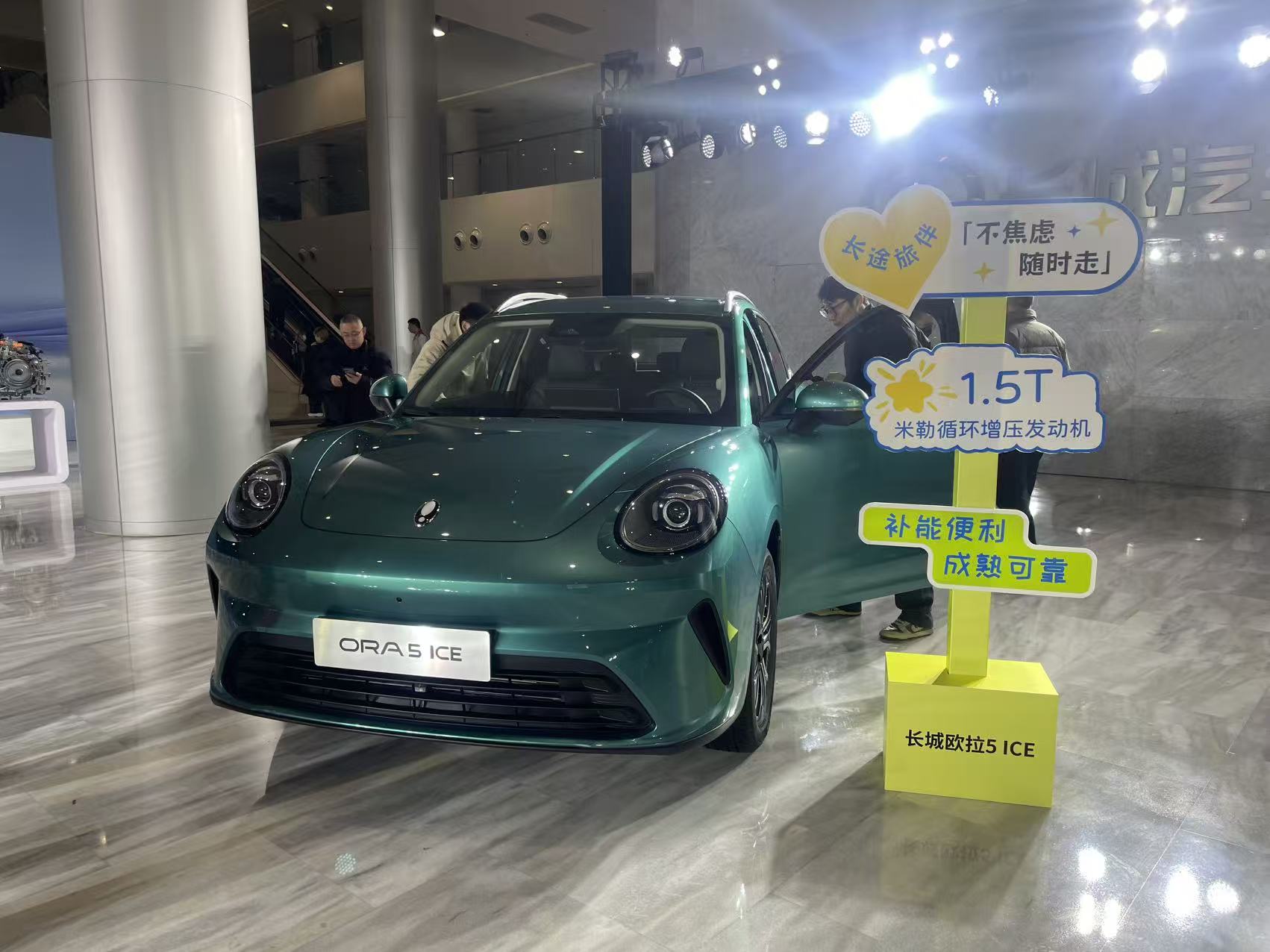
11月新能源汽车销量
数说新能源· 2025-12-15 04:00
Core Insights - November wholesale vehicle sales reached 1.706 million units, a year-on-year increase of 18.5% and a month-on-month increase of 5.8%, with a penetration rate of 56.9%, up 1.6 percentage points from the previous month [1] - Retail sales in November totaled 1.321 million units, reflecting a year-on-year growth of 4.0% and a month-on-month growth of 3.0%, with a penetration rate of 59.4%, up 2.2 percentage points from the previous month [1] - Exports in November amounted to 284,000 units, showing a significant year-on-year increase of 255.0% and a month-on-month increase of 19.3%, with a penetration rate of 47.3%, up 3.1 percentage points from the previous month [1] Sales Data by Manufacturer - Tesla sold 86,700 units in November, including 13,600 units exported [3] - BYD's sales reached 474,900 units, with 128,100 units exported, including various models such as Qin DMI (15,700 units) and Dolphin (31,000 units) [3] - SAIC-GM-Wuling sold 107,800 units, with 12,500 units exported, including 53,600 units of Hongguang MINI [3] - NIO sold 36,300 units, with 6,000 units of ES6 [3] - Li Auto sold 33,200 units, with L9 contributing 2,200 units [3] - XPeng sold 36,700 units, with 5,100 units exported [3] - Leap Motor sold 70,300 units, with 7,200 units of C11 [3] - Chery sold 111,600 units, with 48,100 units exported [3] - GAC Aion sold 38,300 units, with 4,100 units exported [3] - Geely sold 187,800 units, with 15,600 units exported [3] - Volkswagen ID sold 4,800 units [3] - Great Wall sold 40,000 units, with 4,500 units exported [3] - SAIC Passenger Cars sold 42,000 units, with 10,800 units exported [3] - Changan sold 107,000 units, with 4,200 units exported [3] - AITO sold 51,700 units [3] - Xiaomi sold 46,200 units, with 12,500 units of Xiaomi SU7 [3]

维修费比油车多花一倍!新能源车为何修不起?
Xin Lang Cai Jing· 2025-12-11 10:17
Core Insights - The high cost of maintenance for electric vehicles (EVs) is a significant concern for owners, with repair costs being 2-2.5 times higher than that of traditional fuel vehicles for minor damages [3][4][9] - There is a severe shortage of qualified EV maintenance technicians, with only about 100,000 certified technicians available and a gap of approximately 842,000 needed in the industry [4][20][40] - The combination of high repair costs, lack of skilled technicians, and monopolistic practices in the parts supply chain creates a challenging environment for EV owners [4][27][37] Group 1: High Repair Costs - Repair costs for EVs can reach thousands or even tens of thousands of yuan, with examples including a nearly 20,000 yuan cost for a minor rear trunk repair on a Tesla Model 3 [7][29] - Owners report that even minor repairs, such as replacing a bumper or headlight, can cost several thousand yuan, with some repairs involving battery or chassis replacements exceeding 10,000 yuan [8][30][31] - The average cost of battery replacement can account for 51% of the total vehicle price, indicating the high expense associated with core components [9][33] Group 2: Technician Shortage - The industry faces a significant shortage of EV maintenance technicians, with estimates indicating a need for over 842,000 additional skilled workers [4][20][40] - Many existing technicians lack the necessary training to handle the complexities of EV repairs, particularly those involving high-voltage systems and advanced electronic components [41][42] - The transition from traditional fuel vehicle maintenance to EV maintenance requires substantial retraining, which is currently not keeping pace with the rapid growth of the EV market [20][42] Group 3: Monopolistic Practices - The supply chain for EV parts is often controlled by manufacturers, making it difficult for independent repair shops to access necessary components [34][37] - Many EV manufacturers impose restrictions on warranty coverage if repairs are not conducted through authorized channels, discouraging owners from seeking third-party repair options [36][37] - The lack of transparency in pricing and repair processes contributes to the perception of high costs and limited options for consumers [44] Group 4: Recommendations for Improvement - Industry experts suggest establishing a centralized automotive service data platform to improve transparency and efficiency in the repair process [43][44] - There is a call for policy initiatives to support the development of a balanced aftermarket service ecosystem for EVs, similar to what has been achieved for traditional vehicles [44] - Long-term strategies should focus on reducing repair costs through improved technology and parts availability, ultimately enhancing consumer confidence in EV ownership [44]
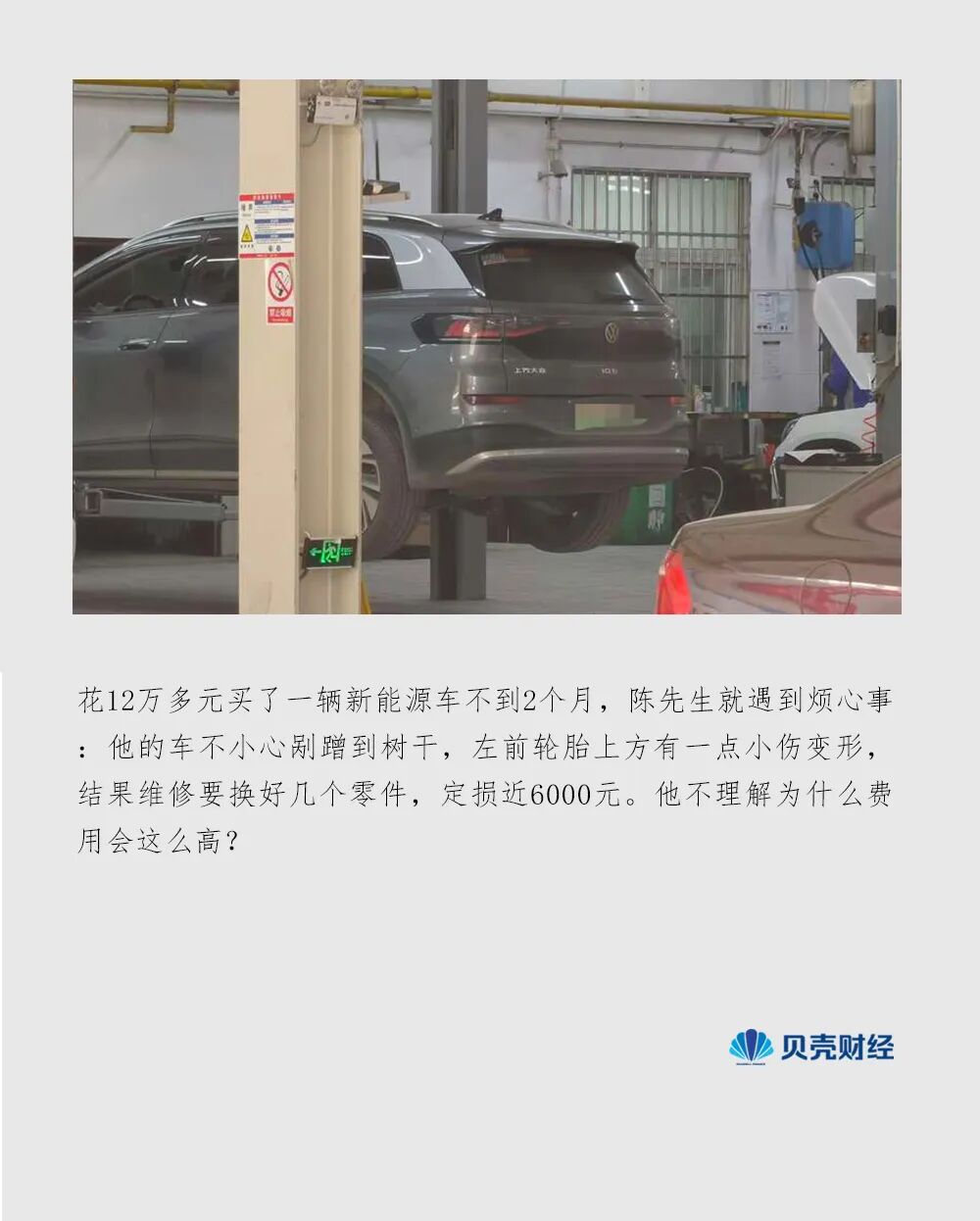
“小故障动辄上千,大维修堪比半辆车价”,新能源车为何修不起?
Xin Jing Bao· 2025-12-11 02:26
Core Viewpoint - The high cost and difficulty of repairing electric vehicles (EVs) have become a common concern among owners, with repair costs significantly exceeding those of traditional fuel vehicles, creating an "invisible barrier" between the rapid growth of the EV industry and user experience [1][21][22]. Cost of Repairs - Repair costs for EVs can be 2 to 2.5 times higher than for fuel vehicles, especially when involving battery and motor repairs [5][21]. - Specific examples include a Tesla Model 3 rear trunk repair costing nearly 20,000 yuan and minor damages leading to repair costs around 10,000 yuan [3][24]. - Common repair costs for EVs include 6,000 yuan for a headlight repair and 30,000 yuan for replacing multiple components after minor accidents [4][25]. High Repair Costs Factors - The high costs are attributed to several factors, including the expensive core components of EVs, which can account for over 50% of the vehicle's total cost [8][29]. - The integration of advanced technologies, such as laser radar and sensors, increases repair costs due to the complexity and high individual part prices [29][30]. - The monopolization of parts by manufacturers limits access for independent repair shops, further driving up costs [12][33]. Shortage of Skilled Technicians - There is a significant shortage of qualified EV repair technicians, with only about 100,000 certified technicians available and a gap of approximately 842,000 needed in the industry [21][37]. - Many traditional mechanics are hesitant to work on EVs due to the high voltage and complexity involved, leading to a reliance on specialized training [38][39]. Repair Channel Limitations - Many EV owners are reluctant to use third-party repair services due to concerns about warranty voiding and the potential loss of manufacturer support [12][33]. - The repair industry for EVs lacks the balance seen in the fuel vehicle sector, where independent repair shops and parts suppliers are more prevalent [41]. Recommendations for Improvement - Industry experts suggest establishing a centralized automotive service data platform to improve transparency and efficiency in the repair process [40]. - There is a call for policy initiatives to enhance the development of the EV repair market, ensuring it keeps pace with the rapid growth of the EV sector [40].
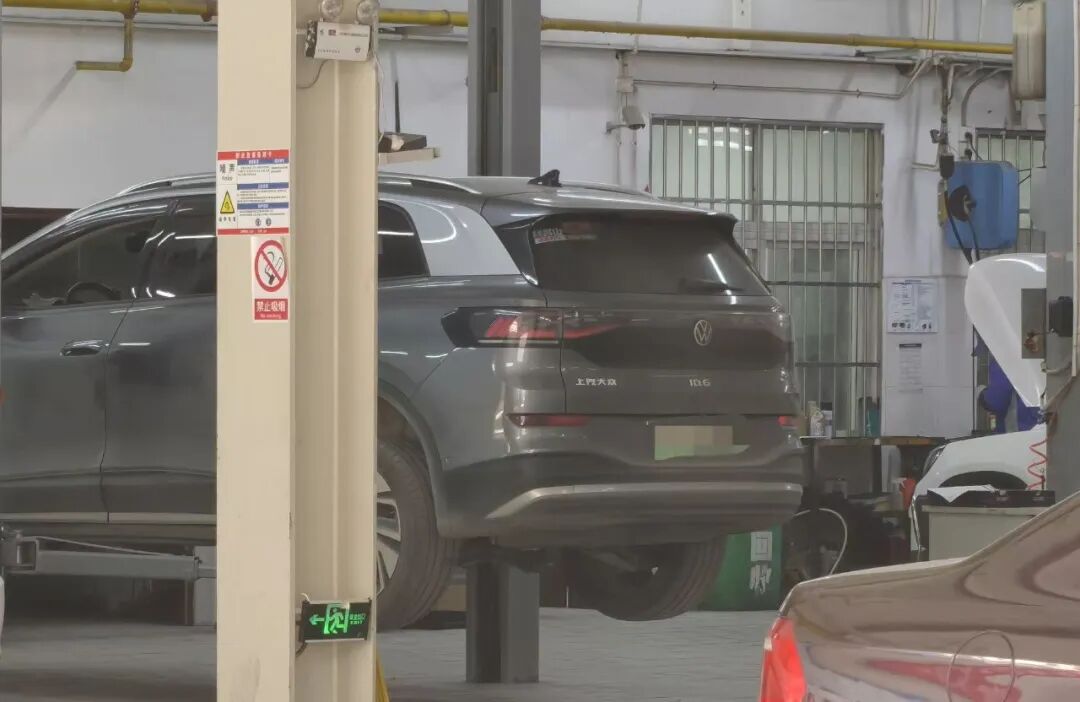
维修成本是燃油车2倍多,新能源车为何修不起?
Bei Ke Cai Jing· 2025-12-11 01:23
Core Insights - The high maintenance costs and difficulties associated with electric vehicles (EVs) have become a significant concern for owners, with repair costs for minor damages being 2-2.5 times higher than those for traditional fuel vehicles [7][11][24] - There is a substantial shortage of qualified EV maintenance technicians, with a gap of approximately 84.2 million technicians needed in the industry [29][30][32] Group 1: Maintenance Costs - Repair costs for minor damages on EVs can reach thousands of yuan, with some cases exceeding 20,000 yuan for simple repairs [4][5][11] - The average cost of replacing a battery in an EV can account for 51% of the vehicle's total price, highlighting the high expenses associated with core components [7][11] - The integration of advanced technologies in EVs, such as laser radar and sensors, contributes to higher repair costs due to the complexity and expense of these components [11][22] Group 2: Technician Shortage - The current number of certified EV maintenance technicians in China is less than 100,000, indicating a significant shortfall in skilled labor [30][31] - Many traditional mechanics are hesitant to work on EVs due to the high voltage and safety risks involved, further exacerbating the technician shortage [27][28] - The training and certification process for EV technicians is more rigorous, requiring specific qualifications and manufacturer training [31][32] Group 3: Industry Challenges - The repair market for EVs is characterized by a lack of competition and transparency, with manufacturers controlling parts distribution and repair information [19][24] - The high costs and limited availability of parts for certain EV brands can lead to difficulties in obtaining necessary repairs, particularly for brands that have ceased operations [21][24] - The industry is urged to develop a more balanced repair ecosystem similar to that of traditional fuel vehicles, which includes a mix of authorized and independent repair options [34]
聚焦用户体验 长城汽车10月销售新车14.31万辆 同比增长22.50%
Jin Tou Wang· 2025-11-03 03:33
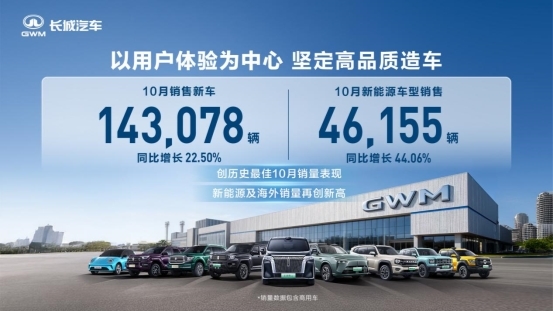
Core Insights - Great Wall Motors achieved record sales in October, selling 143,078 vehicles, a year-on-year increase of 22.50% [1] - The company is focusing on smart new energy vehicles, with sales of 46,155 units in October, up 44.06% year-on-year [1] - The sales of models priced above 200,000 yuan reached 40,203 units, reflecting a growth of 32.50% [1] - Great Wall Motors accelerated its globalization efforts, with overseas sales reaching 57,158 units, a 28.68% increase [1] - The "Box" model sales also saw a rise, with 65,942 units sold, marking a 23.06% growth [1] Sales Performance - In the first ten months of 2025, Great Wall Motors sold 1,066,436 vehicles, representing a year-on-year growth of 9.87% [2] - The Haval brand sold 88,235 vehicles in October, up 21.41% [5] - The WEY brand's new energy vehicles saw a significant increase, with sales of 12,699 units, a growth of 95.79% [5] - Tank SUVs sold 22,306 units in October, reflecting a year-on-year increase of 16.64% [5] - The ORA brand sold 5,648 vehicles, a slight increase of 1.58% [5] - Great Wall's pickup trucks sold 14,088 units, up 9.31% [6] Product Development and Innovation - Great Wall Motors is enhancing its product matrix based on user demand to improve market competitiveness [4] - The company is committed to high-quality manufacturing, focusing on technology, off-road capabilities, and globalization [7] - The Hi4 technology received the Special Prize from the China Automotive Engineering Society, highlighting the company's advancements in smart new energy [8] - Great Wall Motors is actively engaging in global events, such as the GWM Tech Day in Australia, showcasing its technological strengths and product capabilities [8] Future Outlook - The company aims to continue its commitment to integrity and quality in manufacturing, focusing on user-centric products and sustainable development [9]
欧拉汽车质量怎么样?欧拉打造智能科技给出答案
Quan Jing Wang· 2025-10-28 02:44
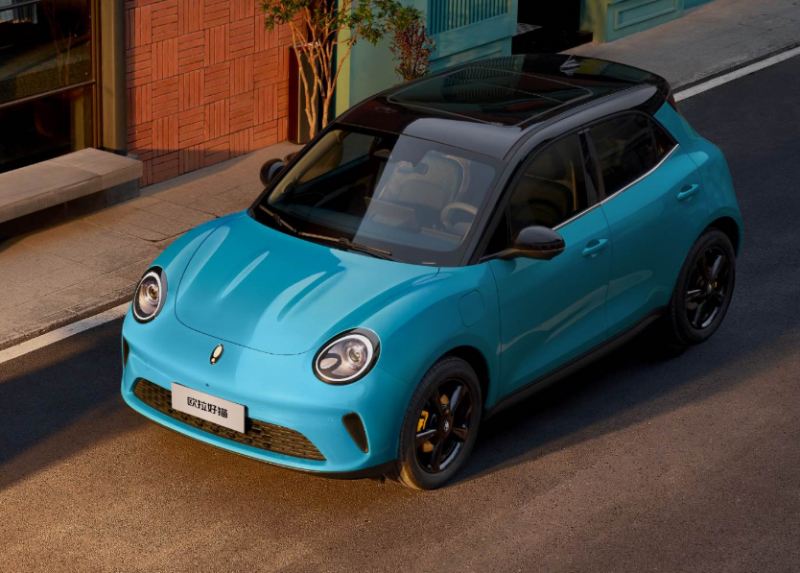
Core Viewpoint - The rapid development of intelligent driving technology in China's automotive industry enhances the quality and efficiency of daily commuting, with Ora Cars under Great Wall Motors exemplifying this trend through their electric vehicles equipped with smart driving features [1][4]. Group 1: Intelligent Driving Features - Ora Cars' electric vehicle, the Ora Good Cat, features an intelligent auxiliary driving system that allows users to automatically follow traffic, significantly reducing driving stress during peak hours [3]. - The smart driving technology not only alleviates congestion-related anxiety but also reflects the overall quality of Ora Cars [3][4]. Group 2: User Experience and Comfort - The interior of Ora Cars is designed as a personal relaxation space, allowing drivers to activate a "rest mode" for comfort during long waits or commutes, enhancing the overall user experience [3][4]. - The vehicles also offer interactive features for family engagement, such as games and entertainment options, making travel enjoyable and memorable [3][4]. Group 3: Quality Assurance - The reliability of Ora Cars is supported by Great Wall Motors' robust battery technology and strict quality control standards, ensuring safety, durability, and comfort in various driving conditions [4]. - The commitment to high manufacturing standards and the use of environmentally friendly materials further solidify the quality reputation of Ora Cars [4][5]. Group 4: Brand Image and Future Outlook - Ora Cars has established a trustworthy brand image by providing users with intelligent experiences and core quality assurances, positioning itself as a reliable travel companion [5]. - The company aims to continue enhancing the travel experience for families, ensuring that every journey is filled with warmth and anticipation [5].
在马来西亚“狙击”日系的三种姿势
Hu Xiu· 2025-10-12 04:19
Group 1 - The core point of the article is that Malaysia has overtaken Indonesia to become the largest automotive market in Southeast Asia, with sales reaching 396,800 units compared to Indonesia's 390,500 units in the first half of the year [1] - Malaysia is actively promoting the development of electric vehicles, with government plans to increase the sales proportion of electric vehicles to 15% by 2030 and 38% by 2040, along with the establishment of 10,000 public charging facilities by 2025 [2] - The favorable automotive market, attractive new energy policies, and geographical advantages for exports have drawn several Chinese car manufacturers to Malaysia, including Chery, BYD, and Great Wall [3] Group 2 - Malaysia's unique characteristics include a friendly environment for the Chinese community, where 20% of the population creates 80% of the wealth, and it is the only country outside China with a complete Chinese education system [6][7] - The low fuel prices in Malaysia, due to government subsidies, make fuel vehicles the dominant choice, with 92% market share expected in the first half of 2025 [12][13] - Malaysia is the only ASEAN country with domestic automotive brands, Perodua and Proton, which hold nearly 60% of the market share, posing challenges for foreign brands [14] Group 3 - Great Wall Motors has become the fastest-growing automotive brand in Malaysia, with sales in the first half of the year surpassing the total for the previous year [18] - Great Wall's strategy includes a multi-energy approach and a focus on high-end products, targeting affluent Chinese consumers who are willing to pay premium prices for features and performance [21][22] - Chery aims to establish itself as a local brand in Malaysia, with a goal to become the third "national brand" by increasing market share and competing with established brands like Toyota and Honda [30][32] Group 4 - Proton, Malaysia's first domestic automotive brand, has successfully integrated with Geely's global strategy, launching models based on Geely's technology [41][42] - The launch of Proton's first electric vehicle, the e.MAS 7, has been well-received, significantly outperforming BYD's sales in the region [43][45] - Proton's competitive edge lies in its ability to leverage existing channel resources and supply chains to offer lower prices for its vehicles [48] Group 5 - The article highlights the importance of quality and durability for vehicles in the Malaysian market, where consumers have higher expectations compared to the Chinese market [59][63] - Historical lessons from the 1990s regarding the failure of Chinese motorcycle brands in Southeast Asia emphasize the need for car manufacturers to avoid price wars and maintain product quality [56][57]