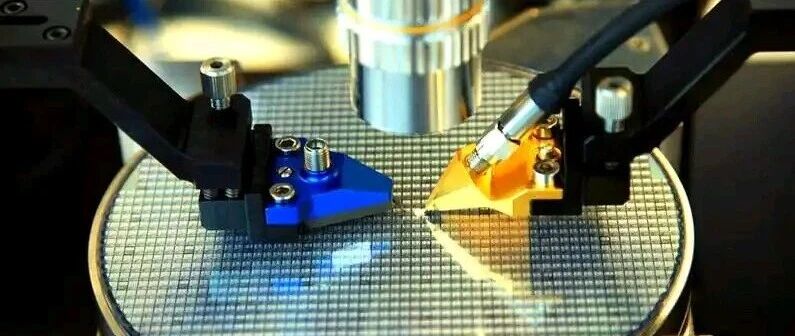
DUV设备

Search documents
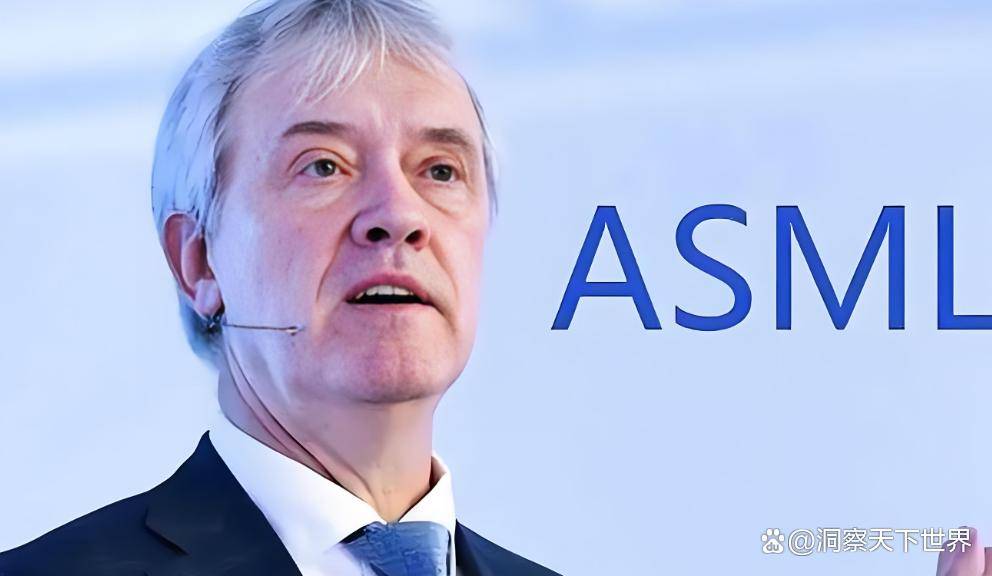
美媒很困惑:阿斯麦中国市场份额暴跌,被干掉的怎么全是欧美人?
Sou Hu Cai Jing· 2026-02-07 11:46
Core Viewpoint - The article discusses the surprising decision by ASML to lay off employees primarily in its Dutch and American divisions while retaining its Chinese workforce, despite a significant drop in revenue share from the Chinese market [1][4][7]. Group 1: Layoff Decisions - ASML's layoffs of 1,700 employees occurred at a time of record orders, indicating a strategic restructuring rather than a simple downsizing [1][10]. - The layoffs are concentrated in the Netherlands and the U.S., while the Chinese division remains largely unaffected, contradicting the expectation that cuts would start in the region facing political and market risks [4][7]. - The decision reflects a focus on retaining roles that are critical to operational efficiency and cash flow generation, rather than merely reducing headcount [10][16]. Group 2: Market Dynamics - The revenue share from the Chinese market has decreased from over 30% to approximately 20%, yet this segment is characterized by stable, long-term service contracts rather than volatile advanced process competition [7][18]. - The Chinese division's workforce is primarily composed of essential roles such as field engineers and support teams, which are crucial for maintaining operational continuity and customer contracts [14][18]. - ASML's management prioritizes roles that directly contribute to cash flow and operational efficiency, leading to the conclusion that the Chinese market is not being "protected" but is instead vital for the company's financial health [16][20]. Group 3: Strategic Implications - The layoffs highlight a broader trend in the semiconductor industry where efficiency and the ability to generate stable cash flow are paramount, especially in uncertain market conditions [10][20]. - The article suggests that the narrative of "decoupling" in global supply chains may need to be reassessed as companies prioritize operational effectiveness over ideological considerations [20].


未知机构:摩根士丹利ASML控股NV欧洲财报前瞻Intothe-20260127
未知机构· 2026-01-27 02:10
Summary of ASML Holding NV Conference Call Company Overview - **Company**: ASML Holding NV - **Industry**: Semiconductor Equipment Manufacturing Key Points Financial Performance Expectations - ASML is expected to report strong order volumes in its upcoming earnings release on January 28, with a focus on the period from Q4 2025 to 2026 for order expansion [1] - The company maintains a "Buy" rating with a target price of €1400 [1] 2027 Profit Growth Projections - Profit growth is anticipated to peak in 2027, with an expected delivery of 80 EUV (Extreme Ultraviolet) machines [2] - Key indicators for investors include Q4 2025 order volume, 2026 revenue growth, gross margin, and revenue growth from EUV and DUV (Deep Ultraviolet) [2] - There is a risk that demand for EUV equipment may peak in 2027 [2] Market Dynamics and Demand - Intel's quarterly performance supports the 2026 fiscal year forecast, with ASML set to deliver one Low-NA system and two High-NA systems to Intel this year [2] - The focus is shifting towards 2027, with expectations for EUV deliveries driven by demand from Intel, Samsung, and TSMC [2] DRAM Market Insights - A significant capacity rebuild in the DRAM sector is expected from H2 2026 to 2027, following a price surge in DRAM and HBM (High Bandwidth Memory) [3] - DUV sales are projected to reach approximately €15 billion, with potential upside if NAND capacity expansion exceeds expectations [3] - ASML's total sales for 2027 could reach €48.6 billion, with a gross margin of around 56% [3] Investor Focus Before Earnings - Q4 2025 order volume is projected to be €2.7 billion, including 19 Low-NA EUV machines [4] - Investor expectations have increased, with anticipated order volume rising from €5 billion in December to approximately €7 billion with around 20 machines [4] - This will be ASML's last quarterly order volume disclosure, transitioning to annual updates [4] Revenue Growth and Margins - A revenue growth guidance of about 10% for 2026 is expected to meet market expectations [4] - Gross margin expectations are unclear, but a slight year-over-year decline to 52.5% is anticipated [4] - EUV revenue is expected to grow by approximately 12%-15% as deliveries increase from over 40 units in 2025 to nearly 50 in 2026 [4] Capacity and Supply Risks - ASML plans to increase production capacity to 90 Low-NA EUV machines and about 20 High-NA machines by the end of 2027 [5] - There is a potential risk of slight shortages if ASML does not expand production capacity ahead of demand [5] - DUV machines cannot be converted to EUV due to different light sources, although some interchangeability between Low-NA and High-NA EUV machines is planned for the long term [5][6] Future Capacity Expansion - To further increase production capacity beyond 100 Low-NA EUV machines annually, ASML will need to construct new cleanroom space [6]
阿斯麦财报前夕,大摩坚定看多:Q4订单大幅增长,2027年将迎来业绩爆发之年
Hua Er Jie Jian Wen· 2026-01-26 13:53
Core Viewpoint - ASML is expected to report strong order numbers, with a shift in market focus from 2026 to 2027, which may be a key year for the company's performance [1] Group 1: Order Expectations - Morgan Stanley predicts ASML's Q4 orders will reach €7.27 billion, including 19 EUV low numerical aperture devices, significantly higher than the previous market expectation of over €5 billion [2] - Recent communications with buyer institutions indicate market expectations have risen to approximately 20 EUV devices and over €7 billion [2] - This will be ASML's last quarterly order data release, making this report particularly important [2] Group 2: 2026 Guidance - For 2026, Morgan Stanley anticipates ASML will provide a revenue growth guidance of around 10%, which is sufficient to meet market expectations [3] - The expected gross margin for 2026 is 52.5%, with a slight year-on-year decline of 20 basis points [3] - EUV shipment volume is expected to increase from around 40 units in 2025 to nearly 50 units in 2026, with a projected sales growth of 12-15% [3] Group 3: 2027 Performance Outlook - Morgan Stanley emphasizes that the focus is shifting to 2027, where EUV demand is expected to reach 80 units, driven by TSMC, Samsung, and Intel [4] - The anticipated demand is supported by significant capacity expansions in DRAM and logic chip manufacturing [4] Group 4: Capacity Constraints - A key risk identified is that ASML's EUV capacity may reach its limits in 2027, with a target of 90 low NA EUV devices and about 20 high NA devices by the end of that year [5] - Technical limitations prevent the conversion of DUV production lines to EUV, necessitating new cleanroom space for increased capacity [5] - To exceed an annual capacity of 100 units, ASML will require time and capital investment to build new facilities [5] Group 5: Revenue Projections - Total revenue for 2027 could reach €48.6 billion, with a gross margin of approximately 56%, driven by DUV sales and contributions from high NA systems [7]
对中国封锁5年后,阿斯麦CEO认清现实:中国对欧洲技术依赖正在消失
Xin Lang Cai Jing· 2025-12-18 08:34
Core Viewpoint - ASML's CEO, Christoph Wouters, emphasizes the challenges of balancing national security and industrial interests, particularly regarding export restrictions to China, which are shifting from "policy risks" to "order expectations" [1][2] Group 1: Market Dynamics - ASML anticipates a significant decline in demand from China starting in 2026, with current sales to China accounting for over one-third of total sales [1] - The company links the weakening demand from China to the enhancement of local supply capabilities, raising concerns about its market share in China [1] - ASML's primary model for deliveries to China is DUV, while EUV export licenses have not been approved since 2019 due to ongoing pressure from the U.S. [1] Group 2: Leadership Perspectives - The shift in ASML's leadership perspective over the years reflects a transition from confidence to anxiety regarding China's technological advancements [4][6] - Former CEO Peter Wennink's statements evolved from dismissing China's capabilities to acknowledging the rapid pace of Chinese innovation and the potential disruption to global supply chains [5][6] Group 3: Industry Concerns - Other semiconductor equipment companies, such as Applied Materials and Tokyo Electron, share similar anxieties about losing the Chinese market, which constitutes a significant portion of their revenue [7] - The competitive landscape indicates that while China has not yet caught up in photolithography equipment, it is advancing rapidly in other segments of the semiconductor supply chain [8] Group 4: Impact of Technology Restrictions - The U.S. strategy of tightening technology restrictions has not achieved its intended effect, as China is accelerating its domestic production capabilities in response [9] - ASML's strategy of offering older technology models to China is seen as a buffer to mitigate the risk of losing the market entirely [10] Group 5: Future Outlook - The perceived technological gap of "about ten years" between the West and China is increasingly questioned, as Chinese firms approach critical production milestones in DUV technology [12][13] - The future trajectory for ASML hinges on its ability to adapt to the rapidly changing competitive landscape in China, where local firms are gaining ground [14]

荷兰光刻机巨头阿斯麦在美国凤凰城成立技术学院,培训维修及保养工程师!最先进EUV设备造价约4亿美元,运送亦需多架747货机
Ge Long Hui· 2025-11-21 02:20
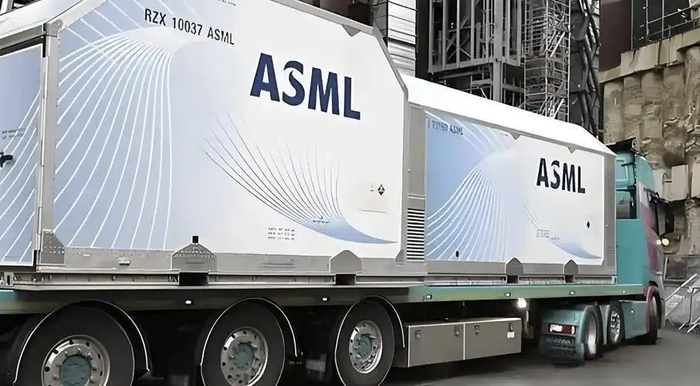
Core Viewpoint - ASML has established a technical academy in Phoenix, Arizona, aimed at training engineers to maintain and service its complex chip manufacturing equipment, supporting the rapid expansion of advanced chip production in the U.S. [1] Group 1: Facility and Training Goals - The new facility is located near Phoenix Airport and aims to train over 1,000 engineers annually [1] - The training is focused on supporting the U.S. advanced chip manufacturing capacity [1] Group 2: Equipment Complexity and Cost - ASML's DUV and EUV equipment complexity is comparable to that of F-35 fighter jets [1] - The most advanced EUV equipment costs approximately $400 million and requires multiple 747 cargo planes for transportation [1] Group 3: Recruitment Focus - ASML is particularly interested in hiring veterans with military aircraft maintenance backgrounds, considering them highly suitable for the roles [1]

荷兰光刻机新规,震动全球芯片业,中国供应链自给已经按下加速键
Sou Hu Cai Jing· 2025-11-17 15:40
Core Viewpoint - The recent export regulations from the Netherlands regarding deep ultraviolet (DUV) lithography equipment have significant implications for the global semiconductor industry, particularly affecting China's access to advanced chip-making technology [1][2][4]. Group 1: Export Regulations and Impact - The Netherlands will raise the export threshold for DUV equipment from 7nm to 14nm by October 31, 2025, requiring licenses for mid-range models like 1970i and 1980i, with approval times extended to 90 days or more [1][2]. - The new regulations not only restrict equipment but also cover associated tools and software upgrades, effectively locking down the entire advanced manufacturing process [2][4]. - ASML, the leading lithography equipment manufacturer, is expected to see its revenue from the Chinese market drop from over 40% to below 25% by 2025 due to these restrictions [2][4]. Group 2: China's Response and Adaptation - In response to the restrictions, China's semiconductor industry is accelerating its self-sufficiency efforts, with a projected 20% increase in semiconductor equipment investment in 2025 [6][10]. - Domestic companies like Shanghai Micro Electronics are advancing DUV technology to cover 65nm and 28nm processes, with the introduction of the electron beam lithography machine "Xizhi" marking progress in quantum and early semiconductor tools [6][8]. - SMIC is adjusting its procurement strategy to reduce reliance on foreign DUV equipment, with domestic equipment now accounting for over 35% of its orders [8][10]. Group 3: Industry Dynamics and Future Outlook - The tightening of export controls reflects a broader geopolitical struggle, with the U.S. and its allies attempting to maintain technological dominance while China seeks to establish itself as a rule-maker in the semiconductor space [4][13]. - The semiconductor ecosystem is expected to undergo significant restructuring, with companies like ASML facing challenges as they navigate the new regulatory landscape [2][14]. - Despite the immediate impact of the Dutch regulations, the long-term outlook for China's semiconductor industry remains optimistic, with plans to triple production capacity by 2026 and significant investments in domestic EUV technology [10][14].
美媒报道,荷兰正式启动2025年光刻机出口新规,ASML对中国的DUV设备出口被全面禁止
Xin Lang Cai Jing· 2025-11-02 08:28
Core Insights - The new Dutch export regulations for photolithography machines, effective from October 31, 2023, have significantly impacted the global semiconductor supply chain, reducing DUV equipment export limits from 7nm to 14nm and extending approval periods to 90 days [1][3] - The regulations are seen as a concession to U.S. pressure, raising concerns about the economic implications for the Netherlands, particularly given that China accounts for 35% of ASML's global DUV sales [3][5] - ASML's stock dropped by 8.2% on the day the new rules were announced, with projections indicating a potential 12% revenue decline in 2025 if the Chinese market is lost [3][5] Group 1: Economic Impact - The new regulations threaten the Dutch semiconductor industry, where 20% of the 120,000 jobs are directly related to trade with China, potentially leading to widespread layoffs [3] - ASML's strategy to mitigate the impact includes the introduction of the NX2000 series, which allows for 7nm chip production with minor adjustments, and plans to establish a service center in Suzhou to reduce equipment maintenance times [5][7] Group 2: Geopolitical Dynamics - China's recent rare earth export regulations could further complicate the situation for ASML, as their machines require significant amounts of rare earth materials sourced from China, with current inventory only sufficient for eight weeks of production [7] - The ongoing geopolitical tensions have accelerated the development of domestic semiconductor capabilities in China, with companies like SMIC increasing collaborations with Japanese and local equipment manufacturers [9][11] Group 3: Industry Outlook - The intertwined nature of the semiconductor supply chain suggests that unilateral sanctions may not effectively sever ties, as evidenced by ASML's attempts to navigate regulatory challenges while China leverages its resource advantages [11] - The situation highlights the need for mutual respect and cooperation in maintaining a stable and prosperous semiconductor industry, with the potential for the Netherlands' recent policy decisions to serve as a cautionary tale for its semiconductor sector [11]
稀土核弹炸响后,对我们断供光刻机的阿斯麦,这次陷入绝境
Sou Hu Cai Jing· 2025-10-14 02:08
Core Viewpoint - The Chinese Ministry of Commerce has implemented strict export controls on rare earths and related technologies, significantly impacting global supply chains, particularly for ASML, the only company capable of producing advanced EUV lithography machines, which rely heavily on Chinese rare earth materials [1][3][5]. Group 1: New Regulations - The new regulations require any product containing more than 0.1% Chinese rare earth components to obtain approval from China before re-exporting [1][3]. - The regulations encompass the entire industry chain, including mining, smelting, metal refining, and magnet manufacturing, making it difficult for companies to bypass controls through third-party countries [3][5]. Group 2: Impact on ASML - ASML's EUV lithography machines depend on rare earth elements like neodymium, dysprosium, and terbium, with over 10,000 parts in each machine [5]. - The company may face shipment delays of up to 12 weeks due to the new approval requirements for all equipment containing Chinese rare earths [8]. Group 3: Broader Industry Effects - The new regulations have immediate repercussions for the global semiconductor industry, affecting major players like TSMC, Samsung, and Intel, all of which rely on ASML's machines for high-end chip production [7]. - Samsung's attempt to replace neodymium-iron-boron magnets with samarium-cobalt magnets has resulted in a 40% cost increase, while Intel's Arizona factory has only 90 days of rare earth polishing material inventory [9]. Group 4: Geopolitical Context - The export controls reflect an escalation in the tech rivalry between the U.S. and China, mirroring the U.S. "foreign direct product rule" by enforcing technology traceability [11]. - The crisis highlights the vulnerability of the Western semiconductor industry, as the U.S. lacks a complete processing supply chain despite having rare earth resources [11]. Group 5: Market Reactions - The market has reacted sharply, with dysprosium oxide prices soaring by 30% within 48 hours, and the stock prices of Chinese companies like Northern Rare Earth have surged [13]. - Morgan Stanley predicts that if the controls persist, prices for smartphones and PCs could rise by 15% to 20% by 2026 [13]. Group 6: ASML's Strategic Choices - ASML's current predicament is linked to its previous decisions to halt exports to China under U.S. pressure, resulting in a significant revenue drop from the Chinese market, which once accounted for 29% of its income [15]. - The new rare earth regulations not only disrupt ASML's supply chain but also create uncertainty for its global customers, reshaping the dynamics of global tech power [15].
“稀土核弹”炸响后,对华断供光刻机的阿斯麦,这次天真的塌了
Sou Hu Cai Jing· 2025-10-13 03:49
Core Insights - China's recent export controls on rare earths and related technologies represent a significant shift in global trade dynamics, impacting high-tech industries worldwide [1][5][9] - The new regulations particularly affect ASML, the only company capable of producing advanced EUV lithography machines, which are essential for chip manufacturing [3][5] Group 1: Impact on ASML - ASML's reliance on Chinese rare earths for critical components like laser systems and precision lenses makes it vulnerable to China's export restrictions [3][5] - Reports indicate that ASML may face shipment delays of weeks or months for products containing Chinese rare earths, as exports will require Chinese approval [3][5] - The company's previous alignment with U.S. policies, including halting the supply of advanced EUV machines, has backfired, leaving it exposed to supply chain disruptions [3][5][9] Group 2: Strategic Implications - China's export controls are not merely economic maneuvers but strategic actions that reshape global supply chains and power dynamics, particularly in the context of U.S.-China relations [5][7][9] - The timing of the new regulations coincides with upcoming U.S.-China talks, signaling China's intent to assert its influence and counter U.S. efforts to restrict technology access [7][9] - This situation illustrates a broader realization among Western industries that control over technology does not equate to control over essential raw materials, which are predominantly sourced from China [5][9] Group 3: Global Supply Chain Dynamics - China's dominance in rare earth production, accounting for over 70% of global supply, underscores its critical role in the high-tech supply chain [3][5] - The recent developments highlight a shift in perception, where China is seen as a key player capable of dictating global rules rather than merely reacting to external pressures [7][9] - The situation serves as a wake-up call for Western industries, emphasizing the importance of securing stable access to essential materials for technological advancement [5][9]

俄罗斯公布EUV光刻机路线图
是说芯语· 2025-09-28 06:49
Core Viewpoint - The Russian Academy of Sciences' roadmap for domestic 11.2 nm wavelength EUV lithography tools aims to establish an independent semiconductor manufacturing capability, showcasing a commitment to innovation despite significant technical and commercial challenges [1][2]. Group 1: Roadmap Overview - The roadmap, proposed by Nikolai Chkhalo, spans from 2026 to 2037, focusing on differentiated design to avoid the complexities and high costs associated with ASML's technology [2]. - The project is divided into three main phases: 1. Phase 1 (2026-2028): Launch of lithography machines supporting 40 nm processes with a throughput of over 5 wafers per hour [5]. 2. Phase 2 (2029-2032): Introduction of machines for 28 nm (downward compatible to 14 nm) with a throughput exceeding 50 wafers per hour [6]. 3. Phase 3 (2033-2036): Development of machines for sub-10 nm processes, achieving a throughput of over 100 wafers per hour [6]. Group 2: Technical Innovations - The Russian EUV lithography technology diverges from the mainstream 13.5 nm wavelength, utilizing a hybrid solid-state laser and xenon plasma light source, along with 11.2 nm wavelength mirrors made of ruthenium and beryllium [6][8]. - This approach significantly reduces contamination of optical components, thereby lowering maintenance requirements compared to ASML's tin droplet method [8]. Group 3: Challenges and Comparisons - The feasibility of the Russian EUV lithography roadmap faces challenges, including the need for a complete ecosystem of optical components and resist materials tailored for the new wavelength [7]. - While the proposed machines aim for high throughput, they are designed for smaller foundries rather than competing with ASML's high-capacity systems [8][9]. - The Russian strategy reflects a differentiated competitive approach, contrasting with China's adherence to mainstream technology paths, aiming for self-sufficiency in chip production [9].