
全球产业链重组

Search documents
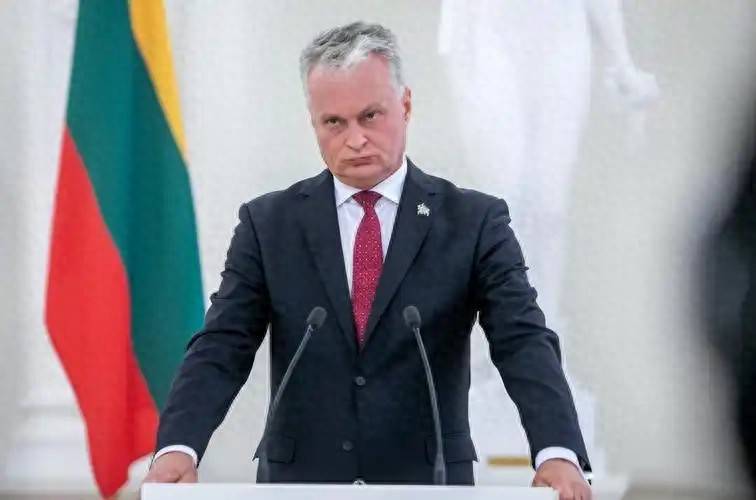
立陶宛心意已决,既然等不来中国的求和,那就去投资印度!
Sou Hu Cai Jing· 2026-02-13 07:24
Core Viewpoint - Lithuania's attempt to reduce dependence on China and pivot towards India is met with challenges, as its exports to India consist mainly of low-value agricultural products, contrasting sharply with its previous high-tech exports to China [1][2][3] Group 1: Trade Dynamics - Lithuania's exports to India in 2024 are projected to be approximately $13.6 million, primarily consisting of peas, beans, feed grains, and low-value wood products [2] - In contrast, Lithuania's exports to China reached $358 million in 2020, featuring high-tech products like femtosecond lasers and biological reagents, which reflect a higher industrial capability [2] - The shift from high-value exports to low-value goods signifies a downgrade in Lithuania's industrial standing, as it now relies on agricultural products rather than advanced technology [2][3] Group 2: Market Challenges - The market structure between China and India is fundamentally different, with China having a robust demand for high-end technology and a well-established industrial ecosystem, while India's market is less developed in this regard [3][4] - Lithuanian companies face significant logistical challenges when exporting to India, including lengthy customs procedures and varying regulations across Indian states, which can lead to delays and financial strain [4] - The competitive landscape in India favors low-cost products, making it difficult for Lithuanian high-tech goods to compete against established Chinese manufacturers [4] Group 3: Economic Impact - Lithuania's GDP growth in 2023 is projected at only 0.3%, indicating economic stagnation and pressure on households due to rising energy costs [7] - The reliance on imports from China has increased, with imports doubling from approximately $1 billion in 2016 to over $2 billion in 2024, highlighting a growing dependency despite efforts to pivot away [6][7] - The strategic shift away from China has resulted in a loss of high-paying jobs and increased living costs for Lithuanian citizens, reflecting the negative consequences of the government's foreign policy decisions [11] Group 4: Geopolitical Context - The EU's decision to withdraw certain trade complaints against China indicates a shift in geopolitical strategy, suggesting that long-term opposition to China may not be sustainable for smaller nations like Lithuania [9] - Lithuania's initial expectations of support from allies like the U.S. have not materialized as anticipated, with limited financial assistance provided [9] - The geopolitical landscape is fluid, and Lithuania's position as a frontline state may be compromised as larger powers recalibrate their interests [9]

美媒很困惑:阿斯麦中国市场份额暴跌,被干掉的怎么全是欧美人?
Sou Hu Cai Jing· 2026-02-07 11:46
Core Viewpoint - The article discusses the surprising decision by ASML to lay off employees primarily in its Dutch and American divisions while retaining its Chinese workforce, despite a significant drop in revenue share from the Chinese market [1][4][7]. Group 1: Layoff Decisions - ASML's layoffs of 1,700 employees occurred at a time of record orders, indicating a strategic restructuring rather than a simple downsizing [1][10]. - The layoffs are concentrated in the Netherlands and the U.S., while the Chinese division remains largely unaffected, contradicting the expectation that cuts would start in the region facing political and market risks [4][7]. - The decision reflects a focus on retaining roles that are critical to operational efficiency and cash flow generation, rather than merely reducing headcount [10][16]. Group 2: Market Dynamics - The revenue share from the Chinese market has decreased from over 30% to approximately 20%, yet this segment is characterized by stable, long-term service contracts rather than volatile advanced process competition [7][18]. - The Chinese division's workforce is primarily composed of essential roles such as field engineers and support teams, which are crucial for maintaining operational continuity and customer contracts [14][18]. - ASML's management prioritizes roles that directly contribute to cash flow and operational efficiency, leading to the conclusion that the Chinese market is not being "protected" but is instead vital for the company's financial health [16][20]. Group 3: Strategic Implications - The layoffs highlight a broader trend in the semiconductor industry where efficiency and the ability to generate stable cash flow are paramount, especially in uncertain market conditions [10][20]. - The article suggests that the narrative of "decoupling" in global supply chains may need to be reassessed as companies prioritize operational effectiveness over ideological considerations [20].

30批政要扎堆来访四川,不只为看熊猫,而是追逐实实在在的收益
Sou Hu Cai Jing· 2025-12-08 16:59
Core Insights - In 2025, Chengdu Airport became a significant diplomatic hub, hosting a record number of high-level officials, indicating a shift in perception of Sichuan from a remote region to a center of business opportunities [1][6][29] Group 1: Diplomatic Visits and Business Opportunities - The influx of 30 delegations of high-ranking officials, including leaders from Sri Lanka and France, highlights Sichuan's growing importance in global diplomacy and business [1][9] - These visits are not merely ceremonial; they are strategic, with leaders acting as "sales managers" for their countries' businesses, seeking to explore investment opportunities in China [9][11] - The presence of major corporations, such as Airbus and French Electric, during these visits underscores the region's appeal for international business collaboration [11][19] Group 2: Sichuan's Industrial and Economic Landscape - Sichuan boasts a comprehensive industrial system, including sectors like aerospace, electronics, and renewable energy, making it an attractive location for global companies [15][19] - The region's unique geographical advantages, such as efficient logistics and a large market base, position it favorably in the context of global supply chain restructuring [17][19] - Government initiatives, including tax incentives and support for innovation, further enhance Sichuan's attractiveness for foreign investment [19][27] Group 3: Future Prospects and Strategic Positioning - The ongoing diplomatic engagements suggest that Sichuan is strategically positioned to capitalize on global economic shifts, but maintaining this position will require effective negotiation and strategic planning [21][24] - The potential for increased foreign investment could lead to job creation and improved living standards in the region, indicating a positive outlook for local economies [27][29] - The combination of institutional advantages and geographical positioning marks the beginning of a new era for Sichuan, presenting both challenges and opportunities for stakeholders [29]

混合战开打,27国逼中方上审判台,荷兰打头阵,对华断供核心零件
Sou Hu Cai Jing· 2025-11-09 13:48
Core Viewpoint - The ongoing geopolitical tensions are significantly impacting global supply chains, particularly in critical sectors like semiconductors and rare earths, with the Netherlands' decision to halt wafer supplies to China representing a strategic maneuver aligned with Western interests [1][3][5]. Group 1: Semiconductor Industry - The Netherlands' cessation of wafer supplies is a calculated strategic action aimed at pressuring China into accepting Western control over its semiconductor technology [3][5]. - Wafers, made from high-purity silicon, are essential for chip manufacturing, and the Netherlands' move seeks to disrupt China's progress in semiconductor self-sufficiency [5][21]. - Despite the wafer supply halt, the Netherlands has not restricted the supply of lithography machines, particularly from ASML, which dominates the global market for advanced lithography equipment [9][21]. Group 2: EU's Economic Measures - The EU's "anti-coercion tool," launched in December 2023, aims to counter perceived economic threats, granting the EU the authority to impose tariffs and investment restrictions [12][14]. - The implementation of this policy faces challenges due to the EU's significant economic ties with China, particularly in high-tech sectors where over 40% of electromechanical products are imported from China [15][17]. - The EU's reliance on Chinese rare earths complicates its ability to exert pressure, as China's dominance in this sector provides it with leverage in negotiations [17][23]. Group 3: China's Response Strategies - In response to Western technological blockades, China is focusing on diversifying its supply chains, enhancing self-innovation, and maintaining its position in global supply chains [19][21]. - China's proactive measures, including inventory management and seeking alternative suppliers, have mitigated the impact of the Netherlands' wafer supply cut [21]. - The strategic control of rare earth resources by China serves as a significant bargaining chip against Western economic pressures, emphasizing the importance of stable supply chains for the EU [23][25]. Group 4: Future Implications - The ongoing competition over wafers, rare earths, and lithography technology signifies a broader reconfiguration of global supply chains influenced by geopolitical and technological rivalries [25][26]. - The future landscape of global supply chains is expected to evolve into a more interconnected and balanced system, where cooperation and mutual trust will be essential for long-term development [26].
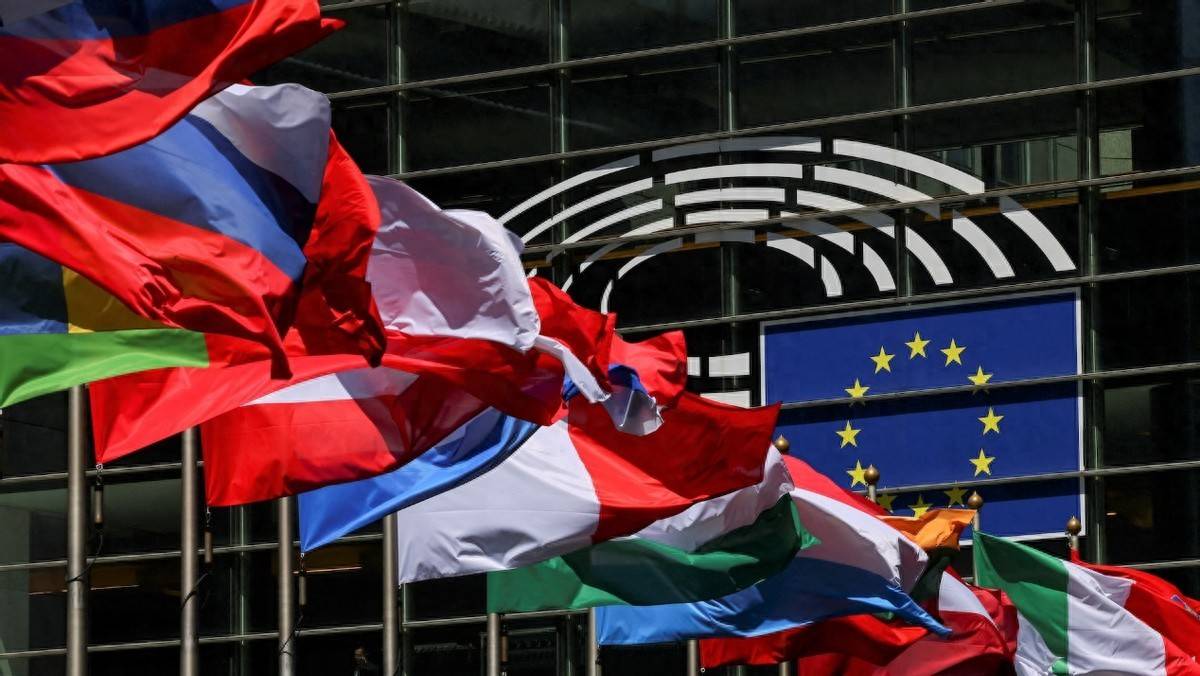
8000亿欧元贸易额说断就断?马克龙盯上中国稀土,德国人第一个不答应
Sou Hu Cai Jing· 2025-11-03 18:38
Group 1 - The core issue in Europe is the potential use of the "anti-coercion tool" against China, which has been dormant for nearly two years, raising questions about the unity of EU member states in this gamble [3][6] - Macron's focus is on China's rare earth export controls, as he seeks to shift domestic political attention and secure a share in the global supply chain restructuring [3][6] - The economic interdependence between Europe and China is significant, with the EU-China trade volume reaching €800 billion before 2024, making China the largest source of imports for the EU and the second-largest export market [3][4] Group 2 - The "anti-coercion tool" includes measures such as tariffs, public procurement restrictions, and investment limitations, but its implementation requires a majority vote from EU member states, complicating its use [6][9] - The tool is perceived more as a bargaining chip rather than a weapon, as any retaliatory measures from China could adversely affect various European industries, including agriculture and automotive [6][9] - Macron's push for a hardline stance is seen as a political strategy to divert attention from domestic issues, but it risks escalating tensions in a globally interconnected economy [6][9] Group 3 - China's response to the situation has been calm, with advancements in semiconductor self-research and a willingness to engage with European companies in green transitions [7][9] - The broader European challenge is not unique to France, as the entire continent faces transformation pains, and blaming external factors will not resolve underlying issues [9] - A more pragmatic approach to China is suggested, emphasizing cooperation amidst competition and seeking consensus rather than confrontation [9]

一觉醒来,中美发布联合声明,这13个字的出现,让全球松了一口气
Sou Hu Cai Jing· 2025-08-12 07:58
Group 1 - The joint statement between China and the U.S. to pause the implementation of a 24% tariff for 90 days has significantly impacted global financial markets, leading to a rise in major Asian stock indices and fluctuations in commodities like oil and gold [1][3][12] - The bilateral trade volume between China and the U.S. reached $2.6 trillion in the first half of the year, highlighting the deep interdependence of global supply chains on U.S.-China trade relations [3][12] - The decision to pause tariffs has temporarily improved risk appetite among investors, leading to a rebound in stock markets and a shift of safe-haven funds back into equities [3][12] Group 2 - The 90-day negotiation window allows both countries to explore potential compromises while maintaining a dynamic balance of pressure, with the U.S. retaining a 10% baseline tariff and China keeping some countermeasures [7][14][16] - The negotiations have been characterized by a series of meetings in neutral locations, which have facilitated a more focused discussion on technical issues and the exchange of conditions [5][8] - The agricultural sector in the U.S. has shown signs of recovery, with soybean exports to China increasing by 23% and corn exports by 17% in the second quarter, indicating the significant impact of tariff policies on U.S. agriculture [12][16] Group 3 - The joint statement was strategically timed to send a stabilizing signal to global markets, with both countries emphasizing their commitment to cooperation while addressing specific demands [8][10] - The ongoing trade tensions have prompted international companies to adopt a "wait-and-see" approach, enhancing their order management and risk mitigation strategies [19] - The potential outcomes of the negotiations are critical, as a successful agreement could lead to a recovery in global trade, while a breakdown could trigger renewed market volatility [17][19]
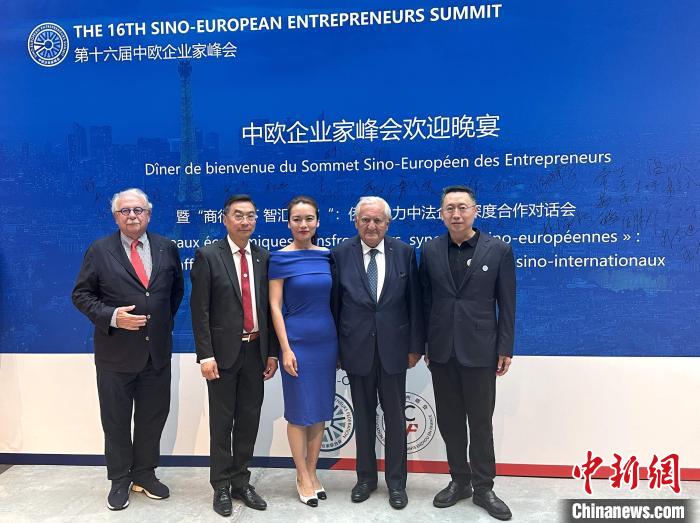
“商行天下,智汇中欧”侨商助力中法企业深度合作对话会在巴黎举办
Zhong Guo Xin Wen Wang· 2025-06-08 10:58
Core Viewpoint - The 16th China-Europe Entrepreneurs Summit aims to enhance cooperation between Chinese and French enterprises through the support of overseas Chinese businesspeople, emphasizing mutual benefits and deeper collaboration between China and Europe [1][3]. Group 1: Event Overview - The summit took place in Paris on June 5, organized by the China Foreign Entrepreneurs Association and the French Wenzhou Chamber of Commerce [1][3]. - Key attendees included Chinese and French dignitaries, such as Chen Dong, the Chinese Embassy's Minister, and former French Prime Minister Raffarin [1][3]. Group 2: Key Messages from Speakers - Raffarin highlighted the need for cooperation over confrontation in the current international landscape, urging China and France to strengthen their partnership for mutual benefit [3]. - Dong Bin, the chief representative of the China Foreign Entrepreneurs Association, emphasized the importance of Chinese enterprises seizing opportunities in artificial intelligence and digital economy to deepen cooperation with Europe [3]. - Xu Bo, president of the "Friends of Wu Jianmin Association," discussed the significance of enhancing cooperation between China, France, and Europe [3]. - Li Yunting, president of the French Wenzhou Chamber of Commerce, outlined the unique value that overseas Chinese businesspeople bring to Chinese enterprises looking to expand internationally, focusing on three roles: innovating international pathways, acting as cultural "decoders," and creating a "dual empowerment" business ecosystem [3]. Group 3: Dialogue and Consensus - The dialogue segment featured various Chinese and French business representatives discussing how to achieve win-win cooperation between Chinese and French enterprises [4]. - Participants agreed that the current period presents a crucial opportunity for deepening cooperation and expanding markets, particularly in light of global industrial chain restructuring and digital transformation [5]. - The role of overseas Chinese businesspeople as a bridge to facilitate precise project implementation between China and France was emphasized [5].
清科倪正东:一级市场亟需更好的流动性
投资界· 2024-12-10 08:47
期待拐点。 报道 I 投资界PEdaily 2 0 2 4年12月10 - 11日,由中共重庆市委金融委员会办公室指导,清科创业、投资界主办, 重庆渝富控股集团联合主办的"第二十四届中国股权投资年度大会"走进西部金融中心重 庆。作为股权投资行业晴雨表,本次大会将以"万象耕新"为主题,回顾行业风云,重塑 格局策略,探索价值发现,持续为中国股权投资行业注入力量。 今天会上,清科集团创始人、董事长,清科创业CEO倪正东带来一组全新的数据,解读 中国创投行业最新景象。今年环境变化比想象中更大,数字背后,反映了创投行业的洗牌 期到来。此情此景,相信每一位从业者都有一番切身感触。 以下为演讲实录, 经投资界(ID:peda il y 20 1 2)编辑: 大家好久不见。这是我们第一次在中西部开投资界的年度论坛,很高兴来到重庆。 转眼2 4年过去了,依稀记得200 1年中国股权投资行业刚刚起步,那年创投市场的寒冬也 很漫长。经历过去2 0多年的增长,行业已经发展到现在非常庞大的规模。 2 4年一晃而过,最近两年中国股权投资行业面临重塑。种种变化与挑战之下,今年的创 投市场让人感受异常深刻。数据总能客观揭示中国创投行业的最新 ...