
XR头显

Search documents
数字消费已占我国居民消费支出总额近半
Xin Lang Cai Jing· 2025-12-21 16:36
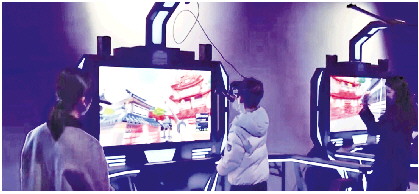
Core Insights - The report indicates that China's digital consumption reached 9.37 trillion yuan in the first half of 2025, accounting for nearly half of total household consumption expenditure [2][5] - Digital consumption is evolving as a new consumption model, expanding the consumption space and becoming a significant driving force for the economy [2] Group 1: Digital Consumption Trends - The user base for digital consumption has surpassed 958 million, with Generation Z accounting for 261 million users, representing 27.2% of the total [3] - The elderly population (60 years and above) constitutes 117 million digital consumers, making up 12.2% of the user base, showing a mix of price comparison and impulsive buying behaviors [3] - Rural digital consumers number 249 million, which is 26.0% of the total, indicating a balanced participation in online consumption subsidies compared to urban areas [3] Group 2: Innovations in Consumption Spaces - Digital technologies are reshaping physical commercial spaces, with new business models like digital business circles and smart districts injecting new vitality into the consumption market [4] - The Hangzhou Lakeside Pedestrian Street has undergone digital service upgrades to create a multi-dimensional consumption scene, enhancing visitor experiences through technology [4] - The report highlights a growing trend in digital cultural tourism, with micro-short drama users reaching 626 million and online gaming users at 584 million, indicating a rich supply of digital entertainment content [4] Group 3: Evolving Consumer Preferences - Digital consumption is entering a phase where practicality and experience are equally prioritized, with 67.1% of online shoppers focusing on product practicality and 60.6% willing to pay for personal enjoyment and emotional value [5] - A significant portion of consumers (16.8%) utilize online subsidies for purchasing new products, while 14.7% prefer second-hand platforms for buying used items [5] - Consumers are increasingly blending fast online shopping with immersive offline experiences facilitated by VR/AR technologies [5] Group 4: Immersive Experience Consumption - The XR experience space at the Qin Shi Huang Mausoleum has attracted over 20,000 visitors in three months, showcasing the growing acceptance and enthusiasm for immersive digital experiences [6] - VR experience venues in cities like Nanchang are witnessing high foot traffic, indicating a rising interest among young consumers in immersive activities [6] - The digital economy is driving deeper engagement in immersive experience consumption, reflecting a shift in consumer behavior towards experiential offerings [6]

线上“快”购物与线下“慢”体验交融共生 感知9.37万亿元、9.58亿人背后数字消费澎湃活力
Yang Shi Wang· 2025-12-21 09:03
Group 1 - The core viewpoint of the report indicates that digital consumption in China is rapidly expanding, with a total expenditure of 9.37 trillion yuan expected in the first half of 2025, accounting for nearly half of total household consumption spending [1][5] - The report highlights that the user base for digital consumption has surpassed 958 million, with the "Z generation" making up 261 million users, representing 27.2% of the total, and being the main consumers of smart products, digital content, and emotional spending [6] - The report also notes that the elderly population (aged 60 and above) constitutes 12.2% of digital consumers, with 11.7 million users engaging in both price comparison and impulsive purchases during live broadcasts [7] Group 2 - Rural digital consumers number 249 million, making up 26.0% of the total, with their participation in online consumption subsidies being comparable to urban areas [8] - The report emphasizes the importance of diverse digital consumer groups across different ages and regions, which lays the foundation for a multi-faceted digital consumption market [10] - Digital services are deeply integrated into daily life, with online food delivery consumption exceeding 1 trillion yuan and online services in healthcare, education, and domestic services surpassing 500 billion yuan [17] Group 3 - The report indicates a shift towards a balance between practicality and experience in digital consumption, with 67.1% of online shoppers prioritizing product practicality and 60.6% willing to pay for personal interests and emotional value [19][21] - Immersive digital experiences, such as VR and AR, are becoming increasingly popular, with projects like the XR experience at the Terracotta Army attracting over 20,000 visitors in just three months [23] - The growing acceptance and enthusiasm for VR experiences among consumers, particularly the youth, is evident, with many engaging in various immersive activities [25][26]

视频丨一组数据看懂我国数字消费潜力
Yang Shi Xin Wen Ke Hu Duan· 2025-12-21 07:06
Core Insights - The report indicates that China's digital consumption reached 9.37 trillion yuan in the first half of this year, accounting for nearly half of total household consumption expenditure [1][3] - Digital consumption is evolving as a new consumption model, expanding the consumption space and becoming a significant driving force for overall consumption [1] Digital Consumption Scale - By the first half of 2025, the scale of digital consumption based on goods, services, and content is projected to reach 9.37 trillion yuan, representing 46.5% of total household consumption expenditure [3][5] - The number of digital consumption users has surpassed 958 million, with the "Z generation" accounting for 261 million users (27.2%), and the elderly (60 years and above) comprising 117 million users (12.2%) [5][6] Consumer Behavior Trends - Different age groups and regions contribute to a diverse digital consumption market, with rural digital consumers at 249 million (26.0%) [5][6] - 67.1% of online shoppers prioritize product practicality, while 60.6% are willing to pay for personal interests and emotional value [22] Integration of Digital and Physical Spaces - Digital technologies are reshaping physical commercial spaces, with new business models like digital shopping districts and smart neighborhoods accelerating the integration of online and offline consumption [7][15] - The report highlights the success of interactive live streaming and digital product spaces in urban areas, enhancing consumer engagement and driving foot traffic [9][11] Immersive Experience in Digital Consumption - The report notes a shift towards a balance between practical and experiential digital consumption, with consumers seeking both convenience and immersive experiences [16][19] - Popularity of VR and AR technologies is rising, with significant engagement in immersive experiences, such as the XR experience at the Terracotta Army site attracting over 20,000 visitors in three months [19][21]

文旅科技融合、特色场景赋能 首发经济激活消费市场
Sou Hu Cai Jing· 2025-12-16 01:12
Group 1 - The "first-store economy" has become a significant engine for activating the consumer market this year, with various regions implementing innovative measures to continuously unleash domestic demand potential and inject strong momentum into economic growth [1] - In Xi'an, Shaanxi, the integration of the first-store economy with cultural tourism and technology has led to the popularity of tech-based first-store outlets, driving urban economic growth [3] - The Qin Shi Huang Mausoleum's XR experience project has attracted over 20,000 visitors in three months, allowing tourists to engage with the historical site through digital technology [5] Group 2 - Xi'an has introduced a policy offering up to 1 million yuan in subsidies for first stores, activating commercial vitality through a "first store + business district" linkage model, resulting in the introduction of 279 first stores and 186 launch events from January to November this year [7] - In Fujian, the "All Fujian Shopping" initiative has activated county-level consumption potential, featuring various benefits such as consumption vouchers and government subsidies at local markets, enhancing consumer experiences [9] - Fujian plans to support the creation of a hub for domestic and international brand launches with a special fund of 20 million yuan by 2025, while the province's retail sales of consumer goods reached 1,865.365 billion yuan in the first three quarters, marking a 5.4% year-on-year increase [9]

一口气发4款新品,谷歌发布会被所有人低估了:AI野心显露
3 6 Ke· 2025-12-11 01:13
Core Insights - Google has unveiled its Android XR device roadmap and showcased a prototype AI glasses in collaboration with Samsung, marking a significant step in its XR strategy [1][3] - The event emphasized the integration of Gemini with Android XR, positioning it as a new computing platform rather than just an Android version for headsets [1][3] Product Lines - Google introduced four product lines: XR headsets, AI glasses, wired XR glasses, and future wireless XR glasses, all sharing the same system capabilities and development stack [4][6] - The XR headsets, represented by Samsung's Galaxy XR, serve as a platform anchor, providing a complete reference for Android XR's capabilities [6][10] Development Strategy - Google aims to avoid a top-down hardware approach like Apple's, instead opting for a collaborative model where hardware development is left to various manufacturers while Google defines the system [4][5] - The Android XR SDK is continuously updated, incorporating familiar tools for developers, allowing for a seamless transition into XR development without requiring a complete shift in focus [21][27] AI Integration - Gemini is positioned as a core component of the Android XR ecosystem, enhancing user interaction by understanding context and task states, rather than merely functioning as an application or assistant [14][15] - The integration of AI into the XR experience is designed to be intuitive, minimizing learning curves and allowing users to interact naturally with the system [15][27] Market Positioning - Google's conservative approach in not rushing to define a single hardware form factor allows Android XR to remain flexible and adaptable in a rapidly evolving market [20][28] - The strategy reflects a broader ambition to redefine Android itself, positioning AI as a central element across various devices and applications, not limited to XR [28]


可识别唇语,苹果的新专利可能会解救头戴设备
3 6 Ke· 2025-12-01 02:18
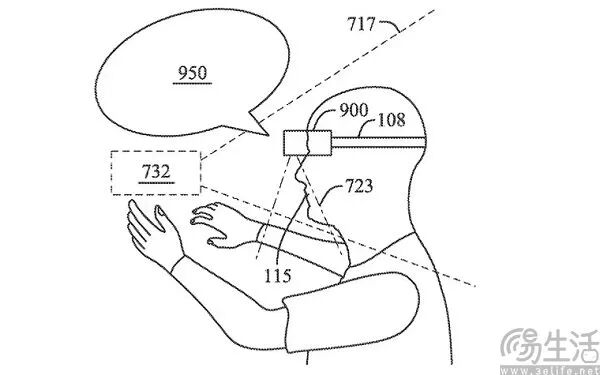
Core Viewpoint - Apple is developing a new patent for its Vision Pro headset that will enable lip-reading capabilities, allowing users to issue commands without speaking, which could significantly enhance user interaction with wearable devices [1][3]. Group 1: Patent and Technology Development - The patent titled "Electronic Device with Voice Input Structure" describes a scenario where the device can read lip movements through built-in visual sensors when the wearer is unable to speak [3][12]. - If successfully implemented, this technology could have a substantial positive impact on all current head-mounted devices [3]. Group 2: Market Context and Challenges - The AI glasses market is experiencing a surge, with companies like Xiaomi and Alibaba entering the space, but these products face significant challenges, including a high return rate of 40%-50% on platforms like Douyin [3][8]. - Users have expressed concerns about the practicality of voice interaction in public settings, where speaking aloud can lead to discomfort and privacy issues [6][8]. Group 3: Interaction Methods and User Experience - Traditional interaction methods for smart glasses, such as touch controls on the frame, are ergonomically challenging, leading to user fatigue [10]. - Voice interaction, while advanced in semantic recognition, still requires users to speak out loud, which can be socially uncomfortable in public environments [6][10]. Group 4: Future Implications - The ability to use lip-reading for command input could alleviate the social pressures associated with voice interaction, potentially transforming AI glasses and XR headsets from niche products to mainstream consumer electronics [10][14]. - By training AI models to recognize lip movements across different languages, the barriers to widespread adoption of these devices in public settings could be significantly reduced [12][14].

三星正式宣布进军AI眼镜领域,AI眼镜行业加速爆发
Xuan Gu Bao· 2025-10-22 15:14
Group 1 - Samsung has officially entered the AI glasses market, collaborating with Google and well-known eyewear brands like Gentle Monster and Warby Parker to integrate AI technology with fashion design [1] - The new AI glasses will be based on the Android XR system and will deeply integrate Google's Gemini multimodal AI model for a seamless user experience [1] - The AI glasses market has seen explosive growth this year, with nearly 30 new AI glasses products launched in the first half of 2025 and around 10 more expected in the fourth quarter [1] Group 2 - IDC data indicates that global smart glasses shipments are expected to reach 2.555 million units in Q2 2025, representing a year-on-year growth of 54.9%, with China's market showing even more impressive growth at 664,000 units and a 145.5% increase [1] - Market research institutions are optimistic about the AI glasses sector, predicting significant growth over the next 5-6 years, with the market size expected to reach $300-500 million by 2026 [1] - The share of the Chinese market is projected to increase from 20% in 2024 to 40% by 2030, becoming a key driver of global growth [1] Group 3 - GoerTek is providing vertical integration product solutions and one-stop R&D manufacturing services for AI smart glasses and other smart hardware devices to leading global clients [2] - Xunwei Communication is collaborating with multiple AI glasses manufacturers to supply antennas and precision structural components [3]
蓝思科技(300433) - 2025年4月17日投资者关系活动记录表
2025-04-17 10:32
Group 1: Company Performance and Financials - The company achieved a revenue of 69.897 billion yuan in 2024, representing a year-on-year growth of 28.27%, and a net profit of 3.624 billion yuan, up 19.94% year-on-year [9] - The company plans to distribute a cash dividend of 4.00 yuan per 10 shares for the 2024 fiscal year [7] - The company’s assembly business revenue increased by 97.42% in 2024, with a net profit margin of 1.61%, indicating strong growth in this segment [11] Group 2: Growth Drivers and Strategic Initiatives - Future growth drivers include deepening customer and business expansion in consumer electronics and new energy vehicles, as well as new projects in folding screens, smart automotive glass, humanoid robots, and AI glasses [10][12] - The company is focusing on vertical integration of the supply chain, providing comprehensive precision manufacturing services from product design to large-scale assembly, enhancing overall revenue and profit scale [10][13] - Continuous improvement in lean management and R&D collaboration in glass, metal materials, and functional modules to seize opportunities in emerging fields like AI terminals and smart vehicles [10][5] Group 3: Impact of Trade Policies and Market Conditions - The company has established a robust global supply chain, with 58% of its overseas business in 2024, primarily consisting of components and functional modules, which helps mitigate tariff risks [6][8] - The company’s proactive global layout and diversified development strategy have strengthened its resilience against external market fluctuations, with limited expected impact from changes in tariff policies [6][8] - The company is prepared to utilize 500 million to 1 billion yuan for share repurchase to stabilize stock prices amid market volatility [7] Group 4: Future Plans and Market Positioning - The company is planning to list in Hong Kong to expand its global business footprint and enhance delivery capabilities, with funds raised aimed at developing folding screens, smart automotive components, and AI glasses production [8][14] - The company does not plan to create a direct-to-consumer brand, focusing instead on being a leading provider of precision manufacturing solutions for brand clients [3]
