Xiaomi miclaw

Search documents
智能体应用研究系列(一):AI应用元年,OpenClaw引领Agent发展
CMS· 2026-03-30 09:17
Investment Rating - The report maintains a positive investment rating for the AI application industry, particularly focusing on OpenClaw and related sectors [3]. Core Insights - The report emphasizes that the industry has entered a new phase of collaboration between major tech companies and local policies, with cloud computing services being the most certain direction for growth [1]. - OpenClaw is identified as the fastest-growing open-source AI agent application framework globally, with significant advancements in product positioning, technical architecture, and market dynamics [1][10]. - The report suggests actively monitoring key players in cloud computing, domestic computing chips, computing leasing, and AI infrastructure sectors [1]. Summary by Sections 1. Overview of OpenClaw - OpenClaw is an open-source, cross-platform AI agent application framework designed for local operation and message-driven interaction, significantly lowering user deployment barriers [10]. - The framework has rapidly gained popularity due to its user-friendly installation and configuration processes, allowing for quick deployment and usability [12][26]. 2. Development Trajectory - OpenClaw achieved remarkable growth, becoming one of the most popular open-source projects within four months of its launch, surpassing established frameworks like React in GitHub stars [15][17]. - The project has undergone significant milestones, including rebranding and community engagement, which have contributed to its rapid expansion [13][14]. 3. Industry Attention and Ecosystem Growth - The ecosystem surrounding OpenClaw has seen explosive growth, with over 39,802 skills available in the ClawHub skill store, driven by contributions from a large developer community [18][19]. - Major cloud service providers have responded quickly to OpenClaw's rise, offering one-click deployment solutions, which enhance accessibility for enterprise users [22][24]. 4. Technological Innovations - OpenClaw's unique features include a simplified skill extension mechanism through SKILL.md, which allows for natural language programming, significantly lowering the barrier for skill development [28]. - The framework employs a lane-aware FIFO queue for task scheduling and a layered memory architecture to optimize performance in complex task scenarios [30][32]. 5. Strategic Moves by Tech Giants - Major tech companies, including NVIDIA, Google, and AWS, are actively positioning themselves in the AI agent space, launching products and services that integrate with OpenClaw [42][44][46]. - Domestic tech giants like Tencent, Baidu, and Xiaomi have also quickly adapted to OpenClaw's capabilities, launching various applications and services that leverage its framework [47][49][52].
AI产业跟踪:OpenClaw迎来最大规模更新
GUOTAI HAITONG SECURITIES· 2026-03-29 08:53
Investment Rating - The report does not explicitly provide an investment rating for the AI industry Core Insights - The AI industry is experiencing significant advancements, with OpenClaw undergoing its largest update to date, positioning itself as a cross-platform personal AI assistant [33][34] - The establishment of industry standards in embodied intelligence and AI safety governance indicates a move towards more structured and secure AI applications [5][6] - Major investments and strategic shifts are occurring, such as Arm's entry into semiconductor manufacturing and Brookfield's acquisition of Boralex to create a comprehensive AI infrastructure [13][17] AI Industry Dynamics - The first industry standard for embodied intelligence was officially released, focusing on benchmark testing methods and performance measurement [5] - The Ministry of Industry and Information Technology announced AI safety governance standards, marking a significant step towards standardized safety protocols in AI interactions [6] - Guangzhou and Shenzhen are implementing plans to enhance AI computing infrastructure, aiming for high-quality development in the AI server industry by 2028 [7][8] AI Computing Insights - Google introduced the TurboQuant compression algorithm, achieving approximately six times memory savings for AI systems [12] - Arm announced its entry into AI CPU manufacturing, targeting high-efficiency computing for AI tasks [13] - Intel expanded its Arc Pro series of graphics cards, enhancing its competitive position in the AI development market [19] AI Large Model Insights - The "Rui Zhi" security large model from Guodian Nanrui passed a significant evaluation, becoming the first in the energy sector to achieve such certification [20] - The "Surgery Shadow" model from the Chinese Academy of Sciences is the largest and most comprehensive surgical video model to date, showcasing advanced capabilities in surgical scene understanding [21][22] - JD.com released the open-source JoyAI-LLM Flash model, which has shown strong performance in various benchmarks [23] AI Application Insights - The OpenClaw safety usage guidelines were released to help users safely utilize the AI assistant [29] - Xiaomi's first AI product, "Xiaomi miclaw," has entered testing, integrating deep learning capabilities into its ecosystem [31] - Chengdu is proposing policies to support AI OPC development, with subsidies reaching up to 25 million yuan [30] AI Technology Frontiers - The Chinese Academy of Sciences launched the next-generation "Kunming Lake" architecture and operating system, marking a significant advancement in RISC-V technology [38] - A new optimization algorithm, PISA, was proposed by researchers at Beijing Jiaotong University, improving efficiency in AI model training [39][40]




试用近10个AI助理,我决定自己把活干了
创业邦· 2026-03-28 03:45
Core Viewpoint - The article discusses the rapid advancements in AI technologies, particularly focusing on tools like OpenClaw, Claude, and Manus, and their implications for productivity and user interaction with computers [8][10][12]. Group 1: AI Tools and Their Features - Anthropic's Claude has introduced a desktop application that allows users to control their computers, performing tasks like opening files and using browsers, with a focus on user safety through permission requests [10][12]. - OpenClaw is described as a system-level technology that translates natural language into commands for computer files, while Claude relies on visual models to interact with the user interface [12]. - Manus, another AI tool, operates through command line instructions and can automate tasks across devices, although it currently faces limitations in accurately executing user commands [16][18]. Group 2: Market Response and Development - Major smartphone manufacturers, including Xiaomi and Huawei, have begun testing their own AI agents, indicating a competitive landscape similar to the early days of Android [19][21]. - Various tech giants are actively integrating OpenClaw into their platforms, with companies like JD, Tencent, and Alibaba packaging it into user-friendly applications [23][25]. - Alibaba has launched a B2B agent named Accio, aimed at cross-border e-commerce, showcasing the trend of specialized AI agents for specific market needs [32][41]. Group 3: Financial Investments in AI - Alibaba has established a new business unit focused on AI, merging several departments under CEO Wu Yongming, while Tencent reported over 18 billion yuan invested in AI products in the previous year [29][30]. - Baidu's financial report indicates that AI business revenue constitutes 43% of its overall income, highlighting the growing importance of AI in major tech companies [29]. Group 4: User Experience and Challenges - Users have expressed mixed experiences with AI tools, noting that while they can automate tasks, they often require significant user input and may not always perform as expected [17][47]. - The article emphasizes the need for clear use cases for AI, as many users struggle to find effective applications for these technologies in their daily work [51][52]. - The concept of "tokens" is introduced, indicating that the operational costs of using AI tools can be high, which may deter users from fully utilizing these technologies [54][56].




当小米不再需要「奇迹」
雷峰网· 2026-03-26 10:06
Core Viewpoint - Xiaomi is entering a more mature and confident phase after over a decade of innovation, as evidenced by the successful launch of the new Xiaomi SU7 and the positive financial results from its automotive business [1][3][21]. Group 1: Product Launch and Market Response - The new Xiaomi SU7 was launched with a price increase of 4,000 yuan across all versions, yet it achieved over 15,000 orders within 34 minutes and surpassed 30,000 orders in three days, indicating strong consumer acceptance [1][3]. - The first-generation SU7 had a cumulative delivery of 381,000 units, making it the best-selling car in the domestic market priced above 200,000 yuan [8][15]. Group 2: Financial Performance - Xiaomi's automotive business reported an annual operating profit of 900 million yuan for 2025, with total revenue reaching 106.1 billion yuan, a year-on-year increase of 223.8% [3][21]. - The company’s R&D investment reached 331 billion yuan in 2025, a 37.8% increase, with a total of 1,055 billion yuan invested over the past five years [13][14]. Group 3: Strategic Shift and Long-term Vision - Xiaomi is transitioning from a startup mentality to a more stable and methodical approach, focusing on building a robust automotive ecosystem and emphasizing product quality over mere marketing [4][11]. - The company plans to double its R&D investment to over 200 billion yuan in the next five years, indicating a commitment to long-term technological innovation [13][14]. Group 4: Market Position and Competitive Landscape - Xiaomi's SU7 has become a preferred alternative to the Tesla Model 3, with over 30% of its owners coming from traditional luxury brands like BBA (Benz, BMW, Audi) [15][16]. - The automotive market landscape in China is changing, with Xiaomi's approach proving effective against traditional luxury brands facing declining sales [15][21]. Group 5: Future Challenges and Opportunities - Despite the successes, Xiaomi faces challenges such as expanding production capacity, improving supply chain integration, and maintaining profit margins amid increasing competition [20][21]. - The company is positioned to leverage its comprehensive smart ecosystem and technological capabilities to lead in the next phase of industrial transformation [20][21].

小米集团-W:关注后续AI等创新领域的进展-20260326
BOCOM International· 2026-03-26 08:24
Investment Rating - The investment rating for the company is Neutral with a target price of HKD 37.00, indicating a potential upside of 13.2% from the current price of HKD 32.68 [1][3][13]. Core Insights - The company reported a total revenue of RMB 116.9 billion for Q4 2025, representing a year-on-year increase of 7%. The gross margin improved slightly by 0.2 percentage points to 20.8%, while the adjusted net profit decreased by 24% to RMB 6.35 billion [2][8]. - The company continues to face storage cost pressures and is focusing on advancements in AI and other innovative fields, as well as the international expansion of its automotive and AIoT businesses [2][7]. - The company forecasts total revenues of RMB 493.2 billion for 2026, with an adjusted EPS of RMB 1.53, maintaining previous estimates [7][9]. Financial Overview - Revenue projections for the company are as follows: - 2024: RMB 365.9 billion - 2025: RMB 457.3 billion - 2026E: RMB 493.2 billion - 2027E: RMB 551.0 billion - 2028E: RMB 599.9 billion [6][14]. - The adjusted net profit is expected to be: - 2024: RMB 23.7 billion - 2025: RMB 41.6 billion - 2026E: RMB 33.7 billion - 2027E: RMB 40.7 billion - 2028E: RMB 47.5 billion [6][14]. - The company’s market capitalization is approximately HKD 701.1 billion, with a 52-week high of HKD 60.15 and a low of HKD 31.58 [5][6]. Business Segments Performance - The automotive segment is projected to generate revenue of RMB 106.1 billion in 2025, with a year-on-year growth of 224%, and is expected to achieve positive operating profit [7]. - The AIoT segment is anticipated to generate RMB 123.2 billion in revenue, reflecting an 18% year-on-year increase, with an improved gross margin of 23.1% [7]. - The smartphone business is expected to see a revenue decline of 3%, with a gross margin decrease of 1.8 percentage points to 10.9% [7].

小米集团-W(01810):关注后续AI等创新领域的进展
BOCOM International· 2026-03-26 07:32
Investment Rating - The investment rating for the company is Neutral with a target price of HKD 37.00, indicating a potential upside of 13.2% from the current price of HKD 32.68 [1][3][12]. Core Insights - The company reported a total revenue of RMB 116.9 billion for Q4 2025, representing a year-on-year increase of 7%. However, the adjusted net profit decreased by 24% to RMB 6.35 billion, highlighting ongoing pressure from storage costs [2][8]. - The company is focusing on advancements in AI and other innovative fields, with significant investments planned in AI technologies, including a projected RMB 160 billion in 2026 and a cumulative investment of RMB 600 billion over the next three years [7][2]. - The automotive segment is expected to see substantial growth, with revenue projected to increase by 224% year-on-year to RMB 106.1 billion, and the company aims to sell 559,000 vehicles in 2026 [7][2]. - The AIoT business is also anticipated to grow, with revenue expected to rise by 18% to RMB 123.2 billion, and an improvement in gross margin by 2.8 percentage points to 23.1% [7][2]. Financial Overview - Revenue projections for the company are as follows: RMB 365.9 billion in 2024, RMB 457.3 billion in 2025, RMB 493.2 billion in 2026, RMB 551.0 billion in 2027, and RMB 599.9 billion in 2028, with corresponding year-on-year growth rates of 35.0%, 25.0%, 7.9%, 11.7%, and 8.9% respectively [6][14]. - The adjusted net profit is forecasted to be RMB 23.7 billion in 2024, RMB 41.6 billion in 2025, RMB 33.7 billion in 2026, RMB 40.7 billion in 2027, and RMB 47.5 billion in 2028 [6][14]. - The company’s earnings per share (EPS) is expected to be RMB 1.10 in 2024, RMB 1.53 in 2025, and remain stable at RMB 1.53 in 2026, with a slight increase to RMB 1.73 in 2027 and RMB 1.99 in 2028 [6][14]. Valuation - The company’s valuation is based on a sum-of-the-parts (SOTP) approach, with a projected net profit of RMB 39.7 billion in 2026, leading to a price-to-earnings (P/E) ratio of 21.4 times [10][2]. - The valuation for the mobile and AIoT segments is estimated at RMB 721.8 billion, while the automotive and AI innovation business is valued at RMB 230.9 billion [10][2].
小米集团-W(01810):——小米集团-W(1810.HK)2025年报点评:持续深耕AI领域,全面赋能人车家全生态场景
Guohai Securities· 2026-03-25 14:32
Investment Rating - The investment rating for the company is "Buy" (maintained) [1][12]. Core Insights - The company reported a revenue of approximately 457.29 billion RMB for 2025, representing a year-on-year growth of 24.97%. The gross margin was approximately 22.26%, and the adjusted net profit was about 39.17 billion RMB, up 43.8% year-on-year [5][10]. - In Q4 2025, the company achieved a quarterly revenue of approximately 116.92 billion RMB, a year-on-year increase of 7.26% and a quarter-on-quarter increase of 3.36%. The gross margin for this quarter was around 20.84%, with an adjusted net profit of approximately 6.35 billion RMB, down 23.7% year-on-year [5][10]. Summary by Relevant Sections Smartphone Business - The smartphone segment faced challenges due to macroeconomic conditions, with Q4 2025 revenue of 44.3 billion RMB, a year-on-year decline of 13.6%. The shipment volume was approximately 37.7 million units, down 11.6% year-on-year, primarily due to reduced promotional activities in overseas markets. For the full year 2025, smartphone revenue was about 186.4 billion RMB, a decrease of 2.8%, with a gross margin of 10.9% [6]. IoT and Consumer Products - The IoT and consumer products segment experienced a decline in both revenue and gross margin in Q4 2025, with revenue of approximately 24.6 billion RMB, down 20.3% year-on-year. For the full year, this segment generated 123.2 billion RMB, an 18.3% increase year-on-year, with a gross margin of 23.1% [7]. Smart Electric Vehicles - The smart electric vehicle segment showed significant growth, with Q4 2025 revenue of approximately 36.3 billion RMB and a delivery volume of about 145,000 vehicles, representing a year-on-year increase of 108.2%. For the full year, the revenue from this segment was approximately 103.3 billion RMB, up 221.8% year-on-year, driven by increased delivery volumes and an average selling price (ASP) of approximately 251,000 RMB, up 7.1% year-on-year [8]. AI Development - The company continues to invest in AI, aiming to empower the "human-vehicle-home ecosystem" comprehensively. In March 2026, the company launched its flagship model Xiaomi Mimo-V2-Pro, designed for real-world agent work scenarios, featuring over 1 trillion parameters and innovative architecture [8]. Financial Projections - The company expects revenues of 538.3 billion RMB, 633.7 billion RMB, and 681.8 billion RMB for 2026, 2027, and 2028, respectively. Adjusted net profits are projected to be 43.5 billion RMB, 55.8 billion RMB, and 61.2 billion RMB for the same years, with corresponding adjusted P/E ratios of 17.1, 13.3, and 12.2 [10][11].
XIAOMI(01810) - 2025 Q4 - Earnings Call Transcript
2026-03-24 12:32
Financial Data and Key Metrics Changes - In 2025, the total group revenue reached RMB 457.3 billion, marking a 25% year-on-year increase and surpassing the RMB 400 billion mark for the first time [5][16] - Adjusted net profit for 2025 was RMB 39.2 billion, up 44% year-on-year, achieving a record high [5][23] - Overall gross profit margin improved to 22.3%, up 1.3% year-on-year, also a historical high [16] Business Segment Data and Key Metrics Changes - Revenue from the smartphones and IoT segment was RMB 351.2 billion, up 5.4% year-on-year, with a gross profit margin of 21.7% [17] - Smartphone revenue was RMB 186.4 billion, accounting for 40.8% of total revenue, with global shipments reaching 165 million units [17][18] - IoT revenue surpassed RMB 120 billion for the first time, reaching RMB 123.2 billion, reflecting an 18.3% year-on-year growth [7][19] - The smart EV and AI innovation business segment achieved annual revenue of RMB 106.1 billion, up over 200% year-on-year, and recorded an operating profit of RMB 0.9 billion for the first time [21][23] Market Data and Key Metrics Changes - In 2025, Xiaomi maintained a global smartphone market share of 13.3%, ranking in the top three for 22 consecutive quarters [5][18] - In Mainland China, Xiaomi's smartphone sales ranking rose to second, with premium models accounting for 27.1% of total smartphone sales, up 3.8 percentage points year-on-year [6][17] - The company achieved significant growth in overseas markets, particularly in Latin America and Southeast Asia, where shipment rankings improved to second [5] Company Strategy and Development Direction - Xiaomi plans to focus on breakthroughs in hardcore technology, particularly in AI and embodied intelligence, with R&D investment exceeding RMB 33 billion in 2025 and projected to exceed RMB 40 billion in 2026 [9][21] - The company aims to enhance its premium product offerings and expand its presence in mature international markets [6][7] - Xiaomi is committed to integrating AI into its ecosystem, with plans to invest RMB 60 billion in AI over the next three years [12][21] Management's Comments on Operating Environment and Future Outlook - Management acknowledged challenges in the second half of 2025 but expressed confidence in achieving growth targets for 2026 [16][52] - The company is aware of rising memory prices impacting the smartphone segment but aims to manage costs while protecting consumer pricing [27][59] - Management emphasized the importance of maintaining market position and competitive advantages through strong supplier relationships and inventory management [33][60] Other Important Information - Xiaomi's share repurchase program totaled approximately HKD 6.3 billion in 2025, reflecting confidence in the company's long-term future [24] - The company achieved a management level B score in the CDP Climate Change and Water Security Survey, and a score of 81 in EcoVadis Gold Medal for ESG efforts [25] Q&A Session Summary Question: Concerns about rising memory prices and smartphone pricing strategy - Management acknowledged the impact of rising memory prices and indicated that while they aim to protect consumers, price hikes may be necessary if pressures continue [27][32][59] Question: Sales data for new generation vehicles - Management clarified that locked orders for new vehicles are primarily from new buyers, indicating strong demand and a positive outlook for future sales [34][36] Question: AI capabilities and commercialization - Management stated that while AI models are progressing, commercialization is still in early stages, with ongoing improvements expected [40][64] Question: Impact of Middle Eastern situation on business - Management noted that the Middle Eastern market contributes only a small percentage to overall revenue, and the situation remains controllable [55] Question: Future investment in chips and IoT pricing strategy - Management confirmed continued investment in chip development as a strategic capability, while also indicating that pricing strategies for IoT products will align with those for smartphones [69][70]
雷军,只给笔记本留了十多分钟
虎嗅APP· 2026-03-20 07:39AI Processing
以下文章来源于AGI接口 ,作者梁卡尔 这种渴望认同的情绪在讲到"18向调节运动座椅"时达到了一个微妙的顶点。 面对台下一瞬间的寂静,雷军 甚至直接喊话打破沉默:"掌声不热烈,我知道大家不知道什么叫18向调节"。在宣布价格环节,他似乎全 然忘记了台下正坐着李想和何小鹏,脱口而出了那句,"相对同行更优惠"的营销话术。 这种"进击者"的亢奋曾在早年小米手机的发布会上多次出现,而这一次在小米汽车代言人舒淇与苏炳添登 场后被推向了巅峰。然而,当狂欢褪去,转场回到那台时隔四年、"重磅回归"的小米品牌笔记本时,出现 了一丝诡异的"温差"。 雷军不再向台下索要掌声了,他开始加快语速,甚至显得有些像在例行公事地念PPT。仅用了10分钟零几 秒,这款"重磅回归"的产品便完成了陈述。紧随其后的智能手表更是被浓缩到了区区5分钟。相比之下,发 布会结尾那场例行的情怀煽情,雷军足足用了3分钟。 AGI接口 . AI卷起的财富风暴。 新品或上市就面临着竞争压 出品 | 虎嗅科技组 作者 | 梁卡尔 编辑 | 苗正卿 头图 | 视觉中国 3月19日晚,在时长近120分钟的小米新春发布会上,时间被精确地划分为两个截然不同的平行世界。 前半场 ...
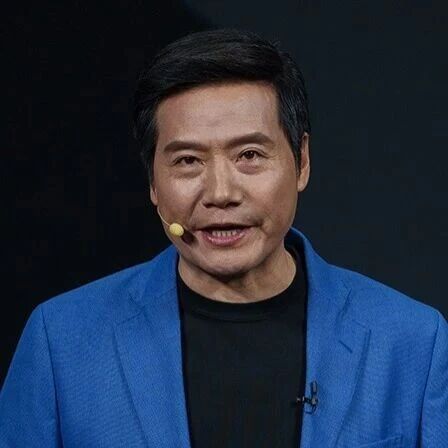
舒淇、苏炳添代言,雷军发布小米新一代SU7,售价21.99万元起,涨价4000元!王兴兴等人现身
21世纪经济报道· 2026-03-19 15:39
Core Insights - Xiaomi officially launched the new generation SU7 at a spring product launch event, with prices set at 219,900 yuan for the standard version, 249,900 yuan for the Pro version, and 303,900 yuan for the Max version [1] - The new SU7 models feature improved range, with CLTC ratings of 720 km, 902 km, and 835 km for the three versions respectively [1] - Compared to the first generation SU7, the new models have seen a price increase of 4,000 yuan, attributed to upgraded configurations and rising raw material costs [1] - The new SU7 offers nine color options across four color schemes, enhancing user customization [1] Safety Features - The new SU7 incorporates advanced safety designs, including compliance with the 2027 national standards for door handles and a three-tiered safety redundancy system [3] - This system includes an external mechanical handle, automatic unlocking after a collision, a backup power source for door locks, and an internal mechanical handle for emergency access [3] Future Investments - Xiaomi plans to invest over 60 billion yuan in AI over the next three years, indicating a strong commitment to technological advancement [3] - The company is also launching its first mobile phone, the Xiaomi miclaw, which will feature the MiMo large model integrated with its ecosystem [3] Market Response - The launch event was attended by notable figures from the automotive industry, highlighting the competitive landscape [3] - Within 34 minutes of the new SU7's release, the order volume exceeded 15,000 units, demonstrating strong market demand [3]