Huan Qiu Shi Bao

Search documents
起底美国“新门罗主义”③:“新门罗主义”扩张将威胁全球秩序走向
Huan Qiu Shi Bao· 2026-01-08 22:40
【环球时报驻巴西特派记者 陈一鸣 时元皓 环球时报驻墨西哥特派记者 谢佳宁 环球时报记者 李迅典】 编者的话: 当地时间1 月7日,委内瑞拉方面表示,美国袭击已致包括平民在内的100人死亡。"今天是委内瑞拉,明天就可能是任何一个国家",智 利总统博里奇此言道出了国际社会的普遍忧虑。自对委发动袭击并强行控制委总统马杜罗及其夫人后,美国还频繁对其他国 家发出威胁。对此,多位接受《环球时报》记者采访的拉美学者表示,拉美国家已明显感受到"寒蝉效应"。在本系列的前两 期文章中,我们为读者分析了美国"新门罗主义"呈现出的新特征,并讲述了美国两百年来如何借"门罗主义"锁住拉美的自主 发展权。本期文章将进一步揭示,"新门罗主义"背后是美帝国主义逻辑在当代的显化和扩张,这种不受国际法边界约束的权 力展示将给地区和平稳定、战后国际秩序以及美国自身带来巨大危害,值得国际社会高度警惕。 " 我们将面临一场噩梦,就像曾经的越南一样 " 在美国对委内瑞拉发动袭击并强行控制委总统及其夫人后,包括巴西总统卢拉、墨西哥总统辛鲍姆、智利总统博里奇、古巴 国家主席迪亚斯-卡内尔在内的多位拉美国家领导人都对美国的行为予以强烈谴责。上述国家的媒体密切 ...


韩国总统访华经济代表团成员接受《环球时报》专访:“中国是我们的核心战略市场”
Huan Qiu Shi Bao· 2026-01-08 22:40
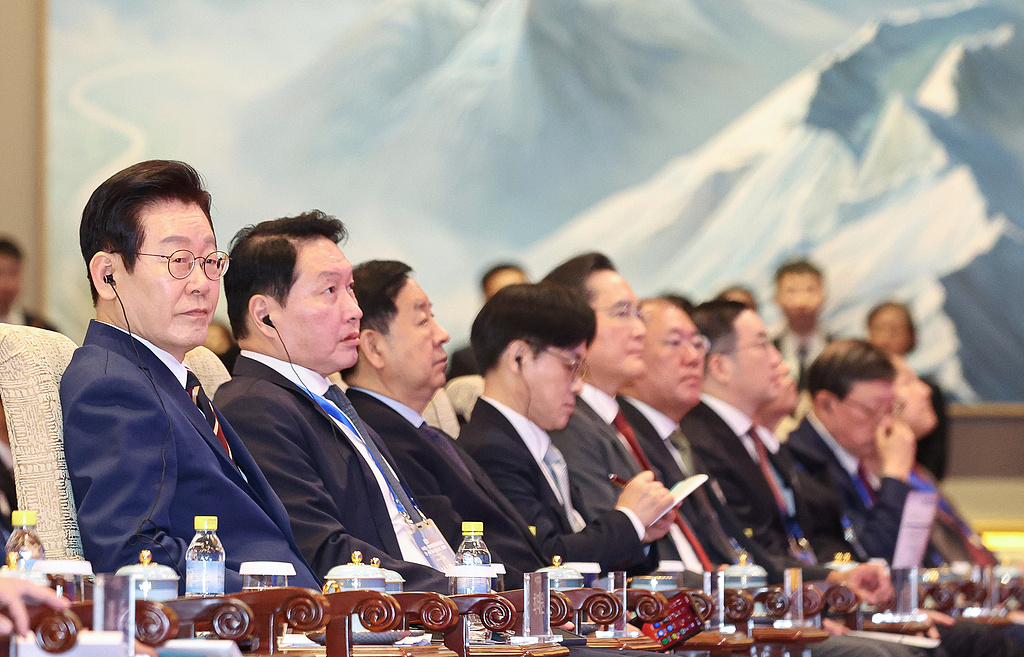
展望未来,李焕铁告诉记者,他们已制订在昆山扩大投资、扩建厂房的计划,"预计2027年起实现大规模销售,目标是在中国市场达成60亿元人民 币销售额,并推动中国法人独立上市。"除此之外,这位企业家说,爱恩斯还将在昆山开展韩中联合研发,根据中国患者的临床需求迭代产品,同 时构建韩中医生技术交流平台,让手术技术、治疗方法在深度交流中碰撞出更多火花。 【环球时报报道 记者 陈子帅】2026年伊始,中韩经贸交流热潮涌动。200余位韩国企业家组成的经济代表团随总统赴华,开启一场承载着深度合 作期许的经贸之旅。这是韩国时隔6年组织的最大规模对华经济访问团,在华期间,韩方企业家密集参与各类高端论坛,同中国企业围绕合作与技 术创新等议题深入交流、碰撞思路。接受《环球时报》记者采访的韩国企业家代表直言,代表团规模如此之大,释放一种明确信号——"韩国企业 将中国视为核心战略市场,希望通过与中国深度合作,共同发掘新的增长机遇。" " 这里是我创业路上不可或缺的土壤 " "我对中国的产业生态、市场活力有着直观的感受,这里早已是我创业路上不可或缺的土壤。"韩国熙恩斯公司创始人安重贤在接受《环球时报》 记者采访时,首先强调了他和中国密不可分 ...
印美关税谈判进入“决定性月份”,印度出口商焦虑
Huan Qiu Shi Bao· 2026-01-08 22:40
Group 1 - The prolonged US-India tariff negotiations are causing increasing anxiety among Indian exporters, with January being a critical month to secure trade agreements for contracts in the first half of 2026 [1] - In August 2025, the US government imposed punitive tariffs on Indian goods, raising the overall tariff rate on Indian products to 50%, significantly impacting labor-intensive sectors such as textiles, handicrafts, apparel, gems, and leather [1] - The tariffs implemented since August of last year have already harmed the order volumes for Indian exporters during the typically busy winter and Christmas seasons [1] Group 2 - Indian exporters are seeking alternative solutions, with some gemstone and jewelry companies establishing subsidiaries in the US to manage trade locally, while others are relocating parts of their manufacturing to countries like the UAE with lower tariffs [2] - Apparel suppliers are considering shifting some production to African countries, indicating a reduced reliance on US exports [2] - The Indian Embassy in Washington has hired a US lobbying firm to assist with trade negotiations and diplomatic discussions, led by former Trump advisor Jason Miller [2]
外媒:冷战时期的美国中情局“最凶残叛徒”死于狱中,曾多次破坏美方情报活动
Huan Qiu Shi Bao· 2026-01-08 22:40
Core Viewpoint - Aldrich Ames, a former CIA officer known as the "most notorious traitor," died in prison after being convicted for espionage during the Cold War, where he provided intelligence to the Soviet Union in exchange for money, significantly undermining U.S. intelligence operations against the USSR [1][4]. Group 1: Background and Career - Ames was born in 1941 and was the son of a CIA agent, which led him to join a CIA internship program for children of agents during high school and later being hired by the CIA after college [3]. - He quickly rose through the ranks and became the head of counterintelligence for the Soviet division in 1983, showcasing strong work capabilities [3]. Group 2: Espionage Activities - Ames struggled with severe alcoholism and had a history of losing important intelligence, which contributed to his decision to sell secrets to the KGB for financial gain [4]. - In 1985, he provided what he believed to be "worthless" information to the KGB for $50,000, which led him to escalate his betrayal, ultimately receiving $2.5 million for selling out over ten U.S. agents, resulting in their execution by the Soviets [4]. - His actions not only compromised U.S. intelligence but also led to the dissemination of false information to mislead American operatives [4]. Group 3: Capture and Aftermath - Ames's lavish lifestyle raised suspicions from the FBI, leading to his exposure and arrest in 1994, where he was sentenced to life imprisonment [4]. - A notable incident during the investigation involved a KGB defector, Yurchenko, who misled U.S. authorities by suggesting another agent was responsible for the leaks, potentially to protect Ames [5].

【史海回眸】美策动政变,危地马拉总统1954年被迫下台
Huan Qiu Shi Bao· 2026-01-08 22:40
Core Viewpoint - The article discusses the U.S. government's covert operations during the Cold War, specifically focusing on the CIA's orchestration of the coup against Guatemalan President Jacobo Árbenz in 1954, which was driven by economic interests and political control in the region [1][3]. Group 1: Historical Context - Guatemala, located in Central America, gained independence from Spanish colonial rule in 1821 and saw significant U.S. capital investment starting in the late 19th century, particularly from the United Fruit Company, which controlled the country's economic lifelines [1]. - Jacobo Árbenz was democratically elected as President in 1951 and implemented reforms such as minimum wage laws, increased investment in education, and land redistribution, which garnered popular support but conflicted with the interests of the United Fruit Company [1][3]. Group 2: U.S. Intervention - The U.S. government, concerned about Árbenz's reforms and alleged ties to the Soviet Union, initiated a covert operation to overthrow his government, approving a budget of $2.7 million for this purpose [3][4]. - The CIA's strategy included psychological warfare, airstrikes, and the recruitment of a rebel army led by Carlos Castillo Armas, which ultimately failed to achieve military success against the Guatemalan army [4]. Group 3: Aftermath of the Coup - Following Árbenz's resignation on June 27, 1954, under pressure from the U.S. and military officials, Castillo Armas was installed as president, reversing many of Árbenz's reforms and establishing a pro-U.S. regime [5]. - Castillo Armas's government reallocated land back to the United Fruit Company, revoked labor rights, and initiated a campaign against perceived communists, leading to widespread arrests and executions [5].

美媒:加利福尼亚州大火一周年,“重建房屋不足12栋”
Huan Qiu Shi Bao· 2026-01-08 22:40
Core Viewpoint - The reconstruction of homes in the Los Angeles area following last year's devastating wildfire has been extremely slow, with only 12 homes rebuilt so far, primarily due to difficulties in insurance payouts and delays in federal funding [1][3]. Group 1: Reconstruction Progress - Since the wildfire on January 7, 2025, which resulted in 31 deaths and destroyed 16,246 buildings, only about 500 buildings have begun construction, with very few homes completed [1][3]. - The estimated economic loss from the wildfire ranges between $164 billion and $250 billion [1]. Group 2: Financial Challenges - A significant barrier to reconstruction is the gap between insurance payouts and the actual costs required for rebuilding or repairing homes [3]. - Less than 20% of families who suffered total losses have settled their insurance claims, leaving many homeowners unable to initiate any substantial reconstruction efforts [3]. - Approximately 70% of affected residents are facing delays or denials in insurance claims [3]. Group 3: Federal Assistance and Political Factors - California Governor Gavin Newsom has requested $33.9 billion in federal disaster aid, but approval from the Republican-controlled government and Congress has not been granted [3]. - Political factors are significantly impacting the availability of financial support for disaster recovery [3]. Group 4: Recovery Coordination Issues - The lack of a unified coordinating agency for reconstruction has led to a fragmented recovery process, increasing individual costs and missing opportunities for systematic infrastructure upgrades to reduce future wildfire risks [3]. - There have been calls for the establishment of a single government agency to oversee reconstruction efforts, but progress on this front has stalled [3].

财经观察:自动驾驶赛道,中国车企能有哪些突破?
Huan Qiu Shi Bao· 2026-01-08 22:40
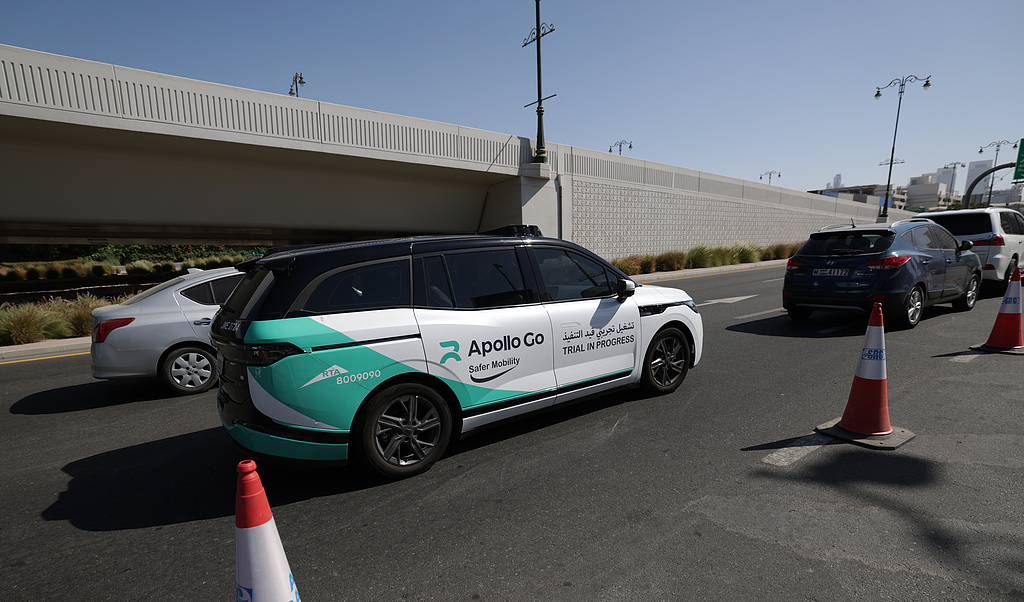
Core Insights - The CES 2023 highlights a shift in the automotive industry, with a focus on autonomous driving technology rather than new electric vehicle (EV) models, indicating a significant trend towards automation in the next decade [1][3] - The competition between China and the U.S. in the autonomous driving sector is intensifying, with Chinese companies like Baidu's "Luobo Kuaipao" emerging as strong competitors to U.S. firms like Waymo [5][6] Group 1: Autonomous Driving Technology - NVIDIA's CEO predicts that autonomous driving will become one of the fastest-growing technology industries in the next ten years, emphasizing its importance [3] - The differences in autonomous driving services between the U.S. and China are notable, with Chinese services like "Luobo Kuaipao" operating without safety drivers and demonstrating quicker responses to complex situations compared to U.S. counterparts [2][5] - The Middle East is becoming a key market for autonomous driving, with companies like Baidu and WeRide obtaining licenses for fully autonomous operations, showcasing the region's supportive policies and unique challenges [6][7] Group 2: Market Dynamics and Future Trends - The global autonomous driving market is expected to see significant advancements, with predictions of widespread commercial deployment of autonomous taxis by 2030 [7] - The automotive industry is evolving towards a future where vehicles are not just modes of transport but also platforms for computing and energy storage, driven by AI and customization [8] - Despite leading in battery technology, Chinese automakers face challenges in the smart driving sector, indicating a need for advancements in autonomous driving capabilities to enhance market value [9]

美国霸权的拉美棋局(上):1989年,美国出兵强抓巴拿马领导人
Huan Qiu Shi Bao· 2026-01-08 22:40
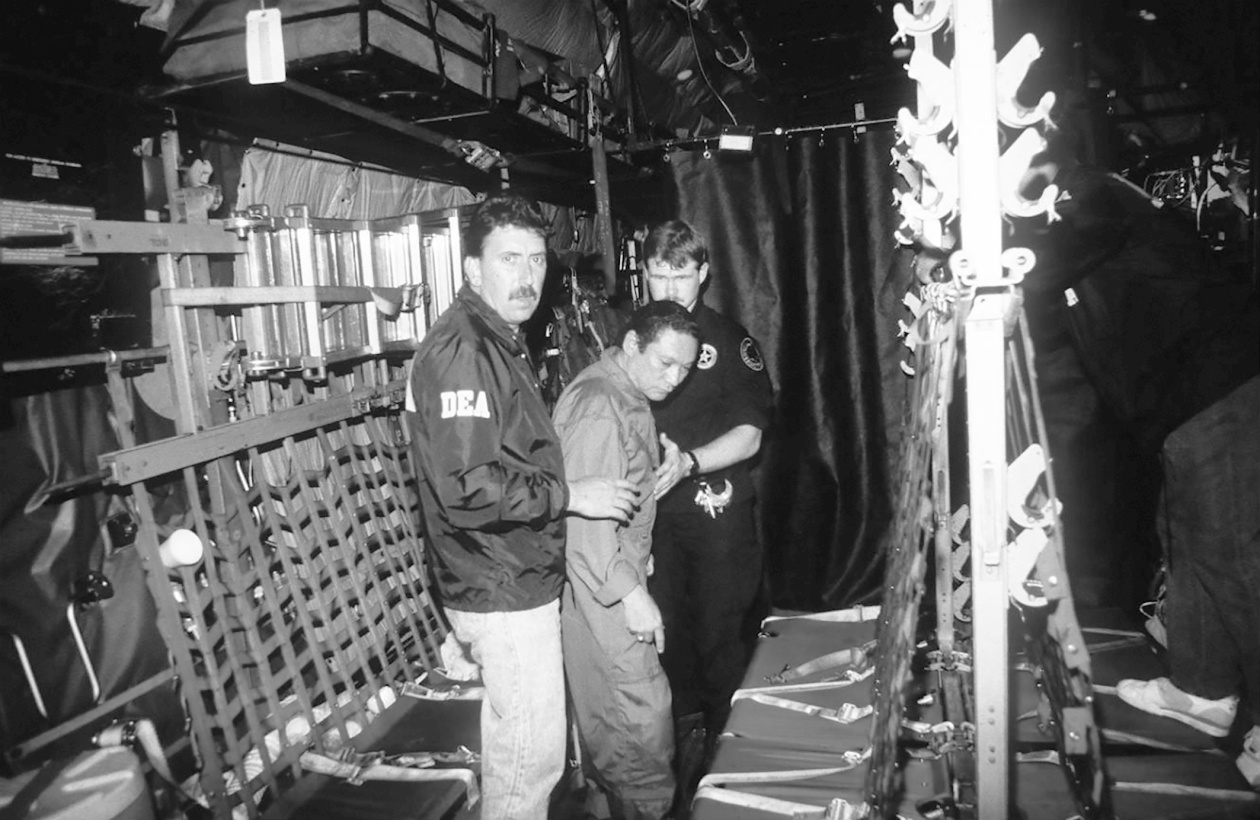
Core Viewpoint - The recent U.S. intervention in Venezuela, targeting President Maduro and his family, is seen as a resurgence of the Monroe Doctrine in the 21st century, reflecting America's historical pattern of intervention in Latin America for resource exploitation and political control [1]. Group 1: Historical Context - For over 200 years, the U.S. has adhered to the Monroe Doctrine, viewing Latin America as its "backyard" and frequently intervening through military actions and coups, causing significant harm to local populations [1]. - The U.S. military operation in Panama, named "Operation Just Cause," was launched on December 20, 1989, under the pretext of protecting citizens, combating drug trafficking, and restoring democratic elections [1][4]. Group 2: The Shift in Relations - Manuel Noriega, initially an ally of the U.S. during the Cold War, became an adversary as he adopted a more nationalistic stance regarding the Panama Canal and opposed U.S. military presence [2][4]. - The U.S. began to publicly distance itself from Noriega in 1988, leading to legal actions against him for drug trafficking and money laundering [4]. Group 3: Military Action - The military operation involved approximately 27,000 U.S. troops, making it one of the largest military actions in the Western Hemisphere since the Vietnam War, with coordinated efforts from all branches of the military [5]. - U.S. forces quickly targeted key locations in Panama, leading to the rapid collapse of the Panamanian defense forces within a week [5]. Group 4: Aftermath and Consequences - Noriega sought refuge in the Vatican embassy but eventually surrendered on January 3, 1990, leading to his extradition to the U.S. for trial [6][7]. - The military intervention resulted in significant destruction to Panama's infrastructure and economy, leading to increased unemployment and social instability [8]. - The U.S. actions faced widespread international condemnation, with the UN General Assembly passing a resolution deeming the military action a violation of Panama's sovereignty [9].
新技术影响力有限,日本产业界反思
Huan Qiu Shi Bao· 2026-01-08 22:40
Group 1 - The core viewpoint of the articles is that by 2025, Chinese automotive manufacturers are expected to surpass Japan in global sales, reaching approximately 27 million units, marking a 17% year-on-year growth [1][2] - Japanese media has extensively reported on this development, highlighting the competitive edge of Chinese companies in the automotive sector, particularly in production equipment, supply chains, and technology systems [1] - Chinese enterprises have established advantages in large integrated casting equipment for vehicle body manufacturing, which enhances production efficiency and reduces the number of components, becoming crucial in electric vehicle manufacturing [1] Group 2 - In terms of technology, Chinese companies are making significant advancements in autonomous driving and related software, with some cities already operating unmanned taxis and buses, which contrasts with Japan's limited international influence in these new fields [1] - The current situation in the Japanese automotive industry is attributed to multiple factors, including Japan's continued competitiveness in hybrid technology, while the global market shifts towards electrification and software integration [2] - Chinese automotive firms have made notable progress in sales scale, overseas expansion, and the application of new technologies, while Japan lacks competitiveness in areas such as power batteries and autonomous driving [2]
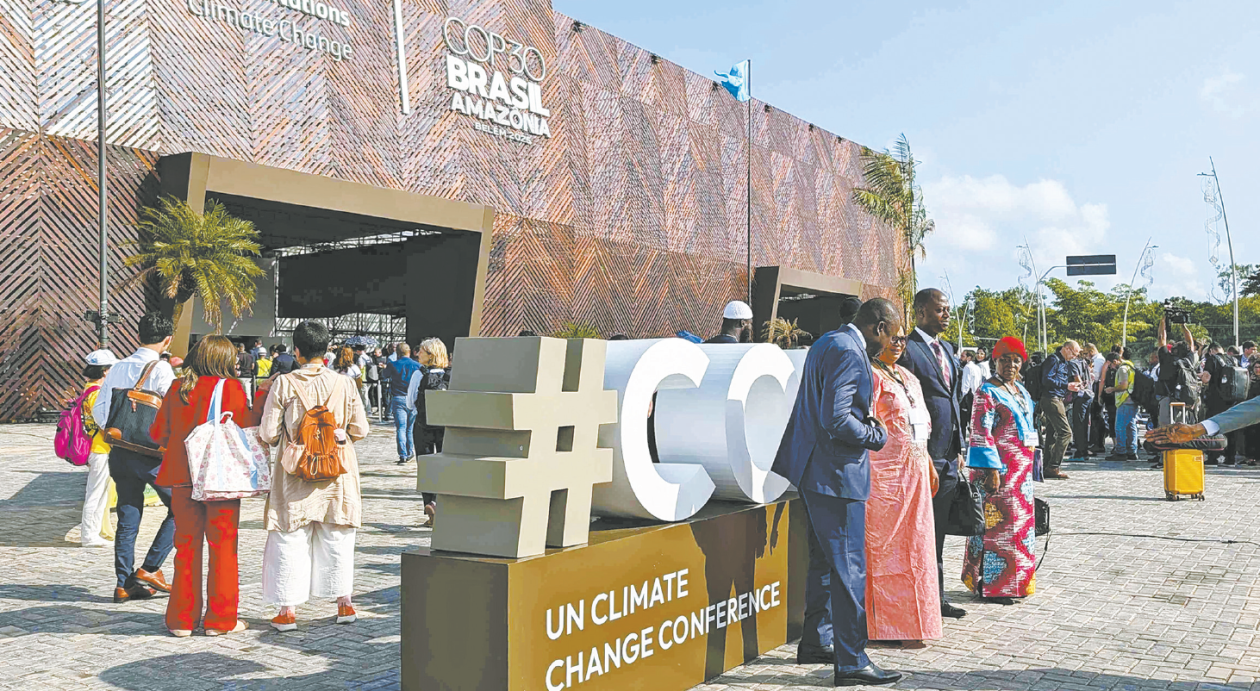
强调本国利益优先,阻碍全球事务合作,美国“大退群”:将退出66个国际组织
Huan Qiu Shi Bao· 2026-01-08 22:33
Core Viewpoint - The article discusses the U.S. government's decision to withdraw from 66 international organizations, including the United Nations Framework Convention on Climate Change (UNFCCC), which is seen as a significant retreat from global cooperation and multilateralism [1][5][7]. Group 1: Withdrawal from International Organizations - The U.S. will exit 31 UN agencies and 35 non-UN organizations, including the UN International Law Commission and the UN Human Settlements Programme, as part of a broader review of U.S. participation in international organizations [2][4]. - The White House claims these organizations promote agendas contrary to U.S. interests, labeling them as redundant and inefficient [4][7]. Group 2: Impact on Climate Agreements - The withdrawal from the UNFCCC is particularly notable, as it is considered the cornerstone of major international climate agreements, including the Paris Agreement [5][6]. - Experts warn that this decision could hinder global efforts to reduce greenhouse gas emissions and may provide other countries with excuses to delay their climate commitments [6][8]. Group 3: Shift in U.S. Foreign Policy - The decision reflects a long-standing skepticism towards multilateral institutions, with the current administration prioritizing unilateral actions over international consensus [7][8]. - The U.S. government aims to concentrate taxpayer funds on enhancing its influence in specific UN standard-setting bodies, particularly in areas where it competes with China [8].