
Jing Ji Guan Cha Bao

Search documents
2026年“国补”继续!如何调整?
Jing Ji Guan Cha Bao· 2025-12-28 15:42
Core Viewpoint - The "National Consumption Upgrade" policy, aimed at boosting consumer spending, will continue into 2026 with adjustments to subsidy scope and standards, as announced by the Minister of Finance at the national fiscal work conference [1] Group 1: Policy Evolution - The "National Consumption Upgrade" policy originated during the 2008 global financial crisis to stimulate consumption through subsidies for major consumer goods, focusing on rapid market activation [1] - The 2024 reintroduction of the policy marks a shift from short-term emergency measures to long-term empowerment, with three major upgrades compared to earlier versions [1] Group 2: Coverage and Standards - The coverage of the policy will expand from single categories to multiple scenarios, with the 2024 focus on vehicle scrappage and eight types of household appliances, and a broader scope for 2025 that includes digital products and home decoration [2] - Subsidy standards will transition from a uniform approach to differentiated optimization, such as increasing subsidies for new energy vehicles from 10,000 yuan to 20,000 yuan [2][3] - The funding source will shift from annual budgets to long-term special government bonds, with 150 billion yuan allocated in 2024 and 300 billion yuan in 2025, ensuring stable support for the policy [2][3] Group 3: Systematic Design - The expansion of subsidy categories and optimization of standards are coordinated with strengthened funding sources, creating a systematic design that transforms the policy from an emergency stimulus tool to a normalized consumption promotion mechanism [3] - Despite the policy's effectiveness, challenges remain, such as the temporary suspension of subsidies in some regions due to faster consumption of funds than bond issuance, necessitating a focus on existing funds rather than increasing the budget [3] Group 4: Implementation Challenges - The increase in subsidy categories may lead to local protectionism, where local brands receive preferential treatment, potentially distorting market competition [4] - Complicated application processes may deter consumers, particularly older individuals or those in rural areas, from accessing subsidies, undermining the policy's universality [4] - To ensure the policy effectively stimulates consumption, precise efforts are needed in coverage, standard design, and supporting mechanisms, including the establishment of a unified information platform for the entire process [5]
山东政商要情(12.22—12.28)
Jing Ji Guan Cha Bao· 2025-12-28 13:58
Group 1: Shandong Economic Work - Shandong's economic work for 2026 focuses on eight key tasks, including expanding domestic demand, modernizing the industrial system, and promoting green transformation [1] - The province aims to enhance its economic strength, technological capabilities, and overall competitiveness, having crossed three trillion-yuan thresholds in GDP [2] Group 2: Jinan Development Strategy - Jinan has designated 2026 as the "Project Empowerment Year," emphasizing project construction to boost consumption and regional development [3] - The city has seen significant economic growth, with a projected GDP of 1.4 trillion yuan during the "14th Five-Year Plan" period [3] Group 3: Qingdao Economic Focus - Qingdao's economic strategy for 2026 includes ten areas of focus, such as expanding domestic demand and enhancing technological innovation [4] - The city is expected to achieve a GDP of 1.7 trillion yuan by 2025, reflecting strong economic resilience [4] Group 4: Shandong Fiscal Performance - Shandong's general public budget revenue surpassed 700 billion yuan during the "14th Five-Year Plan," with an average annual growth of 4.1% [5] - The province's budget expenditures increased from 1.12 trillion yuan to 1.31 trillion yuan, with a focus on tax reduction and financial support for high-quality development [5] Group 5: Jinan Urban Renewal Legislation - Jinan's first local regulation on urban renewal will take effect on January 1, 2026, marking a new phase of legal and systematic development in urban renewal [7] - The regulation addresses issues such as outdated urban functions and infrastructure, aiming for a balanced approach to urban development [8]
苹果应用商店多款App涉嫌放高利贷:用户遭强制放款
Jing Ji Guan Cha Bao· 2025-12-28 09:01
Core Viewpoint - The Apple App Store has been reported to host several lending apps suspected of usury, raising concerns about the app review mechanism and user rights protection [1][4]. Group 1: App Details and User Experience - A user downloaded a lending app named "Zhen You Qian" and received a forced loan of 3,500 yuan without any verification process, with a repayment amount of 4,970 yuan due in 10 days, indicating a daily interest rate of approximately 4.2% and an annualized rate exceeding 1500% [1][3]. - The app's customer service was inaccessible, leading the user to suspect the legitimacy of the app and its associated communication software [1][3]. Group 2: Company Background - The developer of "Zhen You Qian," Nanjing Yueshengmao Network Technology Co., Ltd., was established in March 2023 with a registered capital of 1 million yuan but has been listed in the operating abnormality directory due to uncontactable status [2]. - The company is associated with 15 other enterprises, all of which are currently in a state of cancellation [2]. Group 3: Regulatory Context - The People's Bank of China and the National Financial Regulatory Administration issued guidelines limiting the annualized comprehensive financing cost of new loans to not exceed 24%, which the lending practices of "Zhen You Qian" clearly violate [3]. - The user also encountered another app named "Yun Dou Hua," which operated similarly to "Zhen You Qian," further indicating a pattern of forced lending practices [3]. Group 4: Industry Implications - The incident has sparked public scrutiny regarding Apple's app review process, with calls for better protection against fraudulent apps on the platform [4][5]. - Industry experts emphasize that even well-known platforms like Apple's App Store cannot entirely eliminate the presence of non-compliant apps, urging users to exercise caution when downloading [5].

教师教育创新机制改革试点工作推进会召开
Jing Ji Guan Cha Bao· 2025-12-28 07:23
会议要求,对标对表党中央关于新时代高水平教师队伍建设的新部署,着眼全面推开教师教育改革,纵 深推进改革试点工作。要聚焦应对学龄人口变化,强化精准测算、前瞻布局,加大调控,建立教师供需 适配新机制。要聚焦支撑教育高质量发展,推进高水平大学办教师教育、师范教育质量提升、教师培养 模式创新、职前职后一体改革,构建教师培养新格局。要聚焦一体推进教育科技人才发展,强化教育家 精神引领,夯实学科基础,拓展跨学科素养,提升数智教育素养,增强教育实践创新能力,建设教师教 育课程新体系。要聚焦建设具有全球影响力的教育中心,强化交流互鉴,注重品牌打造,着力扩大影 响,探索高水平教师国际交流合作新路径。要加大统筹协调力度,强化政策供给,积极稳妥推进改革, 产出更多标志性成果。 教师教育创新机制改革试点单位负责同志,教育部教师队伍建设专家指导委员会相关专家,教育部有关 司局和直属单位负责同志参加会议。 会议强调,要学习贯彻党的二十届四中全会精神,贯彻落实全国教育大会精神,深刻认识全面深化教师 教育改革对于加快教育强国建设、一体推进教育科技人才发展、办好人民满意教育的重要意义,从教师 队伍建设的源头抓起,推进全方位改革,为打造支撑教育 ...
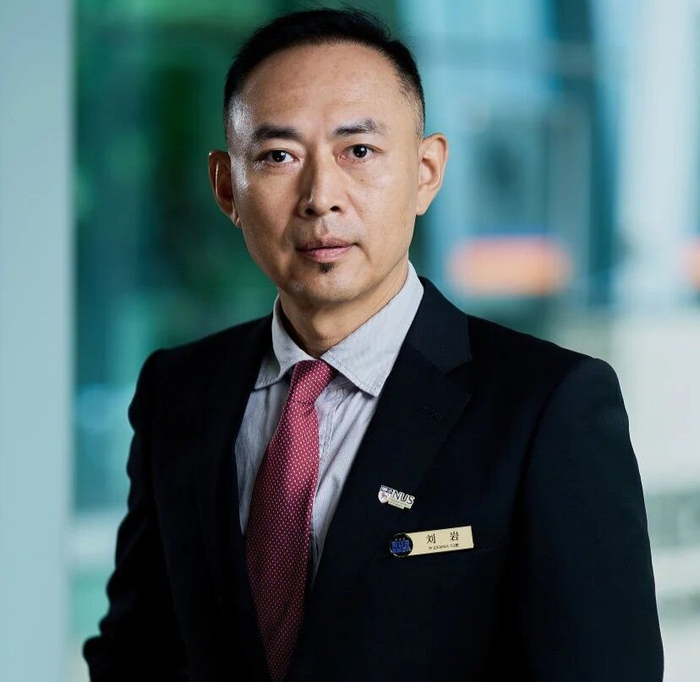
“直播教父”刘岩:我不是造浪的人,但浪来了要入水|我们的四分之一世纪
Jing Ji Guan Cha Bao· 2025-12-28 06:55
Core Insights - The article discusses Liu Yan's reflections on the evolution of the Chinese live streaming industry and his role in shaping its commercial mechanisms, emphasizing the shift towards a profit-driven and entertainment-focused model [4][9][10] - Liu Yan expresses concerns about the industry's future, questioning the implications of prioritizing monetization over creativity and genuine connection [13][20] Industry Evolution - Liu Yan was a pioneer in the live streaming space, creating a commercial model that included gifting, rankings, and community engagement, which became standard across platforms [4][6] - The transition from the "Copy to China" era to the rise of live streaming and AI reflects significant structural changes in the Chinese internet landscape over the past 25 years [5][6] - The competition in the early days was primarily about acquiring limited content, but it evolved into a capital-intensive battle, especially during the 2008 financial crisis [7][10] Financial Performance - Liu Yan's platform, Six Rooms, became profitable in 2009, generating over 10 million yuan in monthly revenue, marking it as the first profitable video site in China [12][13] - From 2015 to 2017, Six Rooms contributed approximately 30% of the net profit to its parent company, Songcheng Performing Arts, with net profits of 162 million yuan, 230 million yuan, and 285 million yuan respectively [13] Challenges and Reflections - Liu Yan reflects on the pressures that led to a focus on monetization, questioning whether a different approach could have preserved the original intent of live streaming [10][13] - The industry's shift towards a closed system based on user engagement and financial incentives has limited innovation and creativity [13][20] Future Directions - Liu Yan is now exploring the potential of AI and digital identities, aiming to create more meaningful and less human-dependent expressions in the digital space [16][18] - The establishment of the 43 Group focuses on pushing the boundaries of AI capabilities, with an emphasis on innovation without the constraints of traditional investment models [18][22] - Liu Yan's current approach involves small-scale investments in young entrepreneurs, aiming to foster a new environment for innovation that diverges from past experiences [22][23]

破产法学者李曙光:在改革的脉搏中|我们的四分之一世纪
Jing Ji Guan Cha Bao· 2025-12-28 02:35
Core Viewpoint - The article highlights the significant contributions of Li Shuguang in the development of bankruptcy law in China, emphasizing the importance of a robust legal framework for market economy and the need for personal bankruptcy legislation [4][17]. Group 1: Contributions to Bankruptcy Law - Li Shuguang has been a key figure in drafting and revising various laws, particularly the bankruptcy law, since 1986, playing a crucial role in its evolution [4][6]. - The bankruptcy law serves as a mechanism to eliminate failing companies and promote fair competition among market participants, allowing for wealth redistribution during financial distress [4][6]. - The first market-oriented bankruptcy law was passed in 2006, but its implementation faced challenges, with a significant drop in court-accepted bankruptcy cases compared to business closures [12][13]. Group 2: Legislative Evolution - The initial bankruptcy law in 1986 was aimed at state-owned enterprises and was part of China's commitment to establishing a market economy during WTO accession negotiations [6][7]. - The new bankruptcy law was reinitiated in 2003, with a focus on aligning with international standards and promoting equal market access for all economic entities [9][10]. - The 2025 revision of the bankruptcy law aims to address gaps in the existing framework, including provisions for small and micro enterprises, financial institutions, and cross-border bankruptcy [16][22]. Group 3: Personal Bankruptcy Legislation - Currently, China lacks a formal personal bankruptcy law, which Li Shuguang advocates for, arguing that it would provide relief for honest but unfortunate debtors [17][20]. - The concept of personal bankruptcy is gaining traction, with pilot programs being tested in various regions, indicating a gradual shift towards recognizing the need for such legislation [22][23]. - The proposed revisions in 2025 include provisions that allow for the clearing of personal debts in specific circumstances, marking a potential step towards establishing a comprehensive personal bankruptcy system [22].
比时间管理重要10000倍的,是能量管理
Jing Ji Guan Cha Bao· 2025-12-28 01:48
Core Insights - The article emphasizes the importance of energy management over time management, suggesting that personal energy significantly impacts health and work efficiency [3][33] Group 1: Energy Management - Energy management is divided into four dimensions: physical, emotional, cognitive, and willpower [4] - Physical energy is foundational, influenced by sleep, diet, and exercise [5] - Adequate sleep is crucial for recovery and enhances work efficiency [7] - A balanced diet supports basic metabolism and can improve mood [8][9] - Regular exercise produces neurotransmitters that enhance mood and reduce anxiety [11][12] Group 2: Emotional Energy - Positive emotions boost energy and performance, while negative emotions are costly and contagious [13][14][15] - Engaging in daily observations can help discover joy in overlooked aspects of life [17][18] - Surrounding oneself with positive individuals can enhance emotional energy [19] Group 3: Cognitive Energy - Multitasking depletes energy due to "attention residue," which hinders performance on subsequent tasks [21][22][23] - Focusing on a single task can reduce cognitive load and enhance efficiency [24] - Creating a "flow" state involves setting clear goals, receiving immediate feedback, and matching task difficulty [25][26][27] Group 4: Willpower and Meaning - Individuals with a clear sense of purpose tend to have higher energy levels [28][30] - Finding meaning in work can provide motivation and resilience [29][31][32] - Identifying personal strengths and aligning them with the needs of others can lead to a fulfilling life [32]
专家:存量PPP项目合同纠纷解决先选对 “球门”
Jing Ji Guan Cha Bao· 2025-12-28 01:48
Group 1 - The core issue in PPP project disputes is to determine whether the dispute falls under civil or administrative jurisdiction, which directly affects the subsequent procedures and rights protection [1] - The clarification of PPP contract attributes is crucial not only for resolving individual project disputes but also for the healthy development of the entire industry [1] - Since 2014, China has actively promoted the implementation of the PPP model, with a peak investment amount exceeding 16 trillion yuan, covering nearly all public service sectors [1] Group 2 - The "dual classification" approach used by courts assesses contracts based on their purpose, rights and obligations, and the identities of the parties involved [2] - Most courts tend to classify PPP contracts as administrative agreements due to their inherent public service attributes, leading to a predominance of administrative litigation [2] - Current challenges in administrative litigation for PPP agreements include difficulties in filing lawsuits, case acceptance, adjudication, and enforcement [2][3] Group 3 - The low jurisdictional level poses a challenge, as many PPP contracts are signed by local agencies, leading to cases being heard only in grassroots courts, which can hinder overcoming local protectionism [3] - It is recommended that when disputes arise, parties should clarify the resolution path, such as opting for arbitration through designated local institutions or seeking neutral arbitration to minimize procedural disputes [3]
“北京”热植展定档
Jing Ji Guan Cha Bao· 2025-12-28 01:02
时间:2026年4月10日 - 4月12日 地点:北京·中国国际展览中心(顺义馆) 2026中国国际花卉博览会"北京"热植展定档了。 展会上不仅可以大饱眼福,还能打卡沉浸式热带雨林 景观,入手稀有&网红热植品种,和专业玩家、展商面对面交流。 (原标题:"北京"热植展定档) ...
张悦然:保持在场,永不放弃严肃表达|我们的四分之一世纪
Jing Ji Guan Cha Bao· 2025-12-27 11:06
(原标题:张悦然:保持在场,永不放弃严肃表达|我们的四分之一世纪) 2001年1月,第三届新概念作文大赛决赛现场。念高三的张悦然从家乡济南奔赴上海,坐在上海某个学 校的一间教室里,眼前摆着三道命题作文题。 她选择了其中一道《假如明天没有太阳》,却在多年以后,对另一道念念不忘。"有一种向日葵是种不 出来的,比如梵高的《向日葵》;有一种小屋是别人造不出来的,比如《汤姆叔叔的小屋》,请讨论艺 术与生活的关系。"她更喜欢这道题,却对如何回答它感到没有把握。 决赛收官,张悦然获得大赛A组一等奖,与郭敬明、秦雯等人一同成为该届大赛的焦点人物,频繁出现 在公共话题讨论中。此后,张悦然继续写小说、办杂志,将文字与创作融入日常,在作家这条道路上越 走越远。 时间指针来到2025年,张悦然已成为中国人民大学的副教授,教授创意写作班的研究生课程。从执笔者 到授业者,张悦然保持了25年文学的"在场",她认为这种在场对她有价值、很重要,"这需要对时代不 断地感知和共振,充分地感知它,体验它,并用作品回应它"。 过去的四分之一世纪,作家与读者同时经历了时代的翻涌巨变,对文学审美的观念和对现实的反思,不 同代际的创作者和阅读者都在文本与对 ...