
Hua Xia Shi Bao

Search documents
动力煤价格“过山车”:4个月涨三成后连跌15天,专家称难破700元/吨
Hua Xia Shi Bao· 2025-12-12 10:37
Group 1 - The core viewpoint of the article highlights the volatility of thermal coal prices in China, which saw a significant increase in the second half of the year after a decline in the first half, with prices reaching a peak of 834 yuan/ton before falling again [2][3] - As of December 10, the price of thermal coal at Qinhuangdao port was reported at 778 yuan/ton, reflecting a decrease of 52 yuan/ton from late November, indicating a downward trend in prices [2][3] - Analysts attribute the price decline to oversupply and low demand, with domestic coal production recovering and warmer weather delaying peak heating demand, leading to reduced coal consumption in thermal power generation [3][4] Group 2 - The market is characterized by a "旺季不旺" (旺季不旺) phenomenon, where prices are falling despite the typical peak season for coal demand [2][4] - Trade dynamics show that power plants are primarily maintaining essential purchases, with a significant drop in procurement volumes, while traders are hesitant to sell at lower prices, creating a stalemate in the market [4][5] - Coal inventories at major ports have been increasing, with a total of 66.72 million tons reported, indicating a surplus in supply and contributing to the downward pressure on prices [5][6] Group 3 - Experts believe that the likelihood of thermal coal prices dropping below 700 yuan/ton is very low, as demand for heating is expected to rise with incoming cold weather [6][7] - The supply side remains stable, with increased coal production from Xinjiang and limited supply gaps, while overall coal demand is still declining year-on-year [7][8] - The current price adjustment is expected to stabilize between 750 and 770 yuan/ton, with limited potential for significant rebounds above 800 yuan/ton in the near future [7][8][9]


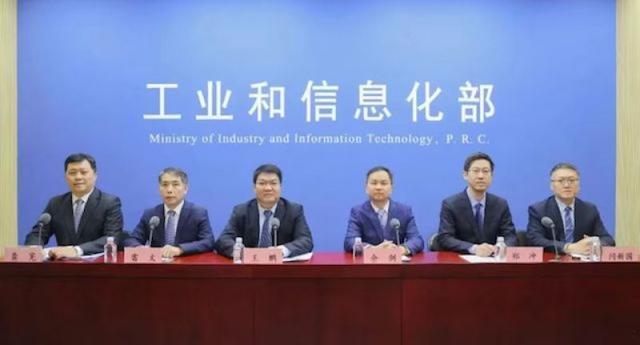
工信部:更大力度推行绿色制造,到2030年国家、省、市各级绿色工厂产值占比将提高到40%|快讯
Hua Xia Shi Bao· 2025-12-12 10:15
Core Insights - The Ministry of Industry and Information Technology (MIIT) and the People's Bank of China have issued a notice to support the construction of green factories through green finance policies, focusing on projects that implement green low-carbon technologies as outlined in the "Green Finance Support Project Directory (2025 Edition)" [2] Group 1: Green Factory Construction - The initiative emphasizes accelerating the construction of green factories, aiming for the output value of green factories at national, provincial, and municipal levels to reach 40% by 2030 [3] - A gradient cultivation management approach for green factories will be established, optimizing the evaluation index system to enhance energy-saving and carbon-reduction potential [3] - The plan includes fostering a number of zero-carbon factories as part of the green factory development strategy [3] Group 2: Green Supply Chain Development - The initiative promotes the development of green supply chains, encouraging large enterprises to lead the transition through green procurement policies that increase the proportion of green factories among suppliers [3] - Services such as green diagnostics and supply chain finance will be provided to facilitate the green low-carbon transformation of upstream and downstream suppliers [3] - The exploration of carbon footprint management models within supply chains is encouraged, promoting data sharing on carbon emissions among enterprises [3] Group 3: Green Industrial Park Development - A plan for enhancing green industrial parks is to be implemented, focusing on the green transformation of high-tech zones and industrial parks [3] - The establishment of dual control management systems for carbon emissions within parks is supported, alongside the construction of green factories [3] - The initiative aims to cultivate a number of zero-carbon industrial parks as part of the broader green development strategy [3]
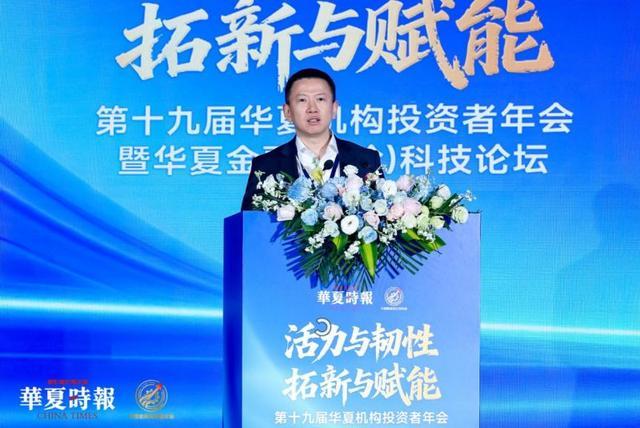
中化资本有限公司总裁助理赵照:打破规模依赖,央企产融结合坚守实体本源|2025华夏机构投资者年会
Hua Xia Shi Bao· 2025-12-12 09:36
Core Viewpoint - The forum focused on the theme of "Vitality and Resilience, Innovation and Empowerment," aiming to respond to contemporary challenges and explore future pathways for development [2]. Group 1: Central Enterprises and Financial Integration - Zhao Zhao, Assistant President of Sinochem Capital, emphasized the importance of central enterprises (SOEs) in integrating industry and finance to empower the real economy, highlighting the need for innovative financial methods [2][3]. - The core of SOEs' financial integration lies in adhering to the service of the real economy, actively responding to national calls, and focusing on five key areas: technology finance, green finance, inclusive finance, pension finance, and digital finance [2][3]. Group 2: Characteristics of Financial Licenses - SOEs are prioritizing the cultivation of financial licenses that can empower their main businesses, particularly in areas like industrial funds and financing leasing [2][3]. - The analysis pointed out that SOEs are also considering licenses with fewer restrictions on related transactions and lower capital consumption as important factors in their strategic layout [2][3]. Group 3: Core Competitiveness and Future Directions - Providing differentiated financial services along the industrial chain has become a key strategy for SOEs to build core competitiveness in their financial sectors [3]. - Zhao emphasized the need to prioritize compliance and risk prevention over mere scale, fostering a new pattern of high-quality development [3]. - The future focus for SOEs in financial integration will be on leveraging existing license capabilities and enhancing financial support for major strategies and key areas [3][4]. Group 4: Practical Exploration by Sinochem Capital - Sinochem Capital has engaged in various financial and service sectors, including trust, factoring, industrial funds, business services, and insurance brokerage, through controlling and participating in different entities [3][4]. - The company has established distinctive brands and advantages in areas such as securities services, inclusive finance, supply chain finance, and risk services, supporting the development of core industries like life sciences and petrochemicals [4]. Group 5: Commitment to Quality Development - The path of financial integration for SOEs is fundamentally about maintaining a commitment to political and social responsibilities while serving their primary business roles [4]. - Sinochem Capital and similar SOE platforms will continue to deepen financial collaboration, providing high-quality and empathetic financial services to support the high-quality development of the real economy and improve the lives of households [4].
「机器人+」资本加速集结,众擎机器人选择“慢”商业化
Hua Xia Shi Bao· 2025-12-12 09:31
Core Insights - The article highlights the increasing capital investment in humanoid robotics, with companies like Zhongqing Robotics successfully completing multiple funding rounds, indicating strong market interest and potential growth in this sector [2][3] Funding and Investment - Zhongqing Robotics has completed its A1+ and A2 funding rounds, attracting investments from a diverse array of sources, including national funds, local state-owned enterprises, and international capital [3] - Since its establishment in October 2023, Zhongqing Robotics has completed eight funding rounds, with significant amounts raised, including a total of 1 billion yuan from Pre-A++ and A1 rounds alone [3] - The company’s investor lineup includes prominent firms such as Huangpujiang Capital and Henan Investment Group, showcasing a robust support system for its operations [3] Product Development - Zhongqing Robotics has launched several humanoid robot products, including the T800, which stands at 1.73m and weighs 75kg, capable of advanced environmental modeling and AI path planning [5][6] - The T800 is priced starting at 180,000 yuan, significantly higher than the previously announced SA02 model, which starts at 38,500 yuan, indicating a strategic differentiation in product offerings [5][6] - The company aims to cover various market segments with its product matrix, targeting both commercial and consumer-level applications [6] Commercialization Strategy - Zhongqing Robotics emphasizes a "technology first, steady commercialization" strategy, focusing on product stability and adaptability through real-world testing before scaling up production [7] - The company is preparing for mass production, leveraging Shenzhen's advanced manufacturing ecosystem to enhance its operational efficiency and quality control [8] - A notable partnership with Duolun Technology aims to integrate humanoid robots into traffic management and law enforcement, with plans to procure at least 2,000 units over the next three years [8][10] Market Challenges and Opportunities - The humanoid robotics industry faces challenges in achieving widespread commercial viability, particularly in complex environments where current technology may not meet operational demands [9][10] - Despite these challenges, there is a recognized potential for humanoid robots in repetitive and high-risk scenarios within the transportation sector, suggesting a long-term growth trajectory [10]


昆仑万维董事长兼CEO方汉:不怕AI有泡沫,无泡沫才是真危机|2025华夏机构投资者年会
Hua Xia Shi Bao· 2025-12-12 09:17
Core Insights - The forum held by Huaxia Times focused on the theme of "vitality and resilience, innovation and empowerment," aiming to address contemporary challenges and explore future pathways [2] - Kunlun Wanwei's CEO emphasized that the frequency of AI application in various fields directly influences GMV growth and industry prospects, highlighting the importance of innovative content forms for the emergence of new platforms and super unicorns [2][3] Company Overview - Kunlun Wanwei, established in 2008, transitioned from a gaming-centric business model to a focus on AI, with significant revenue growth reported in 2025, achieving 5 billion yuan in revenue, with overseas income accounting for 53% and a year-on-year increase of 49% [3][4] - The company has developed a comprehensive global operation system, covering over 100 countries and regions, with 400 million monthly active users and 20 localized teams [3][4] Technological Innovations - Kunlun Wanwei has established a full-chain layout in AI, including AI Agent, AI music generation tools like Mureka, and AI social products such as Linky, showcasing its commitment to technological advancement [4][5] - The company is recognized for having one of the largest numbers of open-source SOTA models in the industry, having released China's first Chinese language training model in December 2022 [4] Cost Efficiency - The Mureka music model significantly reduces production costs, with the average cost of producing a song dropping from approximately 100,000 yuan to less than 0.1 yuan, indicating a potential transformation in the music and content industries [5][7] - AI-generated music videos presented at the conference demonstrated the ability to produce complete content at minimal costs, highlighting the disruptive potential of AI in content creation [5] Market Dynamics - The CEO acknowledged the existence of an "AI bubble," suggesting that such phenomena are typical in emerging industries and can attract investment and talent necessary for long-term growth [6] - The current state of the AI industry shows a disparity between market hype and the actual commercialization of products, with a need for innovative products that can reach a broader user base [6][7] Future Outlook - The emergence of new platform enterprises will depend on innovative content forms, which can create new channels and platforms, particularly in the B2B and C2C markets [7] - The anticipated reduction in production costs for animated films, such as the projected drop from 300 million yuan for "Nezha 2" to below 1 million yuan in the next three to five years, suggests a potential explosion in the content industry [7]

中央经济工作会议定调明年货币政策:灵活高效运用降准降息等工具|2025年终经济观察
Hua Xia Shi Bao· 2025-12-12 09:17
本报(chinatimes.net.cn)记者刘佳 北京报道 2026年货币政策权威方向,由中央经济工作会议正式定调。 12月10日至11日,中央经济工作会议在北京举行。会议分析当前经济形势,部署2026年经济工作,为全 年宏观调控划定核心方向。 会议指出,明年经济工作在政策取向上,要坚持稳中求进、提质增效,发挥存量政策和增量政策集成效 应,加大逆周期和跨周期调节力度,提升宏观经济治理效能。要继续实施适度宽松的货币政策。把促进 经济稳定增长、物价合理回升作为货币政策的重要考量,灵活高效运用降准降息等多种政策工具,保持 流动性充裕,畅通货币政策传导机制,引导金融机构加力支持扩大内需、科技创新、中小微企业等重点 领域。保持人民币汇率在合理均衡水平上的基本稳定。 在多位受访人士看来,此次会议为2026年经济工作定下"稳中求进、提质增效"的总基调,明确传递出宏 观政策将更加积极有力,以推动宏观经济实现"质的有效提升和量的合理增长"。 值得关注的是,关于总量型货币政策工具,会议将去年的"适时降准降息"调整为"灵活高效运用降准降 息等多种政策工具",这一表述变化意味着降准降息仍是明年货币政策操作的可选项,同时强调灵活性 ...

2025华夏大健康——年度创新药典型案例展示
Hua Xia Shi Bao· 2025-12-12 09:15
Core Insights - The "2025 Fifth China Health Industry Development and Rehabilitation Service Conference" was successfully held in Beijing, focusing on integrating resources and exploring development paths in the health industry [1] - The conference featured high-level discussions on cutting-edge topics such as innovative drugs, brain-machine interfaces, AI in healthcare, and the transformation of traditional Chinese medicine [1] - A number of innovative case studies were presented, showcasing advancements in various categories including ESG, biotechnology, and mental health services [1] Company Highlights - **Hengrui Medicine**: Invested over 50 billion yuan in R&D, with a focus on patient-centered innovation, resulting in 24 first-class innovative drugs and over 100 products in clinical development [3] - **Hansoh Pharmaceutical**: Reported revenue of 7.434 billion yuan in the first half of 2025, a 14.3% increase, with innovative drugs accounting for 82.7% of total revenue [4] - **China Biologic Products**: Launched "Kumosili," a globally first oral CDK2/4/6 inhibitor for breast cancer, showing significant efficacy and safety in clinical trials [5] - **East China Pharmaceutical**: Focused on endocrine, autoimmune, and oncology fields, with over 90 innovative drug projects and a 35.99% increase in R&D investment [7] - **Changchun High-tech**: Developed over 40 candidate drugs, leveraging advanced drug development platforms and AI technology [8] - **Fuhong Hanlin**: An international biopharmaceutical company with 10 approved products globally, focusing on oncology and autoimmune diseases [9] - **Tonghua Dongbao**: A leader in diabetes treatment, expanding its product line to include various insulin and oral hypoglycemic agents [10] - **Shutai Shen**: Invested 2.3 billion yuan in R&D, significantly above the industry average, focusing on innovative biopharmaceuticals [11] - **Hualing Pharmaceutical**: Developed a novel oral hypoglycemic agent, "Huatangning," with significant sales growth since entering the insurance list [12][13] - **Kangtini Pharmaceutical**: Focused on organ fibrosis treatment, with its lead product F351 showing promise for chronic hepatitis B-related liver fibrosis [14]

2025华夏大健康——赋能美好生活案例展示
Hua Xia Shi Bao· 2025-12-12 09:02
Core Insights - The "2025 Fifth China Health Industry Development and Rehabilitation Service Conference" was successfully held in Beijing, focusing on integrating resources and exploring development paths in the health industry [1] - The conference featured high-level discussions on cutting-edge topics such as innovative drugs, brain-machine interfaces, AI in healthcare, and the transformation of traditional Chinese medicine [1] - A series of innovative case studies were presented, showcasing advancements in various categories including ESG, biotechnology, and AI healthcare, reflecting the vitality and innovation in the health sector [1] Company Highlights - **Amway**: Empowered 200,000 marketing personnel to create health and wellness communities, promoting healthy lifestyles through shared knowledge and support [2] - **USANA**: Aims to be the healthiest family globally, emphasizing quality in product design and social responsibility initiatives, including nutrition support for underprivileged students [3] - **Aier Eye Hospital**: Focuses on building a global healthcare network in ophthalmology, utilizing innovative models to address healthcare accessibility and patient needs [4] - **Angelalign**: Achieved steady growth by enhancing R&D and clinical support for invisible orthodontic solutions, expanding its global presence [5] - **Yingkang Yisheng**: Established a health ecosystem with multiple subsidiaries, focusing on life sciences and clinical medicine, and providing services to 160 countries [6] - **Cofe Medical**: Specializes in home medical devices, leveraging technology to enhance health monitoring and early disease intervention [7] - **Pharmacist Help**: Aims to digitize the outpatient pharmaceutical market, covering over 490,000 pharmacies and 353,000 grassroots medical institutions [8] - **Perfect (China) Co., Ltd.**: Focuses on health products and social responsibility, donating over 1 billion yuan to various causes [9] - **Yonghe Medical**: Utilizes AI for personalized treatment in hair health, enhancing service transparency and patient satisfaction [10] - **Anran Nano**: Integrates nanotechnology and plant stem cell technology in health products, emphasizing social responsibility through various charitable initiatives [11]
2025华夏大健康——ESG蒲公英典型案例展示
Hua Xia Shi Bao· 2025-12-12 09:00
Core Insights - The "2025 Fifth China Health Industry Development and Rehabilitation Service Conference" was successfully held in Beijing, focusing on integrating resources and exploring development paths in the health industry [1] - The conference featured high-level discussions on cutting-edge topics such as innovative drugs, brain-machine interfaces, AI in healthcare, and the transformation of traditional Chinese medicine [1] - A series of innovative case studies were released, showcasing advancements in various categories including ESG, innovative drugs, biotechnology, and AI healthcare [1] Company Summaries - **Shanghai Raist**: Demonstrates leadership in the blood products industry with a systematic approach to ESG, including waste reduction and energy management, and has received AA and BBB ratings from Wind and MSCI respectively [3] - **Yuyue Medical**: Focuses on high-quality medical products and services, with a commitment to social responsibility and green production practices [4] - **Darentang**: Implements a sustainable development system that integrates governance, management, and operations, aligning with national climate goals [5] - **Kelaiying**: Integrates sustainability into its strategy, enhancing ESG management and promoting green transformation in the pharmaceutical industry [6] - **Jiuzhoutong**: A technology-driven pharmaceutical service provider that emphasizes green practices and social responsibility, with significant donations for disaster relief [7] - **Lianbang Pharmaceutical**: A leading comprehensive pharmaceutical company that emphasizes green development and social responsibility, with a strong focus on product accessibility [8] - **Tongchen Beijian**: Implements a comprehensive green management strategy, achieving significant carbon reductions and engaging in extensive public welfare initiatives [9] - **Betaini**: Integrates ESG principles into its long-term strategy, achieving high ratings and engaging in biodiversity and community support initiatives [10] - **Huaxia Eye Hospital**: Actively practices sustainable development and social responsibility, contributing to rural healthcare and social equity [11] - **Boteng Co.**: Establishes a robust ESG framework, focusing on green chemistry and social responsibility, with a commitment to employee development [12] - **Shuoshi Biotechnology**: Engages in green production and public health initiatives, enhancing accessibility to healthcare through innovative technologies [13] - **Qilu Pharmaceutical**: Aims to meet public health needs with a strong focus on quality and international standards, achieving significant sales and export figures [14] - **Qing Song Health Group**: Develops a comprehensive digital health ecosystem using AI and big data, enhancing accessibility and promoting proactive health management [15]
2025华夏大健康——生物科技创新典型案例展示
Hua Xia Shi Bao· 2025-12-12 08:35
Group 1: Industry Trends and Innovations - The "2025 Fifth China Health Industry Development and Rehabilitation Service Conference" was held in Beijing, focusing on integrating resources and exploring development paths in the health industry [1] - The conference featured discussions on cutting-edge topics such as innovative drugs, brain-machine interfaces, AI in healthcare, and the transformation of traditional Chinese medicine [1] - A series of innovative case studies were presented, showcasing advancements in areas like ESG, biotechnology, and AI healthcare, reflecting the vitality and innovation in the health sector [1] Group 2: Company Highlights - Gan Li Pharmaceutical is the first company in China to master the industrial production of recombinant insulin analogs, recently achieving significant milestones with its insulin injection and a commercial agreement for a GLP-1 receptor agonist [2] - Shengxiang Bio focuses on integrated diagnostic and therapeutic solutions, having developed over 1,000 products and served more than 30 billion tests globally, emphasizing its commitment to making life sciences accessible [3] - Nanjing Xinbai has established a dual-driven model in cell therapy and clinical transformation, with significant advancements in immunotherapy for prostate cancer and a leading position in umbilical cord blood storage [4][5] - Mirxes has developed a non-invasive gastric cancer screening solution, filling a technological gap in China and demonstrating significant clinical applicability and commercial potential [9] - Ruixi Bio specializes in micro-ecological medical solutions, having built a comprehensive database and developed a novel theory for precision medical interventions in chronic diseases [12][13]


