
Zhong Guo Neng Yuan Wang

Search documents
泸州老窖集团在深圳成立金高投资合伙企业,出资额约2.5亿
Zhong Guo Neng Yuan Wang· 2026-02-06 08:23
天眼查App显示,近日,深圳市金高投资合伙企业(有限合伙)成立,执行事务合伙人为金惠红湖(深圳) 企业管理有限公司,出资额约2.5亿人民币,经营范围为以自有资金从事投资活动、企业管理、企业管 理咨询、财务咨询,由泸州老窖(000568)集团旗下四川金舵投资有限责任公司、泸州高泰实业有限公 司、金惠红湖(深圳)企业管理有限公司共同出资。 ...

科大讯飞在浙江成立智教科技公司,注册资本1000万
Zhong Guo Neng Yuan Wang· 2026-02-06 08:23
Group 1 - A new company named Zhejiang Xunfei Zhijiao Technology Co., Ltd. has been established with a registered capital of 10 million RMB [1] - The legal representative of the company is Sun Dongping [1] - The company is wholly owned by iFLYTEK Co., Ltd. (002230) [1] Group 2 - The business scope of the new company includes the development of artificial intelligence application software, theoretical and algorithm software, and general application systems [1]

路特斯科技公司增资至37.1亿,增幅约11%
Zhong Guo Neng Yuan Wang· 2026-02-06 08:21
天眼查App显示,近日,武汉路特斯科技有限公司发生工商变更,注册资本由33.5亿人民币增至37.1亿 人民币,增幅约11%。 该公司成立于2020年12月,法定代表人为冯擎峰,经营范围包括道路机动车辆生产、软件外包服务、软 件开发等,由LOTUS ADVANCED TECHNOLOGY LIMITED全资持股。 ...
供应过剩预警拉满!为何卡塔尔、阿联酋仍坚信 LNG 需求强劲?
Zhong Guo Neng Yuan Wang· 2026-02-06 08:04
Core Viewpoint - The global liquefied natural gas (LNG) market is expected to transition from a tight supply to a relatively loose supply by 2026, leading to a new "buyer’s market" as new capacities come online, despite a slowdown in demand growth overall [1][2]. Supply and Capacity - At least 35 million tons per year of new LNG capacity is projected to come online globally by 2026, primarily from the U.S. and Qatar, with total global LNG supply expected to reach between 460 million and 484 million tons, reflecting a potential annual growth rate of up to 10% [2][3]. - Significant projects contributing to this capacity increase include the Golden Pass LNG project and the expansion of Qatar's North Field, with the former expected to start operations in mid-2026 and the latter to be completed by 2028 [2][3]. - U.S. LNG exports are forecasted to grow by 26% in 2025, continuing to rise until 2027, although at a slower pace [2]. Price Trends - The supply growth is anticipated to exert downward pressure on prices, with average spot LNG prices in Asia expected to range between $9.90 and $12.45 per million British thermal units (MMBtu) in 2026, and European benchmark prices projected to fall to between $9.50 and $9.74 per MMBtu [3]. - Goldman Sachs has revised its 2026 Henry Hub natural gas price forecast down to $3.75 per MMBtu, maintaining a forecast of $3.80 per MMBtu for 2027 [3]. Demand Dynamics - Asia is expected to remain a robust LNG demand market, with 64% of global LNG exports directed to the region in 2025. Demand in Asia is projected to grow by 4% to 7% in 2026, driven by price declines and increased purchases, particularly from India [4]. - Europe is also set to absorb additional supplies, with LNG imports expected to increase by 22 million tons in 2026, driven by winter stock replenishment and lower natural gas prices stimulating consumption [4][6]. Emerging Markets - Sub-Saharan Africa is emerging as a significant player in the LNG supply landscape, with exports projected to surge from 35.7 billion cubic meters in 2024 to 98 billion cubic meters by 2034, marking an increase of nearly 175% [7][8]. - Key projects in this region include the Greater Tortue Ahmeyim (GTA) project and the Rovuma LNG project, with the former expected to start production in 2025 and the latter aiming for a final investment decision in 2026 [7][8]. Market Challenges - Despite the optimistic outlook for supply growth, challenges such as regional instability and infrastructure weaknesses in parts of Africa may hinder progress [8]. - The LNG market is transitioning towards structural oversupply, necessitating a reevaluation of sourcing and downstream facilities to ensure reliable market access [8].
一边筑壁垒,一边送补贴!欧盟与德国对中国电动车,为何态度截然相反?
Zhong Guo Neng Yuan Wang· 2026-02-06 08:04
Core Insights - The article discusses the evolving trade dynamics between China and Europe regarding electric vehicles, highlighting a dual approach where the EU is tightening regulations while Germany is opening its market [1][4]. Group 1: EU Regulatory Framework - The EU has shifted its strategy from using tariffs to establish a complex regulatory framework aimed at creating a "minimum import price" for Chinese electric vehicles, which is intended to ensure fair competition [2][3]. - This new regulatory approach includes detailed measures to prevent "cross-subsidization risks," indicating a proactive stance in reshaping market competition conditions [2][3]. Group 2: Germany's Market Strategy - Germany has announced a €3 billion subsidy plan for electric vehicles that is brand-neutral, contrasting with the EU's protective measures, aimed at stabilizing domestic demand amid a significant drop in new registrations [4][5]. - The subsidy plan is designed not only for short-term market stimulation but also to encourage competition and innovation within the domestic automotive industry, acknowledging the advantages of Chinese companies in supply chain efficiency [4][5]. Group 3: Challenges for Chinese Automakers - Chinese electric vehicle manufacturers face a dual challenge of complying with stringent EU regulations while simultaneously expanding their market presence in Germany [6][7]. - The need for deep localization is emphasized, requiring Chinese companies to establish R&D centers in Europe and adapt their operations to align with local market demands and regulatory frameworks [7][8]. Group 4: Future Competitive Landscape - The competition will increasingly focus on regulatory standards and the ability to influence future norms in areas such as carbon footprint and data security, necessitating a proactive approach from Chinese firms [7][8]. - The article concludes that the interplay between EU regulations and German market strategies represents a broader trend in global industrial cooperation, highlighting the need for strategic foresight and local adaptation by Chinese companies [8].
美丽中国先行区建设视角下的能源转型问题
Zhong Guo Neng Yuan Wang· 2026-02-06 07:57
Core Viewpoint - The construction of beautiful China pilot zones is a key part of building a demonstration model for beautiful China, serving as an important tool for advancing the initiative and a crucial support for establishing a new framework for beautiful China construction [1] Group 1: Action Plans and Goals - By December 2025, China will implement action plans for beautiful China pilot zones in key regions such as Beijing-Tianjin-Hebei, the Yangtze River Delta, and the Guangdong-Hong Kong-Macao Greater Bay Area, outlining goals and action roadmaps for energy clean and low-carbon transformation [1][2] - The Beijing-Tianjin-Hebei region aims to optimize energy structure and establish a low-carbon transformation pilot zone, while the Yangtze River Delta will create a new energy system that promotes mutual support and sharing [1][2] - The Guangdong-Hong Kong-Macao Greater Bay Area is focused on building a clean and low-carbon energy system, contributing to the development of a green and low-carbon bay area [1][2] Group 2: Implementation Pathways - Different regions have distinct focuses for energy clean and low-carbon transformation, with Beijing-Tianjin-Hebei targeting a reduction in coal consumption and an increase in renewable energy share [2] - The Yangtze River Delta emphasizes internal and external collaboration, promoting wind power and green energy projects while controlling coal consumption [2] - The Guangdong-Hong Kong-Macao Greater Bay Area is leveraging its open frontiers to develop offshore wind power and green hydrogen industries, aiming for zero-emission transport corridors and zero-carbon airports [2] Group 3: Systematic Engineering Approach - The construction of beautiful China pilot zones is a systematic project that integrates energy production and consumption revolutions, focusing on sustainable development, ecological quality improvement, and carbon neutrality [2][3] - The approach includes exploring differentiated energy transformation paths based on regional characteristics and resource endowments [3] Group 4: Energy Equipment Manufacturing - The transition to clean and low-carbon energy creates market demand for traditional clean energy technologies and promotes the development of new technologies and products [4] - Emphasis is placed on developing advanced energy equipment and new energy sources, including green hydrogen and sustainable aviation fuels [4] Group 5: Infrastructure Development - There is a need to enhance energy infrastructure with a focus on environmental and carbon emission evaluations, aiming to build a modernized power grid and smart microgrids [5] - The development of charging, hydrogen refueling, and other infrastructure for new energy vehicles is essential for supporting the transition [5] Group 6: Pollution Reduction and Carbon Management - Implementing coal consumption reduction and exploring fossil energy substitution mechanisms are critical for managing total fossil energy consumption [6] - The goal is to achieve 100% green energy in certain sectors and establish recycling systems for solar panels and batteries to reduce carbon footprints [6] Group 7: Institutional Innovation - Optimizing the operation mechanisms of coal power and enhancing the synergy between operational indicators and pollution reduction are necessary for effective energy transition [7] - The establishment of a carbon footprint management system and the promotion of green finance are vital for supporting clean energy investments [7]
国网金昌供电公司:用电难题一键解 电力护航加速度
Zhong Guo Neng Yuan Wang· 2026-02-06 07:00
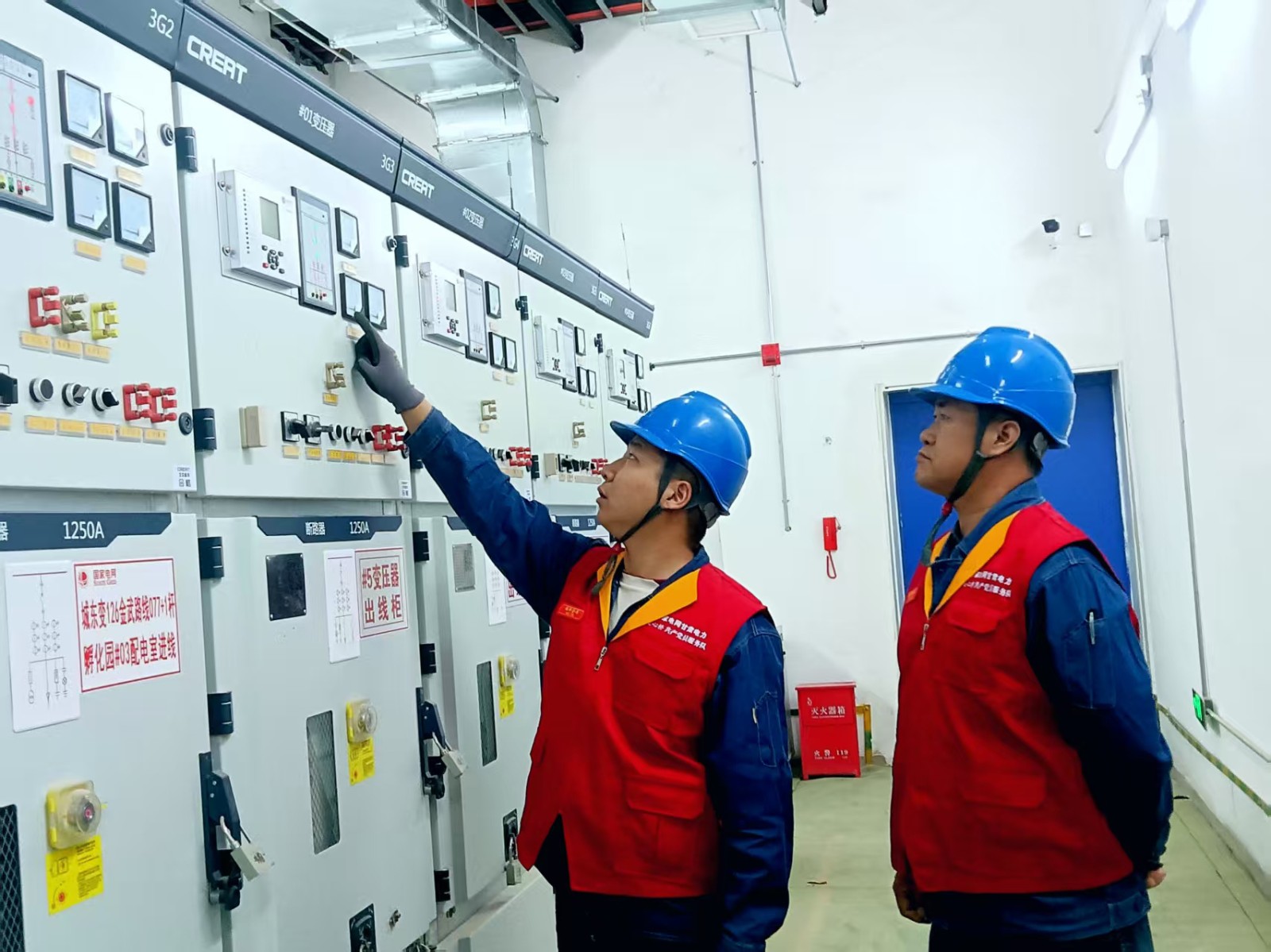
Core Insights - The article highlights the effective and professional services provided by the State Grid Gansu Electric Power Company, which have significantly alleviated the electricity supply concerns of Gansu Dongzhan Aluminum Co., Ltd, enabling the company to focus on production and development [1][3]. Group 1: Service Implementation - The company has implemented a customized service approach, focusing on proactive engagement and precise support to address the urgent electricity needs of industrial enterprises since 2025 [1][4]. - A dedicated technical service team was formed to provide on-site assistance, ensuring comprehensive safety checks and tailored electricity supply plans for the equipment testing at Gansu Dongzhan Aluminum [3][4]. Group 2: Technical Support and Training - The technical team conducted hands-on training to enhance the internal capabilities of the enterprise, covering operational standards and safety protocols for electricity usage [4]. - Real-time monitoring of key parameters such as current and voltage was established during the testing phase, ensuring zero faults and uninterrupted power supply, which facilitated the timely completion of equipment adjustments [4]. Group 3: Commitment to Continuous Improvement - The company is committed to continuously upgrading its service measures and optimizing processes to better meet the electricity demands of enterprises, thereby reinforcing the foundation for high-quality development in the region [4].

中网联合携手稳准智能发布国内首个基于数据大模型(LDM)的电力交易垂类大模型——“易准”大模型
Zhong Guo Neng Yuan Wang· 2026-02-06 06:57
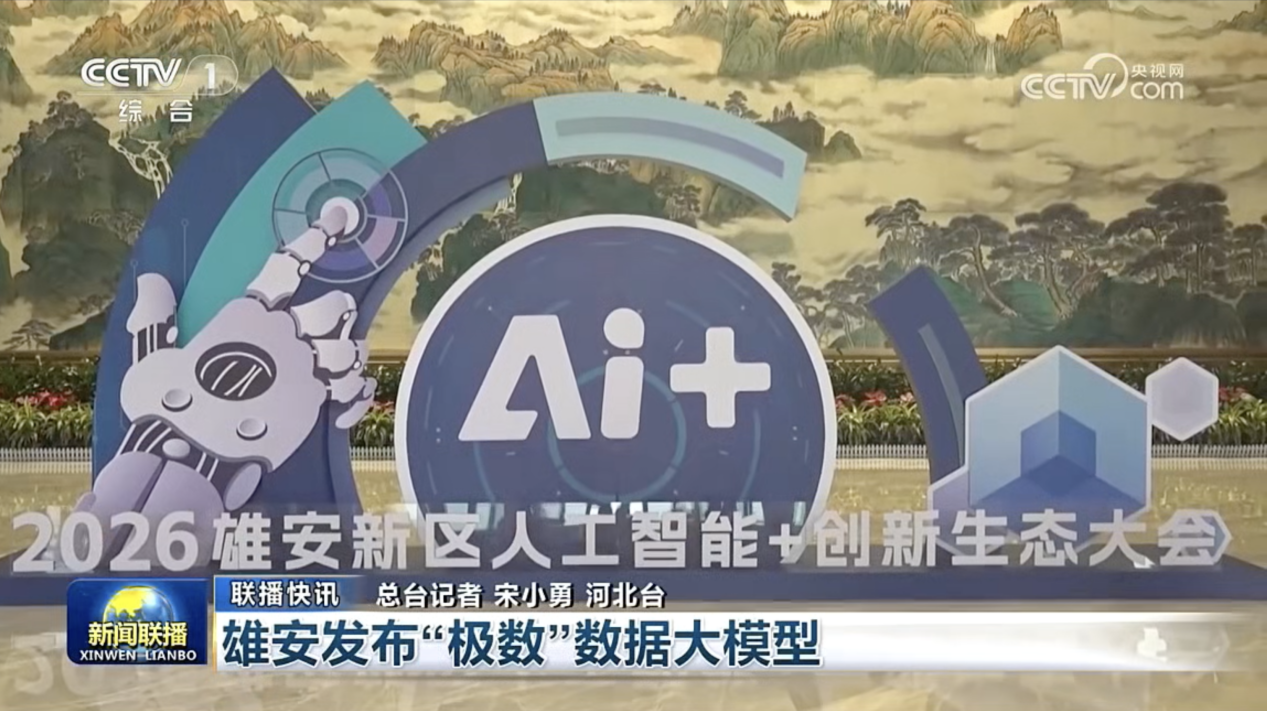
Group 1 - The core viewpoint of the news is the launch of the first structured data general large model (LDM) in China, named "LimiX," by Wenzhun Intelligent Technology Co., Ltd. This model aims to support the intelligent decision-making process in the power trading market [1][4] - The "Yizhun" large model, developed in collaboration with Zhongwang United Energy Service Co., Ltd., is specifically designed for the power trading sector, utilizing advanced AI technologies to address challenges in a high-volatility electricity market [1][5] - The "Yizhun" model is expected to enhance market stability by providing predictive capabilities and buffering against market fluctuations, thereby encouraging more participants to engage in the electricity market [7][8] Group 2 - The "LimiX" model has been applied in over 20 industries since its open-source release on August 29, 2025, and is anticipated to become a foundational element of the "Artificial Intelligence +" strategy [4] - The "Yizhun" model integrates causal inference learning paradigms, allowing for a deeper understanding of the causal mechanisms within the electricity market, which enhances the reliability and interpretability of trading decisions [7] - The model is fully integrated into Zhongwang United's electricity trading auxiliary SaaS platform, providing comprehensive intelligent services from trend forecasting to risk management, thereby improving trading efficiency and decision-making robustness [8]
实测见真章 为“绿电”入网保驾护航——国网山东电科院完成整村分布式光伏涉网改造现场测试验证侧记
Zhong Guo Neng Yuan Wang· 2026-02-06 06:57
Core Viewpoint - The successful completion of the first village-wide distributed photovoltaic (PV) network safety enhancement project in China by State Grid Shandong Electric Power Company provides a replicable and promotable practical model to address safety challenges in distributed PV systems, supporting the stable operation of new power systems [1][2]. Group 1: Distributed Photovoltaic Development - Shandong's distributed PV installed capacity has exceeded 60 million kilowatts, accounting for nearly half of the province's renewable energy capacity, making it a crucial force in energy transition [2]. - Early deployed PV inverters pose a disconnection risk during grid fluctuations, highlighting their role as a weak link in grid operations [2]. Group 2: Technical Innovations - The challenge of evaluating the performance shortcomings of over a thousand types of PV inverters led to the development of a universal and economical modification plan [3]. - A comprehensive testing environment was established, conducting over 320 simulation experiments, leading to the creation of a classification system for inverter network performance based on hardware parameters [3][4]. Group 3: Testing and Validation - A two-step verification approach was implemented, combining laboratory tests with on-site validations to ensure the scientific and practical applicability of the classification system [5]. - The testing team successfully transformed a complex testing process into a standardized task, validating the classification system's effectiveness with the support of industry experts [5]. Group 4: On-Site Implementation - The on-site testing in Liujiabao Village involved 160 households with diverse PV installations, showcasing the project's adaptability to various conditions [6]. - The team conducted over 200 high and low voltage crossing tests, confirming the universal applicability and effectiveness of the technical solutions for multiple brands and models of distributed PV inverters [6]. Group 5: Future Outlook - The successful validation of the village-wide distributed PV network modification signifies the capability of State Grid Shandong Electric Power Research Institute to provide comprehensive technical support from theoretical innovation to large-scale engineering verification [7]. - The institute plans to continue focusing on the distributed PV sector, enhancing technical support for network performance modifications to ensure the safe and stable operation of new power systems [7].

全球可再生能源就业达1660万!增速骤降至 2%-3%,光伏仍是 “最大雇主”
Zhong Guo Neng Yuan Wang· 2026-02-06 06:29
Core Insights - The report by IRENA and ILO indicates that while global renewable energy employment is projected to exceed 16 million in 2024, the growth rate has significantly slowed to 2%-3%, a stark contrast to previous years' double-digit growth rates [1][2][3] Employment Growth Trends - Global renewable energy employment is expected to reach 16.6 million in 2024, continuing to support the green economy and job stability [2] - The employment growth rate for 2024 is estimated at 2.3%-2.5%, marking one of the lowest levels in recent years, and is attributed to profound changes in industry development stages and structures [2][3] Sector Contributions - Solar photovoltaic (PV) remains the dominant sector, providing over 7.2 million jobs in 2024, accounting for more than 40% of total renewable energy employment [2] - The report highlights that the growth in employment is not due to reduced market demand but reflects changes in the industry structure and technological advancements [2][3] Regional Insights - China is identified as a key contributor to global renewable energy employment, with over 4.2 million jobs in solar PV, representing nearly 60% of global solar employment [4] - In 2024, China's renewable energy employment slightly decreased, primarily due to increased labor productivity and the effects of economies of scale [4] - China accounted for over 80% of new renewable energy capacity in Asia, significantly supporting global growth, while employment in the EU, Brazil, India, and the US showed limited growth [4] Challenges and Constraints - The slowdown in employment growth is influenced by factors such as increased automation, which reduces the need for human labor in manufacturing and operations [3][6] - Delays in grid infrastructure and lengthy project approval processes also hinder job creation in certain regions [3][6] Policy Recommendations - The report emphasizes the need for enhanced policy coordination and international cooperation to address employment challenges in the renewable energy sector [7] - It suggests that countries should align trade, industry, and labor policies to create a balanced development environment, focusing on investment in grid infrastructure and skill training [7]