
Zhong Guo Jing Ying Bao

Search documents
芯原股份弃“芯来”追“逐点” 强化AI ASIC和RISC-V布局
Zhong Guo Jing Ying Bao· 2025-12-18 15:40
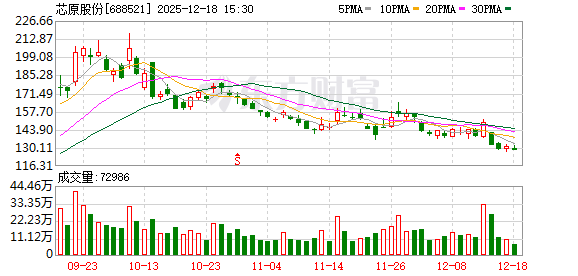
Core Viewpoint - The acquisition of Zhudian Semiconductor by Chip Origin Co., Ltd. (688521.SH) is progressing despite the termination of the acquisition of Xinlai Zhihong, aiming to enhance AI visual chip capabilities through strategic integration [2][11]. Group 1: Acquisition Details - Chip Origin has signed investment agreements with TianSui XinYuan and other investors to acquire a 97.89% stake in Zhudian Semiconductor for a total cash consideration of 930 million yuan, with TianSui XinYuan becoming the controlling entity post-transaction [2][3]. - Following the investment, Chip Origin will hold a 40% stake in TianSui XinYuan, becoming its largest shareholder and gaining control over the majority of the board seats [3][5]. - The investment consortium includes significant players such as Huaxin Dingxin and Guotou Xiandai, indicating strong state and local capital support for the semiconductor sector [3][4]. Group 2: Financial Performance - Chip Origin reported a revenue of 2.25 billion yuan and a net loss of 347 million yuan for the first three quarters of 2025, continuing a trend of losses over several years [6][7]. - The company has faced negative cash flow since mid-2022, with a net cash flow from operating activities of -390 million yuan for the first three quarters of 2025 [6][7]. - Zhudian Semiconductor also reported poor financial performance, with projected revenues of 385 million yuan and a net loss of 120 million yuan for 2024 [7][8]. Group 3: Strategic Implications - The acquisition is viewed as a strategic move to consolidate valuable technology assets at a reasonable valuation during a downturn in the industry, aiming for significant synergies in the future [8][10]. - The establishment of TianSui XinYuan as a special purpose vehicle (SPV) allows for risk isolation and governance optimization, facilitating the integration of multiple capital sources [5][6]. - The focus on AIASIC and RISC-V technologies positions Chip Origin to capitalize on emerging market opportunities, with plans to create a comprehensive platform integrating various IPs [10][12].


2025年前11月铁路发送旅客42亿人次货物48亿吨 均创纪录
Zhong Guo Jing Ying Bao· 2025-12-18 15:38
Core Insights - The national railway's freight volume reached 4.83 billion tons in the first 11 months of 2025, a year-on-year increase of 2.4% [1] - The total freight volume for the national railway is expected to approach 41 billion tons for the year, exceeding the annual target [1][2] - Passenger traffic reached 4.28 billion trips in the first 11 months, marking a 6.6% increase year-on-year, setting a historical record for the same period [2][3] Freight Transport - In the first 11 months of 2025, the national railway's total freight volume was 3.73 billion tons, with November alone accounting for 3.5 billion tons, remaining stable compared to the previous year [1] - Specific categories showed significant growth: container transport increased by 16.2% to 9.63 billion tons, grain by 15.4% to 0.57 billion tons, and fertilizers and pesticides by 6.7% to 0.46 billion tons [1] - The Daqin Railway maintained stable operations, with a total freight volume of 356 million tons in the first 11 months, and November's volume was 37.22 million tons, up 1.75% year-on-year [2] Cross-Border Transport - The Central Asia and China-Europe freight trains maintained stable operations, with the Central Asia train operating 13,100 times, a 22% increase year-on-year [2] - The China-Europe train operated 18,100 times, reflecting a 1.2% increase year-on-year [2] Passenger Transport - The national railway's passenger volume reached 4.28 billion trips in the first 11 months, achieving 92.5% of the annual target [2] - Daily passenger train operations averaged 11,258 trains, a 7.1% increase year-on-year, indicating effective capacity management [3] - The railway's market-oriented reforms have significantly boosted passenger traffic, reflecting the economic vitality of China [3]

高培勇:中国经济升级须从“投资于物”转向“投资于人”
Zhong Guo Jing Ying Bao· 2025-12-18 15:38
Core Viewpoint - The core argument presented by Gao Peiyong emphasizes the necessity of integrating "investment in people" with "investment in material" to address current economic challenges and support the goal of achieving basic socialist modernization by 2035 [1] Group 1: Economic Context and Goals - The 20th Central Committee's Fourth Plenary Session highlights the need for decisive progress in achieving socialist modernization during the 14th Five-Year Plan, with specific quantitative indicators linked to per capita GDP reaching the level of moderately developed countries [1] - Current per capita GDP in China is approximately $13,500, while the target for moderately developed countries is between $25,000 and $26,000, indicating a need to double per capita GDP within the next decade [1] Group 2: Investment Strategy - Gao stresses that relying solely on traditional material capital investment is insufficient for sustained growth, advocating for a shift towards investing in human development to stimulate domestic demand and drive economic structural upgrades [1] - The current economic challenge of weak domestic demand and pessimistic expectations is identified, with weak expectations being the root cause of the observed decline in consumption growth [2] Group 3: Government Spending and Structural Adjustment - A systematic adjustment in government spending is necessary, which involves reducing expenditures on material investments while increasing those on human investments, thereby enhancing public service spending and optimizing the overall consumption investment structure [2] - The transition from a material-focused fiscal system to a public finance model is highlighted as a critical phase, necessitating proactive measures to drive this profound change in resource allocation [2] Group 4: Social Security and Transfer Payment System - The urgency of modernizing the social security and transfer payment system is emphasized, with current shortcomings including selective coverage, varying benefits, insufficient public service funding, and a lack of significant redistributive function [3] - The establishment of a modern social security system aims to eliminate urban-rural disparities and identity differences, ensuring universal applicability of the protection system to all citizens [3] Group 5: Proposed Reforms - Three specific reform measures are proposed: 1. Accelerate the adjustment of fiscal expenditure structure by significantly increasing the proportion of social welfare spending while reducing economic construction spending [4] 2. Improve the social security system by promoting nationwide coordination of basic pension insurance to achieve full coverage of the legally defined population [4] 3. Enhance the transfer payment system by establishing a demand-oriented precise transfer payment system to equalize social assistance within provincial administrative regions [4] - The establishment of a modern social security and transfer payment system, along with enhancing the equity and accessibility of basic public services, is deemed essential for the effective functioning of a proactive government [4]
酒业焦虑?宋书玉喊话:三大不变定军心,四大变化迎新机
Zhong Guo Jing Ying Bao· 2025-12-18 13:31
Core Viewpoint - The 29th "Consensus, Co-construction, and Sharing" conference of Wuliangye was held on December 18, focusing on "New Situations, New Opportunities, New Journeys," highlighting a shift in strategic thinking for the upcoming year [1] Industry Overview - The liquor industry is currently facing four major issues: overcapacity, high inventory, price inversion, and lack of consumption scenarios [2] - Despite these challenges, there are signs of positive change, including optimization of production capacity, alleviation of high inventory, stabilization of price inversion, and recovery of consumption scenarios [2] Strategic Recommendations - The industry needs to undergo transformations in four areas: 1. Marketing strategies should adapt to rational demand 2. Market supply strategies must change in response to price inversion 3. Traditional consumption scenarios need to evolve due to their absence 4. Companies should proactively adjust expectations and even manage profits and losses rationally under downward pressure [2] Thematic Shift - The theme of the conference was changed from "Co-negotiation, Co-construction, and Sharing" to "Consensus, Co-construction, and Sharing," emphasizing long-term cooperative relationships over mere commercial negotiations [2]

集成电路设备龙头谋划产业链整合 中微公司拟购杭州众硅控股权
Zhong Guo Jing Ying Bao· 2025-12-18 11:55
Group 1 - The core point of the article is that Zhongwei Company (688012.SH) is planning to acquire a controlling stake in Hangzhou Zhonggui Electronics Technology Co., Ltd. through a share issuance and raise matching funds, marking a strategic move to enhance its semiconductor equipment platform and technology portfolio [1][2] - Hangzhou Zhonggui specializes in the research, production, and sales of high-end Chemical Mechanical Polishing (CMP) equipment, primarily focusing on 12-inch CMP devices, which are crucial for semiconductor manufacturing [1] - The acquisition is expected to create significant strategic synergies between Zhongwei and Hangzhou Zhonggui, representing a key step towards the company's goal of becoming a more integrated and platform-oriented entity in the semiconductor industry [1] Group 2 - Industry insiders view Zhongwei's entry into a new field as a landmark event, indicating that leading companies in the integrated circuit equipment sector are beginning to plan for industry chain integration [2] - Due to the uncertainties surrounding the transaction, Zhongwei's stock will be suspended from trading starting December 19, 2025, for a period not exceeding 10 trading days to ensure fair information disclosure and protect investor interests [2]

存款利率升高!部分银行“开门红”让利揽储
Zhong Guo Jing Ying Bao· 2025-12-18 11:55
中经记者 慈玉鹏 北京报道 近日,多家中小银行发布开门红活动公告,推出的存款产品年利率相对升高,部分三年期存款产品年利 率一度逼近2.00%。 《中国经营报》记者采访了解到,中小银行目前仍存在一定揽储压力,但开门红时期阶段性提高部分存 款产品利率,属于短期现象。目前,货币政策导向并未发生转向,并且后续降准降息仍有一定的空间, 未来存款利率的下行趋势或仍将延续。 银行推出"开门红"存款产品 多家中小银行近期集中推出"开门红"产品。 利率仍呈下降趋势 北京财富管理行业协会特约研究员杨海平告诉记者,根据观察部分中小银行的揽储压力相对比较大。原 因在于三方面:其一,客观而言中小银行发展的愿望更迫切,做大规模的愿望更迫切。其二,支持实体 经济、扩大信贷投放的意愿需要做好资金储备。其三,中小银行在存款市场上的认可程度相对于大型银 行和股份制银行而言较低。 某华北地区股份行银行人士表示,一般而言,中小银行在开门红期间揽储会推出利率更高的产品。目 前,相对来看,中小银行揽储依旧存在一定压力,首先,在品牌信任层面,中小银行缺乏国有大行的信 用背书;而竞争格局上,大型银行加速下沉普惠市场,凭借低成本资金优势抢占县域客户。净息差收 ...
广汽领程获白云金控3亿元战略投资,加速新能源商用车布局
Zhong Guo Jing Ying Bao· 2025-12-18 09:01
在签约仪式上,广汽集团董事长冯兴亚表示,广汽领程与白云区达成战略合作,是企业在新能源商用车 领域转型发展的重要节点,也是广汽集团积极对接广州市发展战略、深化本土产业协同、共创长期价值 的重要实践。依托白云区完善的产业基础与综合优势,广汽领程将进一步加速创新业务成长,为白云区 智慧城市和绿色交通建设注入新动能,推动产业链创新要素集聚,共同打造新能源与智能网联汽车产业 高质量发展的区域示范。 白云区委副书记、区长潘志军表示,近年来,白云区主动"换道超车",抢抓商用车产业变革机遇,聚焦 智能网联及新能源商用车赛道,在产业载体规划、龙头企业集聚和应用场景推广等方面已形成良好基 础。希望此次合作能够成为示范标杆,带动更多高端制造与绿色科技产业要素集聚白云。白云区也将以 更加优质、高效的服务,全力保障项目落地和企业发展,共同书写智慧物流与绿色交通发展的新篇章。 中经记者 陈靖斌 广州报道 【广汽领程完成3亿元融资 广州白云金控领投】12月17日,白云区人民政府与广汽集团旗下广汽领程新 能源商用车有限公司(以下简称"广汽领程")签署战略合作框架协议;同时,广州白云金科控股集团有 限公司(以下简称"白云金控")与广汽领程签署 ...


近亿元项目涉嫌串标 ST岭南被罚60万元
Zhong Guo Jing Ying Bao· 2025-12-18 08:15
Core Viewpoint - ST Lingnan has been sentenced to a fine of 600,000 yuan for collusion in bidding, with two responsible personnel receiving suspended prison sentences, but the company claims this has not significantly impacted its operations [1][2]. Legal Issues - The case originated from a project won by ST Lingnan in June 2021, with a contract value of 96.2265 million yuan, representing 9.04% of the company's latest audited net assets [2]. - The court found that employees of ST Lingnan's subsidiary failed to comply with legal bidding procedures, leading to the charges of collusion [2]. - The company has stated that the judgment is not yet effective and has not had a major impact on its operations, nor does it trigger mandatory delisting conditions [2]. Financial Challenges - ST Lingnan is facing multiple challenges, including overdue debts, litigation disputes, and continuous losses [3]. - As of November 15, the company reported overdue interest debts of 139 million yuan, which is 13.08% of its audited net assets for 2024 [3]. - The company has also disclosed that it has faced new litigation and arbitration cases totaling approximately 113 million yuan, which is 10.60% of its latest audited net assets [3]. Performance Issues - ST Lingnan has reported consecutive losses over the years, with a cumulative net profit loss of 3.63 billion yuan from 2022 to 2024 [4]. - As of the third quarter of 2025, the net profit loss was 206 million yuan, primarily due to difficulties in collecting receivables, exacerbated by tight local government finances [4]. - The company’s accounts receivable balance reached 2.259 billion yuan by the end of 2024, indicating reliance on local government payments for revenue [4]. Compliance Risks - ST Lingnan is also facing other compliance risks, including an investigation by the China Securities Regulatory Commission for information disclosure violations [5]. - The company has initiated legal action against its former controlling shareholder for the recovery of 142 million yuan in misappropriated funds [5].

上海交通大学朱启贵:中央经济工作会议首提“城乡居民增收计划”,构建“增收-消费-增长”良性循环
Zhong Guo Jing Ying Bao· 2025-12-18 07:16
Core Viewpoint - The Central Economic Work Conference has introduced the "Urban and Rural Residents Income Increase Plan," marking a significant shift in policy focus towards a comprehensive approach to boost income across all urban and rural residents, rather than just targeting low-income groups [1][2][3] Policy Framework - The plan represents a transition from a principle-based approach to a systematic design, integrating income growth into the national strategic framework with specific quantitative indicators and implementation timelines [2][3] - It emphasizes a comprehensive layout of "lowering the low, expanding the middle, and limiting the high," aiming to enhance wage income through skill training and job retention, while also broadening channels for property income [3][4] Economic Cycle - The relationship between income increase, domestic demand expansion, and consumption is described as a "trinity" economic cycle, where increased income drives consumption, which in turn supports economic growth [4][5] - The plan aims to enhance residents' consumption propensity by increasing disposable income, thereby addressing the current imbalance between supply and demand [5] Implementation Strategies - The income increase plan is a multi-faceted approach requiring collaboration across various policy areas, including fiscal, monetary, employment, social security, and distribution policies [6][7] - Key strategies include maintaining necessary fiscal deficits, optimizing spending structures, and ensuring financial support for public services and transfer payments [6][7] Pathways to Income Increase - Four main pathways for achieving income increase are identified: 1. Expanding employment and enhancing wage income through job stability and skill improvement [8] 2. Increasing property income by stabilizing capital markets and promoting inclusive financial services [8] 3. Enhancing transfer income through social security and direct fiscal policies [8] 4. Improving operating net income by supporting small and micro enterprises and fostering entrepreneurship [8] Conclusion - The Urban and Rural Residents Income Increase Plan is a critical initiative for the end of the 14th Five-Year Plan, aiming to create a virtuous cycle of "income—consumption—growth" through systemic innovation and coordinated macro policies [9][10]
打赢材料“突围战”:国家队基金锚定AI产业核心
Zhong Guo Jing Ying Bao· 2025-12-18 07:10
Core Insights - The third New Materials Empowering New Industries Partner Conference was held in Beijing, focusing on the integration of intelligence and materials, amidst a critical phase of global AI development and intense competition in computing power [1] - China National Building Material Group's new materials segment is projected to exceed 100 billion yuan in revenue by 2024, transitioning from a foundation for large infrastructure to a cornerstone for AI [1] - The China National Building Material Group established the China National Building Material New Materials Fund in 2021 to accelerate the layout of the new materials industry through market mechanisms, with three main missions: ensuring national supply chain security, empowering the new materials segment, and supporting core technological breakthroughs [2] Investment Strategy - The China National Building Material New Materials Fund has a total scale of 20 billion yuan, with an initial scale of 15 billion yuan, funded by various entities including national and local investment platforms [2] - The fund focuses on four strategic emerging industries: new generation information technology, new energy vehicles, aerospace, and new energy, which are critical for national economic development and material innovation [2] - As of the interview date, the fund has invested over 12.1 billion yuan across 48 projects, capturing synergistic effects across the industry chain [2] Material Innovation - The fund emphasizes the extreme purity requirements for materials in semiconductor manufacturing, such as electronic-grade polysilicon, which has seen a rise in domestic production from about 10% to 50%-60% [3] - Investments in high-purity quartz materials are crucial, as they are essential for semiconductor manufacturing, with current domestic production at approximately 25% [3] - The fund has also invested in the only independent photomask manufacturer without wafer factory shareholders, which is crucial for chip design [4] Dual-Driven Ecosystem - China National Building Material Group operates a dual-driven ecosystem of "technology innovation + industrial investment," with the fund acting as a front-line station, amplifier, and accelerator [5] - The fund organizes annual conferences to discuss supply and demand in the new materials sector, fostering collaboration among state-owned enterprises and investment institutions [5] Future Growth Areas - The fund anticipates significant growth in the "AI + display" sector, projecting a market increase of over $40 billion in the next five years [6] - In the "AI + new energy vehicles" sector, an estimated growth of $800 billion is expected, with investments in various core materials [6] - The "AI + energy" sector is projected to see a growth of 1.9 trillion yuan by 2030, with investments in smart grid materials [6] - The "AI + aerospace" sector is expected to grow by 600 billion yuan by 2030, with investments in advanced materials [6] Fund Performance - The fund has entered a virtuous cycle, with two projects successfully completing IPOs and several others in the pipeline [7] - Preparations for the second phase of the fund are underway, inviting more local capital participation [7]