Zhong Guo Qing Nian Bao

Search documents
一场延续三十三载的“零点之约”
Zhong Guo Qing Nian Bao· 2026-01-28 23:15
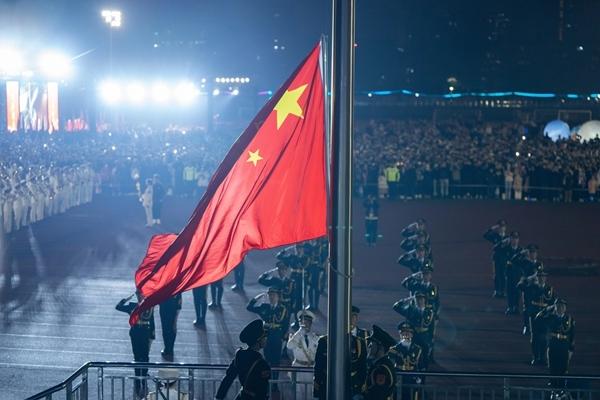
Core Viewpoint - The New Year's zero flag-raising ceremony at China University of Geosciences (Wuhan) has become a cherished tradition, symbolizing patriotism and collective memory among students and faculty over the past 30 years [1][3][7]. Group 1: Ceremony and Tradition - The zero flag-raising tradition began in 1992, initiated by Zhang Jingao, the deputy secretary responsible for student affairs, aiming to create profound memories for youth [3]. - The first ceremony took place in 1993 at the newly built flagpole, marking the start of a significant annual event [3]. - The ceremony has evolved into a large-scale event, with thousands of students participating, creating a powerful sense of unity and patriotism [3][6]. Group 2: Activities and Engagement - In 2000, the university combined the flag-raising ceremony with various festive activities, forming the "New Year Carnival," which integrates patriotic education and cultural displays [4]. - The carnival includes diverse activities such as games, performances, and traditional food, attracting over 30,000 participants from the university and alumni [5]. - This year's event featured seven major activities, including a "Time Reflection" project for free photo services, enhancing the festive atmosphere [4]. Group 3: Cultural Significance - The event showcases traditional culture through performances, including dance and music, fostering a deeper appreciation for cultural heritage among students [5]. - The involvement of over 2,000 student volunteers highlights the community spirit and commitment to ensuring the event's success, despite challenging weather conditions [5]. Group 4: Educational Impact - The ceremony serves as a "living ideological and political class," embedding patriotism into the students' experiences and memories, as emphasized by the university's leadership [7]. - The collective experience of the flag-raising ceremony instills a sense of mission and honor among students, encouraging them to contribute to national development and rejuvenation [7].

零零后育婴师带来育儿新理念
Zhong Guo Qing Nian Bao· 2026-01-28 23:15
"带孩子"正变得越来越专业化、职业化,这已成为许多年轻家庭的切身感受。 育婴师,是2021年被人力资源社会保障部认证的新职业工种,在国家职业标准中被称为"婴幼儿发展引 导员(育婴员)"。 他们既不同于专注3岁以上幼儿教育的幼儿园老师,也有别于主要从事家务的保姆或专事母婴护理的月 嫂。其核心职责,是聚焦0-3岁婴幼儿的早期发展,需系统掌握该阶段婴幼儿生理、心理发展知识,能 够制定个性化教学计划,并实施动作训练、智力开发等早期教育活动。 在武汉某家政公司品控负责人王女士看来,当下行业对"婴幼儿早教"技能的要求已十分普遍,2025年有 65%的雇主明确提出了此项需求。"一名合格的育婴师,需经正规培训,精通专业知识,更像是'家庭育 儿顾问'。"她表示。 2000年出生的何易(化名),学前教育专业毕业,于2024年从幼儿园转入家庭,成为一名入户育婴师。 吸引她的,是这份职业独特的"在场感"与价值认同。 "能亲手将一个襁褓中的婴儿,带到会走会跑、会说会笑,见证他成长的每一个'第一次',这种被需 要、被信任的温暖是无价的。"这是她的从业初心。 工作中,她注重引导而非包办,例如在亲子乐园,她会先排查安全隐患,再鼓励孩子自主探 ...
不是大国,也能引领:加拿大的中等强国之道
Zhong Guo Qing Nian Bao· 2026-01-28 15:14
Core Insights - The 2026 Davos World Economic Forum highlighted the urgent need for dialogue in the face of global uncertainties, particularly regarding security environments and governance challenges [1] - The complexity of achieving genuine dialogue amidst these uncertainties was underscored by various signals from the conference, revealing the fragility of international cooperation [1] Group 1: Geopolitical and Economic Factors - Major factors contributing to global uncertainty include geopolitical conflicts, trade wars, government changes, and new legislative or strategic developments, creating a unique situation not seen since the Cold War [1] - Canada's military exercises now include scenarios of potential invasion from the U.S., reflecting deep concerns over traditional alliances and defense spending criticisms from the Trump administration [2] - Denmark's Akademiker Pension sold $100 million in U.S. Treasury bonds, signaling a European response to U.S. policies and potentially reshaping the economic alliance between the U.S. and Europe [2] Group 2: Market Reactions and Asset Valuation - The uncertainty has led to a significant rise in gold prices, surpassing $5000, indicating a shift in market sentiment towards gold as a safe-haven asset amid declining confidence in the U.S. dollar [3] - The Federal Reserve's statements have intensified market distrust, challenging the foundational pillars of U.S. soft power, including stability, prosperity, and government authority [3] Group 3: Policy Recommendations and Historical Context - Effective policy must be rooted in a deep understanding of specific social contexts rather than abstract ideals, as demonstrated by Canada's inclusion of a Chinese-Canadian MP in its delegation to China [4] - Historical evidence shows that economic globalization can provoke identity politics and sovereignty anxieties, necessitating a strong cultural identity and national narrative for effective global governance [4] - Canada has historically advocated for middle powers to participate in international affairs based on expertise rather than size, promoting ethical international cooperation focused on peace and development [5][6]
新兴与传统表演形式齐聚一堂,B站首办“大年初一联欢会”
Zhong Guo Qing Nian Bao· 2026-01-28 14:26
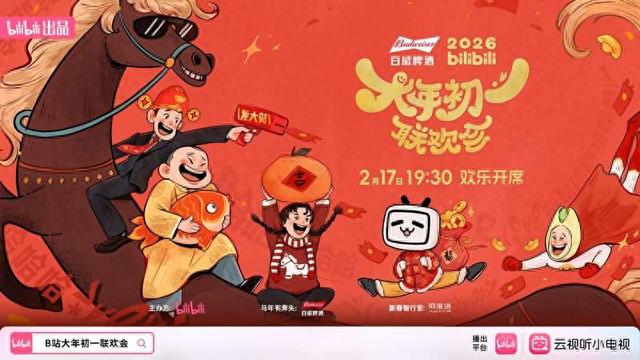
Group 1 - Bilibili will host its first "Bilibili New Year's Gala" on February 17, 2026, coinciding with the Lunar New Year [1] - The gala aims to create a family-friendly event featuring a mix of traditional and modern entertainment, appealing to audiences of all ages [3] - The event will include performances such as cross-talk, skits, acrobatics, and popular formats like sketch comedy, rap, and dance, catering to younger viewers [3]

攥指成拳炼体系 中国汽车在行业巨变中这样破局
Zhong Guo Qing Nian Bao· 2026-01-28 08:07
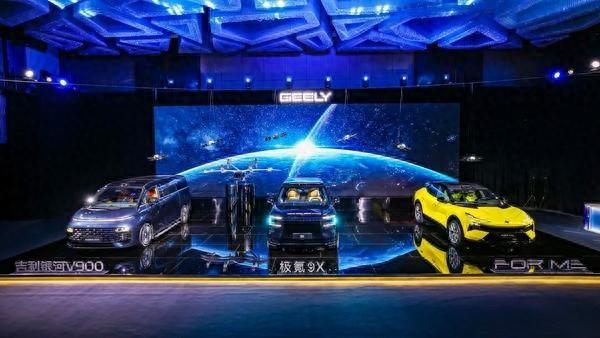
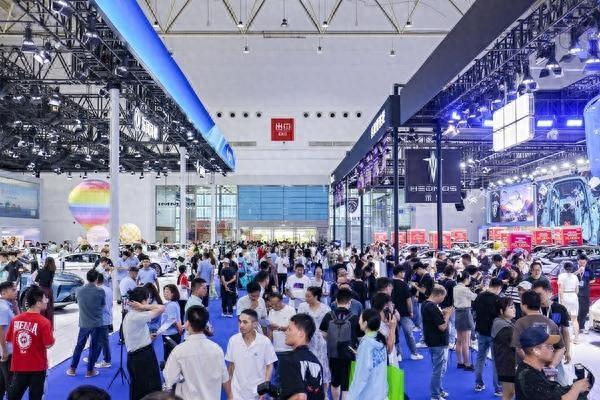
Core Insights - In 2025, Geely Holding achieved total sales of 4.116 million vehicles, marking a 26% year-on-year increase and continuing a five-year trend of rapid growth [2][5] - Geely aims to exceed global sales of 6.5 million vehicles and revenue of over 1 trillion yuan by 2030, with approximately 75% of sales coming from new energy vehicles and over one-third from overseas markets [3][13] Sales Performance - Geely's new energy vehicle sales reached 2.293 million units in 2025, reflecting a 58% increase and a penetration rate of 56% [5][8] - The company outperformed the overall Chinese passenger car market, which saw a wholesale growth rate of 8.8% in 2025 [8] Strategic Initiatives - Geely's success is attributed to the implementation of the "Taizhou Declaration" strategy, focusing on brand integration, technological innovation, and operational efficiency [6][9] - The company has established a clear brand matrix, with distinct positioning for various market segments, including traditional fuel vehicles and new energy vehicles [7][9] Technological Advancements - Geely's investment in technology has created a robust competitive edge, particularly in the fields of new energy and smart technology [9][10] - The introduction of advanced systems like the G-ASD driver assistance system and the i-HEV hybrid technology demonstrates Geely's commitment to innovation [10] Global Expansion - Geely is pursuing a global development path characterized by regional deepening and global collaboration, aiming for high-quality international expansion [11] - The appointment of renowned pianist Lang Lang as a global brand ambassador signifies Geely's efforts to enhance its global brand recognition and appeal [11] Industry Impact - Geely's achievements reflect a broader transformation within the Chinese automotive industry, transitioning from scale to strength and enhancing core competitiveness [6][12] - The company's strategic choices align with the industry's shift towards high-quality development, providing a model for other Chinese automakers [8][12]

1078对师徒结对 铺就青年员工成长快车道
Zhong Guo Qing Nian Bao· 2026-01-28 07:26
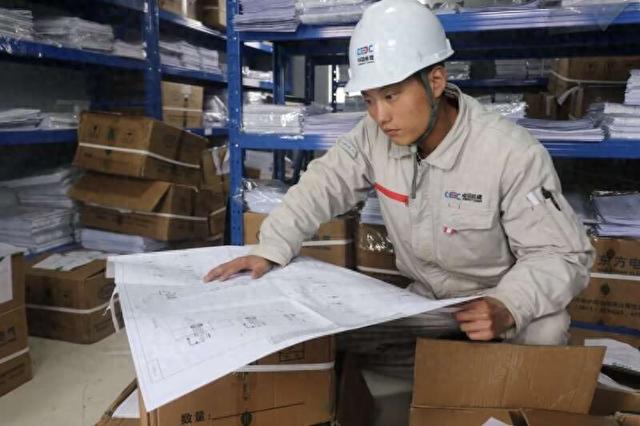
Core Insights - The article highlights the strategic focus of Anhui Electric Power Construction No. 2 Company on youth talent development, emphasizing the establishment of a multi-level training system and mentorship programs to accelerate the growth of young employees [1][6]. Group 1: Youth Talent Development - The company has paired 1,078 mentor-mentee pairs in the past three years as part of its "Foundation Plan," which not only imparts technical skills but also instills a rigorous work ethic and sense of responsibility [6]. - Young employees are actively engaged in critical projects, such as the 220 kV substation project, where they learn essential skills through hands-on experience and practical challenges [1][3]. Group 2: Project Execution and Challenges - Young professionals face significant challenges in high-pressure situations, such as completing tasks on the Beijing-Shanghai high-speed railway within tight deadlines, demonstrating their ability to perform under stress [3]. - The company encourages a learning-by-doing approach, where employees like Wang Shiqi successfully develop and implement complex project plans through iterative learning and mentorship [3][6]. Group 3: Innovation and Brand Promotion - Employees are also involved in innovative practices, such as using drones to capture significant project milestones, contributing to the company's brand image and outreach efforts [6].
南京航空航天大学团委:发挥“三航”特色,构建大中小学教育一体化育人新路径
Zhong Guo Qing Nian Bao· 2026-01-28 07:23
Core Viewpoint - The integration of aerospace spirit into the education system in Nanjing is being effectively implemented through the "Three Aviation Leading · 331" collaborative education project initiated by Nanjing University of Aeronautics and Astronautics (NUAA) [1] Group 1 - The "Three Aviation Leading · 331" project aims to break down educational barriers and create a closed-loop for the transmission of aerospace spirit among students from primary to university levels [1] - NUAA's project integrates its unique aerospace, aviation, and civil aviation characteristics with ideological and political education, establishing a new path for comprehensive and cross-stage education [1] Group 2 - To address the disconnection between ideological education and practice, NUAA has developed 22 specialized course brands, including "Civil Aviation Talks · Three Aviation Science Popularization" and "Dreaming of the Blue Sky," resulting in over 800 teaching hours annually [2] - The project collaborates with over 80 local government, enterprise, and institutional partners to create educational bases, transforming local practice sites and research centers into large classrooms for ideological education [2] - A cross-stage integrated course resource library has been established, containing over 500 resources such as courseware, videos, and case studies, along with more than 180 adaptable teaching plans [2] - The initiative has reached over 50 schools across the province, conducting more than 300 educational and practical activities, benefiting over 180,000 teachers and students [2]
盘点2025年汽车产业政策新风向:从追求“规模速度”到比拼“质量效益”
Zhong Guo Qing Nian Bao· 2026-01-27 22:48
Core Insights - The Chinese automotive industry achieved significant milestones in 2025, with total vehicle production and sales showing steady growth, and new energy vehicle sales surpassing 10 million units for the first time, achieving a market penetration rate of over 50% [2][10] - A comprehensive set of policies was implemented to guide and correct the industry, with over 30 key standards and regulatory policies released by relevant departments, averaging more than 2.5 per month [2] Group 1: Market Competition and Regulation - The year 2025 marked a shift from "price wars" to "value wars," with a strong emphasis on curbing "involution" in the automotive sector through regulatory measures [3][4] - Key regulations included a "60-day payment cycle" for suppliers and a "price behavior compliance guideline" aimed at restoring order in the market and protecting supplier rights [3][4] - Major automakers like SAIC, BYD, and Geely adopted the 60-day payment cycle, which is seen as a move towards healthier industry ecology and stable cash flow for suppliers [3][4] Group 2: Safety and Technological Standards - Policies focused on safety in both intelligent connected vehicles and new energy vehicles were intensified, establishing a robust safety regulatory framework [5][6] - In the intelligent connected vehicle sector, new mandatory standards were introduced to ensure safety and prevent exaggerated claims about advanced driving capabilities [5] - The new national standards for electric vehicle batteries introduced stringent safety requirements, including tests for fire resistance and crash safety, which are considered the strictest in history [6] Group 3: Future Policy Directions - The continuity and foresight of policies in 2026 are expected to reinforce the stability of the automotive industry, with high standards established in 2025 set to be fully implemented [7] - Future competition will focus on the resilience and collaboration of the entire supply chain, emphasizing technological research, high-end manufacturing, and global operations [7] - Policies will increasingly support the development of cutting-edge technologies like L3-level autonomous driving and solid-state batteries, while promoting collaboration across the supply chain [7][10] Group 4: Global Expansion and Innovation - The push for "going global" is shifting from product export to "industry chain export" and "standard export," with a focus on building a complete ecosystem for Chinese automakers in international markets [9][10] - Companies like Leap Motor and Chery are rapidly expanding globally, utilizing diverse strategies to enhance their market presence and competitiveness [9][10] - The policies are driving innovation across the supply chain, with companies like Xinwangda developing advanced battery technologies to meet stringent safety and performance standards [8][9]
激发创新活力,北京擦亮“文化中心”品牌
Zhong Guo Qing Nian Bao· 2026-01-27 13:40
Group 1 - The core viewpoint of the articles emphasizes Beijing's cultural development as a national cultural center, with a focus on enhancing cultural supply and innovation by 2025 [1] - The Beijing government plans to deepen the construction of the performing arts capital, aiming to create performance zones and host more large-scale cultural events [1] - By 2025, the audience for Beijing's performance market is expected to reach 14 million, with ticket revenue projected at 5 billion, significantly contributing to the national total [1] Group 2 - The rise of immersive performing arts projects is seen as a key driver for cultural tourism consumption, with suggestions for creating "epic" performance IPs that reflect Beijing's unique character [2] - There is a call for better utilization of university museum resources to enhance social education functions, with a focus on supporting these institutions [3] - Recommendations include establishing a cultural innovation fund to support cultural enterprises and encourage diverse participation in cultural construction [4] Group 3 - The integration of technology in cultural innovation is highlighted, with suggestions for creating a smart cultural ecosystem that utilizes digital technologies for cultural heritage [4] - Youth are identified as a vital force in cultural innovation, with proposals for a "Youth Cultural Innovation Fund" to engage the younger generation in cultural activities [5][6] - The promotion of intangible cultural heritage in educational settings is emphasized to foster recognition and appreciation among youth [6] Group 4 - The development of diverse cultural consumption scenarios is noted, with new commercial complexes enhancing cultural presentation [6] - The focus is shifting from merely having public cultural service facilities to improving their quality and accessibility [7] - Initiatives such as outdoor concerts and the launch of a smart cultural tourism platform are planned to enhance the cultural experience for citizens [7]
春节期间“反向过年”趋势明显
Zhong Guo Qing Nian Bao· 2026-01-27 12:14
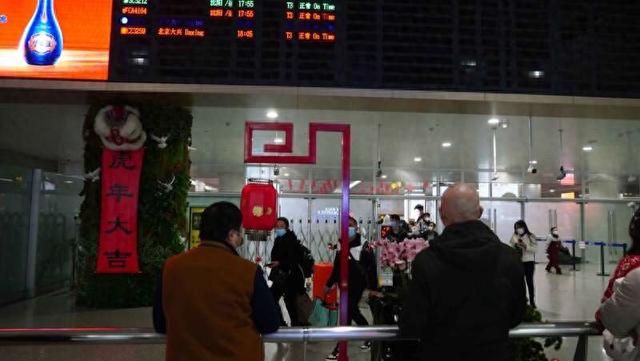
中国青年报客户端讯(中青报·中青网记者 张均斌)马年春节9天超长假期推动"反向过年"热潮持续走 高,成为当下春节的新趋势。 美团旅行数据显示,2026年春运期间,"反向过年"的车票预订量增长明显。2月初至2月中下旬,"反向 过年"的机票预订量同比去年增长84%。春节假期的火车票虽未开售,预约单量也增长过半。 从机票预订目的地来看,"反向过年"排名前十的热门目的地为北京、上海、成都、重庆、广州、深圳、 昆明、西安、杭州、天津。 机场。受 访者供图 春运出行时间分布上,返乡高峰预计集中在2月14日前后,2月22日为回程高峰。其中,选择飞机出行的 旅客普遍比乘坐火车的旅客"晚一天"启程。 从当前车票预订及预约数据看,多人结伴出行趋势显著增强。美团旅行数据显示,2人及以上同行的火 车及飞机支付票量占比持续上升,反映出春节家庭团聚、亲友同行的出行特征更突出。 美团旅行交通业务负责人表示,平台观察到"反向过年"的趋势愈发显著,平台持续引入更多优质的机票 供给,并联合航司为55岁及以上的乘客提供全流程的免费引导服务,助力更多家庭团圆。 来源:中国青年报客户端 ...