
Guo Ji Jin Rong Bao

Search documents
对上市公司破产重整应增设合规性门槛
Guo Ji Jin Rong Bao· 2025-11-17 14:01
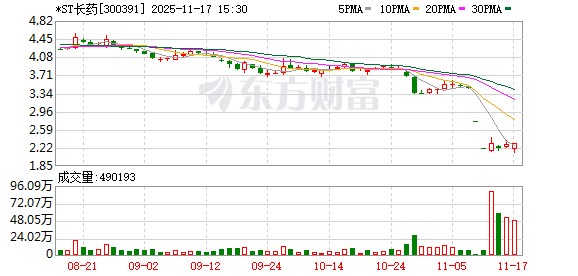
Core Viewpoint - The recent announcement by *ST Changyao regarding the investigation by the China Securities Regulatory Commission (CSRC) for suspected false financial reporting highlights the growing risks and opportunities in the A-share bankruptcy restructuring market, where average returns for industrial and financial investors have reached impressive levels, but significant underlying risks remain [2][3]. Group 1: Company Situation - *ST Changyao is currently undergoing pre-restructuring due to allegations of false financial data, which could lead to forced delisting if deemed a major violation [2]. - As of the end of Q3 this year, *ST Changyao reported a negative net asset value of -0.6 yuan per share, with 140 ongoing lawsuits involving a total amount of 1.88 billion yuan and overdue interest-bearing debts of 390 million yuan [2]. Group 2: Market Dynamics - The average return for industrial investors in bankruptcy restructuring reached 188.61%, while financial investors achieved an average return of 135.9%, attracting numerous capital players to compete for restructuring projects [2]. - Despite the high returns, investors face the risk of acquiring companies with significant debts and legal liabilities, which may not be fully disclosed during the restructuring process [2]. Group 3: Regulatory Recommendations - It is suggested to increase compliance thresholds for bankruptcy restructuring applications to prevent companies with significant internal control deficiencies or ongoing investigations from applying for restructuring [3]. - The proposal includes ensuring that the price for debt-to-equity swaps does not significantly exceed the price paid by restructuring investors, to protect the interests of ordinary creditors [3]. Group 4: Investment Lock-up Periods - Recommendations include extending the lock-up period for financial investors to align with that of industrial investors, thereby encouraging a longer-term commitment to the company's development [4]. Group 5: Delisting Procedures - The current regulations suggest that companies with negative net assets should enter delisting procedures directly, rather than waiting for subsequent financial indicators to trigger a warning [4]. - There is a call to enhance the revenue thresholds for maintaining listing status, as current measures may allow companies to evade delisting through simple financial maneuvers [4]. Group 6: Sustainable Business Practices - Even if a company manages to improve its financial indicators through restructuring, the exchange should assess the sustainability of its core business to prevent superficial restructuring aimed solely at avoiding delisting [5].

第十四届“沪上金融家”评选结果揭晓,21位金融英才分获三大奖项
Guo Ji Jin Rong Bao· 2025-11-17 13:58
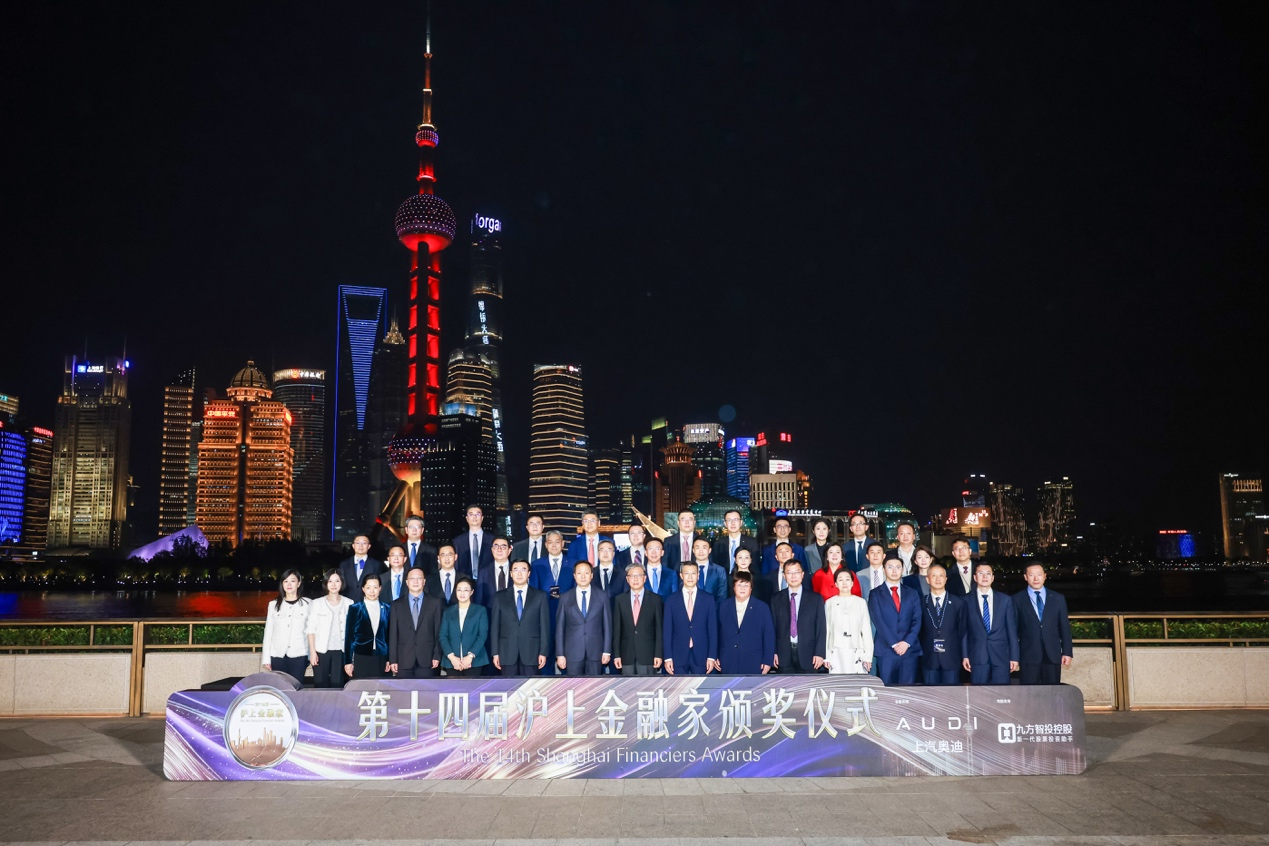
Core Insights - The 14th "Shanghai Financial Talents" awards recognized 21 financial professionals for their contributions to the Shanghai International Financial Center [1][2] - Significant policies and initiatives have been implemented this year to enhance Shanghai's status as an international financial center, leading to a continuous improvement in its capabilities [1] - Shanghai's financial market saw a total trading volume of 2967.83 trillion yuan in the first nine months of the year, marking a 12.7% year-on-year increase [1] Group 1: Awards and Recognition - Three individuals were awarded "Annual Figures in the Construction of Shanghai International Financial Center," eight as "Leaders in Shanghai's Financial Industry," and ten as "Innovators in Shanghai's Financial Industry" [2] - Notable awardees include executives from major banks and financial institutions, highlighting the recognition of leadership in the financial sector [4][5] Group 2: Financial Market Performance - Shanghai's stock market capitalization and interbank bond market scale rank among the top globally, reflecting the city's financial strength [1] - The successful launch of the digital yuan international operation center and offshore bond issuance in the Shanghai Free Trade Zone are key developments [1] Group 3: Financial Innovation and Talent Development - The event featured the release of the first "Green Finance Development Index Report," emphasizing the connection between the securities industry and green finance [5] - The importance of a strong financial talent pool was highlighted as a critical resource for building a financial powerhouse and enhancing the international financial center [5][6] Group 4: Ongoing Initiatives and Discussions - A roundtable discussion included experts from financial infrastructure, banking, and fintech sectors, focusing on how technology can support the development of Shanghai as an international financial center [6] - The "Shanghai Financial Talents" awards have been held for 14 consecutive years, contributing to the soft power and cultural atmosphere of Shanghai's financial sector [7]
联博基金:全球AI题材或暂无泡沫风险
Guo Ji Jin Rong Bao· 2025-11-17 13:58
Core Viewpoint - The recent fluctuations in the A-share market are primarily driven by emotional shocks rather than a weakening of the fundamentals, despite a decline in valuations and ongoing external market pressures [2]. Group 1: Market Analysis - In October, the A-share market experienced a volatile pattern influenced by trade tensions and profit-taking, with the CSI 800 index recording its first monthly decline since May [2]. - The impact of Sino-U.S. trade tensions on the market is gradually diminishing, while the "14th Five-Year Plan" emphasizes high-quality development, indicating a clear signal of "moderate strengthening" from the policy side [2]. - A-share market is expected to transition from a "hope" market driven by valuation expansion to a "growth" market driven by profit growth [2]. Group 2: Investment Strategy - The long-term investment logic in the Chinese stock market is rooted in the evolution of the national economic growth model, with a current focus on innovation and capital efficiency potentially reshaping corporate profitability and competitiveness [3]. - A healthy inflation environment may provide a more favorable macro backdrop for profit growth, suggesting that the long-term investment value of the Chinese stock market is improving [3]. - Two key investment directions are recommended: high-quality companies with both dividend and value attributes, and technology and new consumption themes with sustained growth potential [3]. Group 3: AI and Market Risks - Concerns about an "AI bubble" are mitigated by the current positive profit backdrop, with global AI themes showing no bubble risk at present [3]. - Strong earnings in technology, healthcare, and consumer sectors were reported in the U.S. stock market's third-quarter results, alongside robust capital expenditure intentions from tech giants, maintaining optimism about AI's long-term growth potential [3]. - However, potential risks in the U.S. market are accumulating, including defaults by non-deposit financial institutions and record durations of government shutdowns, which could impact employment and market sentiment [3].
“报行合一”让保险走得更稳更远
Guo Ji Jin Rong Bao· 2025-11-17 13:58
Core Viewpoint - The implementation of the "reporting and operation integration" policy for non-auto insurance, effective November 1, is expected to profoundly impact the industry and reshape the competitive landscape [1]. Group 1: Industry Overview - The insurance industry is a crucial part of the financial system, with a market size in the trillions, serving as a "social stabilizer" and participating in social governance [1]. - The essence of insurance is to provide risk protection for society, helping enterprises, families, and individuals transfer unknown risks [1]. Group 2: Policy Implications - The core of the "reporting and operation integration" policy is to compel insurance companies to operate in compliance, ensuring consistency between what is reported and what is practiced, thereby enhancing professional capabilities and service levels [1][2]. - This policy aims to shift companies from low-level competition based on resource grabbing and price wars to a competition based on comprehensive strength [1]. Group 3: Industry Challenges - Historically, insufficient regulatory oversight has led to a lack of self-discipline in the industry, resulting in companies ignoring compliance and engaging in practices such as splitting coverage and misreporting expenses [2]. - The chaotic competition has posed risks of losses for insurance companies, affecting their profitability and solvency, which in turn impacts the income of industry professionals and the overall health of the sector [2]. Group 4: Market Potential and Reform - The Chinese insurance market has significant potential and is calling for regulation, with ongoing financial reforms moving towards deeper integration of reporting and operations [3]. - The "reporting and operation integration" policy restricts speculative behaviors in the market, signaling a shift towards more structured operations [3]. Group 5: Future Directions - The insurance market in China is still developing and faces challenges that need to be addressed through ongoing development [4]. - Companies must accurately grasp policy changes, adhere to regulations, enhance risk management, and innovate service models to thrive in a competitive environment [4].
新基发行数量创近三年新高
Guo Ji Jin Rong Bao· 2025-11-17 13:58
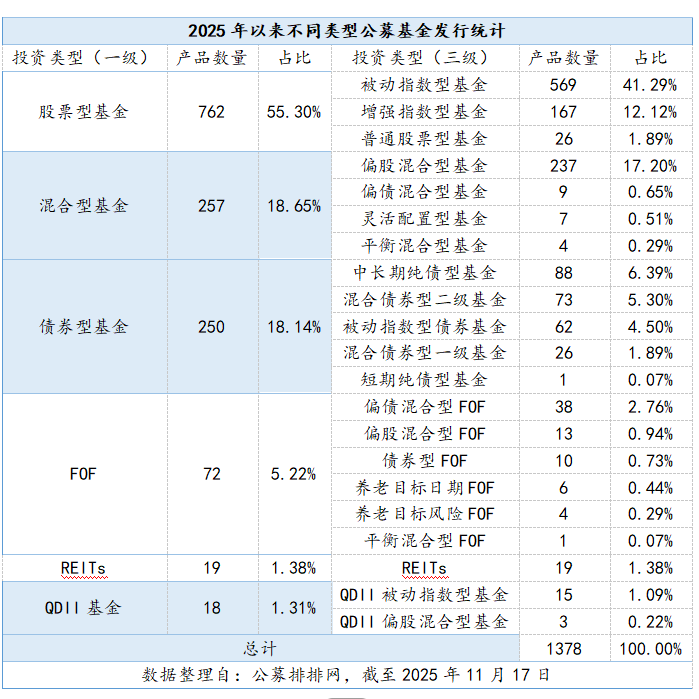
Core Insights - The public fund issuance market has experienced significant changes since 2025, with a total of 1,378 public funds issued as of November 17, 2025, surpassing last year's total of 1,143 and marking a three-year high [1][5] - The average subscription period for newly issued funds has decreased to 16.31 days from 22.63 days last year, indicating a recovery in the fund issuance market [1] Fund Issuance Statistics - In 2025, equity funds have emerged as the dominant category, with 999 equity funds issued, including 762 stock funds and 237 equity hybrid funds, accounting for 72.5% of the total [2] - The rise of index-based investment is notable, with 813 index funds issued this year, representing 59% of the total new funds [3][4] - Among the 762 stock funds, index funds dominate with 736 issued, making up 96.59% of the stock fund category [4] Passive vs. Active Management - The trend towards passive investment is evident, with 646 passive index funds out of 813 total index funds, accounting for 79.46% of the index fund category and contributing 46.88% to the overall new fund issuance [4] - The shift towards passive management reflects a changing market environment where active management struggles to consistently achieve excess returns due to reduced information asymmetry [4] FOF Fund Growth - FOF (Fund of Funds) issuance has seen explosive growth, with 72 new FOFs launched this year, doubling from 33 last year, indicating increasing market recognition of FOF's unique advantages [5] - The issuance of stock funds has significantly increased to 762, while bond fund issuance has decreased to 250, highlighting a shift in investor preference towards equity assets [5] Market Dynamics - Multiple factors have driven the surge in new fund issuance, including economic recovery, policy implementation, and improved corporate earnings, leading to increased investor interest in equity assets [5][6] - Central banks' monetary easing policies have maintained ample market liquidity, further fueling the public fund issuance boom [6] - The younger generation of investors is becoming a significant force in the market, showing a high acceptance of new investment vehicles and increasing trust in public funds [6]
智利“向右”
Guo Ji Jin Rong Bao· 2025-11-17 13:56
Core Points - The Chilean presidential and parliamentary elections held on November 16 resulted in leftist candidate Jeannette Jara and far-right candidate José Antonio Kast advancing to a runoff on December 14, as neither secured over 50% of the votes in the first round [1][2] - The election reflects a significant rightward shift in Chilean politics, with approximately 70% of voters supporting right-leaning candidates, indicating a potential change in the political landscape after decades of leftist dominance in Congress [2][3] Political Context - The elections will determine 155 members of the lower house and about half of the Senate, with investors closely monitoring the possibility of a right-wing majority in Congress, which has been predominantly left-leaning since 1990 [2] - The current political climate is influenced by rising crime rates and immigration issues, leading to a shift in voter sentiment and preferences [2][3] Candidate Positions - José Antonio Kast has capitalized on public concerns regarding crime and immigration, labeling undocumented immigrants as a "national security threat" and proposing strict border control measures similar to those of former U.S. President Trump [3] - Kast's platform includes comprehensive reforms to combat organized crime and promises tighter fiscal policies and market-friendly measures to restore confidence in the Chilean economy, which has seen growth rates slightly above 2% in recent years [3] Economic Implications - Chile is part of the "lithium triangle" in Latin America, possessing about one-third of the world's known lithium reserves and a quarter of copper reserves, critical for electric vehicle battery production [4] - A potential victory for Kast could lead to significant domestic policy changes and strengthen Chile's cooperation with the United States, as he has expressed admiration for Trump's policies [4] Regional Impact - The current situation poses a challenge not only for the left in Chile but also for leftist movements across Latin America, with recent elections in Argentina and Bolivia indicating a shift towards more market-friendly governance [4]
鼎捷数智刘波:以多智能体协同,破解企业决策难题
Guo Ji Jin Rong Bao· 2025-11-17 13:38
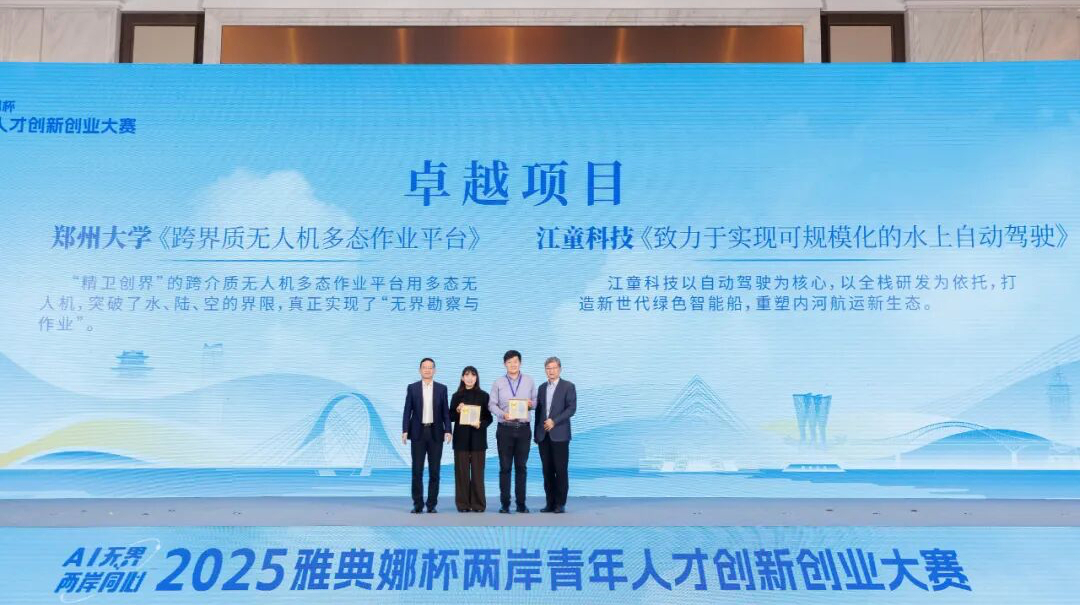
Core Insights - The article discusses the importance of aligning cutting-edge technology with industry needs as enterprise-level AI approaches a critical year for large-scale implementation [1] - The "Athena Cup" innovation and entrepreneurship competition aims to bridge the gap between innovative projects with robust technology and the industrial ecosystem [1] Group 1: Company Overview - Dingjie Smart, established in 1982, has 43 years of experience in the digital intelligence field, focusing on the integration of "AI + Industrial Internet" technology [1] - The company has developed the Dingjie Athena Smart Native Base, which features a cloud-edge-end collaborative architecture and focuses on scenario-based intelligent algorithm development [1] Group 2: AI Application and Innovation - During the competition, Dingjie Smart's Executive Vice President Liu Bo demonstrated the workflow of the Athena Indepth AI multi-agent collaborative platform, showcasing its ability to assist in creating reliable business plans under various constraints [2] - Liu Bo emphasized that the future competitiveness of enterprises will significantly depend on the density of internal AI applications, which may follow Moore's Law, potentially doubling every 18 months [3] Group 3: Competition Details - The competition was structured in a "2+4" model, consisting of two groups (innovation and entrepreneurship) and four tracks (advanced manufacturing, digital future, health technology, green economy), attracting around 300 teams from both sides of the Taiwan Strait [5] - After multiple rounds of competition, 19 teams advanced to the finals, with awards given for outstanding projects, including two excellence awards, four distinguished projects, and thirteen potential projects [5]

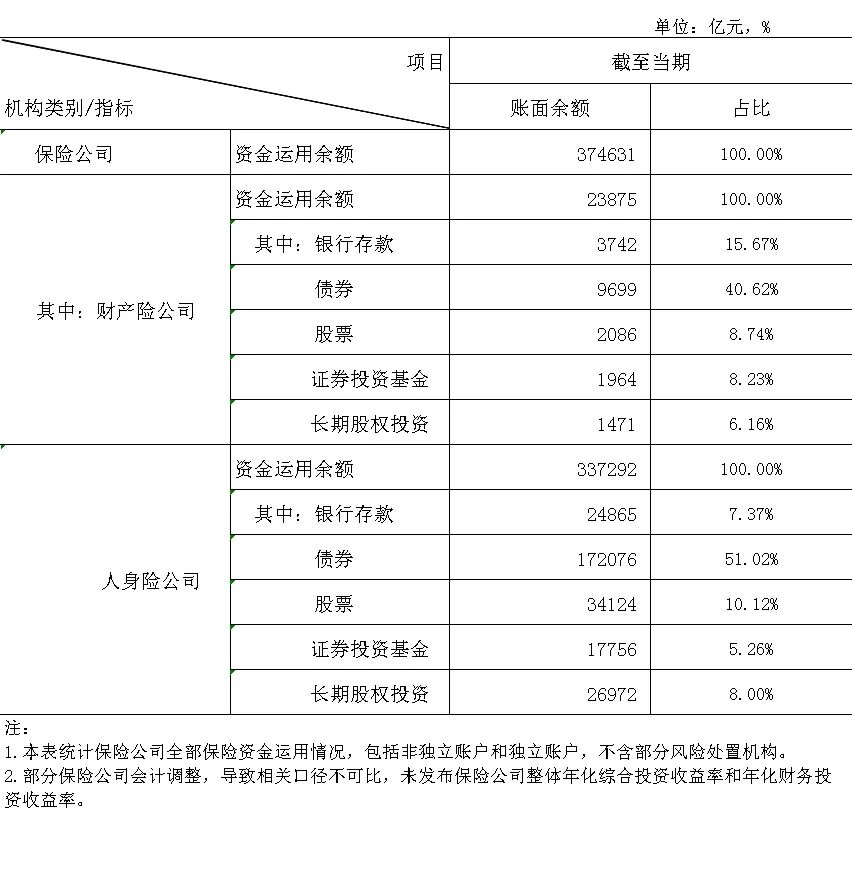
大幅增持股票!37万亿元险资投向这些领域→
Guo Ji Jin Rong Bao· 2025-11-17 13:35
Core Viewpoint - The latest data from the National Financial Regulatory Administration reveals that the total investment balance of insurance companies has exceeded 37 trillion yuan, reaching 37.46 trillion yuan, a growth of 12.6% compared to the beginning of the year [1][4]. Investment Allocation - As of the end of Q3, the investment balance of life insurance companies is 33.73 trillion yuan, while property insurance companies hold 2.39 trillion yuan [1]. - The combined investment in stocks and securities investment funds by life and property insurance companies reached 5.59 trillion yuan, an increase of 1.49 trillion yuan from the beginning of the year, representing a growth rate of 36.2% [6]. - The proportion of stocks and securities investment funds in the total investment balance rose from 12.3% at the beginning of the year to 14.9% [6]. Stock Investment Trends - By the end of Q3, the investment in stocks by life and property insurance companies amounted to 3.62 trillion yuan, up 1.19 trillion yuan from 2.43 trillion yuan at the beginning of the year, marking a nearly 50% increase [7]. - Life insurance companies' stock investment accounted for 10.12%, while property insurance companies' stock investment reached 8.74% [7]. - There have been 24 instances of insurance capital acquiring stakes in listed companies this year, matching the total number of acquisitions from the previous four years combined [7]. Bond Investment Dynamics - The total investment in bonds by life and property insurance companies reached 18.18 trillion yuan, an increase of 2.25 trillion yuan from 15.92 trillion yuan at the beginning of the year, with a growth rate of 14.1% [10]. - The proportion of bonds in the total investment balance slightly decreased to 48.5% from 49.3% at the end of Q2 [11]. - Life insurance companies' bond investments amounted to 17.21 trillion yuan, while property insurance companies held 969.9 billion yuan in bonds [11]. Future Outlook - Analysts expect that the investment balance of insurance funds will continue to grow at a double-digit rate throughout the year, driven by the rapid increase in premium income [4]. - The stability of long-term interest rates is anticipated to ease the pressure on the yield of fixed-income investments for insurance companies [12].
鸿富瀚:恒美国际持股比例降至5%以下
Guo Ji Jin Rong Bao· 2025-11-17 13:24
Core Viewpoint - Hengmei International has reduced its shareholding in Hongfuhang by 900,100 shares, representing 1.0001% of the total share capital, due to asset integration, capital turnover, and business needs [1] Summary by Category - **Shareholding Changes** - Before the reduction, Hengmei International held 5.4 million shares, accounting for 6.0000% of the total share capital [1] - After the reduction, Hengmei International now holds 4,499,900 shares, which is 4.9999% of the total share capital, and is no longer a shareholder with more than 5% ownership [1]
汇洁股份:股东林升智拟减持不超过2%
Guo Ji Jin Rong Bao· 2025-11-17 13:21
Group 1 - The core point of the announcement is that shareholder Lin Shengzhi, who holds 113 million shares (27.47% of the company), plans to reduce his stake by up to 8.1985 million shares (2% of the total share capital) through block trading within 90 natural days after the disclosure of this plan [1] - The shares to be reduced are sourced from those acquired before the initial public offering and from capital reserve conversion in 2017 [1] - The reduction price will be determined based on the market price at the time of the transaction [1]
